26/06/2013

Doug Aitken’s Cross-Country Extravaganza

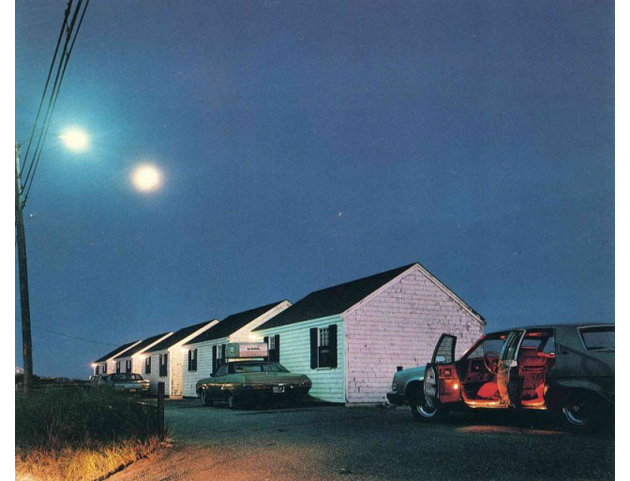
Americans love to use travel as a vehicle for reinvention. Riffing on that theme, multimedia artist Doug Aitken has announced his latest project, a self-described “nomadic happening” that he’s calling Station to Station. Over the course of three weeks in September, a mind-bending creative circus will travel by train from New York to San Francisco, making ten stops along the way. You can see the dates for each stop below.


The idea behind Station to Station is to connect leading figures in art, music, film, literature, and food. Musicians signed on thus far include Ariel Pink, Eleanor Friedberger, Dirty Projectors, Twin Shadow, and Dan Deacon. Visual artists Peter Coffin, Kenneth Anger, Olaf Breuning, Meschac Gaba, Liz Glynn, Carsten Höller, Aaron Koblin, Ernesto Neto, and Jack Pierson will all be along for the ride, as will writers Dave Hickey, Barney Hoskyns, and Rick Moody. Chefs include Alice Waters and Leif Hedendal. More participants will be announced later this summer.


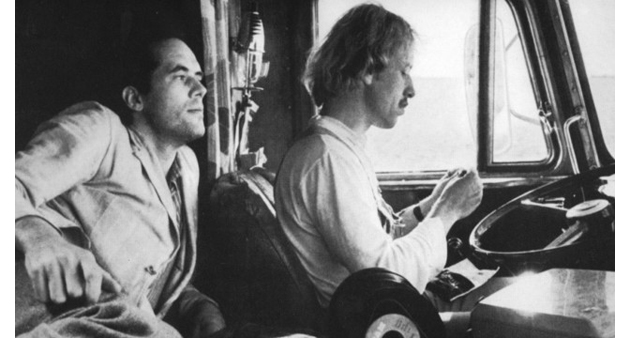
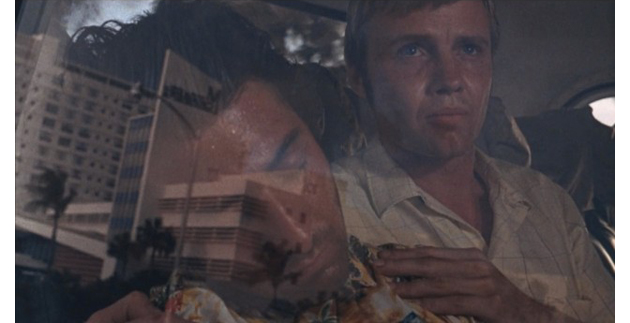
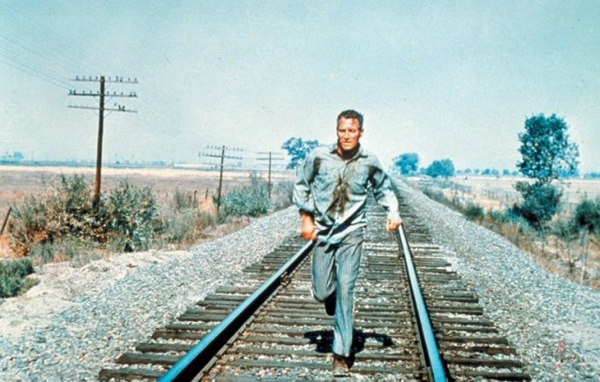
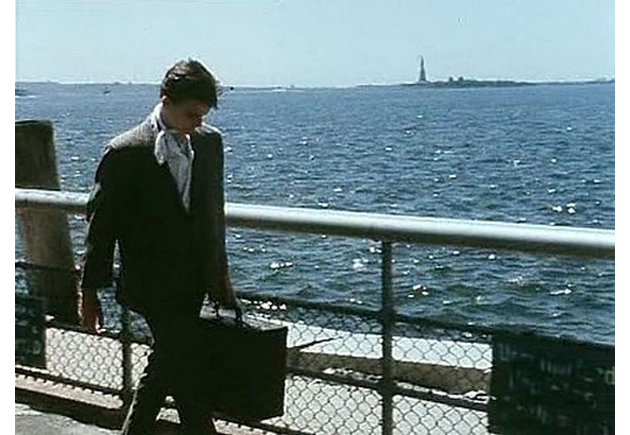
Station to Station is partly inspired by the travel writings of Joan Didion and Cormac McCarthy, and American road movies from the likes of David Lynch and Wim Wenders. Each stop will feature a veritable plethora of creative types doing atypical things across a kaleidoscope of multimedia platforms. According to the press release, the train will be transformed into a “kinetic light sculpture”. All proceeds will go to fund multi-museum arts programs in 2014. For more info, including a trove of cultural artifacts that inspired the project, visit the official website.

Quoting Aitken: “This is a fast moving cultural journey, a constant search over the new horizons of our changing culture. Grounded in some basic questions: Who are we? Where are we going? And, at this moment, how can we express ourselves? Our intention is to create a modern cultural manifesto.”

Mark your calendars:

09/06 New York, NY
09/08 Pittsburgh, PA
09/12 Minneapolis/St. Paul, MN
09/14 Chicago, IL
09/16 Kansas City, MO
09/20 Lamy/Santa Fe, NM
09/22 Winslow, AZ
09/24 Barstow, CA
09/26 Los Angeles, CA
09/28 Oakland/San Francisco, CA

Lane Koivu 
25/06/2013

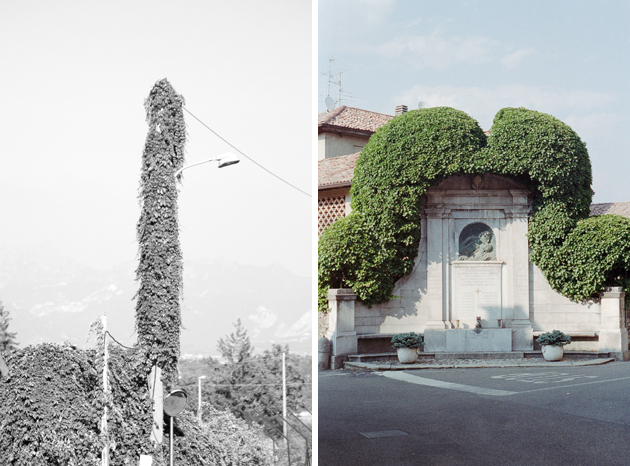
Agota Lukytė: They are following us, they are just silent

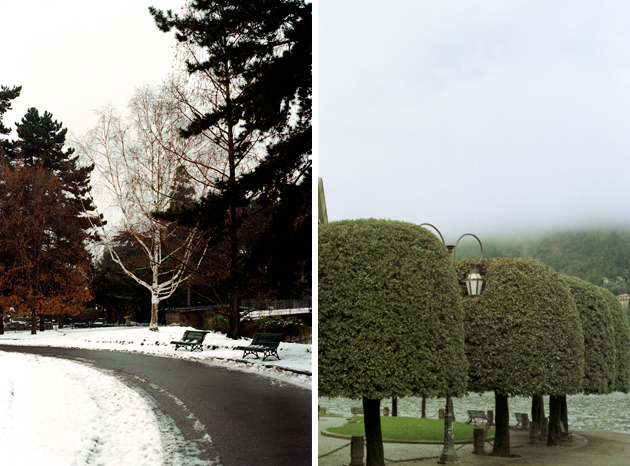
Doctor: I fall on you and I see all these things… The roots, the shrubs… Have you ever thought that plants might feel, that they are conscious, that they understand even… The trees, hazel…

Marushka: This is an alder.

Doctor: No importance. They are there, they are not rushing anywhere. It is us who are running, hurrying talking banalities. Because the nature that is in us, we don’t want to rely on it.

(Dialogue from a movie “Mirror”, 1975 by A.Tarkovsky)

Agota Lukytė

25/06/2013

Konstantin Grcic Plays With Unité d’Habitation

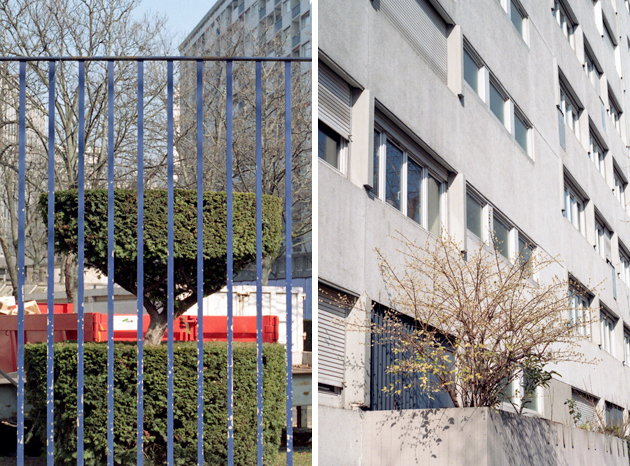
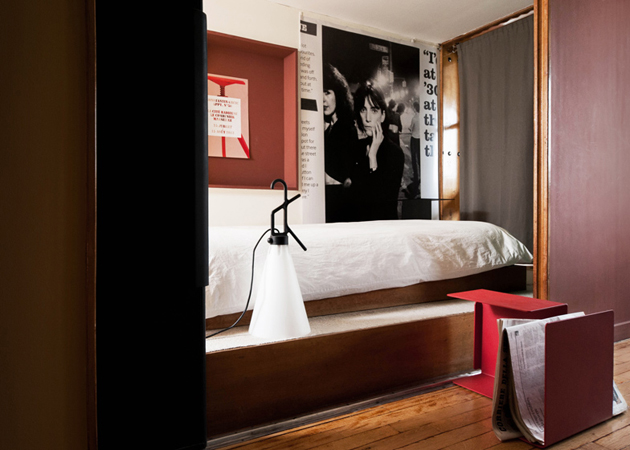
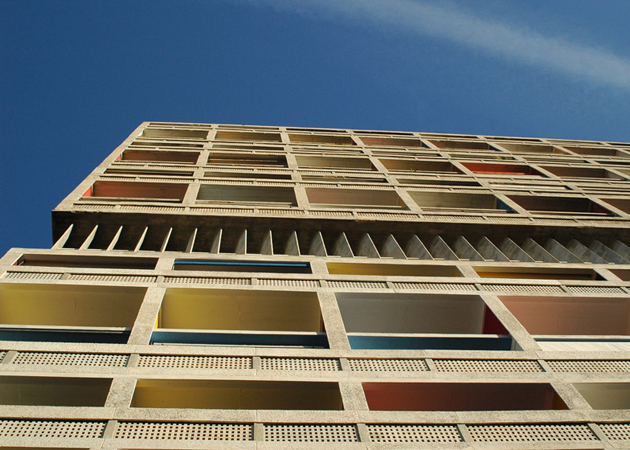
More than 60 years ago the grand master of Modern architecture, Le Corbusier, designed his Cité radieuse in Marseilles. Conceived upon the geometric repetition of single housing units, called Unité d’Habitation, the enormous complex is seen as the starting point of Brutalist architecture, due to its large size and the extensive use of béton brut (rough-cast concrete). Even though usually these kind of utopian social architecture projects have a negative appeal and the living conditions significantly deteriorate through time (like Pruitt-Igoe in St. Louis, demolished in 1972), Cité radieuse is nevertheless highly regarded by its inhabitants, mostly upper middle-class professionals.


In fact, Giò Ponti describes the success of the project on Domus’ pages with the following words: “Le Corbusier’s premise? Locate a building in a beautiful place (like ancient Romans with the sites of their monasteries, and the aristocratic their castles and villas – also “unité d’abitation”) which, with green space, air, sunlight, perfect orientation and day- and sun-lighting, acoustic insulation and perfect visuals (freedom), creates carefully designed and independent housing units in a complex offering all kinds of services and facilities (garage, kindergarten, schools, physical culture, guest rooms, infirmary, medical and pharmaceutical assistance, restaurant, shops, postal service, etc.) All of this is done by using the modern means and methods, both in terms of design and construction, used (in a purely industrial analogy) for the realization of the great ocean liners, other “unitè d’abitation.””


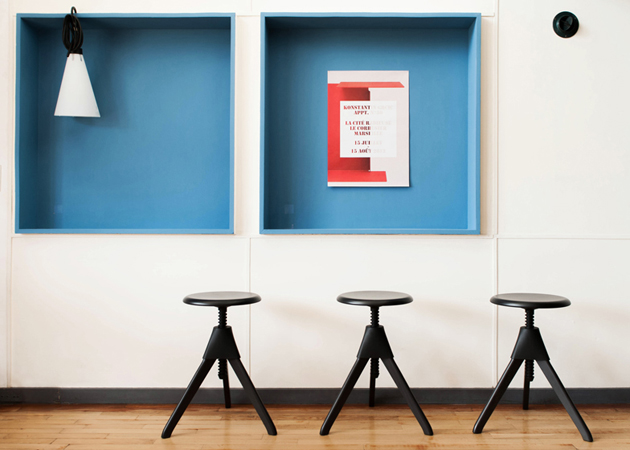
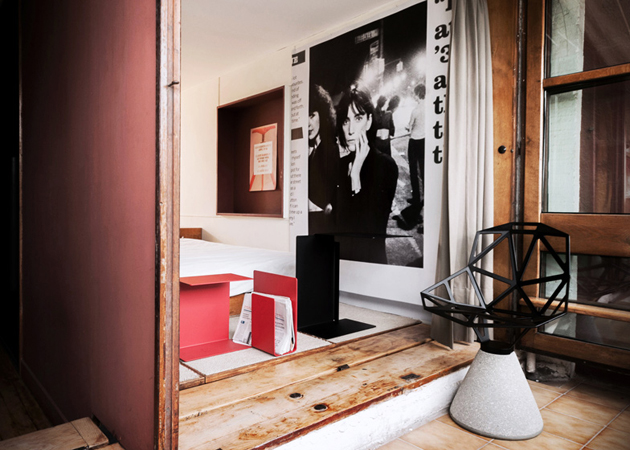
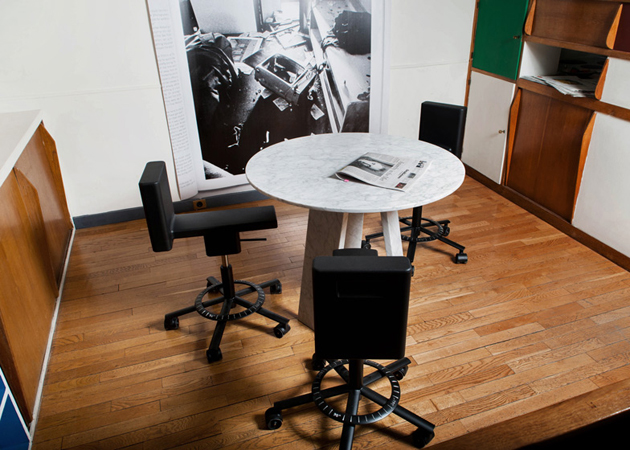
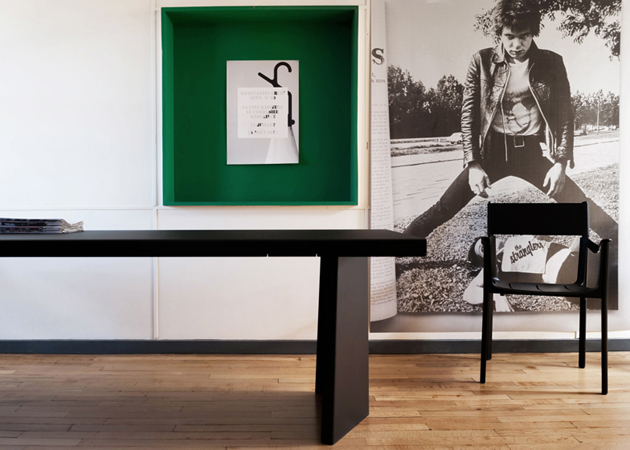
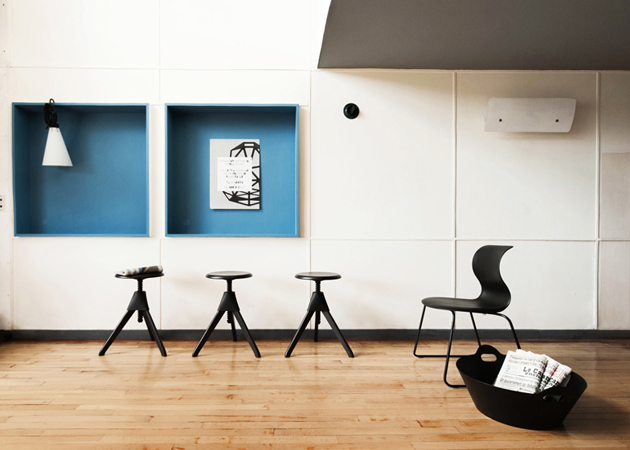
Even though years have passed and even a destructive fire has damaged the building last year, one of the apartments, namely unit number 50, has been almost entirely preserved in its original setting. Privately owned, this apartment is open to the public during the summer months and has, for this year, been entirely furbished by Konstantin Grcic. Following a project that initiated in 2008 with Jasper Morrison’s designs and continued in 2010 with the Bouroullec brothers, Mr. Grcic has used exclusively furniture designed by him in creating a contemporary vision of Le Corbusier’s vibrant project. Grcic’s utterly functional furniture has been complemented with large prints of pages taken out from a punk fanzine. The designer himself explains this powerful visual ambivalence: “The punk motifs are tempting a slightly devious link between two completely unrelated worlds: Le Corbusier’s architecture and punk rock. Without forcing the idea of common grounds, I find that both have a rawness and uncompromising spirit which I have always found compellingly beautiful,” ultimately proving that Le Corbusier’s visions won’t yet fade away.


Rujana Rebernjak – Photos courtesy of Philippe Savoir & Fondation Le Corbusier/ADAGP 
24/06/2013

Ana Mendieta | The Violence Of Truth

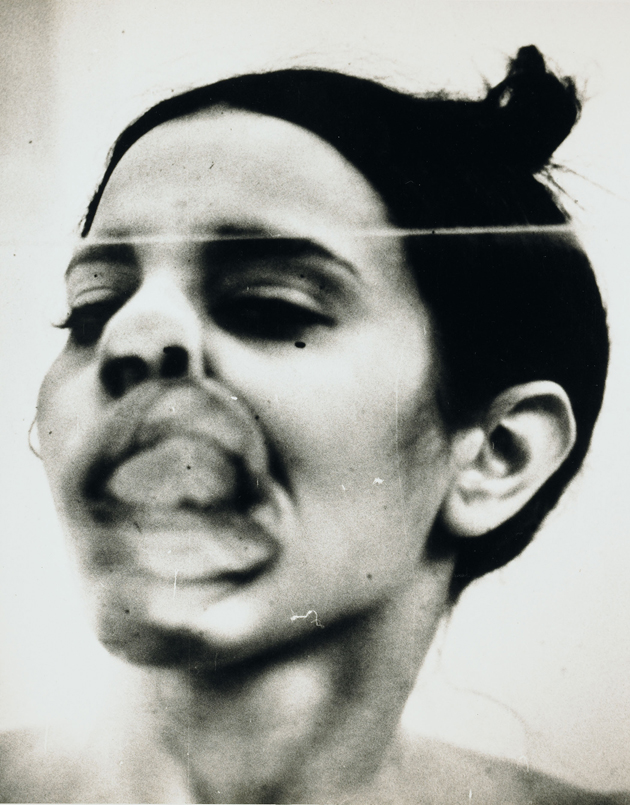
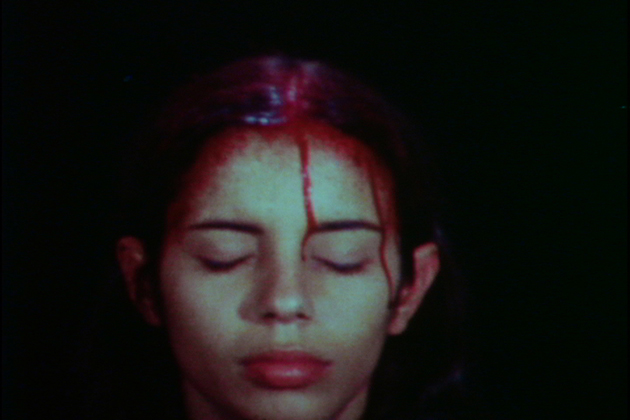
Ana Mendieta (Cuba, 1948 –1985), for those who have never heard about her, was a key name of ‘70s art – one of first Latin-American artists able to enter the New Yorker scene of those years –, an iconic and versatile artist with a traumatic past signed by the exile, at the age of 12 along with her sister, to escape from Castro’s regime, and the further wandering around USA, without having the opportunity to join the other members of her family for a long time. An experience that scarred and influenced the artist, who chose during the university years to abandon painting and deal with performance, portrait, body and land art, sculpture and photography, giving to all her works the same expressive strength and intensity.

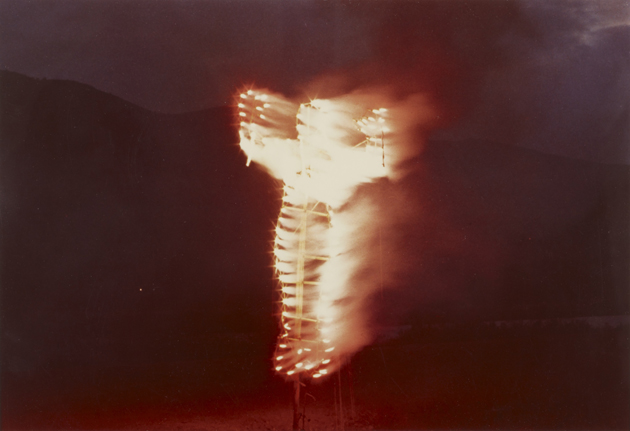
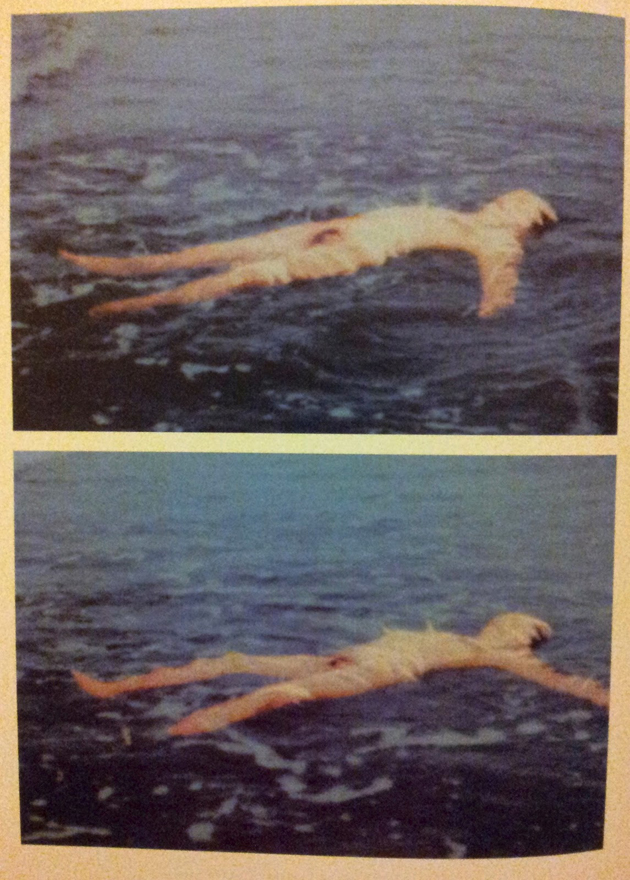
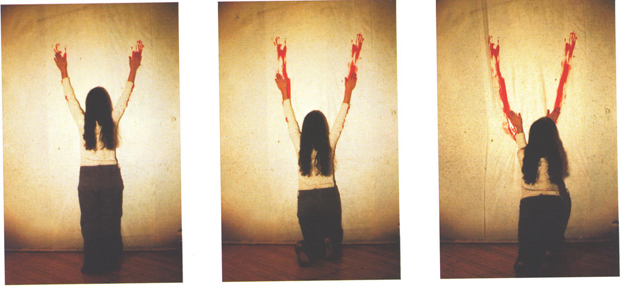
Mendieta’s research used different languages, which showed her transcultural identity and created narrations, characterized by a socio-political, but also spiritual and intimate view. The artist was close to mother earth, surrounded by nature and exploiting her own body – real or reproduced in silhouettes made with blood, soil, mud, leaves; immersed into the water or burned – as the cornerstone of a flooring poetics that grounded its roots in primitive cultures, taking inspiration from rituals’ system of believes as Santería.


With an autobiographical approach, Ana Mendieta investigated the female figure and the evolution of its condition, analysing issues related to life and death, feminism, discrimination, violence and rape. Untitled (Rape Performance) and Sweating Blood(1973) are both series conceived by the artist after reading about the rape and murder of a student of her campus. 
The emblematic performances, pictures, super 8 short films and video tapes of this great artist, who died at a young age from a fall from her 34th floor apartment in unclear circumstances, keep inspiring and influencing artists worldwide.

She Got The Love, the first huge European retrospective devoted to the Cuban artist, curated by Beatrice Merz and Olga Gambari, has just closed at Castello di Rivoli, while a selection of her early works are currently on view at Raffaella Cortese gallery (via Stradella, 7), along with the ones of the photo- and videographer, performer and art and culture writer Martha Rosler in a duo, all-female show which will run until August 4, 2013.


Monica Lombardi 
23/06/2013

Sunday Breakfast by Love For Breakfast

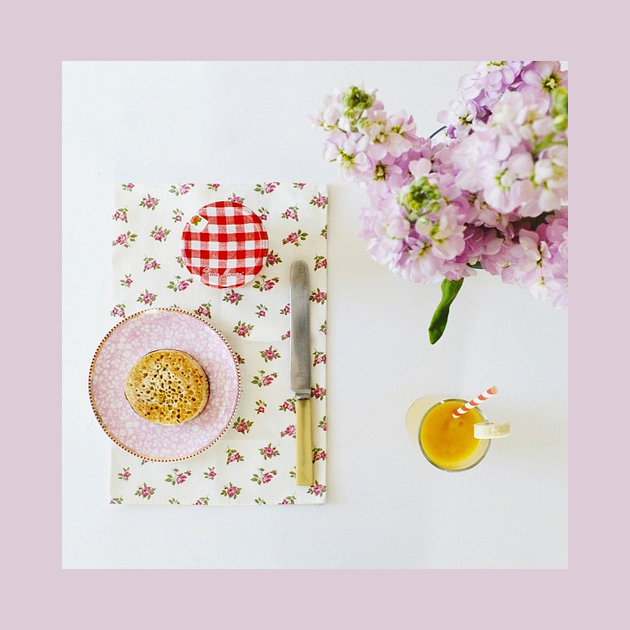
Lilac is one of the colors I love the most. Pale, delicate and calm. Like this morning, that I just want to face easily.

Alessia Bossi from Love For Breakfast 
21/06/2013

Met at PITTI 84: Onitsuka Tiger x Andrea Pompilio

Andrea Pompilio is the designer who won Who Is On Next on his first season after starting the eponymous brand and now he’s the first designer chosen to show in Armani’s catwalk theatre during Men’s Fashion Week in Milan. The Blogazine have kept an eye on the designer for a while and yesterday we met the man of the hour for a quick catch-up between his two runway shows.


We meet again in Florence! How important has it been for you and your brand to show in Pitti?
It has been really important! Thanks to Pitti I have ‘grown up’ in an unbelieavable way and now after so many seasons, they are like my family! I decided to move up with my first line to Milan because I think it’s the right time for that, but in the same time I love doing something with Pitti, with my family! So, I decided to use Florence as the location for the Onitsuka Tiger x Andrea Pompilio collection and move forward with the Andrea Pompilio line to Milan Fashion Week.

Tell us a bit about your work with Onitsuka Tiger! How did it start and what has this collaboration given to your brand?
Well, it’s an interesting story because it all just happened. I was going to Japan and I was talking to my agent there about how I was feeling that I wanted to do some interesting sneakers for the last Spring/Summer collection, and they told me “Well, that’s fantastic but why don’t we go see Onitsuka Tiger to have a talk?” and I said “OK why not?” – and from there it goes! We created our partnership and started off with one sneaker model last summer and now here we are, one year later with an entire collection and a fashion show for both women and men. It’s a partnership that has grown very fast and we have an interesting relation. Onitsuka Tiger is a sports company while I’m still trying to create something a bit more fashion than just a regular sportswear collection. What we’re doing is really mixing the Italian with the Japanese culture and then mixing it with sportswear.

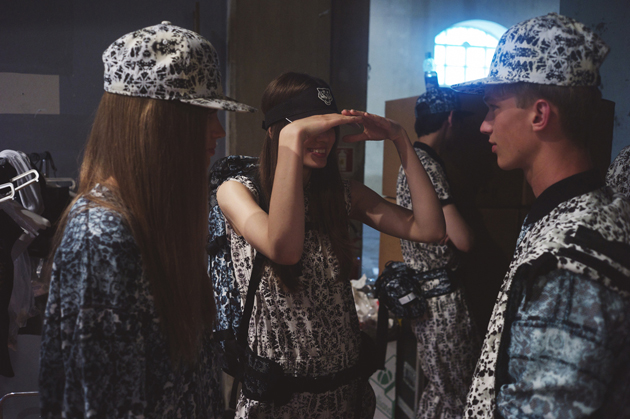
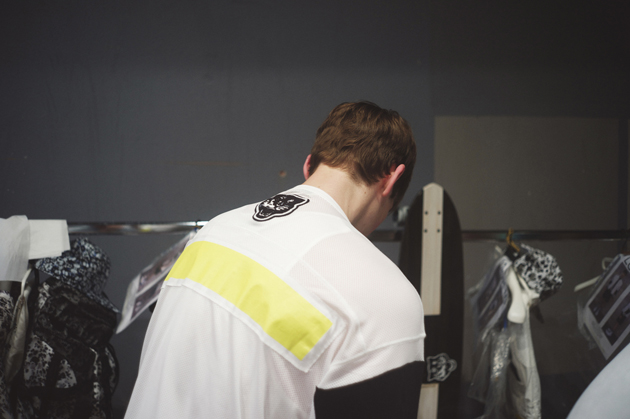
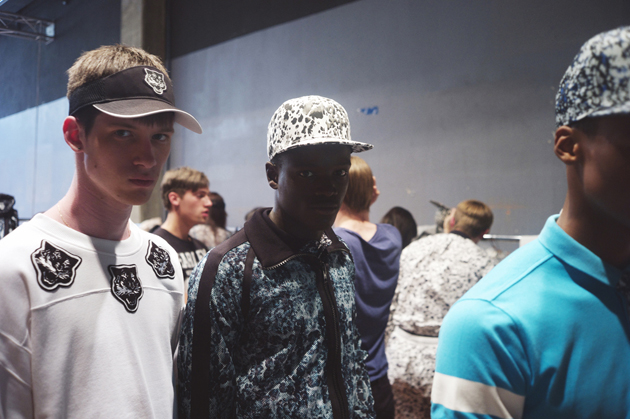
This season we were inspired by a lot of things related to Los Angeles. I went to L.A. and was really inspired by some of the areas and brought back a lot of information, and inspiration, from there. Beautiful emotions that in the collection take expression in prints – the collection is full of prints, something that also is a first for Onitsuka Tiger. The prints are on the sweatshirt, on the leather of the shoes, on the technical mesh – we are really using the prints, but in a very sporty way, and it’s what really shows the Andrea Pompilio mixed with Onitsuka Tiger.
And now you are chosen as the first designer to show in the Armani theatre during Men’s Fashion Week in Milan! What’re your feelings about that?
I am very pleased that I have been given this opportunity! I am, well we are, my whole team and I, very very very excited and I hope that everything is going to be great and that you will like the collection too! I’m pleased and emotionally touched by this offer – I mean, Armani is one of the biggest designers in the world. When I was still in school my reference points would be Giorgio Armani, Gianni Versaci and Yves Saint Laurent, so being chosen by Armani to show in his theatre in Milan is an honour. I have to thank Mr Armani for choosing me.

Two shows within a couple of days: is your pulse rushing?
I think that in this moment we completely stopped stressing. When the adrenaline is so high you don’t even feel the stress anymore, you just keep on running, running, running. I think the real stress is going to hit us at the end, when the adrenaline level goes down and the excitement is gone and I’m going to think “So what am I going to do tonight? Everything is done, I have nothing more to complete!” So at the moment we are feeling good: we are running like crazy of course, but we’re good.
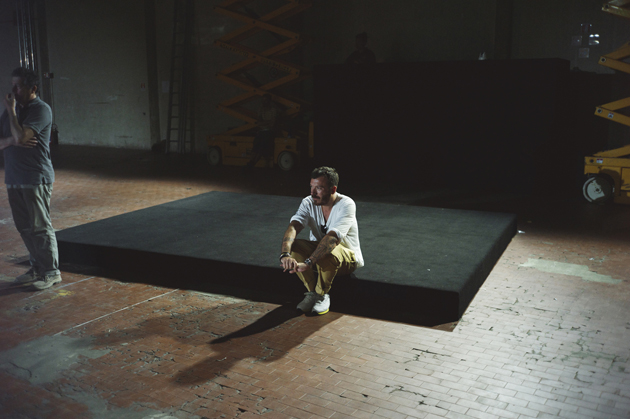
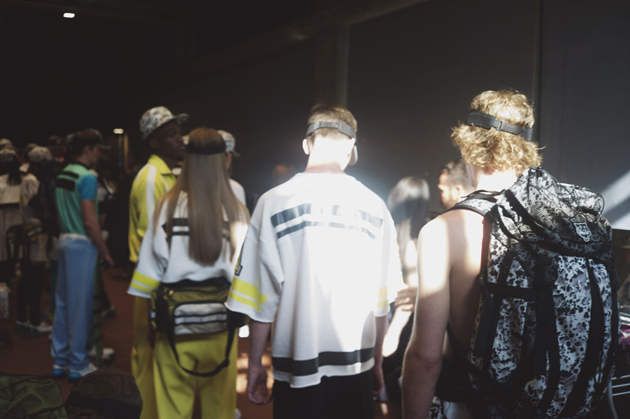
We’ve been following you since the beginning, but what is your personal feeling about your “trip” so far? Has your way of working, both design- and brandwise, developed or changed along the way?
The brand has grown a lot for sure. From being the winner of Who Is On Next to the first fashion show at Pitti to the collaboration with Onitsuka Tiger to jumping ahead to Milan. So the first thing is just that we grow a lot. Aesthetically I think the message has been very strong from the beginning, I don’t think that I’ve changed “my man” – my man is always the same. What we actually do at the office is that we bring out each of the collections, from the beginning up until now, as an exercise to make sure that we are keeping our line, and in the end it’s the exactly same man as I started with. For sure sometimes the collection might feel a bit more heavy, especially in the winter, because there will be a lot of accessories. It’s cold and you want your hat, your scarf, your gloves and therefore the summer collections might feel a bit more minimal but it’s only because there I don’t need all those extra stuff.

Apart from that, my man stays the same. Even though we have expanded as a brand we have stayed very Andrea Pompilio. Sometimes there is another designer representing the name, but in our case it’s all about Andrea Pompilio: who I meet, my friends, my inspiration, the people that I spend my time with, the museums I go to – it’s a melting pot of things, but it’s all very personal.
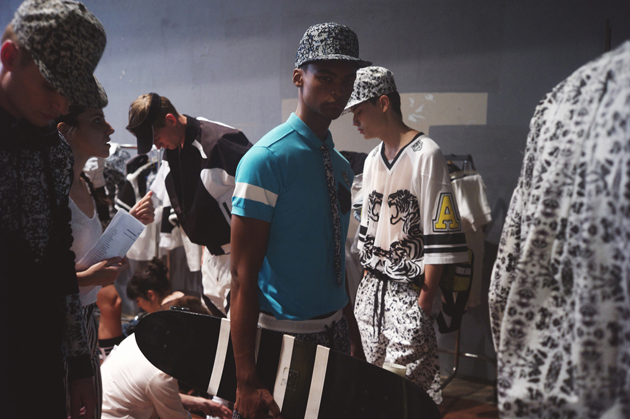
What does the future hold for Andrea Pompilio – what’s the next step?
Oh darling, that is a very very very interesting question for all of us, because no one knows! Last season I had no idea I was going to be invited to show in Milan by Giorgio Armani! So for now I am very open to any surprise that may come our way.
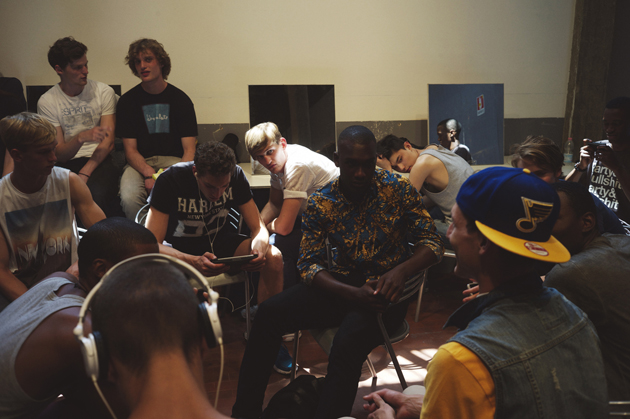
Lisa Olsson Hjerpe – Images Alessandro Furchino 
21/06/2013

Tag Christof: Mountains Beyond Mountains

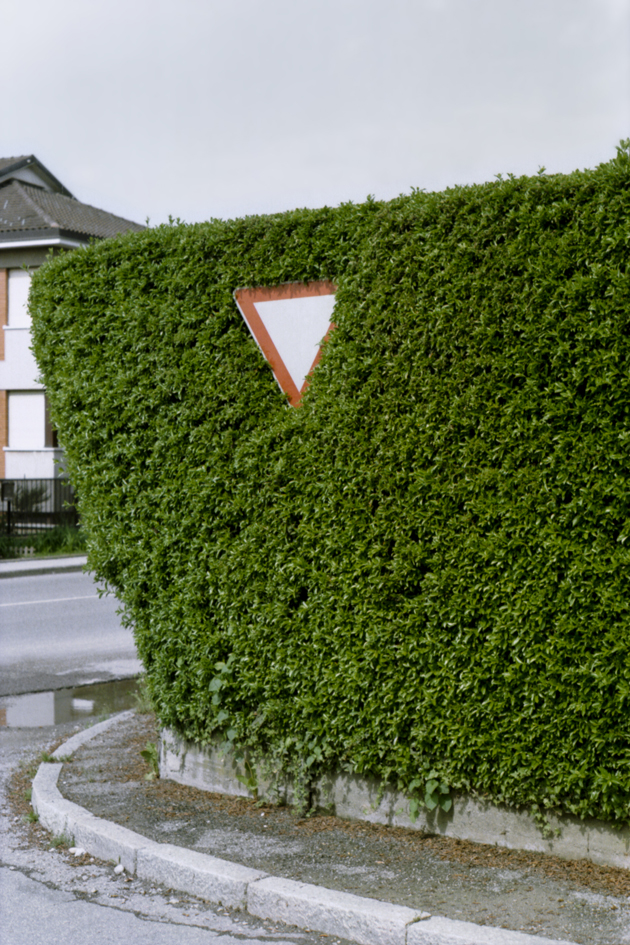
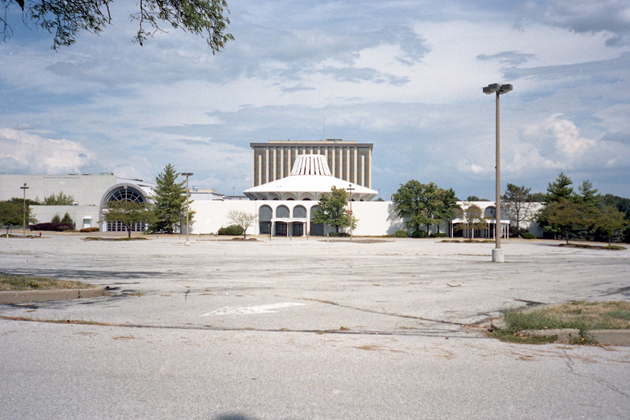
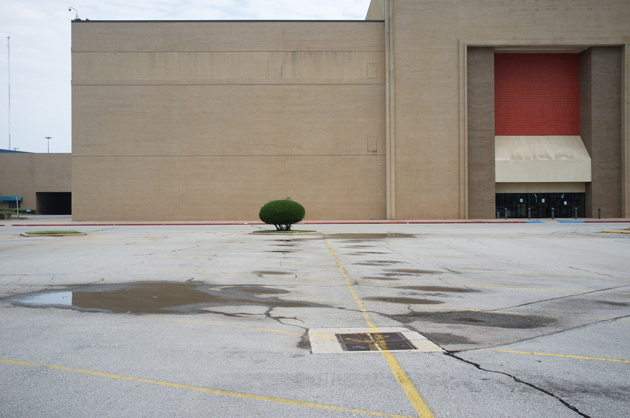
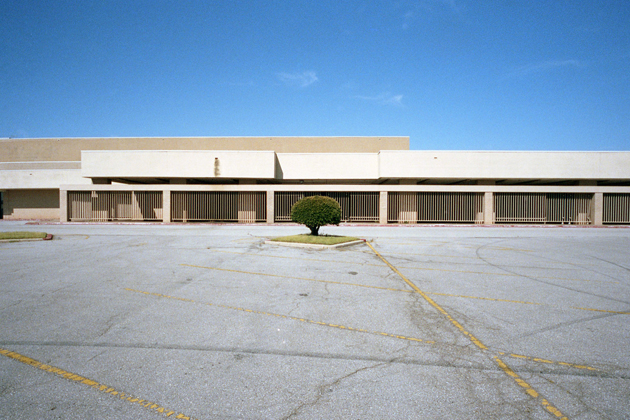
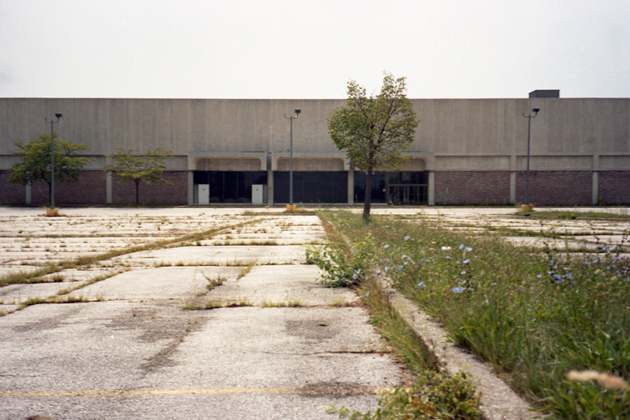
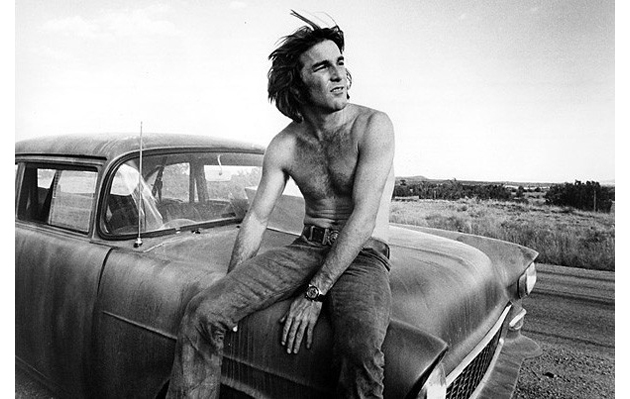
I drive America every summer. Its emptiness is the perfect respite from the hyper social day-to-day of Europe. A rest stop is the opposite of a café. A freeway is the inverse of a high street. Old junkers, exit ramps, endless skies and Evangelical extremism. Skinny dipping in a Kansas creek, Polaroids, parking lots, singalongs to brassy boozy bands on the switchback backroads of the California badlands.

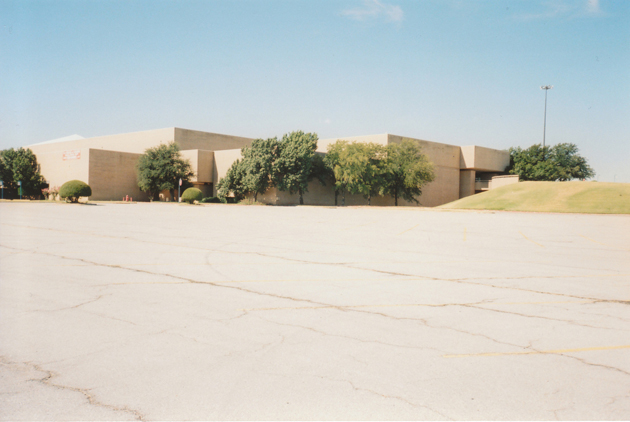
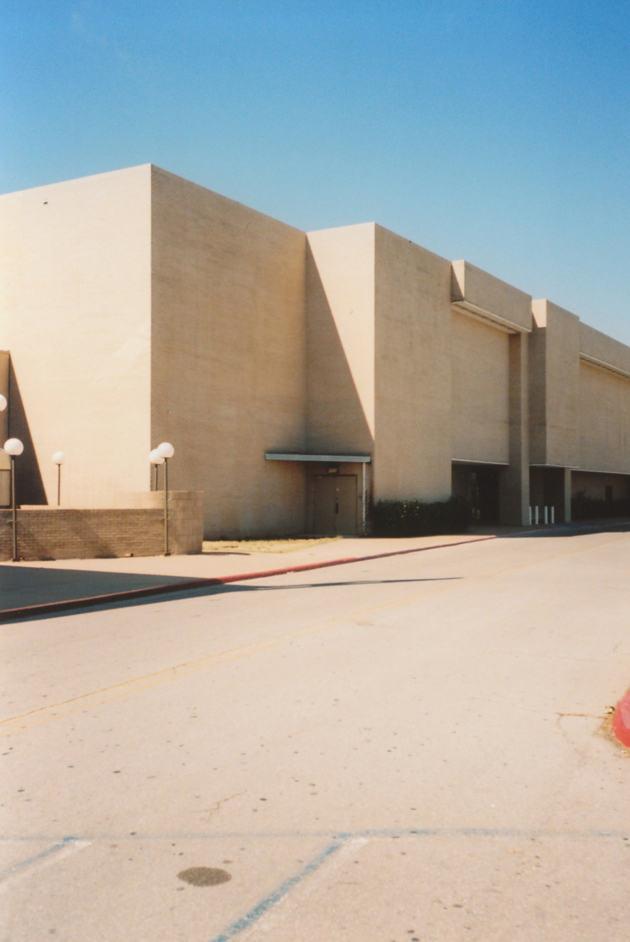
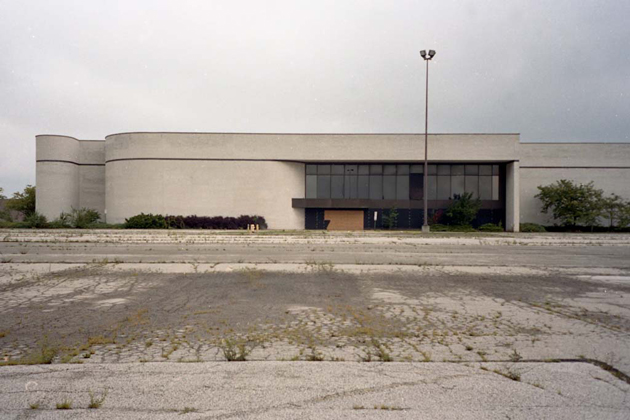
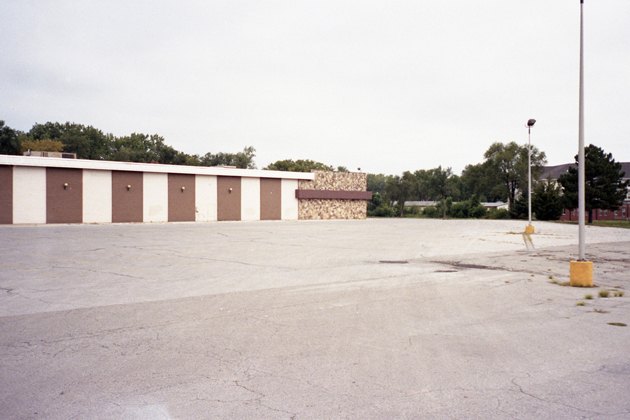
But the temples are the dead malls. They are the the Meccas, the massive monoliths, sun-baked carcasses on the contracting edges of once-swollen cities. Surrounded by endless square miles of painted, partitioned pavement. Victor Gruen’s bastard babies, once auspicious and buzzing, driven to death by greed and genericness.

They are the casualties of the old, myopic capitalism. They are stunningly, painfully beautiful. Alarmingly quiet. Festooned with the rusting logotypes and label scars of once-proud companies. Burdine’s. Bullock’s. Montgomery Ward. Dead innovators. Passed away populists. The height of midcentury modern, now mired in miasma.

‘Cause on the surface the city lights shine
They’re calling at me, come and find your kind
Sometimes I wonder if the World’s so small
That we can never get away from the sprawl
Living in the sprawl
Dead shopping malls rise like mountains beyond mountains
And there’s no end in sight
I need the darkness, someone please cut the lights

- Arcade Fire, Sprawl, 2011


Tag Christof 
21/06/2013

The Biennale Backdrop

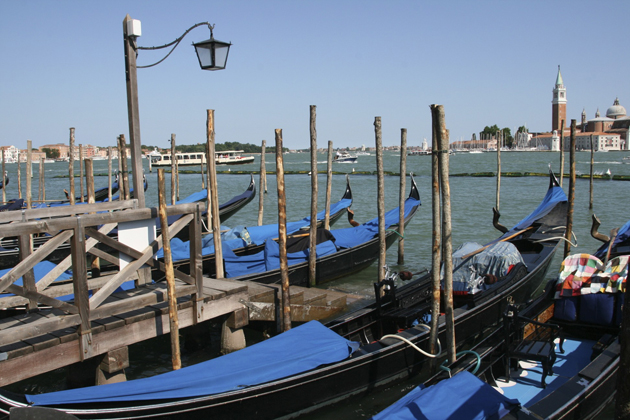
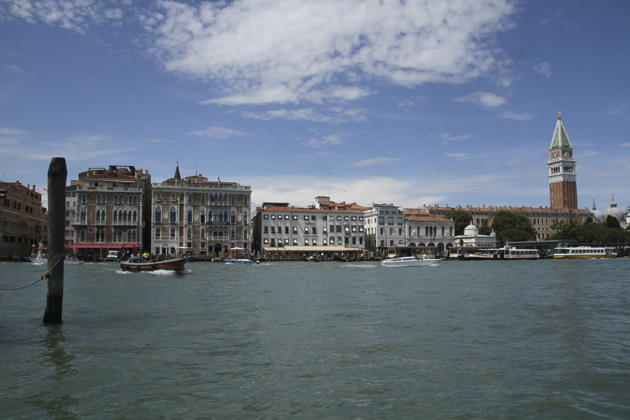
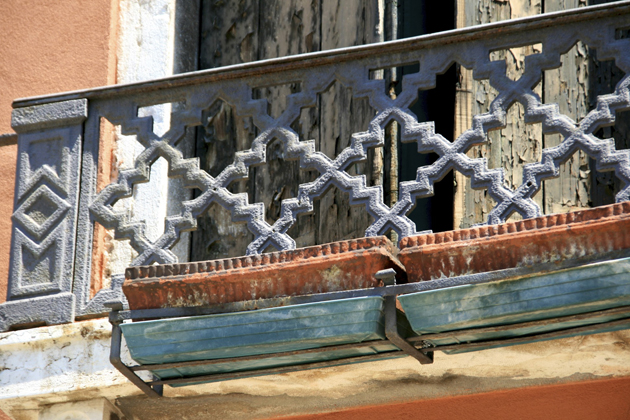
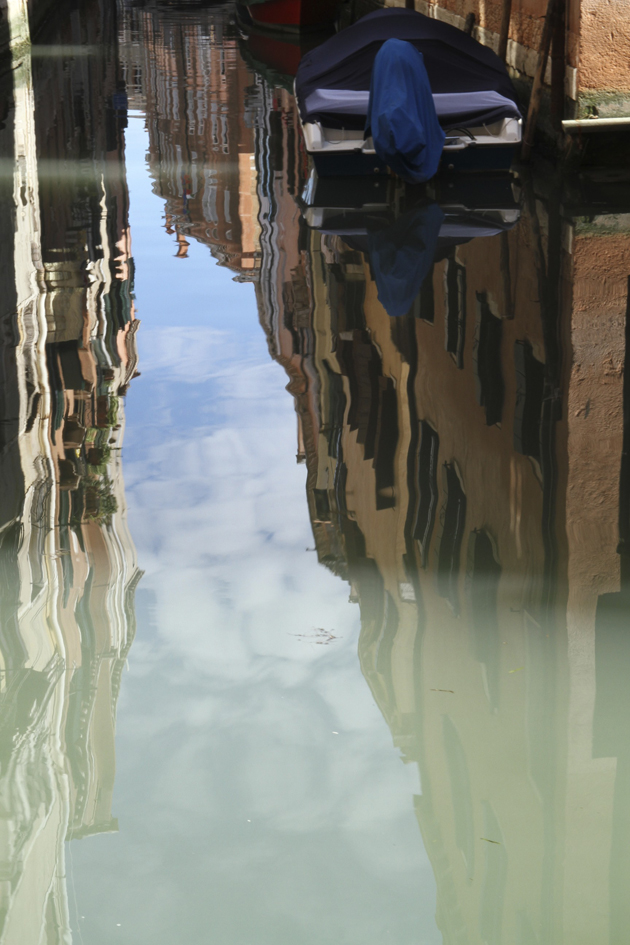
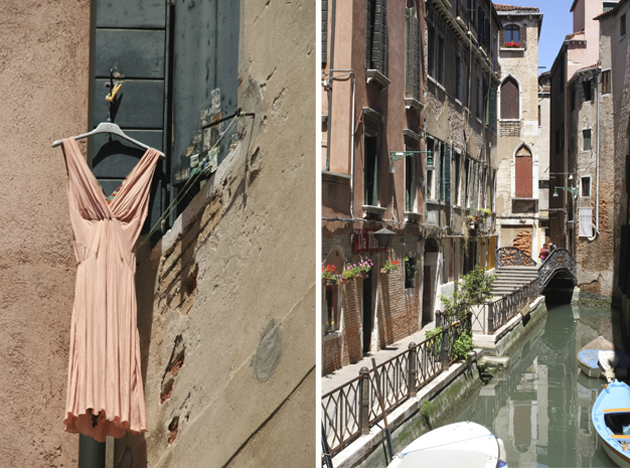
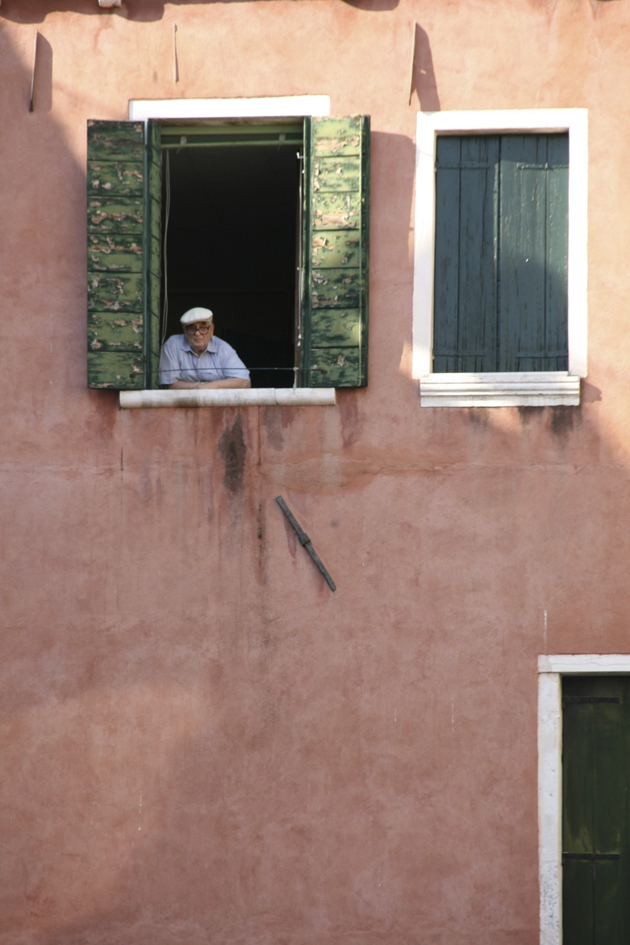
Venice, a dream-like arcadia of sun-drenched canals, postcard-perfect palazzi, vibrant restaurants and a unique art-scene that goes well beyond the Biennale, is sure to satisfy all traveling tastes.

It’s on the modern art front that Venice truly excels. Delight in Punta della Dogana, the city’s former customs house, where the outside view of the Grand Canal and Giudecca is almost as fascinating as the art within. Ca’ Pesaro, a white marble palazzo from the 17th Century, uses its Baroque façade to frame works by Miro, Kandinsky and Warhol. While the Peggy Guggenheim Collection, a modern art museum that was originally the private collection of the flamboyant American heiress Peggy Guggenheim, is perfect for those with a similar artistic flair.


Church lovers will be beguiled by Madonna dell’Orto – home of Tintoretto’s Adoration of the Golden Calf -, and San Zan Degola, famed for its frescos. Then there’s the gold-covered Basilica di San Marco, which took much of its decoration from Istanbul during the Crusades and, on the smaller side, Santa Maria dei Miracoli, a favourite of Venetian brides.
If you wish to walk (and sleep) in the footprint of royalty and philosophers, then take a room at Ca’Sagredo, a restored 15th Century palazzo. Overlooking the Grand Canal and Rialto Markets, hours pass quickly as you watch the watery activity below you. For a more boutique Old World experience stay at Ca’ Gottardi. Read a book on their terrace in the setting sun and prepare to feel luxurious. For an affordable canal-based experience catch the number one vaporetto from Piazzale Roma and make every icon stop along the Grand Canal. This journey is particularly enchanting at dusk.


Food-wise pay Osteria L’Orto dei Mori a visit. Found in Campo dei Mori, Tintoretto’s old stomping ground, this restaurant mixes Venetian classics with dishes from the South. Or indulge at ABC Quadri. Complete with an outside bandstand, that attracts waltzing retirees, and a blue mosaic floor, this opulent restaurant is the perfect place to watch the world go elegantly by. Similarly charming, La Piscina, near the old Venetian salt stores (that now house Biennale installations), allows you to sit, Bellini in hand, above the lapping Venetian waters as the sun descends. For something more casual, the cicchetti at Trattoria da Fiore and Cantino do Mori attract a modish, flavor-savvy Bacari crowd.
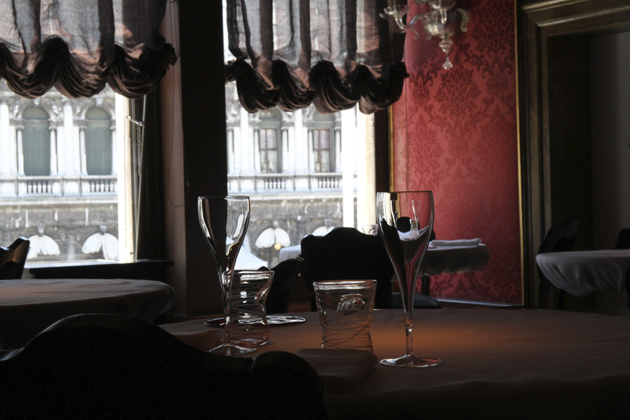
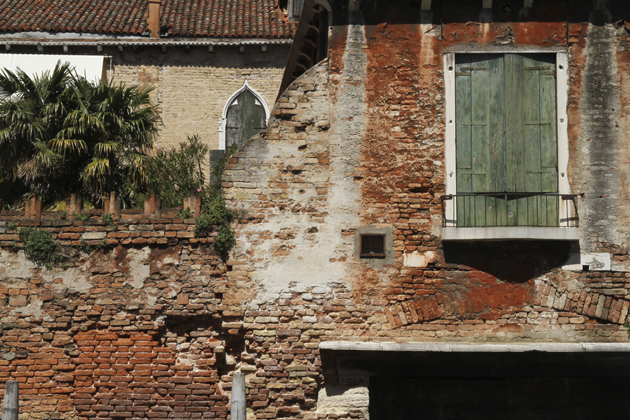
Known as the serene republic, this art-filled, flavor-rich and impossibly beautiful city exceeds every expectation. A slowly sinking wonder, it’s the ideal Biennale backdrop.


Liz Schaffer 
20/06/2013

PITTI 84: European Fashion Schools United

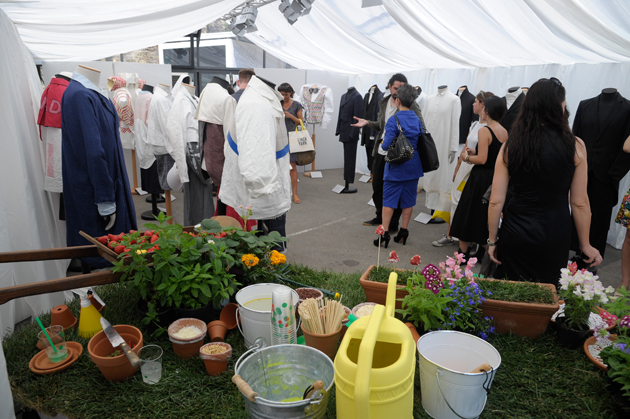
Lately The Blogazine has been busy in the world of fashion schools around Europe: in our special series, three out of six chosen schools have already been featured, with the remaining three coming up in the following month. Educational institutes are an important corner stone of the fashion industry and together with the Marzotto Group, the contribution of Linificio e Canapificio Nazionale and Bonaveri, Pitti Immagine is promoting a special project connecting three important schools together: Central Saint Martins, IUAV and the Florentine Polimoda.

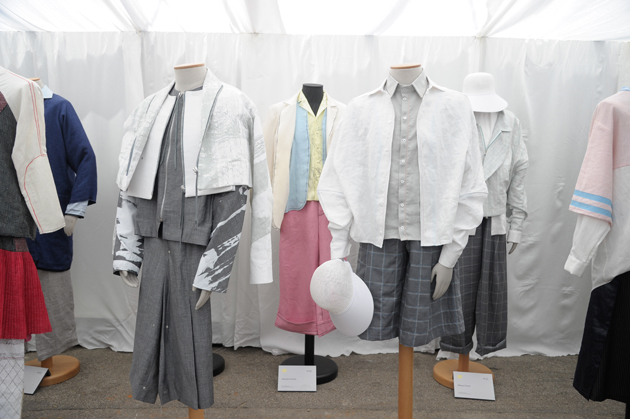
Linen Yarn is the special project and exhibition put together by some of the most promising students from the three schools. Each school has been able to translate their universe and take on the linen yarn into a small collection shown in a common space during Pitti Uomo 84: menswear design with a dedication to linen, to promote a new and creative attitude to the fabric. The students from CSM brought the Englishness to Florence and presented a deconstructed and casual male silhouette inspired by the British heritage while the IUAV students present linen as an elegant option, playing with the codes of men’s evening wear. Polimoda – who more than being present at la Fortezza has also been busy with its own fashion week over at Villa Favard – showed linen inspired by the various ethnicities of Europe: volumes and forms were accompanied by prints and decorations.


Pitti Immagine has since 1972 been an important platform for men’s clothing and accessories as well as the fair and events around it are famous for being the place where many new menswear projects have been launched: for many young designers, Pitti is a starting point to something larger – a springboard, or stepping stone, to the world outside the atelier.


Lisa Olsson Hjerpe – Image courtesy of Pitti Immagine 
20/06/2013

Open The Gates!

Last April 2013 an unusual newcomer appeared on the stage of the Salone del Mobile in Milan. Not a new design studio nor an exclusive brand, but the prestigious 200-year-old State Museum of the Netherlands. After 10 long years of renovation this museum of art and history finally reopened its doors and, surprisingly, during their persistent period of absence the museum not only rebuilt the brick walls to house their 100.000 objects; they also developed a unique virtual project. The museum presented the “Rijksstudio” project as part of Droog’s 20+ up to a beautiful future exhibition in Milan, to a, for them, new audience: the design world.


In Milan, the presentation of Rijksstudio was inspired by the domestic interior scenes of painter Johannes Vermeer and set up in a small room of approximately 30 sq m. Yet, the idea behind the digital project is much bigger than the one room we saw in Milan. The Rijksstudio is namely an online database, a platform packed with ultra high-resolution images of 125.000 collection pieces, from masterpieces to unknown artifacts. All images are free to download, collect and share and moreover of perfect quality to zoom in on details, print on big scale, sample or manipulate and all of this copyright-free.

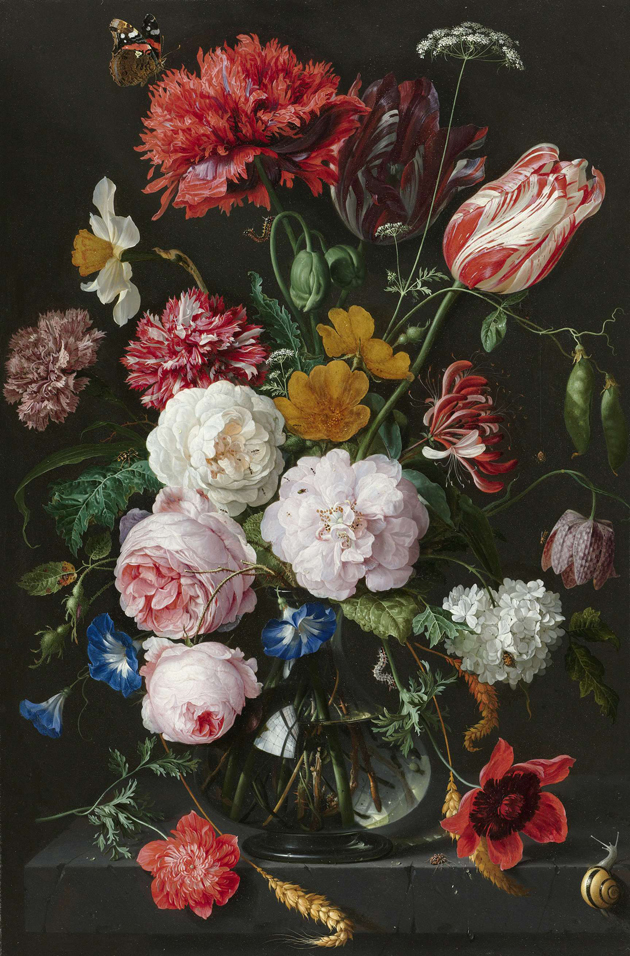
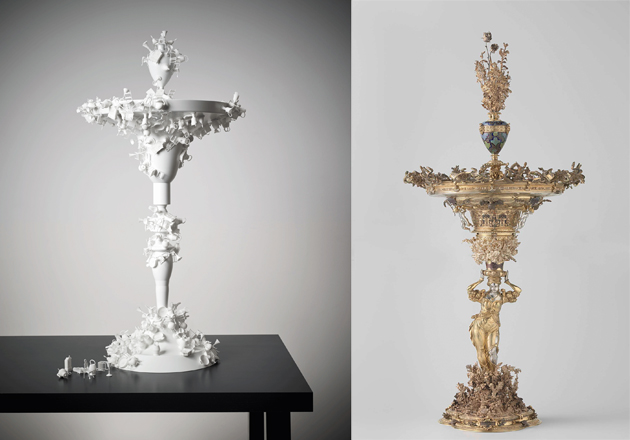
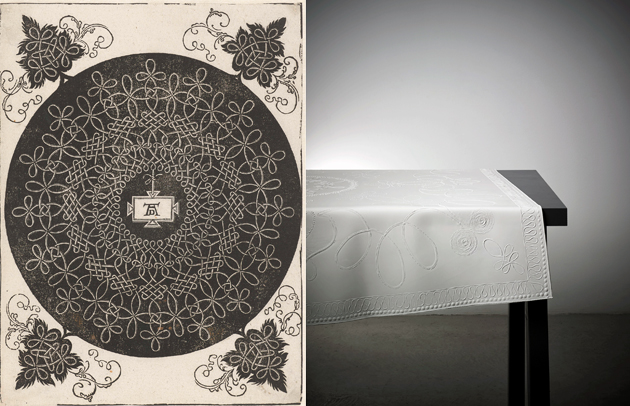
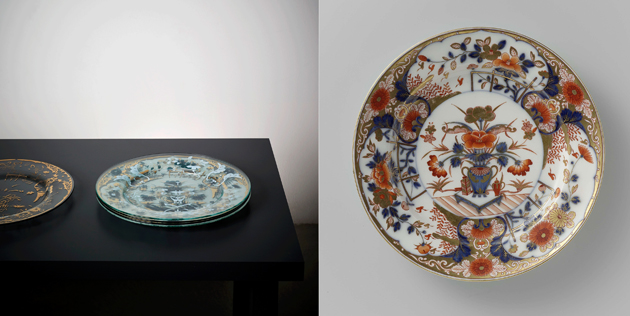
The museum’s goal with their digitalized collection and big launch during the Milan Design Week is to reinterpret “century old works in contemporary shapes, techniques and materials.” And in order to plug the Rijksstudio project firmly into the international design field, they approached the Dutch design label Droog to set the first examples. One of the most striking outcomes is how Droog turned the classical art painting Still Life With Flowers and Glass Vase of Jan Davidsz de Heem into a body tattoo. Another eye catcher is the lavishly decorated Center Piece by German silversmith Wenzel Jamnitzer (1549) that is now re-decorated with 3D-printed magnetic miniatures of the Rijksmuseum collection. Besides 3D-printing and tattooing Droog applied other highly modern techniques combined with material such as rubber, titanium, plastic or glass to create new designs such as distilling the Irmari décor motif of a historical plate onto four glass plates, which recreate the original motif when you stack them.

Of course the Rijksmuseum is not the first museum that shows its face during the Salone, but unlike the others, this time it’s not a one-off museological presentation of limited editions that makes the critics claim that “design is art”. And whereas one usually tends to write about what the eye can perceive, in this case the prototyped outcome displayed by Droog even seems of inferior importance to the story. It is foremost the museum’s initiative that must be noted for its experimental approach and creative usage of the Internet to cross historical art with contemporary design. Hopefully they have fired the starting gun for an equal footing relationship with a benefit for both the disciplines: collection pieces get a new (technical) boost out of the oblivion and designers are allotted the role of the new bearer of our cultural history.

Lisanne Fransen