22/05/2013

European Fashion Schools: London College of Fashion

London College of Fashion is located in the city that has been said to be a city where the creativity gets created and as obligatory destination on the fashion week schedule if looking for new talents. LCF is also one of the six colleges that make up the University of the Arts in London, which today is Europe’s largest university specialising in arts and design.
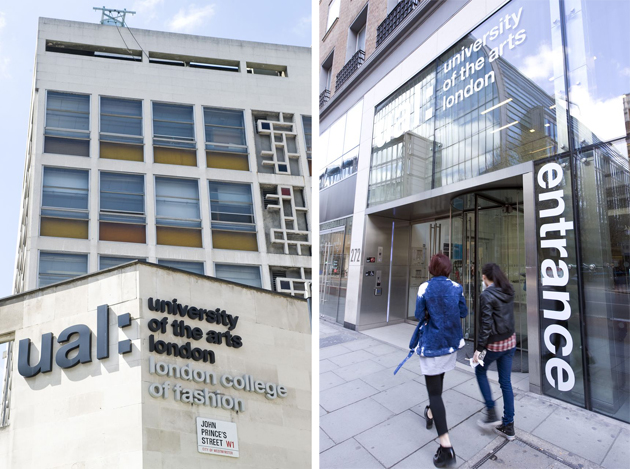
When The Blogazine had a chance to talk to the staff and insiders of London College of Fashion we asked why London should be the city to study in. “London has so much to offer its fashion and arts students – world class museums, renowned commercial galleries to small artist-run exhibition spaces. The mix of international landmarks and major department stores in contrast to hidden markets, small boutiques and designer studios make students thrive in the London environment – there is inspiration everywhere!”

Other than the privileges that the city itself offers, LCF is one of the most well-connected fashion education institutions in the world. In an attempt to stay in the forefront of things, LCF has in recent years worked to expand the thinking behind fashion as a discipline – the college aims to both challenge and support an industry that depends on rapid change and consumption. When studying at London College of Fashion you are being confronted with areas such as health, sustainability and ethical design as well as with the science around the latest digital technologies.
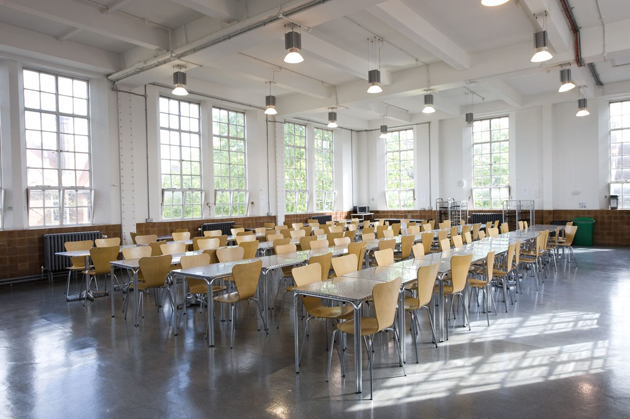
Being a school that has more than 100 years of history and claims that the one thing certain for the next coming 100 is that they will be at the centre of things, we had to ask about the school’s thoughts on the current situation in the industry that constantly goes on high speed. “Social media will continue to increase the speed of fashion, both in terms of communication and commerce, although we are now also seeing a counter trend for slow fashion and an increased appreciation for traditional media. At LCF we are working to prepare our students for the complexities of the fashion industry by providing both traditional and digital skills and knowledge.”

“We teach using a variety of communication methods and tools: face-to-face communication, printed media, video, online discussion groups, webinars, social media, blogging and offline presentations. We also try to ensure that the pace of our teaching and assessment reflects that of the industry. Just as fashion has moved from a monologue to a dialogue, so too is this reflected in our teaching as we involve both students and the industry in our curriculum and assessment design.”
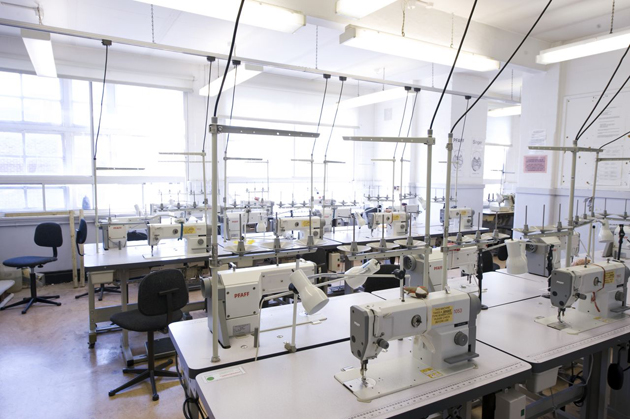
Industry relationships, cutting-edge research, new technologies and a great interest in its students – the list of what a high-end fashion school should offer its students could be made long. At LCF the priority lies in providing the students – no matter if they’re in the field of becoming designers, buyers, journalists, managers, stylists or any other degree possible to pursue at LCF – with the relevant tools to successfully forge a career within the fashion industry. “We thoroughly prepare our students for the world of work by helping source employment opportunities, internships, placements and projects relevant to their requirements. This often makes a profound impact on their career development.”

It’s hard to deny London its voice of say in the fashion industry and often pioneering ways of adapting to a business in change, and London College of Fashion is one of the schools that are trying to build a unique learning experience in order to produce the creative leaders of tomorrow. “People looking for a career in fashion should make the most of all the opportunities available to them.” – as far as we’ve understood, London seem to be just the right city to catch those opportunities.
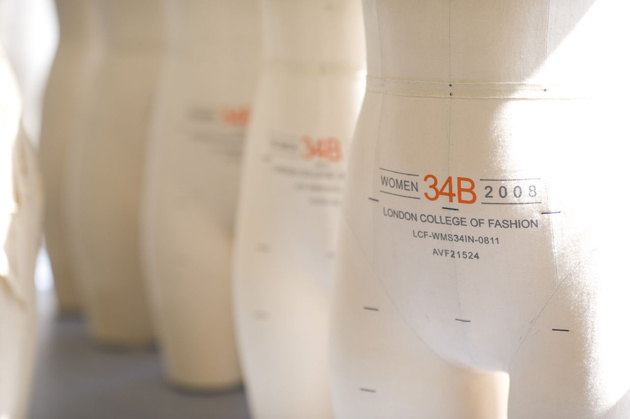
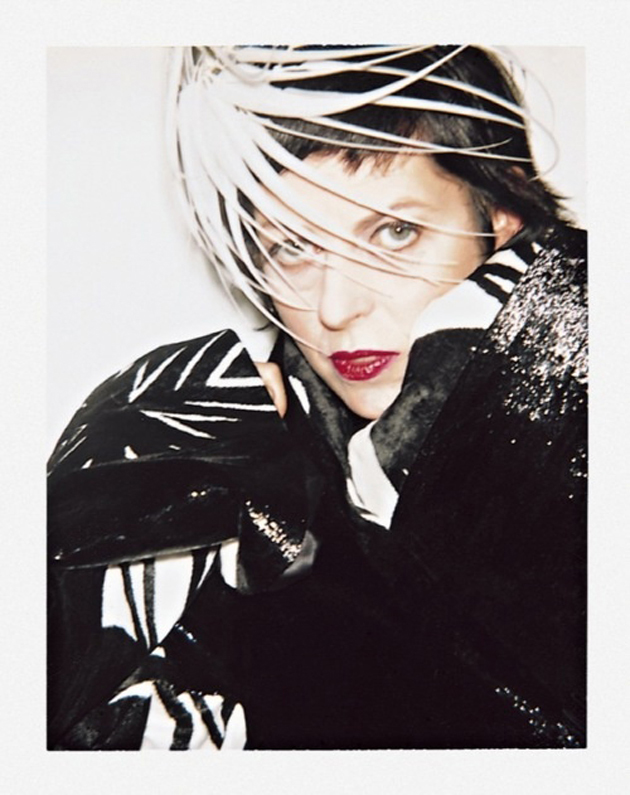
Lisa Olsson Hjerpe – Image courtesy of Jas Lehal for London College of Fashion 
22/05/2013

Bukowski’s Lost Drawings

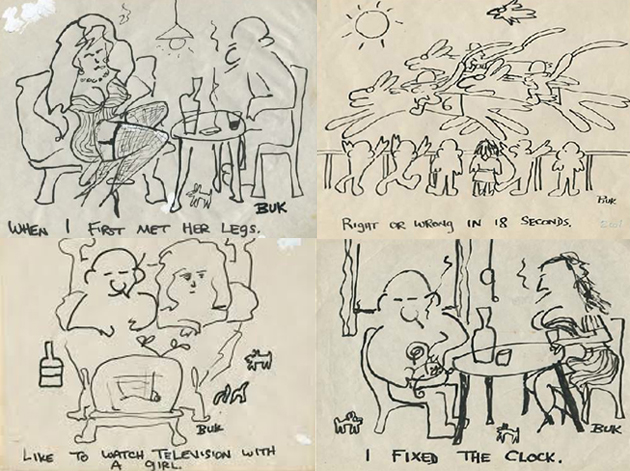
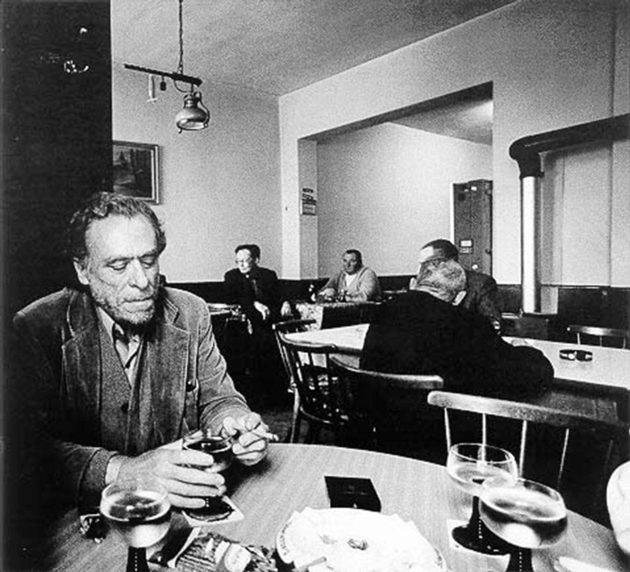
Los Angeles writer Michael C. Ford was going through his desk at the LA Free Press one day in 1974 when he stumbled on a handful of drawings by one of the publication’s famed contributors, Charles Bukowski. The drawings weren’t much more than doodles, quick line sketches in black ink on standard-sized 8 ½” x 11” printer paper. Most were made to accompany “Notes of Dirty Old Man”, Bukowski’s column for the LA Free Press (The Freep), and they featured Bukowski doing many of the things he liked to write about: staring at women, admiring legs, watching horses at the racetrack, and drinking port wine and beer in bed. Ford tracked down Bukowski, who wrote for the Freep until it folded in 1969, and offered him his drawings back. “Ah, you hang on to ‘em, kid,” Bukowski said, “they might be worth something someday.”

He was right. As Book Tryst’s Stephen Gertz points out, Ford’s collection resurfaced earlier this year at the 46th California International Antiquarian Book Fair in Pasadena, ushering in a new wave of appreciation for these obscure and highly original sketches. With their deadpan wit, it’s hard to wonder why these drawings fell by the wayside in the first place. They were originally published alongside the column, but have been omitted from both collected volumes of writing, Notes of a Dirty Old Man (1969) and More Notes of a Dirty Old Man: The Uncollected Columns (2011).

“Notes” originally began in 1967 in the underground paper Open City and moved to The Freep when Open City folded in 1969. The column branded Bukowski a savage outlaw and made him a minor celebrity in LA, and was loosely syndicated in other underground columns across the country until the column folded altogether in 1976. Like his best writing, these drawings demonstrate Buk’s uncanny ability to communicate complicated emotions concisely, humorously, and without apology.

Lane Koivu 
21/05/2013

Kim Öhrling: Composed Decay

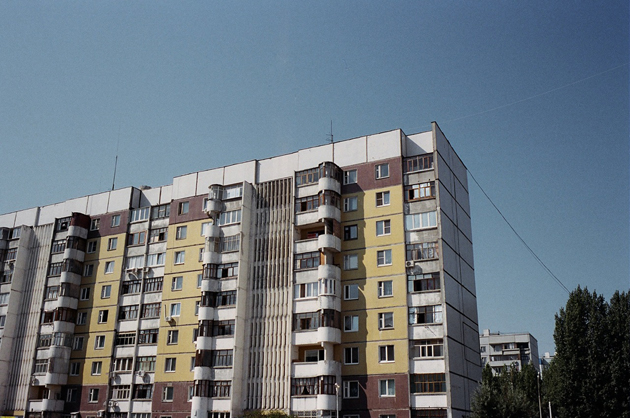
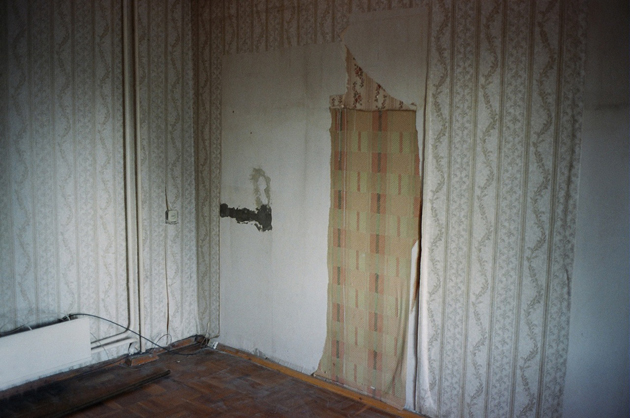
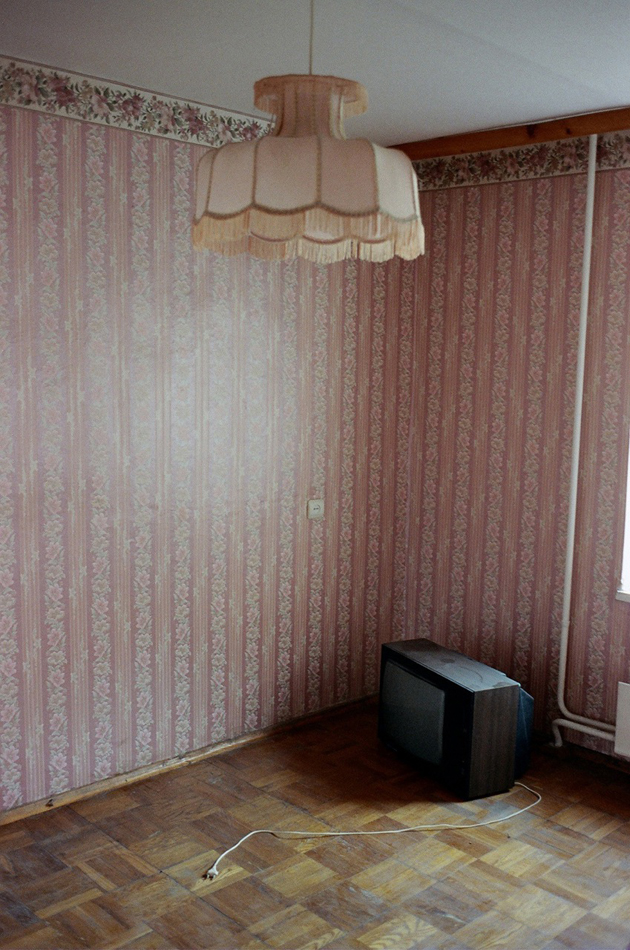
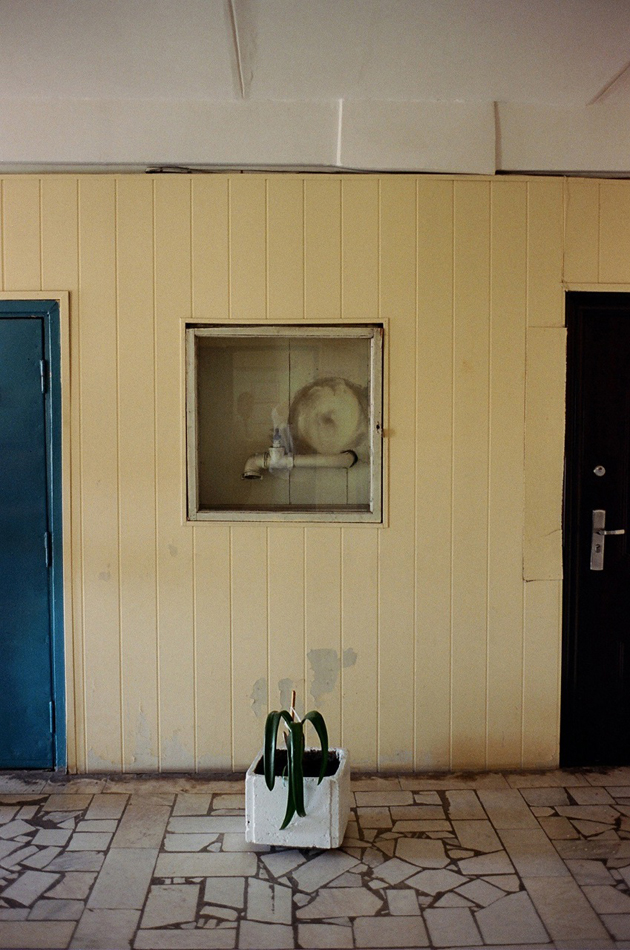
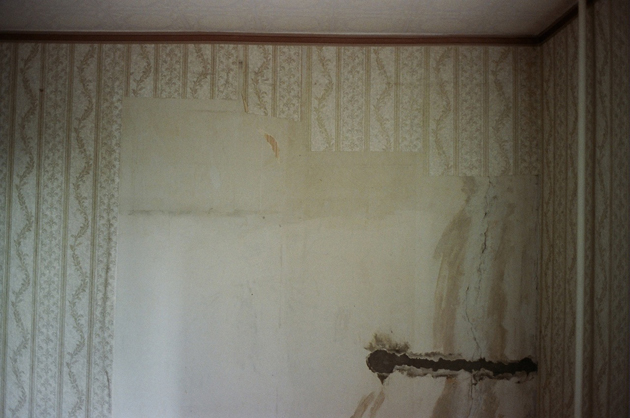
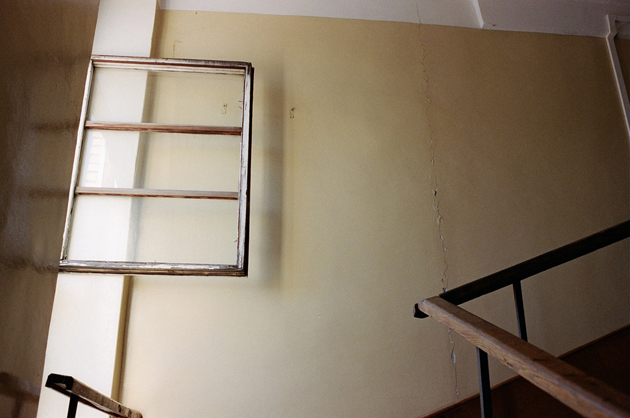
It amazes me why and how places that are abandoned, deserted or just not maintained slowly fade and become beautiful. They might seem sad, but somehow light caresses them in a special way. It’s a quality you can not fake, it is time that shapes them. These places are all around the world, in every city, town and village, slowly disintegrating. And somehow it’s comforting to know for sure that time exists, that time changes, that nothing stays the same.


Kim Öhrling 
21/05/2013

Isabella Blow: Fashion Galore!

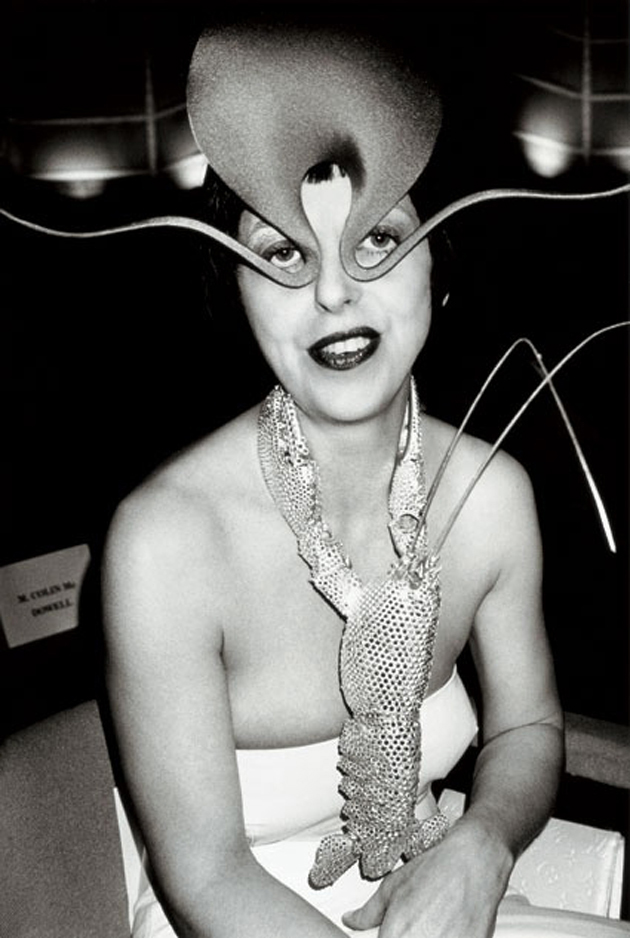
There are fashion events that are more intense than others. Isabella Blow: Fashion Galore! is probably going to be one of those. 
After her tragic death in 2007, her dear friend Daphne Guinness bought her entire wardrobe with the aim of, someday, creating a public exhibition. 
Rumors about an upcoming show have been around for several times, but they have never been confirmed until now.
 The initiative has been organized by Central Saint Martins together with the Isabella Blow Foundation, built by Miss Guinness herself, and intended to both support young fashion students and financing research in depression and mental health. 
Somerset House in London has been chosen as the location, the design has been curated by Carmody Groarke studio, and the all show is in the hands of Central Saint Martins fashion historian, Alistair O’Neill, who is also one of Somerset House’s curators.


By different sections, the spot will retrace her most significant fashion moments: from her aristocratic background to her passion in discovering young talents, up to her huge hats and shoes collection and her love for English countryside. 
One hundred pieces from her unique garments, along with Prada, Victor & Rolf, Jeremy Scott and many others, styled on mannequins by set designer Shona Heath, will be shown in order to give the viewer a realistic idea of who Isabella Blow was and to better describe her timeless original style approach.
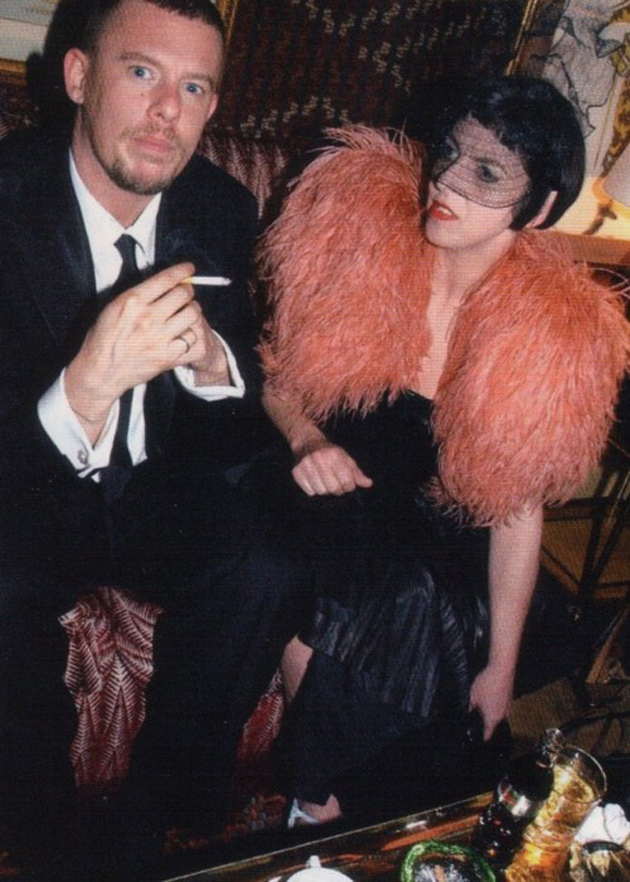
 She has always been famous for her special sixth sense regarding new talents, this is the reason why a special area dedicated to some of Alexander McQueen’s graduation collection pieces, along with La dame Bleu and Philip Treacy tribute, will be displayed.


The show will open in November 2013 and it is expected to close in March 2014.

Francesca Crippa 
20/05/2013

Staging The Images In The Mid-1970s

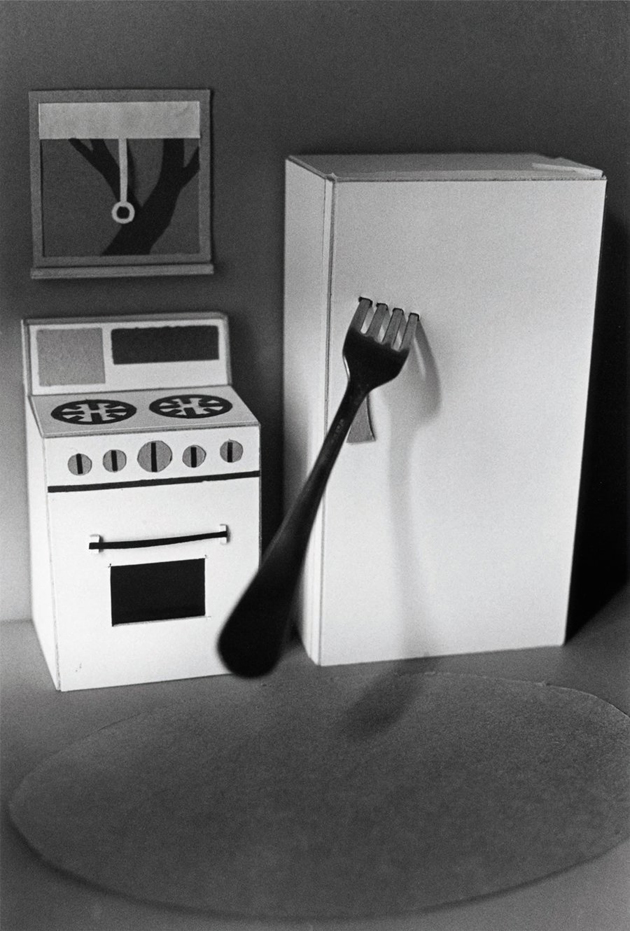
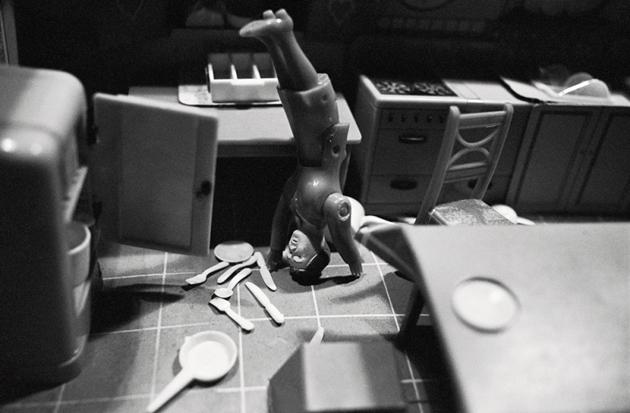
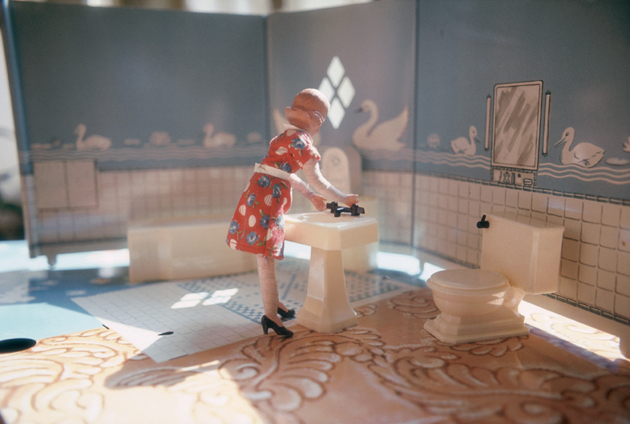
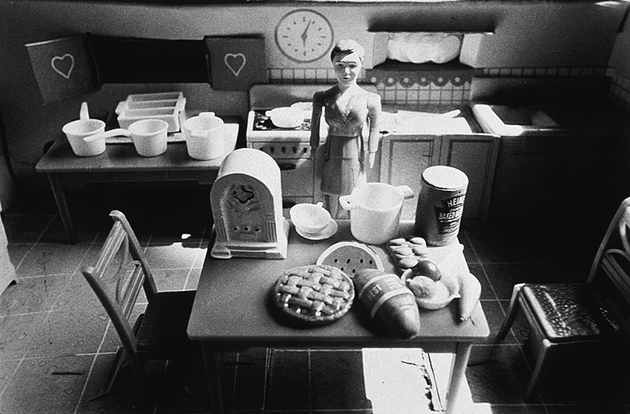
The idea of constructing reality through the use of fictional images is something that contemporary people know very well, as well as the idea of integrating different media to move art into life. Laurie Simmons (b. 1949, Long Island, NY) and James Casebere (b.1953, Michigan, NY), with different approaches, started using miniaturized locations to create photo-based works related to personal and collective memory during the seventies. Both of them did it capturing an abundance of details and recreating grey areas exploiting artistic synergies and conceptualism. Simmons collected dolls and playhouses to produce assemblages of interiors, which represent the domestic everyday life of the 50-60s, depicting a culture previous to the artist one – who identified herself as a hippie – made of perfect women, housewives, angels of the hearths who cook apple pies and behave as faithful wives. From the half 70s, Laurie Simmons started taking pictures of black and white – and soon after coloured – scenarios that portrayed little ladies in play-kitchens: toys fall into disuse with the advent of feminism, seen as instruments of indoctrination.

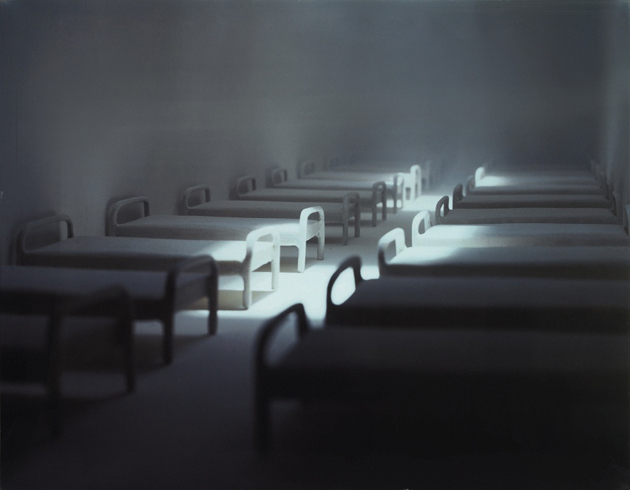
Series of toy models of men/cowboys follow the works of woman figures, increasing the corp of images with different narrative levels. They are images showing reassuring locations, which hide sinister and unsettling atmospheres that mirror faded illusions of a period still stocked in the collective subconscious, theatrical as well as gently satirical. Even Casebere, during the 70s, started creating bizarre and distressing images coming from the childhood, rebuilt through the use of dioramas made of everyday life objects.

The treated issues are related to the deleterious effects caused by the TV on the new generations and, above all, the increasing relation between reality and illusion. Youth, dream and memory recur and mingle to people’s life, into the tridimensional structures where light assumes a fundamental role and, as for Simmons, the theatricality becomes the key factor. The spaces of social life are the places of main interest for Casebere and, as for many other contemporary artists who work on manipulation of reality like the great Belgian Hans Op De Beek or the German Thomas Demand, these places are decontextualized and characterized by evanescent, unnatural and spooky atmospheres. This analysis regarding the fact that representations in art more often take over reality, creating distortions, seems to have its roots in a distant past, but still keeps on interest artists of different times.


Monica Lombardi 
20/05/2013

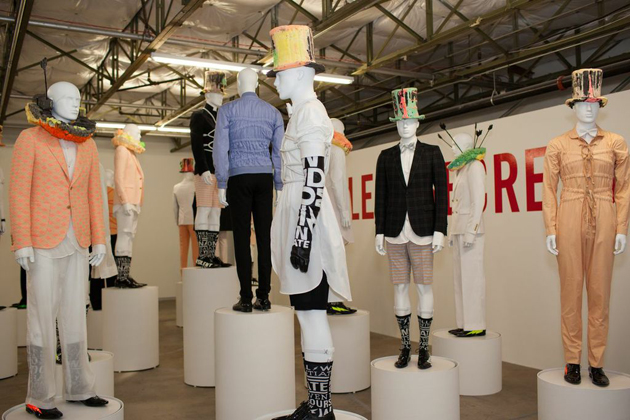
Walter Van Beirendonck at Dallas Contemporary

Thinking about fashionable cities in US territory, Dallas is one of those you’d probably never mention, even by mistake. 
That’s probably why Walter Van Beirendonck admitted having been surprised when Peter Doroshenko, Dallas Contemporary’s director, asked him for a solo exhibition in the city.
 Beirendonck is one of the Antwerp Six – the avant garde collective that contributed to make Antwerp gain fashion incubator fame – and he is very fascinated of being part of an art exhibit: he believes that if fashion gives to clothes life and death in only 6 months, art can make them immortal, instead.


On the other hand, Mr. Doroshenko describes the Belgian designer as “one of the most important fashion designers in Europe” and his creations as “never about the everyday, they are pure theater.” He thought that showing his latest works in Texas’ capital city could be very interesting. 
Even if Dallas appears as a conservative and quite silent city in the South of America, far from the shiny world of fashion, the city offers a lot of culture: it counts about 20 structures between galleries and museums. 
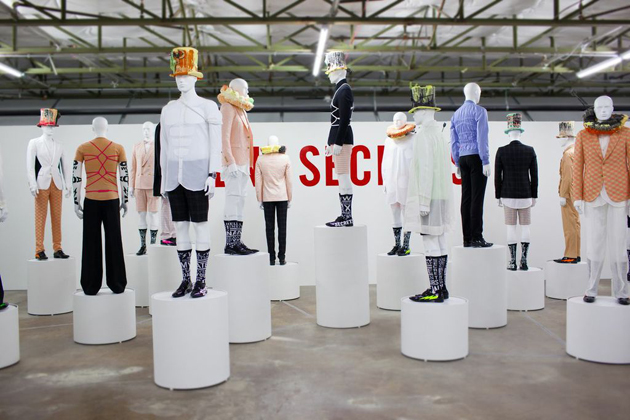
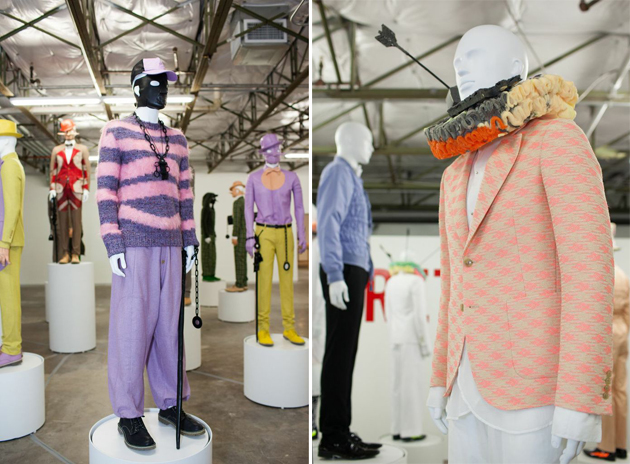
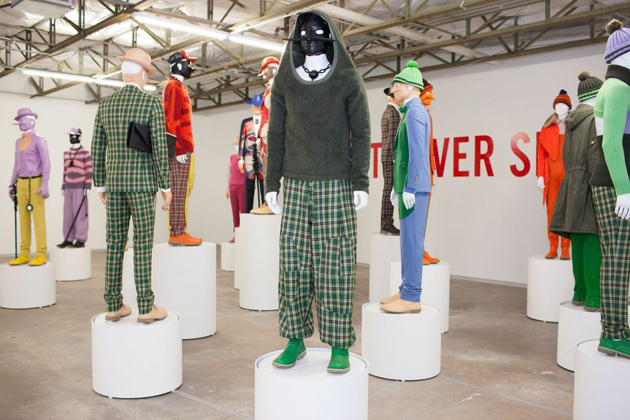
“Lust never sleeps” and “Silent Secrets” are the collections presented in the show. The inspiration for the first, FW 2012-13, is inspired by Haiti voodoo rituals and Papua New Guinea, melted with an idea of abstract futuristic dandy. The second one, SS 2013, derives from a reaction to everything over-visible nowadays, due to the always-increasing social media world. 
The one-of-a-kind pieces are shown on a series of motorized rotating pedestals, allowing visitors to experience the garments from every perspective.


The exhibition has coincided with the beginning of Arts Week, started on 12th April and the collections will be on show untill 19th August 2013. 
Entrance at Dallas Contemporary is always free.

Francesca Crippa – images credit of Kevin TodoraIl 
19/05/2013

Sunday Breakfast by Love For Breakfast

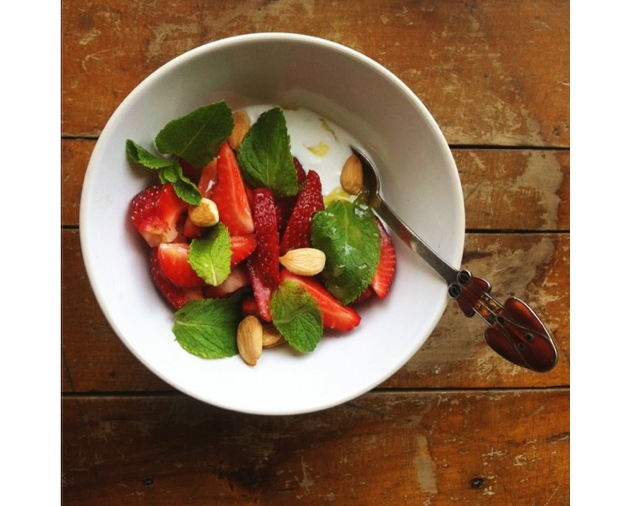
The essence of fresh mint meets the intensity of the almond and the kindness of the strawberry. As in these mornings, all variables are mixed to make every waking special.

Alessia Bossi from Love For Breakfast 
17/05/2013

Tung Walsh at The MET

The Metropolitan Museum of Art is currently showing this year’s exhibition by the Costume Institute of New York, entitled PUNK: Chaos to Couture, examining the impact of punk on high fashion, looking at the movement from the early 70’s up until today.

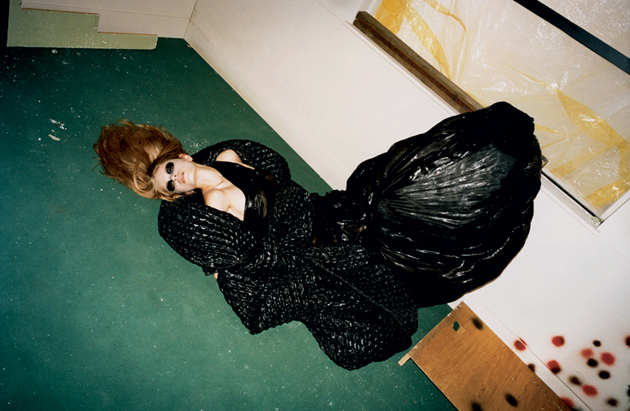
One of the photographers chosen to be showcased at The MET is a London based photographer Tung Walsh, represented by 2DM / Management. The image chosen for PUNK: Chaos to Couture was originally shot by Walsh for POP’s September issue 2009, featuring fashion by Alexander McQueen.

The exhibition will be open until August 14

From the bureau – Image courtesy of Tung Walsh 
17/05/2013

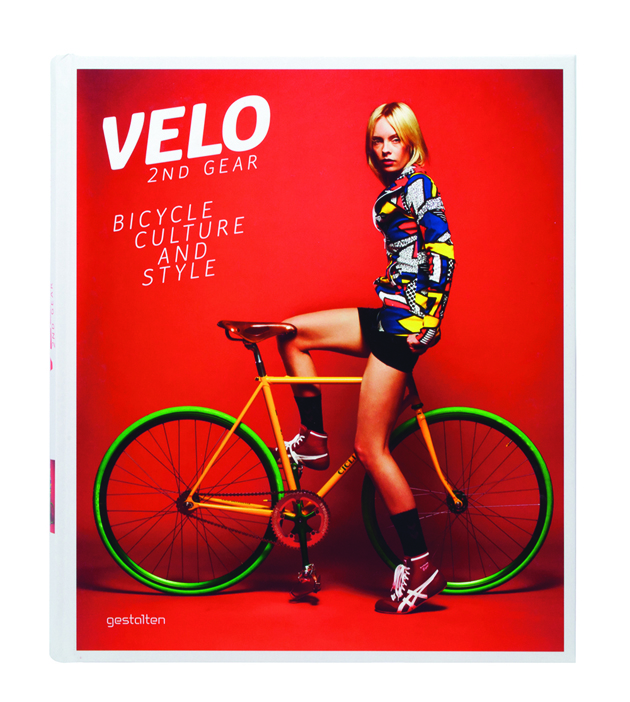
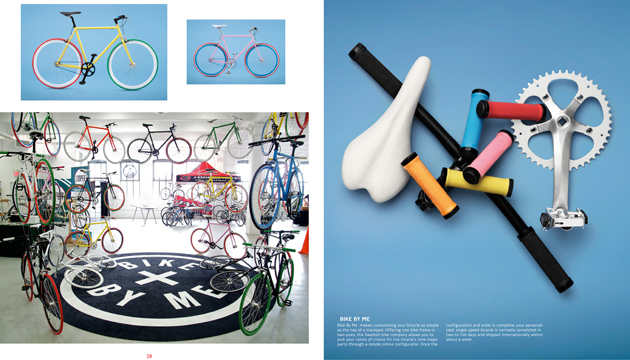
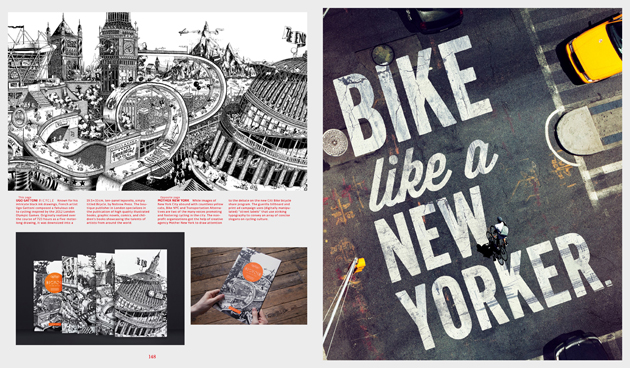
Gestalten’s new Velo 2nd Gear: Bicycle Culture & Style

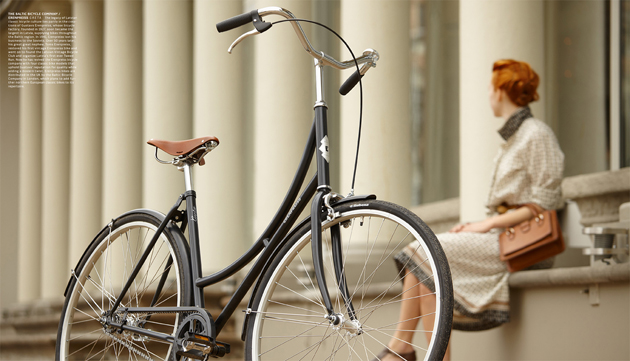
We have already been thinking about the bicycle as a significant accessory that can define a look. Buying one is like picking a pair of sneakers or a sweater; it can reveal a lot about your personality and taste. Choosing a model over another one means being closer to a certain type of lifestyle. But the lifestyle of bicycles is not just appearance, it’s a real culture community.


“Gestalten’s new Velo-2nd Gear: Bicycle Culture and Style book” is on the other hand a medium to showcase the most beautiful bikes around the globe, but also a narrative process that retraces the whole world behind the item, style included. Edited by Sven Ehmann and Robert Klaten, respectively the Creative Director and the Editor, the edition presents itself as a celebration of cycling, avoiding the commonplaces based on the green and healthy lifestyle.

The crucial aspect of this book is the way they tell the viewer the entire story behind the pictures, so that one has the impression of being part of the travel itself, and through the pages one can discover a street culture that is not just aesthetic but also cultural and technological, a continuously evolving millennial mean of transport.


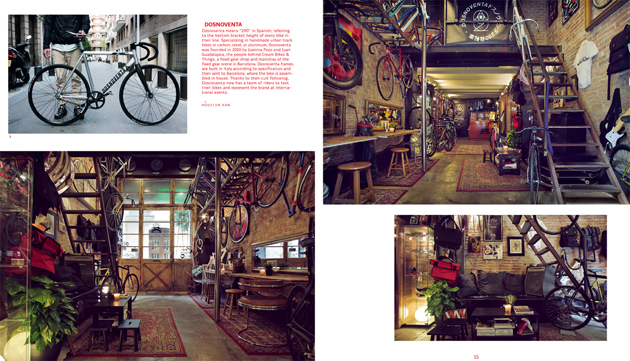
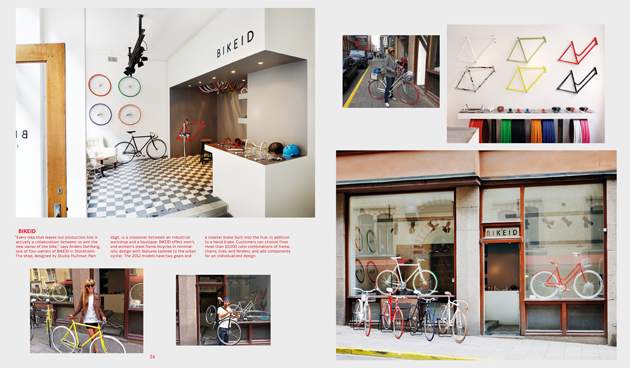
You’ll find behind-the-scene photos of famous contemporary manufactures along with best shops and showrooms worldwide, as well as underlined all those inventions that improved – and still do – the structure of the bike itself, the most extravagant designs, the most special accessories and clothing, and importantly enough also the people who ride these wheels.

In a 256-pages edition the reader gets the chance to completely embrace the culture of a very complex and varied universe; not stopping only to old school fixies but also beach cruisers, light-framed racers, mountain bikes and a section dedicated to specialized tour routes.


Francesca Crippa – Images from the book Velo—2nd Gear, Copyright Gestalten 2013 
17/05/2013

Ballet in Berghain – Masse by Staatsballett Berlin

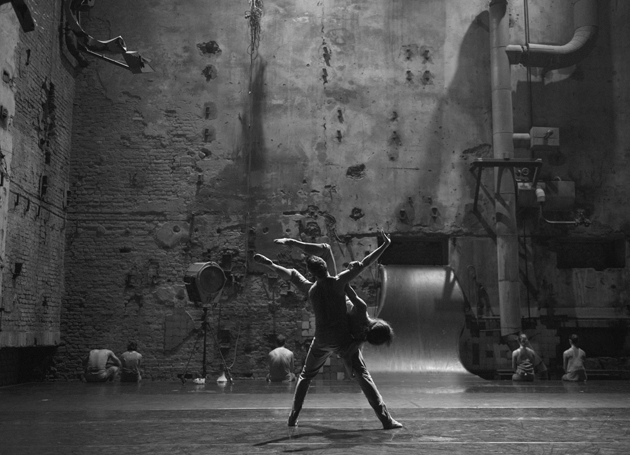
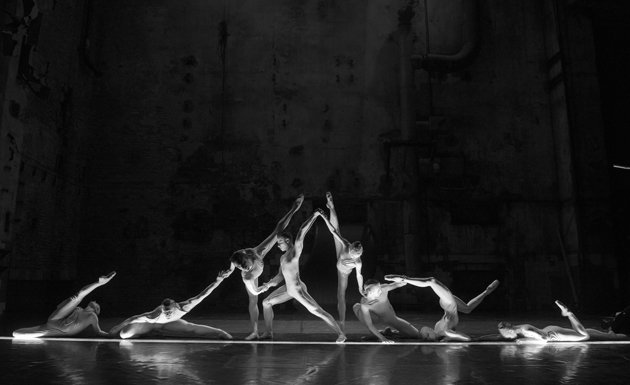
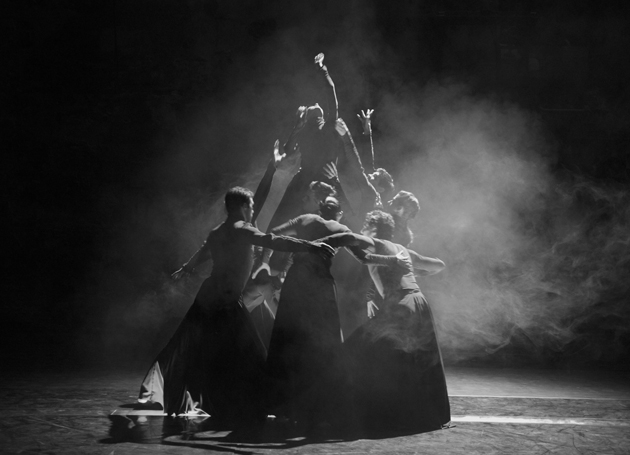
On a Saturday evening in the beginning of May, it wasn’t the usual party crowd lingering outside the club Berghain in the former east Berlin, the techno palace and former power station building that has come to sum up the whole idea of Berlin as the number one party capital. For the world premiere of Masse, a co-production between Staatsballett Berlin and Berghain, classical ballet dancers and choreographers came together with some of Berlin’s finest DJ’s and music producers, to create a triple bill in one of the halls of the gigantic building.

To bring some more art cred to the project, the Berlin based artist Norbert Bisky, considered one of the most important contemporary painters, created the stage design backing up all of the three choreographies. Created by Xenia Wiest, Nadja Saidakova and Tim Plegge, the three very different pieces are performed to techno by big names such as DIN, Henrik Schwarz and Marcel Dettman & Frank Wiedemann.

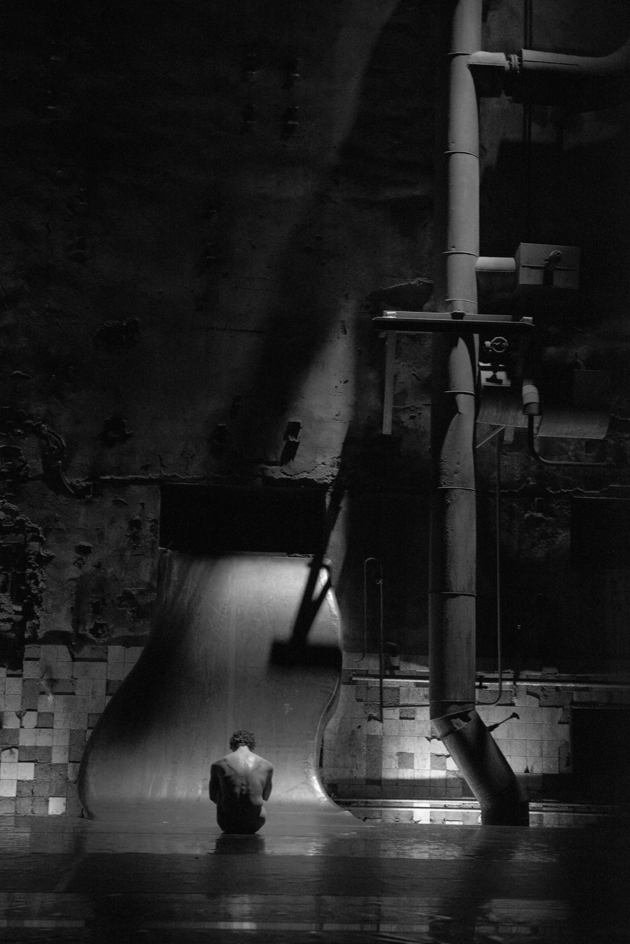
17 meters high, the performance hall used to serve as the boiler house of the combined heat and power station, built in 1954/55 as part of the GDR building masterplan including nearby monumental Soviet-style boulevard Karl-Marx-Allee. As of Masse, the room is open for the public for the very first time, meaning that this place is somewhere where not even the most regular Berghain clubber has ever set foot in. And it is an incredibile venue for a project like this; the raw, unfinished textures and industrial concrete, meeting the grace and power of some of Europe’s best classical dancers to dark and deep music.

The most magic happens already in the first piece, Quinque Viae – Dynamics of Existence, when two unbeliveable dancers meet in a furious pas de deux. I’m not sure it was because of the lack of air in the hall or because of the beauty, but the result was actually breathtaking. And for those who didn’t know – ballet and techno is a match made in heaven.

Masse is performed until the end of May, tickets are all sold out.

Helena Nilsson Strängberg