25/02/2013

PATTERN: A Book to Inspire

PATTERN: A Book to Inspire

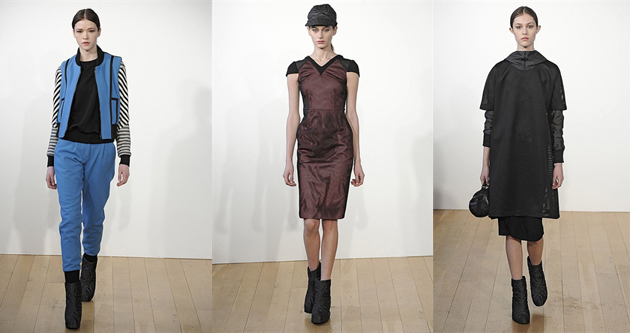
Whether they are sharing space on a shelf or catch your eye on the coffee table every day, there are certain books that we seem to always come back to. No matter if they are filled with words or filled with images: it’s those books that inspires, those books that you can browse through time after time.

Some books present a history, some books dive into the present and some are like the ‘ultimate catwalk’. “PATTERN: 100 fashion designers, 10 curators” is the follow-up to SAMPLE, a book that upon its release in 2006 became an essential addition to the fashion bookshelf. Behind the book, as for SAMPLE, stands Phaidon and names such as Tavi Gevinson and the founding editors and publishers of Fantastic Man are included on the curator list.
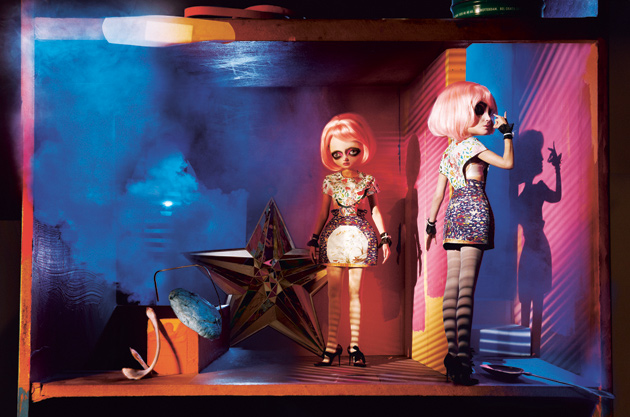
In the book, on four pages each, you meet 100 contemporary designers that together capture the global trends of a somewhat ‘new era’. Christopher Shannon, Thomas Tait, Guillaume Henry and Yiqing Yin are a few of the names already known by The Blogazine and are together with names like Mary Katrantzou, Sarah Burton and Nicola Formichetti featured in the book. The 100 designers work across the fields of womenswear, menswear and accessories just like they work across the world: added to the expected four metropolis (London, Paris, Milan and New York) are cities like Shanghai and Sydney.
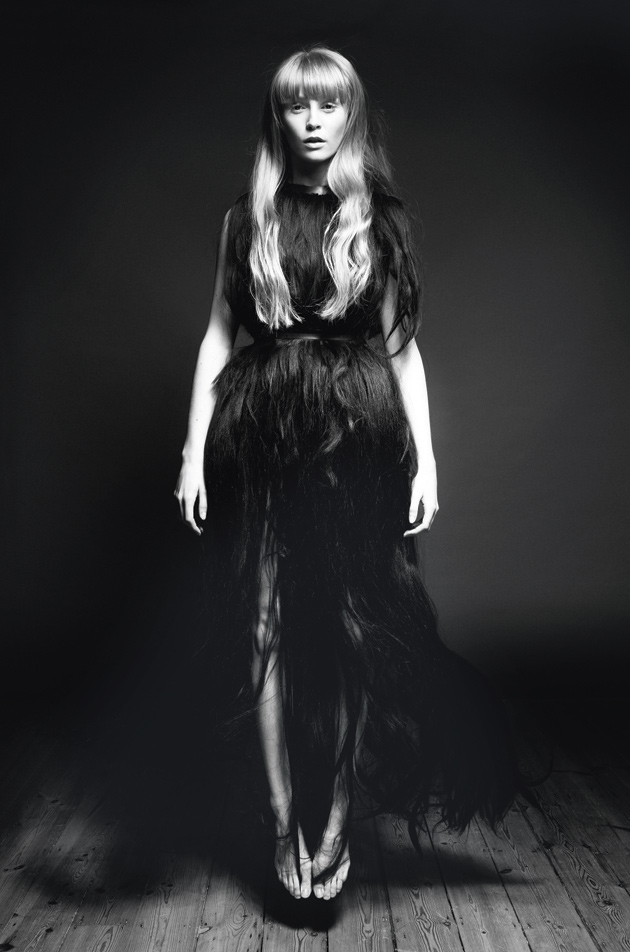
The content highlights the fashion of today: illustrations and never-before-seen photographs are accompanied by apprehensive and thoughtful texts written by the ten – not only influential, but respected – fashion figures curating the book. With references to the 1990’s, fashion affected by a restrained economy, delicate craftsmanship and haute couture, PATTERN might just be the next book to grace your coffee table, and definitely the next book to inspire.
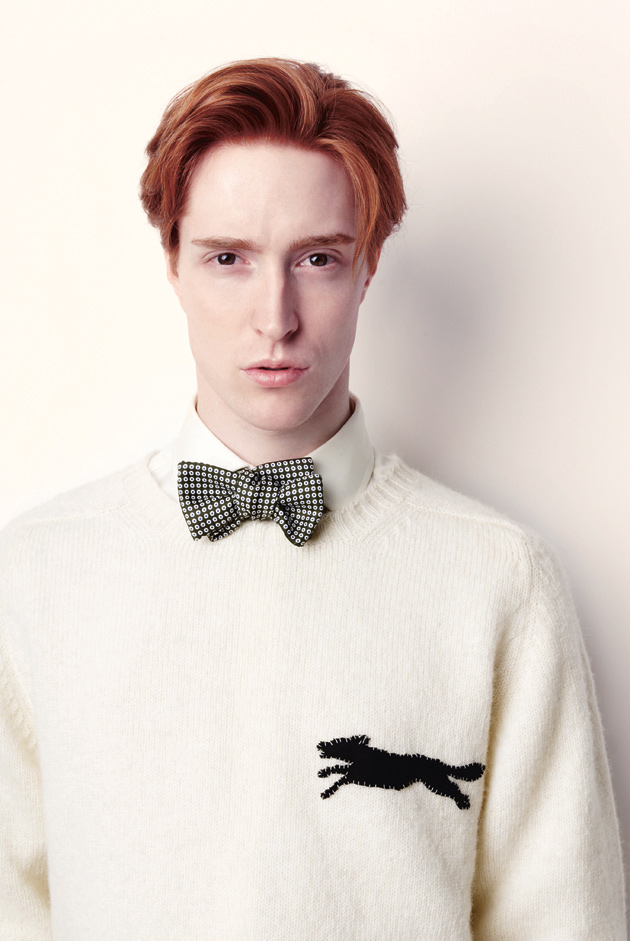
Lisa Olsson Hjerpe – Image courtesy: in order of appearance Rachel Antonoff, SHOWstudio, Josh Shinner, Patrick Grant

24/02/2013

Sunday Breakfast by Love For Breakfast

Sunday Breakfast by Love For Breakfast

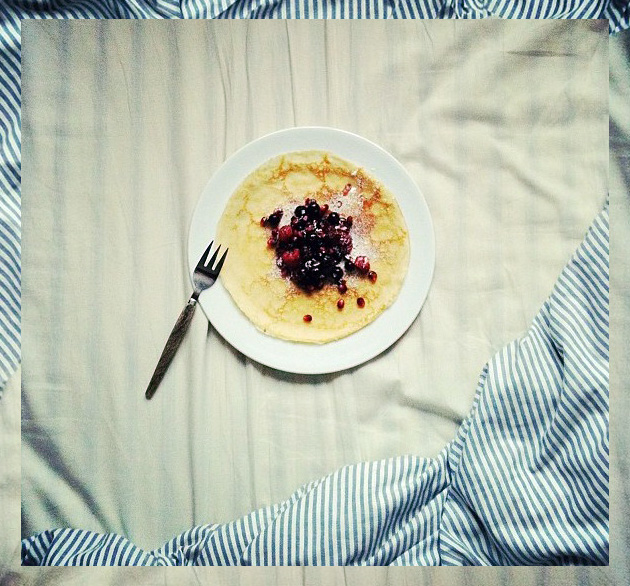
Sweet awakening to the eyes, warms the heart and melts on the palate. It’s so soft and languid that I need this moment to last all the morning long.

Alessia Bossi from Love For Breakfast

22/02/2013

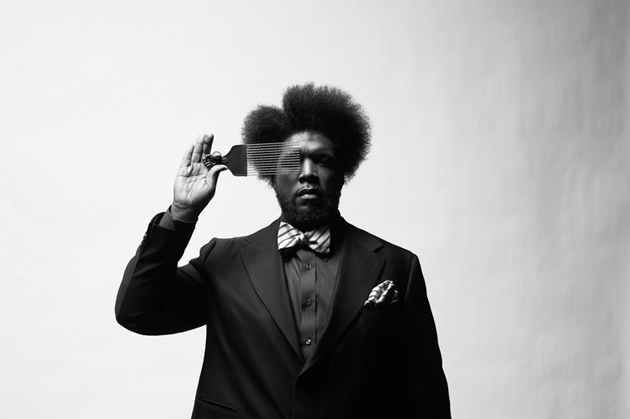
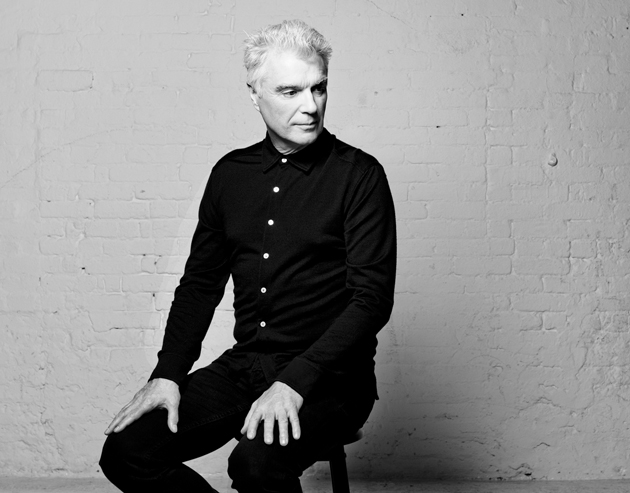
Public Forum Duet: David Byrne and ?uestlove

Public Forum Duet: David Byrne and ?uestlove

What is music, exactly, and why does it exist? How do our individual experiences shape how we hear it, create it, interact with it? If you’re the kind of pseudo-intellectual who spends their free afternoons deconstructing krautrock and questioning the nature of the universe, then I advise you to tune in to David Byrne and Ahmir “?uestlove” Thompson’s discussion on the nature of music on Tuesday, February 26th at the New York University Skirball Center. It’s part of the center’s on-going Public Forum series, and the two legends are sure to tackle some of those nagging existential questions – and leave you with plenty more to think about.

Both Byrne and ?uestlove have spent ample time pondering music’s place within today’s media landscape, and both have dedicated a good bulk of their careers to imploding the stale walls of the music industry and rebuilding it as they see fit. Their curiosity is endless. Byrne’s accomplishments could fill a couple encyclopedias. To name a few: He founded Talking Heads, wrote “Naïve Melody” and “Once In a Lifetime”, created Luaka Bop Records, got himself inducted into the Rock and Roll Hall of Fame, and recently turned a decrepit old factory building into a musical instrument. Last September he released How Music Works, a book that takes a look at how music is made, preformed and distributed on an individual, social, and cultural level.

?uestlove is no less accomplished: drummer and leader of The Roots, owner of the universe’s largest record collection, culinary expert, DJ. He’s currently teaching a course on music history at NYU. The discussion is guaranteed to both enlighten and provide endless cocktail party fodder. Show up early and be prepared to take some notes.

Lane Koivu

22/02/2013

My Kingdom for a Beach

My Kingdom for a Beach

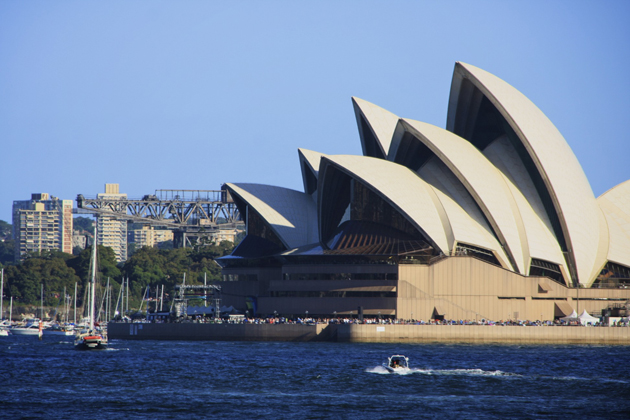
Winter in Europe has its layered-up, snow-covered charms, but there comes a time when enough is enough. February and its cold snaps seem endless, snow is just an inconvenience and you can’t get the summer sun off your mind. Once you reach this point only one course of action is open to you. And that’s jumping on the nearest plane and making for the great Southern Land.

With that in mind, we’ve gathered six flawless reasons to head to Sydney by the next month.


One – Breakfast
While no one does pastries like the French or roasts like the British, Sydney truly excels on the breakfast front – thanks to the café culture that sees locals take to the streets in search of the most vibrant, fruit-packed, muesli-adorned meal imaginable.

Two – Water
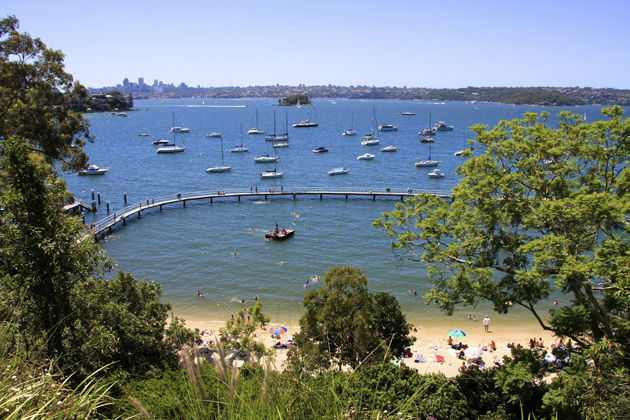
Seriously, it’s everywhere. From iconic haunts like the tourist-filled Bondi, to local treasures like the harbor facing Camp Cove, Sydney is where you go to get salt in your hair and sand between your toes.

Three – The Magic of Ferries
Zipping you across the postcard-perfect harbour, ferries, possibly the most reliable part of this city’s transport system, let you experience Sydney from the water up, and as a result fall utterly and unconditionally in love. A boat network with a view.
Four – Dancing
It’s the little places that make Sydney big. Good God Small Club, where old-school, all-out dancing is inevitable, The Common, adorable and fun, and Pocket Bar, where crepes and cocktails are all the rage. Filled with Sydney-siders, music that’s beyond flawless and bar staff who know how to mix a good drink, it’s all too easy to have an epic night out in central Sydney.

Five – Designer Independence
Sydney’s saving fashion grace is its penchant for fostering independent designers, who are quietly yet confidently causing an international stir. Inspired by the country they call home, look out for Trelise Cooper, Lisa Ho and Kirrily Johnston. Your wardrobes will thank you.

Six – Confused identity
Few places in the world mix city living with beachside bliss. Convict hauled sandstone walls with cutting-edge architecture. Theatre and art with an internationally renowned, laid-back disposition. This is a city that’s constantly trying to figure itself out and, because of this, is constantly changing, constantly buzzing and, in summer, constantly amazing.


Liz Schaffer

21/02/2013

Ronan and Erwan Bouroullec – Drawing Book

Ronan & Erwan Bouroullec – Drawing Book

Even though we encounter a myriad of objects each day, we rarely ask ourselves where they come from, who has made them, designed them, produced them and how they intended us to use them. It is to say, we take the things that surround us for granted or, in some cases, simply admire them as a precious piece of art that we can sit on or turn off. Rarely the above mentioned questions intrude in our thoughts as we engage with our daily tasks. Nevertheless, the major part of objects that surround us were crafted through a long process of decision making that involved not only form and function, but also our affection and reaction towards them.


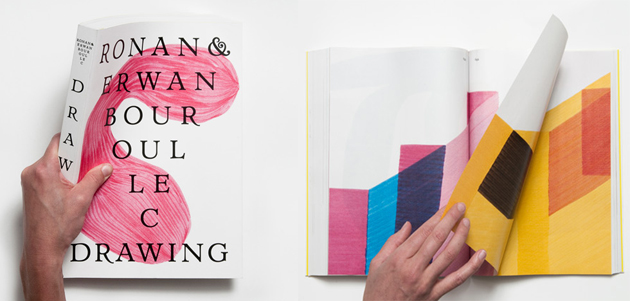
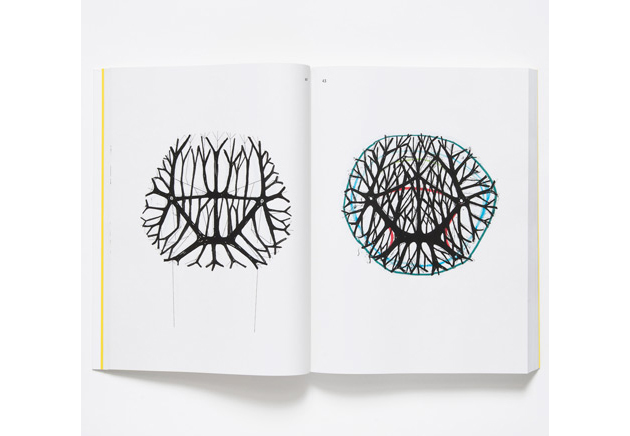
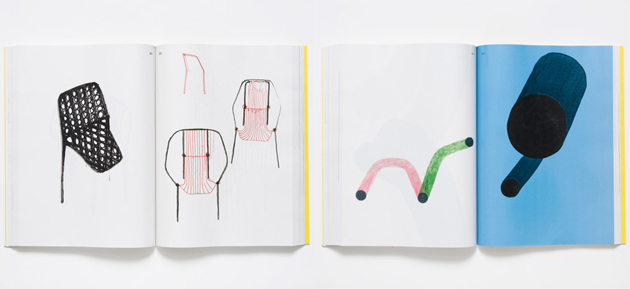
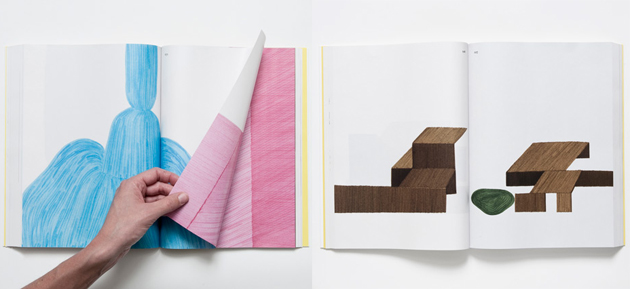
It is this almost invisible process of thinking through design that the new book by Ronan and Erwan Bouroullec unveils. Titled concisely “Drawing”, this book collects more than 800 images produced by the French wunderkind brothers from 2005 until 2012. In that period of time, the Bouroullecs have established themselves as one of the most curious and particular contemporary designers, whose particular personal poetic is poured into three-dimensional objects. Working with companies like Vitra, Magis, Alessi, Kvadrat or Ligne Rosset, the Bouroullecs have become storytellers interested in crafting a new way of approaching everyday objects and daily actions.

And it is that process of designing that this book delicately tells through a long series of drawings assembled from sketches drawn of Post-Its or A1 sheets, using whatever tool available, showing that design can be as delicate as art, but also as real as everyday life.


Rujana Rebernjak

21/02/2013

A Ball for All: The Rhythm of Vienna

A Ball for All: The Rhythm of Vienna

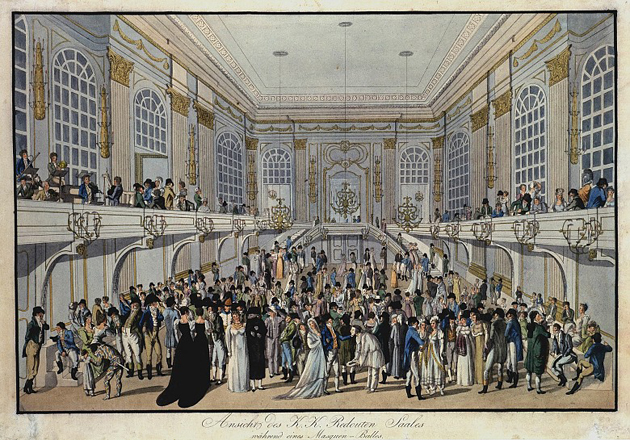
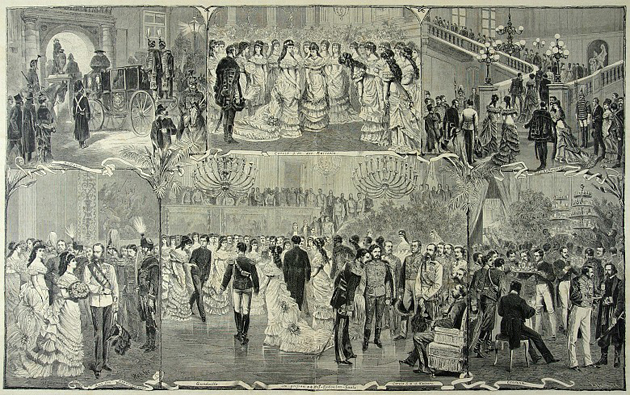
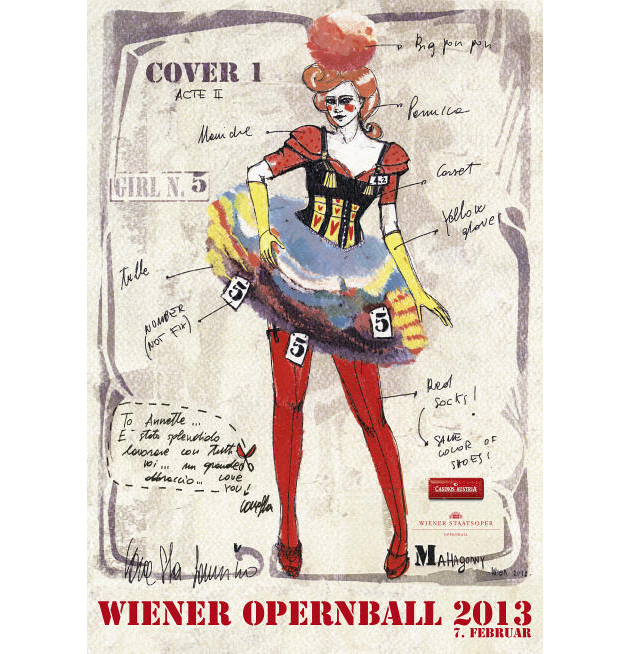
An active series of more than 450 events, and an insitution of Viennese culture, the ball season has been labelled by UNESCO as a part of the intangible cultural heritage of Vienna. White tie, floor length gowns and the enjoyment of classical music create an atmosphere of luxury, elegance and tradition at balls promoting different professions, industries and cultural prestige, such as The Doctor’s Ball, The Lawyer’s Ball and The Viennese Coffee House Owner’s Ball.

The events are ceremonialized with precise timing for the introduction and closing as well as different dances, such as quadrilles at midnight and at 3AM. Some traditions are less formal, guests of the Opernball often take away the decorative flowers as souvenirs, even if it’s not officially permitted. But as the events are targeted for the elite they are also highly politicized, gathering together people in society with power and wealth. In this sense they are an interesting window into the assets, interests and intrigue of Viennese society.

The beginning of the Opernball was also political as it began in 1814/1815 at the time of the Viennese Congress. The artists of the court opera subsequently staged additional events. The first ball at the current site was held at the Hofopern-Soirée on December 11th 1877 to raise money for pension funds; the reason that motivated the organizers of most of the balls at that era. After the end of the Donau monarchy the ball tradition began to flourish, as early as in the 1920s.

Theoretically the Opernball is accessible to anyone, with only the tea room reserved completely for artists of the Vienna State Opera and the official guests of the ball. This does not stop some people from rallying against its presumed elitism and profligate luxury. Between 1998 and 2004 on the day of the Opernball a simultaneous event called Opferball (a play on words meaning ‘victim’s ball’) was staged by the street newspaper Augustin. They gave free admission to homeless people, musicians were not paid, and any revenue collected was donated to charity. The Opernballdemo also takes place annually, a protest event mostly staged by students who use the visibility of the ball to obtain publicity for various causes.

The ball season is not simply a matter of the elite against everyone else. There are many types of ball events held by the different industries, associations and even nightclubs of the city, who are encouraged to uphold the cultural tradition and to contribute to the social life. The more colourful balls include the Zuckerbaeckerball (Sweet backers ball), the Blumenball (flower ball) – which turns the City Hall into a sea of flowers – and the Rudolfina masked ball. If this sounds exciting you may even try one, the Fête Impériale will be held on June 28th at the Spanish Riding School of Vienna, the Vienna International Spring Ball is on the 16th March at the Hofburg Palace, and at the Journalists’ Summer Ball held by the Presseclub Concordia on the June 7th you can hear unique press-themed waltzes like the Morgenblätter Walzer (Morning Paper’s Waltz) or the Feuilleton Waltz.

Philippa Nicole Barr

20/02/2013

The Gems of London Fashion Week – Part 2

The Gems of London Fashion Week – Part 2

We are continuing the London Fashion Week tour for next Fall-Winter season. Read the first part here.

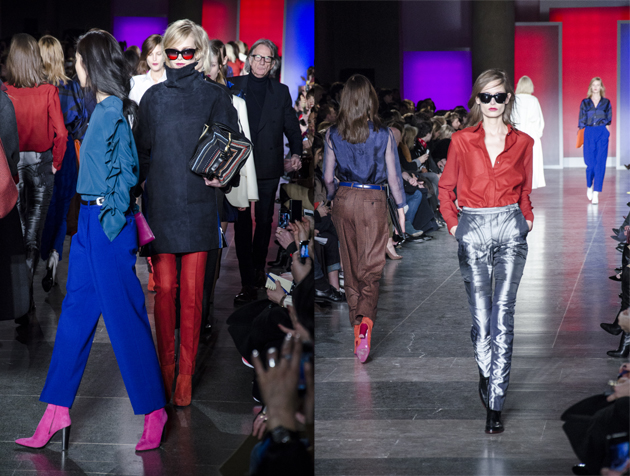
Paul Smith

The man himself is known for his cheerful demeanor, and his clothes followed suit, quite literally. Paul smith showed soft tailored trousers and blazers in jubilant colours, ranging from fuchsia and burnt orange to mauve and cobalt.

The bottom halves were finely twilled and either bag-legged or cigarette in style. The jackets were wide on the shoulders and draped, some sported single breasts while others double. The dresses were cut short and patterned only in an architectural trompe l‘oiel graphic. Geometric print found its way on to straight-legged trousers and silken blouses.

There was a resounding 80s overtone to the proceedings, broken up by the Aspen ready shearling polo necks – zipped up the back with tufts of furry curls poking out of the collar.

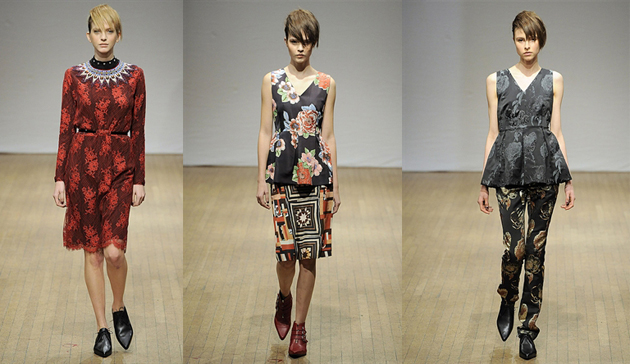
Clements Ribeiro

Graphic flowers blossomed over at Clements Ribiero on Saturday morning. The husband and wife duo introduced vampy lace, detailed beading and ladylike dresses dappled in florals to their standard offering of sporty luxe looks and cashmere cardis.

Clashing was core to the collection. The flower print was inspired by a Brazilian bloom, from Ribeiro’s native Brazil, while the quilting referenced a recent trip for the pair to Alabama. The scarlet lace was contrasted to Punk-y quilts and tartans.

Christopher Raeburn

Christopher Raeburn is a designer who doesn’t follow fads. In fact, he riles against them. He is promoting ethical production grounds, but doesn’t define his work with it.

For winter he expanded his offering of outerwear and sporty silhouettes made of up-cycled fabrics and lace. With a rustic feel he took on camo-style textures, felted fabrics and water resistant techno-textiles. Lace – a feature of his SS13 range – popped up again, this time heavier and fitted on bomber jackets and decorating the shoulders of dresses. A metallic palate was served up with navy and army green. The success of a dégradé wool was the collections highlight and found its way from bombers on to jumpsuits. This designer’s quiet determination to produce eco-friendly clothing away from the hemp and scratchy stereotype is surely working!

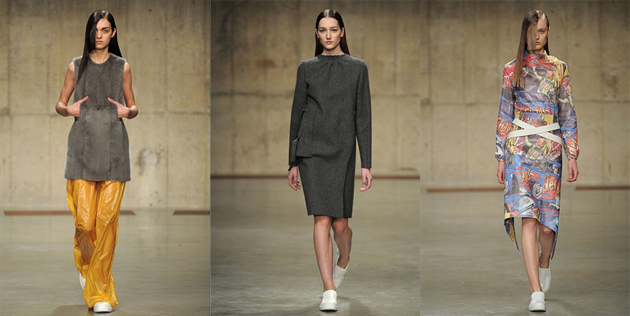
JW Anderson

Recent news that the Irish designer JW Anderson would be following in the footsteps of PPR’s latest stable, Christopher Kane, to helm Versace’s Versus made many stand up and listen to this London-based label. Known for toying with androgyny, Anderson regularly sends his women out in structured, manly tailoring while his men’s line flirts with dresses and miniskirts.

For Autumn in the dank and dark underbelly of the Tate Modern in the space known as the Tanks, he sent out models with slicked-back long hair that bobbed behind tempered tailoring. He played with perception – dresses were open-back smock and long skirts were actually aprons revealing mini skirts from behind. And he toyed with restriction, the mid-length skirts had ties wrapped across the waist and white polo necks were banded with primary coloured strapping that hampered movements. Unusual eyelets and placement holes peppered the collection to show carefully arranged architectural fastenings. In between the restrictive pieces came absurd cartoon strip prints. Almost out of nowhere the patterns found themselves splayed across a sum of two looks.

Fabrics are always a fascinating factor with Anderson. He has always worked with techno-textiles and for winter he experimented with wet look fused fabrics, fur and varnished nylon.

Lucy Morris – First and last photo courtesy of Howard Melnyczuk

20/02/2013

The Gems of London Fashion Week – Part 1

The Gems of London Fashion Week – Part 1

London is still considered as the baby of the fashion month schedule. But, with youth comes energy and eagerness, and the English capital lived up to its reputation. As home to the newest and most experimental, established and respected designers, the five-day showcase was dynamic. Hopping from show to show, the breadth of British design can be summed up by The Blogazine’s favourite London shows. Tune in this evening for the second part.

Vivienne Westwood

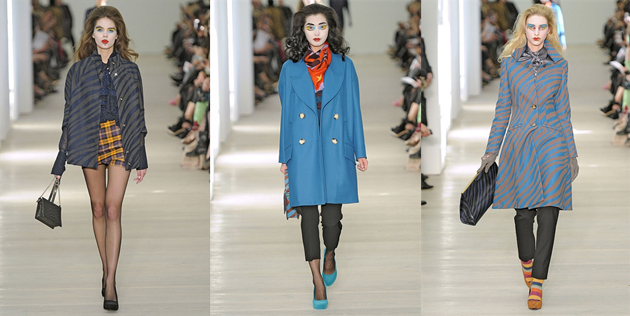
Vivienne Westwood showed just a stone’s throw from her first store on Kings Road at London’s Saatchi Gallery. The location itself was as interesting as the collection. The white walls and bright lights elevated the clothing, and like the art that usually calls the space home, her designs represented modern thinking and conceptual prowess.

The collection contained all the familiar Westwood touches, like a-symmetrical draping and hourglass silhouettes. Themes of animal prints came through early on, along with whimsical 1950s references, like the bundles of Marilyn Monroe curls the models spotted. Stronger 80s overtones came through in the collections latter half from sequin tops and prom dresses. The decade’s glitz was an unusual inspiration, considering that during the 80s Westwood rejected all of these tropes in favour of a rawer punk vibe.

The painterly makeup was a clever statement. It referenced the likes of Picasso with its strong black outlines and solid blocks of colour – eyelids were wet with vivid turquoise and saffron shades, and lips were smeared scarlet.

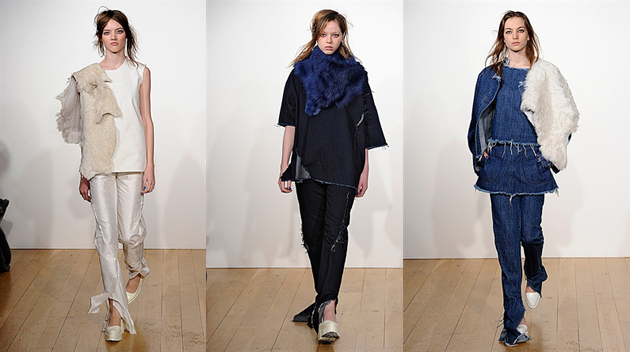
Marques’ Almeida

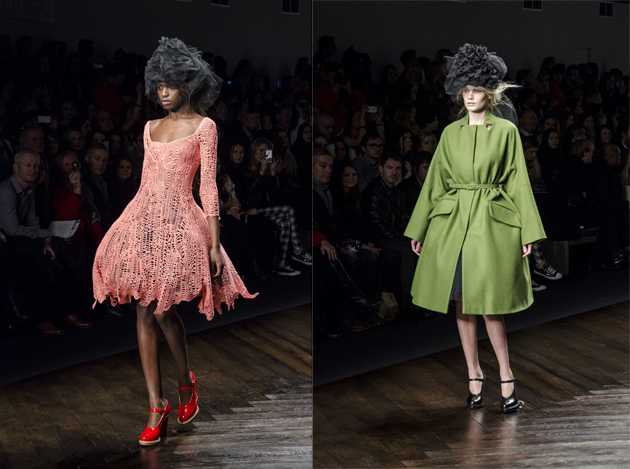
For winter Marques’ Almeida stepped out of their comfort zone. The Portuguese designers brought their street-style aesthetic to formalwear, a first for the pair.

The two-time NewGen winners and Fashion East alumn are an archetype of London’s design scene: experimental but referential. As always, Marta Marques and Paulo Almeida look to the 90s for inspiration – grunge is an obvious trope – and AW13 was no different. They dug deeper and sought the unaffected glamour of Winona Ryder for their reworking of classic eveningwear shapes.

The pair played with typical eveningwear silhouettes. Mimicking the billows of the ballgowns they showed, in jewel tones, wide pantaloons in raw silk. They brought rawness to refined fabrics like ponyhair and leather – marking them with typical Marques’ Almeida nonchalance of torn hems.

Layering was a persistent theme too. Skirts over trousers and fur throws made an appearance. A new jeans look moves their denim offering forward – slim on the leg, the rich indigo denim was torn at the ankle to create a dragging flair. They have again, successfully silenced critics who’ve questioned how Marques’ Almeida could expand their vocabulary away from just torn denim.

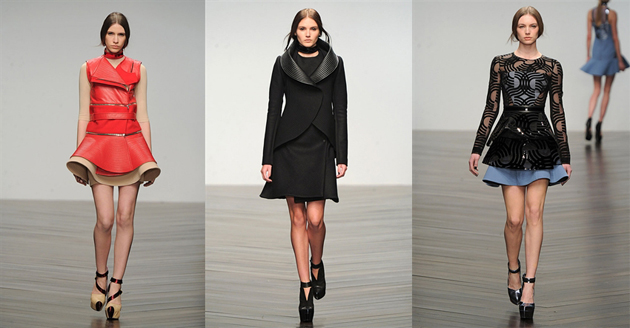
David Koma

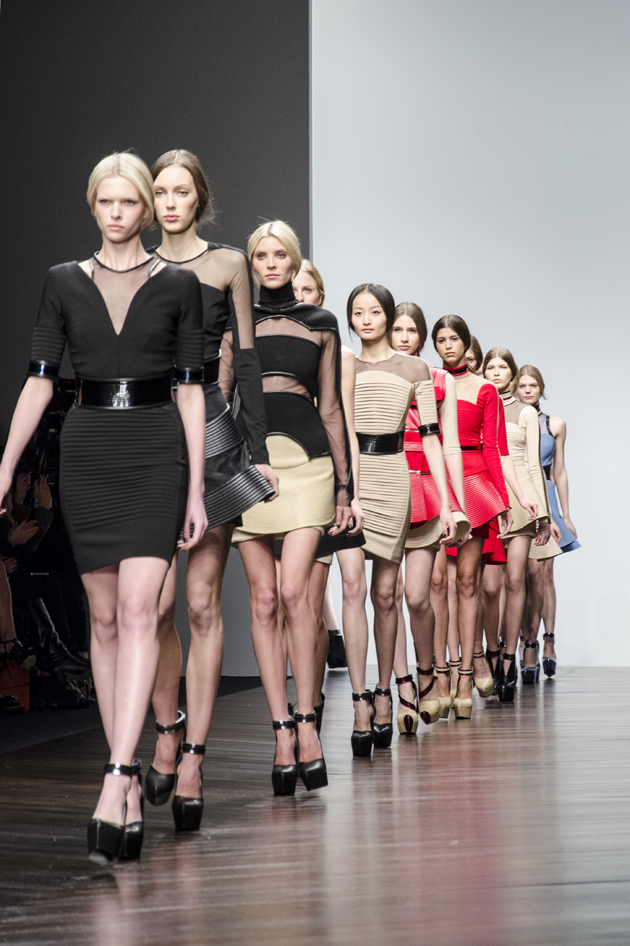
With the front row filled with blonde singers, like The Saturdays and Pixie Lott, Koma presented a collection fit for its audience. Rifting on the vinyl, the Central Saint Martins grad took the LP silhouette and bent, chopped and manipulated it across his collection.

In black, nude and pillar-box red, Koma sent out mini skirts and variations on biker jackets and waistcoats edged with space-age collars that circled the body. Sheer paneling played with the idea of cutouts for winter.

It may not have been a revolutionary outing for the designer, but it was effortlessly sellable – all looks came in black after all.

Lucy Morris – Last photo from Howard Melnyczuk

20/02/2013

Kenneth Anger’s ICONS at Sprüth Magers Berlin

Kenneth Anger’s ICONS at Sprüth Magers Berlin

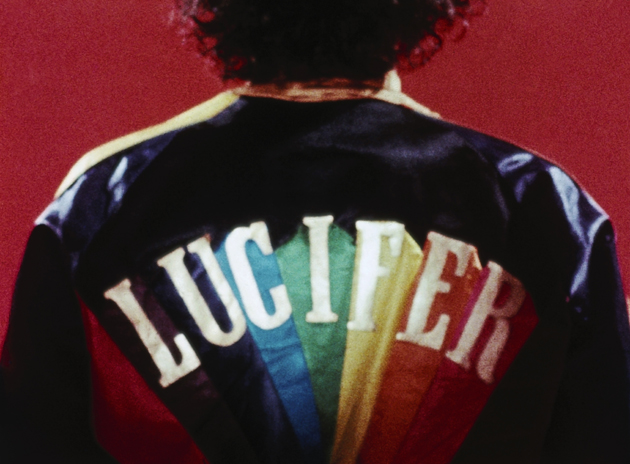
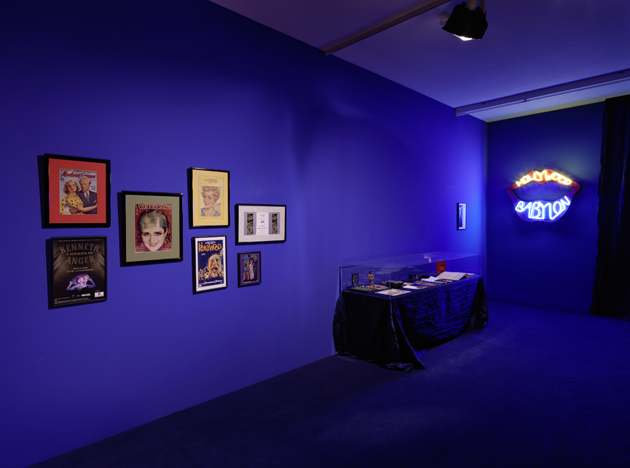
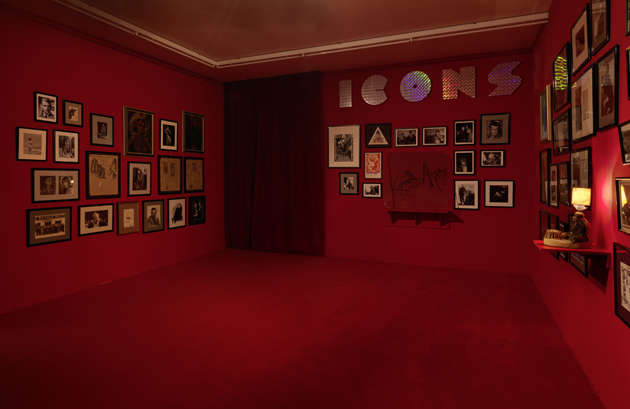
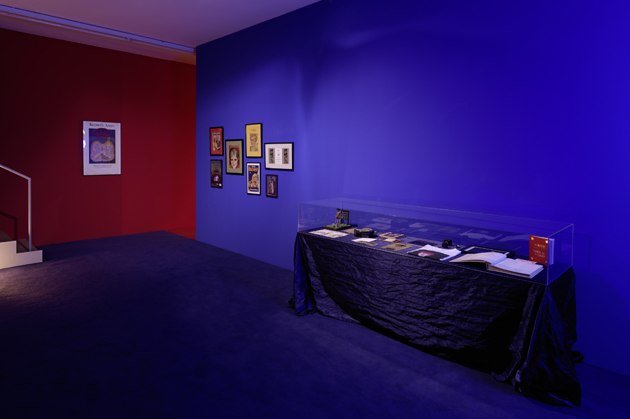
On a particularly cold winter night in Berlin a few weeks ago, Sprüth Magers opened the doors to their latest show – the American experimental film maker and artist Kenneth Anger‘s ICONS – and the gallery was quickly filled up with heavy winter coats and frosty cheeks. Kenneth Anger himself was seen wandering around together with a young assistant, bringing an extra dash of old school movie glamour to the evening. This is the last week to experience ICONS, which is based on an archive of film, photographs, scrapbooks, letters and memorabilia from Anger’s personal collection, and that previously was exhibited at The Museum of Contemporary Art, Los Angeles (2011-2012).


Kenneth Anger was introduced to film at an early age by his grandmother, and has been making his own films since 1937. In 1947 when the dreamy Fireworks was released, Anger got arrested for obscenity charges. Today he is considered one of the original filmmakers of American cinema and a countercultural icon. His films often merge surrealism with homoeroticism and the occult, and have made a big impact on mainstream film directors, post war popular culture in general (anything from queer iconography to MTV) and the aesthetic of music videos.

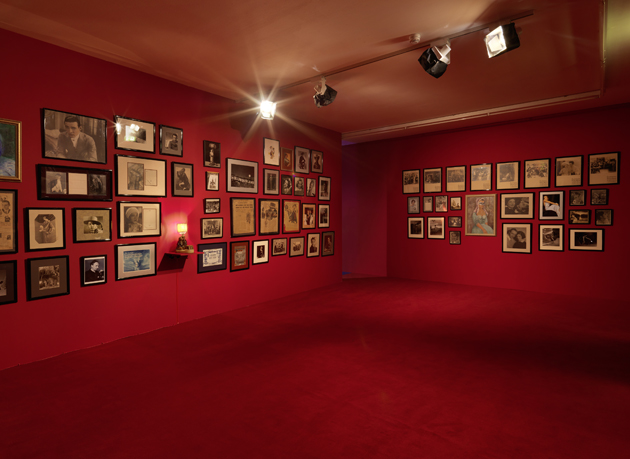
The two exhibition rooms have been painted midnight blue and crimson red to replicate the way the collection was hung in the artists’ own Los Angeles home. Entering feels slightly like stepping into a treasury, where original footage, tabloids and magazines from the early Hollywood years cover the walls, revealing Anger’s fascination with the film industry and the Golden Age of Hollywood. Centered around figures like Greta Garbo and Rudolph Valentino, ICONS airs a fascination with the mystique of classic stars, which also inspired Anger’s infamous celebrity gossip book Hollywood Babylon, published in 1975 and 1984.


In addition to the precious archive, the recent work Airship (2010-2012) is being shown, consisting of three short films based on newsreel footage of airships hovering in the sky. It’s a typical Anger fusion of occult magic, symbolism and mystery, with an almost supernatural quality to it. Stepping out of the exhibition into the very real, freezing cold winter night afterwards, feels like travelling hundred miles away from the glamorous, vintage and sometimes surreal universe that Kenneth Anger created. You better catch a glimpse of it while you can.


ICONS by Kenneth Anger is on view at Sprüth Magers Berlin until February 23rd.

Helena Nilsson Strängberg – Photos courtesy of Kennet Anger and Sprüth Magers Gallery

19/02/2013

Supermarket 2013

Supermarket 2013

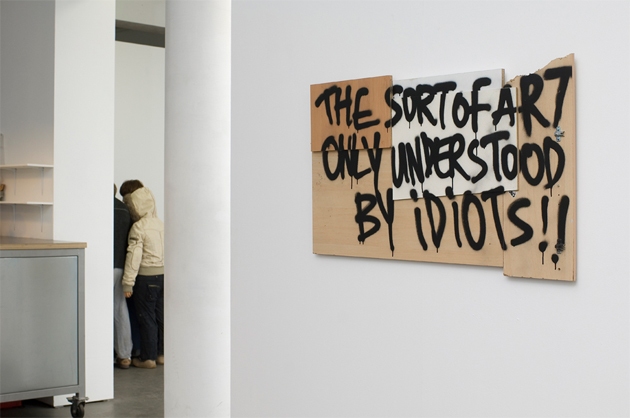
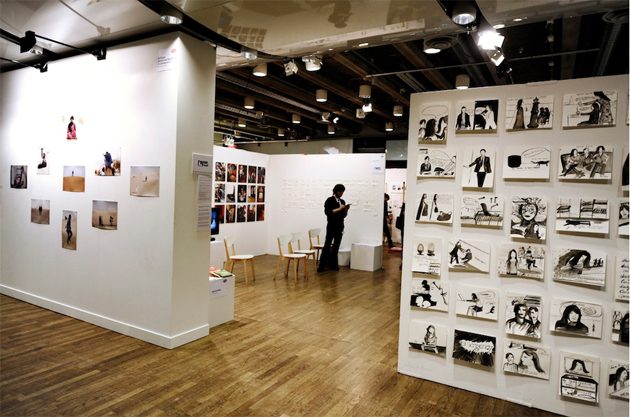
While speaking of art and its commercialization has become all the way a tautology, the Stockholm Fair “Supermarket 2013” proposed a new take on the argument. Hosted at the Kulturhuset from the 15th to the 17th of February 2013, this art fair represented the last step in the investigation of the different roles that artists may assume in the art world. Defined by Howard Becker as a complex system of production, commission, preservation, promotion, criticism, and the sale of art, the concept of the “art world” was at the centre of this event, as the artists did not simply present their works but were their active promoters. Not only as creators, curators or producers, but as gallerists.


As the artist and product manager of “Supermarket 2013” Pontus Raud explained, artists took their independence back, retaking the control of art and its system, which has up until now put them on the side. Started under the name of “Minimarket” in 2006, this art fair has gained attention, becoming the most important Swedish art fair and, consequentially, changing its name into “Supermarket”. The mission of this project was to let artists meet each other, present themselves to the market and have discussions together. Despite the enormous amount of art works, the attention here wasn’t supposed to be limited to unique creations but to the whole gallery, which became the very focus on the event.

Here, the discourse of art moved from the object to the practice of the gallery, like in the case of The M{}esum. “There are many museums in the world but only one muesum”. Hypothetically based in Jonasstrasse 57 Berlin, The M{}esum is presented as the world’s greatest museum of lost human history and culture, collecting, conserving and exhibiting n∅bjects from the ancient times to today. In The M{}esum, you will (or won’t) find all the lost objects of the world.

Indeed, “Supermarket 2013” always tries to bring it all back home. Even when there is nothing to bring back.

Marco Pecorari