15/10/2012

‘Returning’ Memories Through Painting

‘Returning’ Memories Through Painting

We have no hesitation in saying that the Belgian artist Luc Tuymans (b. 1958 Mortsel) is one of the centerpieces of painting today – maybe we would say one of the few ones left –, able to carve out a place of honor in the contemporary art world even if using a ‘traditional’ and for many old-fashioned media. Perhaps in a time of spectacular, huge or site-specific installations where the watchword seems to be more than ever amazing and capturing attention at once, being shaken by a canvas and feeling controversial emotions while looking at it may sound very strange. But it still can happen, and it happened to us with Tuymans’ narrations.

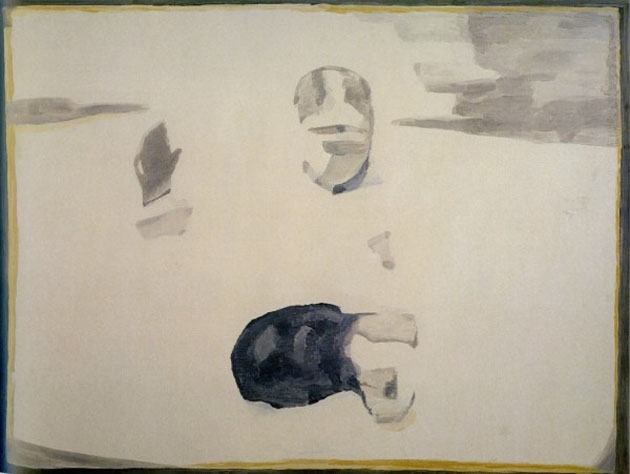
Mr. Tuymans looks like a man with a sterling character, and when observing his works, the first thing that comes to one’s mind is that he is not a joyful and merely visual artist. Going a bit more into his painterly world, this approach leaps out at you, plumbing the diverse and significant historical topics chosen by the artist during is career: the Holocaust, returned through the representation of a gas chamber or the Nazi entourages; the post-9/11 period, which includes the TV-sized close-up of Condoleezza Rice, The Secretary of State; the Belgium’s colonial history and its relationship with Africa that lead to his unmistakable portrait of Patrice Lumumba; the religion iconography, or the puzzling Disney Eden, which mixes up an outward innocence and a weird, somehow terrifying implication. Power in its different forms and manifestation, often stripped of cultural superstructures, plays a key role in Tuymans’ works, which reveal their complexity along with their intimacy and vulnerability though exercising a symptomatic view.


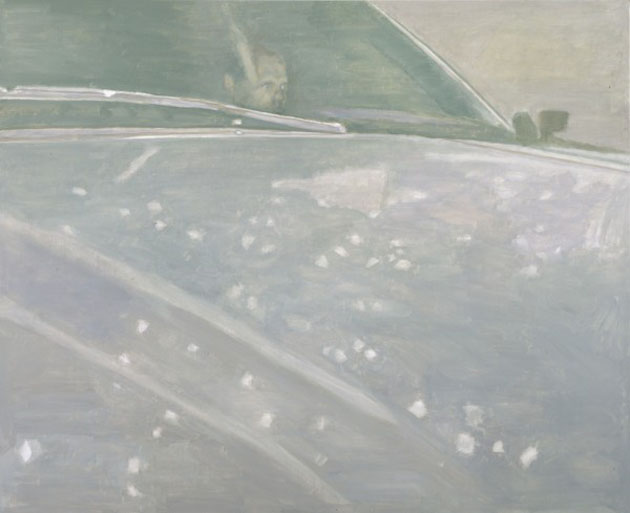
Once again, the theme of accessing the world through the lens of a camera comes back. Using photography and film/television/internet stills as memory traces and starting points, Luc Tuymans tells blurred, fragmented histories that have to be reconstructed through clues depicted with a palette of unsaturated and delicate colours and thin, mainly horizontal brushstrokes. There is no will of drawing inferences, rather creating observations of observations of the reality.

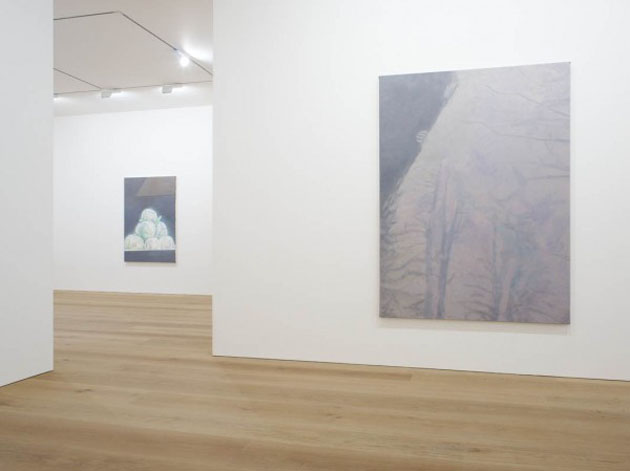
If you want to know more about the Belgian Artist, a new series of works is currently on view at David Zwirner Gallery that inaugurated its first European location in London with the show entitled Allo! at the beginning of October. The exhibition – presenting a suite of new paintings characterized by atypical bright chromatism, dark backgrounds and an exotic atmosphere inspired by the final scene of the movie The Moon and Sixpence – will run until November 17th.
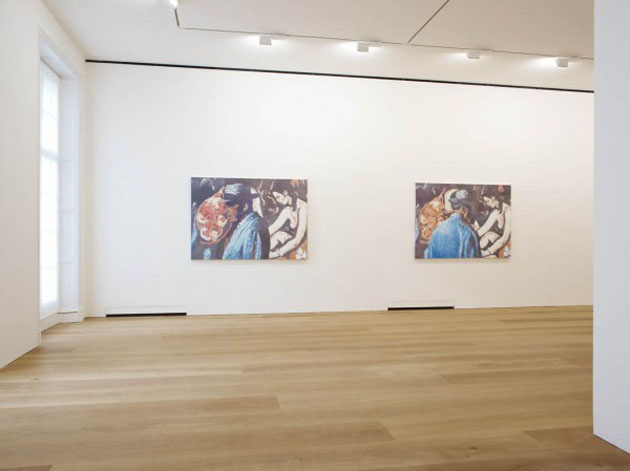

Monica Lombardi – Many thanks to David Zwirner Gallery

14/10/2012

Sunday Breakfast by Love For Breakfast

Sunday Breakfast by Love For Breakfast

Give me sweetness. A little more sweetness. I have to get up, but give me a minute longer.

Alessia Bossi from Love For Breakfast

11/10/2012

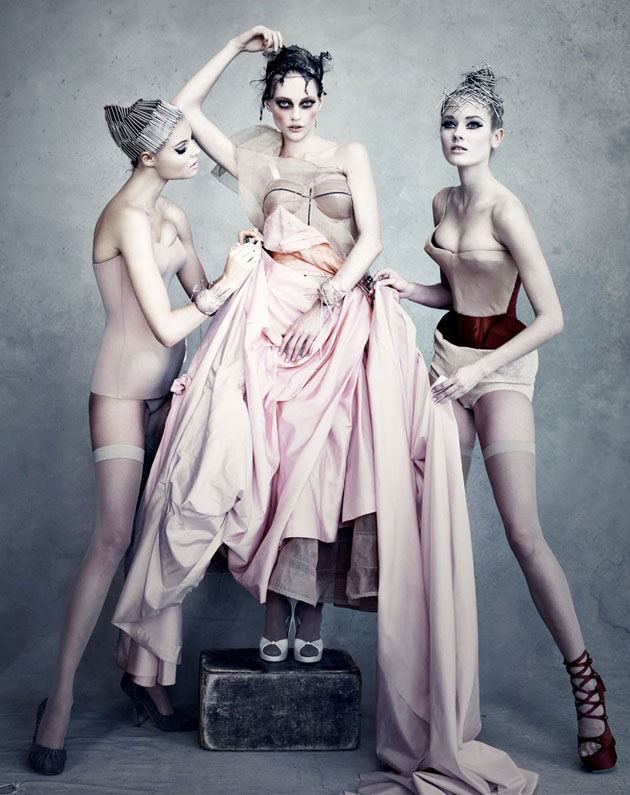
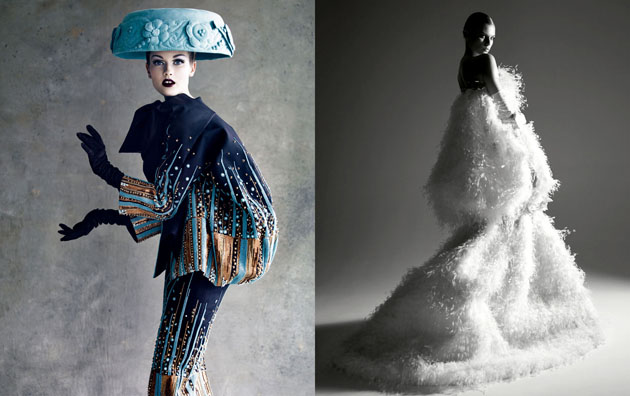
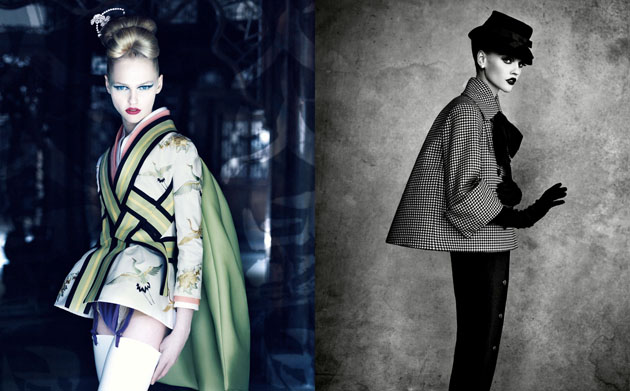
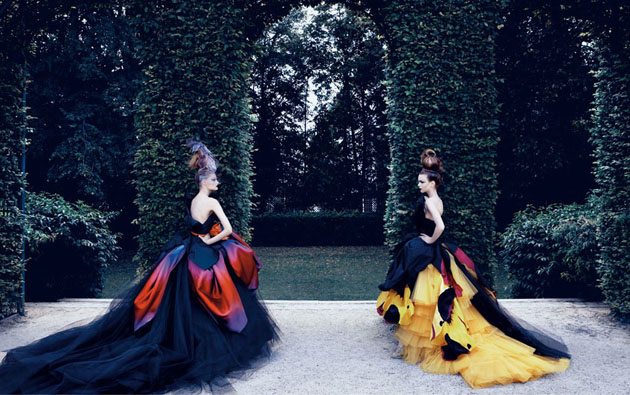
The Founders of Fashion

The Founders of Fashion

This year Christian Dior celebrates 65 years in business, long after the fashion house founder left the building. Cristóbal Balenciaga is being honoured with an exhibition in Paris 40 years after his death and Jil Sander steps back into the role as head designer of her eponymous brand. There are dozens of fashion brands that are famous for the name of the person that gave it its first stamp, whether that person is still in his or her seat. How important are these ‘fashion founder’ names for their respective brands? And is the status of the fashion houses paying homage to their founders as much as to their current createurs?

Take aside everyone with special interest in fashion. How many really knows the name of the designer behind Dior today? Average Jane does for sure know the name Christian Dior, she probably buys both his make-up and perfume as well. But the name of Dior might be as important to everyone who actually knows Raf Simons as well. Dior, Yves Saint Laurent, Pierre Balmain, Emilio Pucci, Kenzo Takada and all their friends – they breathe fashion excellence. Some of the great names are still alive; some are still even with their companies. These designers have shaped much of what the business is today, and whether they smile or turn in their graves over what their successors are doing to their lines, every garment entering the runway is carrying their names and their heritage.

When Alexander McQueen, a much younger ‘genius’, tragically passed away, the death of the brand was up for immediate discussion. Even if there’s probably a few years left before anything can be told for certain, Sarah Burton is keeping the brand floating – McQueen isn’t a name that anyone will let slip away without a fight. It must be a fine balance to sustain between honouring the name you work for and staying true to your own design aesthetics, while making business happen. “If you don’t know your history, you have no future” are the words of Jil Sander who for many years has seen collections in her name being directed by someone else.

Is it the stories of old Paris and Italian family companies deriving from leather producers that add to the myth and status of today’s giants? Is it the impact that these designers once made, or is it smart business? Is this a phenomenon of the past, or will we in the future be as nostalgic about Marc Jacobs, Stella McCartney, Thomas Tait and their younger friends? No matter what the answer might be, the names that still inspire awe in us have made a contribution to the beauty of things we still see today.

Lisa Olsson Hjerpe – Image courtesy of Patrick Demarchelier (Dior Couture)

10/10/2012

The Editorial: I Wanna Deliver A Shark

The Editorial: I Wanna Deliver A Shark

Torture devices, outlandish sex toys and garish, ostentatious trinkets might make you uncomfortable. As artefacts of design, they invariably reflect some human behaviour, some deeply held desire. “What is wrong with people?” you might ask. But regardless of your quirks and kinks (or your motivations and prejudice therein), it is through our charged relationships to these objects, their symbols, their very existence, that we might most understand our absurd selves.

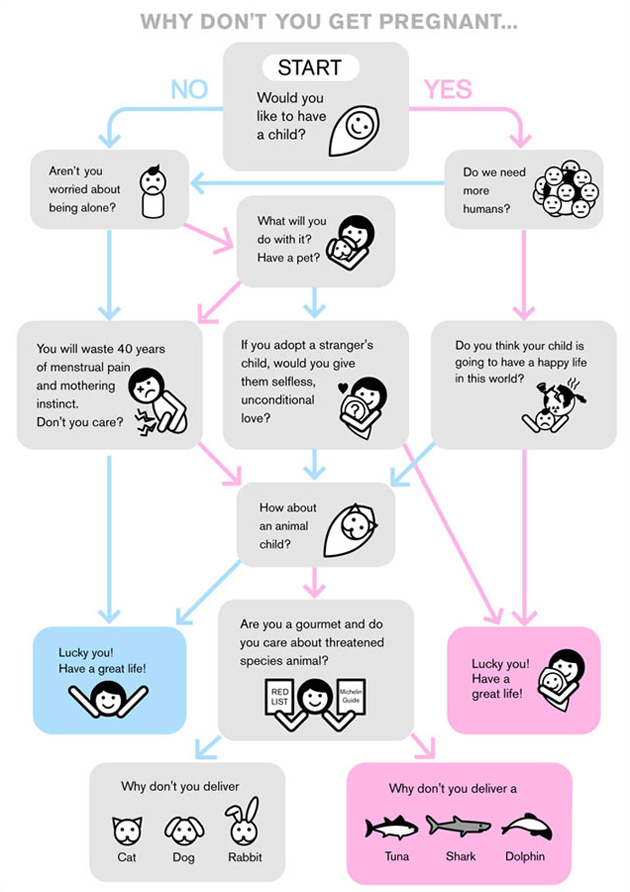
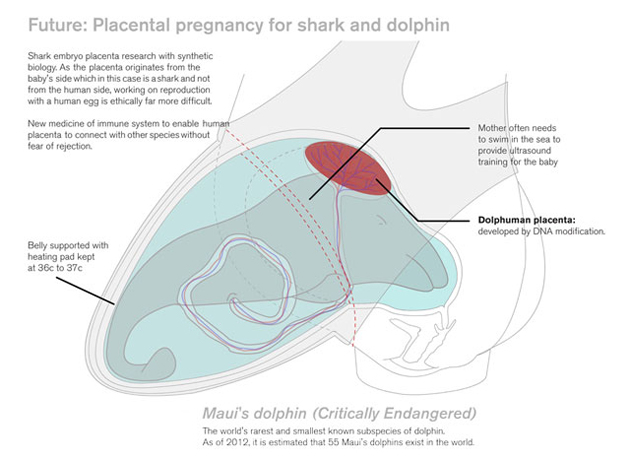
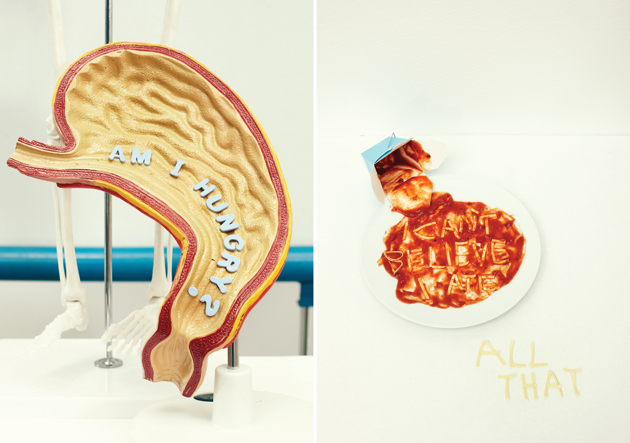
I caught the Design for the Real World exhibition at London’s Royal College of Art on its closing day last week. Among lighting schemes for poor urban neighbourhoods, a bike-powered espresso maker and edible insects, Ai Hasegawa‘s extraordinarily provocative “I Wanna Deliver A Shark” was tucked into a quiet corner. Equal parts whimsical LOL and stare-you-in-the-face “I dare you!”, her design exercise asks exactly what the title suggests: would you deliver a shark? And this is not Gaetano Pesce-style shock-art. Hasegawa is dead serious.

For occupying such messy social space, Hasegawa’s idea is surprisingly elegant: it’s a scary, uncertain world – maybe instead of bringing another person into it, you might put your reproductive organs to use, and perhaps even positively contribute the food chain in the process. Three birds with one stone. (And to avoid any trace of misogyny, I invite all the guys to close their eyes and imagine a shark foetus inside them.)

While the whole thing is biological pie-in-the-sky (for now), the prospect is both terribly conflicting and strangely compelling. But man, since we just love to harp on about sustainability, animal kindness, responsible supply chains, it could be interesting to see people put their money where their mouths are: “Yes, I know exactly where this endangered fish I’m eating came from!” And one can’t help but wonder what the hardcore Alice Waters acolytes who endlessly preach locavorism might feel when it involves a placenta and a great deal of blood coming out of you.

And much like the torture devices, sex toys and gluttonous SUVs, Hasegawa’s exercise strikes uncomfortably at the heart of our absurd humanity. What’s sacred? What isn’t? Why? So, why not give birth to an adorable little salmon filet? Or a cute kitty? Given the context of plummeting happiness, overpopulation and sinking economies, it almost makes sense.

So, would you? Could you?

Tag Christof – Images courtesy Ai Hasegawa

09/10/2012

Ampersand by Ryan Gander

Ampersand by Ryan Gander

If you get hold on texts, articles and interview featuring Ryan Gander, one word will pop-up in particular – storyteller. Through his work he always tries to narrate in form of objects or actions particular feelings or actions, pose questions and maybe sometimes give loose answers. His initial projects involved public lectures and performances, but lately it has evolved into creating articulated stories and emotions through the use of sculpture, real estate projects, architecture or (sometimes) technically complex installations. If you have seen his work for the latest dOCUMENTA in Kassel, “Airflow-velocity Study for I Need Some Meaning I Can Memorise (the Invisible Pull)”, you are surely aware of the complexity of the questions his projects pose to the user, questioning the notions of “language and knowledge, a reinvention of the modes of the appearance and creation of the artwork”.


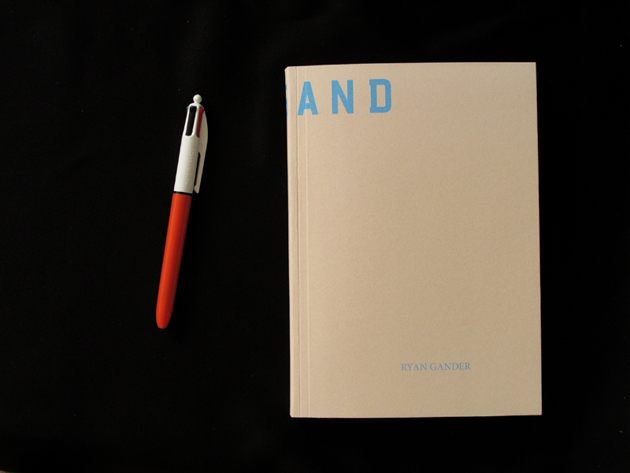
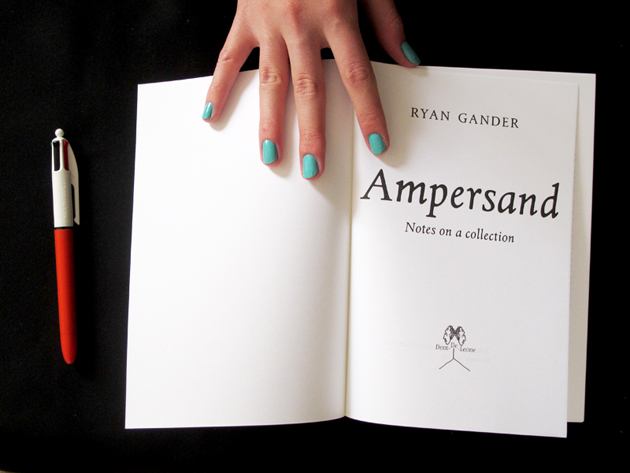
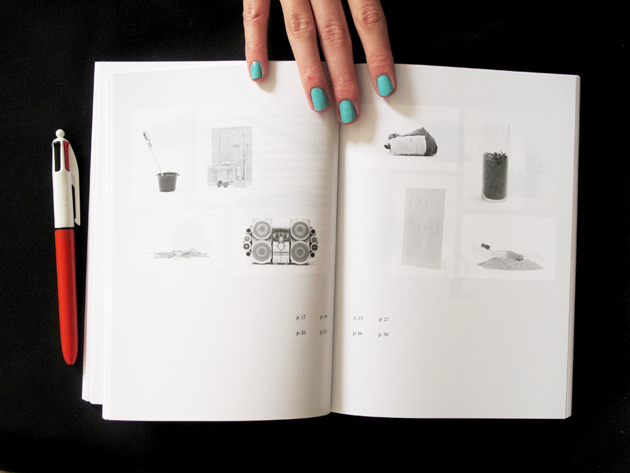
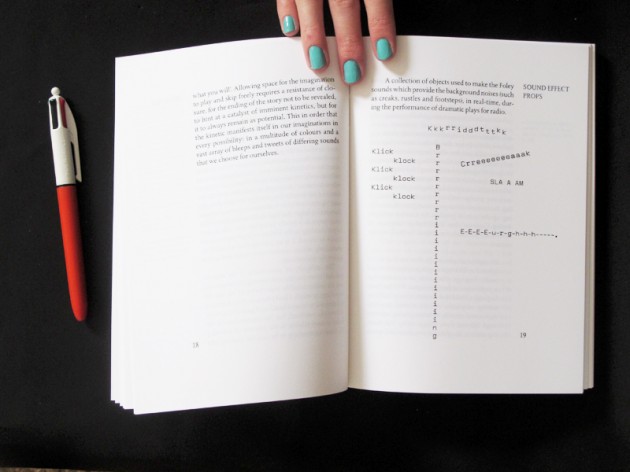
Nevertheless, Gander is also keen on using more ‘traditional’ and simple media, like books, where his ability to tell stories finds the perfect output. These projects are often equally challenging, mixing reality and fiction, playing with our perception and rules we are used to take for granted. This is exactly the case with his latest print project, “Ampersand”, a book published by Dent-De-Leone, a small publishing house founded by Martino Gamper, Kajsa Ståhl and Maki Suzuki, and usually designed by åbäke.

This edition of “Ampersand” is actually the fifth one, even though the first, second, third or fourth were never printed. It was made as a prelude for the current solo show by Gander, “Esperluette”, currently held at Palais de Tokyo a Parigi. “The present publication crystallises, for a fleeting moment (books are not eternal, you know), the ever expanding collection of Ryan Gander and the stories for which objects of all pedigree — artworks alongside coloured toilet paper – are the catalysts of.” Hence, the series of short essays contained in this book try to explore our surroundings in a typically ‘Ganderian’ way and play with our perception and the beauty of the everyday.

Rujana Rebernjak – Images courtesy of Dent-De-Leone

08/10/2012

Curtis Mann: Medium and Materiality

Curtis Mann: Medium and Materiality

The title of Curtis Mann’s first show at Monica De Cardenas Gallery, Medium and Materiality, immediately introduces us to the core of his artistic research.

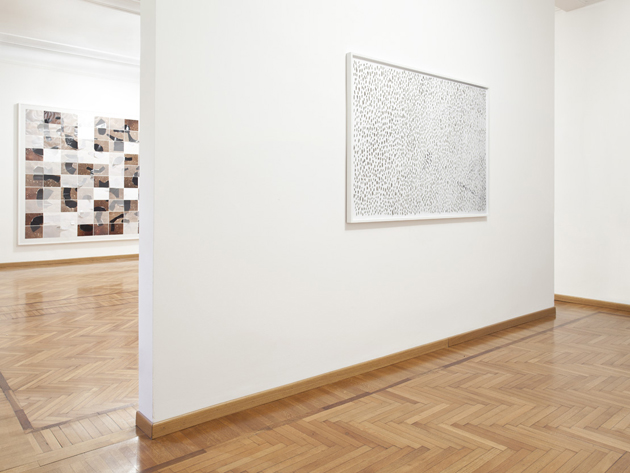
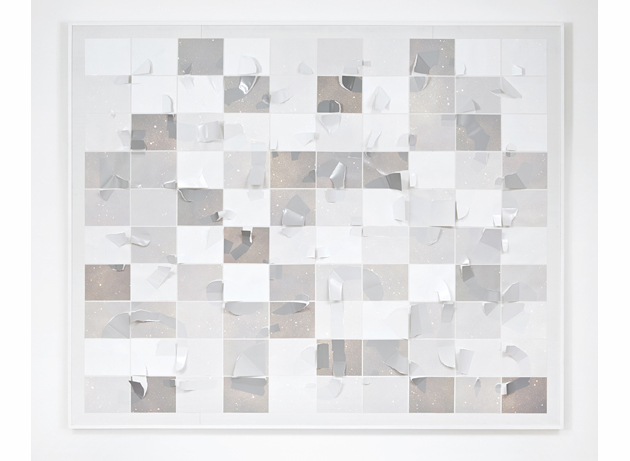
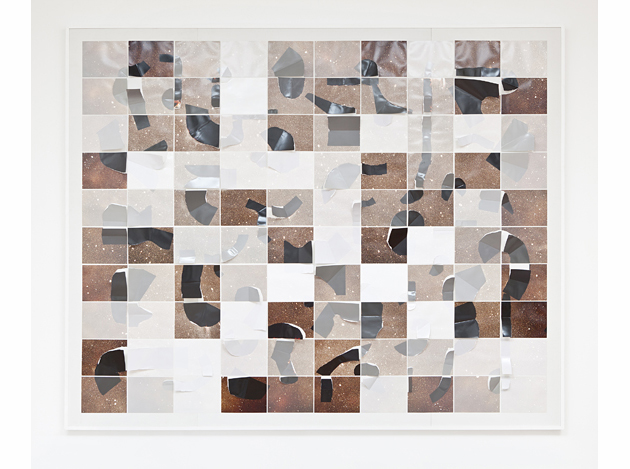
Curtis Mann (Born in 1979 in Dayton, Ohio, lives and works in Chicago, where he also teaches photography at Columbia College) displays a new body of unusual photographic works: partially modified images, slightly manipulated with Photoshop, or erased by means of a technical process developed by the artist by painting on portions of enlarged color photographs with a clear varnish, and then bleaching away unprotected portions with the result of an abstract image with some recognizable areas. While his early works are composed by found images taken from different sources, showing current affairs (namely, violent conflicts abroad) or images taken from appropriated snapshots, travel photographs, and casual documentations, this time Curtis Mann seems to be more focused on patterns and geometrical compositions such as grids or minimal images, like empty spaces and solitary traces in vanishing landscapes.

In works like Object A or Ouroboros the viewer could get the sensation of being in front of an image of Mars, or some scientific or geological picture of a landscape. Due to the particular artistic process adopted by the artist, the original photographic image results transfigurated, leaving the viewer in front of a variety of possible interpretations.

To understand deeply the final result of this intense process of transformation, the viewer should get closer to the works and look how the photographic paper becomes dense and materic: certain parts of the image are reinforced while others are partially concealed or disappear completely. But unlike in digital manipulation, in this case the physical procedure that leads to the final result is clearly visible. This long artistic procedure, far away from the quick photographic “click” seems to drift outside of time, going inside the photographic image, prying into the innermost character of the medium.


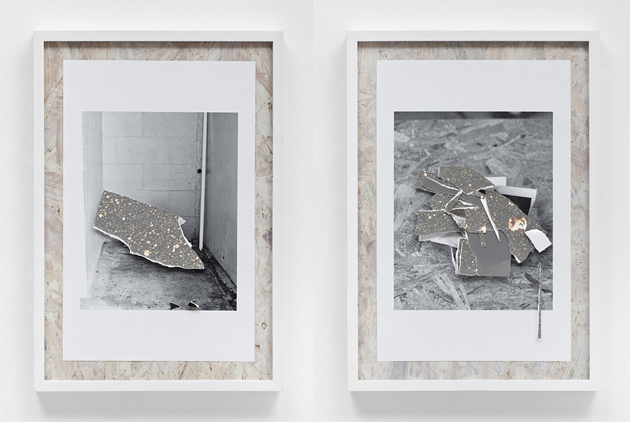
In some of these more recent works, like Rock Collection, the action of the medium is reached through the direct manipulation of the photographic surface, introducing a more sculptural and three-dimensional effect, achieved by folding, cutting or overlapping different portions of pictures with some reference back to the tradition of old American masters thus Gordon Matta-Clark, and maybe to other less-known artists, photographers and experimental filmmakers, who started during the sixties to expand media like photograpy, cinema and painting.

Between bi-dimensional image and object, photography and painting, real and fiction, this is Mann’s first Italian exhibition, programmed simultaneously in two different spaces: Monica De Cardenas Gallery (Milano) and Luce Gallery (Turin).


Riccardo Conti – Images courtesy of Galleria Monica De Cardenas, Exhibition pictures by Andrea Rossetti.

07/10/2012

Sunday Breakfast by Love For Breakfast

Sunday Breakfast by Love For Breakfast

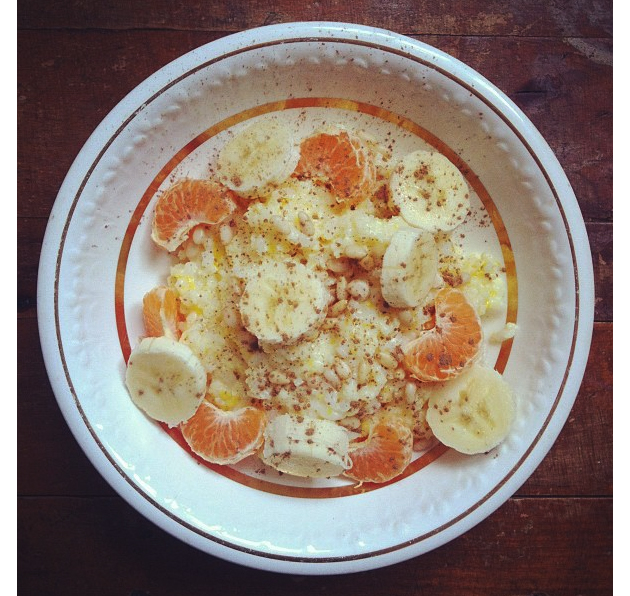
When the air is cool and the eyes struggle to open. The sweet smell of milk on the stove blends with the deep shades of banana. It’s so sweet, awakening.

Alessia Bossi from Love For Breakfast

05/10/2012

Global Fashion Show Trend Overview – Summer 13

Global Fashion Show Trend Overview – Summer 13

Here at The Blogazine, we’ve been following the SS13 runway shows from the fashion capitals; New York to London to Milan and rounding off in joli Paris. Each city is unique and creates its own buzz and attitude. We’ve been analyzing closely the key trends and have selected some of our favorites.

CUT OUTS

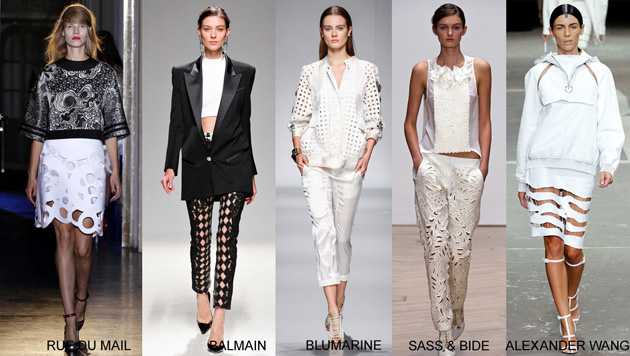
Cut outs are popular this season with designers creating slick laser cut geometric shapes, from rounded geometric shapes at Rue du Mail to harlequin diamonds at Balmain or more nature inspired leafy cut outs at Sass & Bide on leather and crisp cottons. Layered or simply worn against the skin, it seems to be the next move on in a more bold form of the lace hype.

RUFFLES

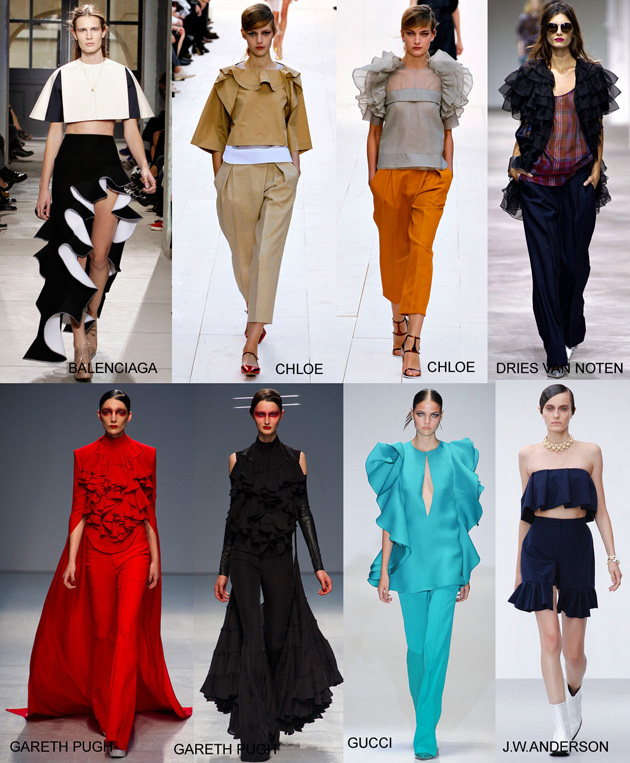
Ruffles came cascading down the runways in many shapes and forms. From romantic flounces in chiffon at Chloe and Dries Van Noten to more structured and sculptured voluminous shapes at Balenciaga which created a more dramatic “Flamenco” style.

FUTURISTIC

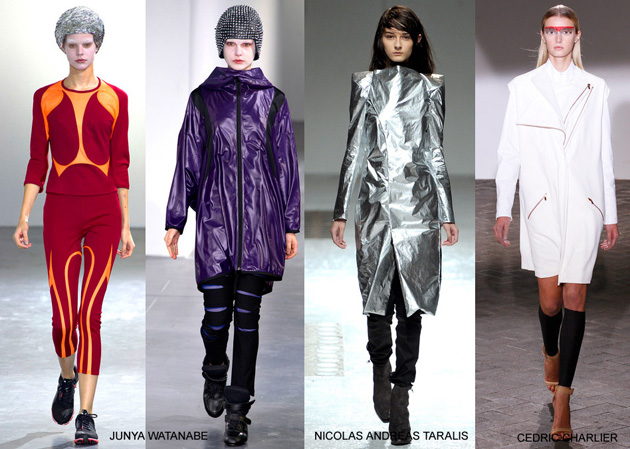
There was a definite shift towards a futuristic space-like trend for some designers. Incorporating metallic and high-tech fabrics in Star Trek-like silhouettes, colour-blocking taking on a 90s clubwear look from London and Tokyo at the time from Junya Watanabe. You could also spot alien like make-up, all of which created a back to the future zoom.

50 SHADES OF ORANGE
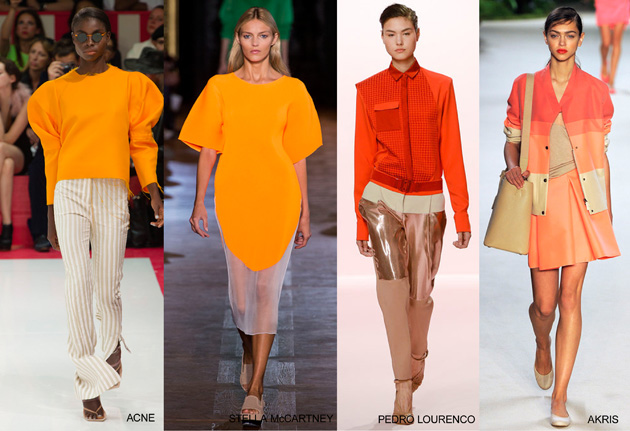
We mentioned orange being hot in our NY fashion week report. Across the globe orange has still been standing out as a key bright for next summer. From acidic orange to peach, pumpkin and rusty orange, all possible shades are creating a vibrant positive note to the season.

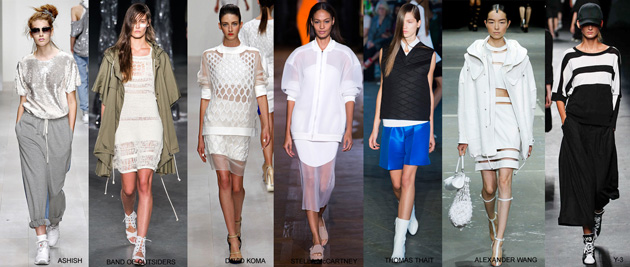
SWEATSHIRTS


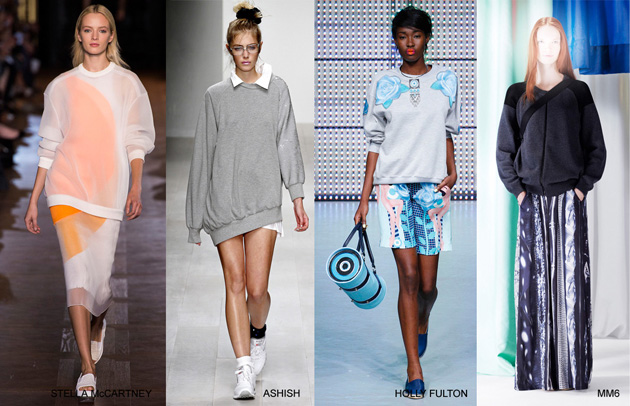
The humble sweatshirt is still looking strong for next season. Designers interpret the item into sheer structured silhouettes at Stella McCartney to more Sloppy-Joe style at Ashish or embellished and decorated at Holly Fulton. This versatile item can be transformed into any look.

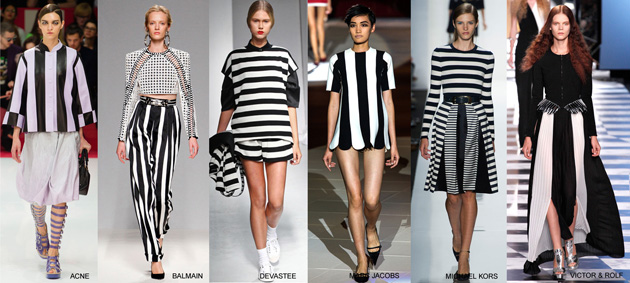
JAILBIRD STRIPES

Black and white jailbird stripes could not go un-noticed this season. It was a must-have amongst many hitlist designers. Translated into many forms from 60s mini dresses at Marc Jacobs, 80s paper-bag waisted trousers at Balmain, square boxy shape suits at Acne and Devastee to more feminine dresses and long flowing pleated skirts at Kors and Victor & Rolf.

SPORTSWEAR


Sportswear continues to be a big influence to many designers. Designers have created molded volume shapes using functional details like zippers and draw-strings and combining sporty fabrics such as airtex mesh and light weight performance nylons. In some cases a more luxurious attitude was mixed in using sequins in sporty shapes combined with sweatpants giving a 90s feel to the silhouettes.

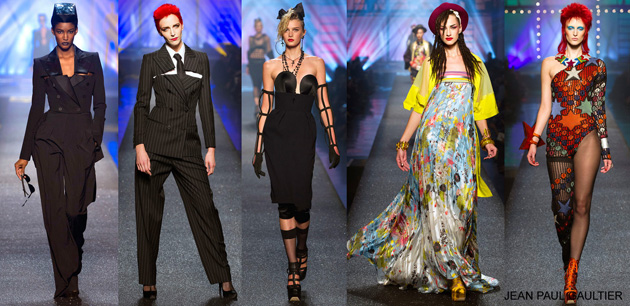
80s ICONS AT JEAN PAUL GAULTIER

And last but not least, we couldn’t resist picking out Jean Paul Gaultier’s show, with this theatrical tribute to some very recognizable 80s music icons. We’ll leave you to guess who’s who!

Tamsin Cook

04/10/2012

Fashion’s Lifecycle Revisited

Fashion’s Lifecycle Revisited

After an unparalleled age of affluenza, in which the rat race of obsessive materialism reigned supreme, the irrepressible desire for more appears to have become a relic of the past. That is, for an ever-increasing group of conscious fashionistas who have made re-evaluating their consumption habits a priority.
 In tandem with the persistent economical malaise and growing environmental concerns, the practice of downshifting and lowering our individual carbon footprint has become a mainstream paradigm.


In the field of fashion and retail, examples of this alternative, more sustainable modus operandi are ample and diverse. 
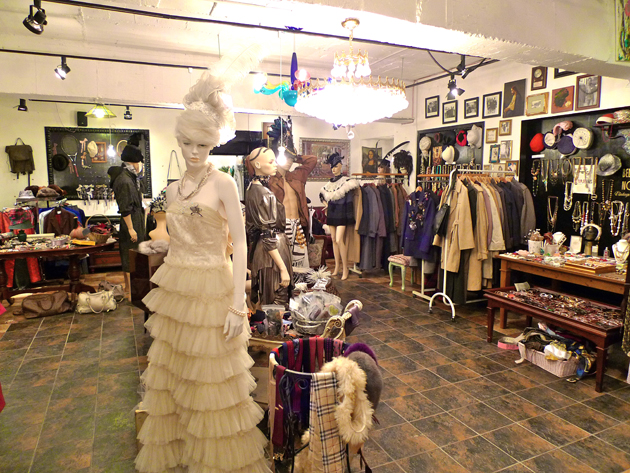
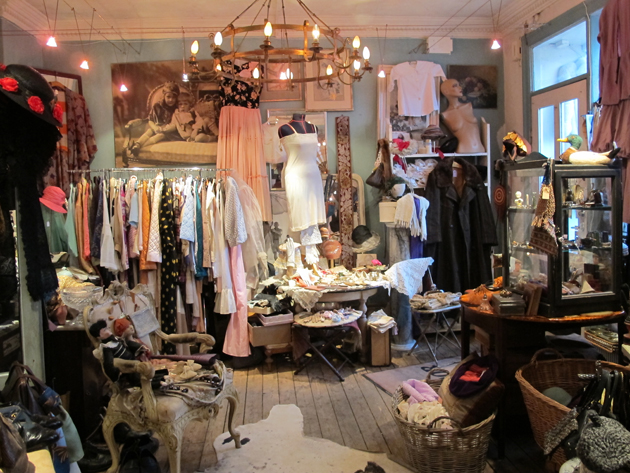
For example, today’s vogue for vintage, in the form of re-using old clothes, whereby items are almost magically elevated from ‘rags to riches’, embodies today’s practice of recycling par excellence. In fact, rummaging through flea markets, luxury consignment shops or vintage boutiques in the hopes of finding a vintage treasure, has moved from a niche market to become the habitual realm of the everyday shopper. 
Upgrading or customizing used clothes, by converting already worn clothes into new materials or entirely unique, new items, also coined as ‘upcycling’, are similarly high on the rise. As such, most vintage stores offer a selection of these types of re-constructed, re-commodified apparel. 
It is a different, more durable outlook on fashion that Martin Margiela, dubbed by iconic fashion critic Suzy Menkes as “fashion’s founding father of recycling”, already initiated with his clothing in the late 1980s, as a means to let fashion re-think its role and function.

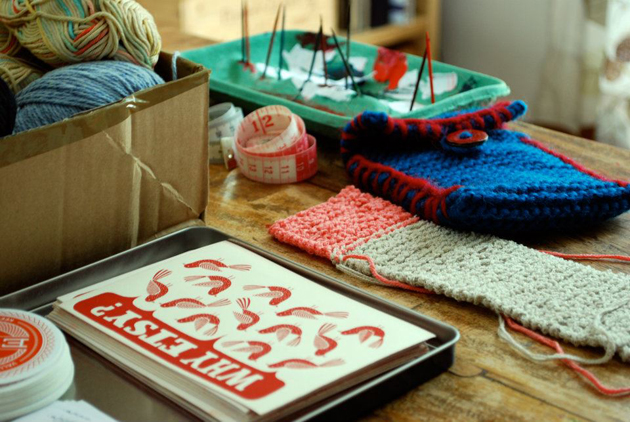
Additionally, the manual, démodé act of knitting, stitching and seaming, in bygone times the ultimate praxis of domesticity and femininity, has equally become a peaceable pastime for a growing group of (mostly) women. In result, this busyness is occasionally organized collaboratively via knitting collectives or through the numerous Etsy Labs that are coordinated worldwide.


Ethical, self-reliant Do-It-Yourself fashion, as subrogate for clothing that is mass manufactured by use of dangerous chemicals, is more in style than ever.
 By the same token, the manufacture of ‘green’, eco fashions have become thriving industries in contemporary time. Accordingly, the urge to reduce environmental degradation has set a new imperative for today’s entire fashion hemisphere. 
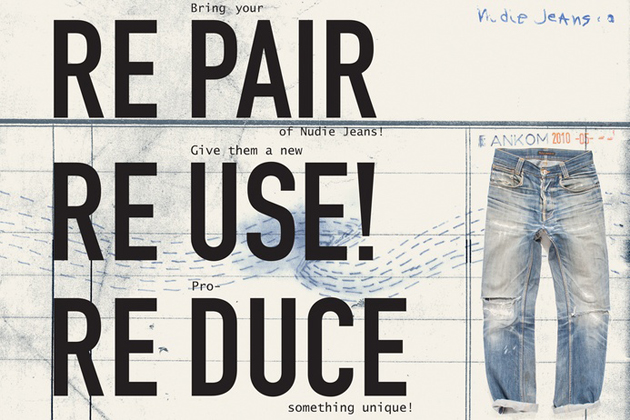
Organic denim label Nudie Jeans takes the sustainable creed a step further by lengthening the lifespan of their garments, by means of repairing – entirely free of charge – one’s old pair of Nudie denim. In addition, clients can trade in their used Nudie jeans to let it be recycled or re-sold as second hand. In line with this development, many shoe stores have begun a similar strategy, whereby clients acquire discount when they hand in their old, worn out pairs to let them be recycled. 
Prolonging the lifespan of clothing and thus extending fashion’s lifecycle has as such, become the new mandate. In view of these progressions, the traditional, ruthless, capitalist mode of producing apparel, has surely reached its lifespan.

Claire van den Berg

03/10/2012

The Editorial: Shit We Say

The Editorial: Shit We Say

The Shit Girls Say meme was a mini revelation: an a-ha treasure trove of hilarity. Zing! American girls, look at how hilarious and absurd you are! Except that, as clever things on the internet tend to do, it grew to become just a theme on which countless variations (hyperbole: it’s just more than 700, apparently) would be made. Before long it had become “Shit (insert-group-here)-ers/-ites/-[etc.] Say” and everyone had been parodied–girls, guys, gangsters, gringos, gays, geriatrics, gorillas, giraffes, Greeks, Germans, Georgians – and if you know someone who kinda fit into any of the boxes, you were on the floor in stitches.

It was almost as if we were holding up mirrors to our friends’ faces. Except, what we were (and remain) oblivious to is that mirrors were being held up to our own imperfect faces. To illustrate, the star of the “Shit…” video parodying the citizenry of my very culturally unique home state in the USA has become a local folk hero of sorts, and has gone on to be featured in television commercials and print adverts. Her portrayal of the accent, linguistic quirks and localisms was spot on and we loved her for it. But few realised that it was in fact themselves, ourselves!our accent, our quirks – who made any “Shit…” video hilarious. I don’t talk like that! I don’t sound that moronic!

So, great. We’re all both predictable and ridiculous. But since we hear an awful lot about social media’s fragmentation of society, it seems counterintuitive that such a hyperindividualistic (I probably just made that word up) society could be painted in 700 or so odd brush strokes. The videos merely seize upon some broad particularities of broad groups, yet that so many of them ring so true is more than a small reason for us to take a long hard look at ourselves.

A growing number of sociologists who contend that since social networks encourage grouping with like-minded individuals, we are inadvertently sequestering ourselves into neater and more well-defined (and perhaps confining) boxes than ever. You are a teen girl and are therefore predictably ____. Zing! You are a twentysomething who lives in Brooklyn and are therefore predictably ____. Zing! Some even blame recent bursts of extremism, from Al Qaeda to the Tea Party on this dynamic: like minded people with bad ideas in a post-geographic community of critical mass. But shouldn’t it be easier in this day and age to transcend the most basic assumptions about who we are and avoid being reduced to hapless, unthinking stereotypes?

Now, go watch the video that best parodies you. Will you laugh?

With some seriously well-styled images, Kyle Humphrey and Graydon Sheppard have turned the online phenom into a nifty little book that launched last week in London. Pick up a copy at KK Outlet in Hoxton Square.

Tag Christof – Images courtesy KK Outlet