15/04/2013

The Diffusion of Responsibility

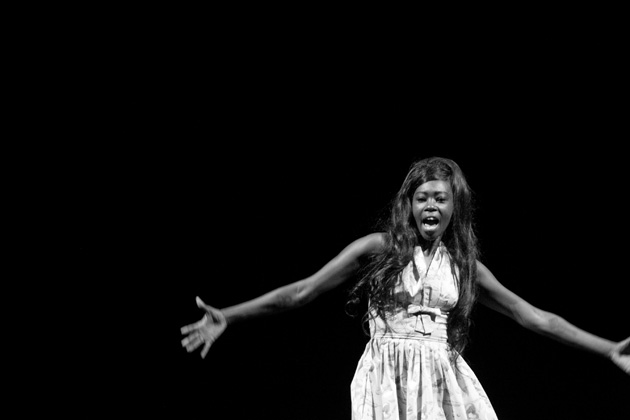
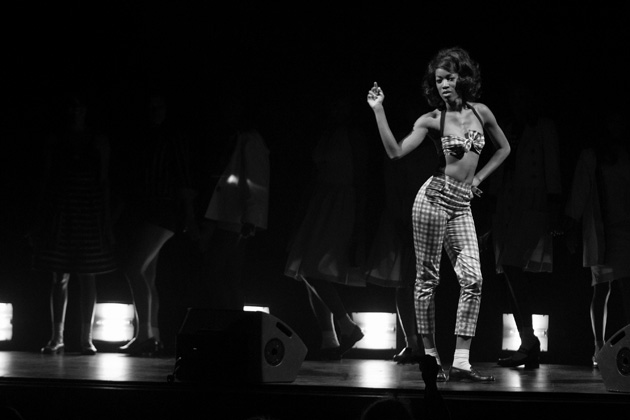
Talking about my country’s cultural aspirations, George Carlin once joked that “It’s called the American Dream because you have to be asleep to believe it.” Just about everyone is blissfully zonked out in Harmony Korine’s Spring Breakers, an absurd meta-pop film that simultaneously critiques and celebrates American hedonism, violence and general irresponsibility in its most hilariously desperate and depressing form: through the eyes of college girls, in Tampa Beach, sometime in March. Want to know what mainstream youth culture looks like in America? Watch this film.

Spring Breakers follows four young bombshells (Candy, Faith, Brit, and Cotty) who rob a chicken shack with squirt guns and ski masks in order to fund a last-minute spring break trip to the Florida coast. “Pretend like it’s a video game” one of them says. “Act like you’re in a movie.” This advice isn’t specific to the robbery, it’s a mantra for their entire way of life. No one seems to have a clue who they are, and no one takes responsibility for their actions. It’s a familiar feeling.


Korine is obsessed with America’s glorification of sex, violence, drugs, and how those components shape individual identity. Like Kids, Spring Breakers is focused on a group of young people (mostly women) who don’t know where they fit in, trying to be cool, exhausting the possibilities. Each character attempts to be something they’re not, with humiliating and sobering consequences. The film isn’t realistic (nor is it meant to be), but it’s characters’ desires are.
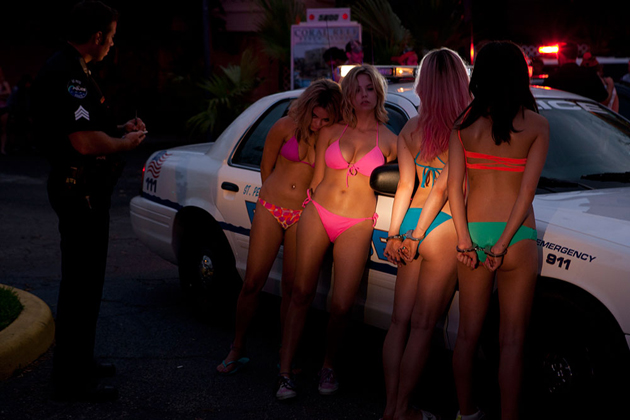
After going broke and getting busted for snorting cocaine at a random party, the girls wind up in jail and are bailed out (financially and legally) by a drug dealer/rapper named Alien (played to a tee by James Franco). “Some kids want to be president, others want to be a doctor,” he tells his new friends by way of introduction. “I just want to be baaad.” Alien is not bad. But he is rich, free from the burdens of work or school, and living alone in a big mansion on the beach full-time. In his world, as he likes to say, it’s “Spring Break forever.” But what does that mean, exactly?

Alien’s got everything the girls want, but the problem is that they want the wrong things. But there’s something missing. Alien is all image and no substance, a sharp warning of the type of person you end up becoming when “having shit” becomes your motivating goal in life. Alien needs an audience to justify his existence, but he has no friends. He has the guns and the ego to point them at his rival drug dealer (played by Gucci Mane), but not the heart to use them, which turns out to be a fatal flaw. Paradoxically, the girls have the heart to hang with Alien, but only because they’re too stupid and media-saturated to know just what it is they’re getting into. They think that’s what they should be doing, which might just be the real lesson here. Take Spring Breakers literally, as many critics have, and you’re sure to be offended. Take it as satire, as you should, and you’ll be amused at the cultural introspection lying beneath the glossy surface.

Lane Koivu
14/04/2013

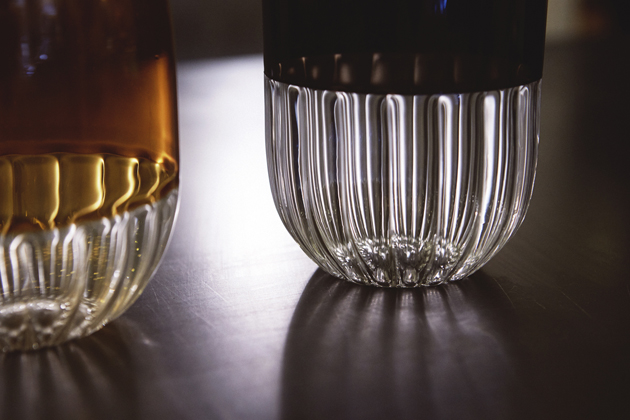
Sunday Breakfast by Love For Breakfast

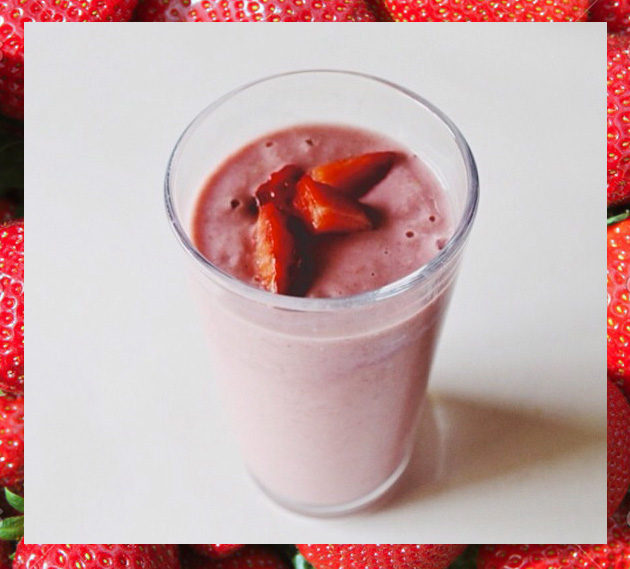
A touch of spring all in one glass. A bit of happiness in a smile check.

Alessia Bossi from Love For Breakfast 
13/04/2013

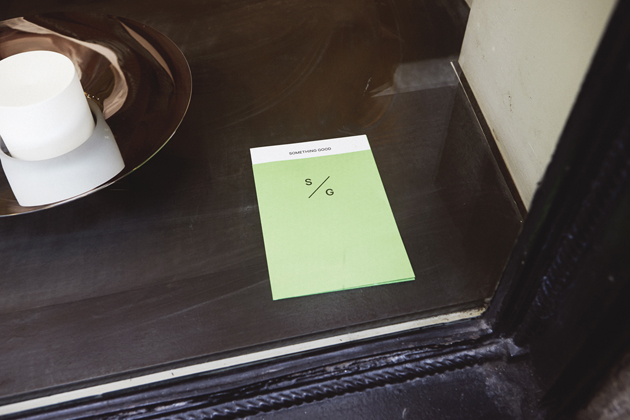
Salone 2013: Something Good

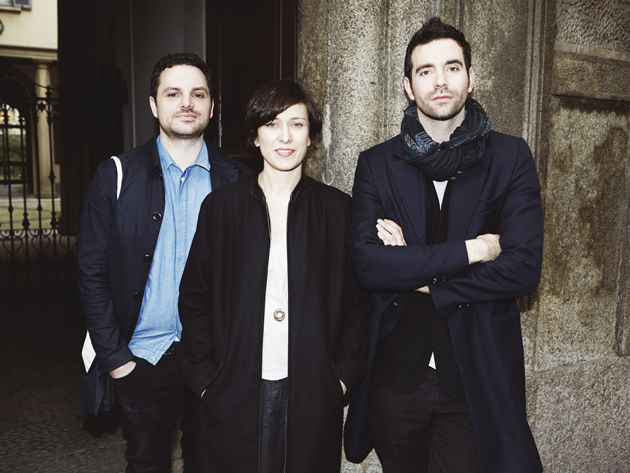
Something Good is a project initiated three years ago by a group of young Italian designers with the idea of creating a platform for creation of hand-made objects, raising awareness towards the quality production of local artisans as well as giving an output for emerging designers, who often find it difficult to enter the corporate world, dominated by bombastic international names. For their third appointment at Salone del mobile, Zaven (Marco Zavagno and Enrica Cavarzan), Matteo Zorzenoni and Giorgio Biscaro have created a series of simple, but beautiful objects, designed both through their impeccable vision as well as the profound knowledge of local artisans, their partners-in-crime.


How did you designers meet?
We basically studied in the same university so we know each other from that time. We are a sort of a team of three different design studios: one is Giorgio Biscaro, one is Matteo Zorzenoni and then Zaven which consist of Enrica Cavarzan and Marco Zavagno. We started this project two years ago when we started working with artisans of the local area of Veneto, where we are based. The main group of organizers are us four and we started this new company with a first collection based on our designs, with the idea of opening up to other projects in the future.

What is the idea that guided the creation Something Good?
We started by inviting people to collaborate with artisans and local producers and we saw that it was going really well so we decided to start this project, Something Good. This is the first time since we started two years ago that we are here with some sort of structure that is not an exhibition, and it’s the first time we are actually selling the products we developed together. It’s very exciting!


Can you tell us something more about your show here in Milan?

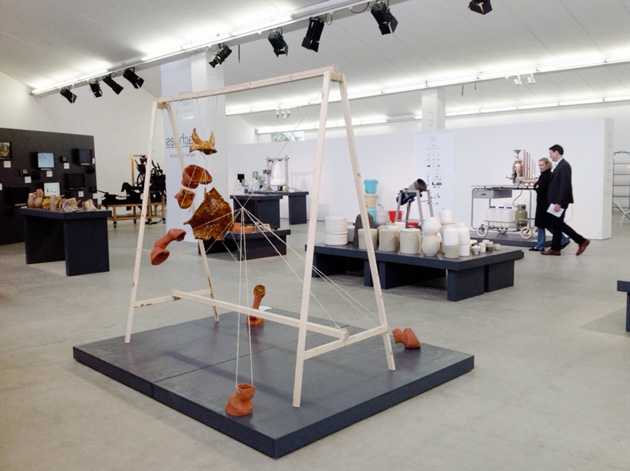
We are presenting a few projects that are made in the Veneto area with local artisans. Since everything is made by artisans, the objects are really perfect in one way, but can also have certain ‘deficiencies’ or ‘mistakes’ due to the material we work with. They are not actually mistakes, but result in unique pieces. Like these vases, they are made of borosilicate glass and are hand blown which means that each piece is made individually, so there can be a difference from one vase to another.

Could you explain the particularities of the objects displayed? How and where were they made and who are the artisans you have worked with?
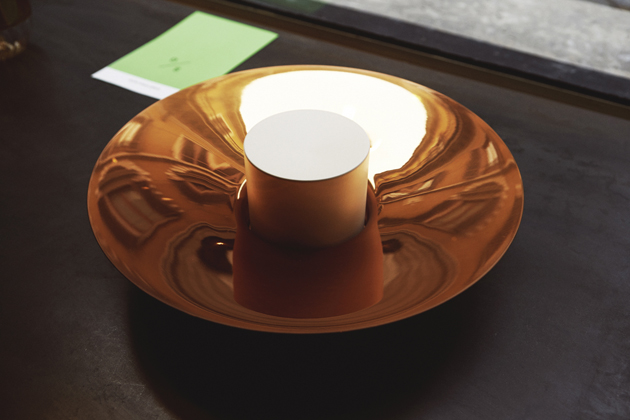
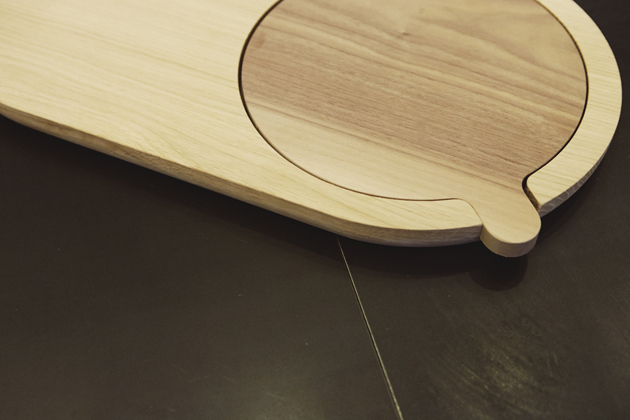
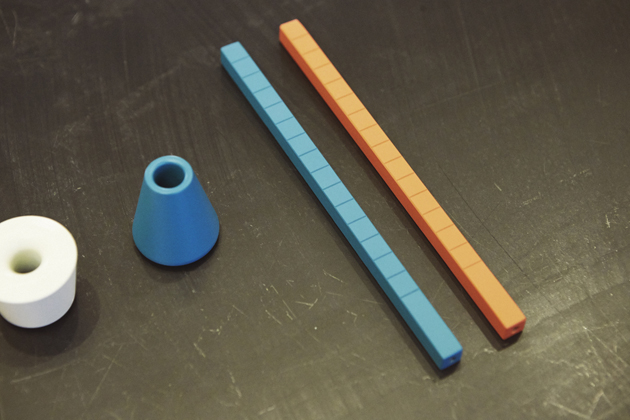
The vases (DIP) are designed by Zaven and this chromed centre-piece (NISH) is made by Giorgio Biscaro. The cutting board (IN-LAY) is designed by Matteo Zorzenoni and made with two different types of wood. These pitchers are also designed by Matteo and developed by a glass master in Murano. 
You can see from the display that we work with different scales of the project. We don’t want to be stuck with something that is complicated, we want to manage the production in the right way, so we try to find a way of working with the right scale of things together with the artisans. The product basically comes from our dialogue and we solve the problems and develop the objects together with the artisans. Their role is as important as ours, it’s really half and half in terms of design.

What were your goals in creating this project and pursuing this kind of production?

The idea is based on working in a way that is flexible: we can choose what to produce according to the abilities and skills of the artisans we are working with. The point is to make something that is of quality, and strictly related to the tradition of the work of the artisans. We work with small quantities each time according to requests and we are going to sell online – the shop opens in 10 days.

What do you think is the role of traditional crafts in Italian design?

People always think every project is made in the industry but in reality the first project or object is made by the artisan who makes the first prototype. Also, many times it’s the artisan who works with the final product for the industry. The artisans are the core of the industry in Italy – we don’t have the culture of machinery and we have really powerful skills, and traditions are still very important for Italian design. It’s important to keep the abilities of artisans alive. People think that the work of an artisan isn’t that ‘cool’, but actually, being able to work with your hands and your head together, is what creates great things.

You as designers curate the production process as a whole with Something Good, do you feel that the traditional role of a designer has changed today?

As a designer you must know everything. Every time you work with a company that works in different fields or with different techniques, you need to have the knowledge of the production process. So for us, to curate the whole process, being ‘on the other side’, has been a great challenge. It makes you grow as a designer because you start thinking about the communication, the packaging etc.

Lisa Olsson Hjerpe & Rujana Rebernjak – Photos Alessandro Furchino 
12/04/2013

Salone 2013: Ventura Lambrate

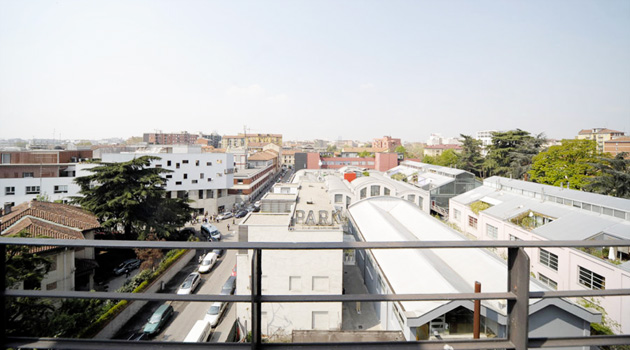
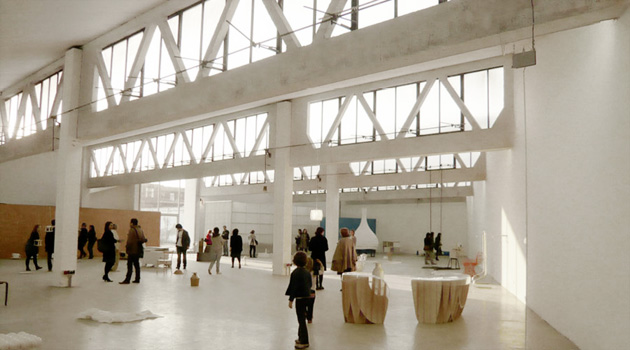
If you were to choose – be it for the lack of time, be it for the lack interest – only a couple of things to see at Salone del mobile, one of those should be Ventura Lambrate. A particularly ‘independent’ design district in the corporate-owned design fair, this cluster of internationally acclaimed creatives, young talents and small creative brands is the place to be.


This year Ventura Lambrate sees the return of some of its already established appointments, like the one with Cos, once again presenting their pop-up shop this year designed by Bonsoir Paris. On the other hand, some other well-established companies have sensed the appeal and particular reputation of Ventura Lambrate, moving their stands away from the centre of Milan, like Established & Sons whose polished and eclectic furniture creates a quite strong contrast with the surrounding shows. Another (fashion) design giant has turned to Ventura Lambrate: we are speaking of Diesel, who has also created a special restaurant in the zone in collaboration with Amaro, named The Diesel Social Cafè Club.


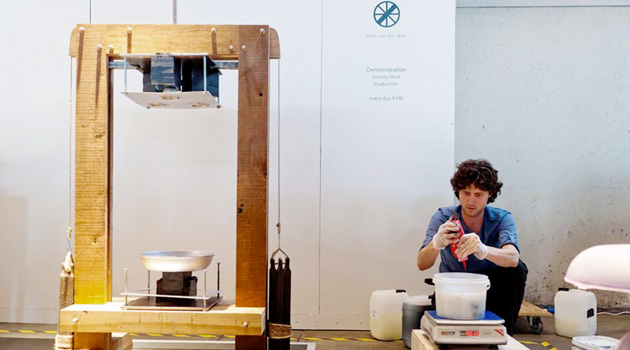
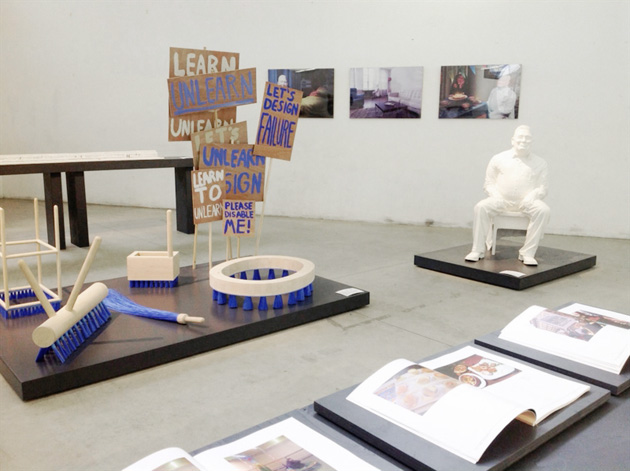
While the popularity of the zone is attracting established design companies and thus, potentially, putting in question its role as hub of young and independent design talents, the presence of some of the most interesting European design schools surely brings it back on the ‘research’ track. You can see the works of Royal College of Art graduates that range from contemporary furniture, to interactive installations, to more narrative-based pieces, “all aiming to challenge the perception of design and provoke a change that would fundamentally shape our future world”. On the other hand, the provocative young designers of Design Academy in Eindhoven have concentrated on the process of designing, explored with the exhibition “Linking Process” whose goal is to reveal the beauty of creation putting on display the “phases of concept development, trial and error, sketching, building and rebuilding, and the new discoveries” that result from that processes.

Hopefully the sudden appeal of Ventura Lambrate won’t spoil its denomination as place of research, investigation, critical approach and speculation which the overcrowded corporate design world so much needs.

Rujana Rebernjak 
12/04/2013

Salone 2013: Studio Formafantasma

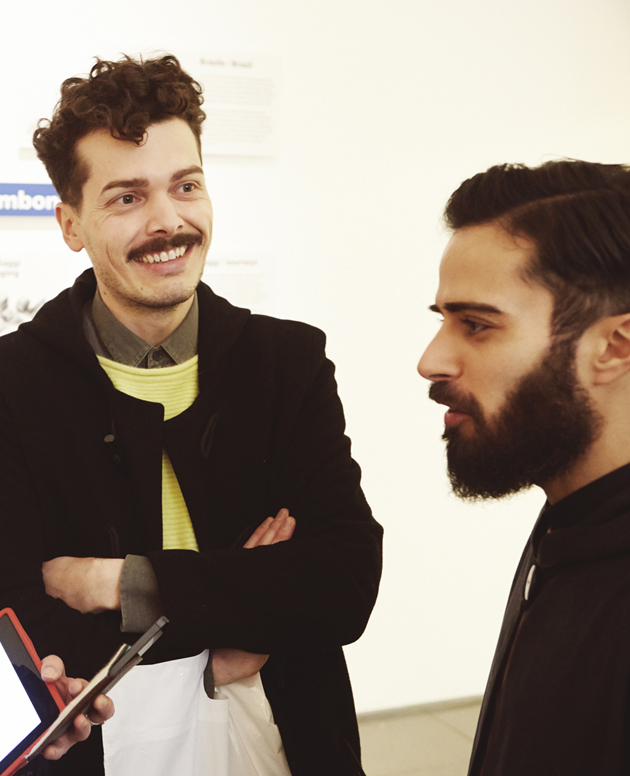
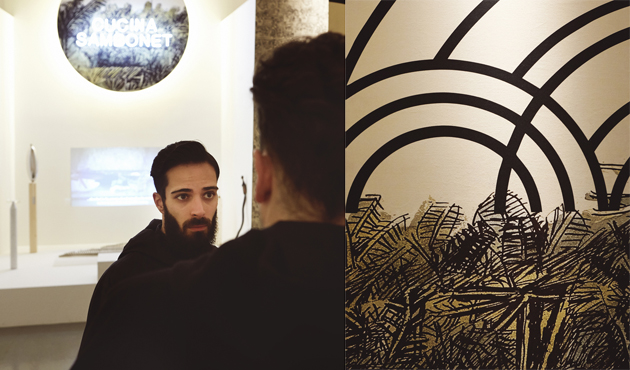
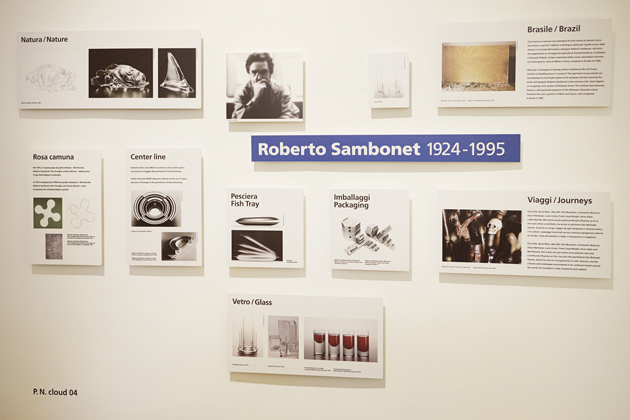
We met Simone and Andrea, authors of some of the most challenging yet exciting design projects, at Triennale di Milano in the midst of the hectic design week Salone del Mobile 2013. The duo, working under the name Formafantasma, was invited to participate in Triennale design museum’s latest exhibition called “The Syndrome of Influence”, where they were asked to interpret and play with Roberto Sambonet’s work. Even though Simone and Andrea’s work got us chatting for quite some time and there would be much more to say about them, here are a few lines that might clarify their role as one of the most promising designer brand of the future.

Could you tell us something about your project for the Triennale, “Cucina Sambonet”?

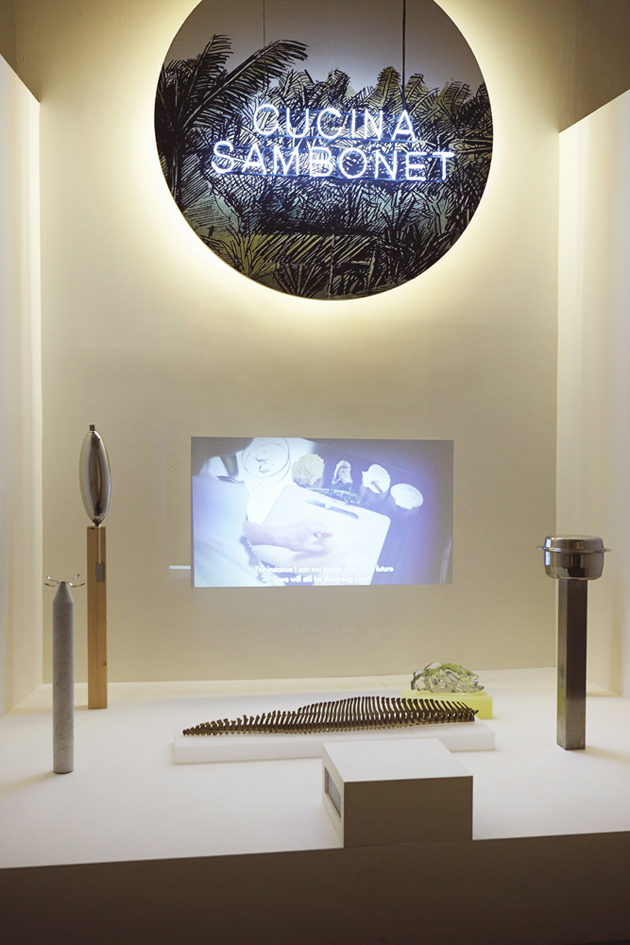
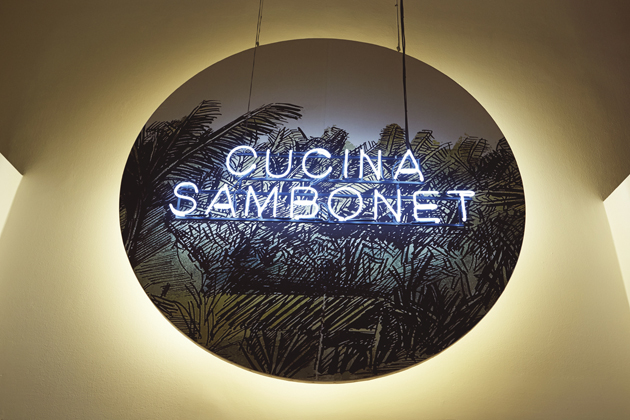
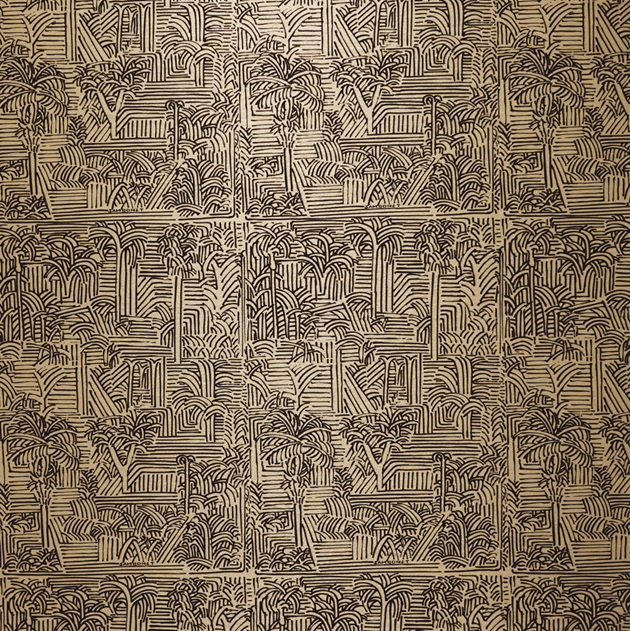
We were invited to interpret and develop the project on the work of Roberto Sambonet, who was in a way one of the last famous Italian designers. The reason why it is called Cucina Sambonet is because he designed a lot of objects for the kitchen, he was also a good cook and had a column in “Il Sole 24 ore” about cuisine and food. While the overall concept for the Triennale was very interesting, we also fell that we wanted to use this possibility to say something that goes beyond the work of Sambonet himself. We needed a fictional project where his works and drawings, drawn from his archive, could become scenographies. We worked with a movie director and an actor interpreting Sambonet, basically preparing a dish using his most famous piece within the same scenography. The text used comes from an interview he gave in 1994, where we selected some parts and kept on writing it, imagining him thinking about what would happen with design in the future. So, we are more or less making a statement on the necessity, for instance, of no longer talk about national design, while also trying to push back history, since the tendency in Italy is to keep on reviving what happened in the past.

How has this design culture influenced your work, seen that you have studied abroad?

I think you can see there is the Italian influence in most of our projects, but it is mixed with more conceptual projects related with Dutch design. We really enjoy not belonging to anything or anywhere. We always say we’re bastards, because if you put together Dutch and Italian design, it seems like nothing can come out of it or have a strong identity. That’s why we are so sick speaking about national identity or national design. It’s absolutely irrelevant.

So, let’s take a step back. How did you two meet and started working together?

We met when we were both studying at ISIA in Florence. We started to collaborate when we had a little bit of freetime because, even if ISIA was a product design school, we were interested in graphics design. We worked together on preparing our portfolios for two different schools where we wanted to continue our studies at. In the end we decided to go to Eindhoven because we could really relate to what was happening in the Netherlands. 
The story of how we got there is actually really nice, because we sent only one portfolio! Since the beginning, we applied as a team and when we came there we discovered that it was quite an exception.


What would you say is the most important characteristics of your work?
It’s critical and conceptual and not really formal. Of course it is formalized, but we don’t start by sketching a lot of shapes. That’s not the point in our work. We are really interested in the ideas and the expression of ideas and concepts through our work and not only the formal qualities of an object.

You often experiment with new or unusual materials, showing the process of your work. Why do you think it is important to also show the process of the design and not only the final product?
I think that in recent years, we displayed production, because things are produced elsewhere and you don’t know where they come from, you don’t know how they are produced. It’s a way of giving information. I think people nowadays want to be more involved and knowing where things come from and how they are produced. Showing the process is really about transparency.


You don’t work with the industry but mostly with galleries on specially commissioned projects. Do you feel this as a necessity or is it a conscious choice for you? What does this type of production allow you to do?
No, not really, because we are now, hopefully, starting to work with companies. It’s not a choice, it’s an option we investigated in the beginning. Let’s say that the way we worked until now is really much more speculative and galleries fit in much more with this type of production. Galleries are a place for discussion.

Let’s finish with your thoughts on this years Salone. Do you have any other projects displayed around Milan?
We have a couple of other projects displayed but we are more focusing on September and February when we will have two solo shows. We actually haven’t seen so much of the Salone yet, but we have a strange feeling of calmness. There is the crisis, and it’s visible. That’s nice though, because it’s not about big bold statements but about the human scale in things.


Rujana Rebernjak & Lisa Olsson Hjerpe, photos Alessandro Furchino 
12/04/2013

Bathing, Books and Tea

Bathing, Books and Tea

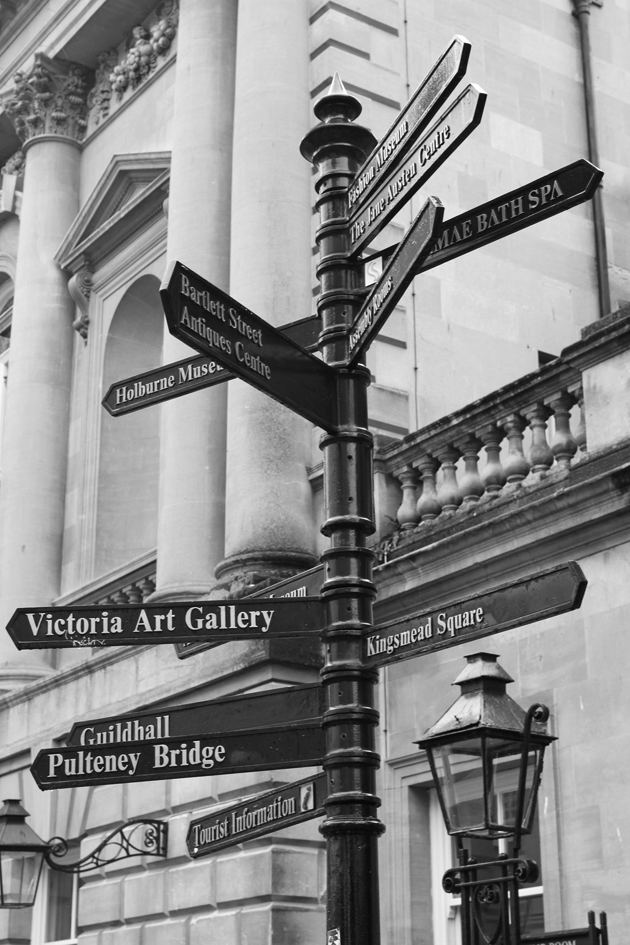
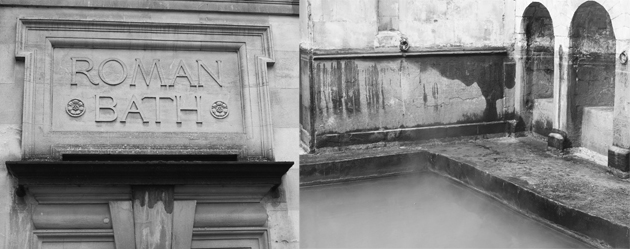
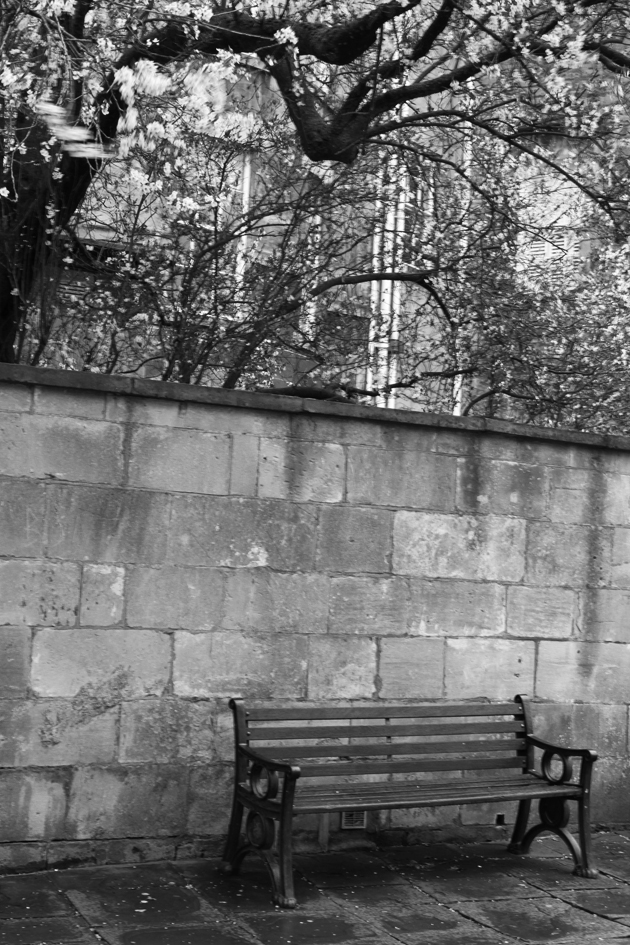
Brimming with literary allure, Old-world architecture and British quirk, Bath is a city that draws you in and lifts you up. Refined yet playful, it’s been a little different from the start.

Discovered by the temporarily ill-fated Prince Bladud around 863 b.C., the waters of Bath, which cured the aforementioned royal of his skin condition, have mesmerised the Celts, Romans, Saxons and Georgians and remain utterly mysterious. The water you bask in today fell as rain around 10,000 years ago before sinking deep into the earth (it’s impossible to say just how far down this water travels). Heated by high temperature rocks, it returned to the surface, and the city’s baths, through a network of ancient cracks. Naturally, no one is entirely sure where these cracks actually are.

Once you’ve wandered the original Roman Baths and indulged in a little local history you can take advantage of the city’s famed water at Thermae Bath Spa. Mixing ancient and contemporary architecture and focusing of internal wellbeing, here you learn that few things are as delightful as bathing in a steaming rooftop pool as snow falls and the neighbouring Abbey is illuminated by the sunset.

For those after more than just water there’s plenty of Austen. While Jane may have had mixed feelings about this city of stone and poise, which she called home from 1801 to 1806, she shall forever be associated with it – I mean, have you read Persuasion! Connect with the ultimate lady of letters by venturing to the Jane Austen Centre or perfectly preserved Assembly Rooms, conveniently located above the Fashion Museum. You can spend hours waiting for a Darcy here.


Alternatively, you can just focus on indulging. Don your finery, be flabbergasted by the effortlessly elegant Royal Crescent and slink through the door of number 16 for the ultimate high tea. Overlooking a blossom packed garden, this thoroughly secluded haunt, otherwise known as the Royal Crescent Hotel, makes overindulging feel rather glamorous. Match your afternoon foodie selection with an equally delightful place to spend the night. The Queensberry Hotel, found just behind The Circus a little away from the boutique-lined cobbled streets, reminds guests not to duel or ride horses in the lobby and recommends removing motorbike helmets before downing a cocktail. There is just a touch of Wonderland in the air here.

Relaxing, indulgent and just a little stuck in Regency days gone by. Bath is modern England at its Georgian best.

Liz Schaffer

11/04/2013

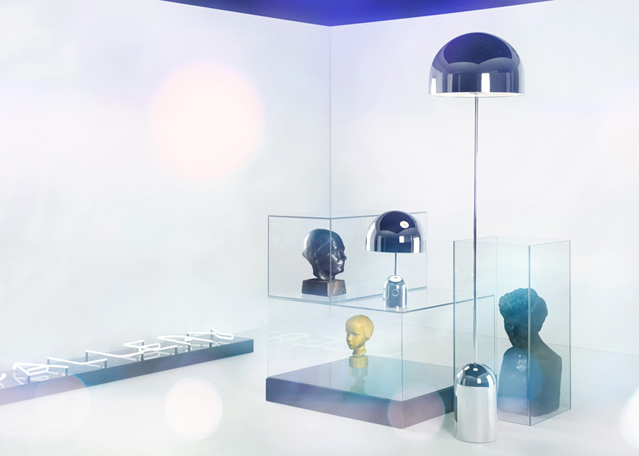
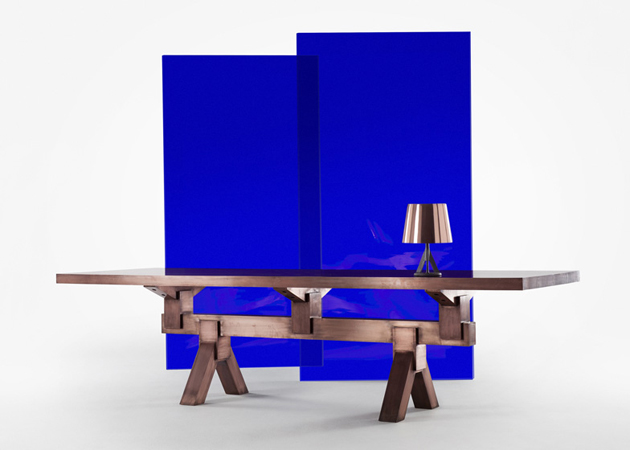
Tom Dixon’s MOST at Salone del Mobile 2013

Rough and smooth, traditional English tea with scones, cucumber sandwiches and strawberry jam, hip sportswear, young design brands, brass buckets, metal lamps, angular furniture and gemstones, science and technology, forward-thinking culture, dramatic surroundings, disruptive design and robotics. What do all these things have in common? Well, nothing more and nothing less than Tom Dixon, the grand master of British design, whose work has changed the way we perceive design and “the materials, technologies, production techniques and distribution systems” it uses.

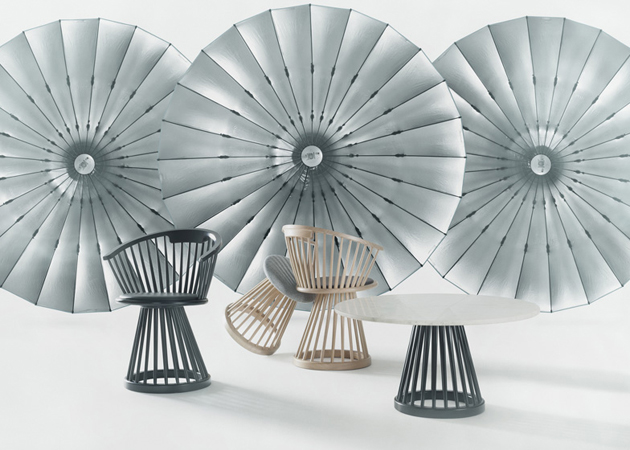
Tom Dixon has charmed the design world during last year’s Salone del mobile with his project Most, held for the second year round at the Museum of Science and Technology in Milan. More than a project, Most is a platform for contemporary design that combines a distinctive mix of performances and events with young design brands and studios, interacting with almost all areas of creative production: from food to fashion, from art to product design, from technology to traditional crafts.

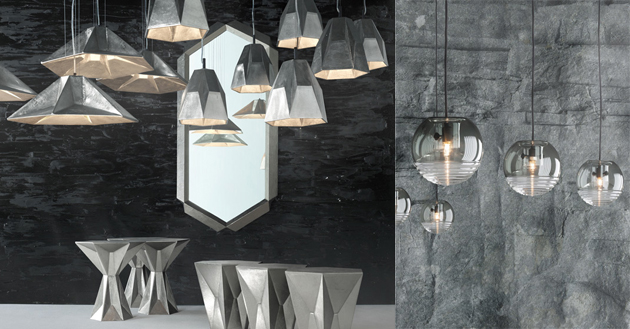
To prove the versatility of the event, we must mention this year’s most photographed and talked about feature: Tom Dixon’s collection for Adidas, comprising a collection of garments and accessories that “you can pack neatly in a bag for a week away”. Besides this enviable collaboration, Mr. Dixon is also presenting his new line of products, made primarily from metal – his signature material – and named “Rough and Smooth”, recalling the physical qualities of lamps, tables, tea sets and champagne buckets included in the collection.


Even though Tom Dixon is the main star of Most, it would be foolish visiting the Museum of Science and Technology only to see his latest creations, since this giant location is packed up with exciting new talents, great pieces of design and a positive vibe we hope might last even after the lights of this year’s Salone are turned (finally) off.

Rujana Rebernjak 
11/04/2013

Olympia Le-Tan – Quirky Intellectualism

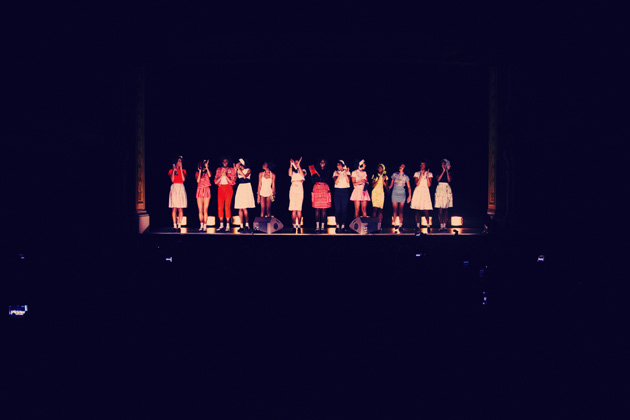
During the last seasons, Olympia Le-Tan’s eponymous label and goofy pret-à-porter presentations have become a compulsory go-to during fashion weeks. If Ronnie Spector doesn’t turn up out of the blue singing ”Be My Baby”, the soundtrack from Sound of Music echoes through halls of Le Musée de la Chasse et de la Nature in Paris. Or perhaps the models will perform a Betty Pagesque striptease, you never know.

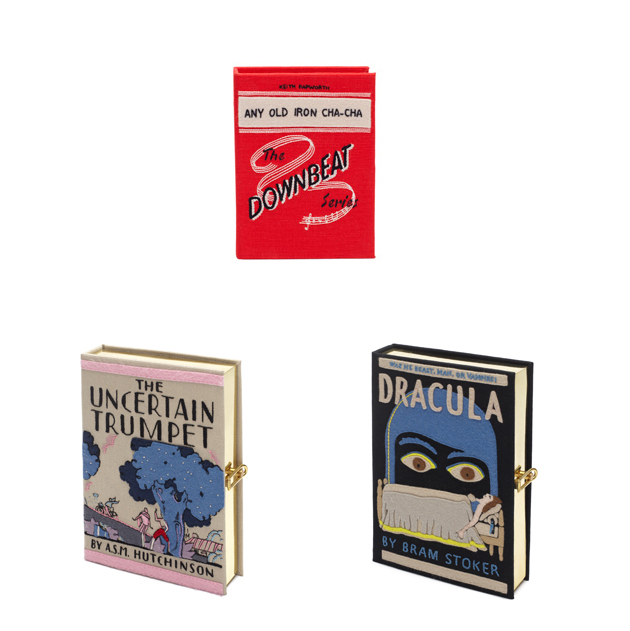
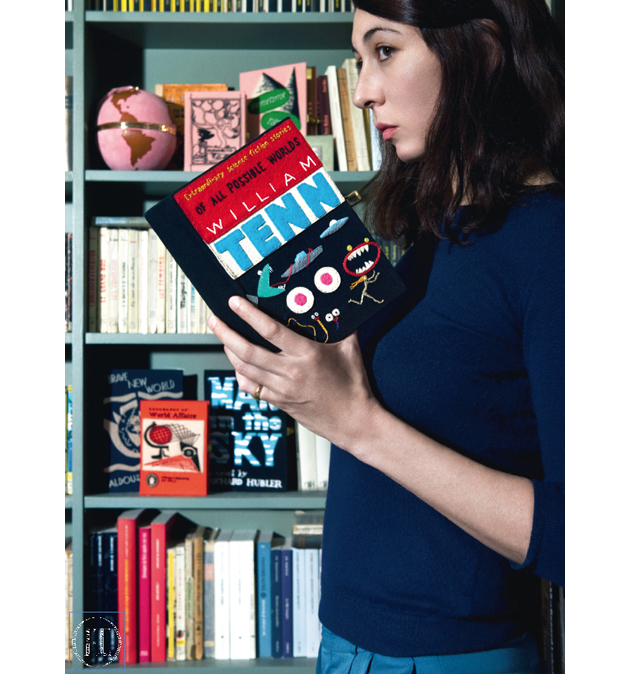
But prêt-a-porter aside, Le-Tan started out back in 2009 as an accessory designer. Since then, she has brought back the minaudière from its conservative right wing grave, and given it a spiffy intellectual twist. Clutches in the shape of book covers, accompanied by a respectful price tag. All of the pieces are hand sewn, numbered and limited to 16.

French cosmetic powerhouse Lancôme saw commercial potential in her work and launched a collaboration with the designer back in February: a clutch filled with various make up goodies. Though, looking at the price, we can maybe retract that commercial statement and position the result higher. The other week, the school girl theme was taken yet another step further when it was announced that Le-Tan had teamed up with Maison Kitsuné: a wool felt “K” badge in wide array of colors for those who strive to complete the boarding school look.


There’s also a more pop cultural element to her work: totes that fit the 7” records, for those who still happen to carry them around. “Ever since I did the book-clutch I have been hearing the question, ‘when are you doing a record cover clutch?’. The 7″ is my little history of black music, from jazz and blues to the girl groups of Phil Spector‘s wall of sound – my favorite genre.”

In April, a Nick Lowe’s “I love the sound of breaking glass” will be up for grabs through her online site. Why does it feel like we’re in for a round of quirky lunch boxes come fall?

Petter Köhler 
11/04/2013

Punk: Chaos to Couture at MET

Punk: Chaos to Couture at MET

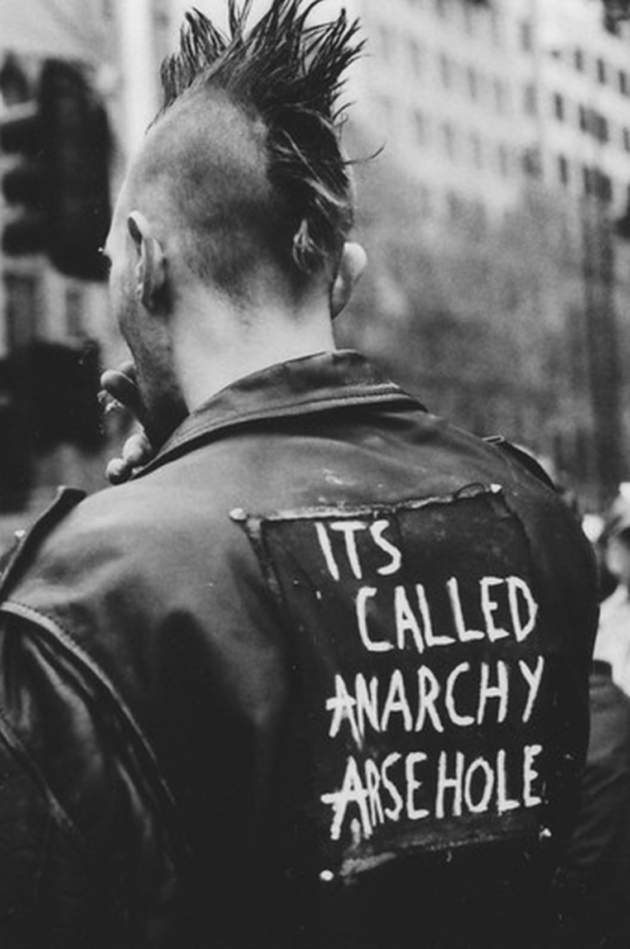
Every year the Costume Institute of New York organizes a big exhibition at MET, The Metropolitan Museum of Art, paying tribute to important names and/or movements belong to the past and the present of the fashion field. This year is the turn of Punk, arisen during 70s, strongly influencing fashion up until today.


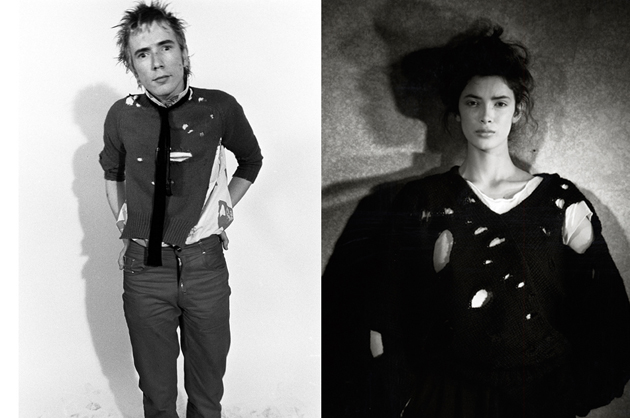
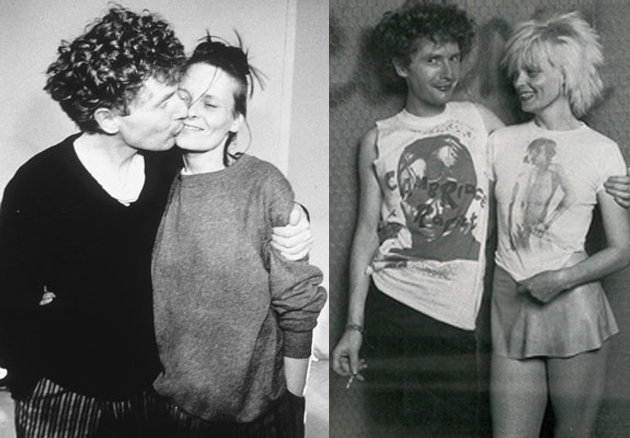
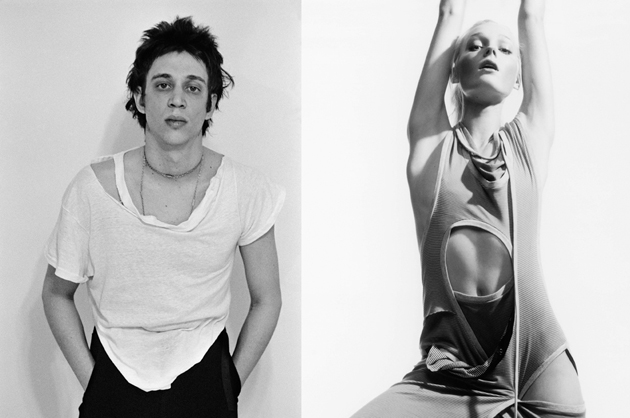
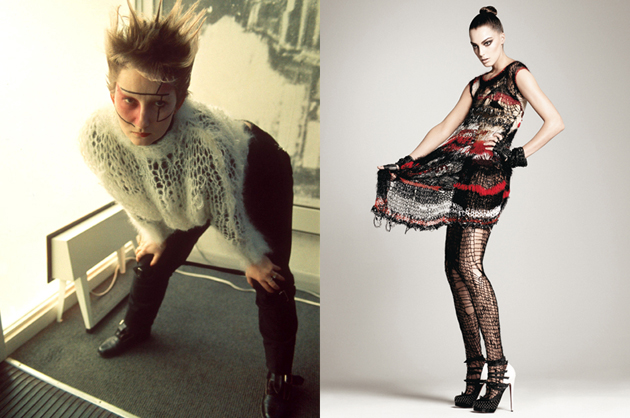
The exhibition Punk: Chaos to Couture will juxtapose original vintage garments from punk era, and the various designers’ interpretations through time, divided into seven different rooms, classified by various themes. The first one will be dedicated to GBCB, a famous club in New York, with a significant emphasis on the famous singer, Richard Hell who was credited by Malcolm McLaren as inspirational for Sex Pistols. There will also be a section about Seditionaries, the London shop created by McLaren himself, together with his peer Vivienne Westwood; the couple that definitely helped the development of punk in terms of fashion. The third space will present all those designers that have contributed through ages in extending the visual language of this culture; Hussein Chalayan, Rodarte, Karl Lagerfeld and Rei Kawakubo to mention but a few.


The probably most interesting aspect of this combination, punk and fashion, is the fact that the punk culture itself, born as rebellious and aggressive, detests every form of authority, with no exceptions. It all started up as a protest against society, wearing, literally, all stuff one could find around, not following specific rules to be identified: random, often self-made clothes in a careless way to express their awkwardness. As an opposite, haute couture and Prêt-à-Porter follow the principles of made-to measure. Two parallel line, apparently very far from each other.

The exhibition Punk: Chaos to Couture will be open from May 9 until August 14. So, if you’re planning to be in New York for holidays this may be a place worth visiting. Get your hands also on the book about the entire concept by Andrew Bolton, the organizer and curator of MET’s Costume Institute.

Francesca Crippa

10/04/2013

Have You Ever Been to Olympus?

Have You Ever Been to Olympus?

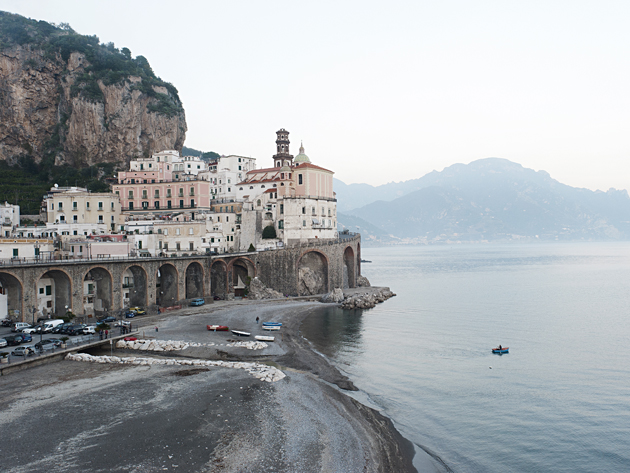
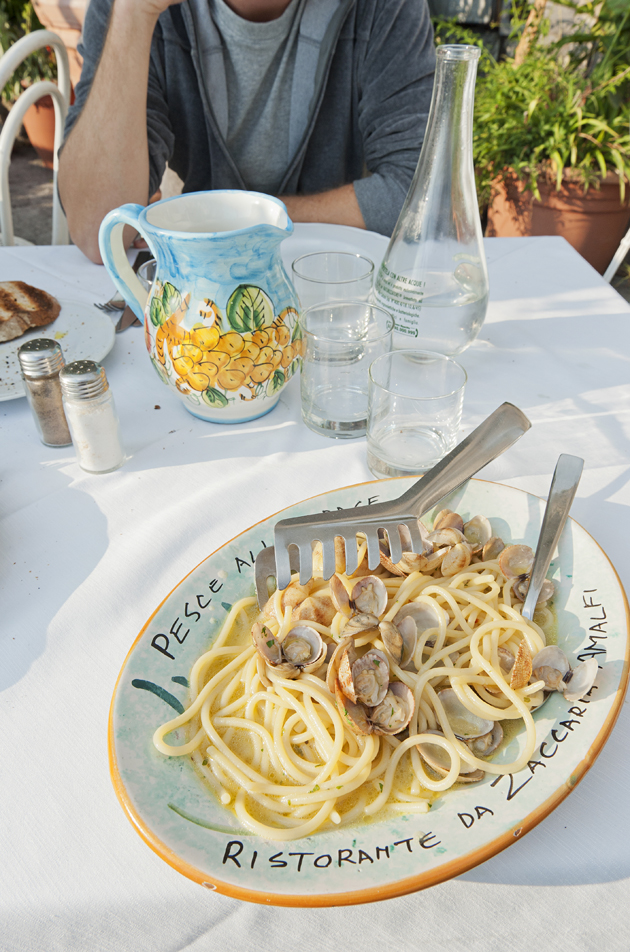
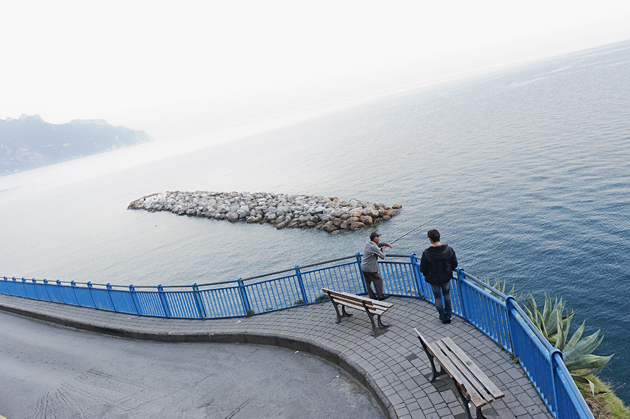
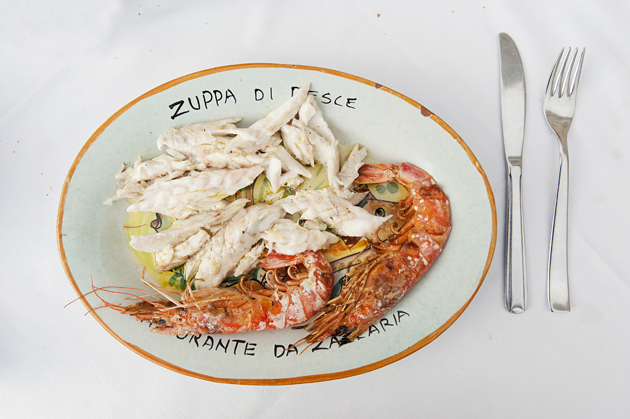
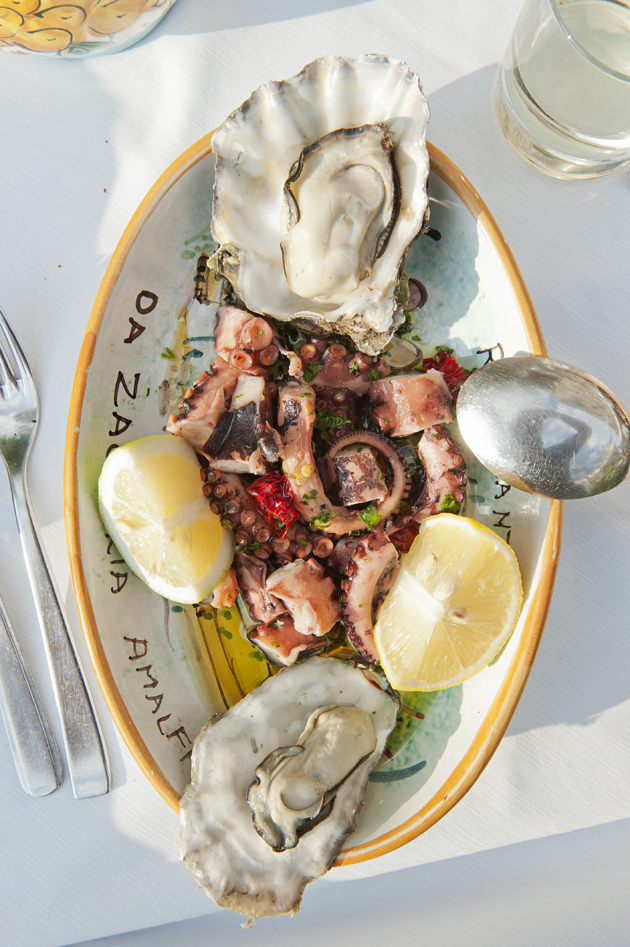
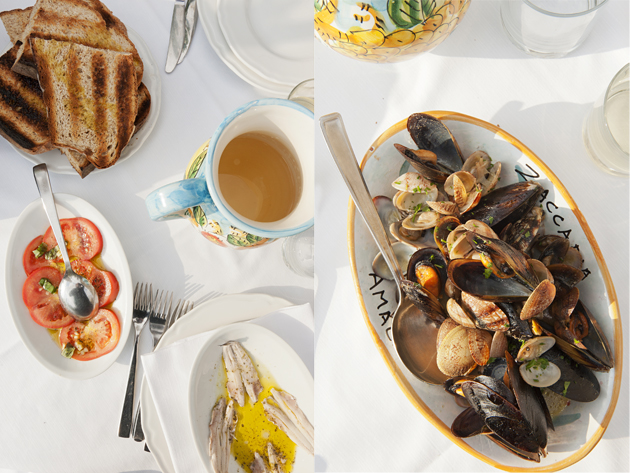
A popular Italian belief says that Gods live on the Amalfitana Coast. We remember “What?”, the beautiful Roman Polanski movie, that was set in Sofia Loren‘s villa, not far from Amalfi. In that setting occur surreal situations and the sun and the sea do the rest. If you are lucky enough to spend a few days in Amalfi, you have to try Zaccaria, a small restaurant suspended on a stone balcony. It is located near Atrani, and instead of giving you a menu the waiter will ask how hungry you are. The fish arrives early in the morning from the boats which have spent their night at sea. The view is breathtaking and the white wine will help you to reach ecstasy.

Walking is the best thing to do here. It’s also the best way to see the most hidden and unknown places. Over the mountains you can find vineyards, cheese makers, the old paper mills. Further down, however, there are the lemon gardens, fragrant and tasty. You must try Limoncello, lemon liqueur, or coffee with lemon, they are delicious. It’s true, in this piece of coast there are really all the ingredients to live a heavenly life.


Stefano Tripodi