24/09/2012

Mind-To-Hand Flow by Dan Perjovschi

Mind-To-Hand Flow by Dan Perjovschi

Drawing could be an uncurbed instinct. For Dan Perjovschi (b. 1961, Romania), grown up in the paranoid/nationalistic vision of art imposed by the Romanian communist regime, drawing represents the most effective and direct way to express himself freely. Soon after the fall of Ceausescu’s autocracy, in the early 90’s, Perjovschi started his collaboration as illustrator with an independent, socio/political weekly magazine named Revista 22 – where 22 stands for 22nd December 1989, the day of the regime fall –, which first gave him the opportunity to let his creative and critical process flows. Through simple, childlike, “cartoonish” images, speech bubbles, and wordplays, Perjovschi communicates his unique analysis of the present social issues, mixing up frivolity and sharpness, irony and seriousness.

Moving from paper to wall as different supports for his works, the artist exploits the directness of the graffito and its performative nature combining them with the meditation of a previous observation: going around to collect ideas, equipped only with sketchbooks and marker pens, he takes notes of the surrounding world and translates his thoughts about the intricate situations of everyday life. Doing this, he creates works that can be called literary graffiti, which are little poems or conceptual statements made not only for the sake of leaving a mark, but also for making you think.
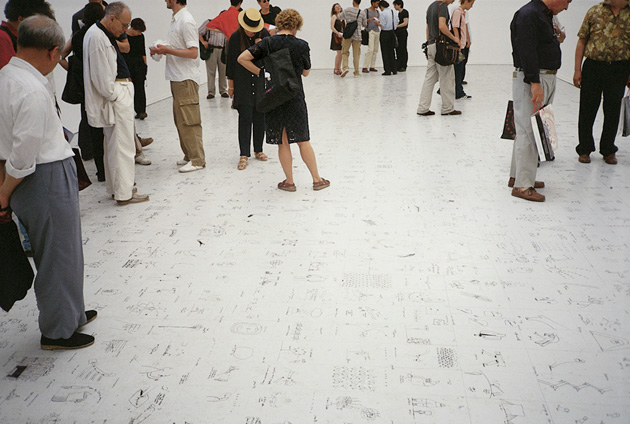
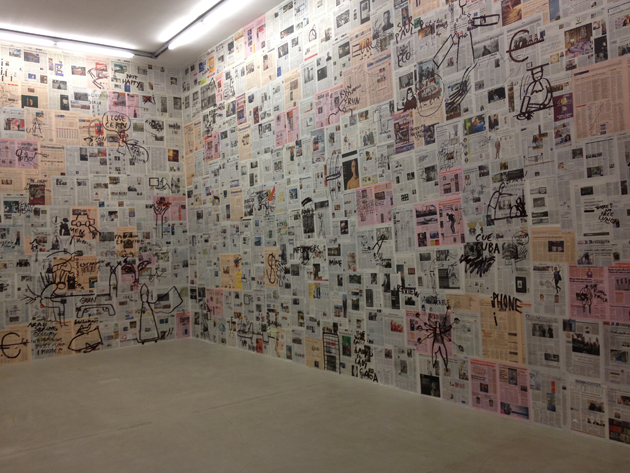
When entering the solo show by Dan Perjovschi entitled Good news, bad news, no news at Kaufmann Repetto in Milano, the impact is certainly strong. All the walls of the gallery are covered with Italian and international newspapers, reporting news about politics, economy, culture, but also rumours and plain gossip overlapped by the artist’s sketches and writings: a Don Quixote on his horse saying “I’m back!”, the texts “Nobody reads yesterday’s newspapers”, “Tragedies have no nationality” on the beige pages of the Guardian and the Observer, or the orange ones of the Financial times and Il Sole 24 Ore, along with the funny sentence “Men love Pink” on the unmistakable pink pages of the Italian sport newspaper La Gazzetta dello Sport, just to mention a few.
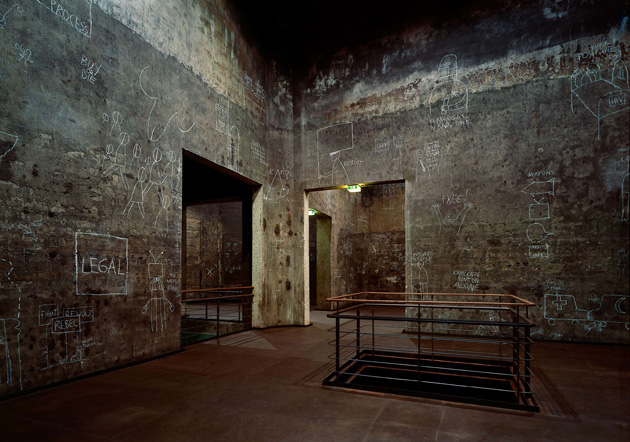
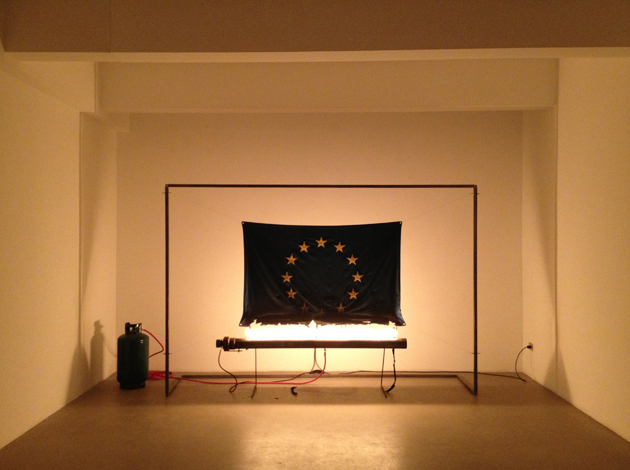
Through these huge site-specific installations Perjovschi made a portrait of our society in all its complexity. But the visit is not finished yet. A marvellous music comes from downstairs becoming – maybe accidentally – part of the main show. It comes from the project room and tickles your fancy; it is the last movement of the 9th symphony by Beethoven Ode an die Freude (Ode to Joy), which was adapted for use as the European Anthem and gives the title to the show. Going down the stairs, you see a sort of goal posts where the young artist Fausto Falchi (b.1982, Naples) hung the European flag just over an experimental Ruben’s tube that causes the changing of the flame according to the melody. The atmosphere of the room is warm and touching even if the scene is dramatic and full of meaning. Even though the flag – and everything it represents – is hardwearing, it is constantly in jeopardy because of the fire, which puts it in a dangerous and unstable position. As never before, it is so easy for us to feel this heat.
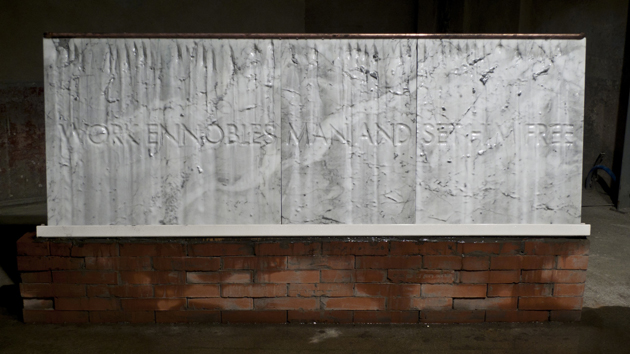
Good news, bad news, no news by Dan Perjovschi and Ode an die Freude by Fausto Falchi will run until November 2012.

Monica Lombardi – Many thanks to Kaufmann Repetto gallery staff.
21/09/2012

Design Time Capsule

Design Time Capsule

To ring in this year’s London Design Festival this week, a group of luminaries from around the design world gathered to commemorate the groundbreaking on the Design Museum’s new space. Slated to open in 2015 in the former Commonwealth Institute in Kensington, the new spot is to be a massive upgrade from its present riverside space and will transform the institution into the planet’s premier museum of design.

The big names invited along for the occasion each chose an item or two or three to place into a time capsule that will be buried inside the building’s foundations. And since the Robert Matthew-designed brutalist landmark is being spared the wrecking ball unlike many of its equally significant 1960s contemporaries, chances are pretty good that it’ll be around for at least as long as the rest of London stands.

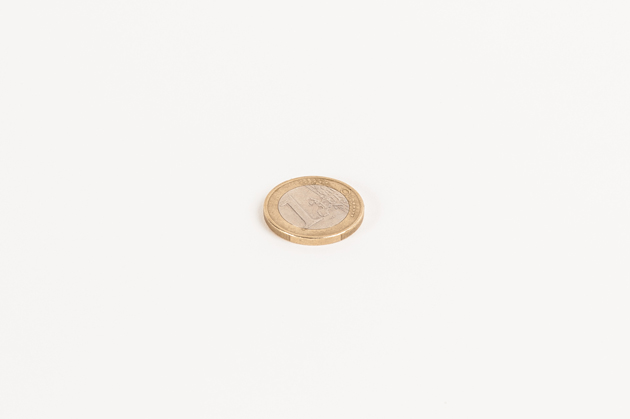
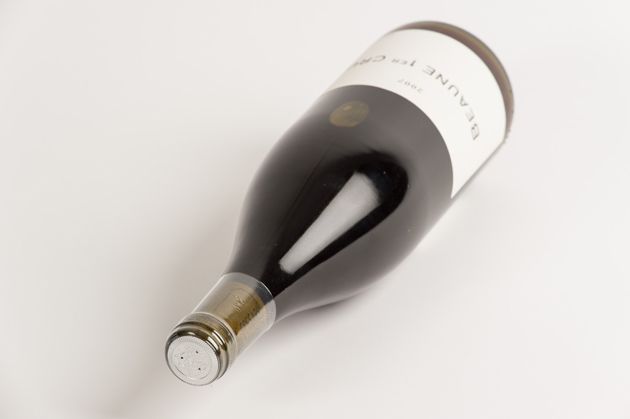
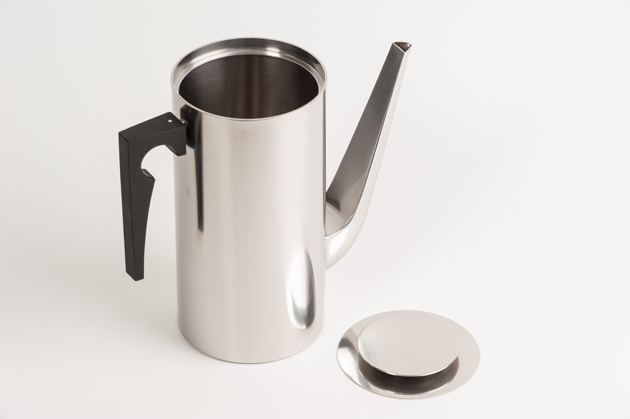
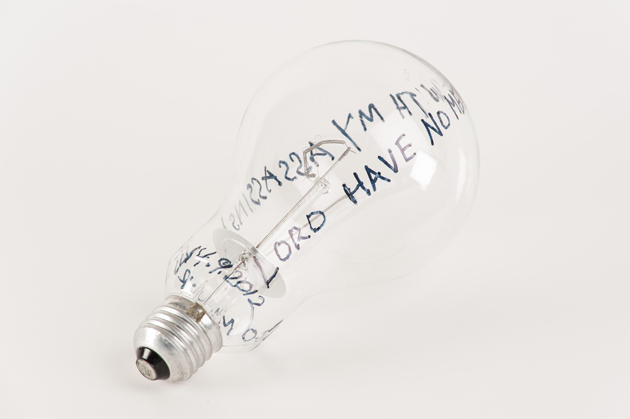
Terence Conran (who has been a seminal figure behind the Design Museum since its inception) buried an iPhone 4S, a tin of anchovies, and a bottle of 2012 Burgundy (a lovely way as any to sum up humankind’s design accomplishments up to now…), while the museum’s director Deyan Sudjic added the London 2012 Olympic Torch. Kenneth Grange (who was the subject of a recent retrospective exhibition at the museum), Ingo Maurer and Thomas Heatherwick, on the other hand, opted for grand gestures of simplicity, with the former tossing in Arne Jacobsen’s iconic, minimalist Cylinder Line cafetière and the latter two together including a good old fashioned filament light bulb.


Margaret Howell, Paul Smith and Zaha Hadid – not a one of them known for modesty – fittingly dropped in examples of their own work: Howell included an image of the soon-to-be-revamped Battersea Power Station, Smith contributed his stamp design for this year’s Olympic games, and Hadid a scale model of her signature white elephant, Rome’s MAXXI. (Perhaps she’s anticipating its razing in the not-too-distant future…) But if inclusion in the time capsule signals an anticipation of erasure from general existence (will our great-grandchildren know what an Edison lightbulb looks like?), Cecil Balmond’s choice of an EU flag and a 1€ coin is more than a little thought provoking…

What would you bury?

Tag Christof – images courtesy Design Museum

20/09/2012

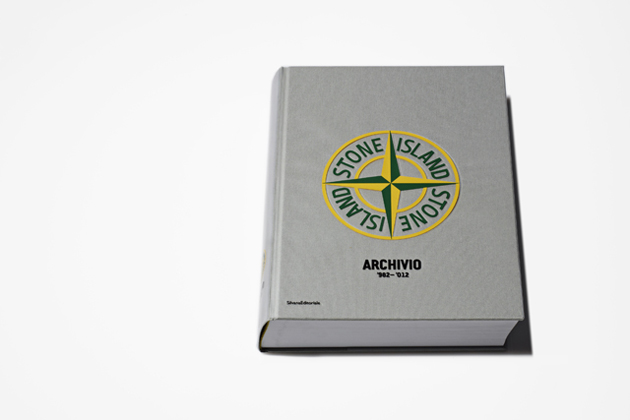
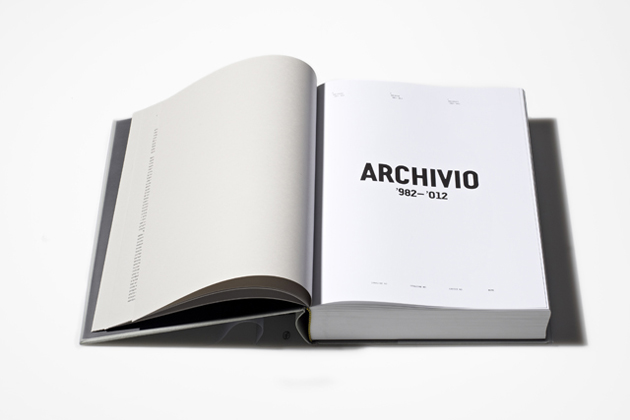
Stone Island Presents Archivio ’982 – ’012

Stone Island Presents Archivio ’982 – ’012

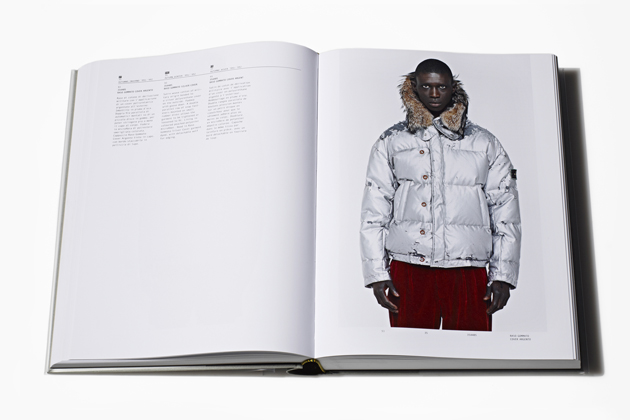
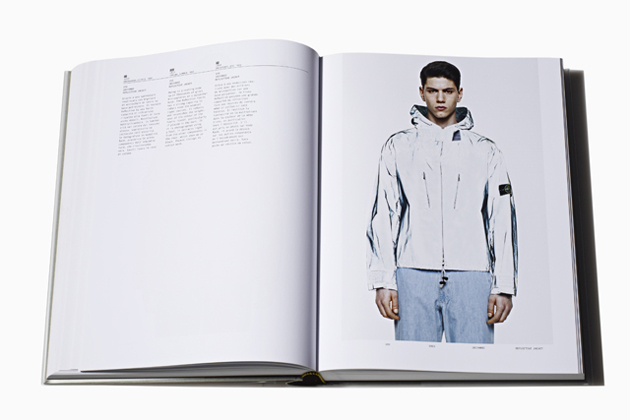
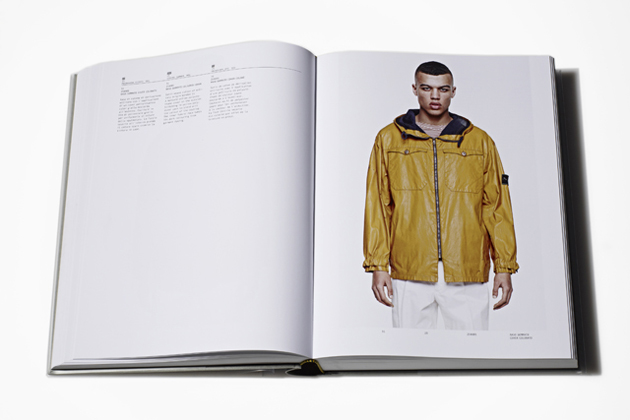
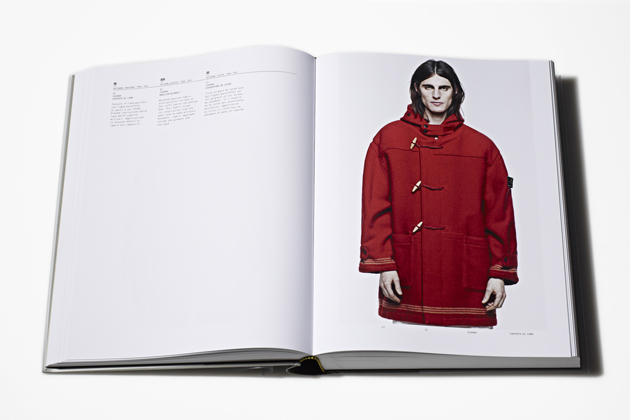
Over the past 30 years Stone Island has built up an immense archive of garments: 20 000 pieces to be more exact. After the preview in Florence earlier this year, the brand is tonight hosting an event in their Milano store to present Archivio ’982 – ’012 – a book containing 300 images of their iconic sportswear and three decades of skills and know-how.


In June The Blogazine had the honour of meeting Carlo Rivetti, the creative director, CEO and strong entrepreneur behind Stone Island. At that moment the discussion was about Stone Island 30, a fantastic exhibition that we in many ways see as the ‘live version’ of the book. Or the stone as mr Rivetti calls it. “Well, if you have seen the book you know that it’s really a stone – so heavy!” we recall him telling us with laughter.


From the introductory words by Carlo Rivetti to the in-depth descriptions next to each picture, chronologically following from 1982 to 2012, one understands how much this archive of history means for Stone Island. Archivio ’982 – ’012 is a story through images and gives the studious a lot to take in regarding brand DNA, high technological techniques, fabrics and colours, and 30 years of sophisticated sportswear collections. When turning the pages in this image archive, it is an apparel history lesson. In the same time it shows how many of the garments, standing alone or sometimes even as a complete look, seem to be sort of timeless (well okay, maybe with a few adjustments).

Someone once told us about a writer who put lead in the cover of his book to make it appear heavier and therefore more important. Stone Island has instead filled its book with a story important enough in itself, making sure it will stand out among the books on the coffee table.


Archivio ‘982 – ’012 will after tonight’s presentation in Milan also be presented in Verona, Rome and London and will be for sale in bookshops and libraries as well as from Stone Island’s flagship stores and main retailers worldwide

Lisa Olsson Hjerpe – Image courtesy of Stone Island

19/09/2012

Emerging Trends from the Big Apple; NY Fashion Week

Emerging Trends from the Big Apple; NY FW

Winter is nearing, but for all of those involved in the fashion industry, next summer is hot on the agenda. It’s the time for designers, whether it is well established fashion houses or new creative talent, to show their Spring/Summer 2013 collections on the runways.
 Buyers, designers, fashion editors and bloggers are eager to spot the latest trends and hottest looks. 
Here at The Blogazine, we’ve been following the NY fashion shows and have analyzed some key emerging trends.

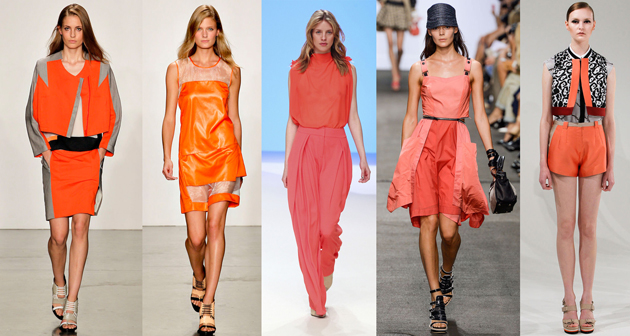
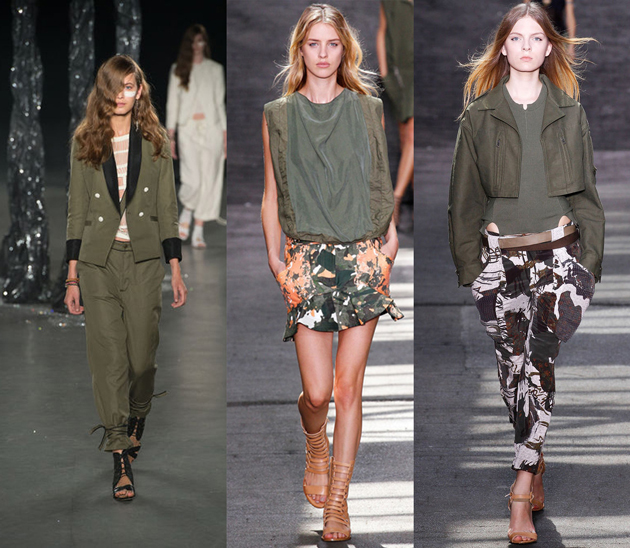
Think mixed florals and patterns from head to toe, bold black and white statements, 60’s, 80’s and 90’s grunge make a clear comeback. Military and utility are still strong influences and for sure, the future is still very orange!


MILITARY, ORANGE, FLORAL


DIGITAL:
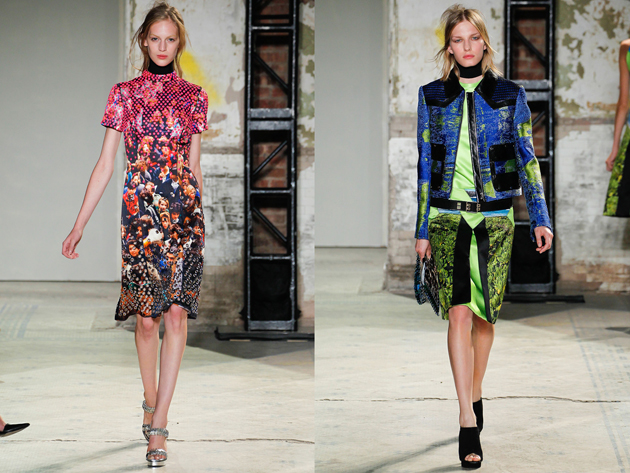
As many of us are in a constant digital environment, the Proenza Schouler collection zoomed in on the world wide web, blurring pixelated images from Google Earth to create random flashes of our technological universe.

MM6:
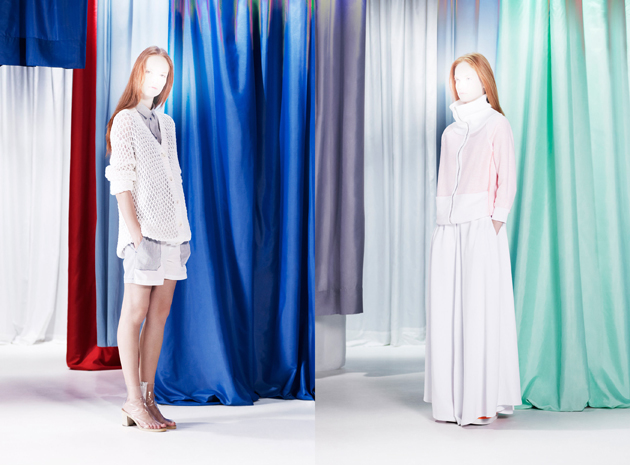
Almost Angelic, Maison Martin Margiela’s diffusion line MM6 revealed a flowing relaxed basic collection. Sporty influences were apparent and unexpected details created the signature MM6 avant-garde approach.

60′S
:
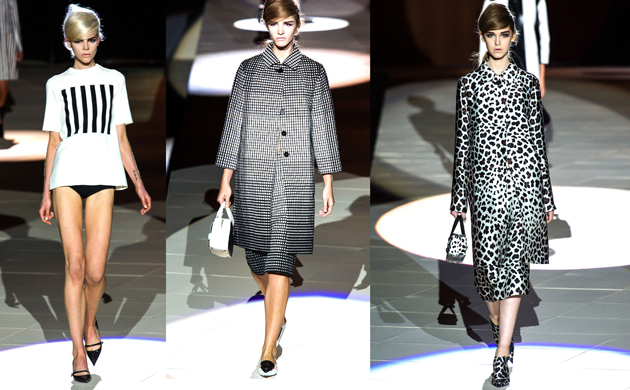
60’s silhouettes are a predominant look among many designers. Marc Jacobs takes a look back to the Mod scene and NY Factory hip hang out. Where as Michael Kors brings a 60s mod look with a nautical twist, bold primary colours in graphic stripes look fresh and chic.

BLACK & WHITE:
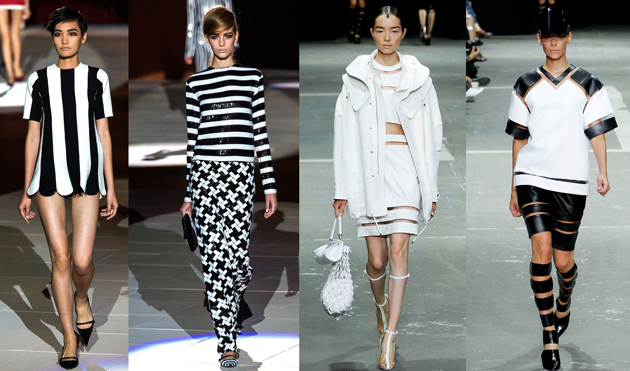
Black and white came in many forms, from the 60’s but in new dimensions at Marc Jacobs, whilst at Alexander Wang, cut out and deconstruction in crisp white fabrics and leather teamed with American sportswear & baseball uniforms created a sharp urban look. Jeremy Laing presented a slick monochrome line in sporty crisp decontructed silhouettes.

80’S
:
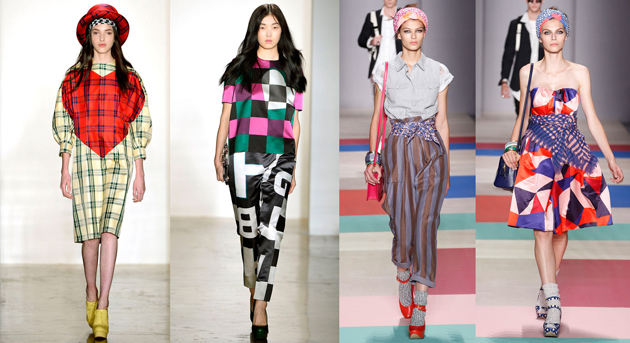
Remember the days of bopping about to Culture Club and Bananarama? This era was played homage to by Alexandre Herchcovitch, capturing Boy George’s signature style. Marc by Marc Jacobs‘ line was a fun lean on 80s club wear, rag-tied heads, clashing checks and stripes and paper-bag waisted trousers. He Was Really Sayin’ Somethin’.

Tamsin Cook

18/09/2012

Apple Software Philosophy – Skeuomorphic Design

Apple Software Philosophy – Skeuomorphic Design

Apple is once again back on everyone’s lips. After a few months of silence, while we were all using our iPads, iPhones and iMacs as usual, our beloved company was designing the new iPhone 5 and winning a major 1 billion dollar worth case against Samsung. With the launch of the latest edition of the ‘phone that changed the world’ (the first presentation ever without the genius Steve Jobs), some questions have come up about the direction the company is taking, especially design-wise.


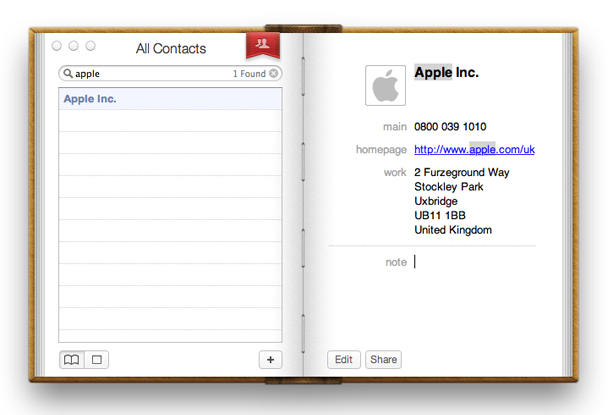
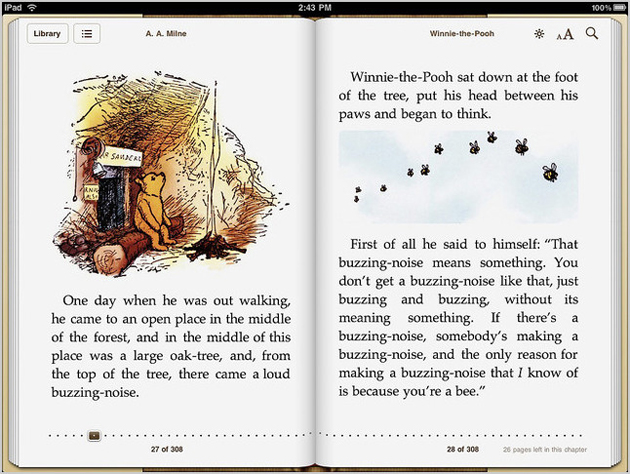
Apple has always been the symbol of extremely eloquent, smart and unobtrusive design as far as hardware is concerned, lead by Sir Jonathan Ive‘s clear vision and Modernist heritage. Its immaterial counterpart – the software, on the other hand, has taken quite a strange shift. Since the very conception of desktop interfaces, where visual metaphors such as folders or trash bins were used to facilitate user interaction with personal computers, the leap has been progressive in enhancing the richness of that experience. Hence, with the development of software both for the Macs as well as iPhone or iPad apps, the initial useful metaphors have become a visual overload. The current wooden bookshelves, leather stitching and yellow legal pads have become basic graphic expression of functions that actually don’t have even the hint of that materiality.

The term to describe this use of graphic elements is skeuomorphism and it stands for ‘objects that retain ornamental elements of past, derivative iterations, that are no longer necessary to the current object’s functions’. Skeuomorphism stands to digital applications in the same way as baroque decoration stands to furniture design. If you think this approach is actually amusing and enjoyable, you must admit that it doesn’t have anything in common with the product design that Apple has accustomed us to, and it is not the only reason why it’s bad. Even if idealist Modernist discussion of appropriateness of form and function is certainly an outdated discourse, it doesn’t mean it isn’t still a valid approach to design. Visual overload that skeuomorphism is creating is bad because it doesn’t really relate to the basic functions these new objects have. It pushes forward the idea that the world isn’t changing and that we are still using the same objects as we used to, when we can’t even recall what a material address book looks like anymore, and loosing our smartphone equals being on a death row.

Rujana Rebernjak

17/09/2012

Thomas Demand’s Manipulation of Reality

Thomas Demand’s Manipulation of Reality

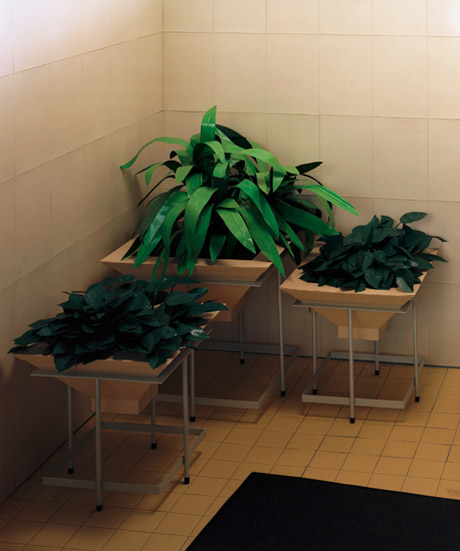
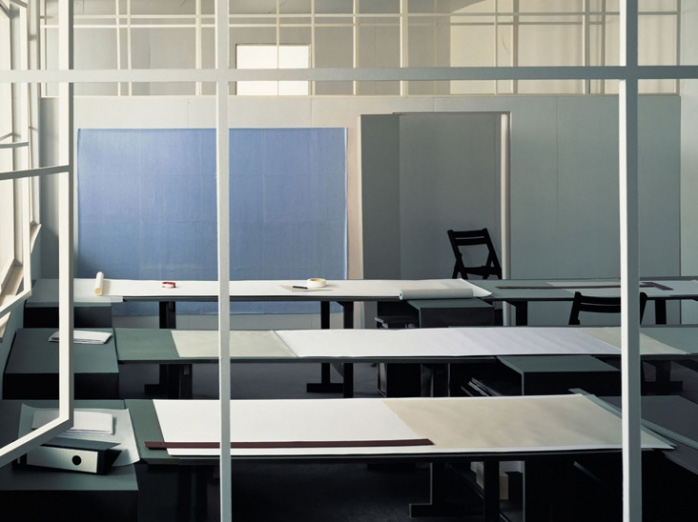
Fact and fiction. Even if photography and cinema are supposed to be the more suitable means to record and convey reality, capturing transitory situations, we should know by now that the camera is not necessary synonymous for objective form of representation. This subject, in the age of mediated images, has already been investigated in depth to reveal the actual mechanism of constructing fictional scenes from the real world – it is understood that what we see through the lens of the new and old media frames cannot be taken for granted, but needs to be investigated to evaluate its reliability.

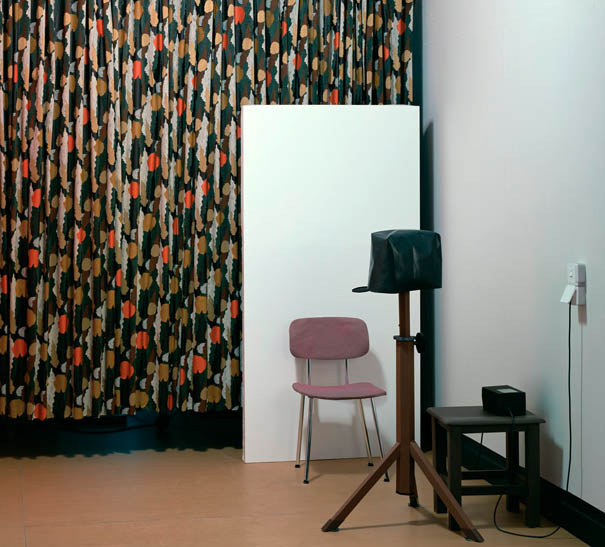
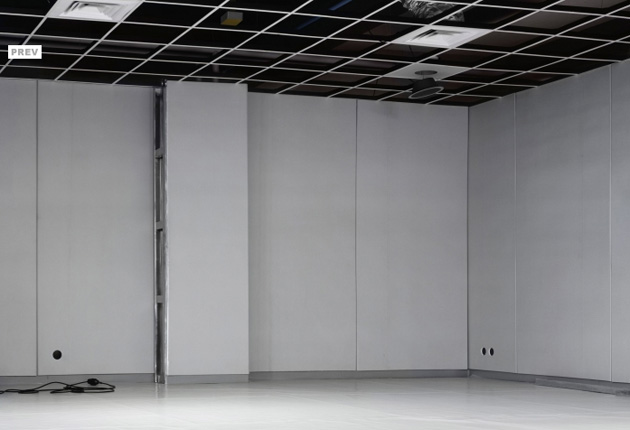
The versatile German artist Thomas Demand (b. 1964, Munich), combining video, sculpture, photography and architecture, builds complex stages that play with reality and illusion, making us linger over the ways in which the reality could be manipulated. Using paper and cardboard, and starting from images “stolen” by mass media, Demand assembles 1:1 dioramas, without human beings, and shoots them with telescopic lens that enhances their verisimilitude. Privileged places where unclear political events and unsolved news items took place – circumstances that remain in collective memory, surrounded by an air of mystery – the artist leaves visible traces of his making of: tiny imperfections such as pencil marks here and there or small wrinkles in the paper. After the shooting the models are destroyed, while the final results are neutral, frozen, hyper realistic and definitely unsettling pictures.

Among the most intriguing works by Demand we mention the Büro/Office (1995) that shows the Stasi headquarters after they were ransacked after the fall of the Berlin Wall, Presidency (2008), the Oval Office of the American president after the presidential election (the one after which G. W. Bush left his chair to Mr. Obama), Kontrollraum/Control Room (2011), where he displays the interior view of the control room of the atomic reactor Fukushima, deserted soon after the earthquake, and the latest Pacific Sun (2012), a two-minute-long film made by 2.400 frames, where the artist recreated, thanks to the footage of a surveillance camera, the chaos of a turbulent sea condition on a cruise ship.

At present, works by Thomas Demand are on view at four exhibitions: Thomas Demand, Peter Fischli / David Weiss, Thomas Scheibitz, the group show among the collateral events of the 13th International Architecture Exhibition, More real? Art in the age of truthiness at Site in Santa Fe until 6th January 2013, Model Studies at Esther Schipper, and last but not least, Demand’s first solo show at Monika Sprüth and Philomene Magers’s Berlin gallery, which will run until 20th October 2012.


Monica Lombardi – Images courtesy of Sprüth & Magers Gallery

16/09/2012

Sunday Breakfast by Love For Breakfast

Sunday Breakfast by Love For Breakfast

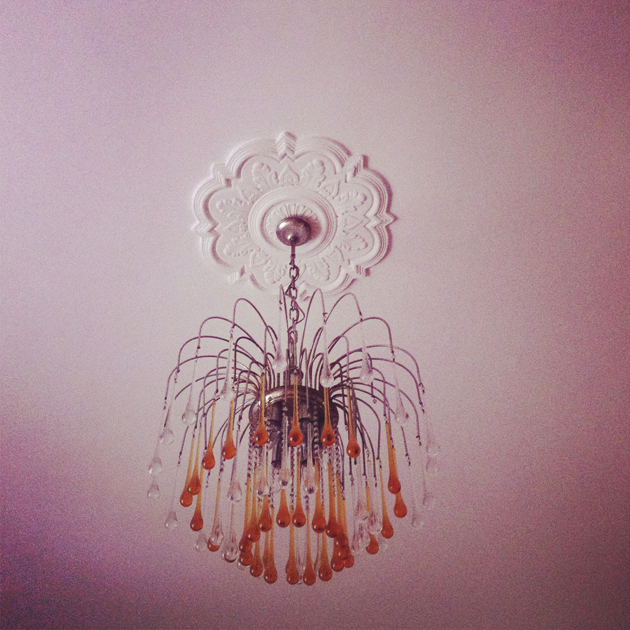
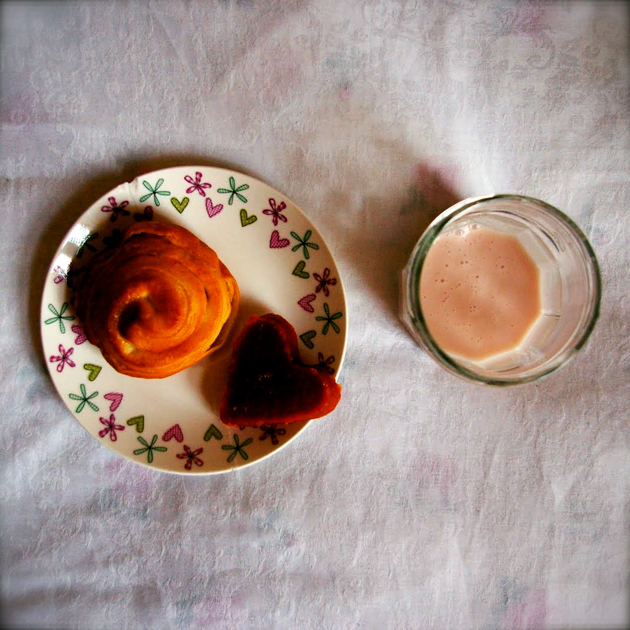
I open my eyes and see those drops of glass hanging over me. The slight warmth of my skin lingers on the sheets, while I slowly prepare something that feeds my first hunger.

Alessia Bossi from Love For Breakfast

14/09/2012

Honest By: A Pioneering Fashion Philosophy

Honest By: A Pioneering Fashion Philosophy

Antwerp fashion designer Bruno Pieters already had a well-established resume, having been appointed as art-director for Hugo Boss and having worked with esteemed labels such as Maison Martin Margiela and Christian Lacroix. A success he ultimately consolidated with the launch of his own label. Yet for his latest project, Pieters decided to resign his label and take a different, more sustainable spin.

Having spent a sabbatical in India, he became captured by the realisation that native Indian people were dressed in clothes that were grown, constructed and sewn solely from resources they could identify around them. It was in view of this that he began to question whether a similar way of operating could also be applicable to western manufacturing and business practices.

As such, from the beginning of this year Pieters propelled Honest By, a high fashion label premised on the concept of complete and utter transparency. In doing so, it has become the world’s first company to share the complete cost breakdown of its products, down to details as materials, labels, thread, as well as the carbon footprint of each produced item. If that isn’t commendable by itself, all vestures are additionally eco- and animal friendly.

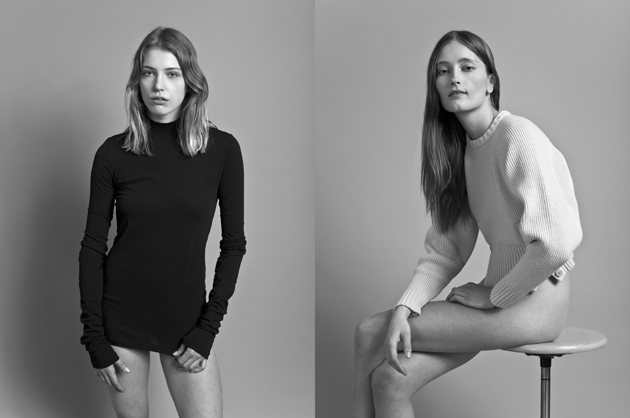
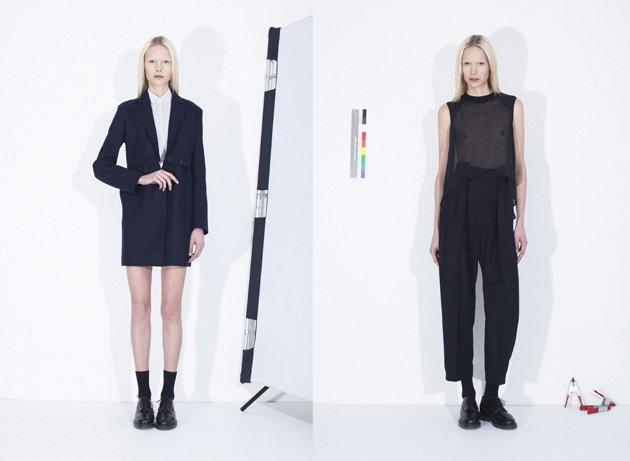
With limited edition pieces of about 50 designs for both men and women, he has remained faithful to his lineament of sharp, androgynous construction lines, albeit nuanced with a touch of smoothness to his aesthetic. But also by circulation, other designers such as Calla, Muriée and Nicolas Andreas Taralis, are invited to create a green item for the Honest By collection (of which 20% of the profits will go to a charity appointed by the guest designer).

Bruno Pieters has taken with Honest By a revolutionary approach to fashion, creating a new role model for not just the fashion industry, but also for other industries worldwide.

Claire van den Berg

13/09/2012

Aspen Magazine: 1965-1971

Aspen Magazine: 1965-1971

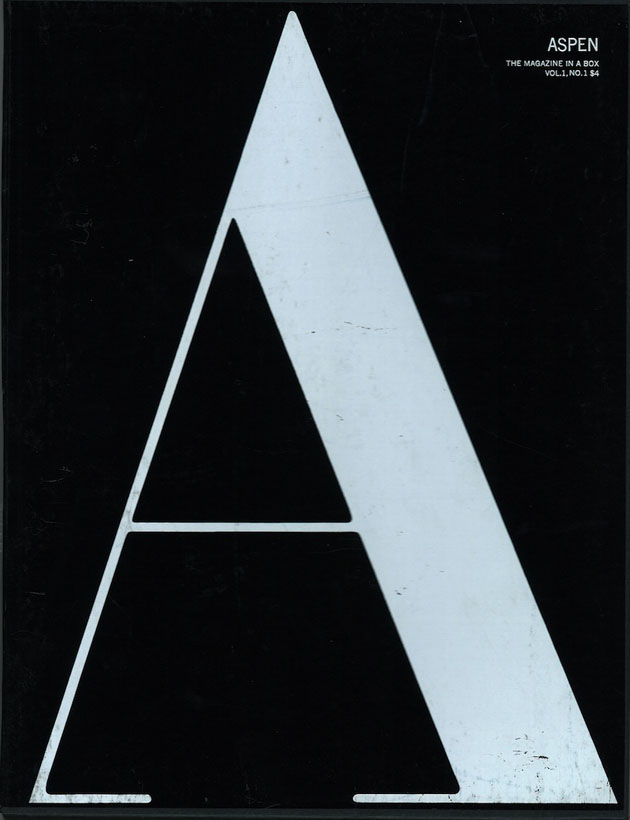
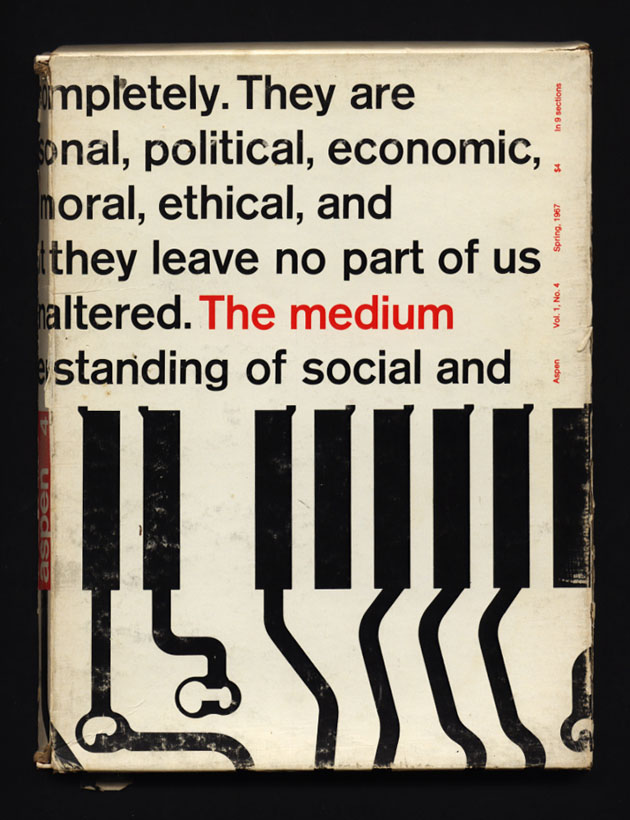
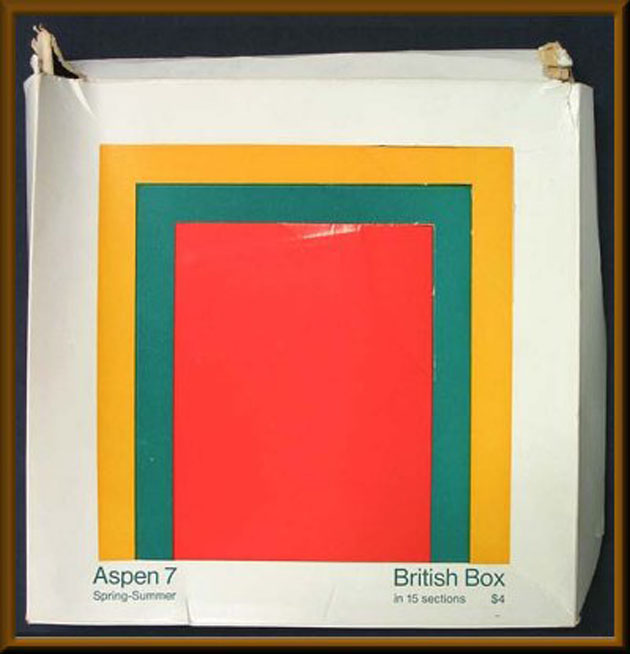
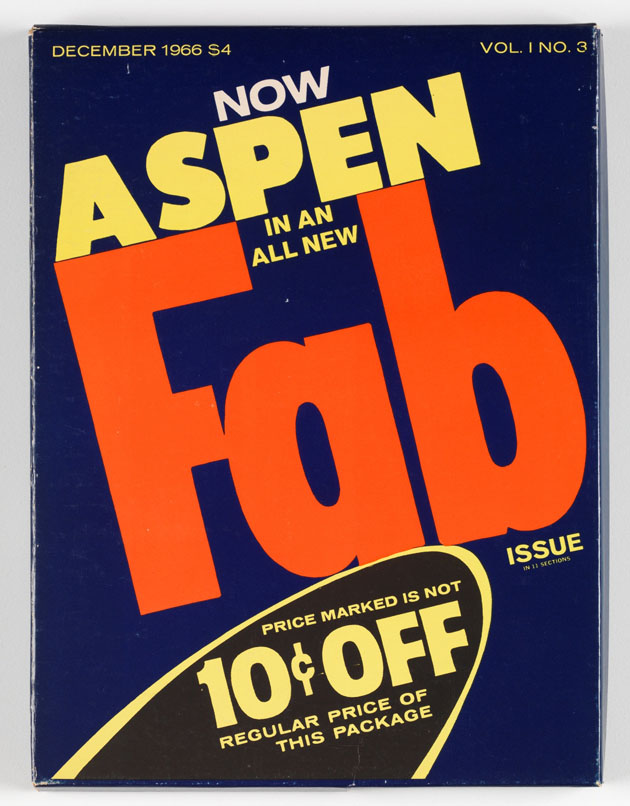
For all the lovers of contemporary ‘independent’ magazines, a look in the past and the magazine production of the 60s and 70s should be obligatory. The richness of cultural production of the period, as seen through the lens of print ephemera, has a lot to offer. One of the most significant, yet slightly overlooked, magazines produced during that decade is Aspen, a multimedia magazine published by Phyllis Johnson from 1965 until 1971.


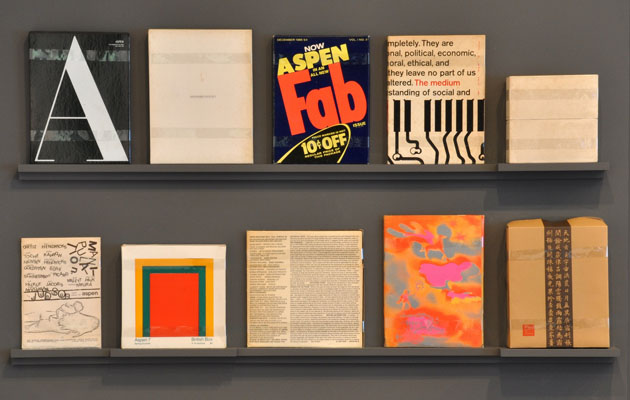
Aspen first started as a magazine about “the civilized pleasures of modern living, based on the Greek idea of ‘whole man’”. It evolved during the years in one of the most innovative avant-garde publications. Johnson, a fashion journalist and editor for “Woman’s Wear Daily” and “Advertising Age”, wanted to create a publication boundless of the traditional physical support of a magazine. With this idea in mind, all the issues published, 10 in all, Aspen was published in a different form every time, according to the content it was supposed to carry.

More or less, this form always corresponded to some kind of box containing different material, from reels of Super 8 film, flexi discs, posters, small leaflets, ticket books etc. While the first two issues revolved around life in Aspen, the following ones were guest edited by some of the most influential artist, critics, writers, entirely dedicated to topics such as Pop-Art, Performance Art, psychedelia or Asian art among others. As Emily King said, Johnson “had little time for style” and her interests “centred on the ideas-heavy end of the contemporary art spectrum”. Hence the issues were guest curated by Andy Warhol and David Dalton, Quentin Fiore, Brian O’Doherty, Jon Hendricks, Dan Graham, Mario Amaya, Angus and Hetty MacLise, while the list of writers and contributors includes John Cage, Yoko Ono, Marcel Duchamp, William S. Borroughs and David Hackney among others.


While the openness and flexibility of Aspen Magazine might be directly linked to its downfall, nonetheless it should serve as a reference point for contemporary magazine lovers. A show running at Whitechapel Gallery in London until the 3rd of March, is paying a tribute to Aspen Magazine that paved the way for future art publishing.

Rujana Rebernjak – Images courtesy of Whitechapel Gallery

11/09/2012

Fashionably Biking

Fashionably Biking

Every city has them – the urban chic boys and girls, wheeling along the lanes or zigzagging through traffic on a sleek bicycle. Whether the suit is matched with sneakers or kitten heels, whether the bicycle is vintage cool, sporty or high-end manufactured, it is clear that the bike as a fashion attire is what completes the perfect city look rather than being a distraction from it.

There are numbers of bicycles on the market being of high-end quality, high-end branded and high technological but yet keeping a simple design with the perfect amount of vintage and cool. Further, there might not be another accessory making any outfit look more effortless and smart. Talking about benefits, there are with no doubts a few found in being a ‘biker’; getting from point A to point B whenever you say, without dependence on anyone else, for a starter. Men and women from New York to Amsterdam are taking the saddle from work to the bar, swishing by pedestrians and pleasing street style photographers. No one is longer startled by the look of a financier arriving to the office on his bicycle or a dress and heels matched with metallic and steel.


To place the cherry on the top, being a chic biker is also an eco-friendly take on life, even though if we point a finger or two, one can always wonder how many of those bikes are in reality just fashionable attires. Like any trend, this one could reach its high and then slowly pedal its way out of fashion again, but for some reason it has been lodging here for quite some while now.

Hopefully the seasons will pass but the bicycling gentlemen and women remain, making the bike a phenomenon of not only fashion, but environmentally responsive mean of transportation.


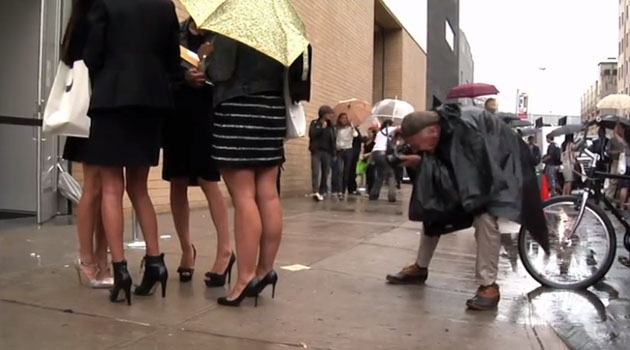
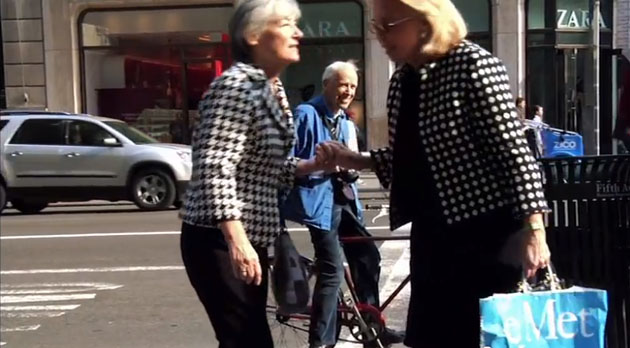
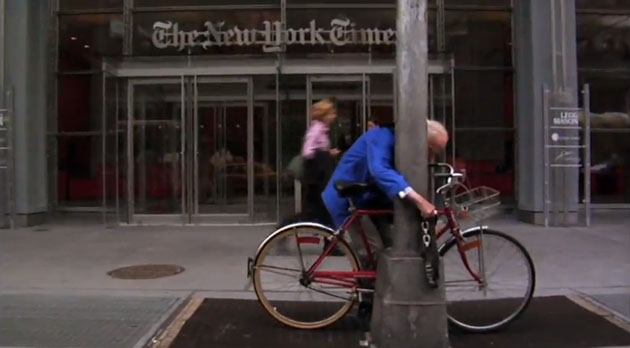
Lisa Olsson Hjerpe – Images from a Bill Cunningham video