23/04/2013

Designer’s Love For Food

It is widely known that design should concern all aspects of our lives. From the clothes we dress and the furniture we proudly furbish our houses with, to the less obvious examples like the interiors of plane cabins or medical equipment, nearly everything we touch has been designed by someone. The same goes for the food we eat, where by food we don’t only refer to the persuasive packaging that so many of the products we see on supermarket’s shelves have, but also to how the meals and the way we consume them have been cleverly designed.
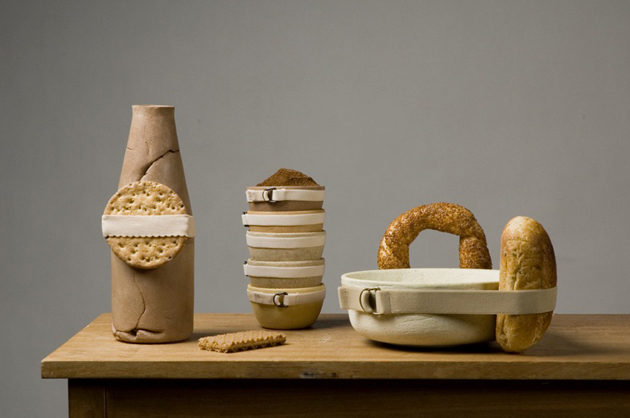
Even though some designers have been dealing with food for quite some time now, in the recent months we have seen the rise of interest in the topic, with the birth of numerous magazines (Alla Carta and The Gourmand to name but a few) and specific projects considering food design.

As it goes, designers’ interest in food has taken many shapes. Starting from designing utensils and cutlery, which has formed some of the most famous design companies in the world, like the Italian Alessi, to various experiments with food design, like the ones developed by Martì Guixe. In fact, we can see Martino Gamper set up ‘designed’ dinner parties with his project Total Trattoria, where he created everything, from the tables and chairs to water jugs and glasses, from cutlery to the actual food people ate. Or designers like Marije Vogelzang creating particularly appealing ‘eating performances’ or our beloved Formafantasma create baked vessels from water and flour, taking inspiration from traditional Sicilian crafts.
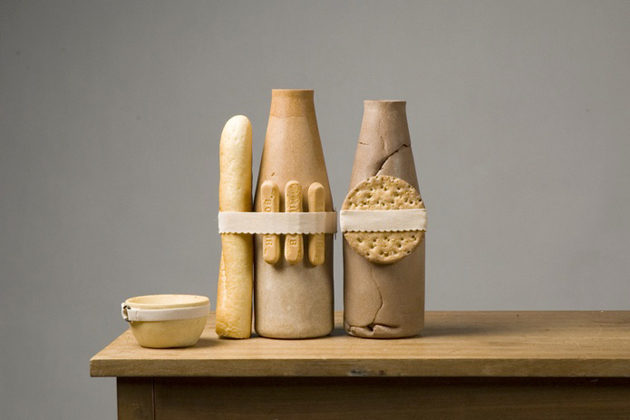
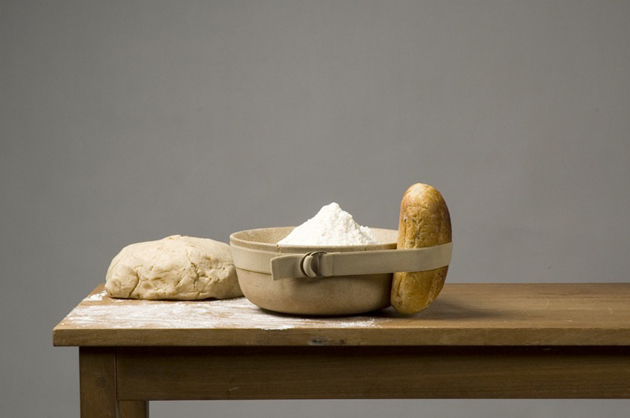
In fact, this relationship, that results in some obvious and some less obvious outcomes, has been explored with an exhibition at MART, in Trento, titled “Progetto Cibo, la forma del gusto” curated by Beppe Finessi. The show explores the lasting relationship between design and food, starting from Bruno Munari’s book “Good design” and ending with contemporary projects by the aforementioned Martì Guixe and Formafantasma. In a typically Italian style, “Progetto Cibo, la forma del gusto” shows how food can be turned into a universal language, bringing together and uniting different cultures and realities helped by the clever hand of design.
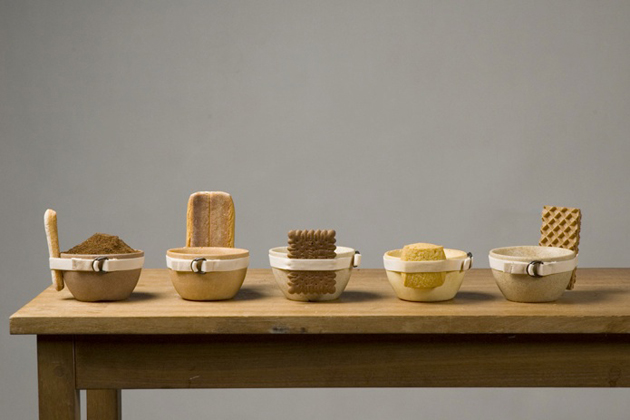
“Progetto Cibo, la forma del gusto” is on display until the 2nd of June 2013 at MART, Museo di arte moderna e contemporanea di Trento e Rovereto.

Rujana Rebernjak 
22/04/2013

Neglected Holiday

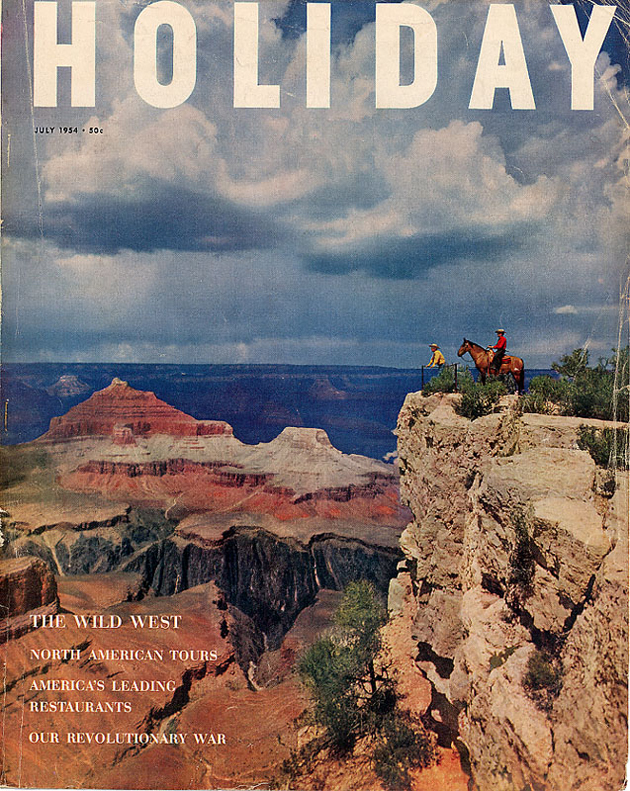
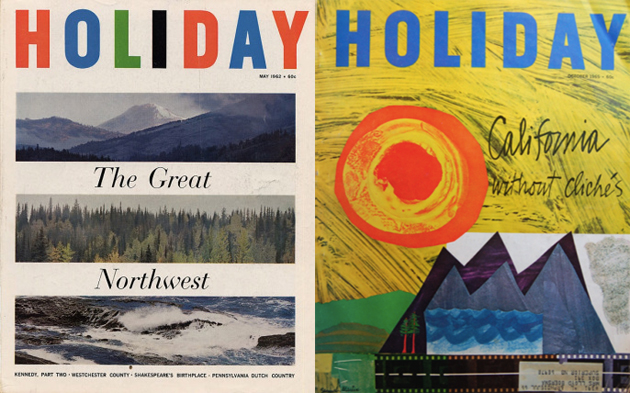
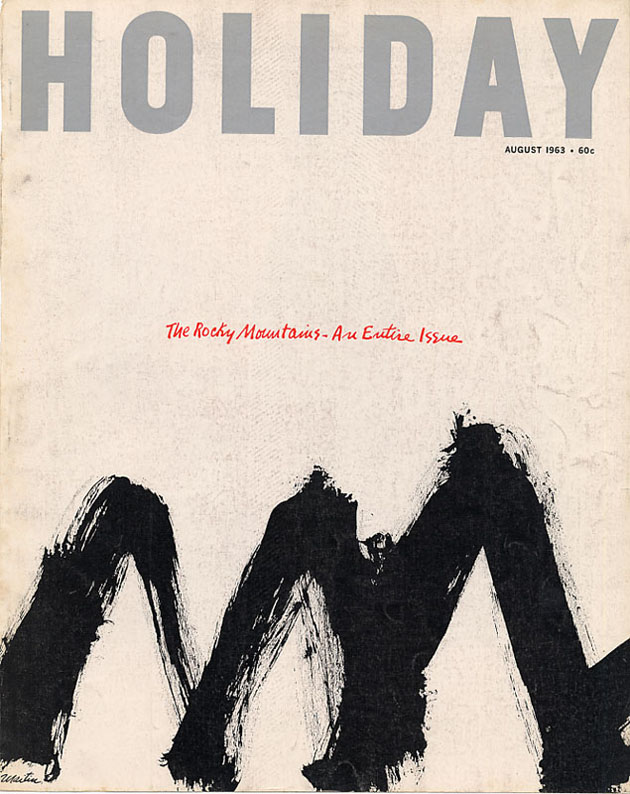
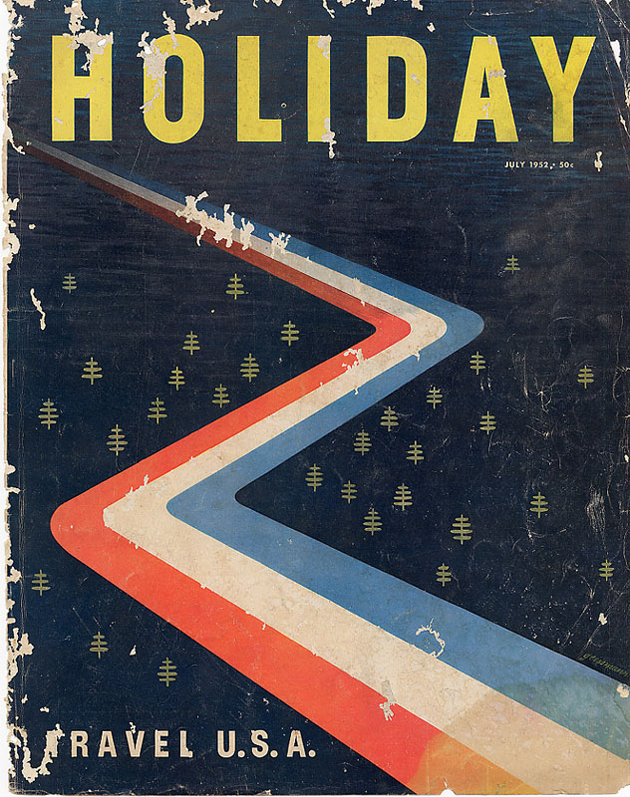
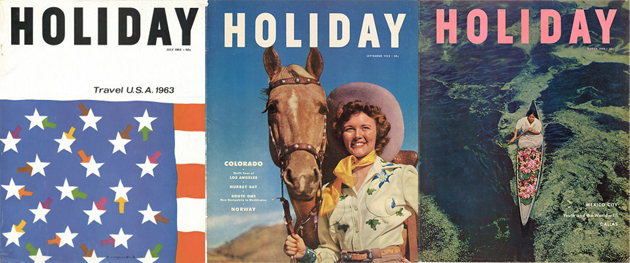
Other than required high school reading, what do Ernest Hemingway, John Steinbeck, Truman Capote, Jack Kerouac and E.B. White have in common? Each crafted some of their most celebrated essays (Capote’s “A House On the Heights” and White’s “Here Is New York” among them) for a largely forgotten magazine called Holiday, a travel rag that, during its heyday in the 50s and early 60s, ranked right up there with Life and Esquire. So why have so few people heard of it?
Measuring in at a hefty 11 by 14 inches, Holiday ran from 1946 through 1977 and, at its height in the 1950s and early 60s, drew more than one million subscribers each month. “The magazine, in effect, sold an idea of travel as enrichment, a literal path to intellectual and spiritual betterment,” Michael Callahan wrote recently in Vanity Fair. “What Vogue did for fashion, Holiday did for destinations.” Part of it was timing. Holiday came about just as World War II was winding down, and many Americans were eager to explore the globe. As Roger Angell explained to Callahan: “It was a peacetime world. And you could see that all of these places that we had become aware of in horrific circumstances were not peacetime places that you wanted to go.”

The magazine boasted one of the most dynamic editor/art director relationships of the 20th century, Patrick Henry and Frank Zachary. Henry provided the words: John Cheever, John O’Hara, and Joan Didion all contributed to its pages. Ray Bradbury wrote a mind-boggling story about how Disneyland’s childhood fantasies are better than adult’s revisionist histories, saying: “Disney liberates men to their better selves.” Stories like Didion’s “Notes from a Native Daughter” and Kerouac’s “Alone On a Mountaintop” are good examples of popular stories originally commissioned by Holiday editors that went on to go viral on their own.

For his part, Zachary’s art department — which included illustrator Ronald Searle and legendary photographers Arnold Newman and Slim Aarons — designed some of the most mind-blowing magazine covers known to man. Zachary’s goal, he said recently (he’s now 99 and living in Long Island), was simple. “I just wanted to make the finest magazine.”

Lane Koivu 
21/04/2013

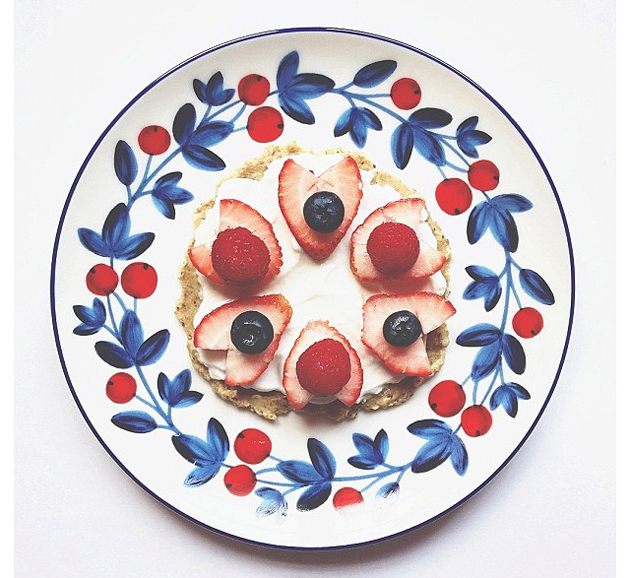
Sunday Breakfast by Love For Breakfast

Opaque image of a breakfast that as in a dream reminds me of summer.

Alessia Bossi from Love For Breakfast 
19/04/2013

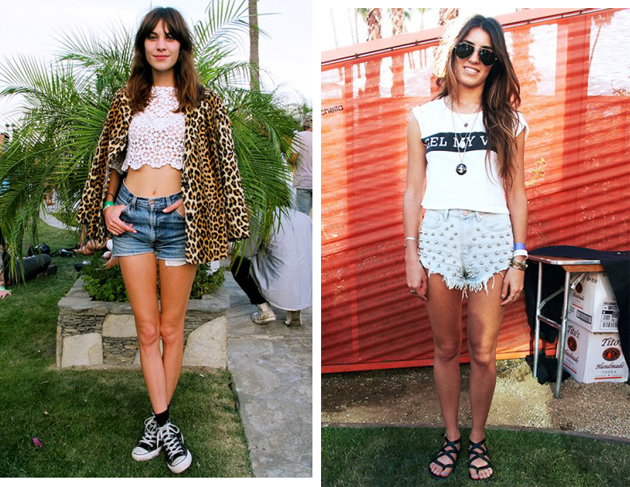
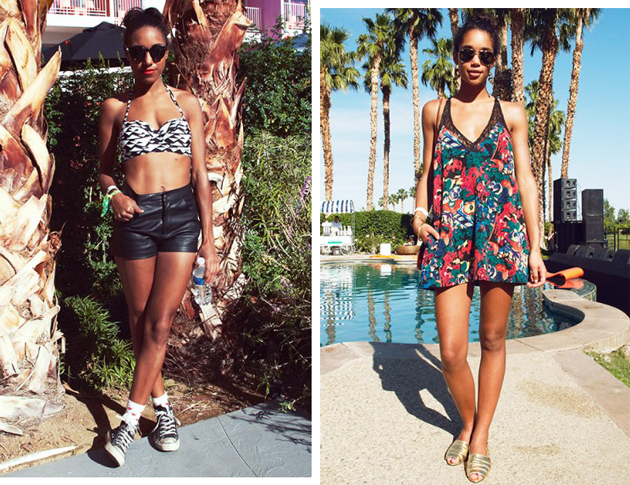
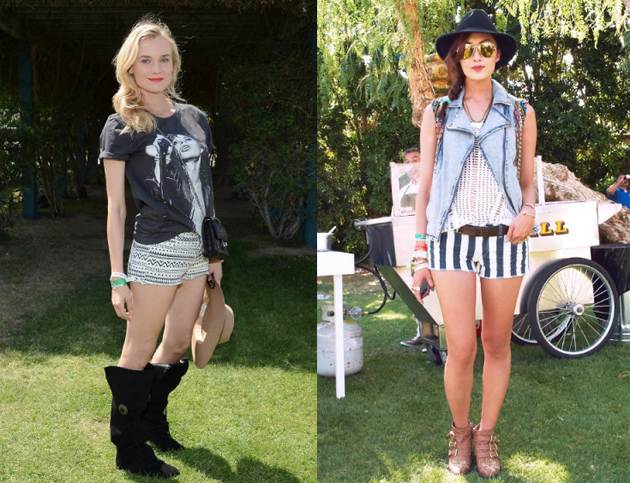
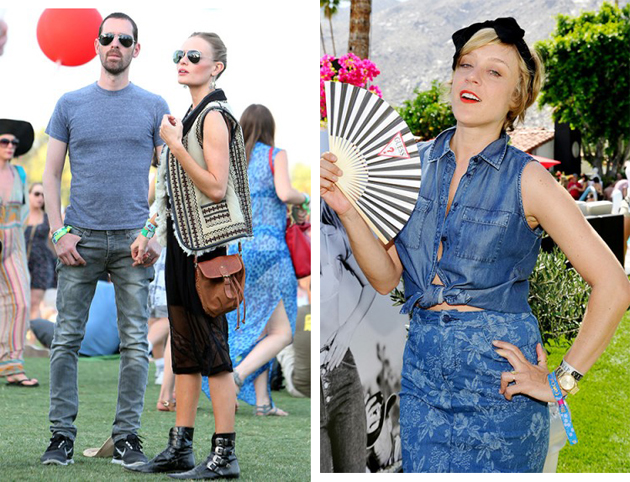
Coachella; The Heart of Boho Chic

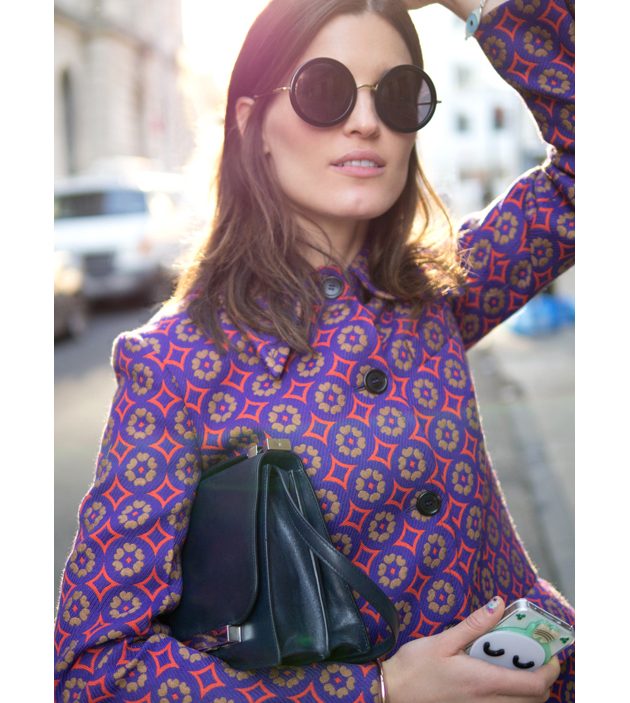
The Coachella Valley Music and Arts Festival is held annually in Indio, part of the California Desert. It features many music genres, including rock, indie, hip-hop and electronic vibes. The festival also includes visual arts including sculpture and installation art. Alongside the great music, Coachella is an event where some of the best dressed style icons hang out at all-night parties or by the pool dressed in Boho-chic style, and everyone is trying to out-do each other with the hippest style statements. With one weekend down, there is still this weekend for the festival goers to appear in their ultimate festival outfit.


Effortless style is what it’s all about, looking amazing but without looking like you have tried too hard. Think back to Kate Moss at Glastonbury when she waded through the mud in a pair of hunter boots teamed with a cut off sweater dress and studded belt; the hunter boot craze started. Other style icons since have included Alexa Chung, Agyness Deyn and Kate Bosworth. As well as these more obvious famous faces, the rest of the general festival goers make a pretty good job at looking ultra cool and manage to create some rather unique style statements.


Festivals such as Coachella are a gold pot for the design industry as this is where many new trends emerge. Bloggers, designers, stylists and fashion editors are all keen to grab the hottest trends storming from the festivals. You’ll be sure to see some of these looks following shortly after in fashion stores and magazines.

Tamsin Cook – Images from LA Times and Whomwhatwear (Guy Lowndes) 
19/04/2013

The Gardens of Seville

Architecturally confused and completely beguiling, Seville is a city for the wide-eyed and whimsical. And for those with a proclivity for all things green.

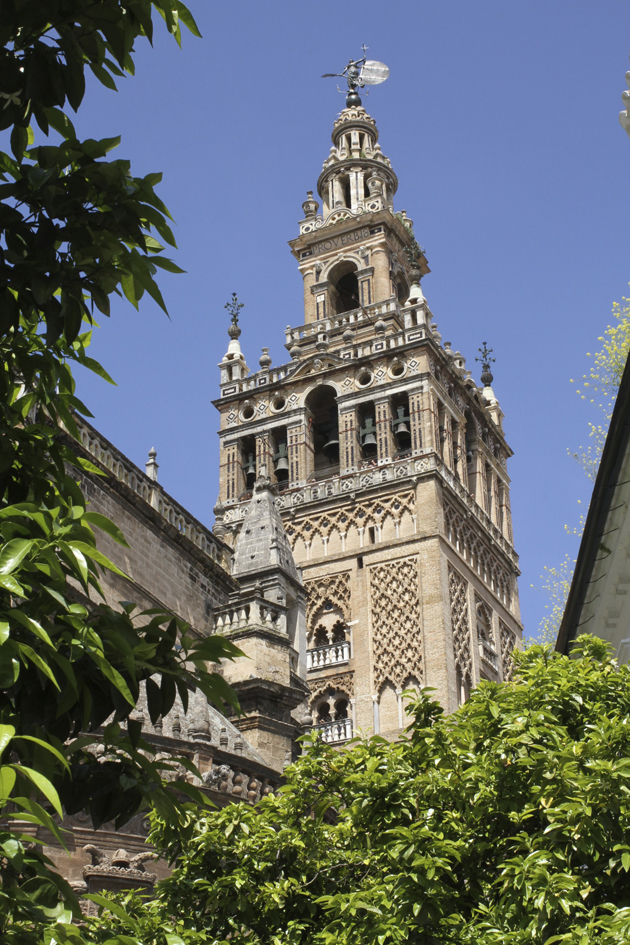
Easily Spain’s most flamboyant and passionate city, Seville mixes Christian-Muslim architecture (think tiled courtyards, cobbled alleys and terracotta aplenty) with flamenco, tapas and Spanish eccentricity. Yet one of its most charming features is its gardens – not to diminish the towering Catedral de Sevilla, Hospital de Los Venerables, Capilla de San Jose or hipster-attracting Alameda de Hercules of course.

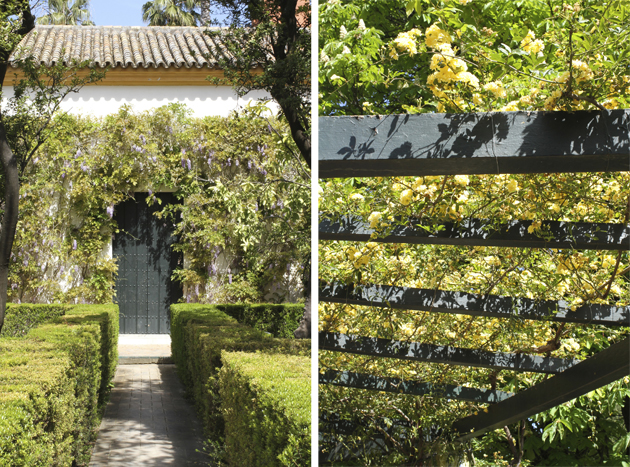
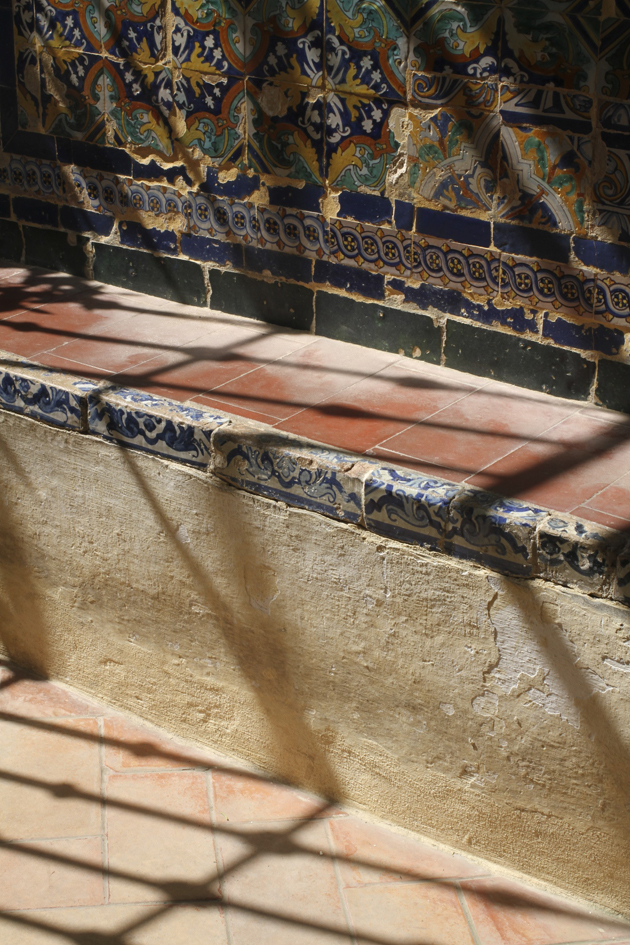
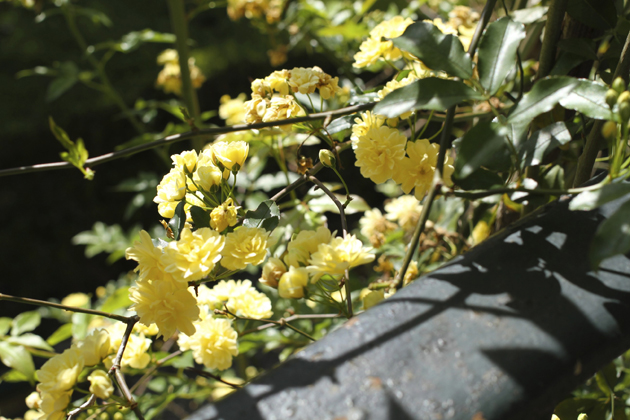
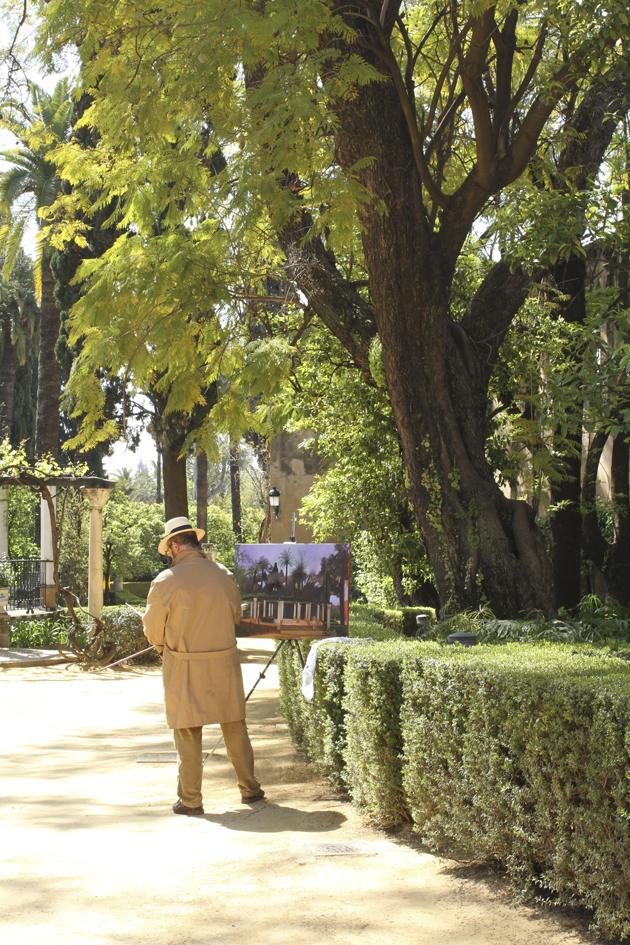
Still, to truly lose yourself in this city, where parties spontaneously erupt on steaming Spring evenings and gypsy street performers reign supreme, simply enter the famed Real Alcazar de Sevilla, once the residence of the King of Spain. Walk past the interlinked series of buildings, each as ornate, unique and exotic as the last, and enter the gardens – a blooming nirvana, perfectly maintained and utterly vibrant. The sounds of the city and the shadows of fellow tourists melt away and you’re left with nothing but the buzz of dedicated gardeners and a labyrinth-like layout made up of well-trodden paths, themed floral creations, water features, tile-covered seats and cat-shading trees. All you can do is walk from flowery spot to flowery spot and bask in the beauty (and sun) that surrounds you. It’s re-tamed nature at its best.


Further afield and devoid of an entry fee, you’ll find the Parque de Maria Luisa. Opened in 1914, this area began its life as the private gardens of the San Telmo Palace, before being donated to the people and re-designed by French engineer Jean-Claude Nicolas Forestier, who gave the space a rather romantic twist. Inspired by the Alhambra and Alcazar, wandering alone with your thoughts here is both exhilarating and bewildering. You loose track of time and place, all sense of direction and the desire to be anywhere but the present. And it is blissful.

In a city famed for its characters, flavours and built attractions, it’s lovely to discover that all things botanical can still consume and amuse you in such a delightful way.


Liz Schaffer 
18/04/2013

Baylage, Ombré & Multi-tones: Colour Up!

When we wrote about this trend last year we reflected over its many ways of repetition and how large fashion houses kept on reinventing the trend in new manners. Therefore, when approaching the subject of hair trends again, it came as no surprise that roots, multi-tones and colour blushing were on the agenda again. Or should we say still?


Ombré or baylage, whatever you prefer to call the look, it’s definitely here to stay. Shimmering blondes leave their roots dark and even if carefully made by a hairdresser, it creates that careless look that doesn’t require much attention to make you look dashing on the streets. For an even more subtle feeling, the salons work with what they call colour blushing, which leaves you with a more undone and hazy look.

The Blogazine spoke with Leyla Dölen, the Technical Director at Toni&Guy in Stockholm to dig into the hairstyle trends this year. “You got it right with the baylage and colour blushing, it’s still trending. Colour blushing really is like adding a bit of blush to your hair!”. Leyla mentions colours as magnolia and jasmine in contrast with honeysuckle and pink champagne as new tones to the trend. “Colour definitely is this season’s ‘must-have’. Let it be baylage or multi-toned, but put colour on it. We are seeing expensively styled blondes, but also more distinct colour placements that draw inspiration from the graphic prints of Peter Pilotto and Alexander McQueen.”

For the ones who don’t want to go blonde or crazy coloured, Leila mentions high-shining brunettes and shimmering reds in earthy tones as an option. “We are mixing deep colours like horse-chestnut, honey, apricot dahlia, hazelnut and amber to still keep that multi-toned feeling.”

Whichever look one chooses to go for, with so many directions, interpretations and colours – can you go wrong?


Lisa Olsson Hjerpe – Special thanks to Toni&Guy 
17/04/2013

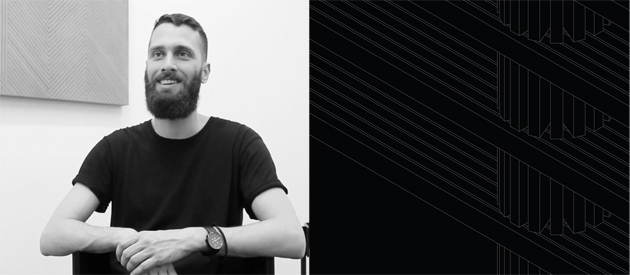
Guest Interview n°46: Philippe Malouin

We met Philippe Malouin, one of the most exciting young contemporary designers of today, during Salone del Mobile 2013 held last week.

Philippe was born in Canada but has studied in Paris and at Design Academy of Eindhoven, a school that has surely influenced his approach towards design. In fact, Philippe is more interested in un-orthodox production processes and exploration of different materials than in formal virtuosity. We had a pleasant chat with him on the occasion of his first solo show in Italy, properly titled ‘Simple’, held at Project B gallery in Milan.

Written by Rujana Rebernjak, interview by Monica Lombardi, video by Renzo O. Angelillo 
17/04/2013

Cream Dream

Cream Dream

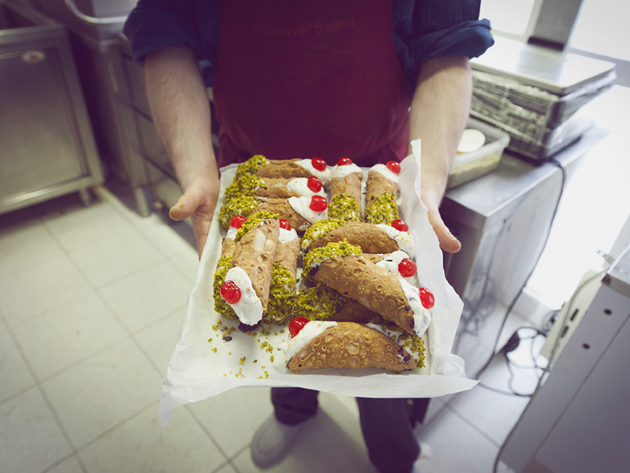
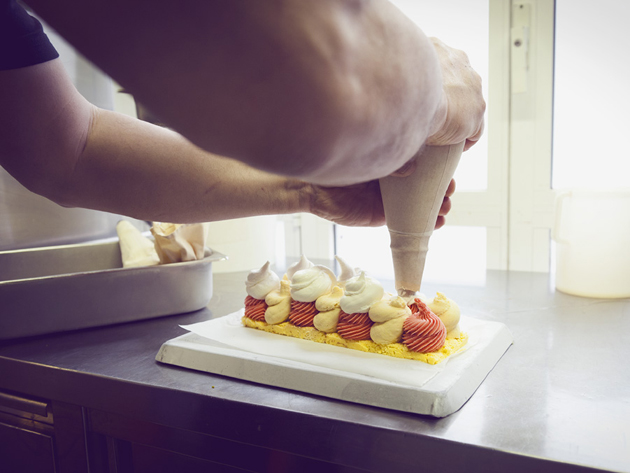
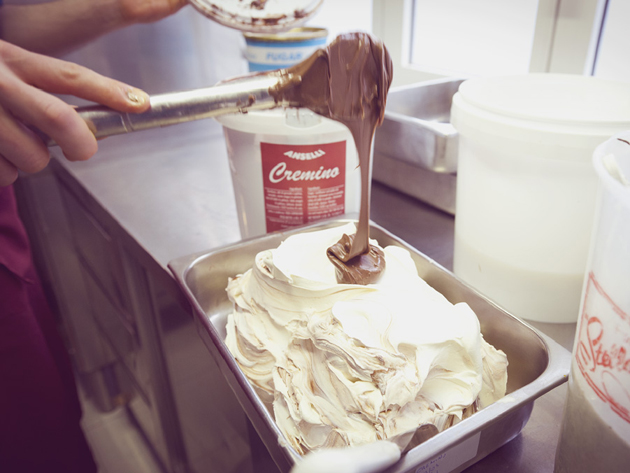
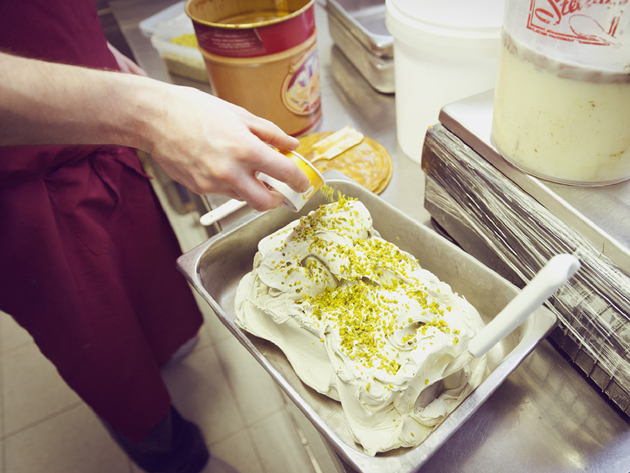
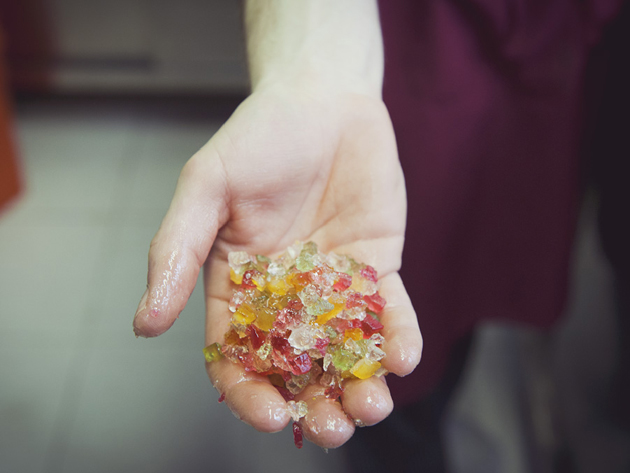
The most important thing to make good ice cream is the ingredients. We visited a workshop for a closer look at some preparations. It’s interesting because the hard choice of which ice cream to pick, is as as tricky also for fresh pastries. The famous Sicilian cannolo, with its crunchy pastry, is filled with ricotta cream and garnished with candied fruit and cherries in brandy. The result is fabulous and it’s a great idea for summer, to be enjoyed with a good sweet wine.

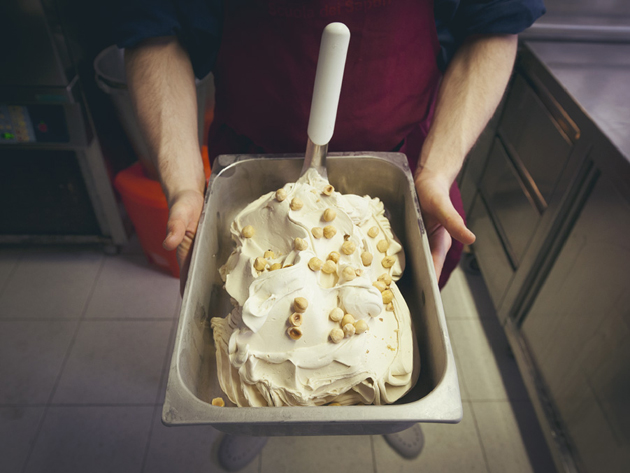
The Piedmontese hazelnuts, fresh and crisp, are the main ingredient of hazelnut ice cream, to match with a softer waffle. The machines help to mix the ingredients and achieve the right texture, the milk is produced in the neighbor’s farm, and the result is amazing. There is nothing better than coming from work and enjoying a cone of ice cream before returning home for dinner. You have to taste blackberry together with vanilla and with a splash of raspberry juice. What a delight!


Stefano Tripodi

16/04/2013

From the Skies, Roads and Catwalks

From the Skies, Roads and Catwalks

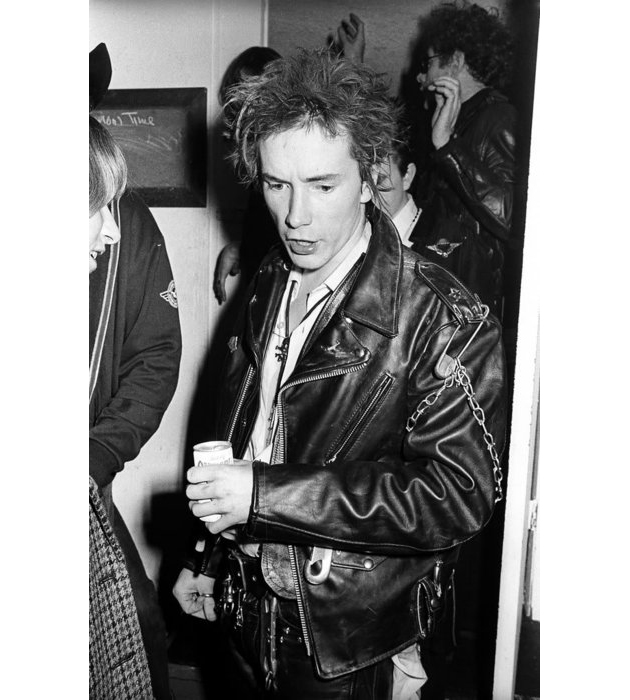
“The weekend comes, my cycle hums, ready to race to you”, sang Pratt & McClain. It was a hit that defined an era, and a refrain that no one will ever forget, timeless Happy Days. In the hustle and bustle of seasonal trends, some garments, protagonists of the contemporary costume history, hardly lose their place of honor. Leather jacket is one of these.

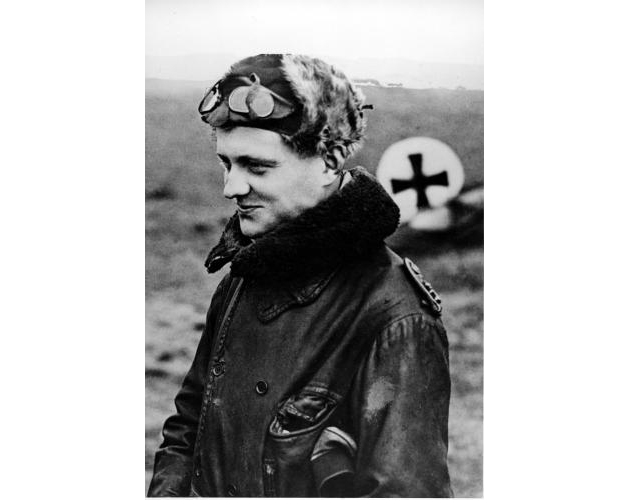
Its invention is attributed to Manfred von Richthofen, the heroic German aviator known as the Red Baron. The first flying jacket was born during the first big war. But even if the inspiration came originally from the sky, it was truly the road that gave the jacket the imprint we know.


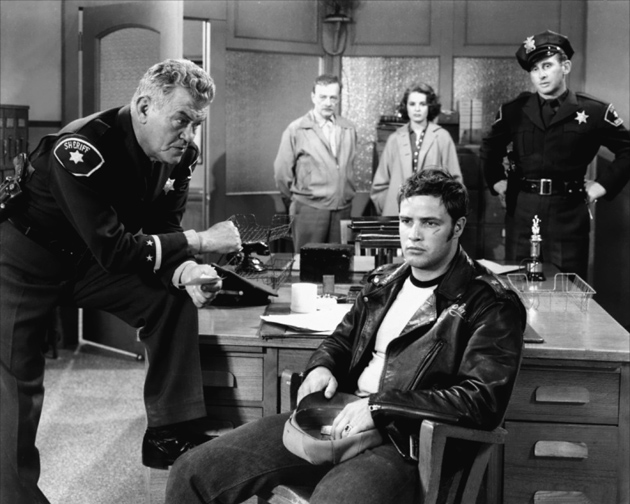
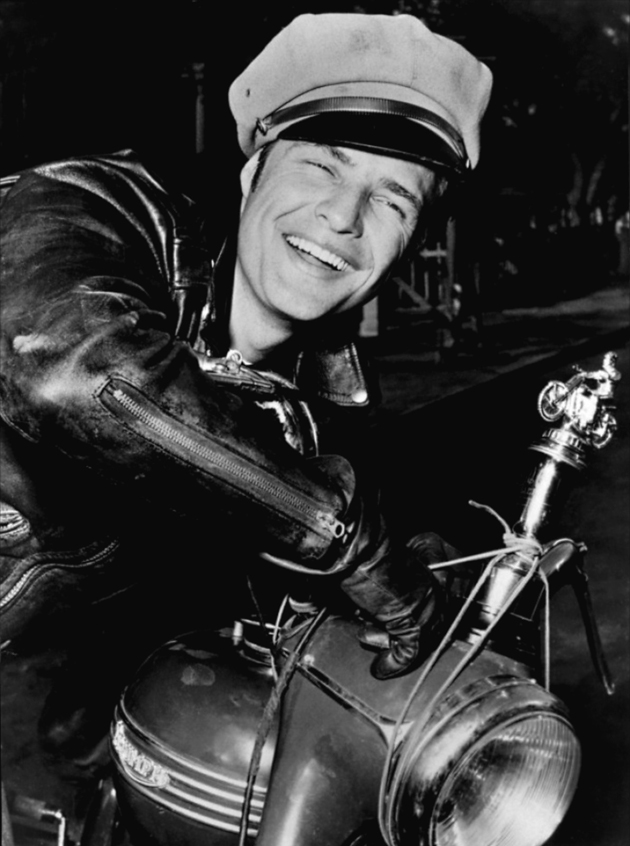
In the late 20s in America, a leather craftsman named Irving Schott decided to shorten the body of the flying jacket and to equip it with a zipper – three to be precise – and a belt: perfect for darting on a motorcycle. Its name, Perfecto, such as Schott’s favorite cigars. From the 40s the basic black jacket was acclaimed by sex symbols, the Hollywood stars: Marlon Brando, who wears it in the cult movie The Wild One, and James Dean. In the common imagination the leather jacket started to be associated to the idea of strong and unconventional masculinity.

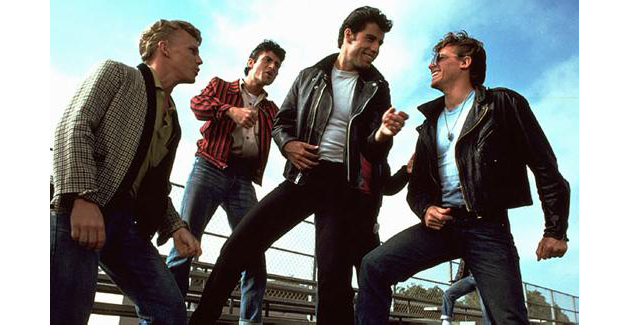
With the years of protests and Flower Power, the leather jacket was properly placed in a wardrobe, but at the end of the 70s the musical Grease, set in a 50s American high school, dusted off the memory of this item.


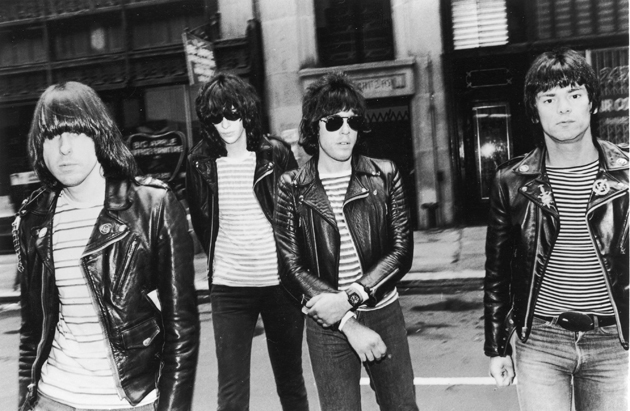
The first who adopted the leather jacket as a uniform of irreverence were the musicians. Freddie Mercury, Robert Plant, Ramones and Sex Pistols, whose leader, Malcolm McLaren, with his superlative girlfriend, opened a store that became the symbol of fetish-oriented punk fashion in London. The shop was named Sex in the King’s Road and that girl was Vivienne Westwood.

The trend of leather jacket became a global phenomenon. In New York, Andy Warhol let his artist friends customize a jacket with decorations, symbols, designs and unique embroideries. Michael Jackson chose it for Thriller, while Madonna matched it on a stunning evening dress to accompany her husband Sean Penn at the premiere of his latest film. It appeared on red carpets as well as on catwalks. Mugler, Versace and Anna Sui reinvented the mythic item with studs, sequins and big zipper pullers.

But as always, history is made of twists and turns, and during the 90s the jacket came out the flow, fashion was looking elsewhere, to the Japanese minimalism and the squared aesthetics. But after the style recess at the change of the millennium, it returns on the spotlight. Shortened, studded, metallic, in crocodile leather. A revisitation of the 80s style. Certainly, if at the beginning leather jacket was in itself a symbol of independence and social freedom for body and mind, now it has become a wardrobe topic, which has retained only the superior layer of the mask of a rebel, only a hint of the true spirit icon.

Antonio Moscogiuri

16/04/2013

Nikolas Gambaroff: Quality Interiors at Giò Marconi

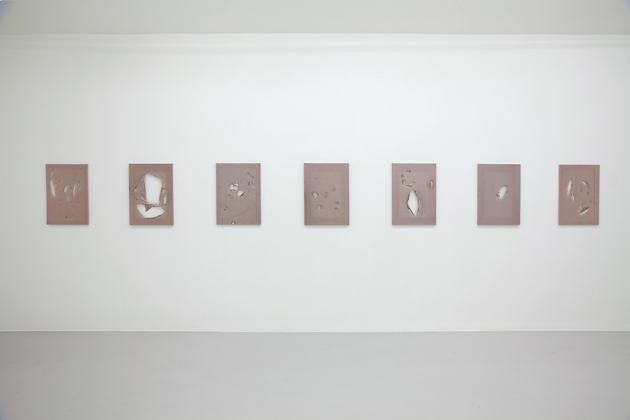
During the weekend of the MiArt fair, the action didn’t only take place in Milan’s city fairground. Many of the city’s galleries also took the opportunity to open the doors to their newest exhibitions, and one of the most interesting ones turned out to be Nikolas Gambaroff’s Quality Interiors at Giò Marconi. The German-born, New York-based artist is presented with his first solo show in the gallery, including new works of polyester window film or silicon among a set of mannequins and one of his perhaps better-known newspaper paintings.


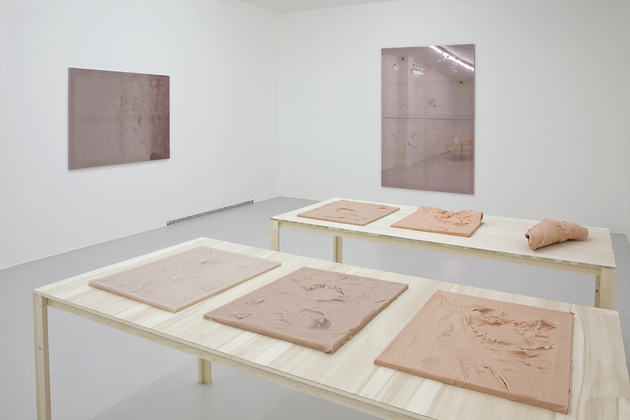
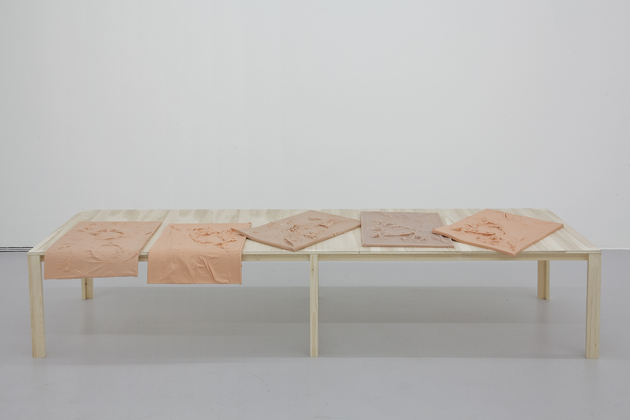
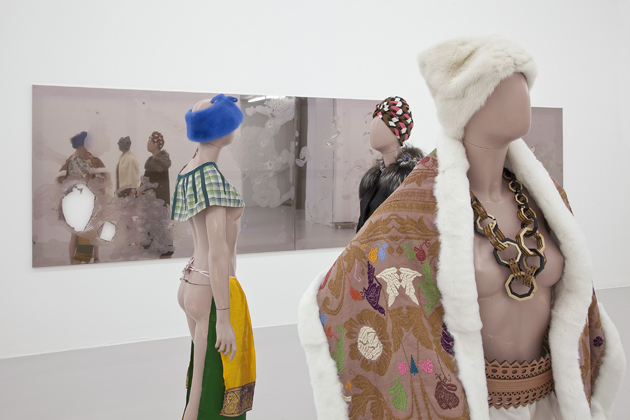
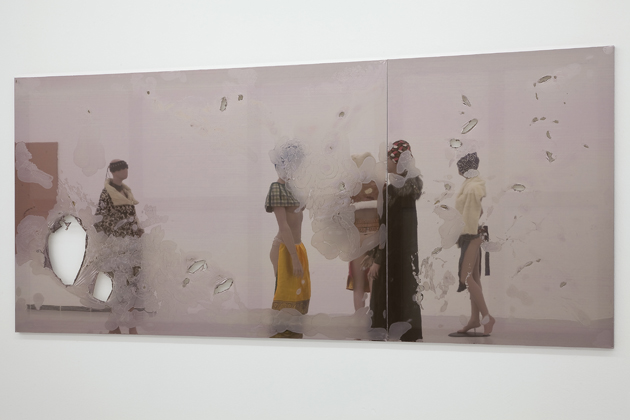
For Quality Interiors, with its title perhaps giving an ironic nod to the madness of last week’s Salone del Mobile, Gambaroff filled the three ground floor rooms of the gallery with lusciously pink works made of Polyethylene Terephthalate Window Film. Usually abbreviated PET, the film is normally used in synthetic fibers, food and liquid containers, or even film and solar cell technology. The specific type used by the artist is usually applied to the windows of commercial buildings to convert the sunlight into infrared radiation and reduce the energy flow. Treated in different ways and torn apart to reveal the back of the structure, Gambaroff’s works look fragile yet alluring, mirroring the visitors walking by. On wooden tables, the flat, wrinkly silicon works in nude pastel pink hues give more of a matt, tactile impression, as a reminiscence of human flesh.


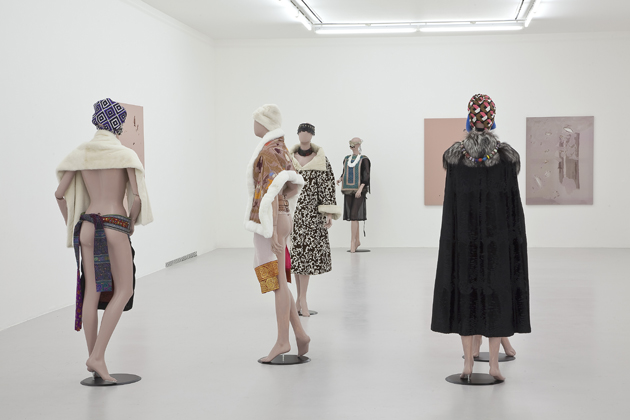
The largest room includes a set of half-dressed mannequins, a collaboration between Gambaroff and Nina Yashar, the interior design priestess and founder of Milan’s Nilufar Gallery. Beautiful fabrics in tribal patterns are wrapped in unorthodox matters around the mannequins, mirrored in the shiny surface of the pink window film work. The mannequins become a constant audience in relation to the work, gazing in different directions in a play with different ways of seeing and being seen.

Bearing Gambaroff’s more well-known newspaper-based work in mind, Quality Interiors shines a new light on his artistic production. Still, the works revolve around the same themes as before, in a dissection, deconstruction and re-evaluation of what painting is today. Given the impressions in Giò Marconi, it’s a very human thing.


The exhibition is on view until May 18th 2013.

Helena Nilsson Strängberg – Image courtesy of the artist, Gió Marconi