29/05/2013

The Great Gatsby: A Fashion Comparison

What seems so far to be the real protagonist of the newest version of The Great Gatsby is undoubtedly the costume design.
 Before the current Baz Luhrmann’s adaptation, Jack Clayton’s version in 1974 was the most known and successful one. 
Making a short fashion comparison between one and another can make sense if you think that both have been released long time after the era they talk about and, consequently, they share a vision and an interpretation of the decade. 
Gatsby’s party is one of the most iconic scenes, when all protagonists are present and everyone is dancing. 
In the previous version, Theoni V. Aldredge – the costume designer – went so close to the 20s atmosphere, recreating sparkling clothes, pastel tones on drop waist dresses, fringes everywhere – you can even hear the noise -, feathers along with long gloves. 
On the opposite, the almost total absence of those knee-long fringed dresses is the first thing one may notice in the most recent interpretation.
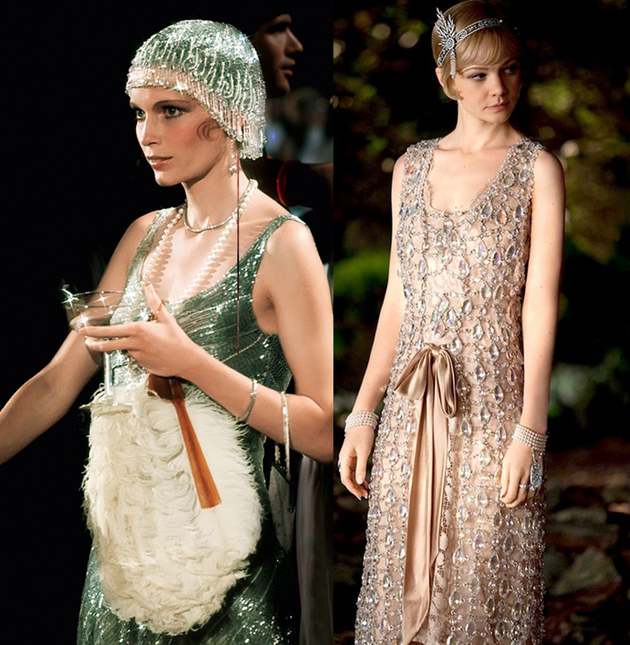
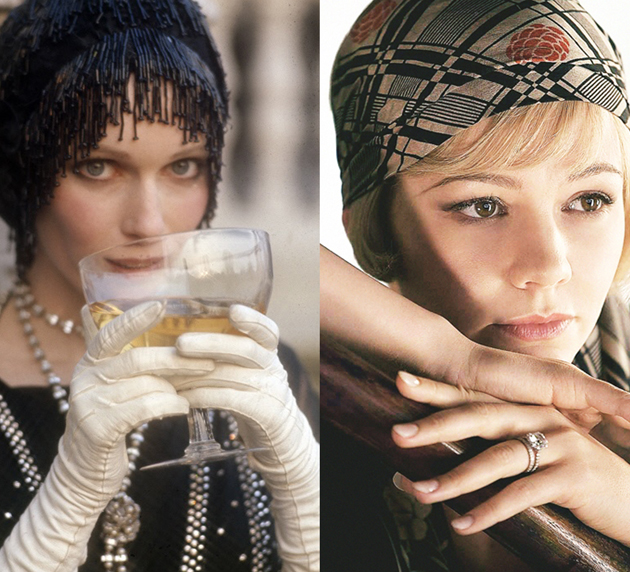
The clothes worn by Daisy Buchanan are so sophisticated that they seem quite far from the era they want to represent. Catherine Martin, the designer and the wife of the director, was stuck in some of the 20s trends melting them with modern and dark styles, though. 
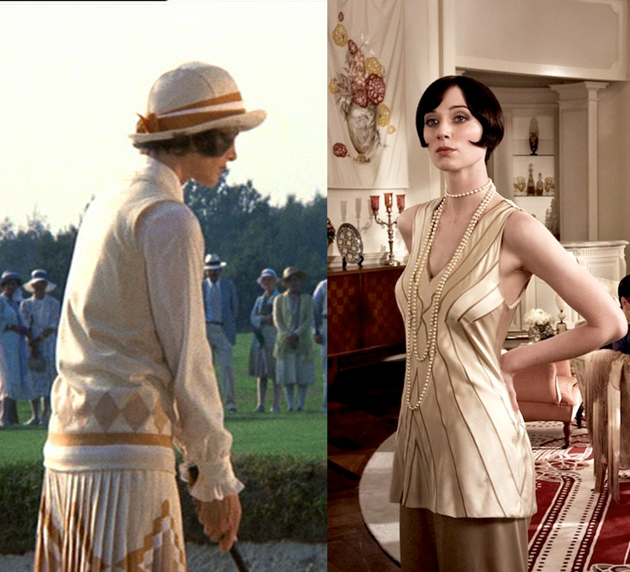
A quite evident presence of out-of-context garments is shown in 1974, nevertheless more revealed in 2013. On Jordan Baker‘s character, the two designers went off-track: in Clayton’s version the young golfer woman is dressed in typical 60s geometrical shapes and in Lurhmann’s she wears even palazzo pants.
 To better highlight Myrtle Wilson‘s role as Mr. Buchanan’s lover, she must be malicious. But in 2013 film her clothes are not just vulgar and bright but modern and cheap. 
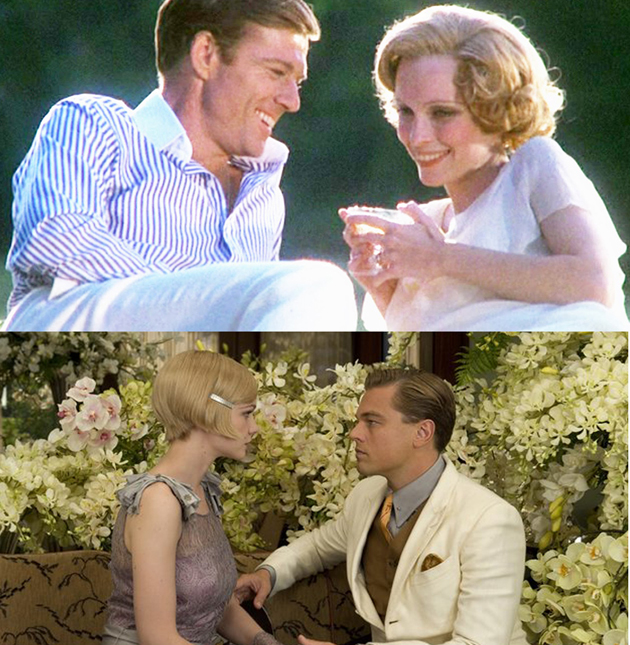
Men’s style seems more in tune: a lot of white, straw boater hats, pinstripe suits. The directors didn’t forget about the pink suit, which plays a key role in the novel: it is what differs Gatsby from the real gentlemen.
 All in all, Theoni V. Aldredge and Catherine Martin were enough accurate in choosing costumes. The visible differences depend from two different times, therefore from two different perspectives of the same past.
Francesca Crippa 
29/05/2013

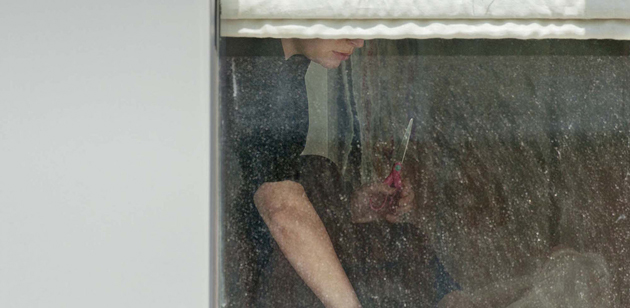
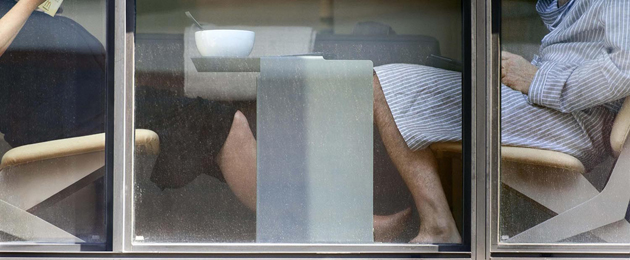
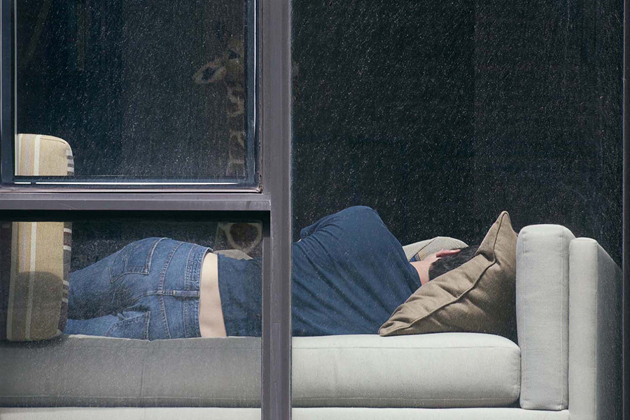
Arne Svenson’s “The Neighbors”

In Rear Window, Jimmy Stewart’s character L.B. Jefferies starts spying on his neighbors after breaking his leg and ending up confined to a wheelchair in his cramped Greenwich Village apartment. Jefferies can’t help it, he’s an adventurous travel photographer, but his curiosity gets him into all sorts of trouble: he sees a man’s wife disappear, a dog get its neck broken, jeopardizes his girlfriend’s (Grace Kelly’s!) safety on multiple occasions. One neighbor nearly kills him.

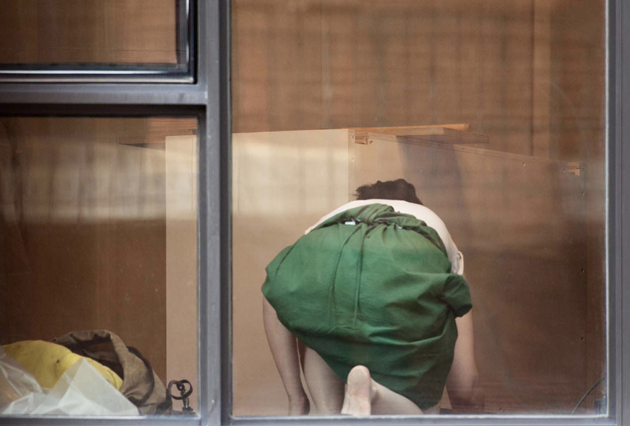
New York photographer Arne Svenson shares a certain affinity with Jefferies, only his obsessions are real. “The Neighbors”, his new exhibit at Julie Saul Gallery on West 22nd Street, is made up of photos Svenson took of people living in the Zinc Building, the glitzy glass tower that sits across from his apartment in Tribeca. The people in the photos had no idea and stand to make no money off of the photos, which are fetching up to $7,500 a pop. Some are disturbed, others are furious. Most are curious to see if their bodies made it into the exhibit.

Like Jefferies, Svenson stumbled into voyeurism by accident: A birdwatching friend died and left him with a CT-501 500-mm Nikon telephoto lens. Svenson didn’t have much interest in birds, nor did he like the idea of leaving his apartment — most of his other photo work happens in his home studio. But, as he told The New Yorker’s Raffi Khatchadourian, he wanted to learn how to use the camera, and so turned his attention to the window. Obsession ensued. He stopped going out, preferring to wait for his subjects to come home and open their curtains. “New Yorkers are masters of being both the observer and the observed,” Svenson recently told Slate. “We live so densely packed together that contact is inevitable — even our homes are stacked facing each other. I have found this symbiotic relationship between the looker and the observed only here — we understand that privacy is fluid and that glass truly is transparent.”

Of course, not everyone agrees, particularly the tenants at Zinc Building. The legalities are murky, and Svenson’s gallery photos are anything but offensive — no faces, no nudes, little hint of identity — but many are disturbed by the process Svenson used. After all, he likely has thousands of photos of people will never see, of people doing things they thought were being done in private.

For Svenson, the rush of watching people who don’t know they’re being watched seems to be the point. A problem? Probably. Indicative of the direction our society is heading? Sure. Voyeuristic art isn’t anything new. Talking about Jefferies, Svenson told Khatchadourian, “He sits and he waits. I feel a certain camaraderie with that.”

Lane Koivu 
28/05/2013

The Man And the Sea

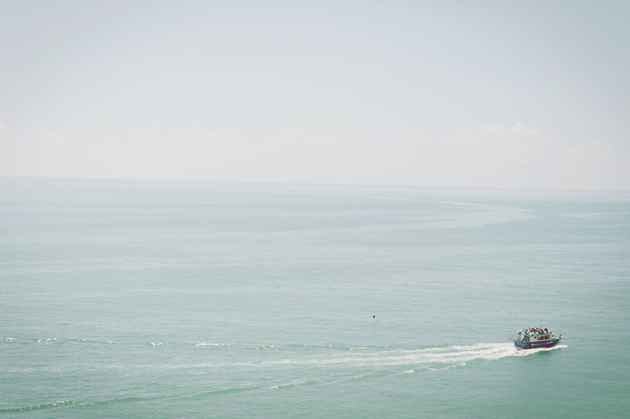
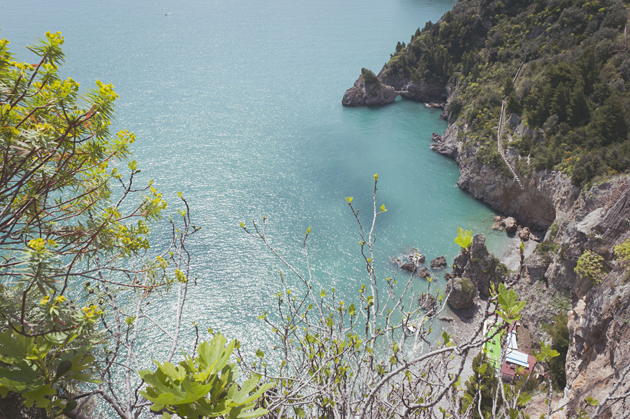
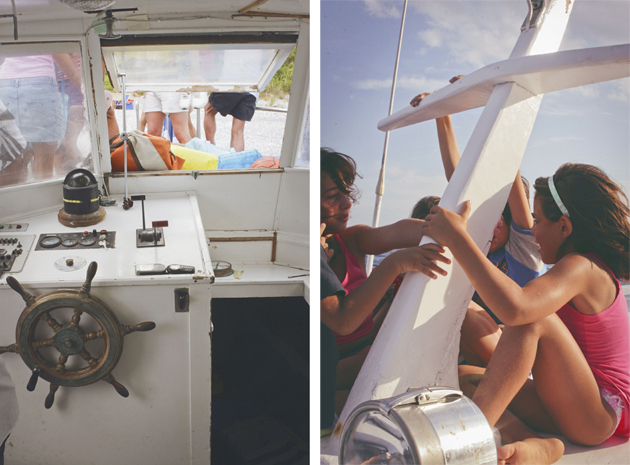
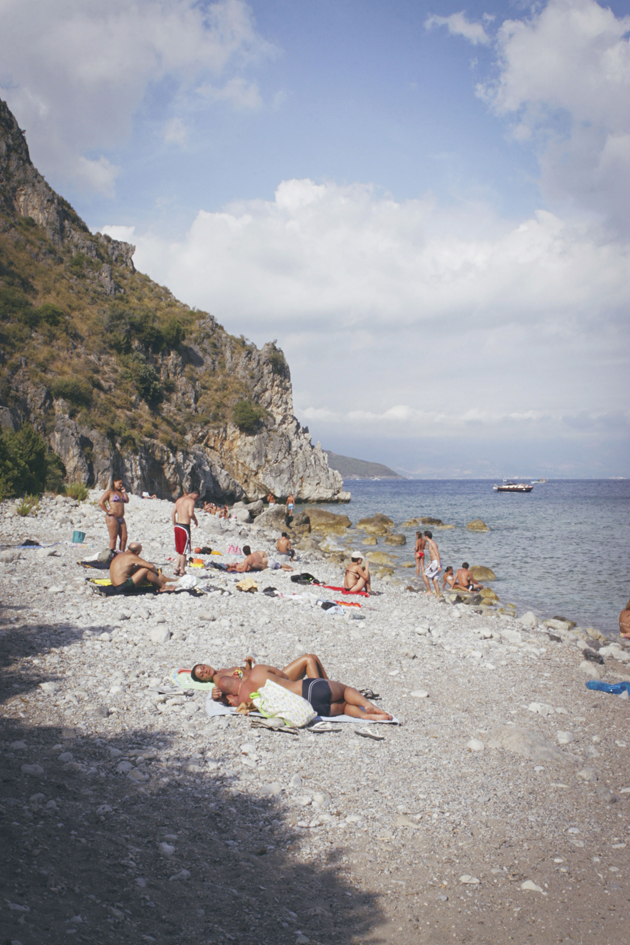
There’s a small and beautiful region in Italy between the end of Campania and the beginning of Basilicata called Cilento. The sea is salty and wild and the men are living on their own, looking at the sky with glazed eyes. Saverio is one of these men. In the morning he goes down the mountain to a small beach, through the familiar trails. The water is emerald green and the wind is blowing through all the little yellow flowers. Saverio takes his old motor boat and reaches the small harbor of Scario. The boat collects a handful of people and brings them on his small beach. There are few rules: speak with a whisper, no music, no phones, only the silence broken by the sound of the sea.


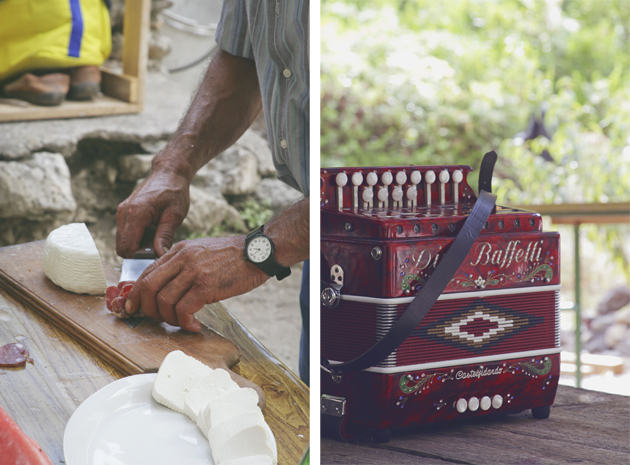
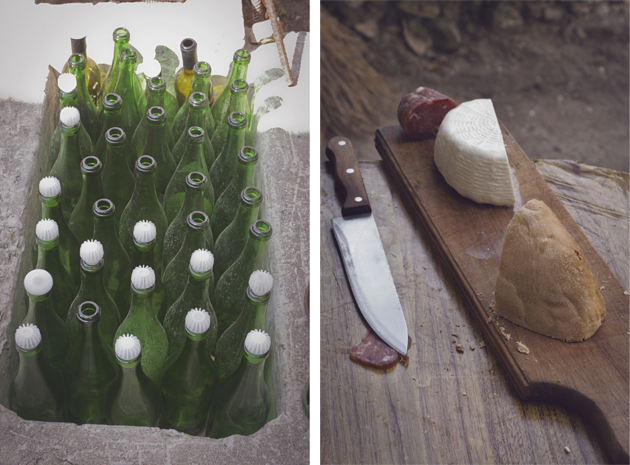
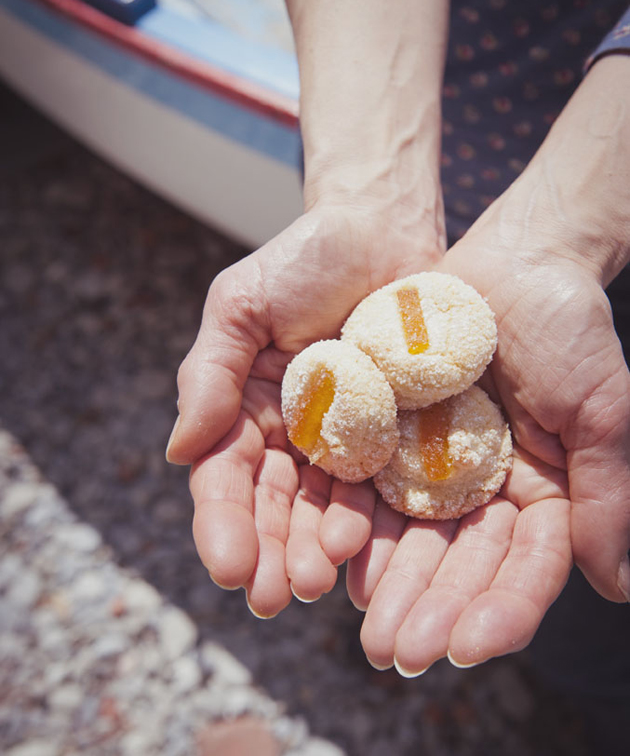
Saverio offers cold cuts and cheese produced in the mountain village of San Giovanni a Piro. Wine is home made, it’s a kind of a red sparkling wine, very fresh and sweet. The bread is soft with a great crust baked in a wood oven; special, because it remains soft for days. But the most wonderful specialty are the small sweet marzipans garnished with candied orange peels, that Saverio’s wife prepares every week for their guests. We were lucky enough to discover this distant corner of paradise. You have to know how to listen and keep your ears open down to the harbor to know when Saverio will come back to pick up another group of people to give them half a day of serenity.


Stefano Tripodi 
28/05/2013

Donald Judd Home And Studio Restoration

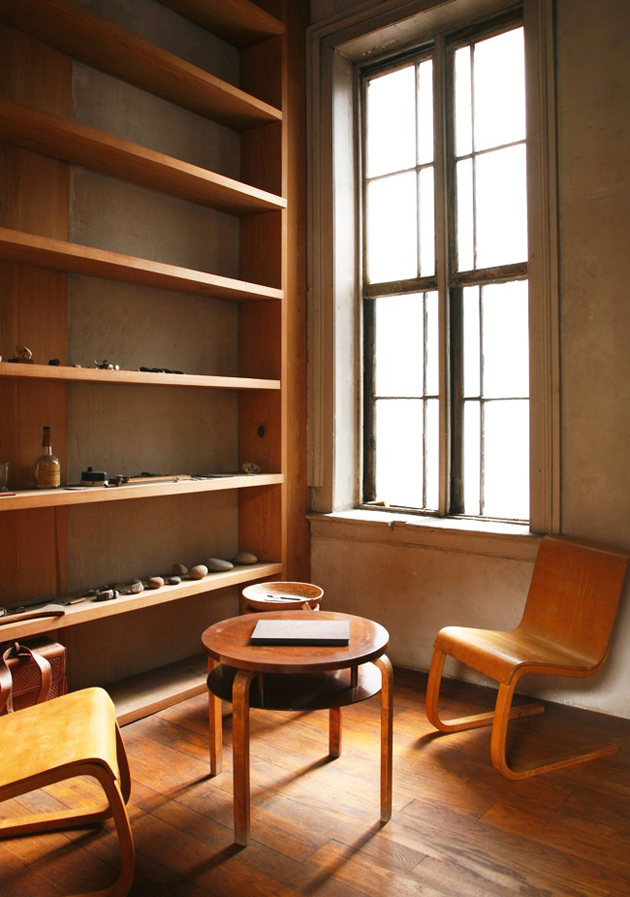
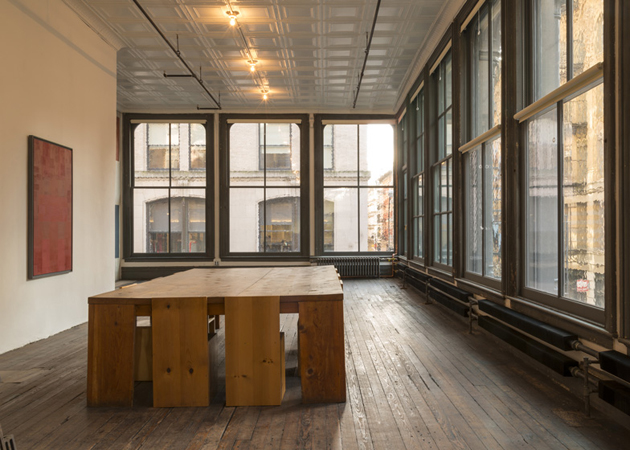
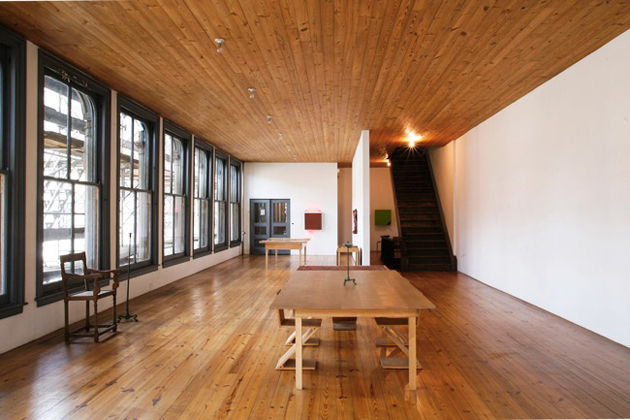
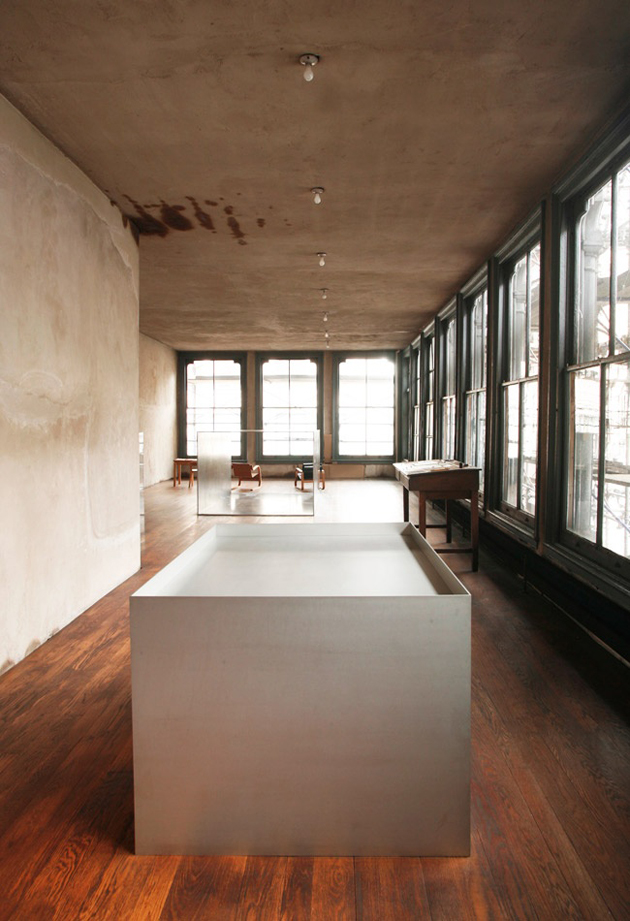
It is a well-known truth that the environment that surrounds us, necessarily defines both who we are as well as what we do. And it is even more true that our environment influences our perception of things and objects, a well known fact to the late American artist Donald Judd. In fact, when he bought a five-storey building in New York, Judd started to place his work in a more permanent manner, which would later lead him to refuse temporary exhibitions and the art system that gave major relevance to the environments designed by the curator, and less to the artwork itself.


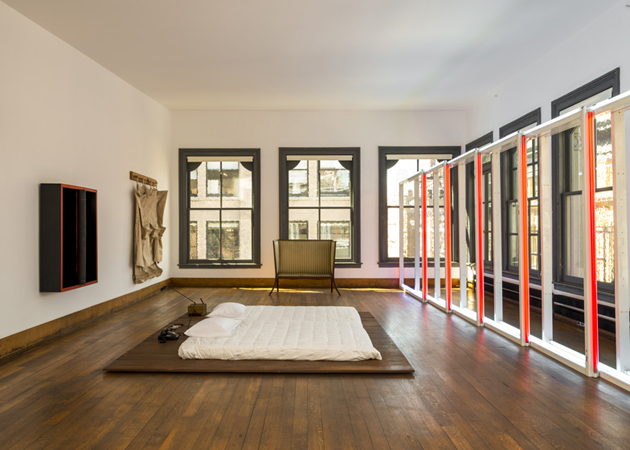
For this very reason, the opening of Donald Judd’s New York studio and home, following a three-year restoration process, comes as a significant event in the contemporary art world, not least because it houses a collection of over 500 artworks created by the artist. The restoration was lead by New York-based Architecture Research Office, whose goal was to maintain and preserve the open-plan layout designed by Judd (who has, at the end of his career, also designed a series of wood and metal furniture, embracing industrial production).
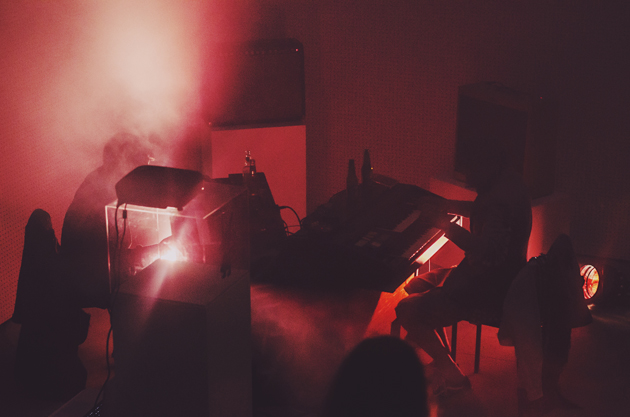
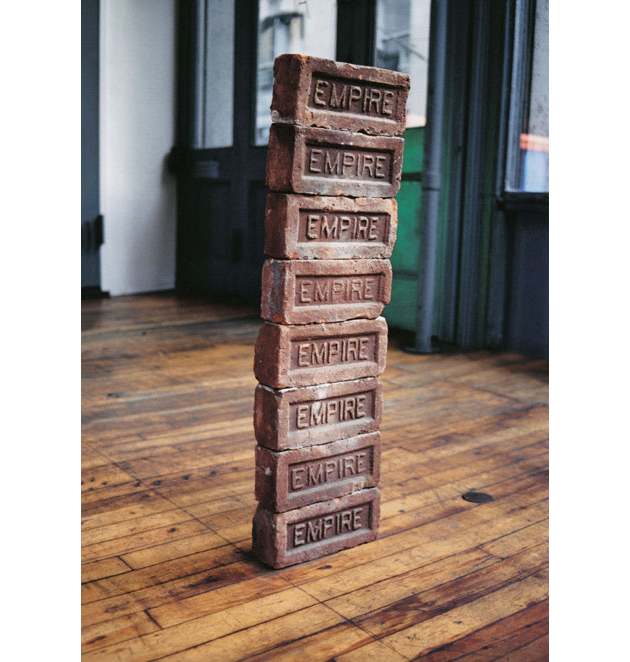
The team meticulously catalogued the situation of every sculpture, painting and object in the house, including pieces by Judd himself (among which must be noted not only his artworks but the interior design as well) as well as works gifted by artist-friends such as Claes Oldenburg, Carl Andre and Dan Flavin, together with older artworks by Marcel Duchamp, Ad Reinhardt and more. Following the restoration, each object was returned to its exact position.

The building is currently the home of Judd Foundation, who will offer its visitors a unique insight into Judd’s life and work, experience the home and studio as originally installed by the artist, with the goal of promoting not only his material legacy, but also his ideas and beliefs of how art should be experienced, seen and, ultimately, understood.


Rujana Rebernjak 
27/05/2013

Krakow Photomonth Festival 2013

It’s all about fashion. And just fashion is the leading theme and keyword of the 11th edition of the Krakow Photomonth Festival, started in May 16th, which investigates the different definitions, forms and roles of style, in the broadest sense, analysing fashion as a cultural phenomenon. What we wear, how and why, is part of our being; clothes become more and more instruments of conformism, or ways to distinguish ourselves from the mass. But, at the same time, they are essential factors that could help understanding contemporary culture, since our style reflects also our attitude as a member of communities.


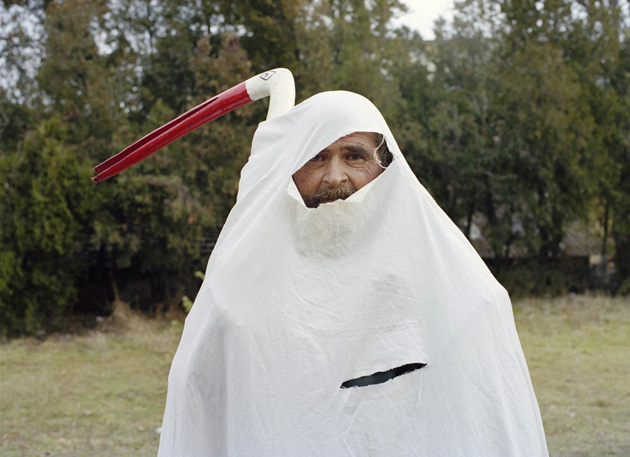
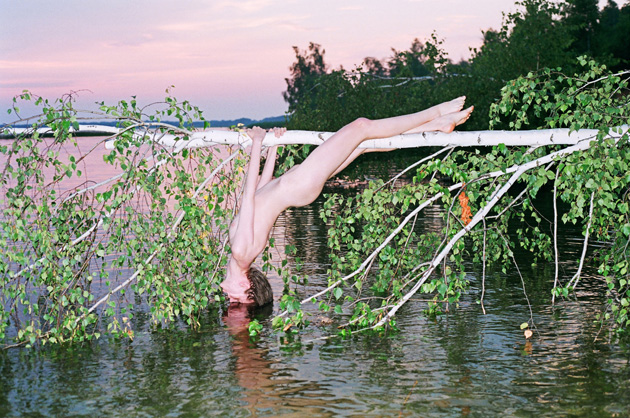
The theme is undoubtedly up-to-date and the wide agenda of exhibitions and events scheduled during Krakow Photomonth offers food for thought. The Limits Of Fashion is one of the ten shows scheduled in the festival’s Main programme. Arranged at the Bunkier Sztuki Gallery of Contemporary Art, it presents portraits of people dressed with colourful eastern ‘vintage’ sweat suits and patterned sweaters, camouflages, Stasi agents’ uniforms, ceremonial African masks and 70s queer culture street outfits, mixing private and public, personal and social viewpoints. Among the other events included in the Main programme we mention the solo show dedicated to the Swiss artist Walter Pfeiffer (b. 1946, Zurich), who depicted unknown people on the street, but also close friends and lovers, beautiful naked boys in provocative and sexy poses, influencing numerous fashion photographers of the 1990’s; the unseen pictures of Corinne Day (1962 – 2010, London), one of the pioneers of the trend of photographing imperfect beauty, who opens here her private archive; a dive into the world of the Polish journalism photography by Tadeusz Rolke (b. 1929, Warsaw); and the ‘crypsis’ experience by the young Ukrainian artists Tania Shcheglova and Roman Noven, who work under the name of Synchrodogs, and create bucolic images with saturated colours through the use of analogue cameras.
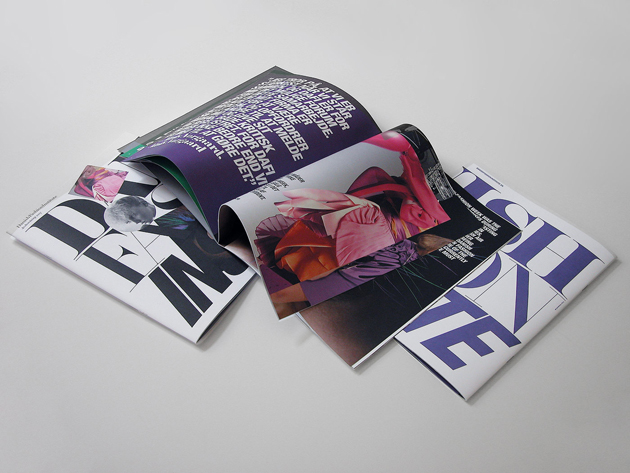


Besides the Main programme, Krakow Photomonth counts an Experimental Section that has taken the form of a 200-pages printed magazine conceived by fashion professionals, entitled May Magazine, which features articles, illustrations, photo editorials and visual essays, and the ShowOFF Section where 10 young emerging Polish artists – Kaja Dobrowolska, Yurko Dyachyshyn, Anna Kieblesz, Aleksandra Loska, Piotr Macha, Sergey Melnitchenko, Ondřej Přibyl, Dominik Ritszel, Alexandra Soldatova and Milena Soporowska – collaborate with experienced curators to exhibit their works to the festival’s visitors.


Krakow Photomonth Festival 2013 will run until June 16. If you end up in Krakow don’t miss it.

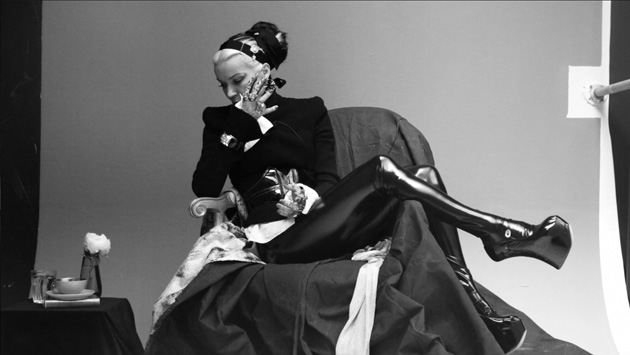
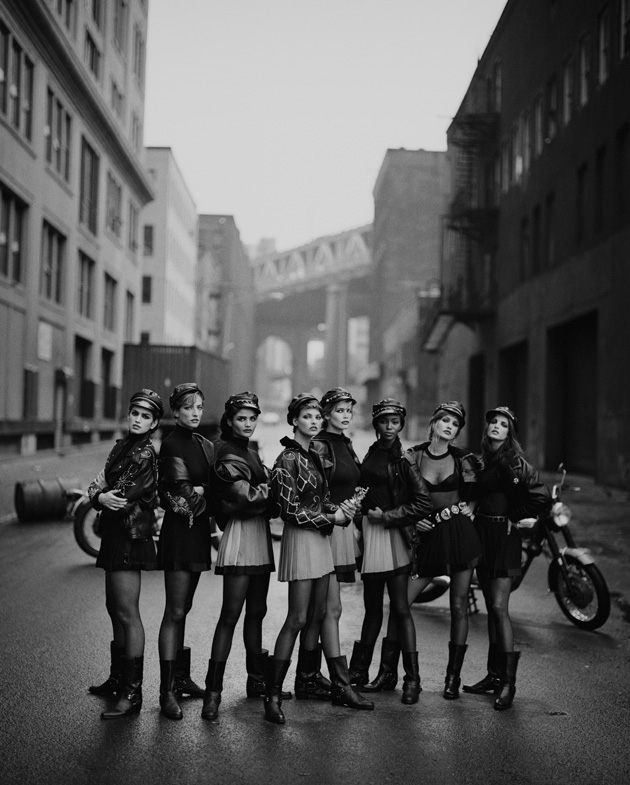
Piotr Niepsuj – Images Hanania, SHOWStudio, Peter Lindbergh, Magdalena Buczek, Aleksandra Loska, Kaja Dobrowolska, Walter Pfeiffer, Synchrodogs 
26/05/2013

Sunday Breakfast by Love For Breakfast

It’s amazing how just colors and flavors can condition a day. I’m floating on a pink sea on a red and white striped mat.

Alessia Bossi from Love For Breakfast 
24/05/2013

Pre Helsinki Festival

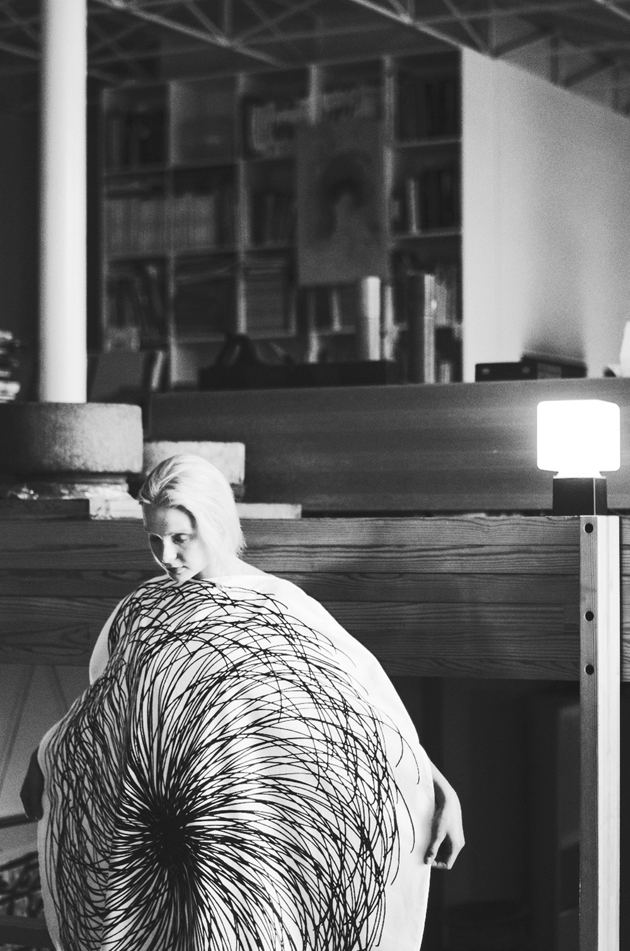
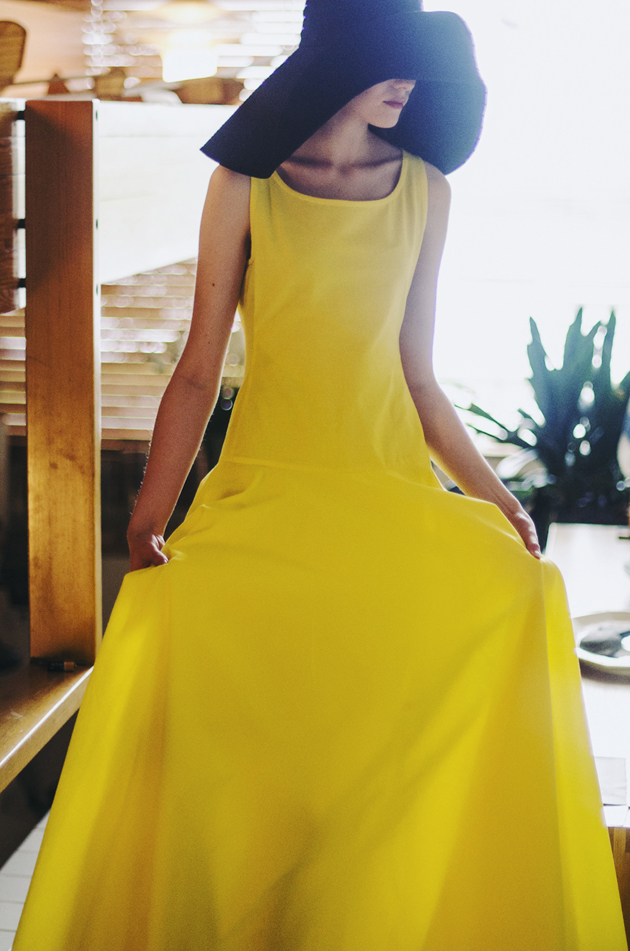
Pre Helsinki is a new Finnish fashion festival that is currently taking place (22nd-25th May) in the country’s capital city. Organized by Finnish designers along with professionals, the festival hosts international fashion insiders from notable journalists to several foreign buyers.


The aim of the event is to create a connection between young Finnish designers and worldwide fashion leaders; by fashion shows, talks, seminars, parties and presentations, the new brands have the opportunity to be introduced to a wider panorama and to discuss, together with the guests, about trends and different points of view. Realization of the idea of creating a new interchange platform between Finland and the rest of the world has been possible also thanks to Finland Foreign Affair Ministry and Aalto University School of Arts, Design and Architecture special cooperation.


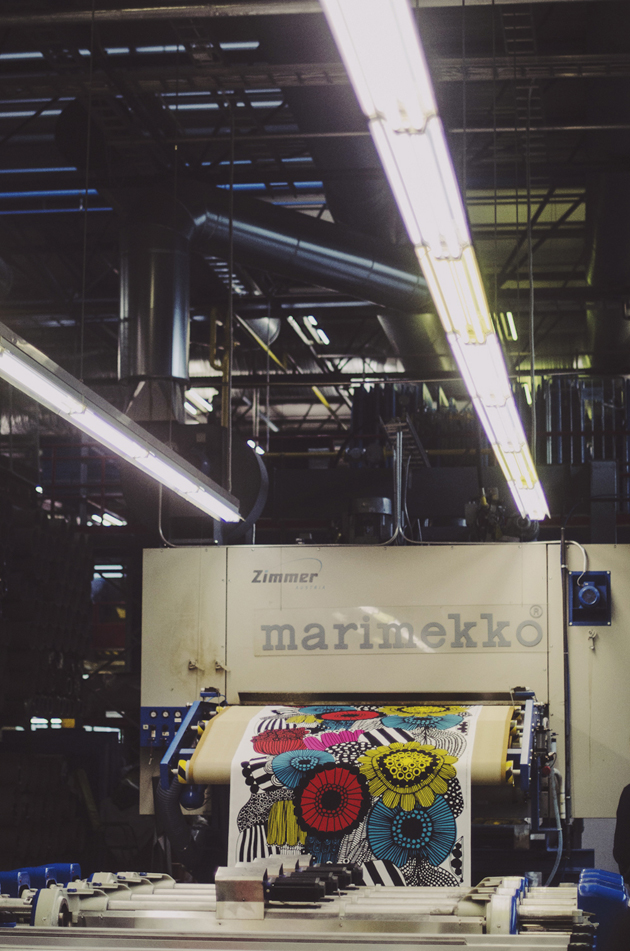
Along with established designers like Marimekko, Laitinen and Heikki Salonen, also younger talents such as Ensæmble, Saara Lepokorpi and Sasu Kauppi are showing their newest collections, and the newcomer Siloa & Mook is doing a debut in the industry by presenting its first collection. Lately, Finnish fashion is becoming more and more internationally recognized, which is a new phenomenon for a country formally known for its architecture and product design. That’s one of the main reasons why the nation thinks local fashion industry needs to be supported, and experiments new types of events. Talking with Development and Business Relations officer 
Martta Louekari, she says: “Pre Helsinki is neither a traditional sales event, nor a fashion week. The focus of Pre Helsinki is on promoting the internationalization and networking of Finnish designers and fashion brands in a relaxed, yet professional, atmosphere.”


Francesca Crippa – Images Meri Karhu 
24/05/2013

4 Questions To – Jack Dahl

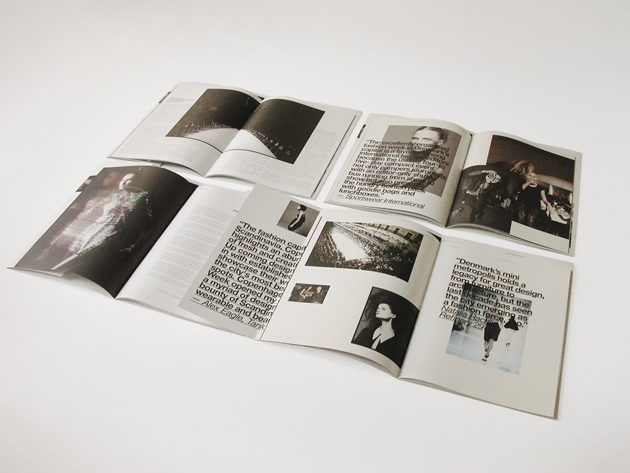
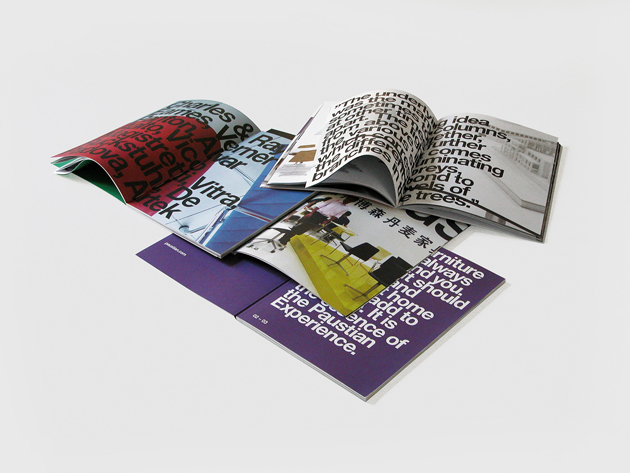
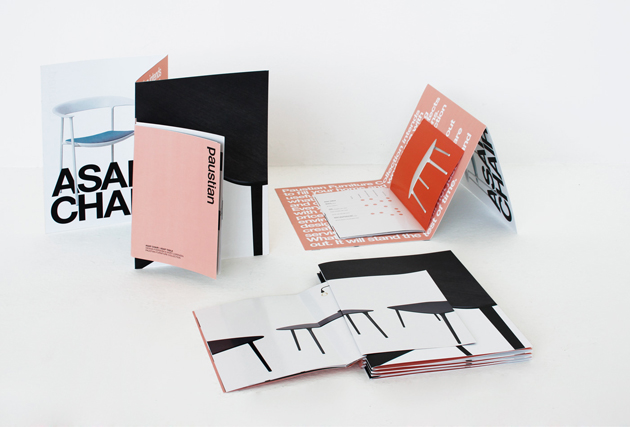
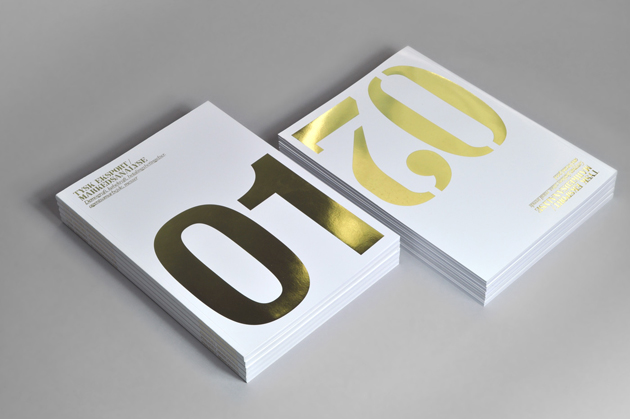
Heavy books intruding our free time – to make positive associations with the word homework might not come naturally to everyone. Luckily we found a place that changes the scenario: Homework is also the name of a Copenhagen-based creative studio founded in 2002, bringing forth associations of timeless yet contemporary design, ambitious work and Scandinavian flair. The studio, specialized in brand expression and communication, has since the start built up a portfolio showcasing brand identity projects, packaging, image campaigns and editorial work across printed and digital media. The Blogazine had a chat with founder Jack Dahl – creative director who has worked with some of the most prestigious names within the field of fashion, beauty and luxury design.


Your studio is located in Copenhagen, a city that over the passed years has gained a lot of attention internationally. Has Copenhagen’s position as a recognized fashion city affected your work in any way?
Well, we are working in a competitive market, definitely, but I don’t really think that it has anything to do with Copenhagen’s newly-gained position as a fashion capital. Denmark is and has been famous for its rich design culture and heritage, so I would rather say that with the Internet and the whole online social world, it has become much easier to reach and maintain a strong relationship to customers even though they are based on the other side of the world.

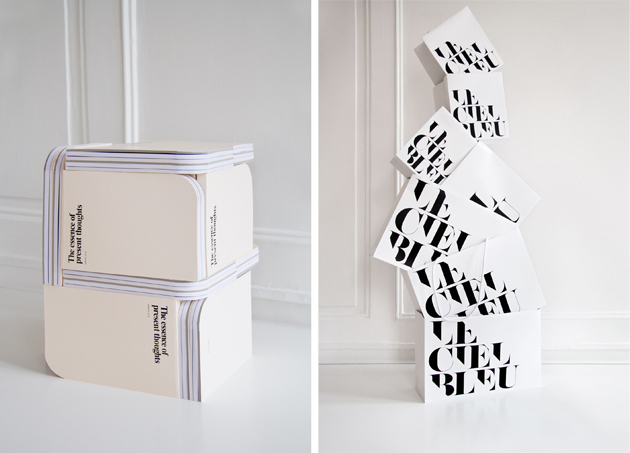
Homework has actually been very fortunate in many ways – we have worked with some very interesting international clients, which again, attract other international companies. We have done a great handful of collaborations with Japanese clients like GAS interface, Addition Adelaide, A.P.J, Jun, Le Ciel Bleu, Franc Franc and Isetan, a few projects in the Middle East, Lady Gaga Parfums/COTY in France, Comme des Garçons/PUIG in Spain, and Galerie Perrotin in Paris and Hong Kong – they have all been amazing clients of Homework.


Your signature aesthetics is about simplicity and about letting the essentials be in focus, something that very much can be said about Scandinavian design over-all. Would you say that Scandinavian graphic design and art direction, just like Scandinavian fashion, is democratic and minimalistic?
I wouldn’t say that democratic and minimalistic describe Scandinavian design and art direction the same way as the fashion industry. The Scandinavian fashion companies are known for balancing nice contemporary designs at reasonable prices whereas it’s true that the graphic design and art direction are very streamline, minimalistic and distinct. For Homework it’s a way of always searching to highlight core values, key message or distinct personality in a company or in a product. I would like to think of Homework as having a design approach with an international appeal.


We’ve heard that you have a certain obsession for typography and typefaces. What is that is so fascinating about type?
It’s true – we do have a special place in our hearts reserved for type. Working with type is like working with an infinite amount of styles and ways of expression. When thoughtfully executed, typography can be both timeless and contemporary, both illustrative and understated.

You have a long list of prestigious references in your portfolio but what are you still dreaming about doing?
I, and Homework, dream of many good things still to come. We have never worked with an Italian client and it’s something we would love in particular – it’s about time! Other than that, fragrance, furniture and interior brands have a focus in our team these days. Personally, I’m also interested in the people behind a brand – the product in itself is not always the most important thing. Our most successful work has been with brands who also share our aesthetic and approach. Big brands such as B&B Italy, Vitra, H&M or Madonna would also be interesting as major commercial players.


Interview by Lisa Olsson Hjerpe – Image courtesy of Homework 
23/05/2013

In a Beautiful Place

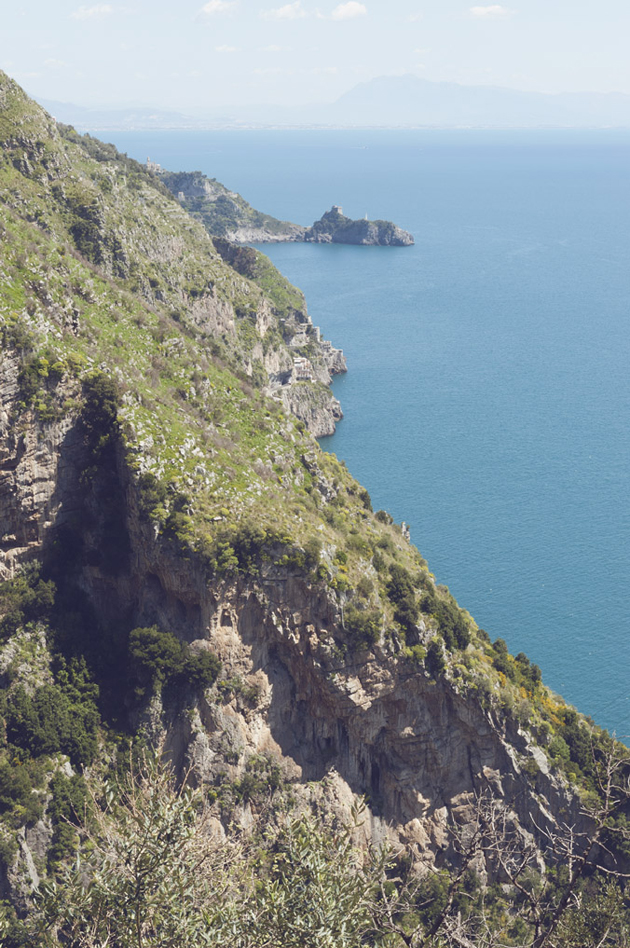
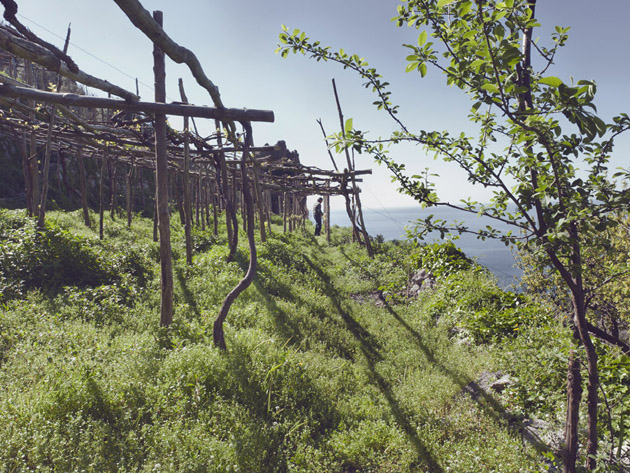
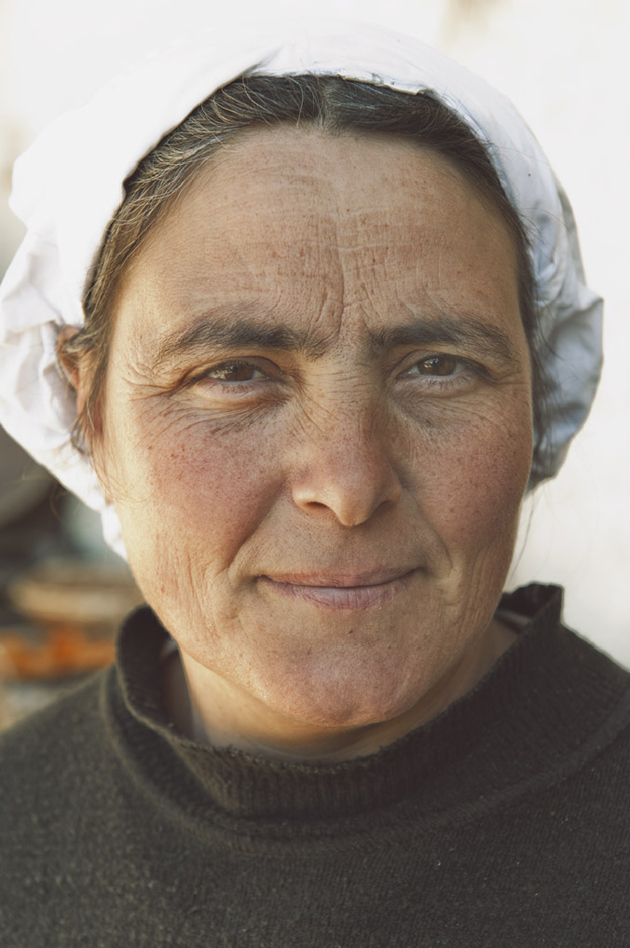
We are in the southern Italy. Near Naples, between the mountains of Positano and Sorrento, live many households who work the land and produce everything in-house. They spend their lives on these clods of earth above the sea without cars, internet or television. Their greatest reward, every day, is the landscape, clean air, amazing food and simple nature. We went to visit them, going up the mountain for hours before discovering their homes. From there you can branch out several paths leading from the mountains to the sea.

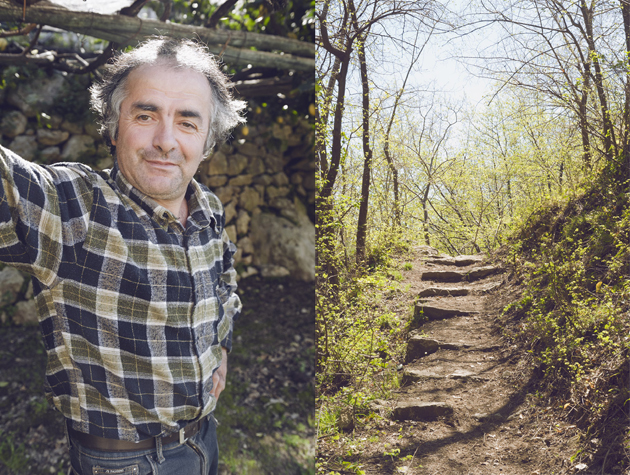
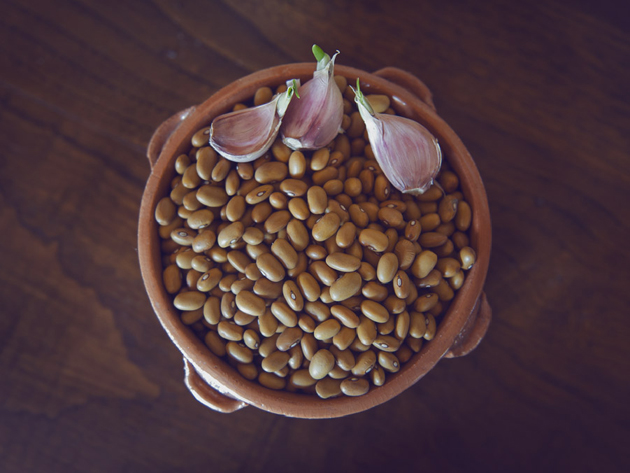
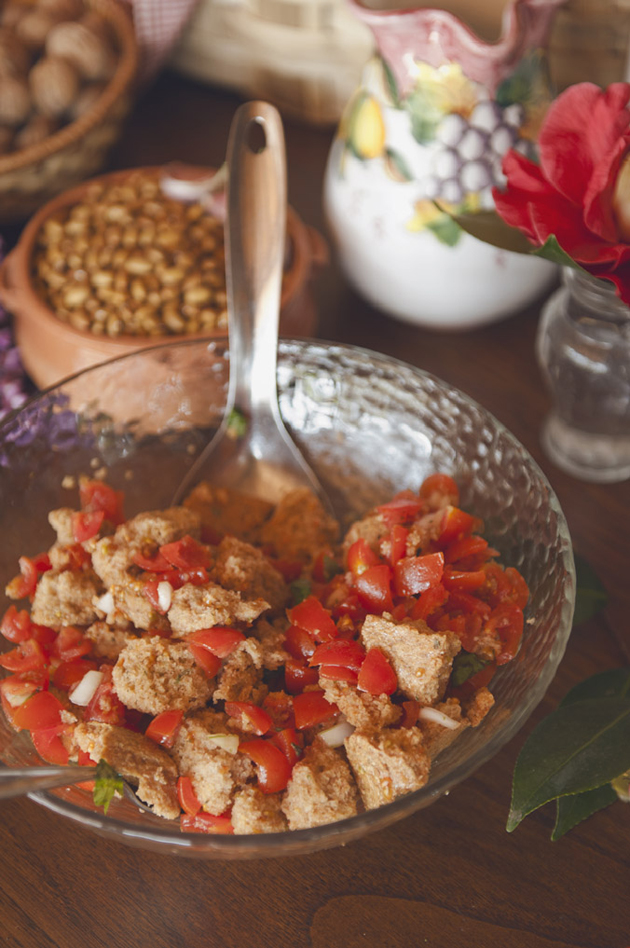
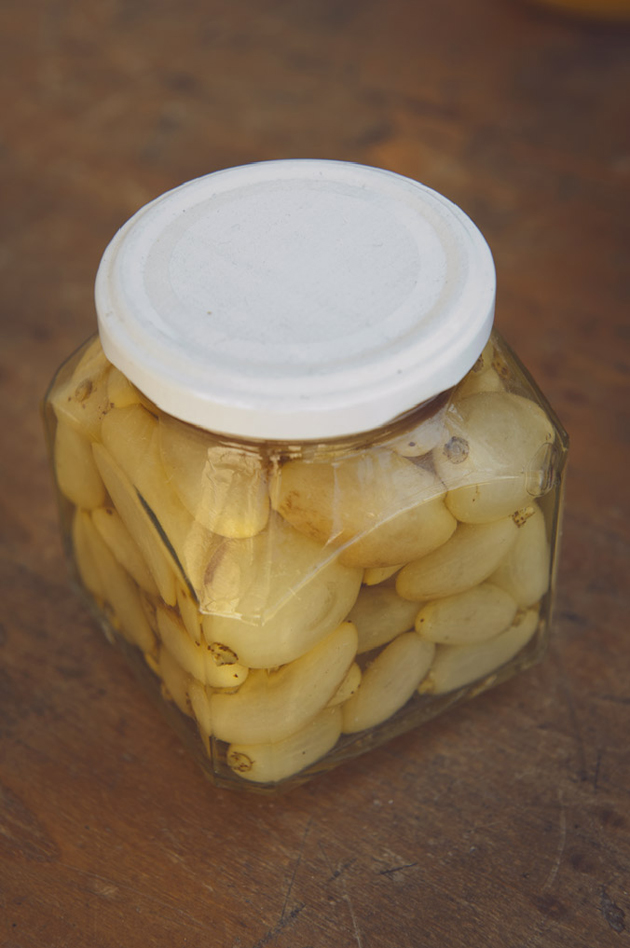
Salvatore cultivates the ground and his wife is in the kitchen preparing canned legumes. The work is tiring and the days very long, but the life here has a completely other kind of value. We ate sitting on the ground and Salvatore showed us their products. Grapes in anise-flavored liqueur, tomatoes dried in the wind and in the dark, wild garlic and bread buns wheat. We ate a wonderful eggplant parmigiana, washed down with white wine, falling afterwards asleep under a lemon tree.


Stefano Tripodi 
23/05/2013

Adhocracy at the New Museum

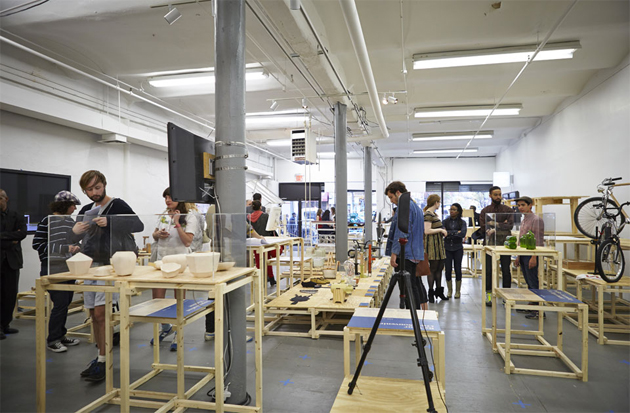
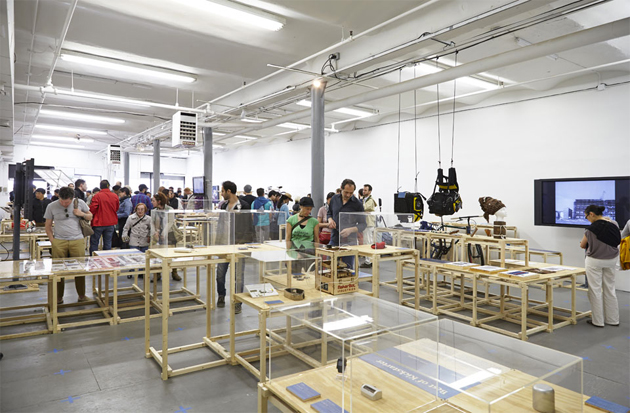
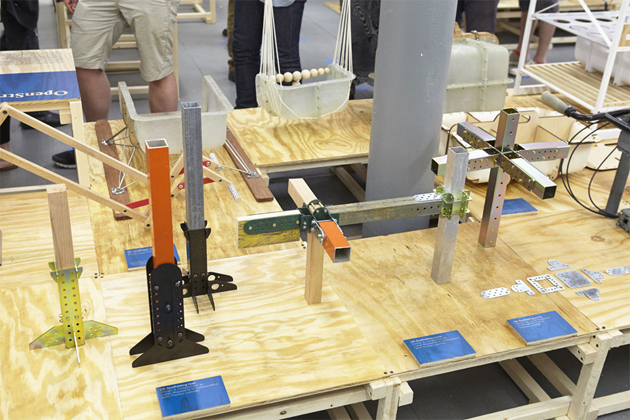
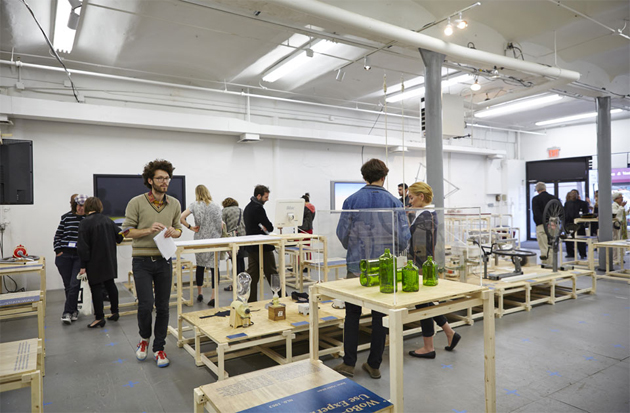
Adhocracy is “a structureless organization used to solve various problems. It is a type of organization that operates in opposite fashion to a bureaucracy”. The term was borrowed by Joseph Grima for the title of an exhibition first presented at last year’s Istanbul Design Biennale and currently displayed at the New Museum in New York. “Adhocracy” eloquently discusses the current shift in creation, production and consumption of consumer goods, fuelled by new materials, automation and 3D printing. Focussing particularly on “open systems, tools that enable self-organization, and platforms driven by collaboration”, this show tries to pinpoint one of the most radical developments in production that Joseph Grima characterizes as the “maximum expression of design”.


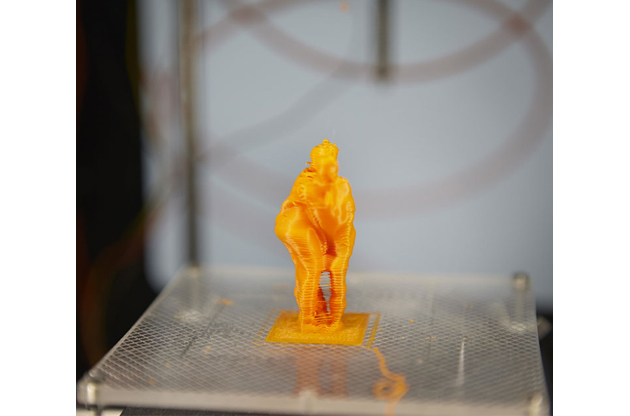
To understand exactly what all this means, one has to dive into the displays presented at the show, designed itself as a sort of a science lab where anyone has the chance to “design for everyone”, where imperfection rather than industrial perfection is seen as an evidence of an emerging force of identity, individuality and non-linearity in design. Through twenty-five projects, mainly artefacts, objects and films, the exhibition tries do offer an inspiring view on the epochal changes, often questioning the very definition of design practice. In fact, the show includes several projects centred around on-site laboratories of production, such as Blablablab’s “Be Your Own Souvenir” project, where visitors to the exhibition can have their body scanned and reproduced in miniature by 3-D printers, or Unfold’s “Stratigraphic Manufactury,” in which New York–based ceramists (Jen Poueymirou, Larisa Daiga, and Eric Hollender) will create 3-D-print porcelain artefacts on-site.


Even though it sometimes may appear that the only point of the show is exploring new production technologies, without discussing the initial premisses, “Adhocracy” clearly makes us understand that the industry is not the only solution to contemporary production. Even though a recent ‘resurgence’ of traditional crafts has brought our attention back from eccentric formalism to quality and honesty in design production, “Adhocracy” also reminds us that design should laregly benefit from an open dialogue within a larger society.

Rujana Rebernjak