11/06/2013

Anchovies of the Mediterranean Sea

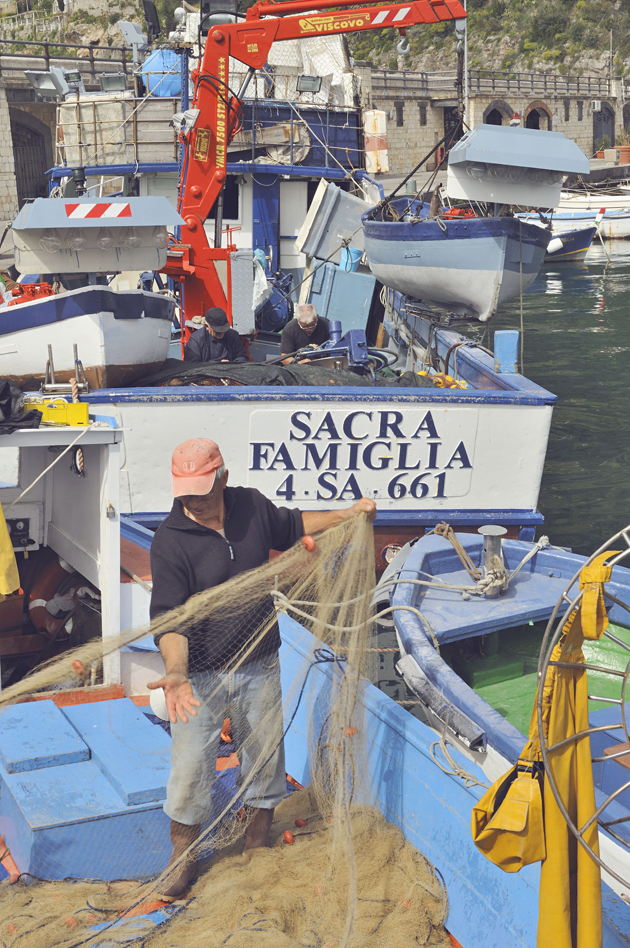
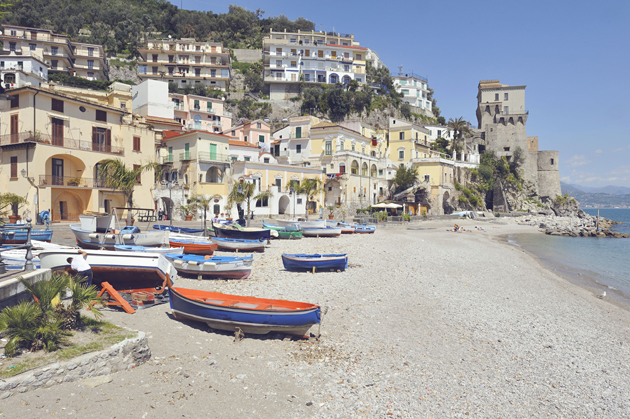
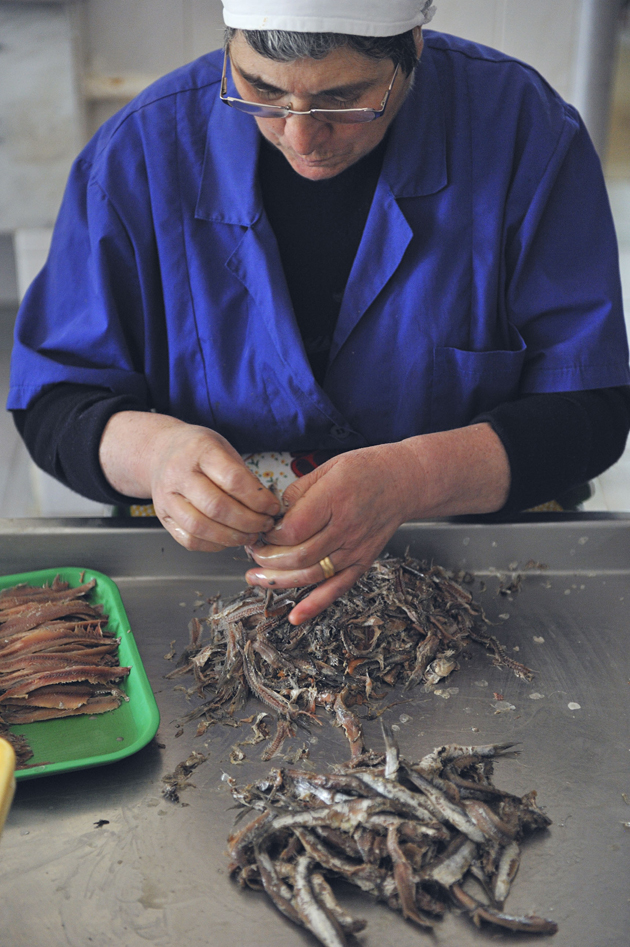
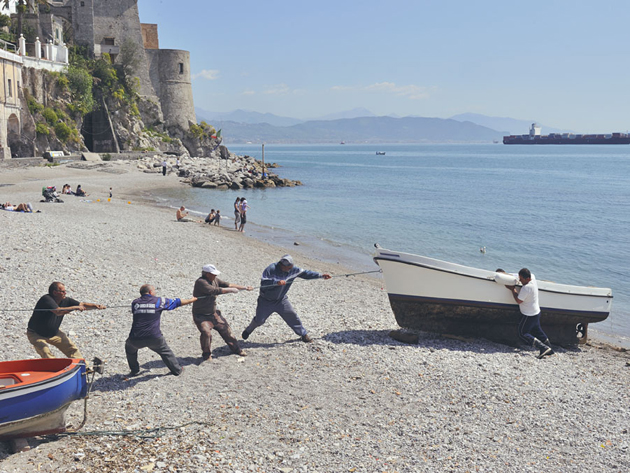
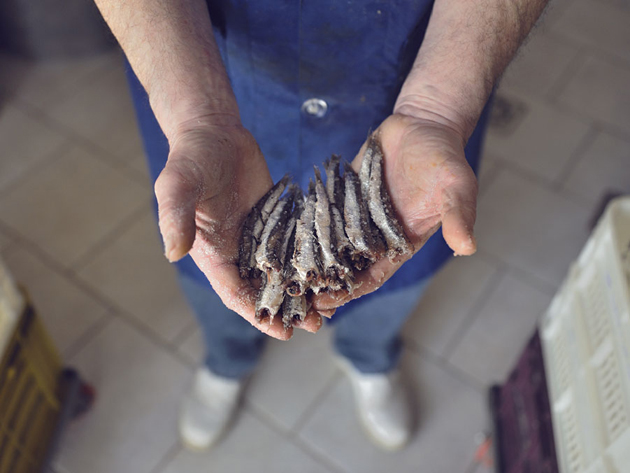
There is a small seaside town in southern Italy, a few kilometers after the town of Salerno, where for hundreds of years the locals produce Colatura di Alici (anchovies juice). The town is called Cetara, it’s beautiful and fragile, embraced by mountains and bathed by the Mediterranean sea.

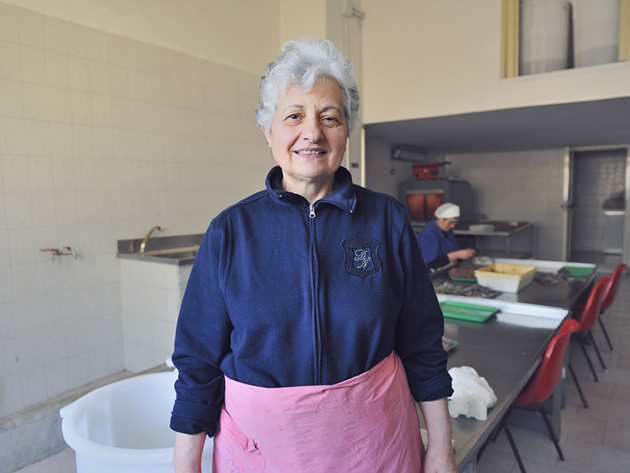
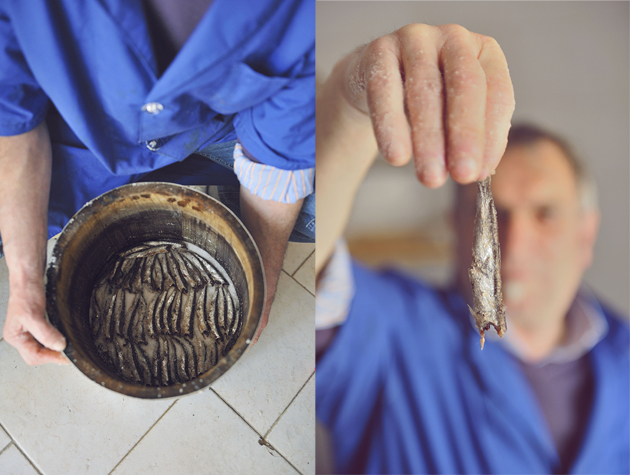
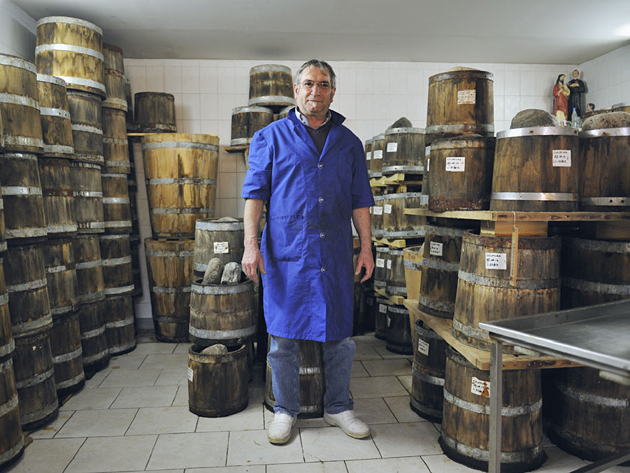
The monks who lived there began to extract the juice of salted anchovies and to store it in wooden barrels. Today the locals are doing the same in small workshops. The Colatura is a precious condiment that can be used with pasta or on bread or in salads. The anchovies are put in wooden barrels covered with the salt of Trapani (in Sicily) and then matured for years. The result is this precious nectar that you should definitely try. Unfortunately for the foreigners, you can get this pale yellow culinary jewel only by visiting their shop on location. But it’s worth the travel.


Stefano Tripodi 
11/06/2013

Monthly Reads | The Italian Avant-Garde 1968-1976

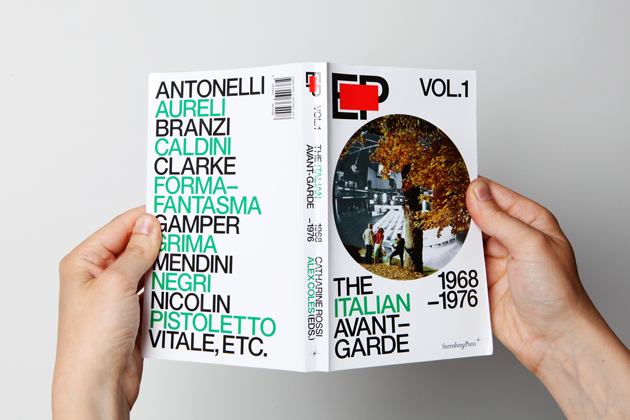
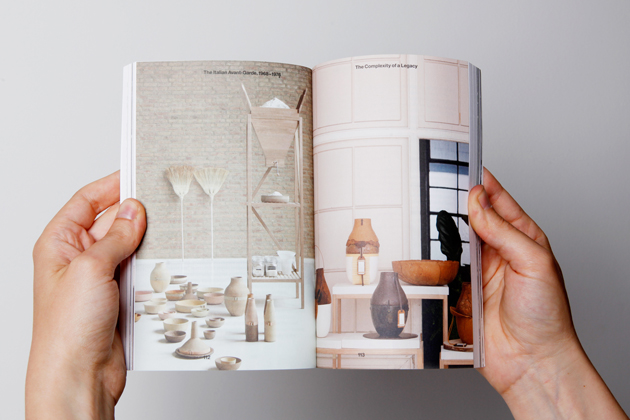
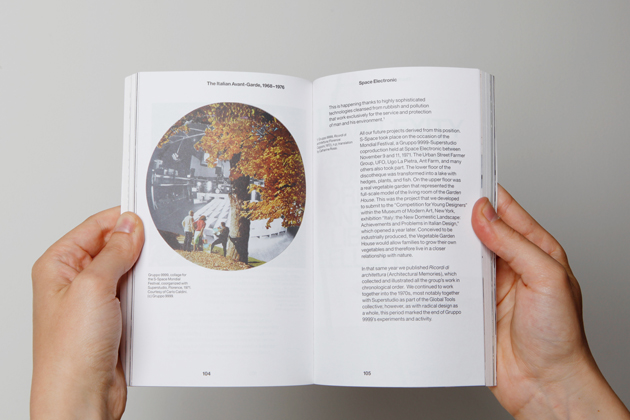
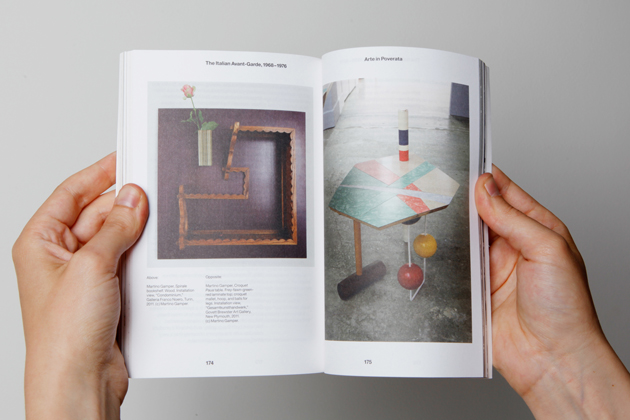
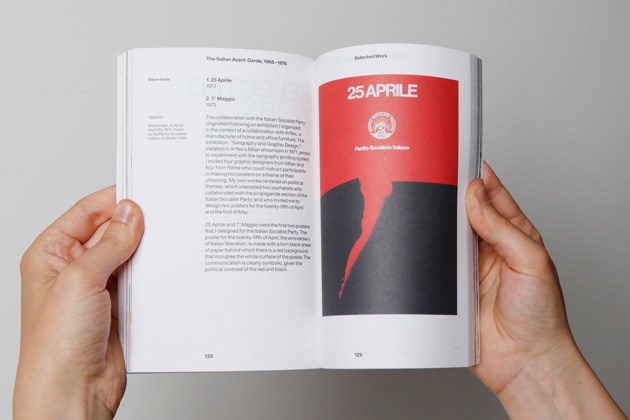
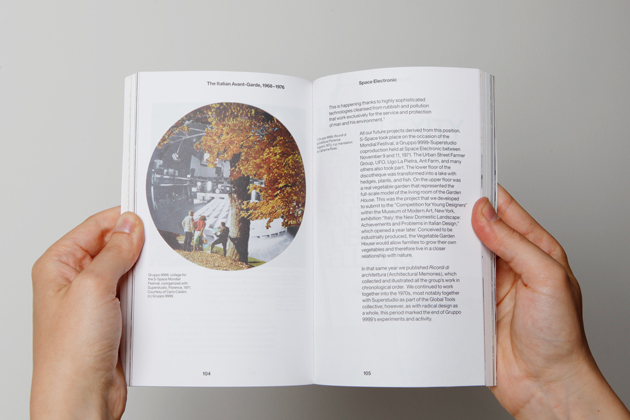
Even though design is usually all about materiality and useful objects, it nevertheless both gives form to the books we lose ourselves in, as well as presents itself as quite an interesting subject to read about. This is why a new project by one of the most socially and politically engaged art publishing houses, the German Sternberg Press, should be particularly well appreciated. Titled EP, this project poses itself between a bi-annual magazine and a book series, with the goal of analyzing relevant topics in a way that resembles an EP – a musical recording that contains more music than a single, but is too short to qualify as an LP.


The first ‘issue’ of this particular project is dedicated to “The Italian Avant-Garde 1968-1976”, discussed in a particularly engaging but breezy manner. The publication of this book is particularly interesting in the current period of profound political and social crisis, as it contextualizes a moment in Italian design history when its most interesting and thought-provoking projects did not actually relate to its widely renowned industrial excellence, but to its social role and moral duty. Offering (often contradictory) proposals for a new way of confronting our material environment, Italian radical movements have installed a constructive debate and fierce criticism, contributing in evaluating the role of objects in our everyday life.


Even though it relates to a subject that often appears in contemporary design discourse, the editors of this book were nevertheless aware of the impatience of contemporary readers. Hence, the book contains different types of content – interviews, bulletin points, short texts, essays – building a contemporary dialogue about the subject: connecting past and present, history and theory, practice and imagination, with illustrious contributors ranging from Paola Antonelli to Martino Gamper, from Joseph Grima to Michelangelo Pistoletto. 
Even though the subject might not be the most simple one, the particular structure of the book (and its delightful graphic design by Experimental Jetset), might actually qualify it for an excellent pre-summer read enjoying a spare ray of light and positivity offered by both our (currently) shy sun as well as the courageous radical designers of the past.


Rujana Rebernjak 
10/06/2013

When Attitude Becomes Form: Bern 1969/Venice 2013

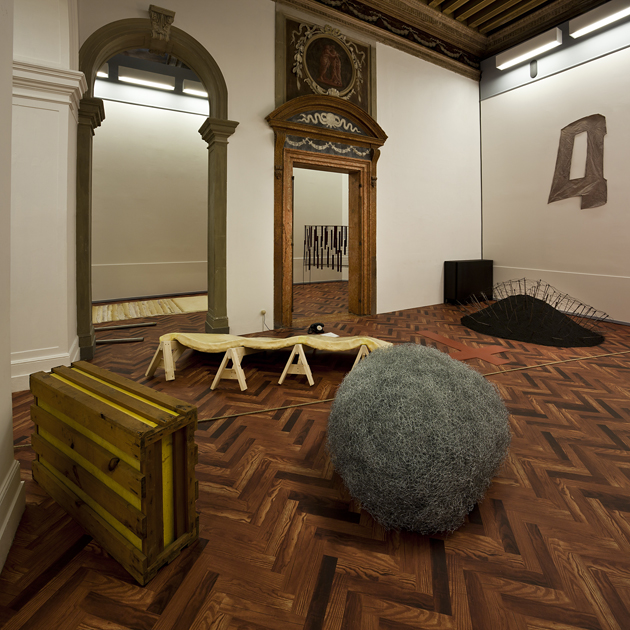
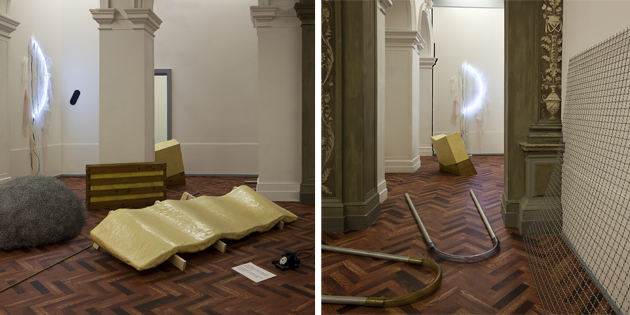
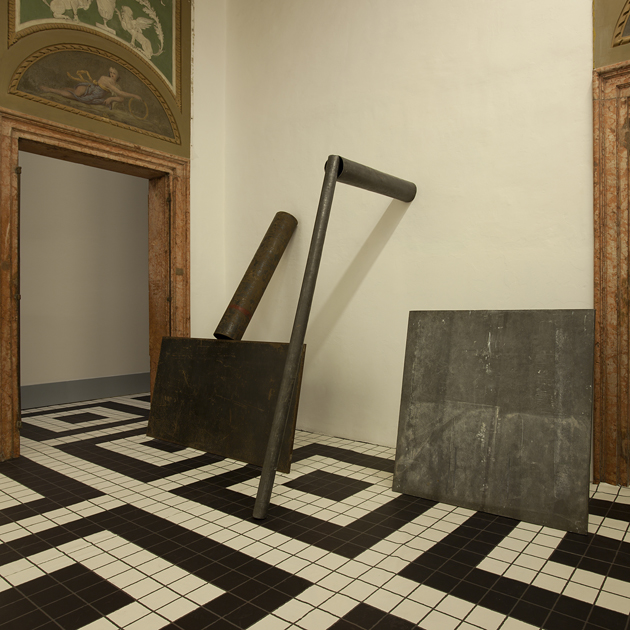
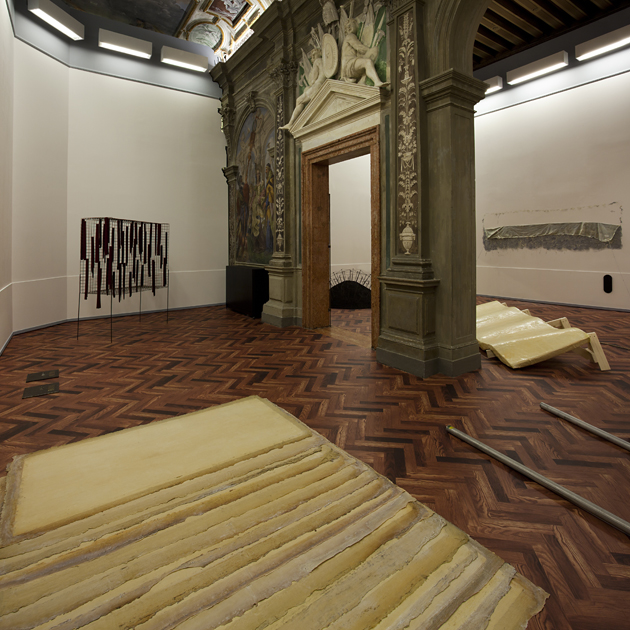
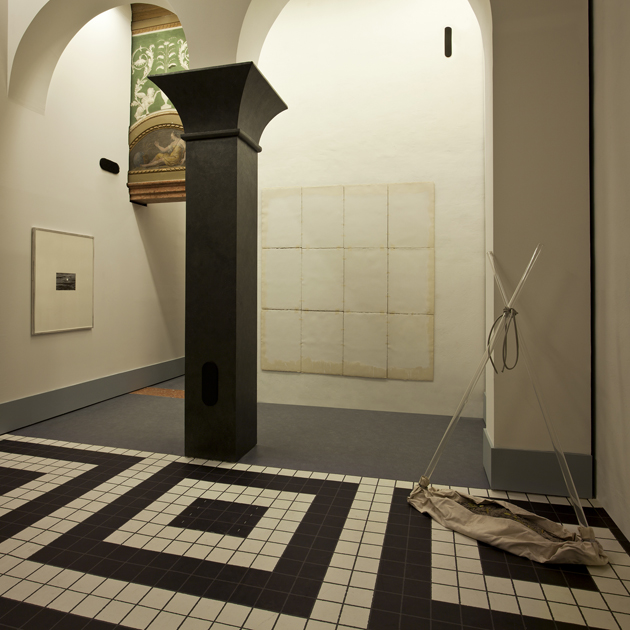
Flashback to Switzerland, 1969: the Swiss art historian and curator Harald Szeemann is curating the exhibition Live in Your Head. When Attitude Becomes Form with a group of young, revolutionary artists in Bern Kunsthalle, a moment that went down in history for Szeemann’s new and radical approach to the exhibition practice as a linguistic medium. Fast forward to Venice and the crowded preview days of the Biennale: Fondazione Prada’s Ca Corner della Regina is presenting When Attitude Becomes Form: Bern 1969/Venice 2013, an exhibition curated by Germano Celant in dialogue with Thomas Demand and Rem Koolhaas, as an reconstruction of the original show.


Revisiting the Post-pop and Post-minimal art of the time; from Conceptual art to Arte Povera and Land art, the show at Fondazione Prada is bringing together the original works presented at the Kunsthalle by artist legends such as Claes Oldenburg, Bruce Nauman, Eva Hesse, Joseph Beuys, Daniel Buren, Walter De Maria, Sol LeWitt and Lawrence Weiner. Despite (or perhaps because of) the two-hour-long queue to enter the Fondazione, the show turned out to be one of the absolute must-sees during the preview week.

Similar to how a generation of young artist occupied the Bern Kunsthalle, the richly ornamented Venetian palazzo and head quarter of Fondazione Prada has in turn been invaded by the Kunsthalle’s 20th century modernist rooms. White plaster walls have been installed inside the 18th century building, and the works have been placed in the exact same order as in the original exhibition. The project is based on Fondazione Prada’s and the Getty Research Institute’s research and study of documents, letters and photographs related to Szeemann and the 1969 show, and an analysis of over 1000 photographs made it possible to identify the works of the exhibition, and to make a precise mapping of what happened in Bern. The result is pretty breathtaking.

Thanks to plenty of archive material and study centers, visitors can experience and analyze the show from the 1969 version until its transformed, present state. A program including meetings, lectures, live concerts and performances will also be accompanying the exhibition during its five-month run. When in Venice, don’t miss out on this gem.


When Attitude Becomes Form: Bern 1969/Venice 2013 is on view at Fondazione Prada between 1 June and 3 November 2013.

Helena Nilsson Strängberg 
10/06/2013

The Charm of the Discreteness

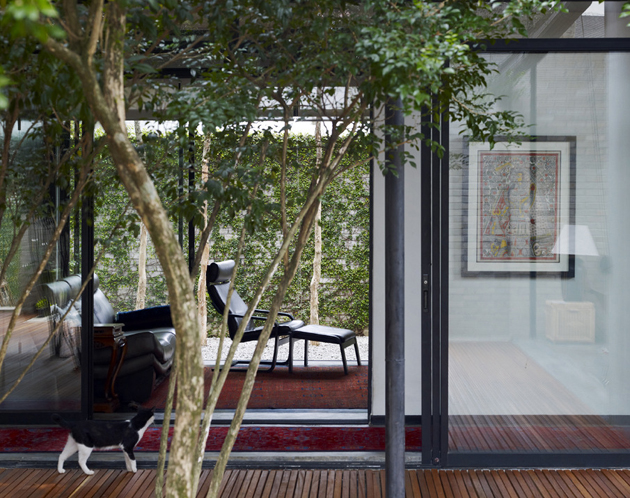
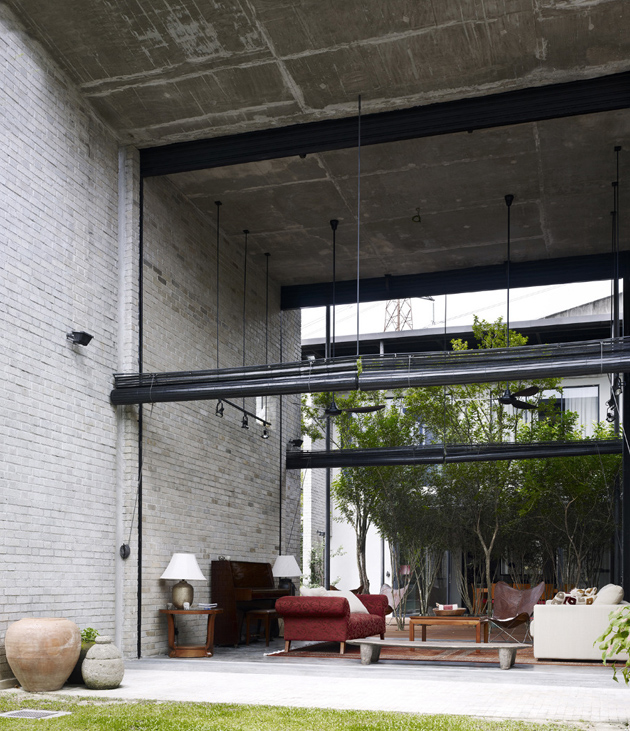
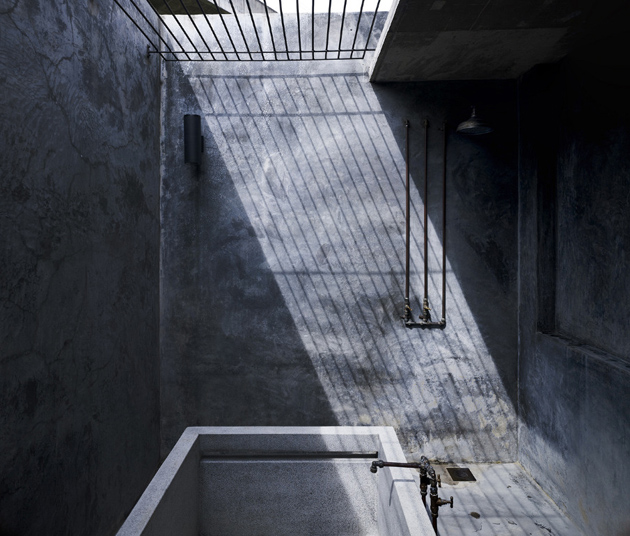
Flipping through the magazines we see that the projects of new buildings, but also of the design objects of daily use, are losing character. Intensive use of “cold” materials and hightech, the oversize has separated us from the spiritual property of our sites, our spaces and objects. This is why designers like Kevin Low seem to be able to save what remains of a design well-made, calibrated, that can relate back to our things, big or small they are.


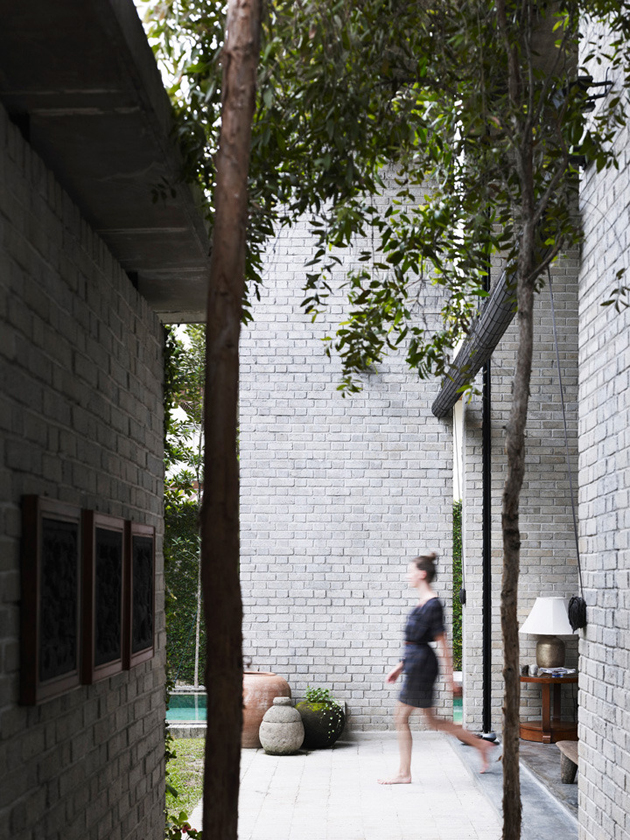
Kevin Low, despite the studies in the United States, returned to his native land Malaysia, and proposes a design rooted in its origins, local, using basic materials that are handed down over time and with a certain tactile charm, wood and iron above all. His projects are small, as he tells us with the name by which it occurs – “Small Projects” -,
 but are heard and followed by a manual approach, they’re always right.

The result that follows – objects, details, buildings with a special charm, wonderfully discreet and complementing spaces poetically – is certainly not big impersonal architectures. Low’s method could serve as a model for the transformation of design, being thin and camouflage instead of bold and impetuous. We should reflect on the work of the people like Kevin Low, and take a look at the studies of this type. For example Studio Mumbai in India, or many others in Europe – especially in Switzerland and Scandinavia – want to make us realize that design still means manual work, models, prototypes, evidence, making samples, intervening only at the end, trying to create discreet order and not distorting the places where we live. Maybe we need less automation and more low-tech materials and mechanical movements.


Giulio Ghirardi 
09/06/2013

Sunday Breakfast by Love For Breakfast

Everything I need this morning stays in a cup. Colors and strength.

Alessia Bossi from Love For Breakfast 
07/06/2013

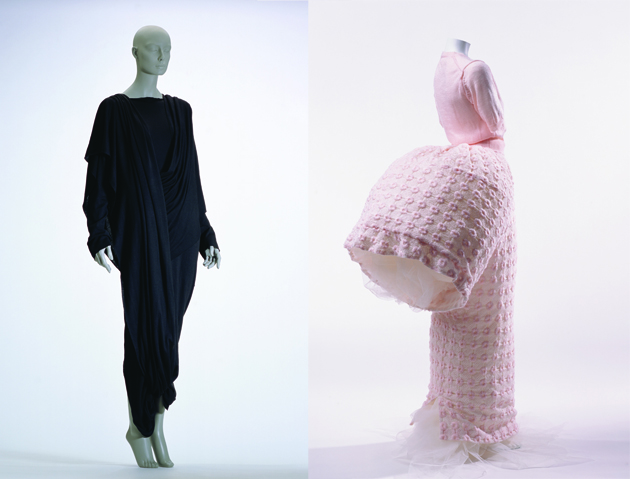
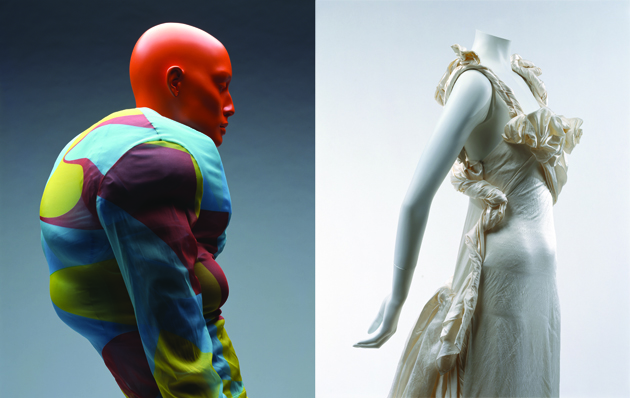
Future Beauty: 30 years of Japanese Fashion

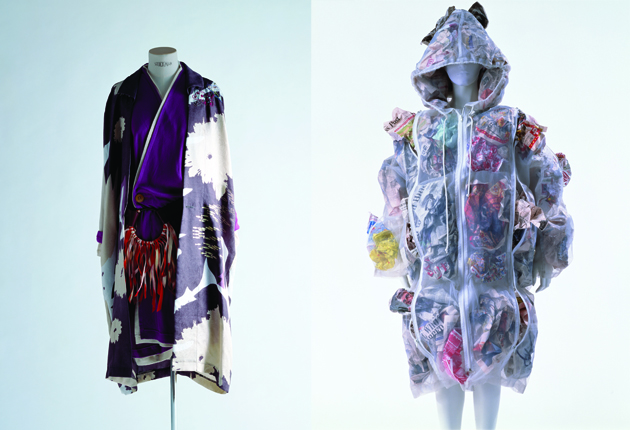
We started hearing about Asian designers during 70s, when names like Kenzo and Issey Miyake made their first step into Western culture. From that moment on, a new revolutionary wave was starting and it reached its peak in the beginning of 80s, just one decade after. 
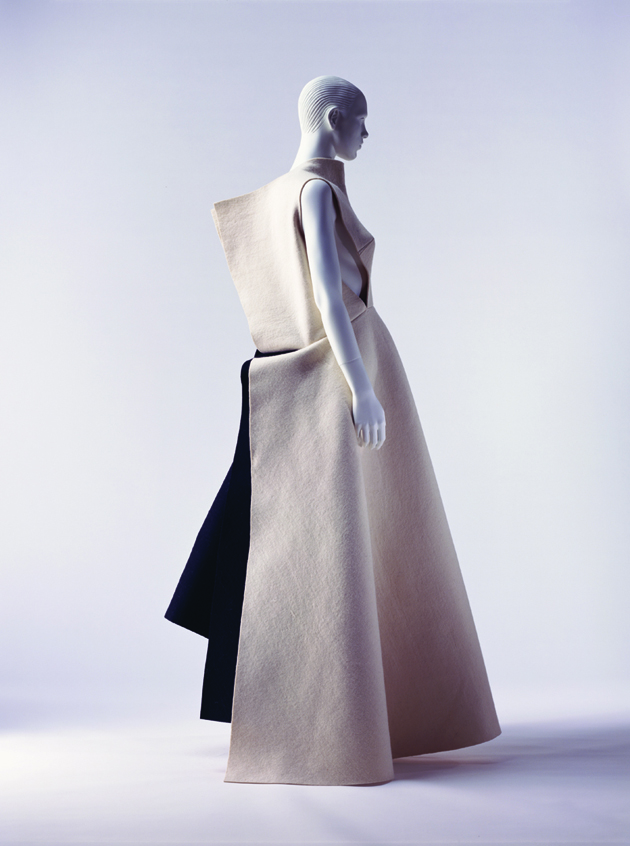
It happened that during Paris Fashion Week, in the summer of 1983, a scandal occurred. Two young designers from Japan, called Rei Kawakubo and Yohji Yamamoto, launched a completely new aesthetic based mostly on black – and a bit of white – and sort of ignored the usual female silhouette by using extra large garments and introducing the no-shape concept. 
The shows developed a series of open questions and statements from the fashion system itself, that started to call them the post-war generation.


Nowadays we dare to claim that the Asian fashion designers are considered the most innovative and inspirational ones worldwide. 
Three years ago at Barbican museum in London, an exhibit that showcased some of the most iconic Japan pieces took place. This year the show comes back at SAM, Simonyi Special Exhibition Galleries, in the city of Seattle. 
Curated by Kyoto Costume Institute director, Akiko Fukai, the exhibit aims to display the big names of East, such as Kenzo Takada, Junya Watanabe, Jun Takahashi, Rei Kawakubo, Yohji Yamamoto, Issey Miyake, through clothes, runway videos, photographs and magazines. 
By starting from the very beginning until the more contemporary times, the exhibition gives the visitors a complete view of the increasing evolution of Japanese fashion.


The show will be open from June 27th until September 8th.

Francesca Crippa 
07/06/2013

On High Ground

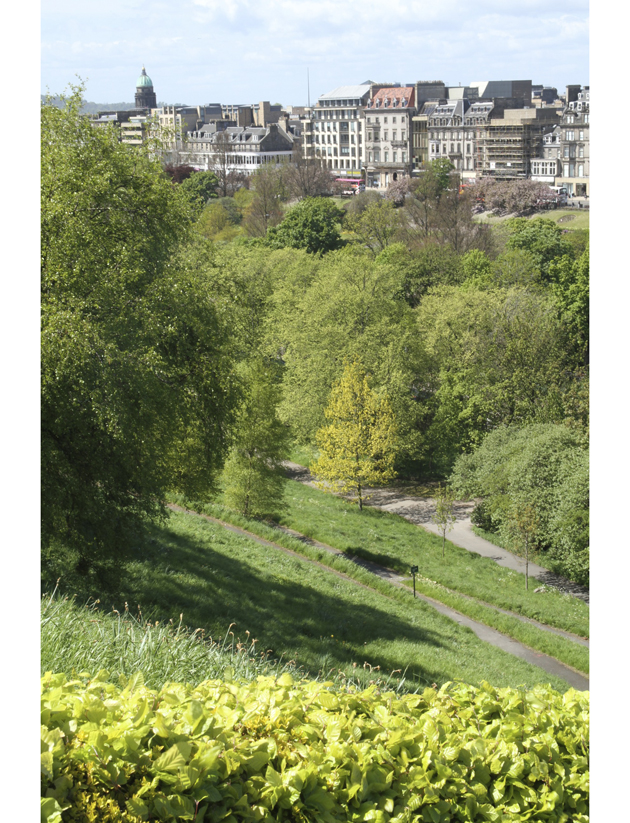
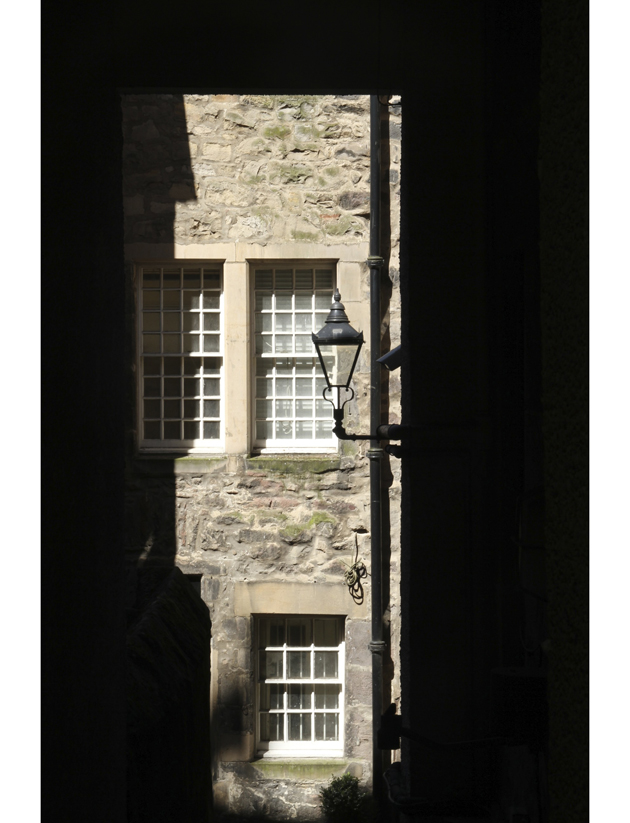
The heart of the global theatrical, artistic and comic community every August, Edinburgh is a city of soaring volcanic hills, ghost-guarded closes and culinary daring.

The biggest attraction is the Edinburgh International Festival, which runs alongside the somewhat adventurous yet thoroughly captivating Fringe Festival – a month-long celebration of all things creative and laughter-inducing. But the city exists apart from these festivals. Scotland’s cultural and traditional capital, a UNESCO city of literature, and hugged by the North Sea, this is a place of history, national pride and rocky hills that are well worth a climb.


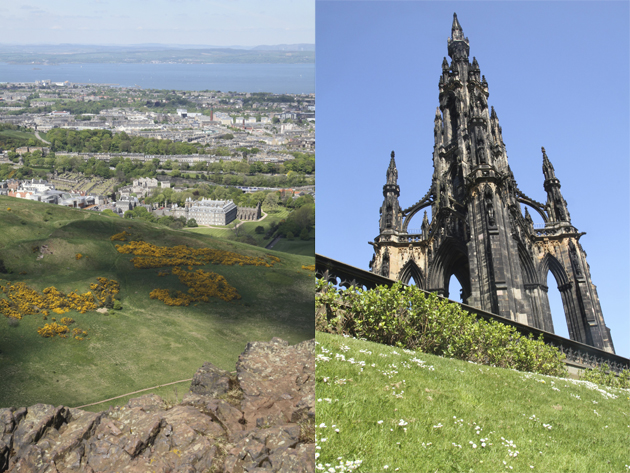
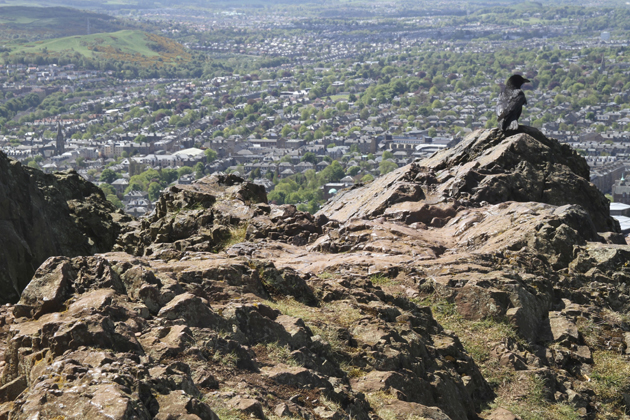
Robert Louis Stevenson, a native son of Edinburgh, always claimed that the best view of the city was gained from Carlon Hill. A weathered, monument-covered hilltop, this was Edinburgh’s first public park and was formed by volcanic activity 340 million years ago. Once used for bleaching, it’s now frequented by those keen to snap a cloudy, atmospheric shot of the moody city. Found at the far east of Princess Street, from here you can spy the port town of Leith (where the Britannia now resides), Arthur’s Seat, Salisbury Craigs and the surrounding countryside.

On the subject of Arthur’s Seat, that’s another Scottish treasure worth tackling. Found in Holyrood Park, this climb is short but steep. From the summit, if it’s not too blustery, you can spy the entire city below you with the Royal Mile – stretching from Holyrood House, once the home of the ill-fated Mary Queen of Scots, to the Edinburgh Castle – appearing particularly alluring. Overlooking the sea and adorned by a ruin or two, you’re unlikely to hear the call of a bagpipe up here. Moving and dramatic as they are, they do get a bit much after a few days in the city.


Naturally, this sort of climbing brings on peckishness. But fear not, Edinburgh is a town where foraged foods and local produce are utilized and adored. At Wedgwood the vivacious character that is Head Chef Paul Wedgwood creates dishes inspired by his global travels and filled with ingredients he foraged himself. If you’re going to brave haggis, brave it here. Then there’s the Larder Bistro, where the team works with local farmers, fishmongers, fruit, vegetable and drink suppliers to create a tempting seasonable menu. With a range of characterful suppliers and a love of all things local, this is where you head for a contemporary taste of Scotland. If it’s a view you’re after, accompanied by pickled vegetables or salmon prepared three ways, then venture to the Tower, attached to the National Museum of Scotland. Here you’ll feast on a rustic menu while watching the Edinburgh skyline transform beneath a seemingly endless sunset. Hills, panoramas, food and festivities, there’s a lot in this city to love.

Liz Schaffer 
06/06/2013

4 Questions To – Margaux Lönnberg

She is the Parisian girl who looks Scandinavian and has a name that is the perfect clash of her heritage: part French, part Danish, part Swedish, part Finnish. She spent her years growing up between Paris and Morocco. She’s the blogger-turned-designer whose style, taste and personality have made her somewhat of a muse. She’s the girl who doesn’t read the questions before our interview because she prefers to respond naturally from her head and heart. The Blogazine got a moment with Margaux Lönnberg and got to know her honest and charismatic persona.

You’re recognized as blogger, model, designer, muse… what would you, yourself, say that your ‘title’ is?

Well.. I would like to designate myself as designer, regarding that I design my brand! Muse, yes, I think I’m a muse in certain ways for certain people: maybe for the blogosphere, for a few creatives and photographers, and it’s something I always loved. But today I present myself as a designer. It’s what I always wanted to do and it was for this reason I started my blog to start with. I already designed a bit before and with the blog I could create my own universe with all my inspiration and music et voilà, now I have my own brand!
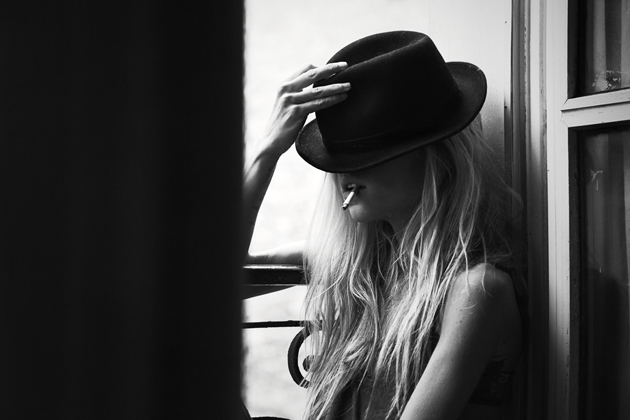
Speaking about your eponymous brand, Margaux Lönnberg – the collections seem to be a reflection of your own wardrobe. Are you your own muse?

No, but I’m inspired by my own taste, of course. Though, my taste comes from others – I don’t think my taste comes only from me, but is something that is created through the people around me! When I design and in everything I do, I find inspiration in photography, images, music – above all, music! My blog is full of music! – cinema, books.

I have my style and I try to design the things I like and that I don’t find, the things I think are missing – the brand is about style and not about making something that is ‘in fashion’ or trendy, and it is what makes it interesting. I don’t follow fashion, at all. I’m not looking for women saying “this out of fashion, it’s passé – I’ll throw it away”. I’m creating a style, something that last.
If not Paris, where would you live?

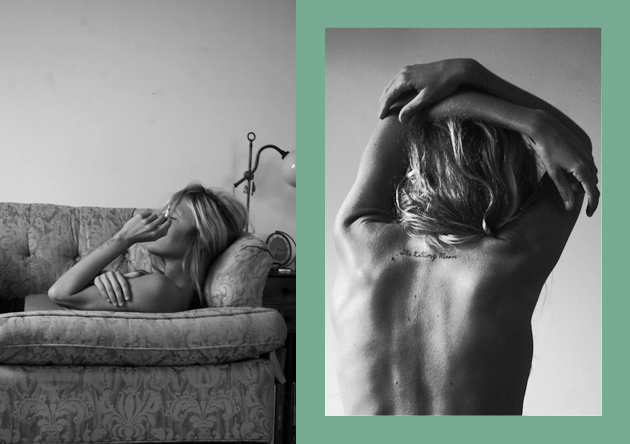
I’d have to say New York. New York is a city where people really do things. In Paris people are a bit.. soft, they don’t do things for real, thoroughly. In New York people work hard. Then you have the architecture, all the different quartiers, neighbourhoods, all these places that create a city, and it’s a city that is rich. Rich in everything! Though, it’s a very rapid city, the people really speed, which stresses me a little, I like things a bit more cool. But the answer is New York – every corner of the city is truly inspiring.
What’s the one piece of clothing you couldn’t do without?

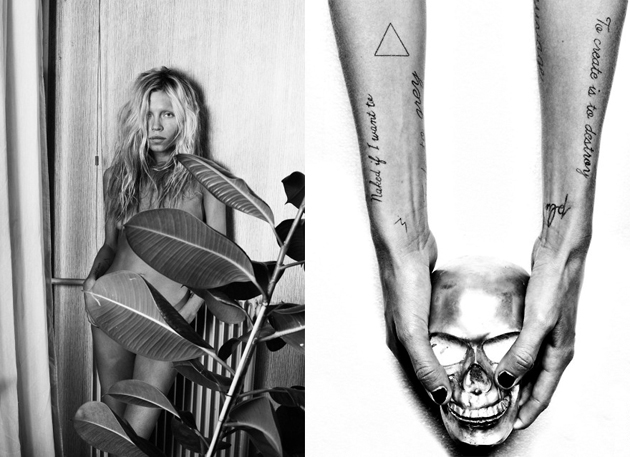
Le t-shirt blanc! A white tee is the basic that you can wear with everything: jeans, pants, skirts, during the day, during the evening, in the night. Then there are plenty of other pieces of course, but a white t-shirt really is my wardrobe favourite and it’s a piece I wear all the time.
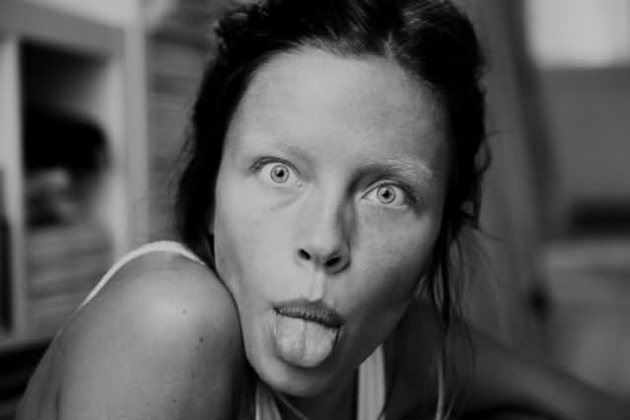
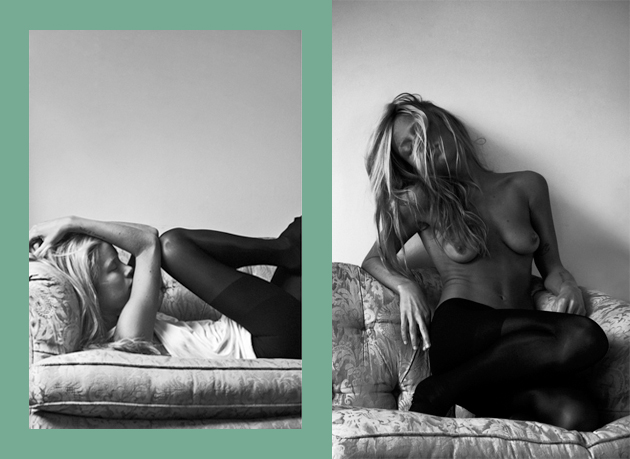
Interview by Lisa Olsson Hjerpe 
06/06/2013

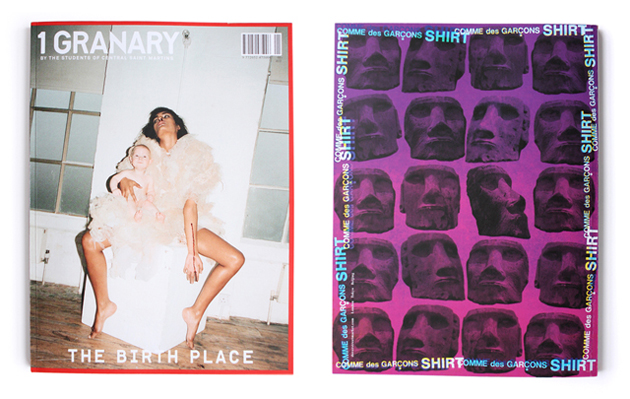
1 Granary – By Students For Students

Central Saint Martins students have recently released their last project: the printed version of the online platform
1 Granary. Just over one year after the launch of the blog, they decided to turn it into a real tangible edition by creating a collectors’ magazine with a limited circulation of one thousand printed issues.


Over the last years we have seen several annual and bi-annular magazines taking their place in the newsstands, but what makes 1 Granary magazine different from other similar publications is that it is completely composed by the school’s graduates as well as the freshmen. The project that started in 2011 got its name from the place where all courses of the school had been reunited in a single venue: 1 Granary Square, London.

The idea of using the school’s address as the name of the magazine aims to extend the location where the students can share ideas and projects without feeling pressured or fearing to be misunderstood. The magazine wants to become a foothold for all Central Saint Martins students, helping them to grow in a familiar and open reality, while experimenting with various paths. Olya Kuryshchuk, editor-in-chief and BA scholar, seeks to create a source of inspiration by students for students, but more than that, the magazine can also be a way of opening the doors to a wider public, showing insights of the everyday life and work of CSM.


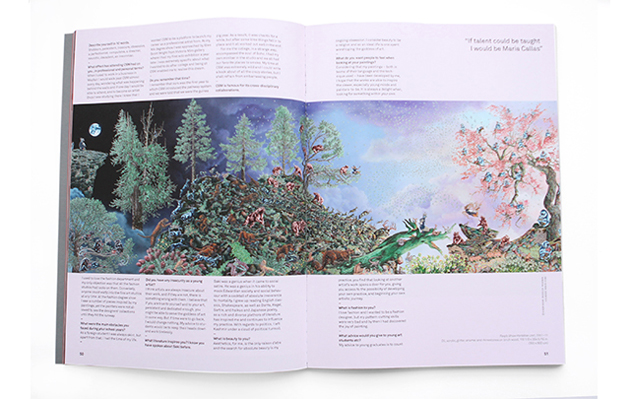
The magazine’s two hundred pages are filled with photography, art and everything related to the subjects of the studied courses. Emerging talents are featured alongside the well-known names, and content such as an interview with the Sex Pistols guitarist Glen Matlock, a tale about John Galliano’s early school years and a fashion editorial styled by Katie Grand, Love Magazine editor. By bringing something digital to a printed form, uniting the two platforms, 1 Granary also forms a new creative wave with insiders under the same cover, both attempting to push a fresh growing generation into the fashion field.

Francesca Crippa 
05/06/2013

Memorable Fashion Moments

Fashion moments are those flashes of fashion that linger longer than a season. It is not a mere description of a runway look but a piece of history or a definition of a memory. In Baz Luhrmann’s The Great Gatsby the costume design was almost as important as the storyline, which brought in mind a few other historical fashion moments.

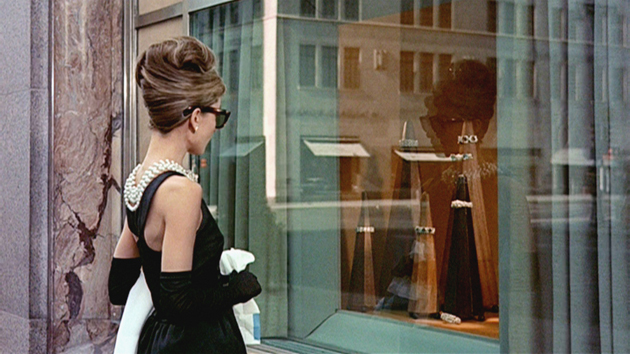
Audrey Hepburn walking down 5th avenue to the notes of Henry Mancini is an iconic scene from Breakfast at Tiffany’s. Her black dress was something that gave the little black dress a permanent place in the fashion hall of fame. The dress designed by Hubert de Givenchy was simplistic, yet the dipping back of the neck brought thoughts to the eastern culture of the Geisha giving it a unique quality. In a way this is something that can give an ironic comment on the Holly Golightly character.

When receiving an Oscar as Best Actress for her role in Million Dollar Baby, Hilary Swank wore a dress by Guy Laroche, also glancing backwards. The dress consisted of 27 yards of silk and seemed quite demure in the front but surprised as the back was exceptionally low cut. The sheer surprise of the dress shape and the minimalistic feel helped to form a new opinion of the saying “less is more”.
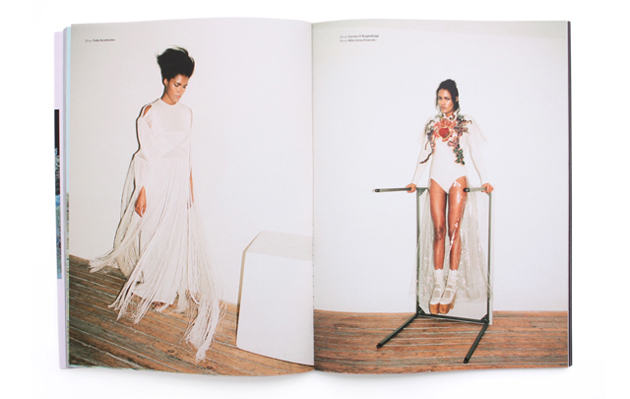
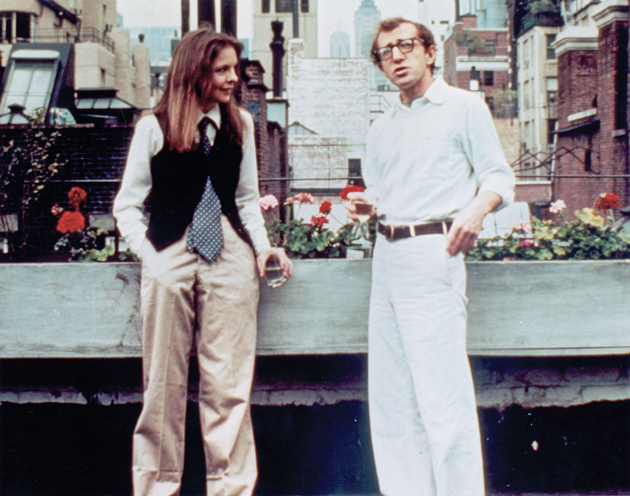
Diane Keaton’s Annie Hall reinvented the term “androgynous” through her look of layered menswear. Introducing the la Garçonne in a whole new way by mixing up a more dandy look with long hair and neutral makeup. The 70s have been a fashion inspiration for many years now, and the Annie Hall-look – which takes inspiration from other eras – creates a vague time continuum making it easier to be timeless.

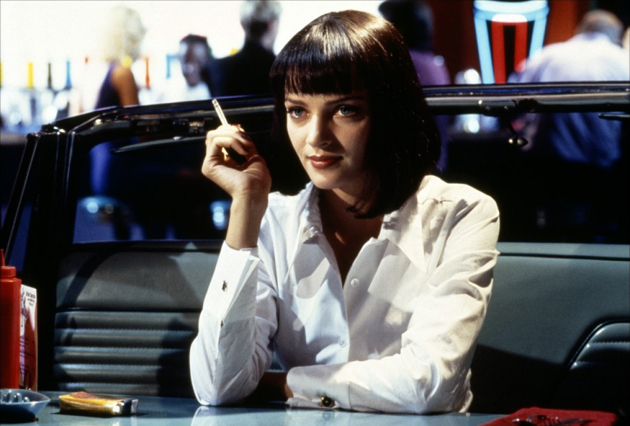
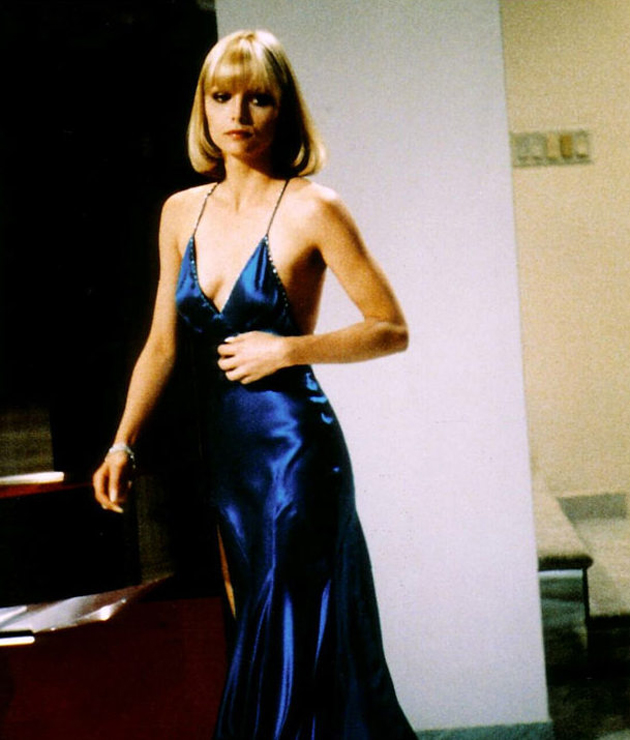
These are a few trips down the fashion lane which is paved with many more moments. Uma Thurman in Pulp Fiction and Michelle Pfeiffer in Scarface are other perfect examples, everyone surely has their own favorites among the many. The paving keeps adding new stones to the lane such as the pink suit á la Gatsby.

Victoria Edman