23/07/2013

The Spirit of Utopia at Whitechapel Gallery

Is it legitimate to ask the art world to contribute to social, cultural, political and economic change? If so, how can it publicly contribute to such change? Throughout the last century artists have often asked themselves probably the exact same question, thus developing forms of artistic practice that actively challenged the preconceptions of our society. Even though the concept of public art might have often been misunderstood, in its most eloquent outputs it has definitely proven that the art world can actively contribute to social change. It is necessary to notice that, when art does engage with the problems of the society, it often does so using the tools of design, as can be seen in the latest exhibition currently on display at Whitechapel Gallery in London.

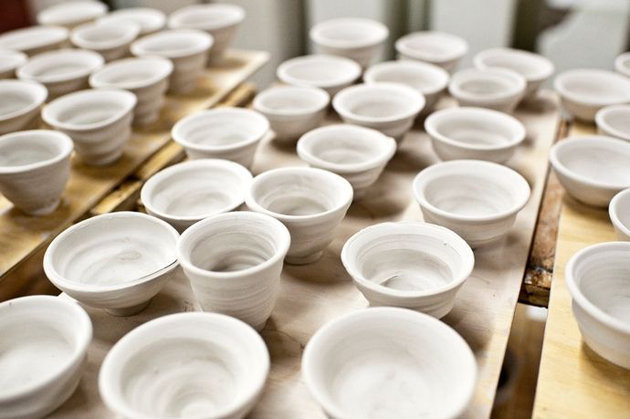
Titled “The Spirit of Utopia”, the show departs from Ernst Broch’s seminal book “The Principle of Hope”, elaborating ten proposals for possible future development of our society. As can be seen from the installations exhibited, the artists and collectives involved have channeled their artistic practice through design tools, which often proves to be remarkably adequate in addressing such socially relevant issues as the ones this show tries to investigate. Hence, the exhibition includes projects like “Soul Manufacturing Corporation” by Theaster Gates, which stages an on-site pottery making laboratory, training apprentices and investigating skills, teaching and crafts as contemporary re-enactments of Morris’ ideals embodied in labor.

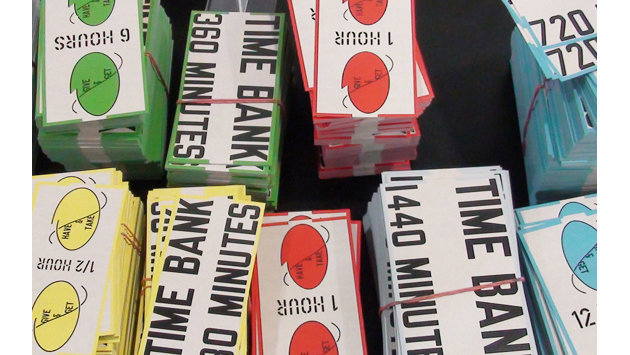
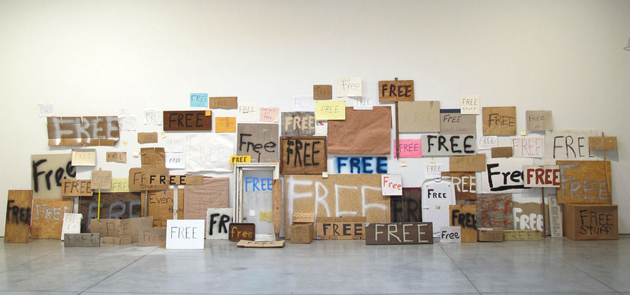
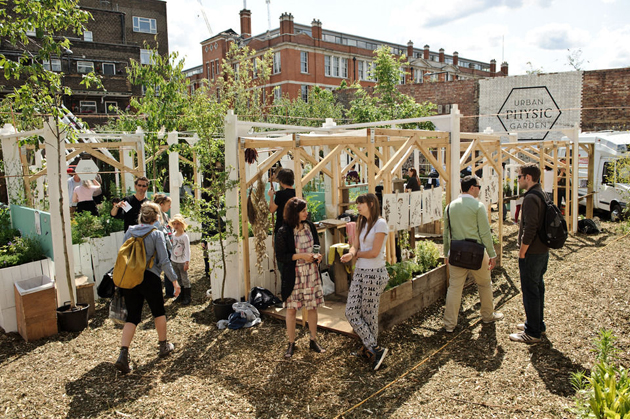
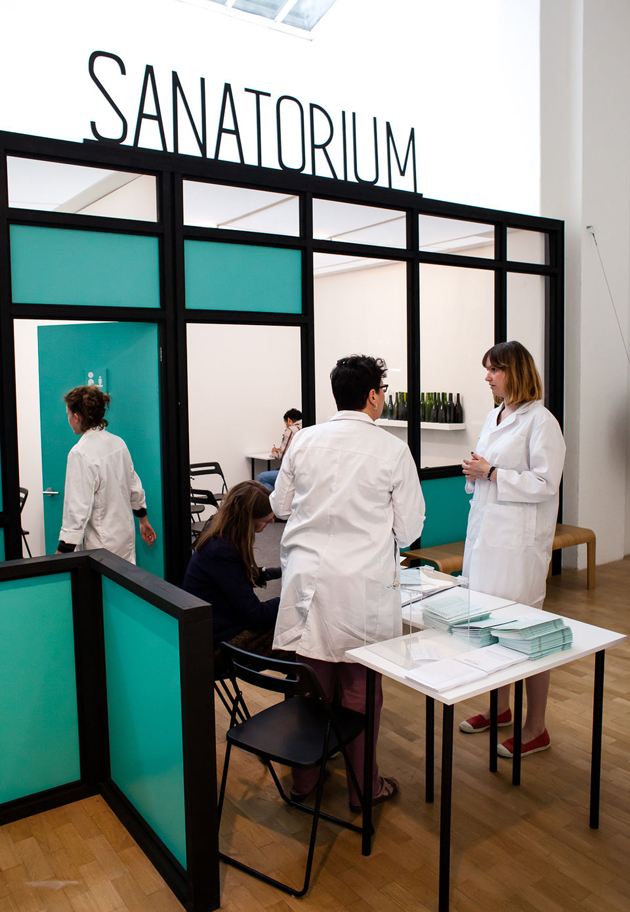
Our relationship with the nature, on the other hand, is addressed by the Londoner collective Wayward Plants, who “fuses new possibilities in food production with scientific narratives, from futuristic seed gardens to sending plants to space”. The show investigates nearly all aspects of contemporary life, such as alternative economies – with Time/Bank platform and Superflex collective, psychological health with “Sanatorium” project by Pedro Reyes, or the role of cultural institutions through the work of Peter Liversidge.


Even though the show lacks concrete proposals for solving problems our society will surely run into in the near future, “The Spirit of Utopia” nevertheless offers a clever insights on the potential of art and creative practices in dealing with issues that go beyond the boundaries of the art world itself. “The Spirit of Utopia” runs until the 5th of September 2013 at Whitechapel Gallery, London.

Rujana Rebernjak 
22/07/2013

Clothing For Art

There is a lot of talk about art and fashion, and rightly so, since these two fields seem to be connected at least from the beginning of the 20th century, when artists like Sonia Delaunay (Ukraine, 1885 – Paris, 1979) and Oskar Schlemmer (Stuttgard, 1888 – Baden-Baden, 1943) designed haute couture creations, up to this day when important fashion houses are more and more attracted by art, creating collaborations among the two different worlds popping up like mushrooms.


But this is not precisely what we want to talk about today. Our interest is more related to a less-considered aspect of modern and contemporary art and focuses on artists, who use clothes as means of expression. Analysing textures, colours, shapes, and, above all, psychological and political connotations of clothing, many artists have exploited its communicative aspects to look into the societies, referring to sexuality, gender, group identity, war and naturalism, thus facing public and intimate threats and experiences.


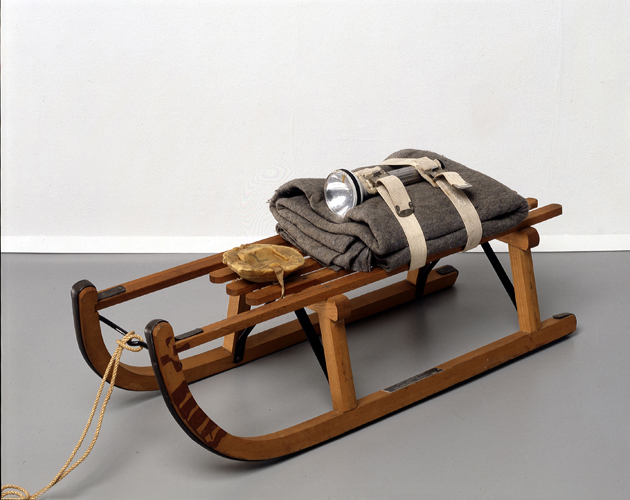
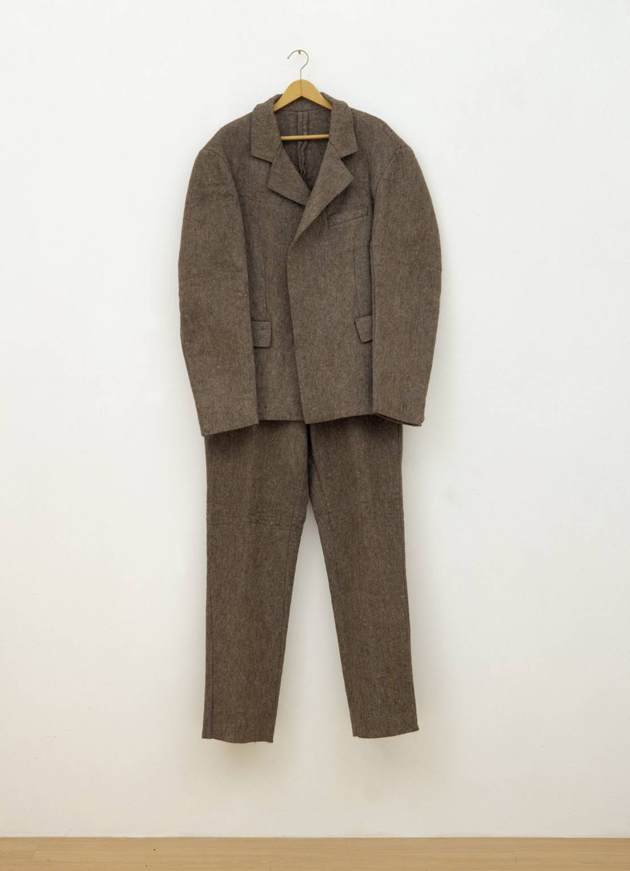
The Felt Suit by Joseph Beuys (Krefeld, 1921 – Düsseldorf, 1986) is part of a series of 100 exemplars tailored from one of his own suits (produced without buttons and with longer sleeves and pant legs similar to a uniform) and entirely made of felt, a fabric that the artist considered to be protective, “an element of warmth” for human beings. A belief coming from his experience during the Second World War – he was a pilot of the Luftwaffe –, when he was after an air crash rescued by nomads, who covered him with animal fat and wrapped him in felt following ancient medical practices.


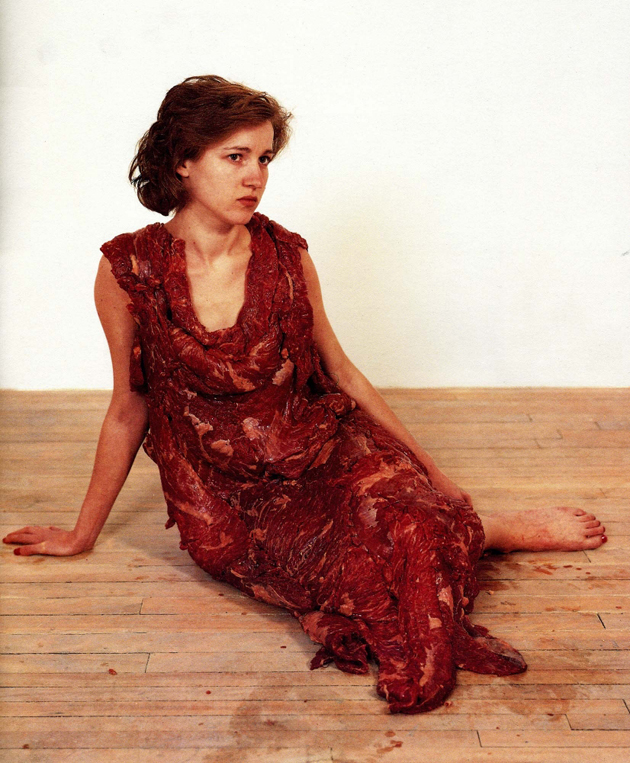
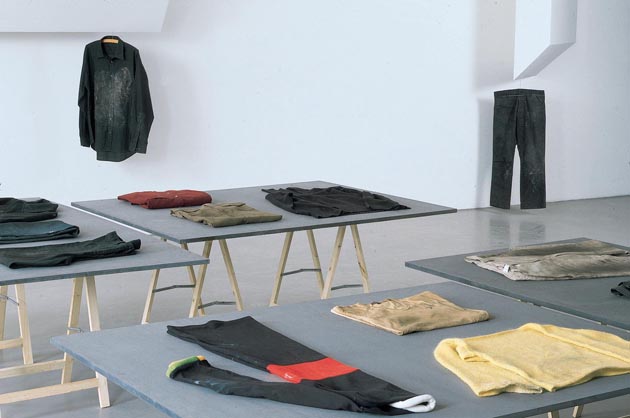
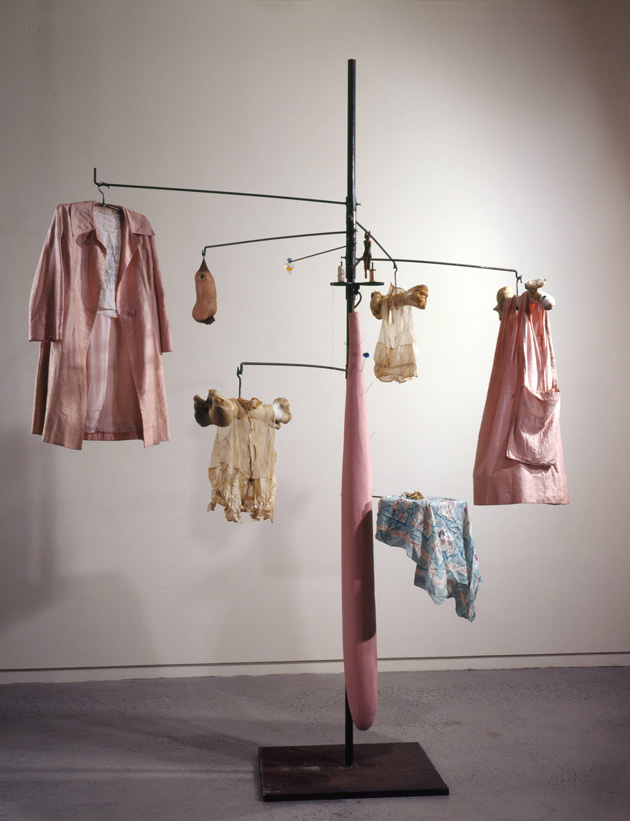
Louise Bourgeois (Paris, 1911 – New York, 2010) is another artist, who plumbed the depths of memory to create unusual sculptures made of embroidered handkerchiefs and women’s dresses hung with butcher hooks or imprisoned in unsettling cells together with bones and protuberances similar to breasts and penises. “When I was growing up, all the women in my house were using needles. I’ve always had a fascination with the needle, the magic power of the needle. The needle is used to repair damage. It’s a claim to forgiveness”, she said, and in fact needlecraft determined a remarkable role in her work. The knitted sweaters and balaclavas with patterns representing playboy bunnies, swastikas and hammer-sickle compositions, midway between decoration and social criticism by Rosemarie Trockel (Schwerte, Germany, 1952); the Worker’s Favourite Clothes Worn While S/He Worked created by the Bosnian-French Bojan Sarcevic (Belgrade, 1974) thanks to the help of fifteen people (bakers, bricklayers, cooks, carpenters etc.), who accepted to wore the clothes of a fashion designer while working, leaving them dirty and ready to be exhibited to pay tribute to manual work; the uncomfortable dresses by Jana Sterbak (Prague, 1955) made of flesh and cables; or the funny shapeless jumpers by Erwin Wurm (Styria, Austria, 1954) are just some examples of works realised turning ordinary garments into artistic media to express diverse, sometimes primitive, feelings, concepts and poetics. 
Art as fashion has its trends.


Monica Lombardi 
21/07/2013

Sunday Breakfast by Love For Breakfast

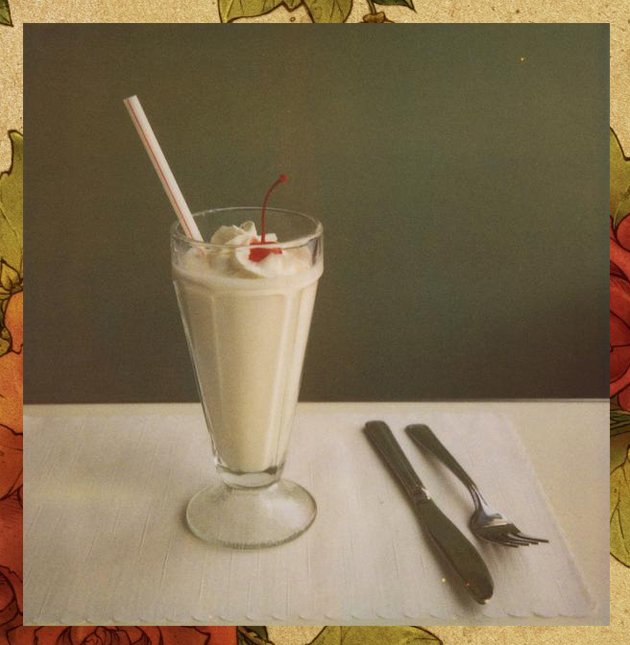
A classy, easy and sweet moment with one of the things I love the most on earth: milkshake. Let’s start this day with a cherry on top.

Alessia Bossi from Love For Breakfast 
19/07/2013

Copeland Book Market

Even though our beloved cities are turning into steam baths and there is nothing we would rather do than soak in some sun while listening to the ocean somewhere far far away, we might still be stuck working behind our desks and, thus, find ourselves in the need to fill our weekends with something jolly to do. Well, even if this phrase makes you even more angry for being still trapped on your working spot, there might be something nice for you to do. Well, at least if you’re in London.


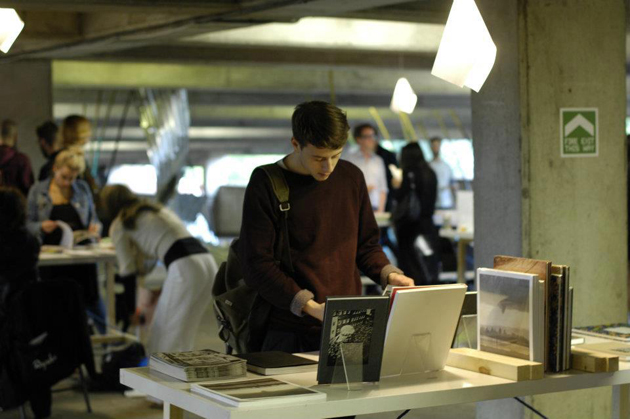
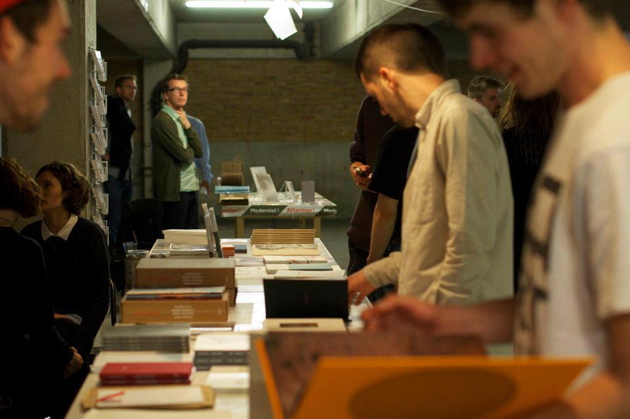
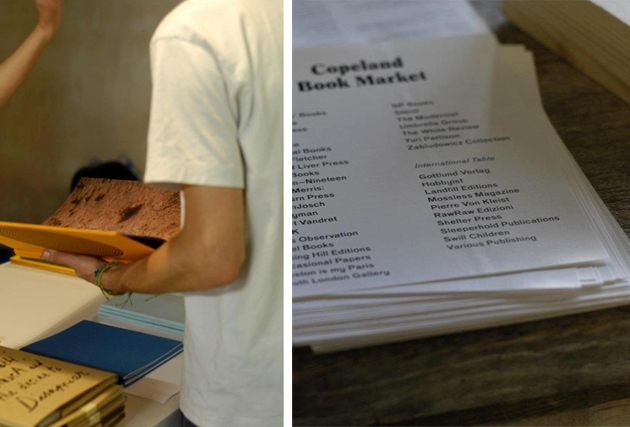
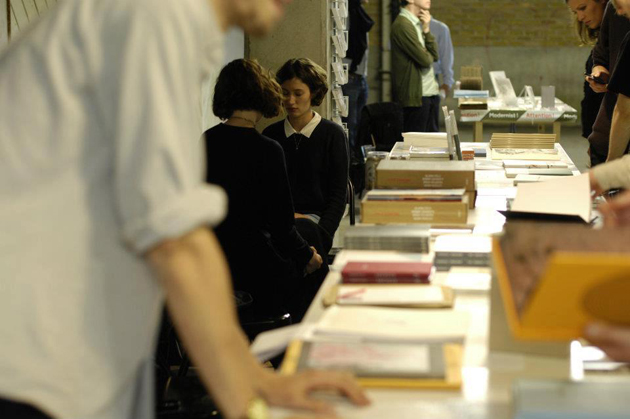
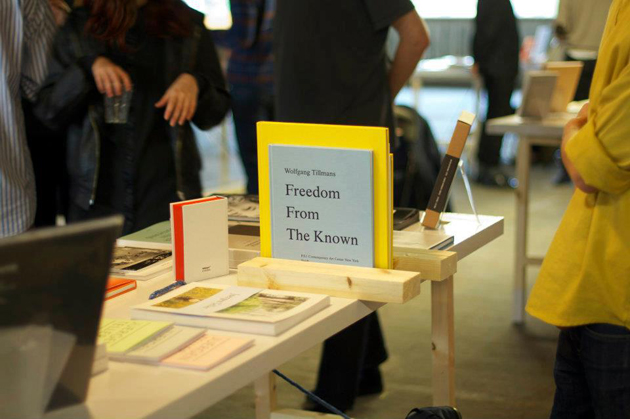
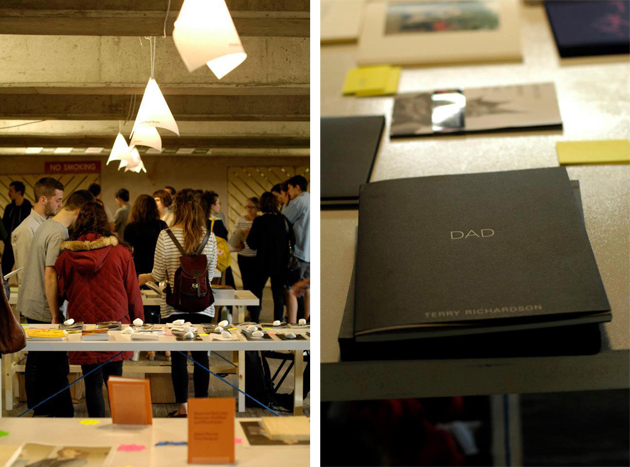
Copeland Book Market is an art publishing fair, which inaugurated its third edition yesterday. For four days, a curated group of book publishers, ranging from the established editors producing high-end monographs to small independent groups making zines and low edition artist books, will present their work and projects. Additionally, the project has set itself the mission of presenting publishers and works that are usually under-represented in London, hosting an International Table with projects developed by publishers who were not able to attend the event. Hence, among the participants you can find established publishers like Book Works, Four Corner Books, Gottlund Verlag or Morel Books, standing next to small and fairly unknown publishers, in an eclectic mix of products and ideas.


The event is tipped of with a series of performances, lectures and talks, held in a café, especially designed for this year’s edition by Rob Chavasse and Tom Saunderson. Named Central Café, it will be situated at the heart of the market as a “site for recording invited conversations and sound pieces, introducing a live performative element and animating the ideas exchanged in a market environment”. Even though spending another weekend in the city might not be your dream, if you do manage to check out Copeland Book Market, you might actually find a nice book to read when you finally reach your summer destination.


Rujana Rebernjak 
18/07/2013

Old Wood Design, Reclaimed Material Is Going Raw

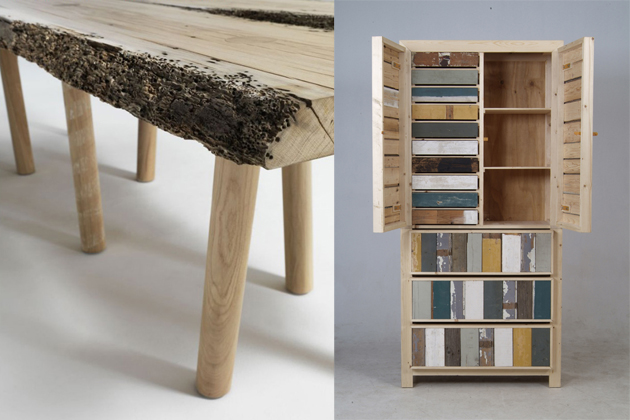
In the early 2000, Dutch designer Piet Hein Eek gained international recognition with his Scrapwood furniture collection, a set of cupboards, tables and armchairs crafted through a creative re-use of reclaimed wood. A genuine reaction to the pervading minimalism that had affected design during the 90s, his homemade style celebrated the beauty of old materials and the aesthetic dignity of no-waste culture.


Nevertheless, his glamourification of imperfection went one step ahead the mainstream bricoleur attitude seen before. Instead of assembling miscellaneous junk otherwise destined for the dump, Hein Eek succeeded to ennoble his furniture through a distinguishing feature, an artificial fossilization process under a thick layer of synthetic resin.

Ten years later, designers demonstrate to be more and more passionate about old wood and its potential applications. Riva1920, an Italian manufacturer devoted to massive wood processing, launched two years ago the “Briccole” program, a design competition inviting to refunctionalize the wooden posts that drive boats through the Venetian lagoon.


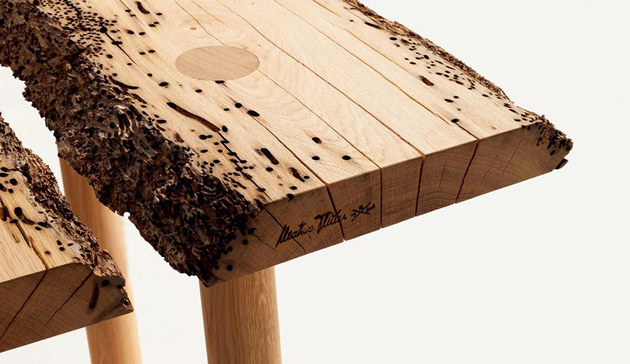
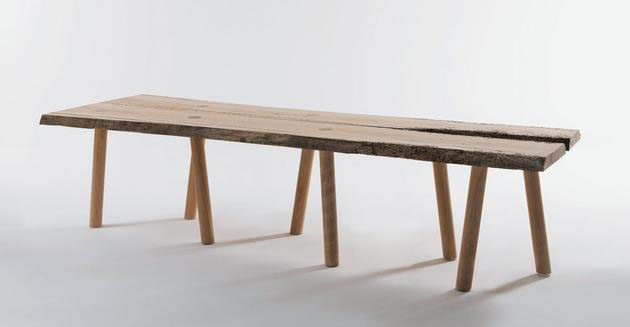
Among the 18 designers who joined the contest, Matteo Thun’s table is probably the most accomplished revamping attempt. Its tabletop, made from Briccole slices, is meant to appraise every flaw that comes from the corrosion of salty water, while brand new legs exalt the contrast between old and new wood. One more time, the result is not inconsistent and, above all, it avoids its most insidious risk: being rustic.

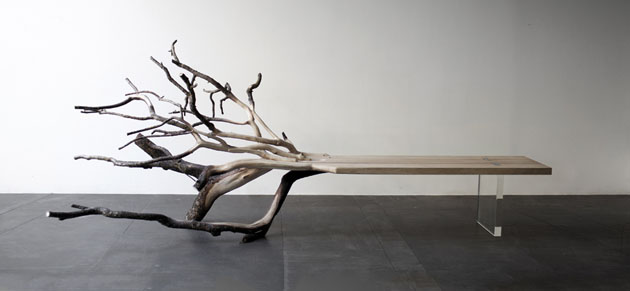
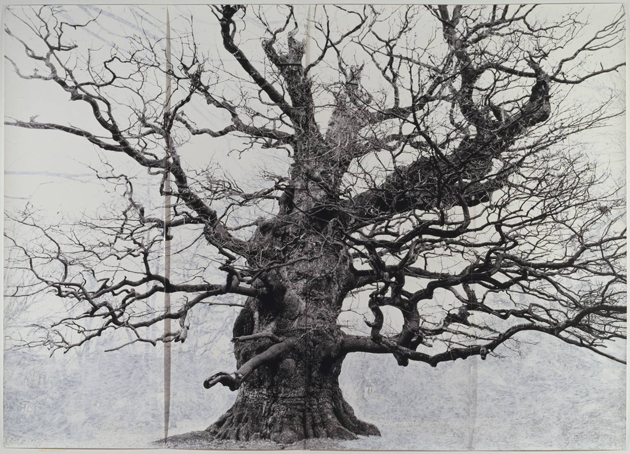
Finally, an innovative old wood design example comes from the 2013 edition of Design Basel, where the French gallery Ymer&Malta presented “fallenTree”, a limited edition table celebrating the raw aesthetics of a tree as a piece of art. Half table and half branch, this piece is not only a sophisticated example of contemporary cabinetmaking, with no rift between geometric and organic forms. Rather, the branch integration represents the very best achievement of the raw aesthetics: the most sophisticated form of design is to all appearances the most natural one.

Giulia Zappa – fallenTree photo credit ©Bernard Maltaverne & YMER&MALTA 
17/07/2013

European Fashion Schools: Istituto Europeo di Design

Istituto Europeo di Design, more commonly known as IED, is a fashion and design school that has been in business since the first campus opened in Milan, 1966. With a total of eleven locations in Italy, Spain and Brazil, IED works as an international network, offering short courses, three-year-programs, masters as well as one-year-diploma courses training young professionals. The school has since the beginning focused on the synergies between technology and experimentation. On top of the creativity aspect, the campuses concentrate also on the aspects of strategies and integrated communication, market issues and a new form of professionalism. The Blogazine spoke to Sara Azzone, director of IED Moda in Milan and Annaluisa Franco, coordinator and professor at IED in Florence, to find out more about a network that keeps on growing internationally.
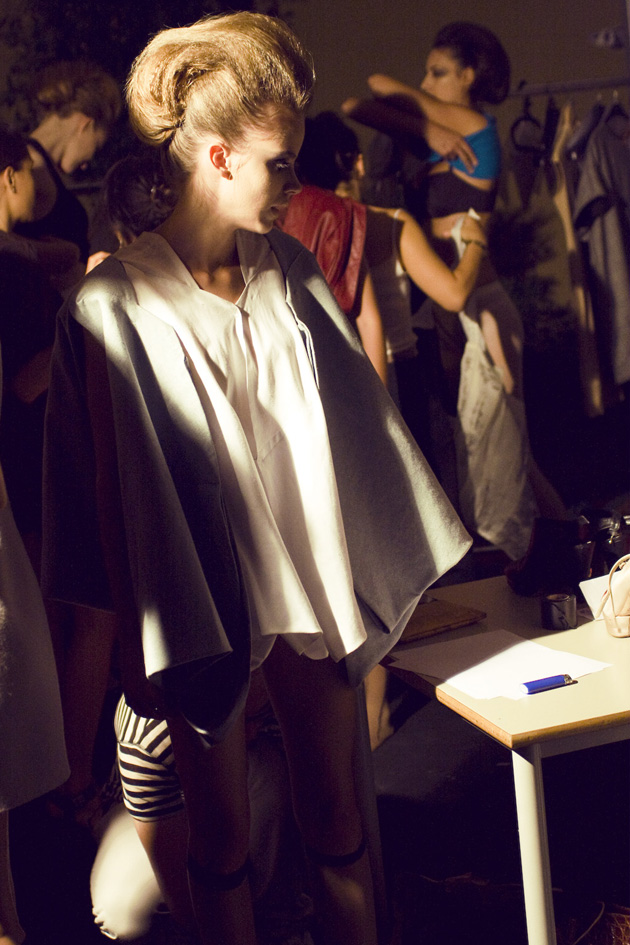
“It might sound banal, but we must rely upon the past to make the future. One great lesson of Italian fashion is to base creativity upon functionality, as a reason for the beauty of a garment. I do think this is of crucial importance to move forward to the next design paradigm and overcome the current crisis”, says Sara Azzone when we start talking about Italian fashion, the school’s heritage and the concept of Made in Italy. Continuing to speak about Milan as a student city she says: “For both Italian and foreign students, Milan is one of the few places in Italy offering an international and complete perspective on the world of design. This means two things: as for business, collaborations with renowned companies, multifaceted job opportunities and contacts with a myriad of people who belong to this world; as for fashion design, the opportunity to have a daily contact with fashion along with a real perception of what it is, in order to use it as a tool for personal and professional growth.”

Annaluisa Franco continues: “IED is not ‘just’ a fashion, design, visual arts or management school. The co-existence of these departments truly creates a community of fresh-minded people that learn a transversal approach to the current job market and have multiple skills.” As for what Florence brings to the table she replies: “IED chose Florence mainly for the accessibility that Florence and Tuscany offer to the design fields. Many of the best-known Italian companies worldwide produce, design and sell their goods in Tuscany first. This is particularly true for fashion and high-level design brands. The connection with the region, with the know-how and high quality of artisanal works is strong. It’s a dynamic situation that brings great benefits to the students. Not only are they immersed in the cultural heart of Italian Renaissance, though rich with inspiration, but they are also close to a lot of small, medium and large companies.”
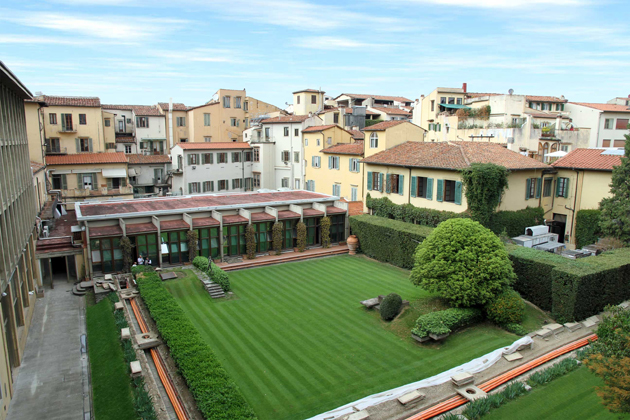
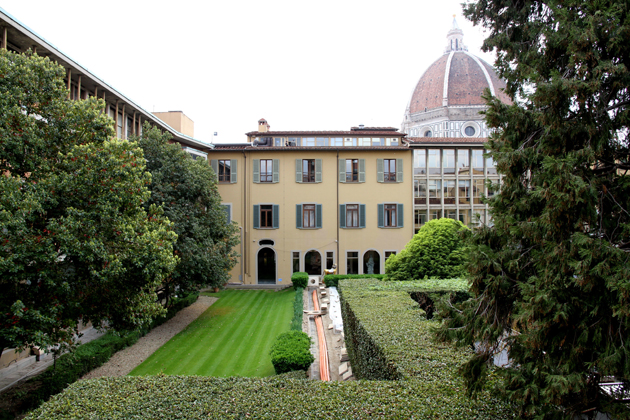
Both Franco and Azzone mention a strong relation between the different IED campuses but point out that each IED city maintains its identity, strongly connected to the culture and society of the country. A student won’t find the same undergraduate or master program in more than one location, however, the benefits of being an international network facilitates exchanges between campuses. All the IED venues also work with a variety of teachers coming straight from the professional world. “It’s fundamental” says Annaluisa Franco. The school uses an experiential, applicative and hands-on didactic approach, in which teachers who simultaneously works for companies within the industry become important. The students are given an every-day-view of the working world, where the true challenges, as well as solutions, can be discussed. “Professionals may take teaching classes to improve their in-class presence but if you’ve never worked in the professional world, you will end up having nothing to teach about.”

Sara Azzone agrees. “What makes the difference, of being a ‘good’ fashion school, is the capacity to prepare your students to face the demands of this world by training them as true professionals and giving them the opportunity to be constantly in touch with people working in contemporary fashion.”
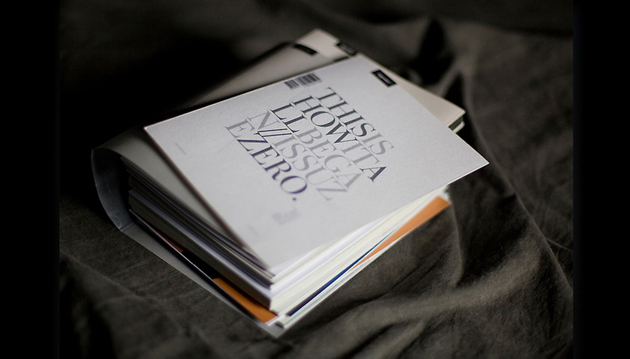
“At the risk of sounding blasé – the world is not what it used to be”, comments Franco when the discussion goes towards the difficulties of the business of today and the changes of an industry in constant progress. “What attracts people in fashion has changed, often these changes are still overlooked and non-defined. To only offer ‘fashion design’ when the industry is looking for social media experts, CAD-CAM modeling know-how or eco-innovators doesn’t make sense. The jobs and figures in the industry are new and therefore we, on the educational side, have to create a structure for something that others don’t know how to ask for yet.”

During its almost 50 years of existence, Istituto Europeo di Design has built up a dynamic and interconnected system – effective and stimulating and a place where its students can create their first network of connections. So, what is the recipe for success in a business that only seem to become tougher? “Read, watch, listen, talk to people, absorb as much as you can – there is no other way to be successful. Do not be afraid to express yourself – and of course, work hard.”
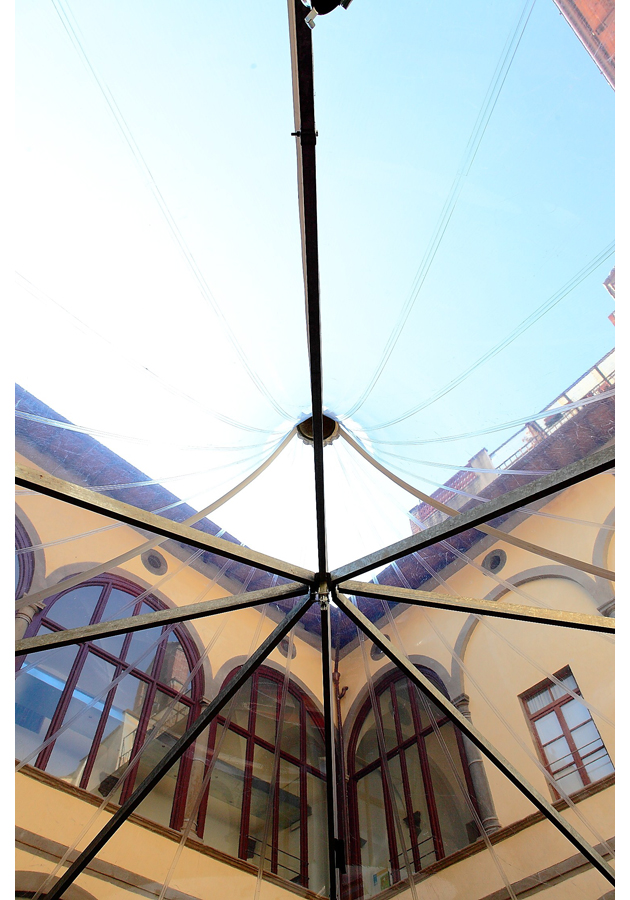
Lisa Olsson Hjerpe – Image courtesy of Istituto Europeo di Design 
16/07/2013

Minimal Housing Units: Diogene

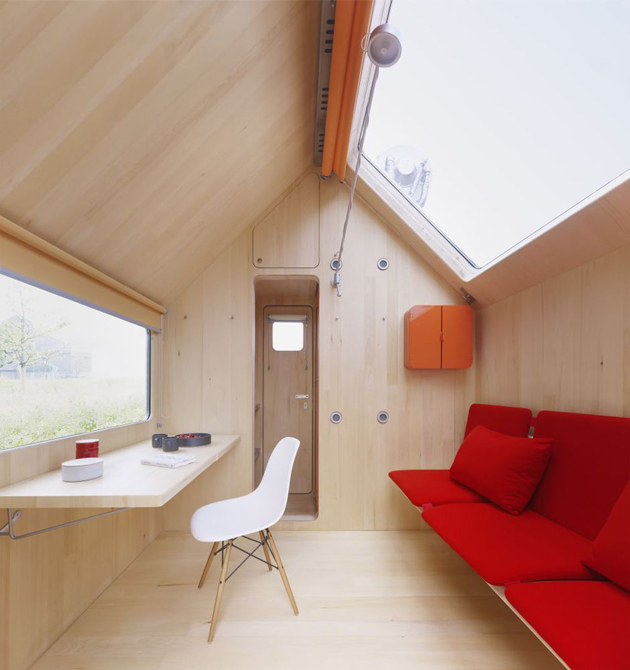
How much space does one person need to live in? Since forever architects, designers, builders and engineers have asked themselves the same questions, offering different practical solutions to the problem, while implicitly also posing questions about the nature of human existence within four walls of a structure we might call home. From the nomadic lifestyles embodied in a caravan, to tiny tree houses, the secret refugees of any child, from Le Corbusier’s “Cabanon” to Jean Prouvé’s “Maison Metropole”, these minimal spaces seem to embody an enigmatic quality of a solitary life in retreat, without giving up on the most basic comforts of modern life.

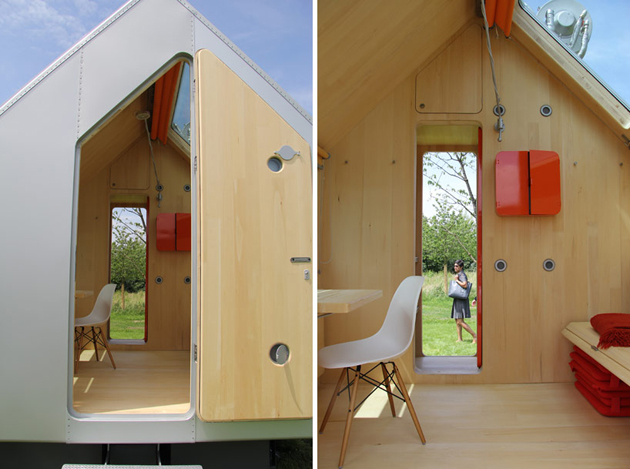
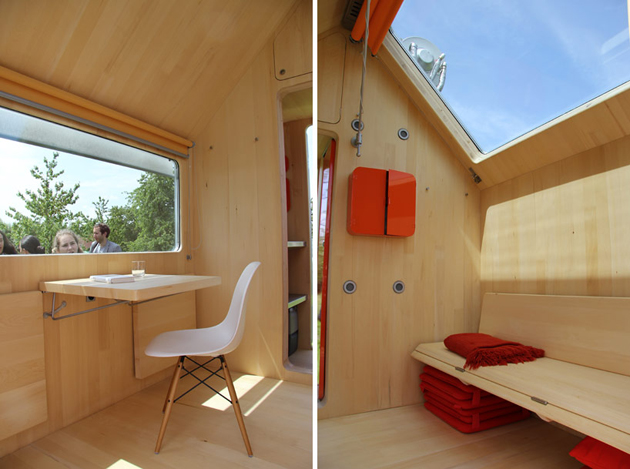
Wheather Renzo Piano had this idea in mind when he started drawing his minimal housing unit, is only an assumption, but it might as well be perfectly correct hearing the name he chose for the project. Diogene borrows its name from Diogenes of Sinope – a controversial Greek philosopher who lived in a jar – and was initially designed by Renzo Piano as a self-initiated project for a “voluntary place of retreat”. It was only after meeting Rolf Fehlbaum, the mastermind behind Vitra, in 2010 that Piano’s dreams about a tiny house, that he cherished since his student days, were finally turned into a real project.


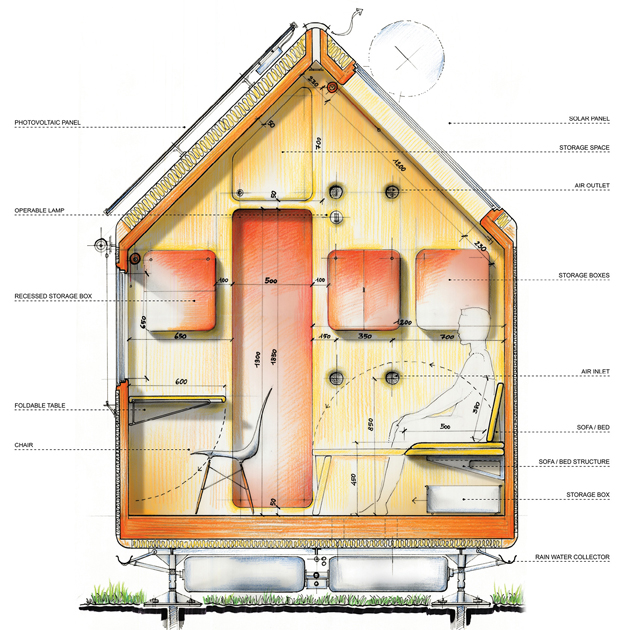
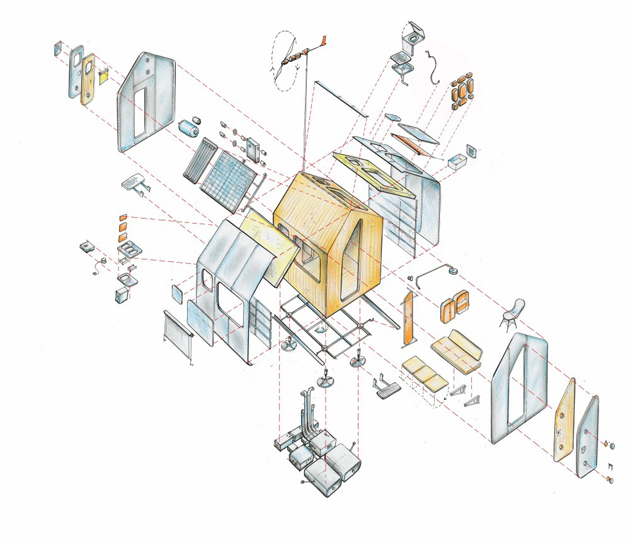
Diogene eloquently continues a long-lasting architectural discussion on the idea of a minimalist house, by developing an ultimately independent unit, where both the water and power supplies are produced by the house itself. With a surface area of 2.5×3 meters when fully assembled, Diogene can be transported and placed anywhere, providing a retreat and a space for reflection, while also functioning as a reminder of what is truly essential in our living environment.

Rujana Rebernjak – Photo courtesy of Vitra and Renzo Piano Building Workshop 
15/07/2013

Tacita Dean | An Exercise To Slow Down

Today more than ever, we are used to speed up to increase the number of things to do in the shortest time possible, trying avoid stopping in the name of productivity. It seems that going faster – being always active, without resting – is an inestimable source of pride for people. The collective unconsciousness is clearly livened up by the efforts of maximizing performances. Maybe for achieving our goals we run into something very similar to self-mistreatment. Is it really worth it? Who knows? What is certain is that the over-activity is leading us to loose the ability to stare, to take a slow look and extend the observation, turning a glimpse into a close contemplation.

Among the contemporary artists who consider and reflect on the importance of stillness and contemplative immersion, Tacita Dean (b. 1965, Canterbury, England) – who works in a range of media, but primarily with video – is certainly one of the most effective ones. Member of the second wave of the Young British Artists, or YBAs, Dean is mostly recognized for her 16mm analogue films, shot and projected with anamorphic lens, which creates rectangular panels that enhance her meditative and penetrating works. 
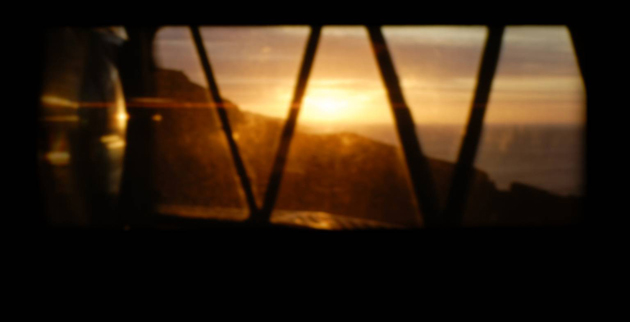
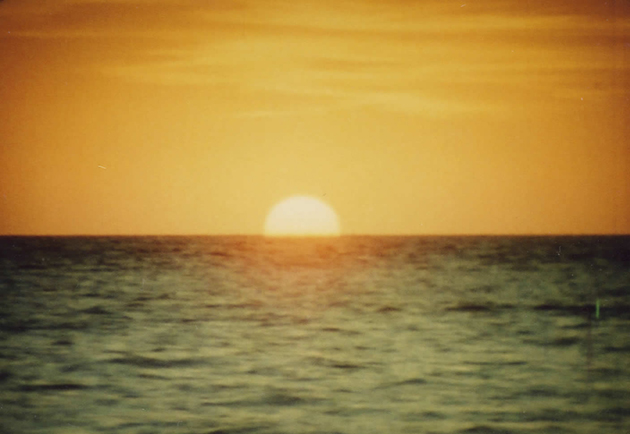
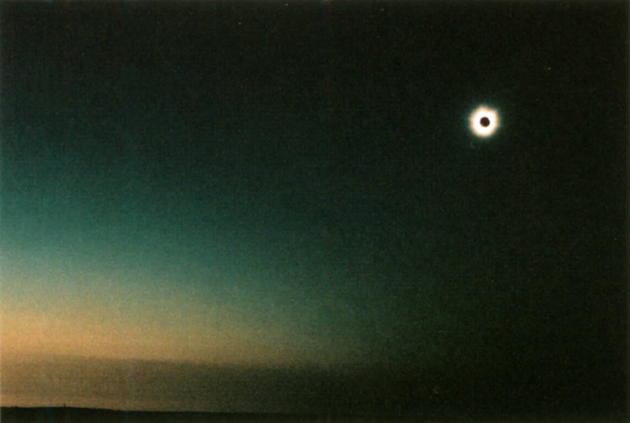
From the forty-minute static shot across the restaurant interior of the Fernsehturm (2001), the iconic television tower that dominates Berlin, to the long narrative work Kodak (2006), where Dean showed us the manufacture of the film – providing a rare opportunity to see the machines fully illuminated, without the darkness needed to prevent exposure – using the same medium, just before it went out of production; from the documentary intimate portraits of artists such as Mario Merz and Merce Cunningham to the black and white restitution of Giorgio Morandi’s Bolognese studio in Still Life and Day for night (2009) for the exhibition arranged in Milan by the Trussardi Foundation in 2009; passing through the repertoire of natural landscapes and eclipses shot in real time as in The Green Ray (Il Raggio verde, 2001), the fruition of Tacita Dean’s work ‘imposes’ to slow down.


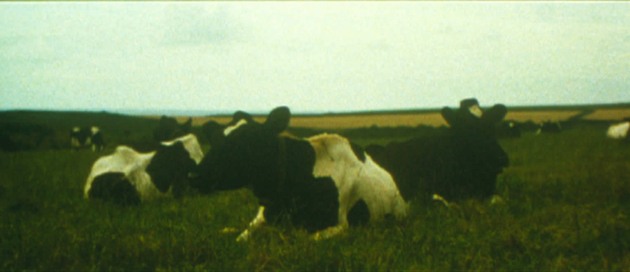
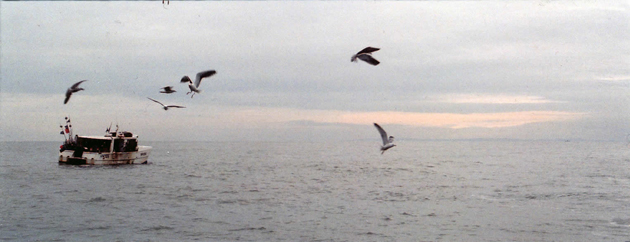
Her endless pauses on almost still bucolic overviews, atmospheric events, expanses of water and skylines work as a kind of training to get eyes more accustomed to calm and patience: slow and lengthened pedagogical exercises that help us to linger on details, appreciate the time expansion and repossess our contemplative aptitude, because on the contrary of mass belief, “not doing” is an active practice where new ways of thinking and creating actually lie.

Monica Lombardi 
14/07/2013

Sunday Breakfast by Love For Breakfast

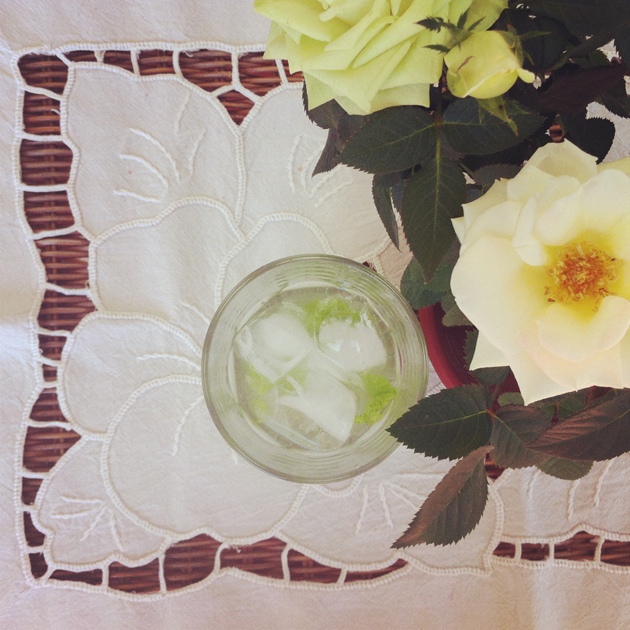
The scent of a rose is so deep and strong that it feeds me more than food. Lime, water and sugar is the right start for a warm day.

Alessia Bossi from Love For Breakfast 
12/07/2013

Chaos to Couture: The Book

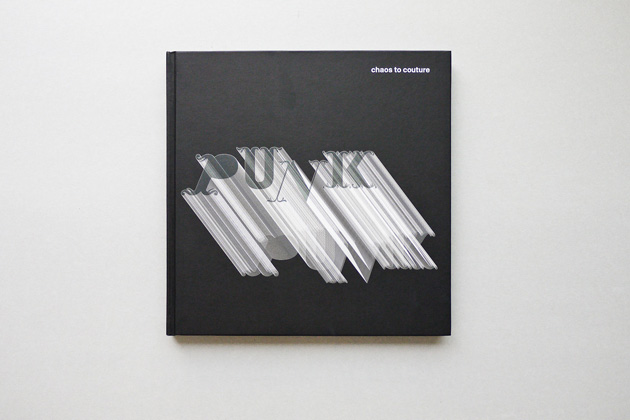
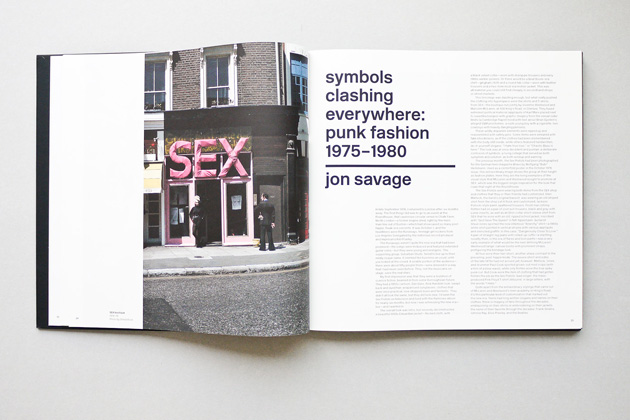
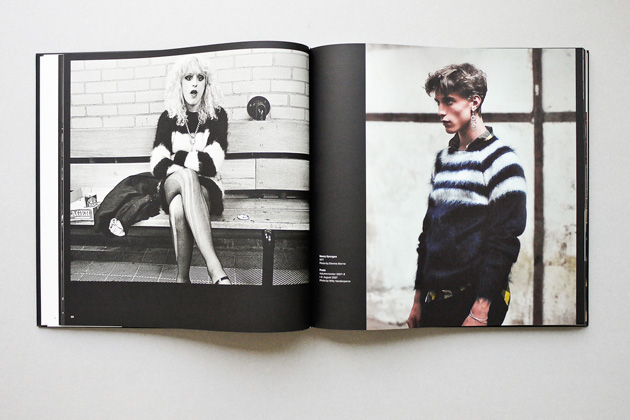
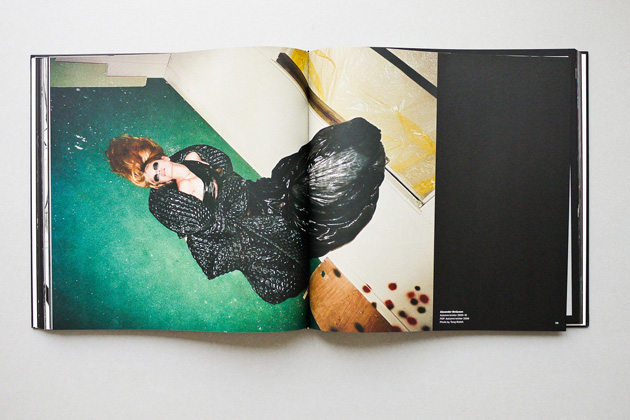
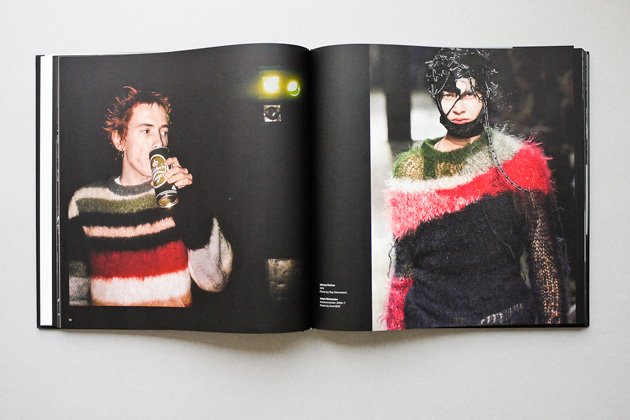
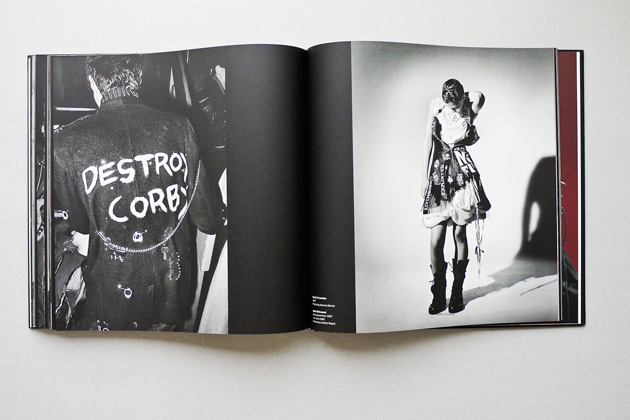
“Punk has had an incendiary influence on fashion.” Andrew Bolton, curator at The Costume Institute at The Metropolitan Museum of Art concludes it well, speaking about the exhibition PUNK: Chaos to Couture, currently showing at the MET.


Today the editorial office received the beautiful book that on its 240 pages reproduces the expo in images and text. Together with the photographs from the exhibition, the book features a six page intro by Andrew Bolton and words written by personalities like John Lydon (maybe more known by his stage name Johnny Rotten), Richard Hell, Jon Savage and Vivienne Westwood. A punk archive, adding a bit of edge to our bookshelf.


From the Bureau