06/06/2012

The Editorial: (Your Words Here)

The Editorial: (Your Words Here)

It’s always seemed quaint to me that Oxford and Webster still go through the trouble to formally ‘admit’ new words into the English language every year. Web words, buzzwords, passing neologisms, schoolyard slang… and all of a sudden, “ginormous” makes it! It’s a real word! And at long last, you can officially use “retweet” in a game of Scrabble. But it all seems like a tireless quest to contain something that generally can’t be contained, like in the Academie Française’s futile attempt a decade or so ago to replace the word “email” in the French language with the anodyne “courriel.” Language grows as it goes, bitches.
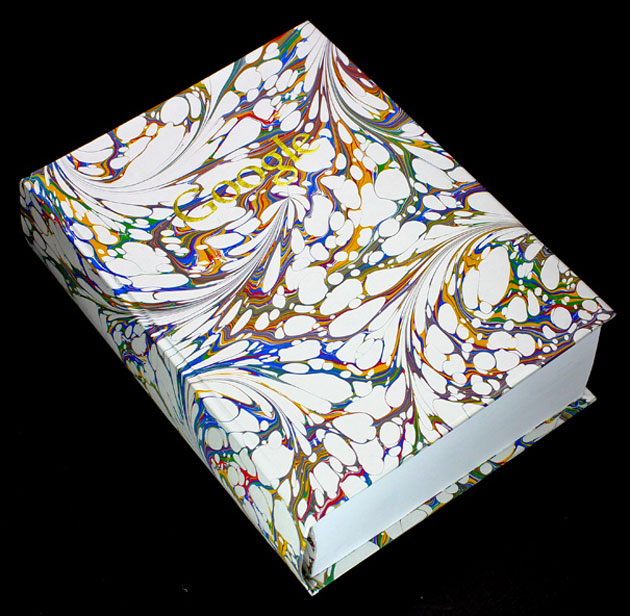
Now, for posterity’s sake it’s probably a good thing that someone bothers to put these buzzwords du jour down on a printed page, lest we forget them forever within a few years time. I’m just old enough to remember a few volumes worth of Encyclopaedia Britannica hanging around dustily on a living room shelf… remember when they were the one-stop-shop for science and animals and history and faraway Iplaces? But just a few short spins around the sun and those stolid, proud-looking books are aaaaaaaaancient. Like, prehistoric. Like, dead and gone. Like, completely and utterly useless.

But thankfully for us, there’s the Internet. Our swirling, at-the-edge-of-chaos, superconnected source for everything good and evil. The conduit for our culture and the most supremely dynamic platform ever devised for the sharing of human knowledge. And just like language itself, it invents and subverts and redefines itself like a force of nature. So, it seems like old misters Oxford and Webster best just leave the wordsmithing to the great collective brain. Open-source Urbandictionary and Wikipedia and their more specialised online cousins, afterall, are the source of all that we know nowadays. (And I mean that only half jokingly.)

So in an infinite stroke of genius, Felix Heyes and Ben West, two students at Kingston University, took to Google to create their very own version of the dictionary. (Hey, why not? We’re all authors of our culture, now.) For every word in the existing dictionary, the two used an algorithm to take the most prominent finding in an image search to make for a visual record of, well, us. And without throwing around the old ‘picture is worth a thousand words’ adage too much, this exercise in culture mining is far, far more indicative of the state of human language and society than any dictionary that almost arbitrarily lets “gaydar” and “grrrrrl” onto its pages. Several thousand images of porn, gore, and plastic celebrities later, it’s a look into an all-seeing mirror. And just like the day after an all night rager, you might not much like what you see staring back at you… but it’s real!

And since my Webster-backed computer spell check has just claimed that “rager” isn’t a word, my work here is clearly done.

Tag Christof – Images courtesy of Ben West
05/06/2012

Stedelijk Museum – The New Identity

Stedelijk Museum – The New Identity

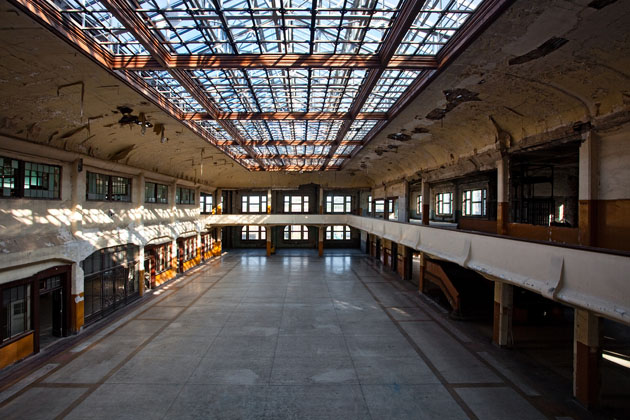
On the 28th March the definite public opening of the Stedelijk Museum in Amsterdam was finally announced. The grand opening is scheduled for the 23rd September 2012, and it’s to be followed by a grand retrospective exhibition of Mike Kelley’s work. 
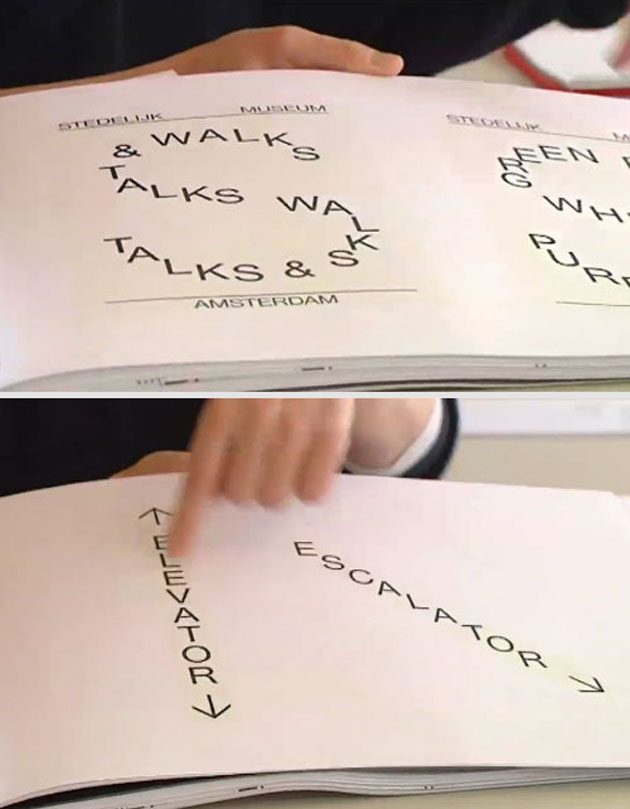
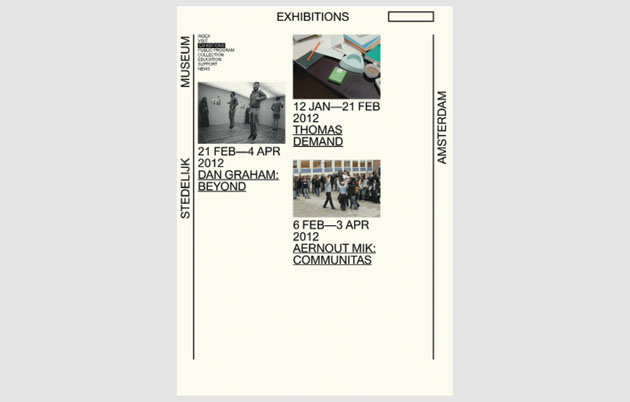
Years of delays on the construction site raised a lot of criticism from both the press and the public, and finally at the end of last month it was possible for the curious and the art hungry people in Amsterdam to take a tour in the new building. The new museum was slightly anticipated by a new corporate identity, and already debated projects by Mevis and van Deursen.


The now almost 70-year-old museum was initiated with the direction of Willem Sandberg – an incredible graphic designer himself – in 1945, and the graphic design that followed each of the museum’s exhibitions has become almost as important as the exhibition itself. Designers allowed to place their hands on those projects weren’t that many. After Sandberg’s tyranny Wim Crouwel came along, designing the modernist ‘SM’ identity that stood proudly until 2010.

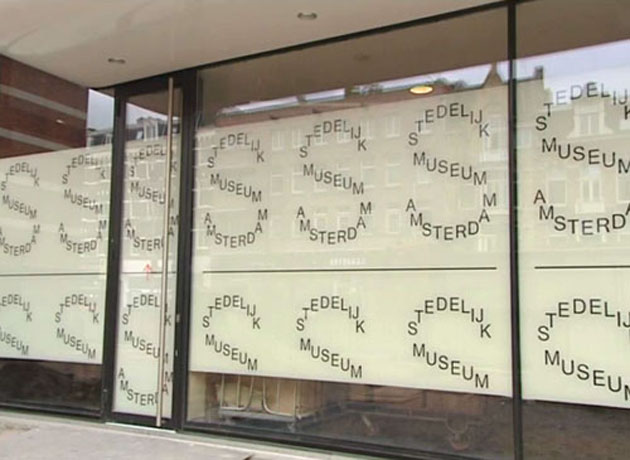
It should have been followed by Experimental Jetset’s SMCS logo, but it was actually replaced by the capital T designed by Mevis and van Deursen for Temporary Stedelijk. 
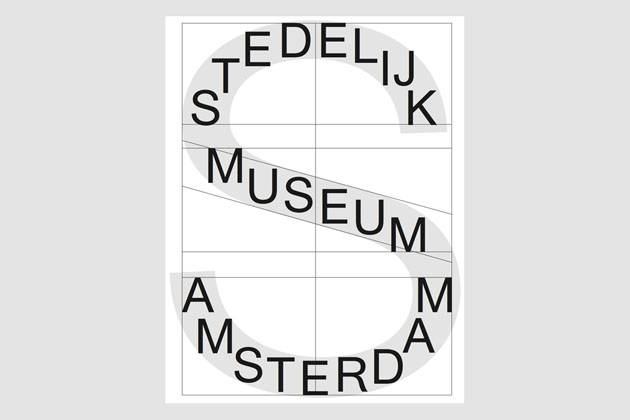
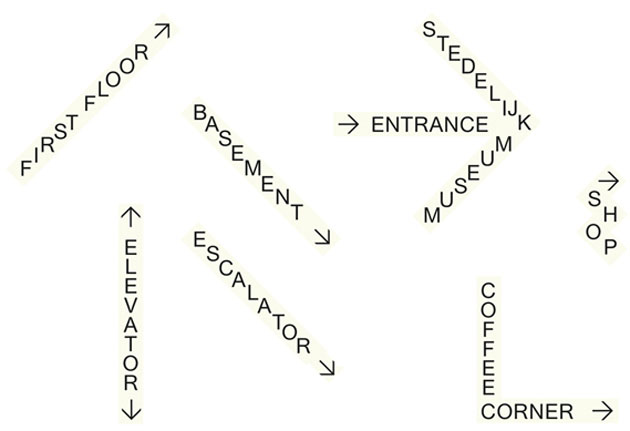
Mevis and van Deursen’s logo might seem a bit goofy at the first glance for hard-core modernist habitues. It plays with the iconic idea of the capital initials, as with the Temporary Stedelijk’s capital T, filling it with the museum’s full denomination. Hence, it becomes both an image, an icon and almost a phrase. After the initial moment of wonder you can’t but be amazed how Mevis and van Deursen manage to surprise each and every time.

Rujana Rebernjak

04/06/2012

Warming Up For Contemporary Art Summer 2012

Warming Up For Contemporary Art Summer 2012

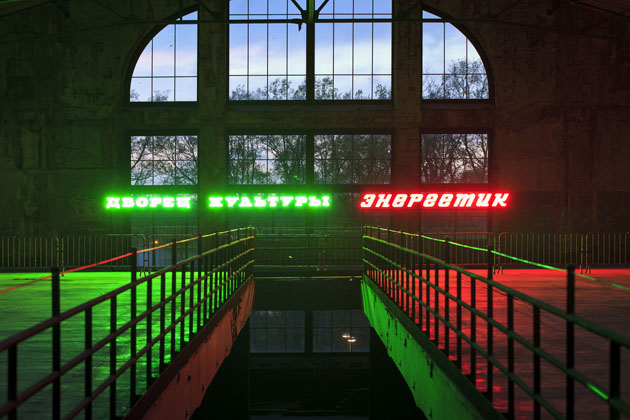
The exciting summer season of art opened its doors on the 2nd June, with Manifesta 9: the only traveling European biennale dedicated to contemporary art that – after Rotterdam, Luxembourg, Ljubljana, Frankfurt, Donostia-San Sebastián, Trentino-Alto Adige and the Region of Murcia – chose this year to takes place in the restored Waterschei Mine complex, located in the industry-leading city of Genk, Belgium.

Curated by the Mexican art critic, curator and historian Cuauthémoc Medina with associate curators Katerina Gregos and Dawn Ades, the concept of the 9th edition of Manifesta is based on the dialogue between art, history, geographical and social issues, focusing on the rise and the decline of industrial capitalism during the modern age. A former coal-mining site, which lies deep in the green fields, becomes the charming venue of a critical reflection that analyses and retraces the role of memory and cultural heritage in modern and post-modern societies.

Through the interpretations and critiques made by numerous past and contemporary artists around the object/metaphor ‘Coal’ – from the genius of Marcel Duchamp to Marcel Broodhaers’ ironic approach, from Bernd and Hilla Becher’s photographic testimony to the ‘energetic’ neon sculpture by Claire Fontaine and the video installation by the young Italian artist Rossella Biscotti – Manifesta 9 plumbs the depths of the modernity both by recording and transforming the outlook of social development between new and historical, local and global.

Manifesta 9, which will run until the 30th September, is just the first event on an art lover’s calendar. Our tour goes from Belgium to Germany, more precise: to Kassel, where another world’s leading art show will open next week. From the 9th June until the 16th September, it’s the turn of dOCUMENTA 13 – this year under the direction of the global citizen and art connoisseur Carolyn Christov-Bakargiev – that traditionally comes back every five years to last for exactly 100 days. The event, which usually attracts thousands of people (in 2007 visitors were 750.000) in spite of the small size and the isolated location of the host city, will present a survey of new artistic trends. Thanks to the works by more than 150 artists, and to a variety of collateral events spread around the city, dOCUMENTA affirms itself as one the hottest destinations of the international contemporary art summer.

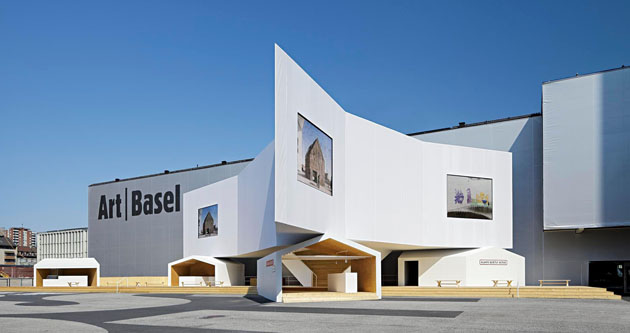
The countdown has started even for the icing on the cake of this season: Art Basel, the kermesse where the top representatives of art and design gather together from all over the world to show off their masterpieces in Switzerland. Art Basel hosts over 300 leading galleries and more than 2500 artists – from old masters to emerging talents. It will open on the 14th June and it will run until the 17th, being a byword for art excellence accompanied, as each year, by smaller fairs (among which Volta, Liste and Scope and great shows.

2012 holds the turn of Jeff Koons at Fondation Bayeler, Gerrit Rietveld at Vitra Design Museum, Tatlin at Tinguely and the artist nominated for Turner prize 2011 Hilary Lloyd at Kunstmuseum (just to mention a few).

Enjoy the art season!

Monica Lombardi

03/06/2012

Sunday Breakfast by Love For Breakfast

Sunday Breakfast by Love For Breakfast

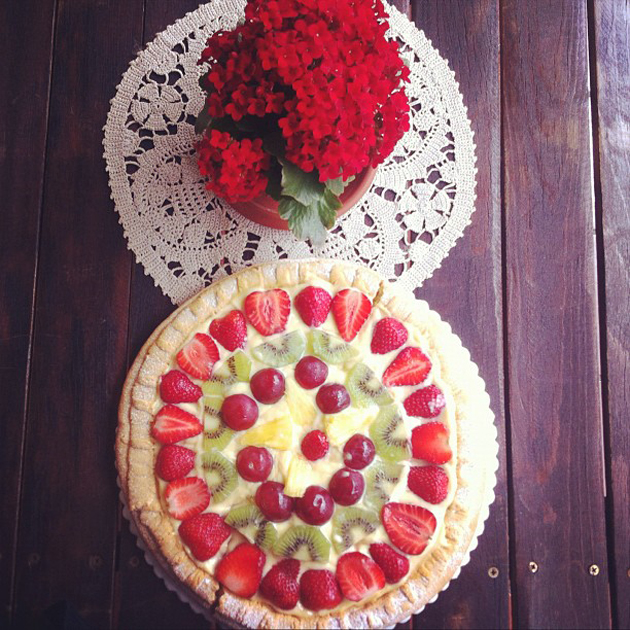
My mum’s homemade fruit cake warms more than the sun of May. The season I love the most has started, and when I eat a cherry, a smile shines on my face while expressing a wish.

Alessia Bossi from Love For Breakfast

01/06/2012

Guest Interview n° 41: Tamsin Cook

.

Guest Interview n° 41: Tamsin Cook

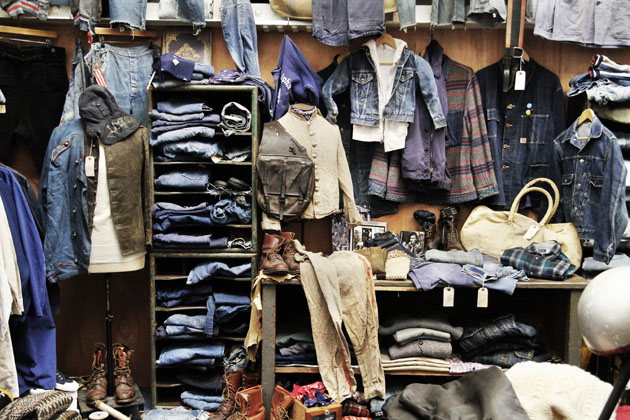
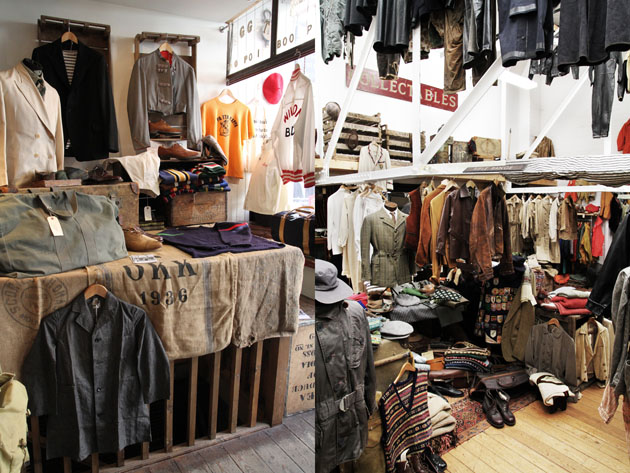
Design consultant Tamsin Cook was born on a farm in the UK and now lives in Belgium. Other than rummaging through quirky little markets and antique shops in Brussels and Antwerp, her daily routine consists of traveling and scouting for fresh trends in cities such as Paris, London and Amsterdam.

You currently work as Senior Design Consultant, would you care to develop that for us?
I have always worked in-house for companies until last year. Now I am starting out on a freelance basis. This includes designing and trend researching for different customers, it can be on a short or long term contract, depending on the needs of the client.

What is your background in fashion?
Well, I grew up on a farm in Devon, UK. I was always into making my own clothes, styling friends and my brothers. I have a big love for denim and workwear, I believe this came from my roots when growing up. I still like to check out my dad’s work jeans for finishing ideas actually! I studied a BA (Hons) in Fashion at the Surrey Institute of Art and Design just outside of London.

Your job includes scouting for new up-coming trends, how does one go about that, lots of travelling?
It’s an on-going process. Travel is a big part; this can be to city visits around the world to shop, visit stores, exhibitions and photograph people on the street. Visits to trade fairs where the newest developments in fabrics, yarns and prints are exhibited are important. Plus every day research, magazines, blogs, music, festivals, catwalks, art and exhibitions…

Brussels and Antwerp have quirky little flea markets and antique shops; I love to rummage through these on a Sundays. It’s great being so close to a lot of amazing cities as well, I can easily take the train to Paris, Amsterdam or London for the day for some fresh inspiration and people watching.

Is there a special source that often tends to provide trends, for example youth/street culture?
For sure youth, street culture and music are huge influences on fashion. Again, it depends on who you are working for. At Lee, where I worked for 7 years, a large part of the research was vintage denim and finding inspiration from great second hand pieces. I think so many people influence the fashion industry, from the film industry and artists to musicians, bloggers and photographers, the list is endless. The key is to keep your eyes open and not to get stuck with the same sources. I try to find new blogs or emerging artists/music every day. There are endless micro-trends emerging all the time.

How is the trend spotting applied in practice, have you recently for example found something in a vintage shop that later on turned into a design idea for one of the brands you work for?
At Lee when I was working on the kid’s collection, I found some great vintage pieces, like cute little dresses or blouses, we translated these into the collections. I always think you get a better result if you mix eras and ideas. Vintage buttons, trims, vintage denim, all these are huge sources of inspiration for the collections I have worked on. Second hand items are such treasures.

If you pick up a trend in, let’s say, an Asian country, is that one later applied to the Asian market, or do you experiment between the different continents?
That’s an interesting point! In a way it is a big melting pot. Everyone is taking ideas and inspiration from each other. Japan and Asia influences European style and vice versa. But that is great, and that is where you can really make some individual fusions and looks. A lot of Japanese brands have the most amazingly beautiful collections but would not necessarily be commercial to mass market here in Europe, but if tweaked, adapted and personalised you can create some interesting trends.

How do you look at the future of your business, and your own, any dreams waiting to be fulfilled?
People are much more confident and savvy in creating their own style and much more aware of trends than previously with all the social networking and online media available today. The fashion industry is going to have to get smarter, the consumer needs surprising and seducing in new ways. There has been the trend of pop up stores and now home shopping and styling parties are starting to be hip…What’s next, I think the consumer will decide!

For my own future, I like having the freedom of working freelance, I wouldn’t say no to work for a brand again though. I sometimes miss the daily interaction with people and the connection you make with a brand. Right now I have nearly completed my web page for my blog Rue des Bleus. It’ll be my platform for things which inspire me and also where I plan to build on some styling ideas. I’m intrigued by people and their look/style, so I’m hoping to scout some models which I can style for my blog.

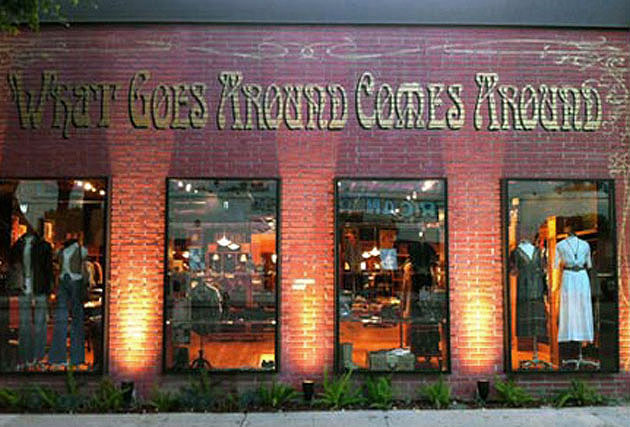
Petsy von Köhler – Image courtesy of Tamsin Cook & The Vintage Showroom

31/05/2012

Charles and Ray Eames – The Films

Charles and Ray Eames – The Films

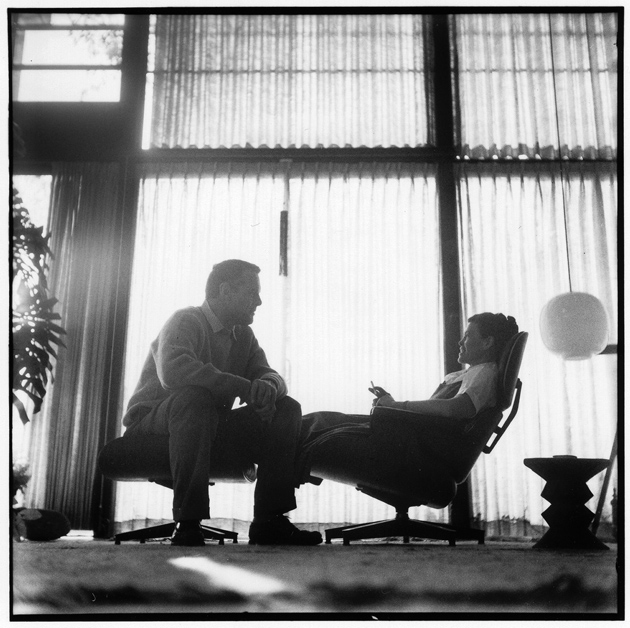
The legacy of Charles and Ray Eames is still one of the most relevant cultural heritages we have carried out from the sixties. The famous couple, known respectively as the architect and the artist, started their long work-life relationship back in the college years. 
Hundreds of successful projects that have crowned their collaboration, originated from a studio in Los Angeles that has grown up to be America’s most creative site during the Mad Men years. 
Charles and Ray’s career has recently been poured into a documentary. The film was appropriately titled “Eames: the Architect and the Painter”.

The film in itself, apparently a feature created for mass audiences, doesn’t reveal much to a design geek. Historically speaking though, it gives an insight into their studio and working method, narrated through a series of anecdotes told by their young collaborators. The movie actually reveals quite vividly the complex visual world the creative couple has brought to life during their career. 
One of the most interesting projects Charles and Ray worked on, surprisingly as it may sound, is not their appraised furniture.

The actual treasure revealed by the documentary is the way they made their short films. Guided by Ray’s sensitivity that transformed everything in paintings, the filmography produced by the Eames’ studio had the exact same goal of every other project: to communicate ideas. The extensive list of films is conserved today by “Eames Office”, an association dedicated to communicating, preserving and extending the legacy and work of Charles and Ray. Comprising more than 100 films made between 1950 and 1982, it showcases videos like Powers of Ten, Tops, House, supreme examples of their wit and curiosity towards the world.

Rujana Rebernjak

31/05/2012

Depicting Fragrances

Depicting Fragrances

Design has always been a fundamental element in the process of creating a new perfume. The bottle, which contains the essence, very often becomes its symbol; the image that gets fixed in people’s visual memory and turns itself into a key factor for establishing and furthering its identity.

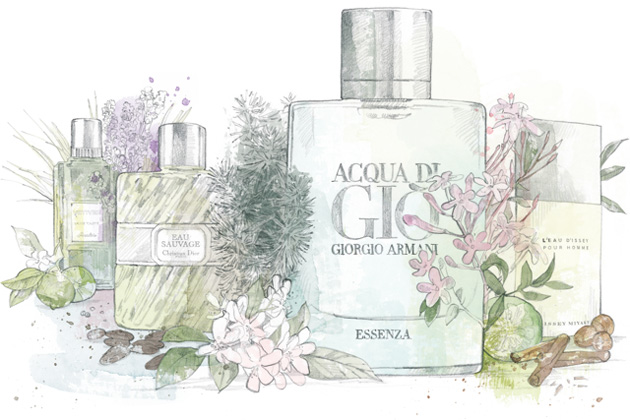
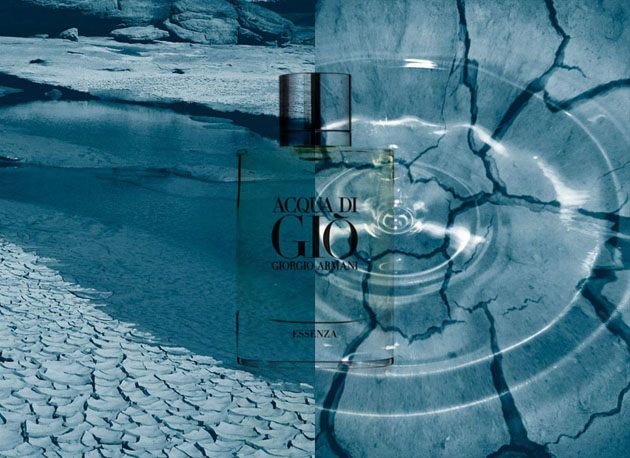
With Acqua di Giò in 1996, Giorgio Armani contributed to change the fashion approach of contemporary men, who are more and more focused on the details of their personal and casual style. After sixteen years, the renowned brand presents a new fragrance: Acqua di Giò Essenza, a more intense and sensual version of the original scent, which owes its appearance to Alberto Morillas’ nose, and embodies the spirit and the characteristics of the 21st century man.

The Italian newspaper Corriere della Sera through Giancarla Ghisi’s words – accompanied by Karin Kellner‘s pencil – retraced the main steps of the history of masculine perfume. 2DM’s illustrator, with her delicate and romantic mark along with her peculiar sensitivity, borrows the key elements of master perfumers to depict some of the best-known essences ever. Jasmine flowers, rosemary branches, violets, lemons and bergamots surrounded the bottles of Dior‘s Eau De Savage and Issey Miyake‘s L’Eau d’Issey, both of them dominated by the new scent of Armani.

Once again the expressive power of Karin’s drawings joins the allure of perfume world, giving birth to a marriage with a perfect and total harmony.

From the Bureau – Image Karin Kellner

30/05/2012

Electrik-Shrine In An Insomnolent City

Electrik-Shrine In An Insomnolent City

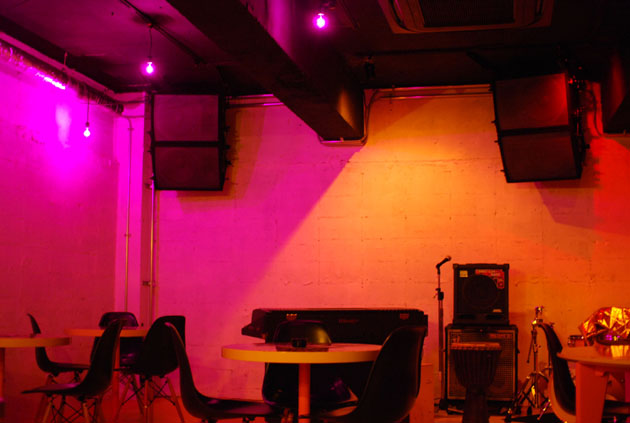
Slowly climbing down the narrow stairs, we visited Electrik-Jinja (literally means ‘Electric Shinto Shrine’) located in the center of Roppongi, the massive nightlife mecca and the melting pot in Tokyo.

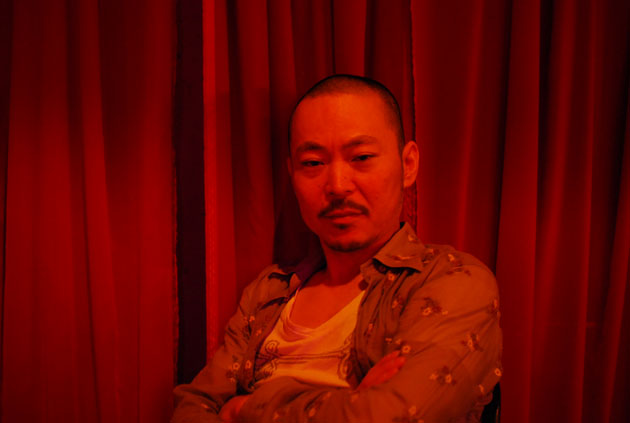
Happy birthday Kenji, the owner of the place. The celebrations were well underway, the underground skeleton box was jam-packed with his friends, bare wall to wall. Amongst them, the distinguished jazz bassist Christopher Thomas from St.Louis. The place itself was newborn last April.

Why “Electrik-Jinja”?

“For me, the two terms are actually synonymous. In ancient times, spirits were everywhere, and certain places were designated for the interface of this world and the sacred. Even monuments were not always necessary, it’s all about the vibration of energy. Energy is electric, something invisible, but does exist. You don’t see it, but you feel it. And we humans are also electric, right? I love to see people’s vibes generating spontaneous Jinja here.”

Suddenly, we felt an amorphous mass of billowing vibes, which lulled us into the illusion of wriggling luminous red sea slugs in the blackness. Hung Electro-Voice 15 inches were blowing Miles Davis’ The Man With The Horn.

“Something raw, greasy, chaotic… Once Mishima said (in an essay For Young Samurai by Yukio Mishima, 1969) that ‘culture is yourself’ and ‘be more proud to be savage’, it took me long time to understand his words. Now, I believe in those things deeply rooted in one’s raw emotions based on real life, you know, something far beyond right or wrong.”

Kenji continued, “Every time when my friends come from overseas asking me where they could discover Japanese culture, I always say, go to Harajuku area, you will find those girls in odd fashion called Gothic & Lolita walking around Meiji Shrine.”

A profound embracement to let something vulgar move around in the holy ground. It was already around 7 AM when we climbed up the stairs, fresh air after the rain welcomed us with a sight of a little shrine, coincidentally named ‘Morning Sun’, just then a Shinto priest in white was entering through the concrete Torii (gateway), while three young drunk boys were playing next to it.

Ai Mitsuda

30/05/2012

Acqua for Life

.

Acqua for Life

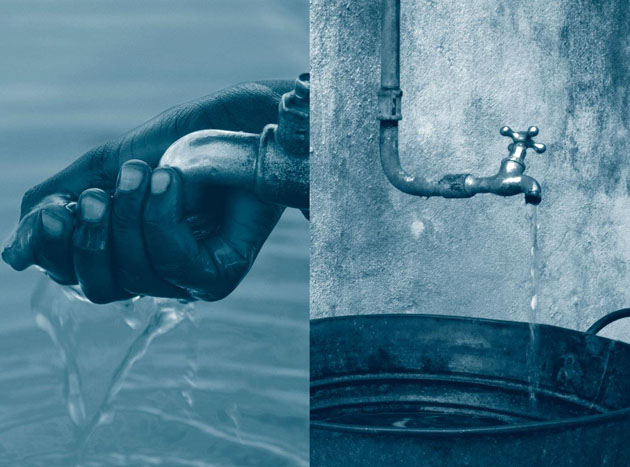
Acqua for Life is an initiative by Giorgio Armani in partnership with Green Cross International, aiming to collect clean water to Ghana and Bolivia, the two countries included in the project. This is the second year that Armani is taking actions in this specific cause and with two days left before the ‘expiration date’, the Acqua for Life Facebook page got almost 362 500 likes, which in itself means over 18 million litres of clean drinking water. The minimum quantity of water that will be donated is 40 million litres, the final result of the 2011 Water Race. Through 100 litres of donated water for each bottle of Acqua di Giò or Acqua di Gioia and 50 litres for each like on Facebook, they hope to take the Water Race even further and go above last year’s numbers.

Organisations performing charitable actions which not necessary are linked to the expectations of society could be called corporate philanthropy and should be separated from Corporate Social Responsibility, even though the line between them often is seen as fine, and even more so – hard to define. Whether we are talking about one action or the other, it gives a boost to the social image of a company and adds to what many of today’s highly sensible and conscious customers are looking for. We have seen fashion companies using their power to raise awareness before, and thanks to social media and a generally interested and involved ‘audience’ it is an industry that really can make an impact. Campaigns such as these do not only do what they are set to. Hopefully they create circles on the water, increasing the attentiveness for other issues regarding society, environment and development.

At the moment, Italy is the leading country, leaving both Denmark and USA behind, together with all the other countries taking part in the project. Even though it’s not the single contest but the gathered efforts that will make a difference, today, Milan is a winner, leading the Acqua for Life Water race 2012 to its goal.

Lisa Olsson Hjerpe – Image courtesy of Acqua for Life – Armani

29/05/2012

Kristina Gill: Citrus and Rosemary

Kristina Gill: Citrus and Rosemary

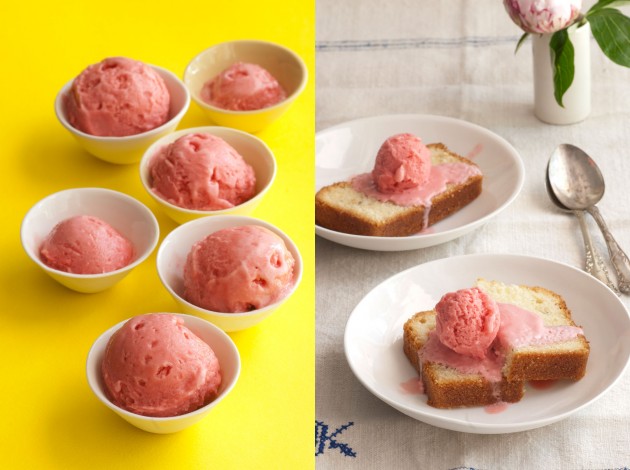
Usually by the time I get to the gelato shop down the street at the end of the day, there are only empty holes where full bins used to be. The last time I went there early, and found a panoply of flavors I’d never seen. I settled for the blood orange gelato solely for the color, because otherwise I would only buy hazelnut. Arrived at home, I wanted to have something else to go with it. I sorted through my assortment of cookbooks and found a rosemary loaf cake. Thinking back on a recipe I saw for a loaf cake with citrus and rosemary scented icing, I thought my gelato and the rosemary cake would work quite well together, and I was right. I do still have my doubts about how summery this flavor combo is, but for now I must turn my attention to saving a slice of cake before my husband devours the rest.

Kristina Gill