04/07/2012

The Editorial: Diamond Heist.

The Editorial: Diamond Heist.

Cue the talking heads. Yet another massive financial institution has been busted with its pants down in a naughty, naughty and mighty compromising position. Barclays – the same Barclays that recently spruced up its “we care about people” credentials by financing/slathering its name all over London’s Boris bike scheme – has been lying profusely about the interest rates it paid to borrow money from other banks, thereby fudging its numbers and enriching itself through some serious misdeeds. In short, Barclays blows.

Yes, that stolid symbol of British wealth. Synonymous with that most steadfast of currencies, the Sterling, and the bank is just as greedy and corrupt and wholly uninterested in the world’s well-being as its more notorious banking brethren from across the pond. How satisfying! And best of all, its CEO, an American appropriately named Bob Diamond, has just been (justly) ousted. Actually, he quit, but the whole sordid affair just reeks of a nail-biting BBC TV movie, in which the reckless cowboy American ruins a once perfectly civilised English party.
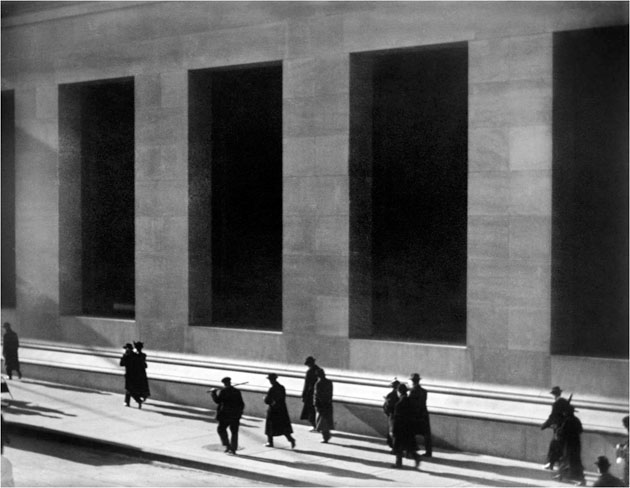
Except how many times do we have to listen to this broken record? British or American or French or otherwise, it’s always the same: gambling+deception=massive losses, and then a lovely dose of screwing for you, the consumer. And while through similar actions this system was singlehandedly responsible for the imaginary financial catastrophe we’ve been trapped in for the past who-knows-how-long, nothing at all has changed. There has only been a further consolidation of power, larger investments at stake, and even more risk. What might the next financial crisis look like?

I say imaginary catastrophe, incidentally, because, although I have a degree in economics, I nevertheless find it impossible to conceive of how mankind’s ultimate motivation now derives from the mathematically obscure outcomes of balance sheets crafted by leagues of crafty yet recalcitrant accountants. And who could be less apt for running a human society than cubicle-bound accountants? Perhaps that’s why they’re punishing us all…

Now, before you go to the trouble of worrying yourself and getting revved up to vote, know that it is increasingly clear that we no longer live even vaguely in a peaceful patchwork of democratic societies. The global financial matrix laid over the entire globe has very much made sure of that. Instead of an empowered citizen, think of yourself as an indentured number on an infinite spreadsheet. And for God’s sake, keep buying! Otherwise, we’re all doomed!

But seriously. Who thinks Diamond won’t get away with his heist? He’s left his job, but there’s no way he’ll walk away from Barclays as anything other than an extraordinarily wealthy man. We live in a just, just world, kids.

Don’t forget to keep spending!

Tag Christof
03/07/2012

2nd Cycle by Artek – A Sense of Sustainability

2nd Cycle by Artek – A Sense of Sustainability

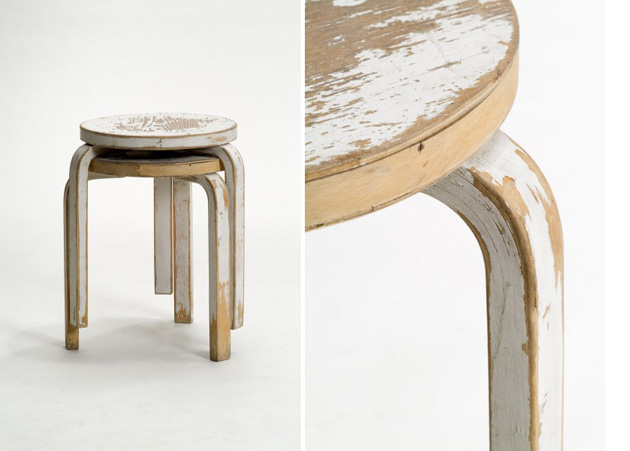
As Alvar Aalto, the famous Finnish architect once said: “Nothing old is ever reborn but neither does it totally disappear. And that which has once been born, will always reappear in a new form.”
 Artek, the design company with Aalto among its founders, has taken the architect’s assertion as starting point for one of their recent projects.

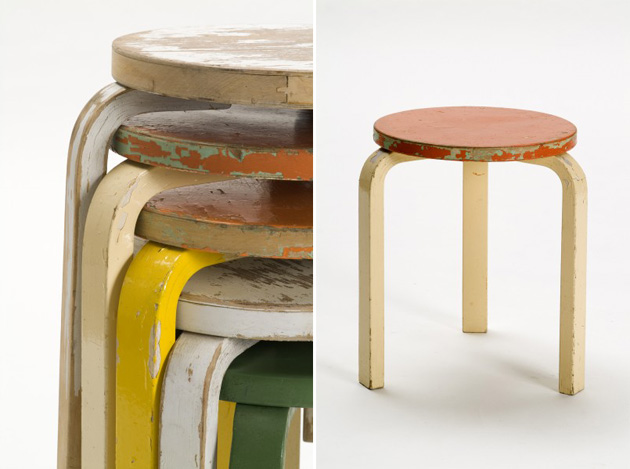
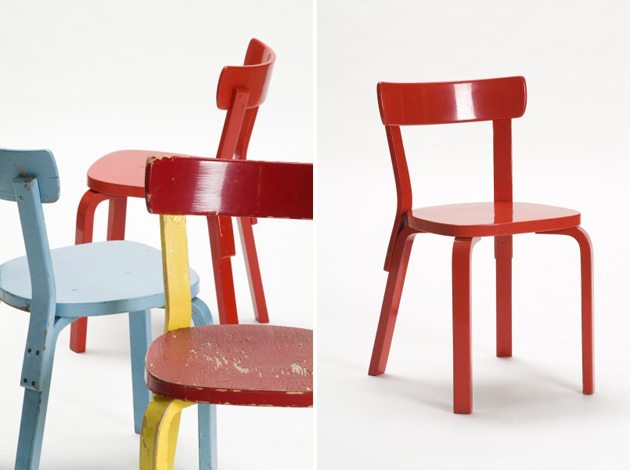
Founded back in 1935, Artek is perhaps the most forward-looking one among the contemporary trend-setting design companies. Still producing the iconic pieces of design created by the genius Aalto and his fellow colleagues, Artek has decided to promote the values and importance of this significant design heritage. Led equally by Aalto’s ground setting ideas, as well as seriously good and cheap reproductions by IKEA, the company has started to collect some of the 8 million Aalto stools sold since 1935. These stools, found in vintage shops or friends’ basements, have created the starting point for 2nd Cycle. 2nd Cycle is a vintage shop in Helsinki, dedicated entirely to original design pieces by both Artek as well as other design companies. Among the products you can find the above mentioned superstar stool, various Aalto chairs and armchairs, as well as pieces like Tulip and Swan chairs by Eero Saarinen for Knoll and Fritz Hansen.

While some design giants look for sustainability through clever speeches about new recyclable materials and innovative production processes, Artek has once again shown to be one step ahead. With 2nd Cycle project, Artek is trying to put forward a different idea of design – a quality design of everyday objects that acquire value and beauty through use. Opposed to a consumerist idea of design, Artek’s 2nd Cycle items are part of the environmental strategy that wants to ‘raise the issue of conscious consuming, praise the authentic design and honour the importance of originality’.

Rujana Rebernjak

02/07/2012

Met at Pitti 82: Pirelli

Met at Pitti 82: Pirelli

As we have been reporting live and after, The Blogazine met a lot of people, saw a lot of brands and discovered many new collections during Pitti Uomo n°82. During the upcoming weeks we are giving you the best of our Pitti summer 2012 and first up is Pirelli, the Italian company returning to the roots with their S/S 13 collection.


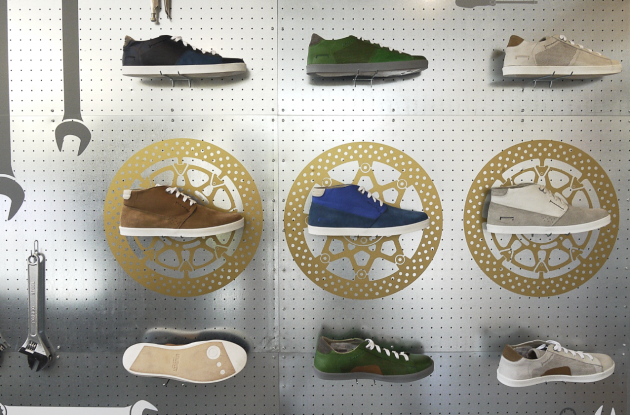
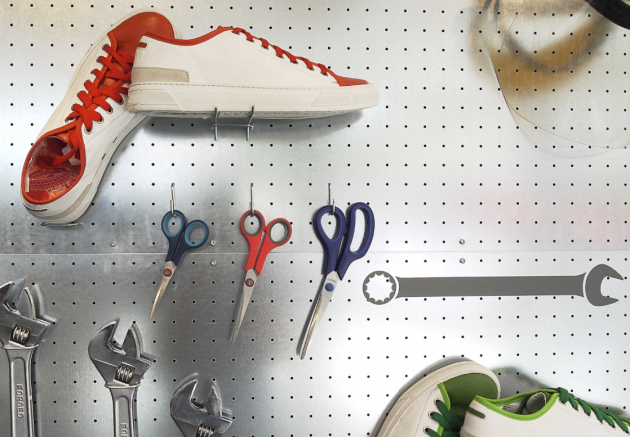
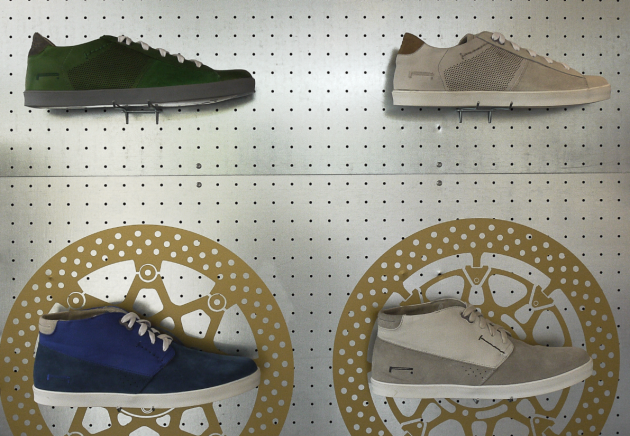
Pirelli PZero knows how to put you in the mood for a moment of motor sports. With a racing paddock inspired stand in the middle of the Cortile della Ghiaia inside Fortezza da Basso and girls with bright yellow umbrellas welcoming you, they pull the visitor into the hospitality of motor sports. The garage-like, stripped down interior was simultaneously both a great contrast and in line with the new collection, fully inspired by motor sports and the aesthetics of the world of adrenaline. The references were seen in more or less every piece, from the bestselling sneaker Rex, which holds the iconic Pirelli tire print in the rubber sole, to the sleeve patched biker jackets, as well as in the wide-ranging colours of the racing polos.

For Spring/Summer 2013 the brand had also experimented with garment dying, a technique normally reserved for cotton or nylon. Pirelli PZero had taken the dying one step further and applied it to the rubber bomber jackets, a technical garment, holding the Pirelli signature logo. Besides the classic racing standards, big logotypes, patches and rubber feel in both jackets and shoes, the collection also presented a new graphic t-shirts where the 1950’s Pirelli pin-up girls had been re-interpreted by artist Adam Haynes.

The Spring/Summer 2013 by Pirelli PZero is limited to a few key items which work perfectly for the road the brand is taking, with the clear references to the world where they seem to be completely at home.

Lisa Olsson Hjerpe 

02/07/2012

Men’s Fashion Week Paris

Men’s Fashion Week Paris

After a trip to London, and a few air miles to Milan, the Fashion world turned its ever-watchful eye to the Parisian runway.

Last week, London’s first own fashion week for men saw the light of day, and few were surprised by the edgy performances from upcoming artists presented. Afterwards Milan took the wheel during the midsummer’s celebration, before it was time for the giants of Paris to present their collections for the fall and winter.

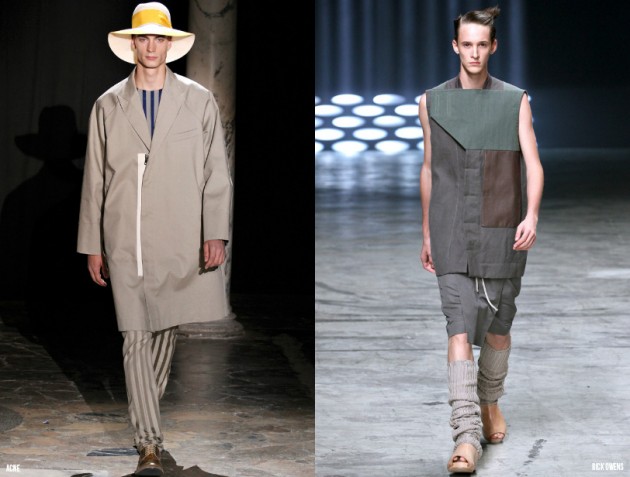
Acne’s Johnny Johansson has previously expressed a wish to make clothes that simply flatter both sexes equally, without differentiating. Whether he succeeded to blur gender lines with this somewhat masculine denim collection is discussable, but the collection did provide a few memorable moments with its slouchy hats.

Rick Owens surprised no one when presenting yet another flawless collection, and a part of his successful concept seems to be that he translates archived women’s wear into menswear.

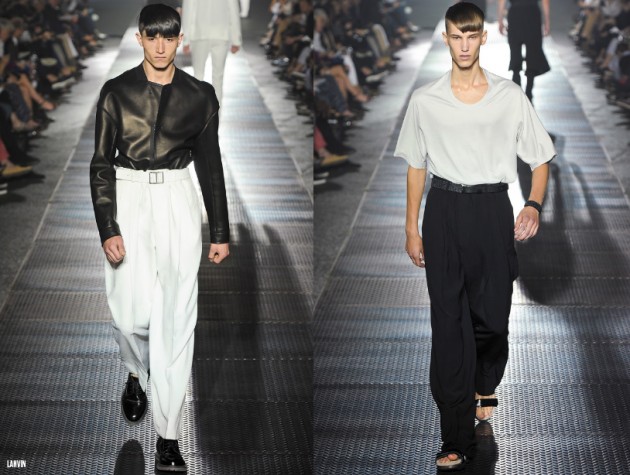
Lanvin’s collection almost took an ironic twist, when taking back Céline‘s tomboy silhouette and slick detailing to the men’s arena with leather tops, luxurious slacks and belts that created a stark contrast.

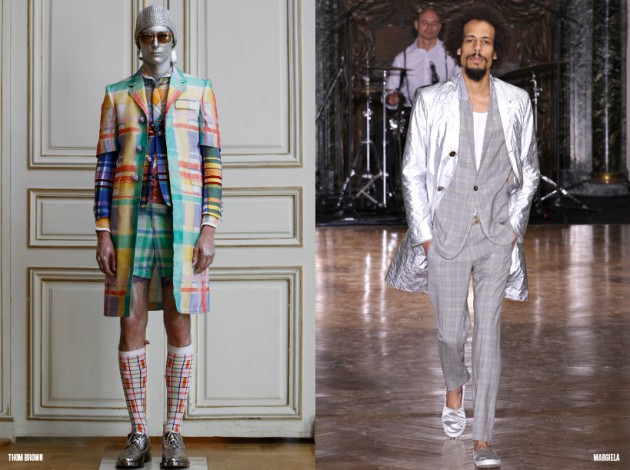
On the circus-side the designer Thom Browne held up his usual end of the bargain with multi-coloured square clothing and avant-garde silver face paint. By what seemed like major inspiration from St. Martin’s graduate’s collections, Browne managed to create the eccentric colour explosion every fashion week needs.

And finally we have Team Margiela that had experimented with materials as usual. Even if they couldn’t turn polyester into gold, they still managed to turn cotton into what looked like silvery leather. In a collection that at the first glance might appear plain, this fabric experimentation felt modern and relevant for contemporary men’s fashion.

Petsy von Köhler – Images via Style.com 

01/07/2012

Sunday Breakfast by Love For Breakfast

Sunday Breakfast by Love For Breakfast

The buzzing of bees attracted by the sweetness of the fruits. The heat rises and I look for refreshment in a potion made of fruits mixed with ice, becoming a regenerating smoothie.

Alessia Bossi from Love For Breakfast

29/06/2012

Pitti Bimbo n°75 – Highlights

Pitti Bimbo n°75 – Highlights

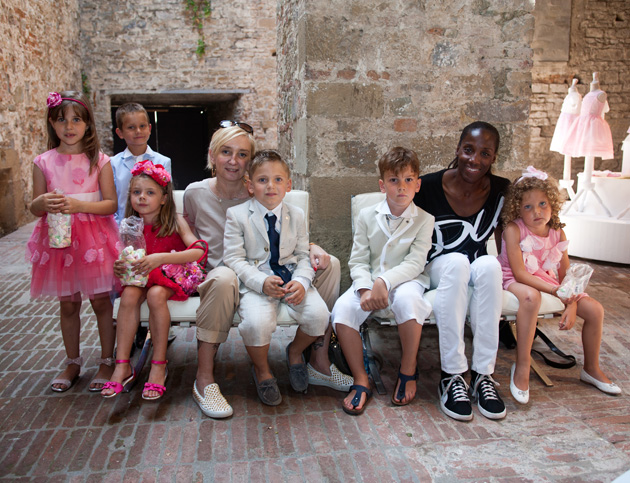
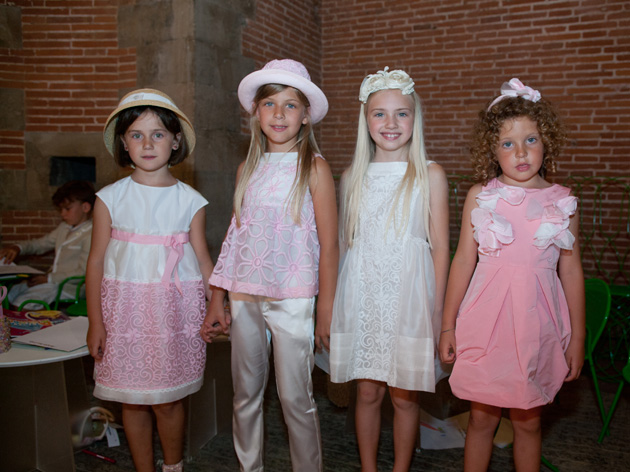
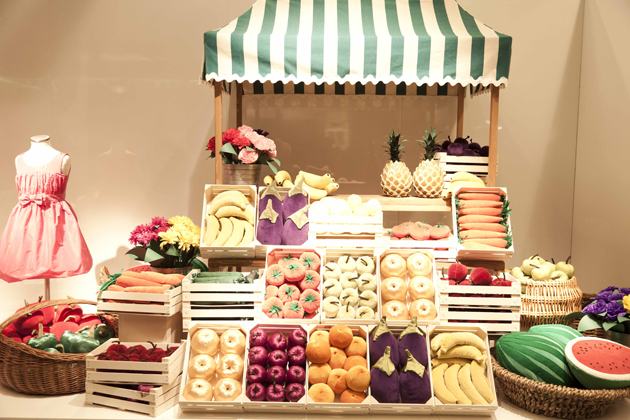
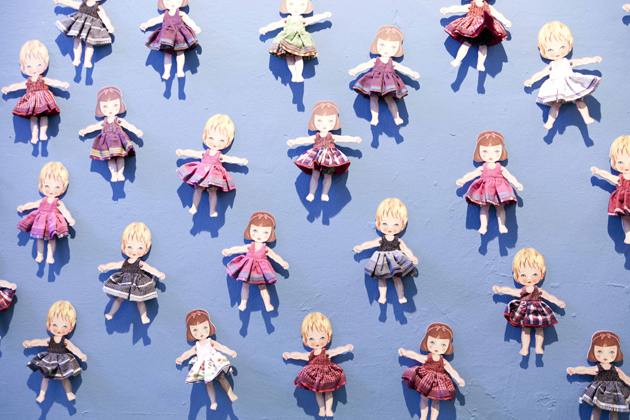
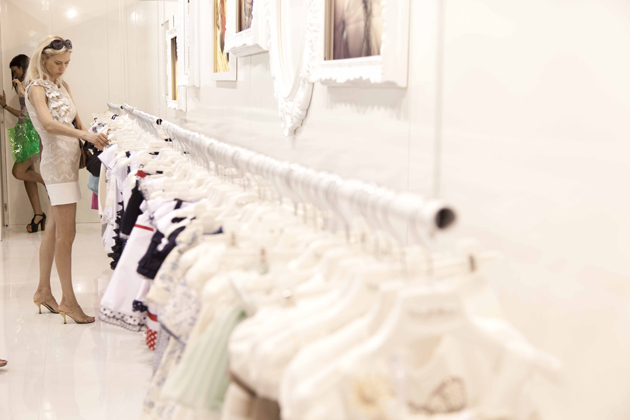
When attending yesterday’s opening day of Pitti Bimbo in Florence, The Blogazine had a whole bunch of colourful, cool, technical and beautiful children’s wear collections presented to us. Here are a few highlights from the day in the children’s world.

The elegant and classy lines of Pinco Pallino, the children’s wear collection by Imelde & Stefano Cavalleri was presented in a large area, solely dedicated to them. The couture collection presented beautifully embroidered jacquards and laser cut, flower patterned dresses in pink, light green and ivory tones while the main line gave us more energy through bright green and deep pink. The company also presented their support for SOS Children’s Villages during the fair, to highlight the importance of their work.

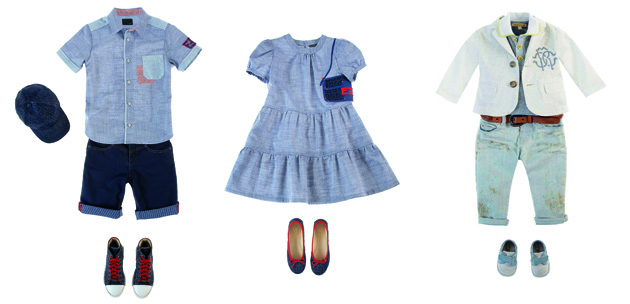
Other brands presenting high level couture were Ermanno Scervino, Roberto Cavalli and Fendi. All drawing inspiration from their main lines, they presented collections translated into children’s garments with a playful touch to the otherwise grown-up style. The fluorescent fabrics and details were present in all of the collections, and where Cavalli had the animal prints as an obvious reference, Fendi had re-used certain details straight off the catwalk, to create a connection between the two worlds.

Datch is another brand which has taken the core inspiration from their men’s and women’s wear to dress the little “Datch Dudes” for an exciting Spring/Summer 2013. The phenomena exclusivity and second to none count also in the kid’s wear world, and in fact Simonetta took the opportunity of Pitti Bimbo to create a special event and limited edition collection together with one of Florence’s finest luxury stores, Luisa Via Roma. The last night’s event was the first in-store event exclusively dedicated to children’s wear. The showcased LimitED t-shirt reproduces Andy Warhol’s image of Marilyn Monroe, and is aiming at paying homage to timeless beauty.

Two brands with slightly more technical and street profiles are Stone Island and Diesel. Eventhough Diesel presented strass and studs, and a capsule collection with Swarovski detailing, the core of the collection was doubtlessly the jeans. The denim inspiration was present in the overall feel and wash of the garments as well as in the large selection of denim pants and materials. At Stone Island the kids’ collection and its materials were pretty much the same as of the ones in the main collections. The pieces were highly researched and of high quality, and in some cases the exact model of what you will find in the size for the parents. Overall, as mentioned before, the trends for the little ones seem to follow the trends of the big ones – with a little more joy and colour!

Lisa Olsson Hjerpe 

29/06/2012

Pitti Bimbo n°75 – Couture for the Little Ones

Pitti Bimbo n°75 – Couture for the Little Ones

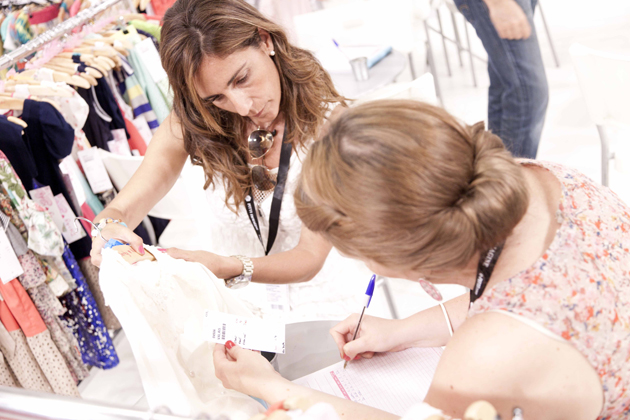
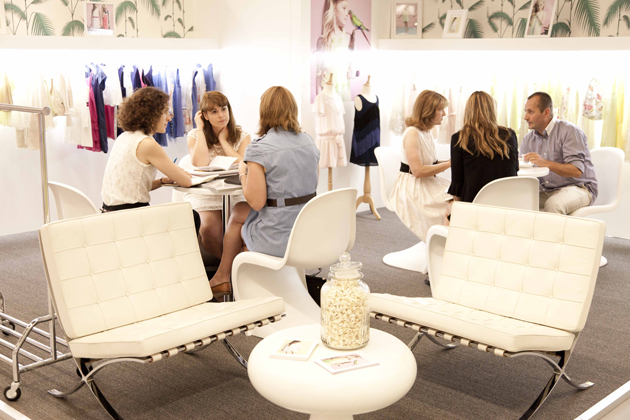
Yesterday was the starting day for the 75th edition of Pitti Bimbo, one of the largest fairs dedicated to children’s wear. Runway shows, creativity, classic wear and sportswear topped off with high-end lines, and for the first time 2DM Blogazine attended this 360° view of couture for the little ones. During one day we discovered trends, brands and how companies align their children’s lines with their main ones.


Pitti Bimbo presented us large fashion houses, famous names and acknowledged design together with smaller labels and companies fully devoted to children. The collections often draw a lot of inspiration from the “grown-up” fashion trends, but the special colours and playfulness were present through detailing and prints. Just like any high-wrought collection, the ones of the children’s wear were complete with accessories ranging from shoes, bags and eyewear to hats, decorative gloves and jewelry. Within the colour scale of blue, pink, green and yellow the tones varied from washed-out pastels to bright effects, and the fluorescent details were consistent from many brands. This edition of Pitti Bimbo also offered a whole section dedicated to ‘green’ fashion. The brands exhibiting in the EcoEthic pavilion have made sustainable fashion a part of their brand signature, and no matter from which part of the world, they are all working to protect local manufacturers and ‘save the planet’.

When seeing the collections presented, it is easy to forget that we are talking about children’s wear. From the fluo colour details reminding of the collections seen at last week’s Pitti Uomo to the precious embroideries and researched materials, the themes, designs and details were as thought through as for any fitted men’s or women’s collection.


Lisa Olsson Hjerpe – Image courtesy of Pitti Immagine 

29/06/2012

Art Edition at Art Basel

Art Edition at Art Basel

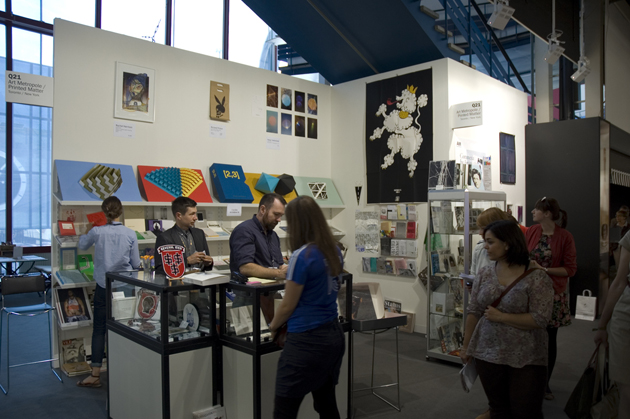
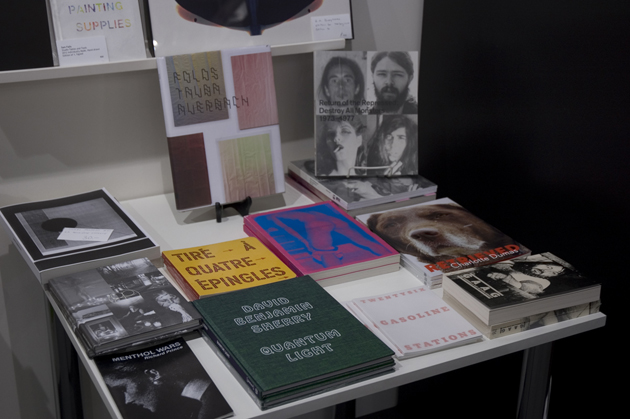
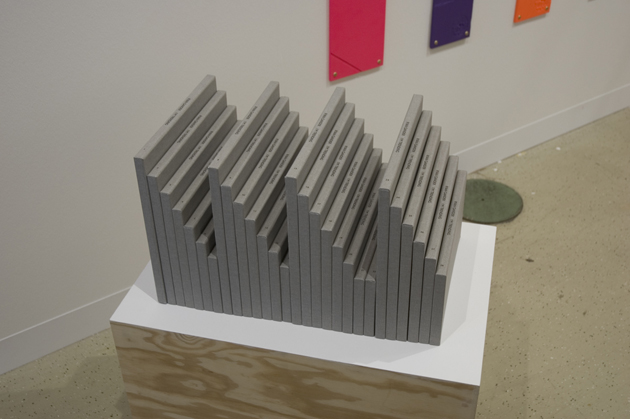
Even though it has been almost two weeks since Art Basel has closed its doors, some of the things we have experienced there are still in our minds. Among the big galleries and incredible artworks they presented, a special space was dedicated to printed artworks. This section of Art Basel, named Art Edition, presented the collaborations between renowned publishers and contemporary artists.

Quite distant from the cosy ‘independent publishing’ world, this book-works were breathtaking for the impressive quality of their production and the incredible selection of work by contemporary artists.


Even though this introduction may induce you to think that the works shown at Art Edition are far far away from the whole ‘independent publishing’ ideology, it can make you realize how the whole idea of a book as an object can constantly be rediscussed.


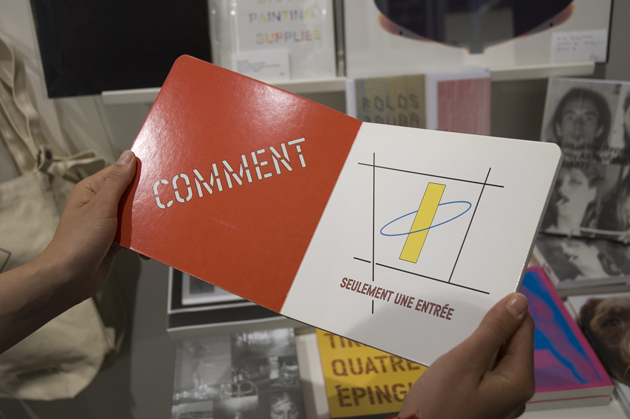
Among exhibitors like Lelong Gallery, Crow Point Press or Gemini G.E.L., we were most impressed by the Parisian Three Star Books . “Three Star Books are artworks”, as they strongly state themselves. This small publishing house produces some extraordinary limited book editions, and their books are highly crafted and produced in a closed editorial collaboration between the author and the publisher. Among artists that work with them, we fell in love with Ryan Gander’s book “I’m Trending” and Lawrence Weiner’s “Suomi Finland Passi Port Passport”.


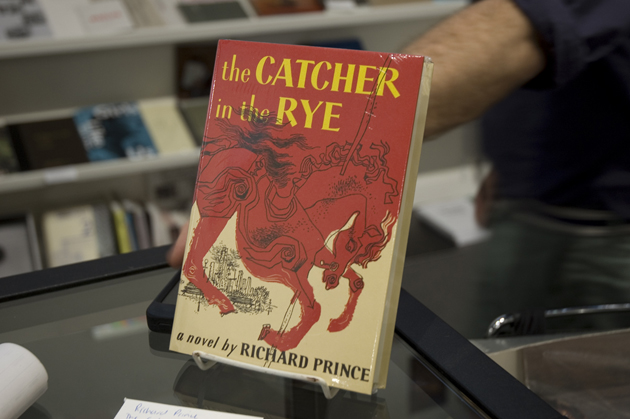
Next to the Art Edition section, we were also able to see our all time favorites – Parkett, Zurich-based contemporary art magazine, Art Metropole and Printed Matter, two organizations dedicated to the promotion and dissemination of publications made by artists.

As Printed Matter is an institution for all the independent publishing geeks, and they have since long brought us a whole stack of books we have been dying for, we are going to be quite biased this time and claim that this was kind of the best part of Art Basel.

Rujana Rebernjak

28/06/2012

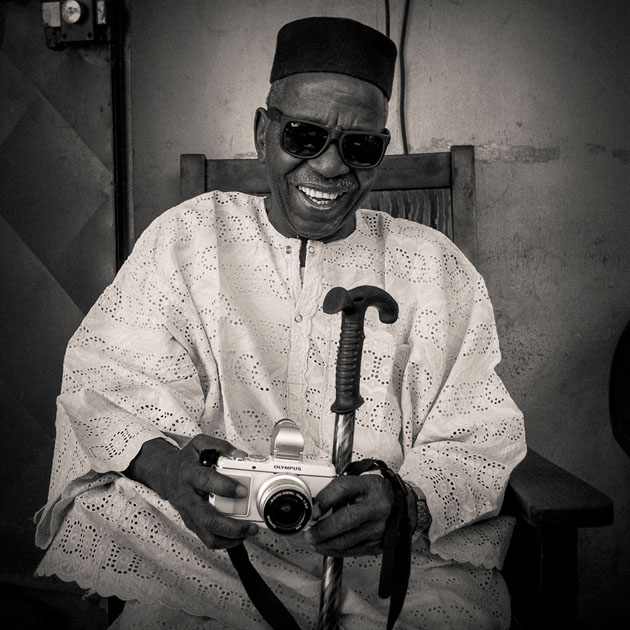
The Smiling Eyes – A Portrait of Malick Sidibé

The Smiling Eyes – A Portrait of Malick Sidibé

“Venice is beautiful, but it misses energy, while here in Africa you could still feel it. Maybe less than in the past since young people are more lonely today, but they are finding themselves again. My pictures are made of these feelings; joy and youth.”

Malik Sidibé puts off his black glasses, his face lights up and a broad smile full of life rises on it.

I’ve tried to get in contact with him four years ago, when I was in Bamako for work. I would have liked to interview him, but he wasn’t in Mali at that time and afterwards we lost sight of each other. I needed a pretext to go back and to be able to spend some hours with one of the greatest African photographers at work today; the first photographer awarded by Golden Lion at Venice Biennale (2007) with a curriculum vitae full of awards and important exhibitions such as the Hasselblad Award, the solo show at Pinacoteca Gianni and Marella Agnelli in Turin and the one at Cartier Foundation in Paris.

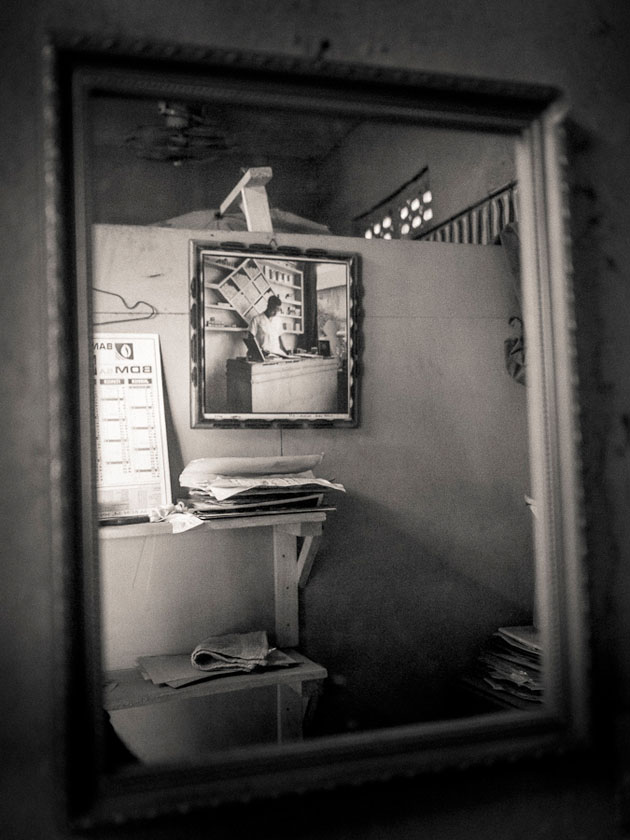
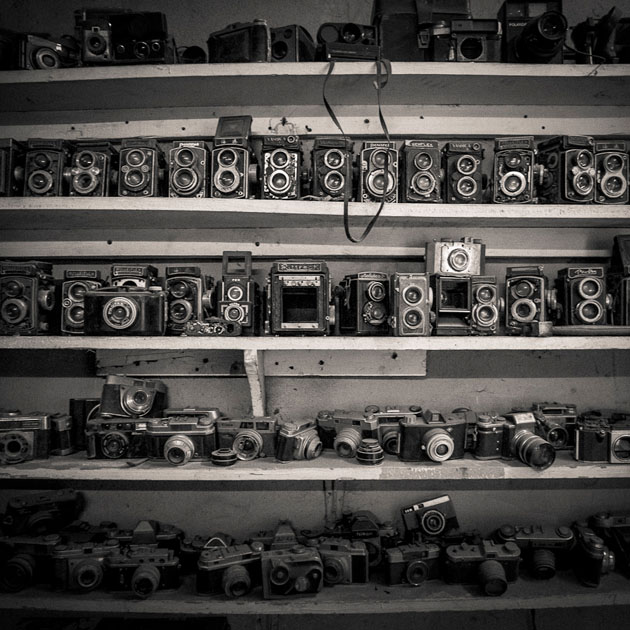
“You see…” he pointed at the shelf with all his cameras aligned in a row, in his small studio located in a dusty street in Bamako. “You see, those are cameras that people brought to me to repair, and then left here because they didn’t have money to pay me or because they got lost.” He disappears for a while and reappears with some stuffed but tidy books of contacts from the 60’s. “What a wonderful period… you danced, and clubs were full of people who wanted to stay together. I went round the clubs and took pictures, which I sold the day after. I put posters outside my studio, people of my city knew me. Film was seen as a serious thing and there were a lot of young Casanovas, who waited in a queue for being shot with girls while dancing”.

André Magnin, Sidibé’s dealer, laughs and says to me “Vittore, that’s the way Malik is, he remains genuine, he never forgot his background and he still has the wonder of childhood, which leads him despite his age.”


Malik answers my questions composedly. I’m amazed of his total lack of influences and his spontaneity, even when he confesses not being interested in some photography that depicts the clichéd Africa, which is used by magazines and foreign photographers. Suddenly he stops talking and says: “That’s enough! Stop talking, it’s time to take pictures”. He asks me my digital camera and he starts shooting. Then he turns on the lights of his studio – made from white painted cans – and among the reflective tools made of old umbrellas, I see a tripod and his Hasselblad.

“I wanted a unique light, soft and diffused, and I change the backcloths once every two or three years. I’m very demanding, so it’s hard to find something that is perfectly suitable for my way of working.”

The sun goes down. A continuous flow of young European photographers drop by looking for a boost from the master and it interrupts our chat. Malik lavishes smiles and good words to everybody, while people point hastily their iPads bombarding him with a lot of images, all too similar to each other.

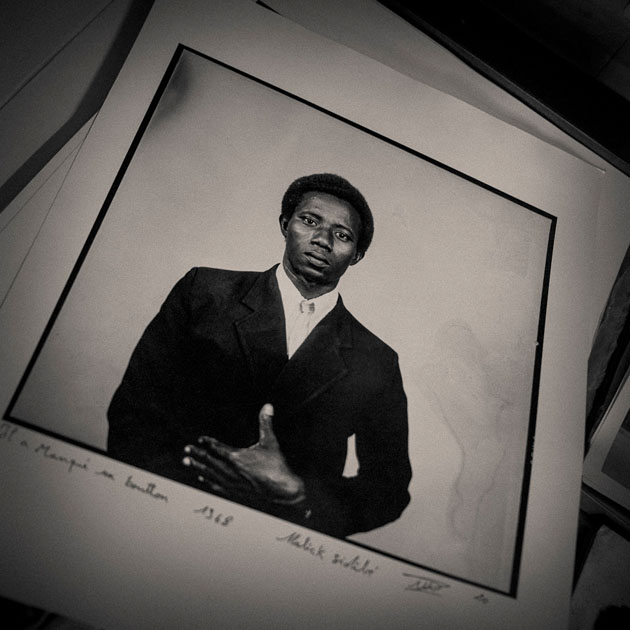
Then we look at the big black and white prints, his most well known portraits. While turning over the pictures, Malik tells me a story of each subject, person or small village in the middle of nowhere. It would take at least a month to go through them all, but my flight back is the day after. I walk away in the dark of the night, which here at the equator takes you unaware. A touch of melancholy creeps into my chest.

Vittore Buzzi

27/06/2012

The God Father Of Sushi

The God Father Of Sushi

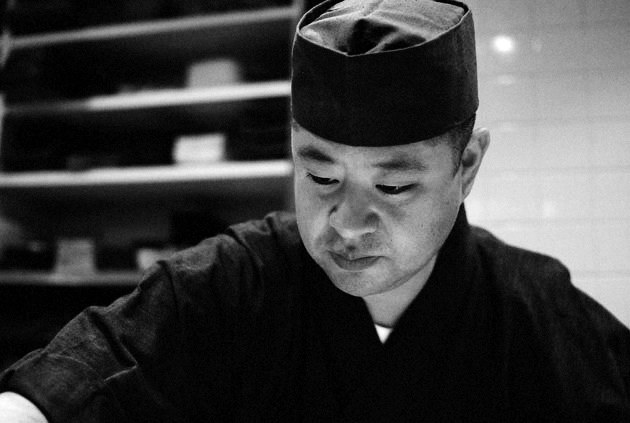
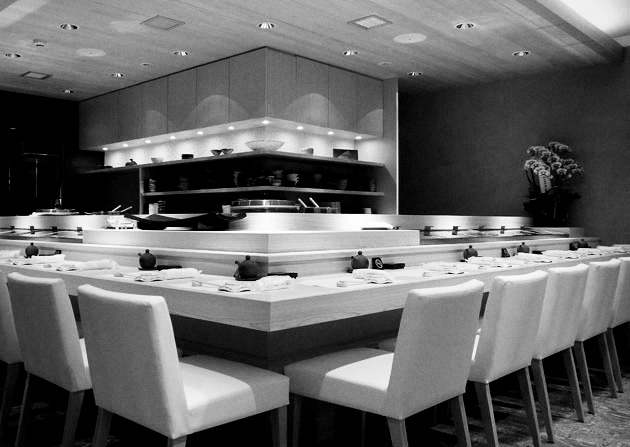
Mr. Abe, 40, the owner and the founder of one of the most vigorous Sushi restaurants in Tokyo, has opened a brand new venue in Roppongi, which has spurred his growth to form a bright triangle of restaurants in the central mid-night city.

“I’ve reached all my goals so far.” His ambitious endeavor never ends.

While he mentioned that his next goal is to achieve 10 billion yen – indeed a high goal to reach in the field -, his adoring eyes spoke well about his will to be the God Father of the devoted followers hoping to learn from him. The family of this benevolent guardian with tender toughness and hospitality has grown to over 40 actual workers plus the graduates, since he started with only 3 people including himself.

Born in Niigata, the northwestern part of Japan known as the most prestigious area for rice production, the ambitious young boy used all his knowledge to figure out how he could unite his love for fish to a profession. After 10 years of training at a notable old Sushi maison at Tsukiji Fish Market, his mother served as one of the catalysts for changing his life by motivating him to open his own place.

“One day, she got depressed. It flapped me. She was a strong-minded worker in the rice field, from 2AM till 7PM non-stop, everyday. I decided that I’d need to create some motivation for her.” Since then, special appetizers with mountain vegetables picked by his mother have been on the menu of his restaurant, so as the rice from his father’s fields.

“People are the utmost gift in life. I could never reject any customer’s request. If they call for catering even in the most busiest moment, we will complete it on time. Also, I don’t like to reject new  apprentices.” Naturally, his place got busier, and as a consequence, the opening hours were widened till 5 AM all year long. New restaurants were opened to provide jobs for all the willing apprentices.

As Mr. Abe says, each encounter is meant to be. He told us a very symbolic example, where on one sunny morning in Niigata, two mothers met in a town clinic and started chatting about their sons, finding out that both were by chance living in the same area in Tokyo. Feeling the destiny, Mr. Abe couldn’t help but to invite this young boy to work for him.

Ten years later, the young boy took charge of Mr. Abe’s flagship restaurant. “Today, I am here owing everything to Mr. Abe. Being an actual relative was not that important. As a professional, he has been quite tough with me, but now I understand how bitter it is to punish someone. Also, he always said that if you want to be at the top of a team, ‘be the first one to do the toughest jobs that everyone else hates to do.’ I learned it through his attitude” the apprentice grown to a manager told us.

Even in our time when things tend to get like decaffeinated instant coffee, there is still something we appreciate within the life-long sincere relationships. Through the deep Japanese tradition of Sushi, not only the art of the profession, but also the Abe-ism thrives among his family members and restaurants. One client even described Mr. Abe’s restaurant as his second home.

Ai Mitsuda