28/11/2012

The Editorial: Fair Trade Dope

The Editorial: Fair Trade Dope

We, as a generation, are hyperactively engaged with the world at large. Quick to point out injustices, eager to identify with a cause, our generation is, as a whole, measurably more informed, vocal, and engaged than any before it. We, the self-described social entrepreneurs, human-rights activists, open designers, charity workers and social strategists, are driven by interconnectedness to effect change. Do good. Many (including myself for periodic bouts) are vegetarians, for both ethical reasons and the far-reaching negative effects of commercial meat production. We love the fair-trade label, as it signifies a highly scrutinised supply chain, and we vehemently avoid buying from companies like Walmart, whose environmental and social track records place them on par with any oppressive totalitarian regime.

But drugs, those magical merrymaking substances that allow for escape. Shifts in perception. We are as addicted to those as ever – I know girls who’d be right at home in the Doll House. Line. Martini. Line. Repeat. Funny thing, though, those drugs. One hit and our principles go out the window.
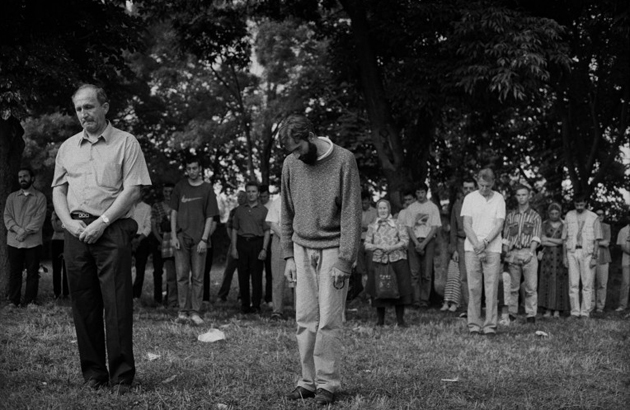
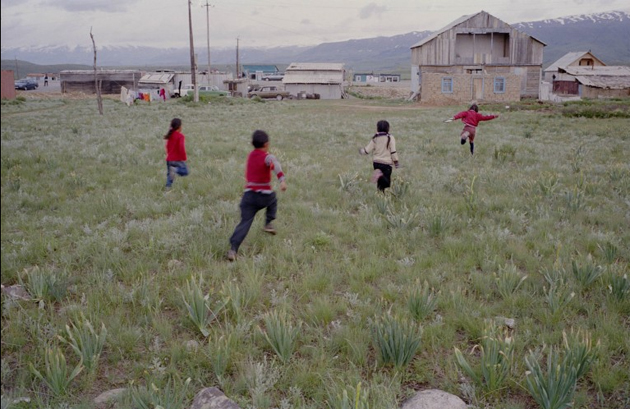
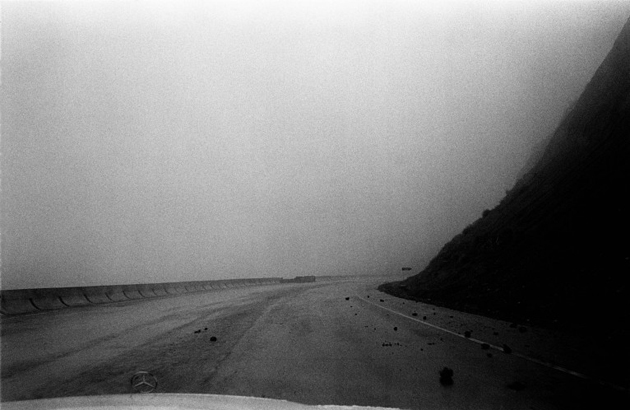
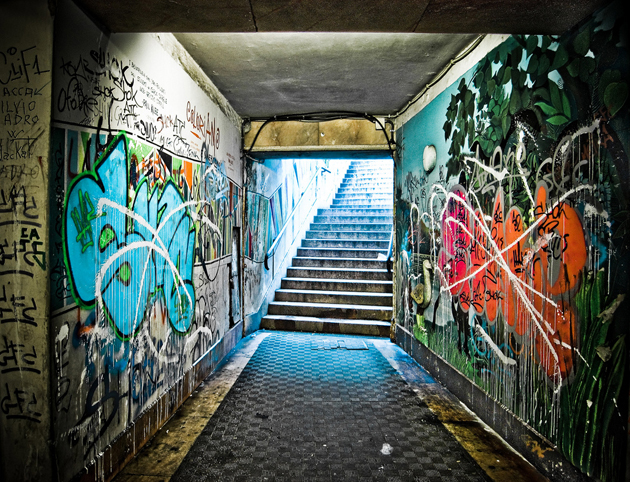
Illegal drugs are societally wrong – but not for the reasons you might think. While we focus on the consequences of drug abuse in one society, we seem to conveniently ignore the trans-national wars our smoking weed and snorting cocaine cause. A bit hard to imagine while on your face in that slick toilet at the hot nightclub, but societal structures create alternative market systems. Demand creates supply. And since society wants drugs, they are supplied from somewhere. Full stop. And that means, what we want in Italy and England and Canada creates extraordinary violence in Mexico and Afghanistan and in some dark corner of your city. Breaking Bad is real. Much of Mexico.

Now, there is nothing intrinsically unethical or morally wrong with inserting a mind-altering substance into your body. As long as it doesn’t lead to the harm of others (i.e. driving drunk), what you do to yourself is, and probably should be, your prerogative. That is what living in a “free” country, as we ostensibly do in the west, is all about. However, it is time to take a long hard look at our moral compass next time we light up our little glass pipes. If we value responsibly grown rice and free-range chicken, it is absurdly hypocritical to buy weed off an anon dealer on the street. You have no idea where it’s from, and like that cheap-o DVD player you bought at Walmart, you can be sure someone suffered to get it to you. In other words, we’re a hell of a long way from Fair Trade dope.
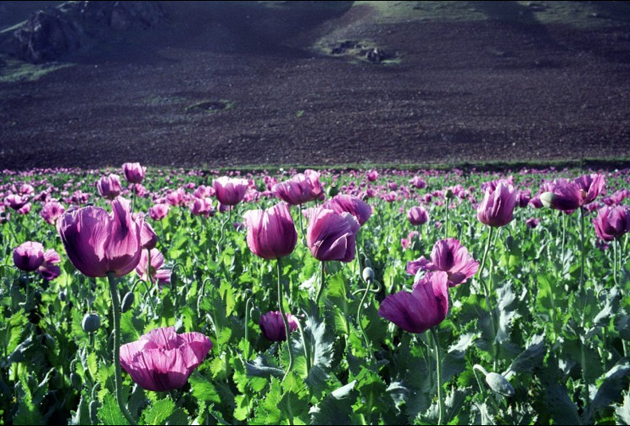
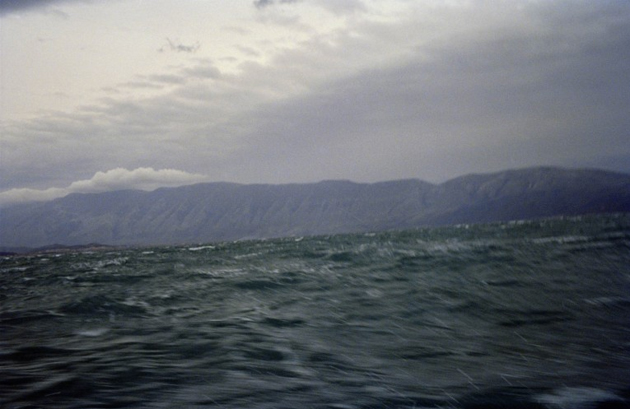
So, what should be done? Apart from staunch social conservatives (the most radical of hypocrites), most of us can probably pragmatically agree that it isn’t right (or efficient) for anyone to be locked up for using marijuana. And the more imaginative among us probably believe that some of the less immediately destructive substances should be available, controlled, and taxed: create suitable barriers, generate revenue, punish abuse – not use. (Works for alcohol – also once prohibited!) And most importantly, demand would be met by a transparent system, killing the business and power of the violent drug cartels.

This is clearly a much more complex issue than we have time for here. But, what do you think?

(And in case you’re wondering, my only drugs of choice are sherry, gin and coffee.)
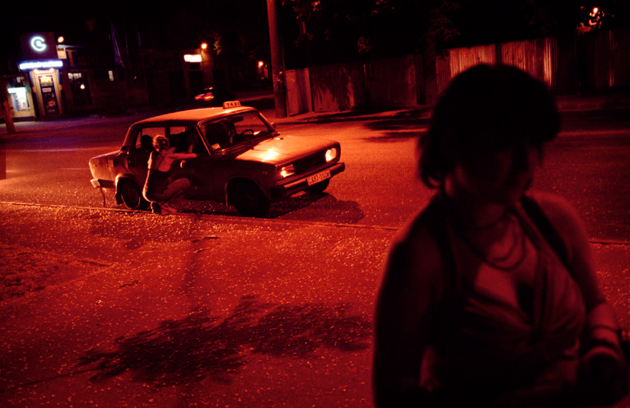

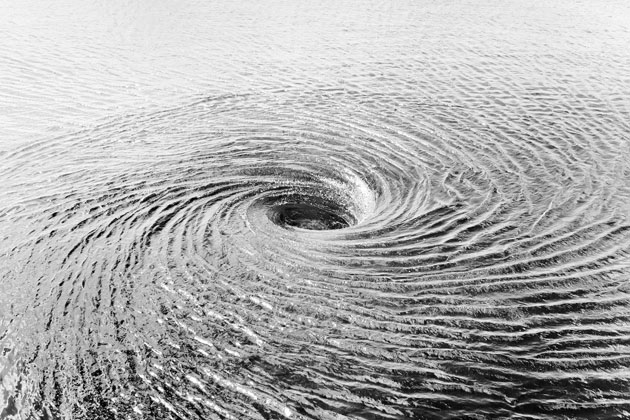
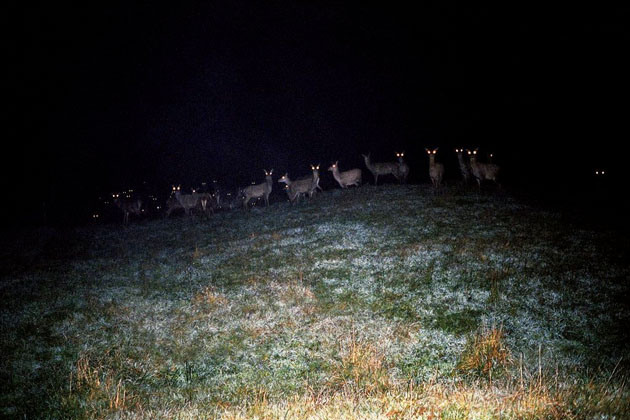
The photos in this editorial were taken from the just-released book Poppy: Trails of Afghan Heroin from Dutch publishers Paradox, which traces the origins and wild trajectories of Afghan drugs around the world. A definite must read.

Tag Christof
27/11/2012

Meta-Monumental Garage Sale at MoMA

Meta-Monumental Garage Sale at MoMA

We all love flea markets. They allow us to look into someone’s past, to gaze into what they used to love and maybe even see their present and our future. At the same time, though they are most vivid testimonies of our materialist culture, showing off stuff we once fell in love with but despise or don’t need anymore (as if needing is still a valid argument for buying things). Flea markets are also magical places where the emotions and reality intertwine in play that is, in the end, all about possessing.

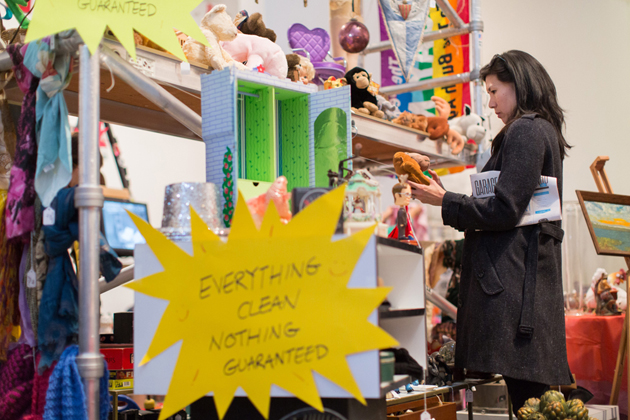
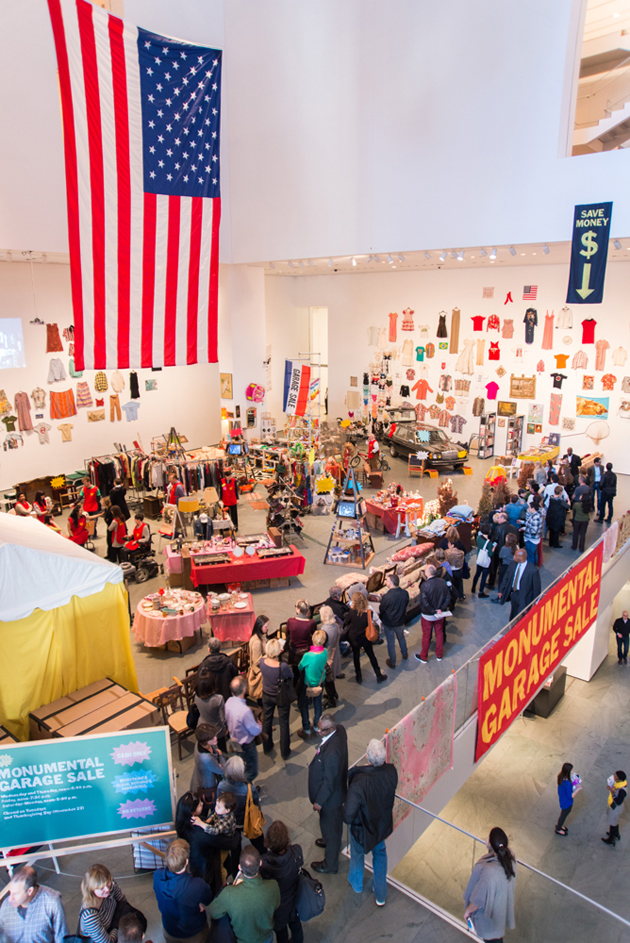
Maybe this is exactly what artist Martha Rosler was thinking about while staging her installation and performance event “Monumental Garage Sale” for the first time at the art gallery of the University of California in San Diego in 1973. After various replicas around the world scrupulously designed by the author, the performance, now titled “Meta-Monumental Garage Sale”, has reached the Museum of Modern Art in New York.


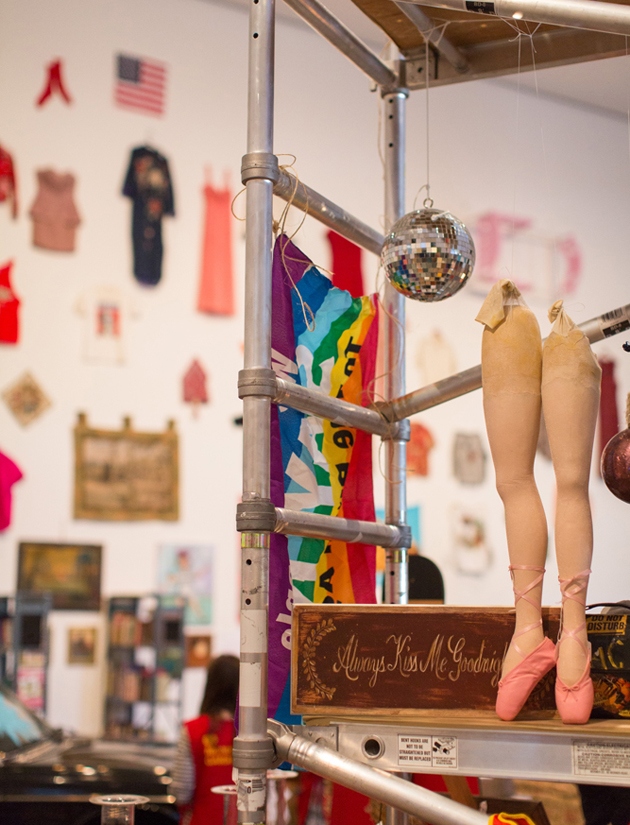
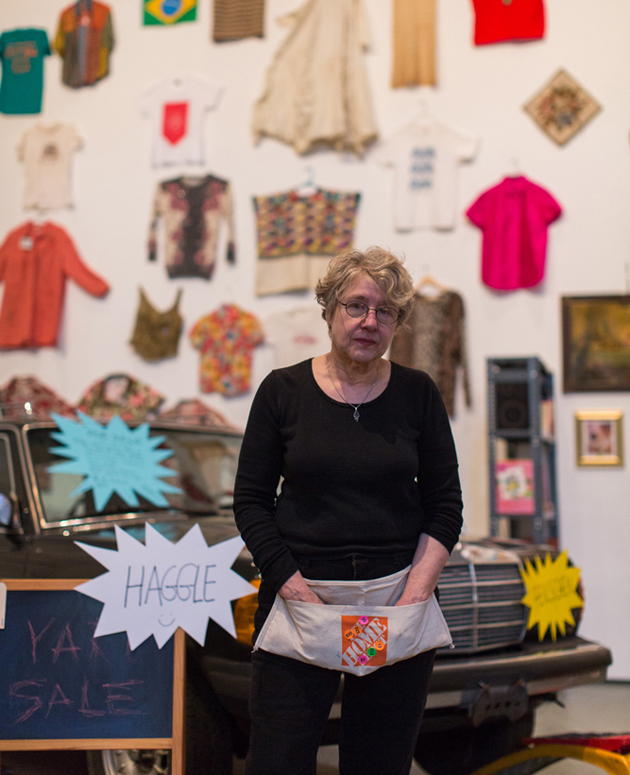
The installation, gathering objects belonging to the author as well as her friends and family, presents hundreds of second-hand goods that are organized, displayed and sold by the artist herself and her floor assistants. The visitors are encouraged to browse through the objects displayed, choose the items they want to buy and possibly haggle over prices, as if it were a casual garage sale found anywhere around the United States.

For more than 40 years Rosler, one of the most influential artists of her generation, has made art about the commonplace, art that illuminates social life, examining the everyday through photography, performance, video, and installation. What “Meta-Monumental Garage Sale” tries to point out is the role of commodities in our everyday life, how useless, vain and superficial they often can be.


The installation will be on display until friday the 30th of November.

Rujana Rebernjak – Images courtesy MoMA/Scott Rudd

26/11/2012

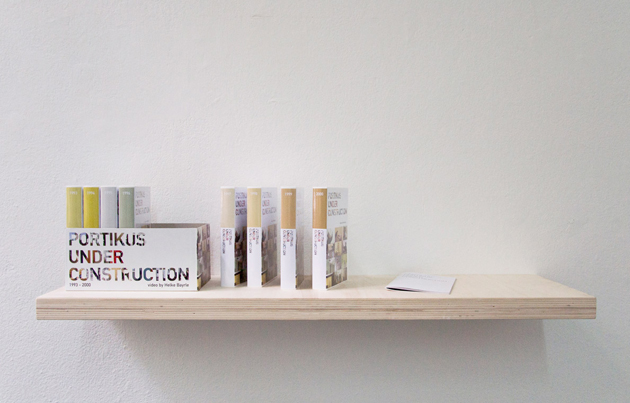
Helke Bayrle – Portikus Under Construction

Helke Bayrle – Portikus Under Construction

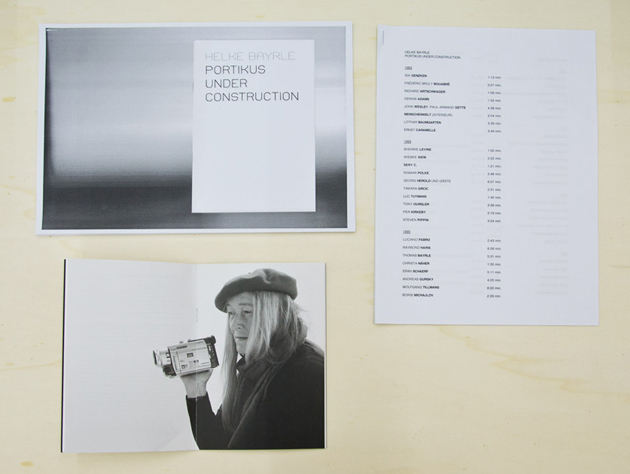
In the most recent history of art, to build an archive is an important if not fundamental practice in the artist’s work. So it happens that among the recent exhibitions in Milano one of the most interesting ones is the video documentation collected since 1993 by the filmmaker Helke Bayrle displayed now at Peep Hole art space.

Born in 1941 in Torun, Poland, Helke Bayrle lives and works in Frankfurt am Main. Since 1969 she has worked together with her husband Thomas Bayrle, a key-figure of the pop-art in Germany, and from the early nineties, with her video camera, she has documented the installing and setting up of 123 exhibitions at Portikus, one of the pivotal spaces in the art institution, if one is to understand the development of contemporary art languages from the end of the eighties until today.

Watching such documentation the viewer can face the impressive collection of artist portraits. Helke Bayrle’s eye covers behind-the-scenes footage, situations and settings the viewer isn’t normally exposed to, once the exhibition is set up. The films are more than mere documentation. They are subjective and intimate observations of artist personalities and the process behind creating the individual exhibitions. Bayrle’s films are a rare case of a documentation approach mingled with pureness and consistency in vision.

The movies are produced in teamwork with Kobe Matthys since 1993, and after with Sunah Choi since 2001, the editing reveals the precise intention to create short and essential aspects to depict each artist in the development of their shows. She always shot the artists as they were installing their work; the viewers see and feel and understand the art they make better when you also get to meet them as people.

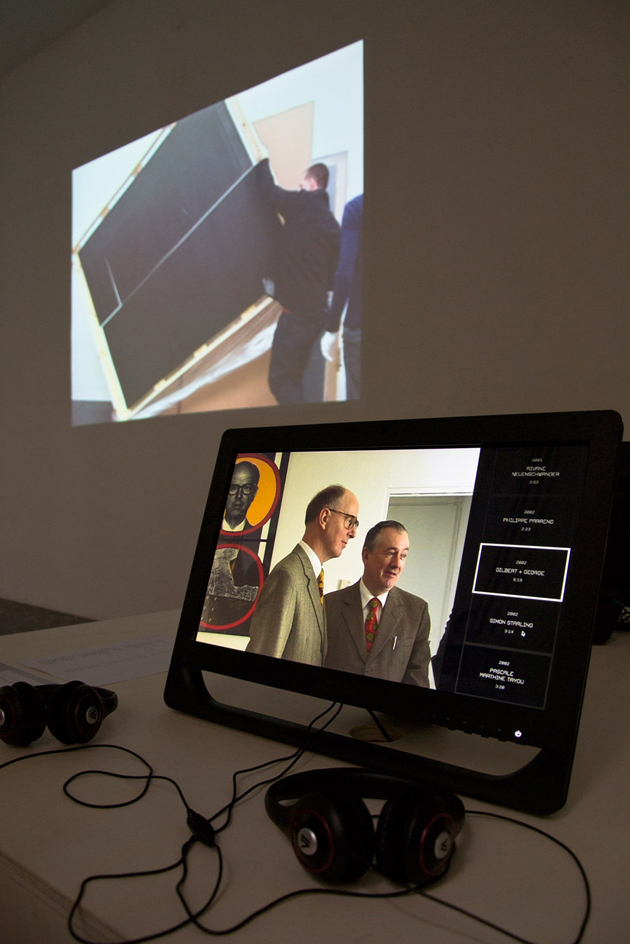
The footages cover the exhibitions of masters such Gilbert & George, John Baldessari, Tony Oursler, Raymond Hains, Jimmie Durham, as well as important personalities from the nineties like Rirkrit Tiravanija, Francis Alys, Matthew Barney, Paul Chan, stars from the Young British Artists as Mark Leckey, Sarah Lucas and Mark Wallinger and Italian artists as Maurizio Cattelan and Paolo Pivi. All their works were hosted in this incredible space of Portikus telling the progress with the living language of video.

And yet, another important presence shown in the the films is the participation of the students from the Städelschule located next to Portikus in Frankfurt. The films can help us to understand deeply the strong relationship between pupils and art students with an older generation of important artists and mentors and, didactically, in how different ways each artist develops his own installation.

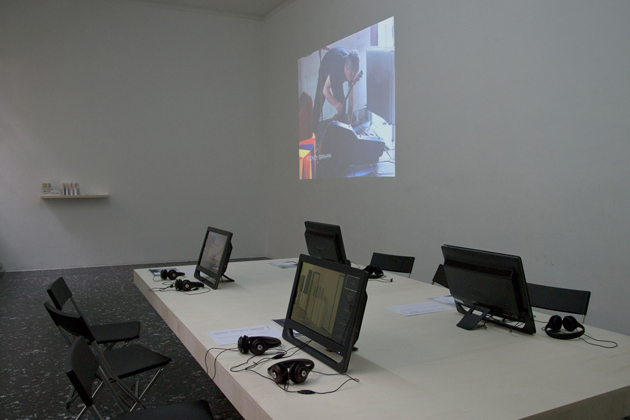
Entering in the small art space in Via Panfilo Castaldi for the Bayrle’s exhibition (the last one hosted by Peep Hole before moving in a new base) the visitors can select and consult the different filmworks present in the “Portikus Under Construction” archive, allowing each one to “edit” a personal journey and create a personal portrait of the Portikus, experiencing extremely different, even contrary exhibitions in this space.

From 17 November to 20 December, 2012

Riccardo Conti

25/11/2012

Sunday Breakfast by Love For Breakfast

Sunday Breakfast by Love For Breakfast

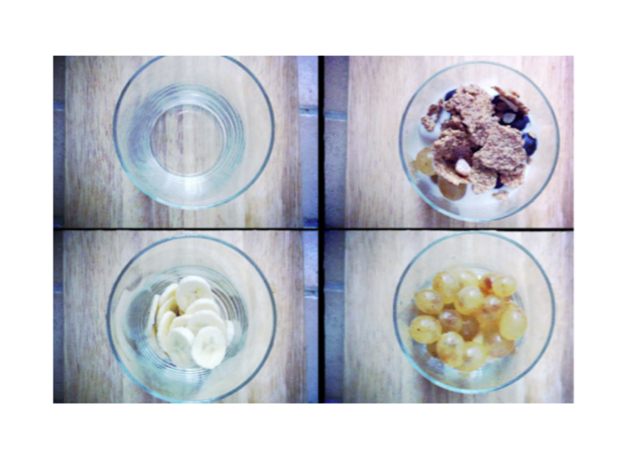
A breakfast under construction. A simple mink of the elements that make up the welcome to my day.

Alessia Bossi from Love For Breakfast

23/11/2012

The City Of Iridescent Lights

The City Of Iridescent Lights

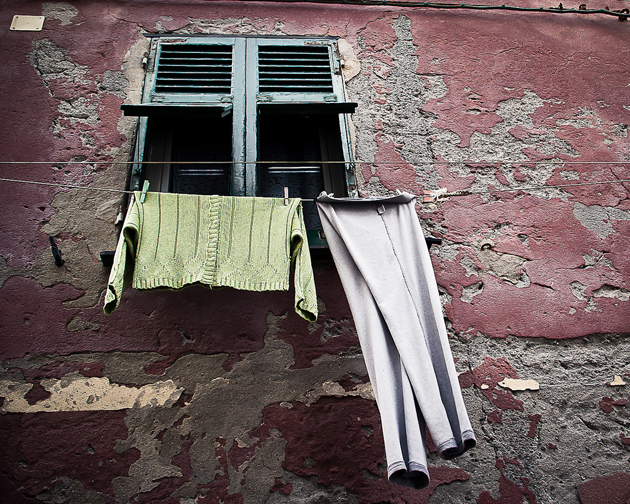
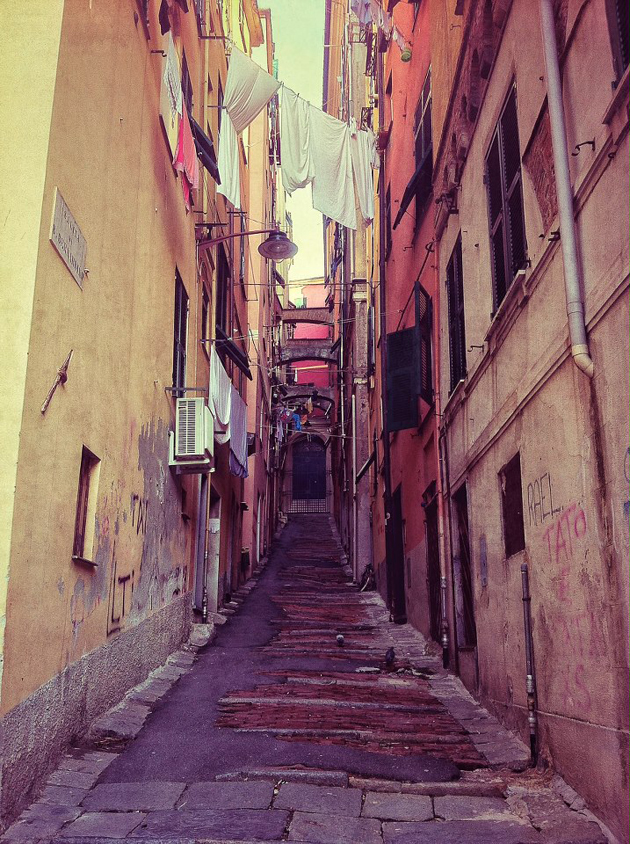
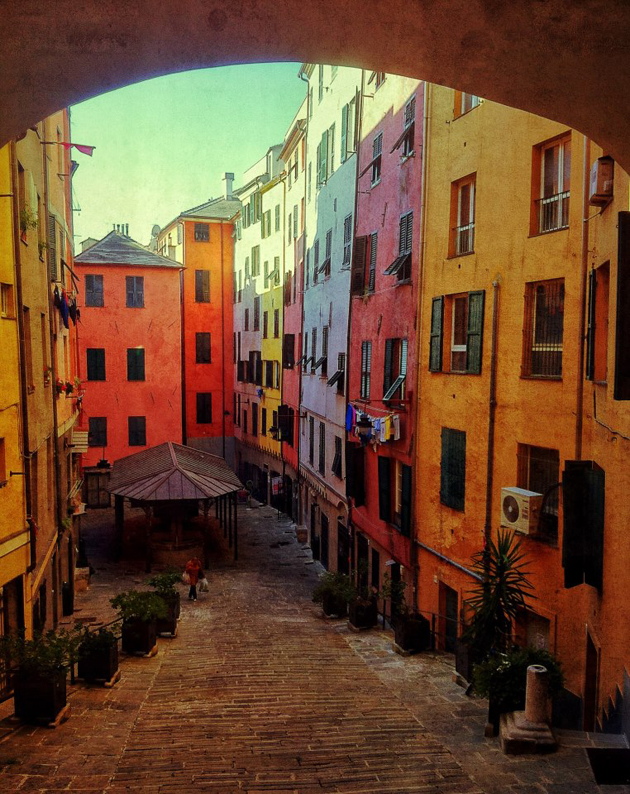
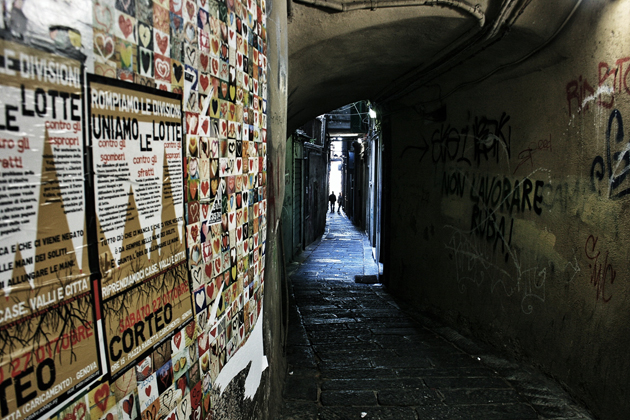
If Stephen King would have been born in Italy, maybe he would have chosen Genova (Genoa) as the city of his novels. Like Derry, the literary transposition of King’s hometown Bangor, Genova gives the impression of hiding mysterious features, as if under its modern and renovated city dress, it hides an ancient and haunted body. You don’t need a pair of writer’s eyes for taking notice of this contradiction. It’s enough to walk the historical streets in the centre, looking around. Wide and bright streets are crossed with narrow and lopsided alleys, where high and decadent palaces are built so close to each other that not a single ray of light filters through, and you could jump from one’s window and find yourself in the opposite building. In a few hundred meters from Galleries and Foundations, on Via della Maddalena and on the side streets of Via del Campo, stocky prostitutes sit on the stair landings of ancient houses waiting for clients.


A legend narrates that Genova derives from Janus, the two-faced god, for its overlooking the sea while being encircled by mountains. From the docks of the seaport you can see that city literally climbs up the sides of the mountains Val Bisagno and Val Polcevera, giving life to an extraordinary union between the nature and man’s work. But Genova has more than these two faces, since it possesses within itself other, smaller cities. The seaport zone looks like Amsterdam, the shabby alleys like Naples. Together with Bologna this is one of the most communist cities in Italy, but if in the Emilian capital the collectivism is a synonym for power and money, here that ideology leads to rage and rebellion. These multiple identities make Genova perfectly fit for a set of a noir or a thriller. Maybe a horror flick too. What happened in the G8 in 2001 doesn’t go too far from that.

And then comes the Genovese. In the common Italian opinion they are indomitably stingy, for some people they’re just thrifty. For sure they are introvert and rebellious, the mirror of their city. Dante Alighieri put them in Hell (“Men at variance / of every virtue, full of every vice” – Inferno, Canto XXXIII), the famous architect Renzo Piano brings them in an antechamber of Heaven, changing the city in a destination for the lovers of modern architecture. Heaven and Hell. In the end, Genova belongs to both of them.


Antonio Leggieri – Images from him, Simon Falvo and Emilio Pereira

23/11/2012

Nofound Contemporary Photography Fair

Nofound Contemporary Photography Fair

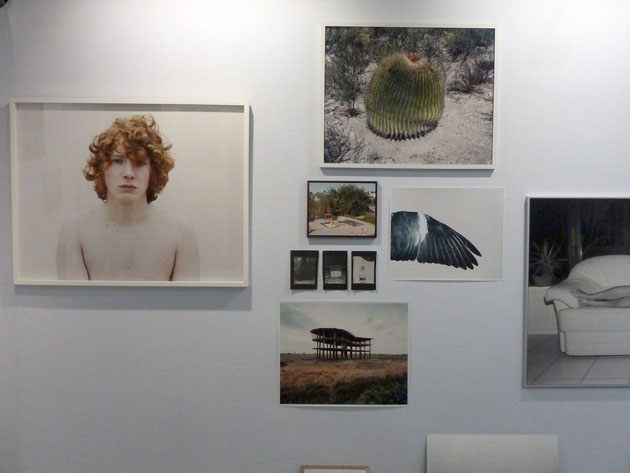
Last week Paris was put on the centre of the world’s photography map thanks to the acclaimed Paris Photo fair. As much as the giant fairs are always inspiring due to sheer quantity of exhibitors where you cannot not find something that’s just your cup of tea, it usually doesn’t offer the chance for exchange and experimentation. That is maybe one of the motives why the big fairs somehow give birth to a series of smaller events, that offer an alternative output for exploring new paths and reflections in contemporary art, design and photography. That was the case with Nofound contemporary photo fair, held in Paris from 16th – 19th of November.


Nofound, at its second edition this year, was born with the idea of offering an insight on those practices where photography and art intersect. This intimate fair proposed a series of projects that were accurately selected by the organizers following their strict choice to showcase works that are representative of the new direction the contemporary photography is taking. This new photographic scene is particularly dynamic, growing from and developing on the possibilities offered by the internet. The diversity and, yet, the similarities of many of the projects are somehow blatant examples of how the art world reflects the current changes in the society, where individuality is sought but lacked the most.

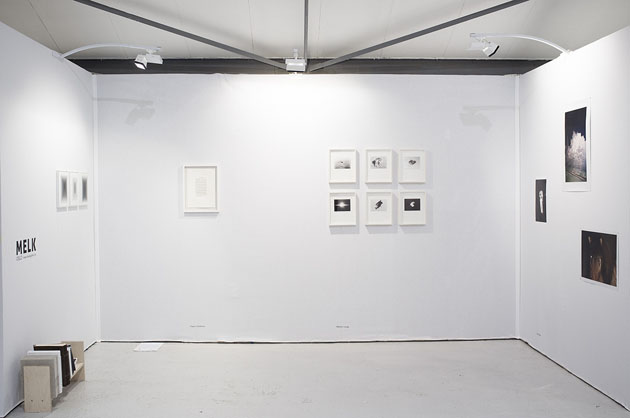
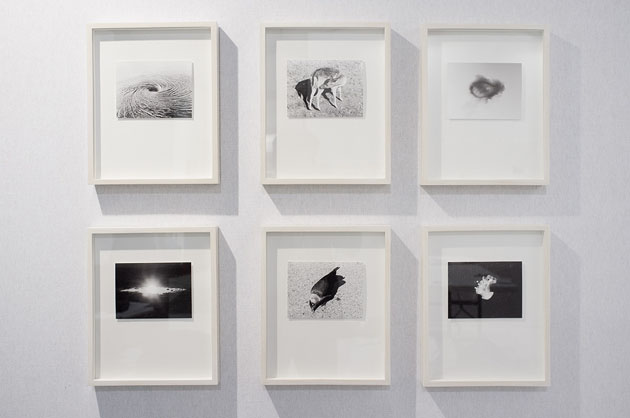
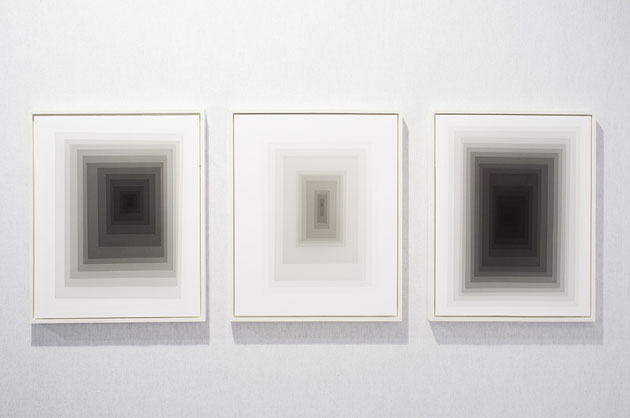
Among the showcased projects in the exhibition booths section, the ones we felt more surprised by was the stand by the Belgian collective Wilderness with soft yet raw photos of nature and intimate portraits, and MELK gallery from Oslo presenting work by Ola Rindal, Espen Gleditsch, Mårten Lange and Emil Salto.


In the installation booths and project space section, the fantastic Peter Sutherland’s and David Edward’s installation was the one we obviously loved the most. A few other names must be mentioned though, such as Harmony Korine’s solo show brought by ARTE and Galerie du jour Agnès, projects chosen by Prix Découverte/The deGroot Foundation, and Ed Templeton’s project of women putting on their make-up.

The familiar and informal feel of the Nofound photo fair was a great relief after the gigantic stands and superstar names seen at Paris Photo. It offered us a place for discovering new talented photographers, have a chat with our favourite artists and soak in a spirit of experimentation and touch of irreverence. That is why we’ll try catching up with the guys from Nofound again next summer for the Rencontres d’Arles photography festival.


Rujana Rebernjak

22/11/2012

Roy Roger’s & The History of Denim

Roy Roger’s & The History of Denim

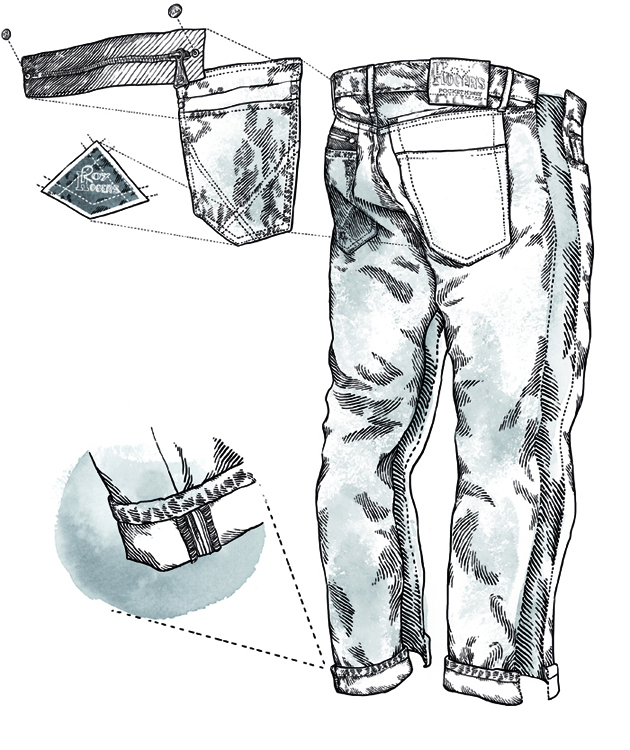
“There is no future unless you have a real history” is a quote that in many ways puts words on what the brand Roy Roger’s stands for. As the first Italian manufacturer of denim, the company has worked with this never-lost material since the 1950’s, and just like back then, the American cotton is still a product coming from the historical Cone Mills Corporation.

Even though the collections today present American as well as Japanese denim, and the washes and the models might be slightly upgraded from the ones produced in 1949, the company has kept much of their original flavor, making it a brand that gains strength from looking back to move forward. It is the small details – such as knowing that the tailors use the same sewing machines as the ones of the 50’s to make chain stitching – that make one want to know more.

A pair of Roy Roger’s jeans has its beginning in a raw cloth of denim, and before doing anything else, the fabric and the processing of it are studied carefully to learn how the material reacts in terms of washing and shrinking. Design, cut and patterns of the slim fitted jeans are thereafter handed over to the in-house tailors for expert attention to stitching. Much thanks to the internally handled processes, the iconic Roy Roger’s denims from back-in-the-days share several features with the pair of jeans you find in store today. Besides the already mentioned Union Special sewing machines and the fabric coming from the “American temple of denim production”, both the intertwined seams in the back and the double stitched back pockets are the same. Though, the most iconic features of a pair of Roy Roger’s jeans, seen today, might be the features that weren’t thought of as fashion details at all back then. The back pocket zipper, which Roy Roger’s and the founding manufacturer Manifatture 7 Bell have had patented since 1952, and the famous small money pocket in the front, were incorporated to protect the workers from losing the day’s wage when heading home after a long day worth of work.

Whether you love a pair of jeans for its functionality and fashion aspects, or for the details that assure you both quality and an amazing history, we have found that Roy Roger’s gives us both. Because, who doesn’t love the feeling of knowing that someone put not only time and expertise, but also pride and joy into the garment you are wearing?

Lisa Olsson Hjerpe – Illustration by Karin Kellner

21/11/2012

ONE ON ONE at KW

ONE ON ONE at KW

How often do you find yourself at a gallery opening, red carpet rolled out(!), all alone in the space together with the artwork? In Berlin there’s a golden rule saying that if you really want to see the art – don’t go to the opening night. But when the exhibition ONE ON ONE opened in Berlin’s KW Institute of Contemporary Art last Saturday, it turned out to be the exception that proves the rule.

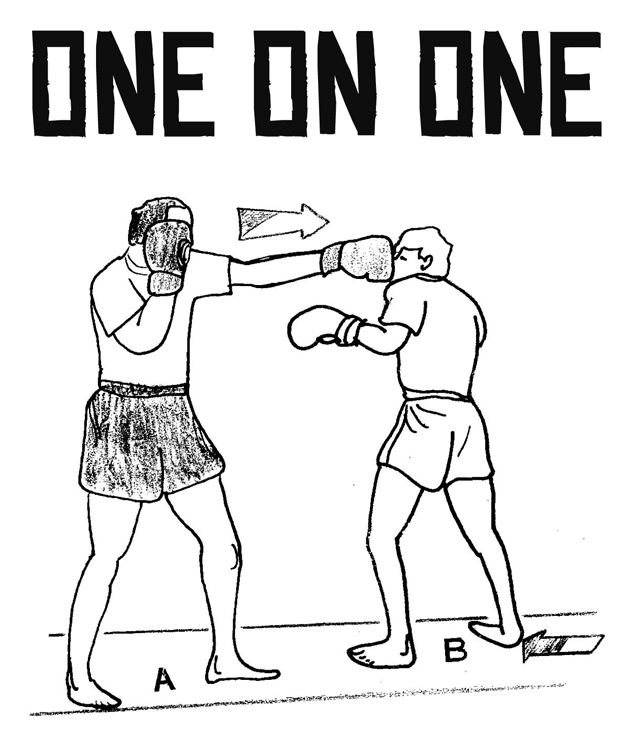
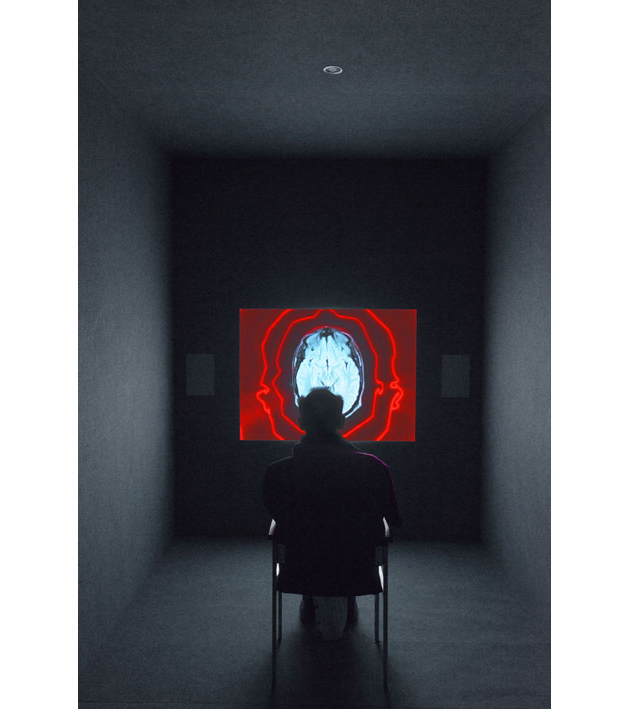
Curated by Susanne Pfeffer, ONE ON ONE is made out of artworks to be experienced for one single person at a time, whether they are performative, installation-based, conceptual, material or immaterial. Capsuled into self-contained ad hoc spaces across the four floors of KW, works by iconic names such as Yoko Ono, Blinky Palermo and Hans-Peter Feldmann can be found next to those by a younger generation of Berlin-based artists like Nina Beier, Alicja Kwade and Jeremy Shaw.


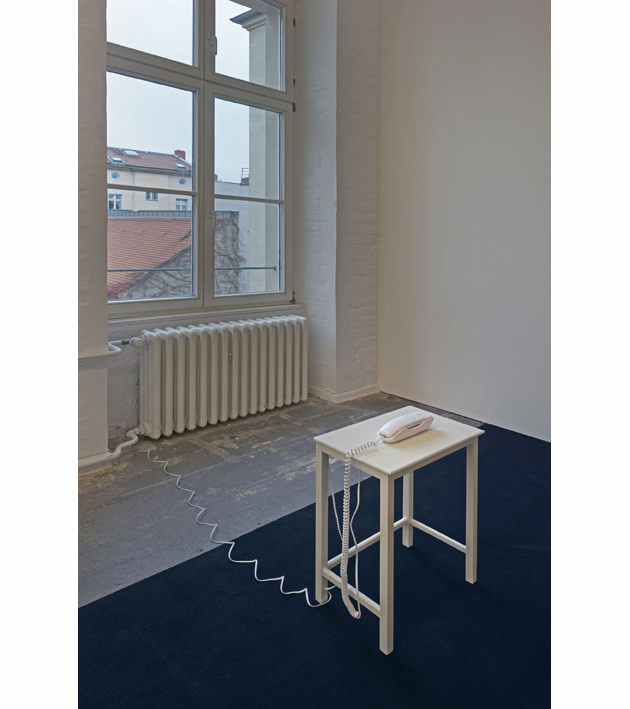
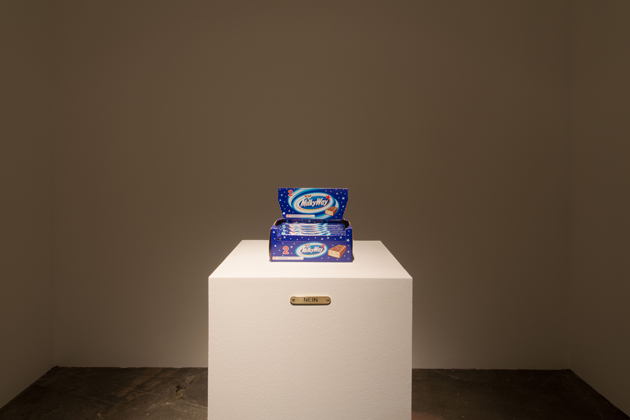
While many of the booths resemble claustrophobic situation rooms, the spacious ground floor hall has been dedicated to Robert Kusmirowski’s work “Lichtung” (2012) of sand, trees and a green hill. Being all alone in the silent hall feels pretty peaceful, until the moment you walk around the hill to discover the mess of disturbingly realistic decomposing corpses in a ditch. Other works come with a more positive surprise effect, such as Annika Kahrs’ brilliant performance installation “For Two to Play on One” (2012), where two pianists stare back at you as you open the door, abruptly interrupted in their practice. Another highlight is the tongue-in-cheek humour of Hans-Peter Feldmann’s “One on One” (2012), a tempting stack of chocolate bars on a podium marked with the label “NEIN”. And if you’re lucky to be at KW at the right time, you might be the one to pick up the phone when Yoko Ono makes her daily call to her “Telephone Piece” (1971/2012).

Hopping from booth to booth as during an arty speed-dating is a direct and exclusive new way of experience art, space and time. The red carpet is rolled out for you in KW until January 20th.

Helena Nilsson Strängberg – Photos courtesy of Uwe Walter, der Künstler – Art by Trisha Donelly, Jeremy Shaw, Hans-Peter Feldmann, Yoko Ono

21/11/2012

The Editorial: O, Twinkie

The Editorial: O, Twinkie

Ah, the twentieth century. Those hundred years in which all the scientific advances of centuries past converged into one gigantic, global sociotechno orgy: television, mechanical flight, vaccinations, space travel, solar energy, mobile phones, the harnessing of nuclear energy… and the Twinkie. That barf-inducing, impossibly supple, dizzyingly sugared confection made of thirty-seven distinct, mostly chemical, ingredients. And so century twenty will go down in history as the first in which humans willingly ate food that wasn’t actually food.

Long the definitive whipping boy of the ills of processed food, the Twinkie has become something of a cultural icon. Both derided and clung to steadfastly, it has spawned several variations, perhaps the worst of which is that staple of the American State Fair, the artery-clogging deep fried Twinkie. Retirees with sweet teeth are known to keep one or two stashed in the glove box of their Oldsmobile – they certainly travel well. It’s spawned a book called “Twinkie: Deconstructed,” a scientist’s ‘Journey to Discover How the Ingredients Found in Processed Foods Are Grown, Mined (Yes, Mined), and Manipulated into What America Eats.’ (Read the New York Times interview with its author on the subject here.) And that sweet-little-thing Mad Men era big shots kept in mink and Chanel in addition to their wives, they were “twinkies,” too.

“Ralph’s got a hot little twinkie in the city…” Wink. Wink.


In short, the Twinkie is vice incarnate. In the trial for Harvey Milk’s murderer in the 1970s, the defence argued successfully that it was the excess consumption of Twinkies and other sugary snacks that led to homicidal behaviour. And so, a killer was convicted of manslaughter and not murder. Riots ensued. (Blame the Twinkie.)

And for all its preservatives, a single Twinkie might just have been the one thing to survive the coming total apocalypse. (Rather appropriate for its coming-of-age in the nuclear age.) But, alas, even snack treats with nuclear half-lives of 25,000 years cannot overcome corporate greed. This week’s announcement that Hostess, the old anachronism of a company responsible for the delectable little indulgence, has decided to liquidate itself after a string of wildly poor decisions from a wildly greedy band of executives.

So, whether it’s spared the liquidation guillotine, is it right to feel ambivalent about the Twinkie’s passing? So much nostalgia! So satisfying to hate! So, could we possibly live in a world without deep-fried treats of the 37-ingredient variety?

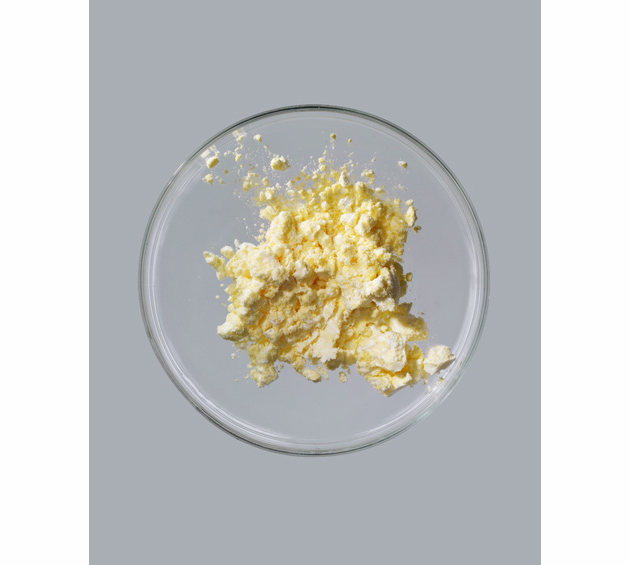
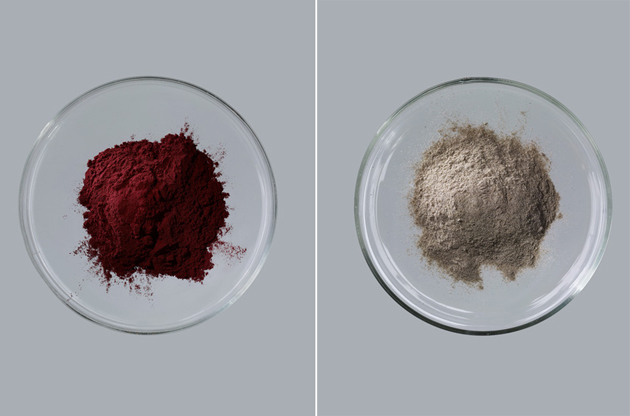
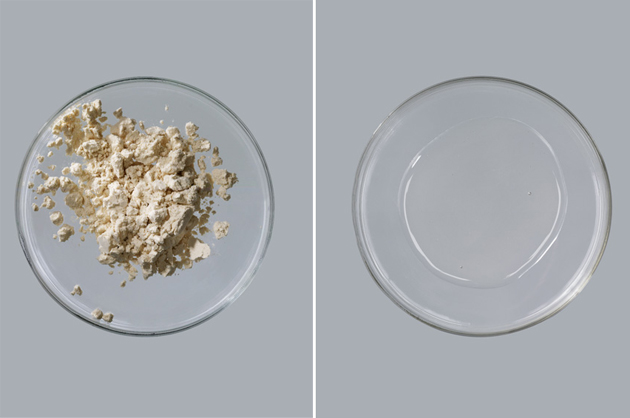
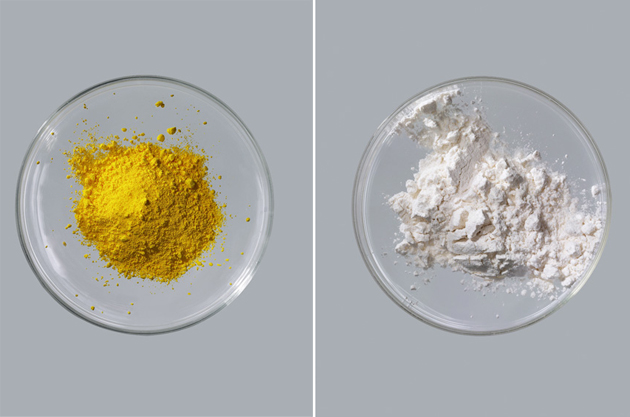
San Francisco photographer Dwight Eschliman, known for his stunning and information-filled still lives, has photographed each of the Twinkie’s 37 ingredients separately.

Tag Christof – Images courtesy of Dwight Eschliman
20/11/2012

Offprint Book Fair

Offprint Book Fair

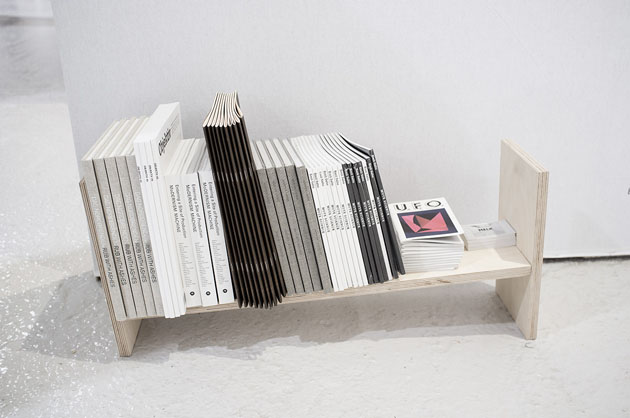
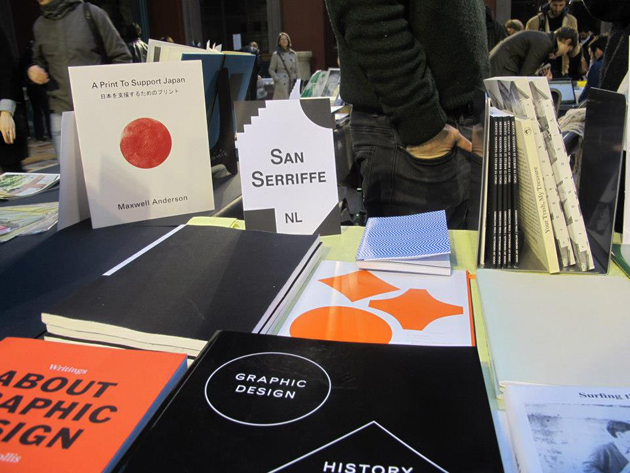
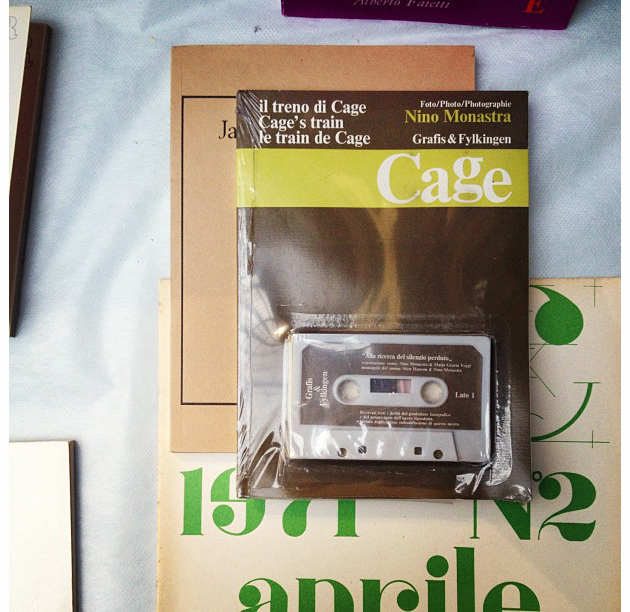
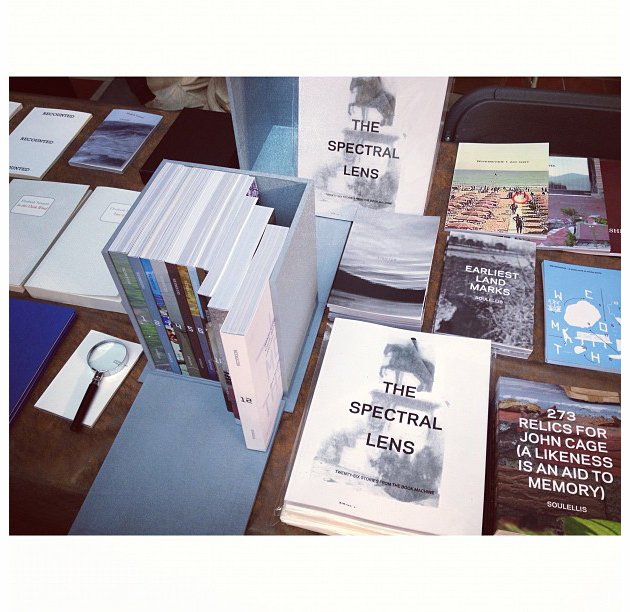
Glossy or rough, hardcover or paperback, black and white or printed in colour: books can take endless shapes and sizes and can contain a myriad of different contents. From Tauba Auerbach sculptural pop-up books to almost dictionary-like ones filled with tiny writing, this historical object still manages to surprise us. For those circling in the contemporary art and design sphere, speaking about independent book publishing and the countless forms it may take (oh, yes, again) may come as a bore. So from here on, you may decide to skip this article or otherwise indulge in another book-lover’s praise.


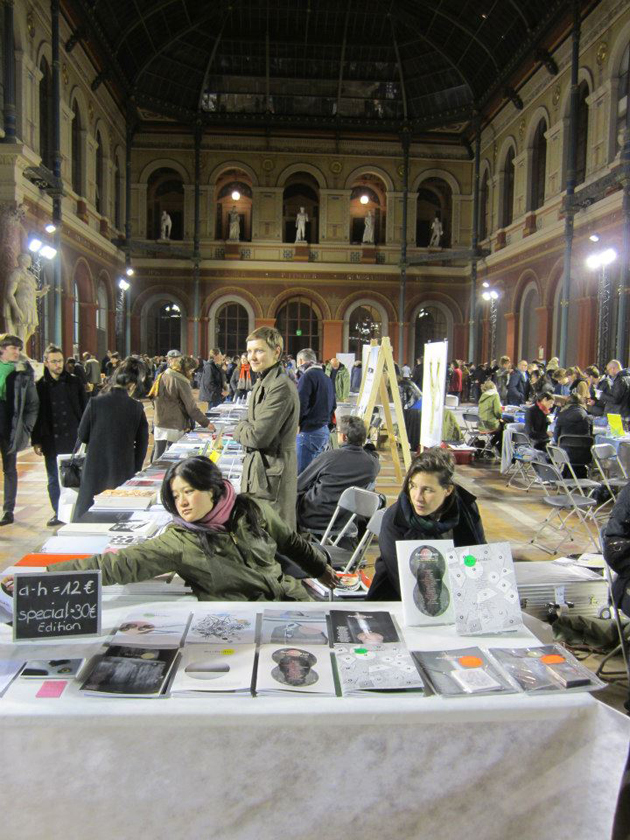
Offprint book fair was held in Paris from 15th to 18th of November in conjunction with Paris Photo, that widely acclaimed international photo fair. Set in a beautiful location, the études hall of Beaux-arts in Paris, Offprint offered the particular setting for confrontation and exchange between artists, photographers, publishers and their passionate public.

Among all the publishers present, we were taken aback by quite a few. The cheerful Mr. Dino Simonett has delighted everyone with the new book by Lucas Wassman. Titled “L”, this large format publication is a real treat for anyone interested photography. Another stand that was always crowded was Mack Books‘ one. They, by the way, have recently re-published Luigi Ghirri’s “Kodachrome”.


Among other tables you could find extremely rare artists’ books, small fanzines, photography books and graphic design gems. But the most interesting part of Offprint fair wasn’t exactly the large selection of books it presented. It was the last component of the above mentioned book-related rectangle that was particularly surprising for a habitué of independent publishing fairs. Usually visited almost exclusively by insiders – artists, photographers and publishers themselves, this was not the case with Offprint. Crowded with hundreds of people every afternoon, you could see parents with their children, grannies and grandpas, browsing numerous around the stands amongst young intellectuals (otherwise known as hipsters). We heard that France is the only country where print book publishing has been growing even after the introduction of digital publishing. Both this fair and the city itself, crowded with bookshops and libraries, has resolutely confirmed it.

Rujana Rebernjak