15/01/2015

The dawning of Italian fashion: Bellissima at MAXXI

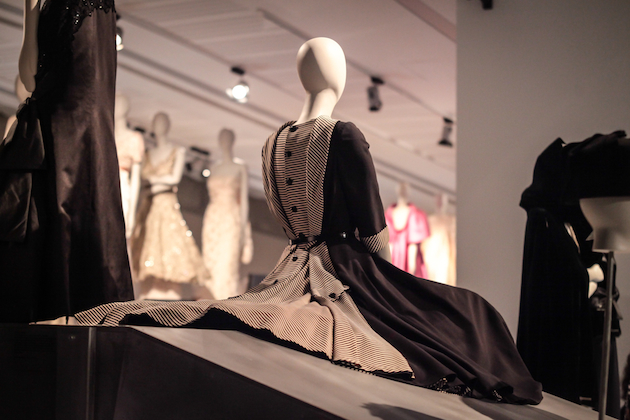
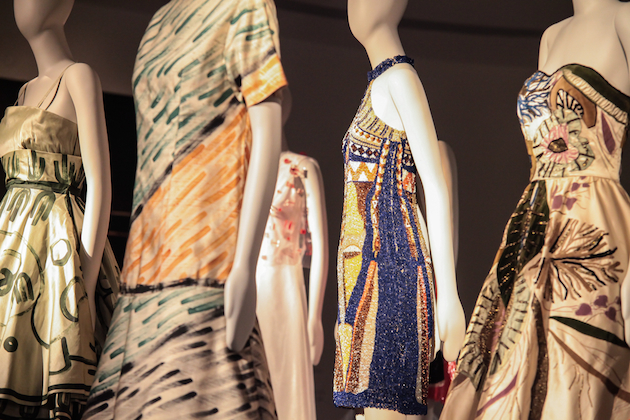
Bellissima. An expression, an exclamation: plain and clear, yet still hiding some meaning behind this apparent clarity. Luchino Visconti used this word to name one of his films interpreted by the anything-but-clear and complex beauty of Anna Magnani. No doubts the choice of this term as the title of an exhibition celebrating the iconic products of Italian fashion between 1945 and 1968 is right, keeping together the intricacies of both a period and a practice. The exhibition ‘Bellissima. L’Italia dell’Alta Moda 1945-1968’ is central for many reasons: it showcases about 80 pieces from all the names of the houses that made the history of fashion in Italy; it gives a glimpse of the style of a period, showing original videos and magazines alongside dresses and accessories; it manages to bring fashion in a temple of contemporary art, putting the two in a mature dialogue; it serves as an occasion for Italian culture to firmly state – or maybe to finally understand – that fashion deserves to be analysed more thoroughly, calling up for the necessity to celebrate fashion not as an applied art, but as a discipline with its own status.
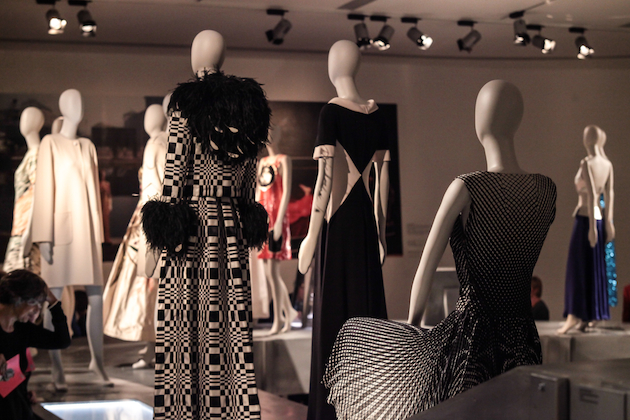
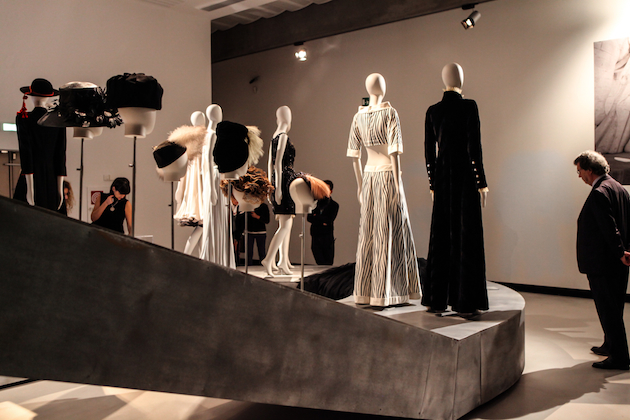
The exhibition creates a path divided into eight sections, and the dresses shortlisted span from cocktail dresses to day ensembles, from monochrome to graphic and psychedelic prints, from film costumes to experimental collaborations between artists and designers, defining the twenty-year period in all its features. The curatorial operation made by Maria Luisa Frisa, Stefano Tonchi and Anna Mattirolo may be defined as ‘critical storytelling’; by telling the story of the period that fixed Italian social and cultural identity, the one right after the second World War, they managed to find and explain the real roots of Italian fashion as it is universally recognised: an exquisite synthesis of intelligent design, great taste and sensibility, superb making and technical savoir-faire: a time in which Italian started to become one of the languages of fashion.
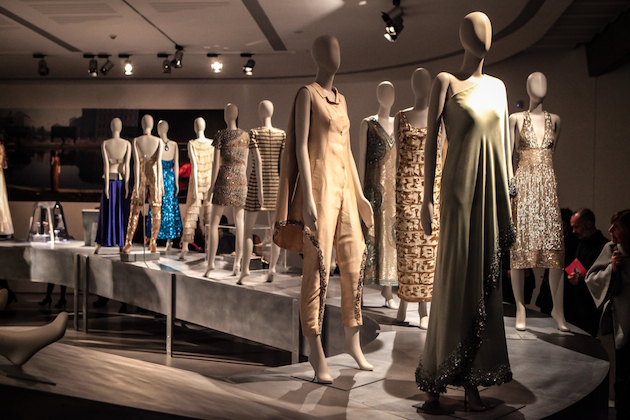
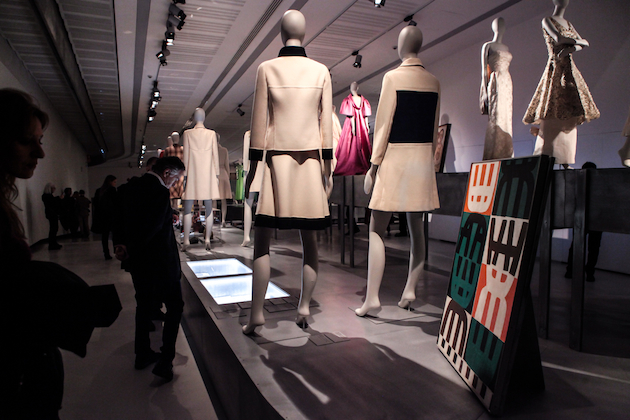
The set-up of the exhibition recreates a sort of conveyor belt, which serves as the ‘catwalk’ for the clothes exposed. The effect is quite estranging: while the mood inspired by both the set and the museum itself recalls the topos of the factory, the clothes transport us in a past made of sheen, exclusivity, luxury. The gap between these two sensations may be explained by looking directly at the history of Italian fashion: a history strongly related to – not to say dependent from – the local industrial realities, synonyms with excellence both in manufacture and understanding of the fast pace and often inexplicable shifts of design practice. The concept of luxury relies more on the precision of manufacture than on image, which is overall neat and clean, sometimes even demure, far from the frivolous excesses of French Haute Couture. This impeccably modest idea of luxury is epitomised by some of the core garments of the exhibition, Mila Schon’s pieces in her famous ‘double’ fabric: solidly basic ensembles, whose modern simplicity made them timeless.
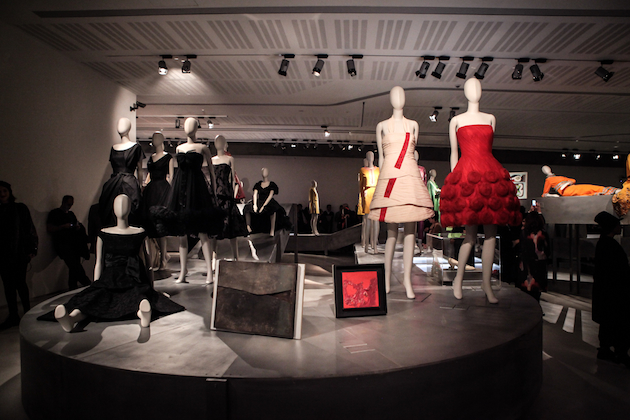
The exhibition keeps the strongest memories from the past and transfers them in contemporary thinking, as stated by Maria Luisa Frisa, whose eyes are always looking forward, as fashion itself does – The message is basically this: It’s time for creative minds to recuperate a glorious past and make it flourish again. This exhibition seems the best way to start. “Bellissima. Italy and High Fashion 1945-1968” will run until May 3rd 2015 at MAXXI in Rome.
Marta Franceschini – Images courtesy of Luca Palmer 
Share: Facebook,  Twitter  
23/12/2014

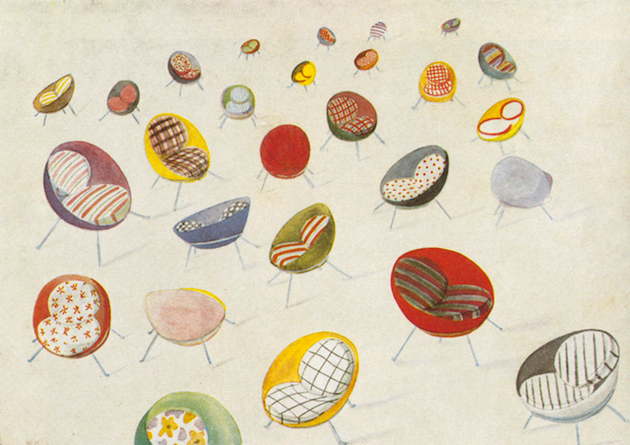
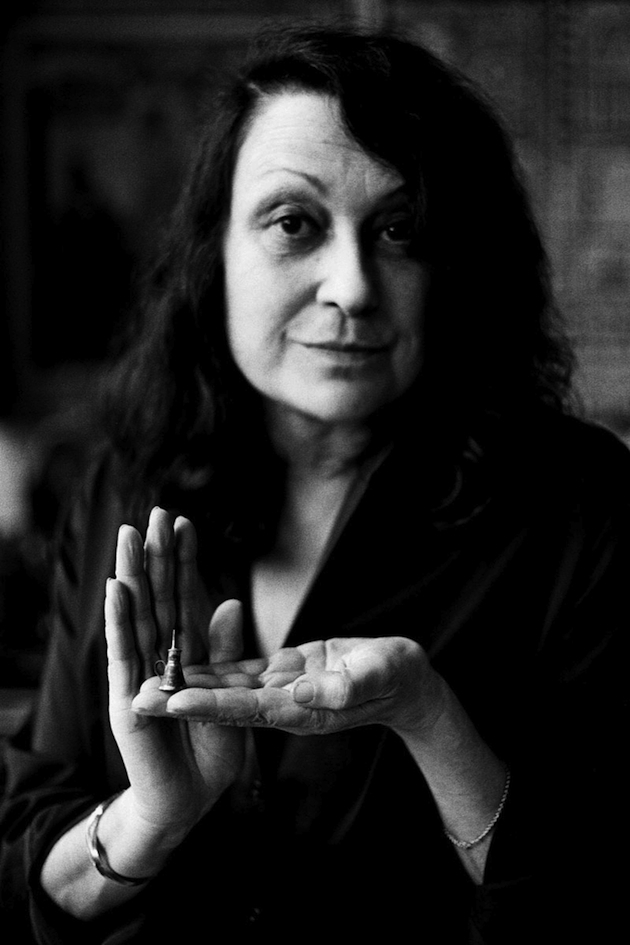
Lina Bo Bardi in Italy

“Lina Bo Bardi in Italia” is a “small” exhibition dedicated to a “great figure,” Lina Bo Bardi, a pioneer of Italian architecture, on the occasion of the centennial of the architect’s birth currently on show at MAXXI museum in Rome. 

The exhibition retraces the history of Lina Bo Bardi, in the form of a reverse chronology: from 1946, the year she left for South America with her husband Pietro Maria Bardi, back to her graduation in Rome in 1939.
It tells the story of her intense and tormented years in Milan, prior to her departure for Brazil, a nation she adopted as her home and where she finally found personal and professional satisfaction. In Milan, together with Carlo Pagani, Lina received her first professional commissions, despite the limitations imposed by the War. In parallel, she was a member of the editorial board of various architectural journals and instructive publications.

In addition to designing buildings connoted by a significant material and expressive strength, evidence of a consistent attention toward the social responsibility of architecture, Lina also created multi–coloured imaginative worlds in her drawings: a highly personal iconographic universe that would consistently accompany her development as an architect. These are the origins of Lina Bo Bardi’s history, evoked in her Curriculum letterario (Literary Curriculum); a history of ideas at the time considered avant–garde, and extremely relevant to this day; a history written and drawn entirely by her.
“Lina Bo Bardi in Italia” will remain on show until March 15th 2015 at MAXXI in Rome.
Rujana Rebernjak 
Share: Facebook,  Twitter  
04/07/2014

Gaetano Pesce, a Kaleidoscope of Diversity

It’s such a surprise when a city that has never called itself a design capital has suddenly something to say about it. The reason for this unexpected vitality is offered by two exhibitions that Maxxi dedicates to Italian designers gone abroad. After “Design Destinations”, the showcase exploring the creative outcomes of young Italian designers migrated to Eindhoven, the Roman museum focuses on the previous experience of radical design to celebrate one of the undisputed maestros of that fortunate, unconventional season: Gaetano Pesce.

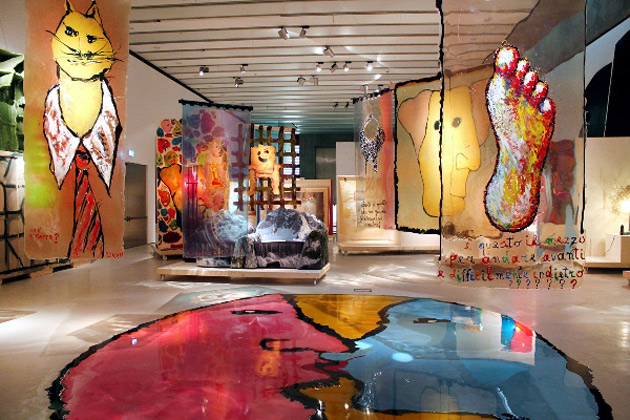
The exhibition, emblematically called “Il Tempo della Diversità” [“The Time of Diversity”], offers the opportunity to dive into an inventory of projects, sketches and products documenting Pesce’s huge yet transversal production. Born in La Spezia and based in New York since the 80s, Pesce has always preached the deconstruction of boundaries between architecture, art and design, expressing through his artworks the breaking up of vertical and monolithic knowledge.

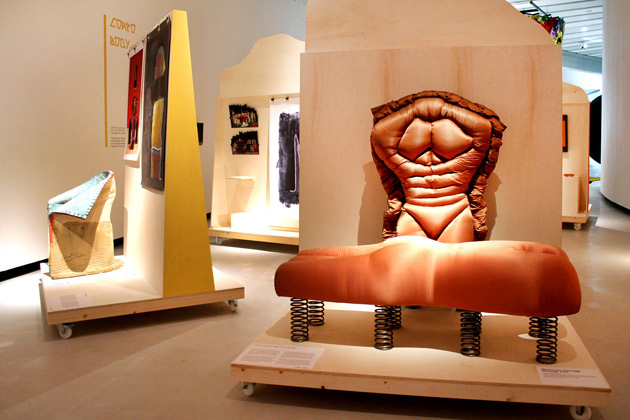
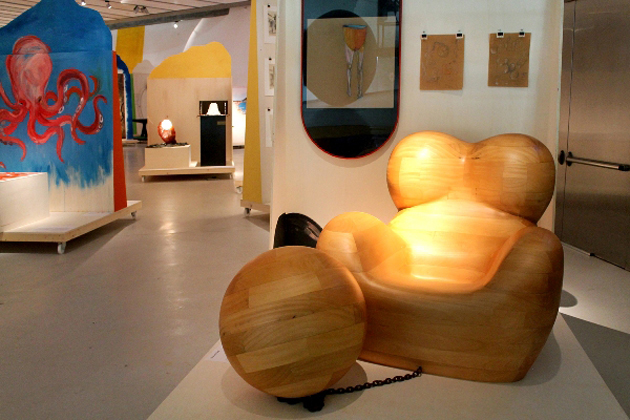
However, it’s when it comes to political dimension of his works that the exhibition unveils unexpected connections and intensity. Each piece of art, in fact, explores in its own way the concept of difference, starting from the critique of rationalism in architecture (“Pugno all’architettura”), to the reconsideration of home partitions (“Manifesto per una casa elastica”), to the celebration of female equality as the most urgent political issue (the historical “UP 5&6” series, but also the re-contextualization of Malala Yousafzai’s speech at the UN in Maxxi’s courtyard).

Pesce’s quest for originality represents, first of all, a celebration of the psychical diversity that imprints us all, and finds in figurative language a spontaneous and immediate means of speaking to a wider public. And when it comes to design, originality cannot but rediscuss the idea of series, offering a cue to reconsider the heritage of recent trends in international design, with a particular reference to Dutch design – and here is an intriguing connection with “Design Destinations” – which recently reintroduced the seed of craftsmanship into contemporary design.

Organized around seven thematic sections – Not Standard, Person, Place, Flaw, Landscape, Body and Politics – the exhibition distinguishes itself for an innovative set-up. All the projects, in fact, are distributed on 40 mobile panels that can ideally be moved from one section to the other, calling into question the cataloguing made by curators Gianni Mercurio and Domitilla Dardi. Pesce himself invites the visitors to accomplish a small subversive gesture: “You are kindly asked to liven up with your physical presence Gaetano Pesce’s elastic objects, to impress your impulse, to watch them while they auto-determine”. Which is nothing but another tribute to diversity and its means of expression.

Giulia Zappa – Images courtesy of Cecilia Fiorenza 
Share: Facebook,  Twitter  
06/06/2014

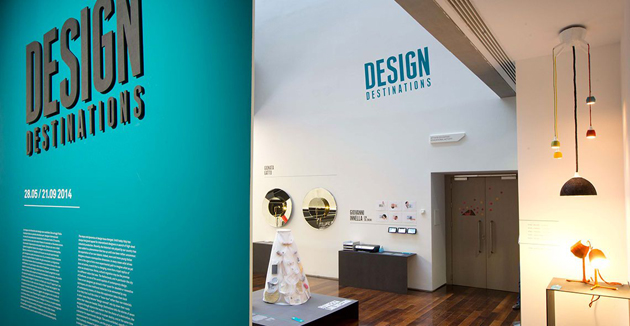
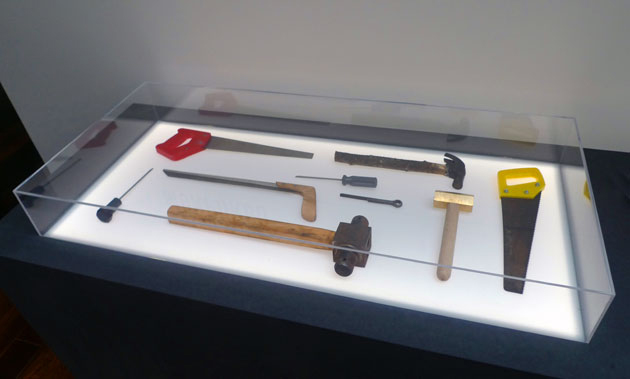
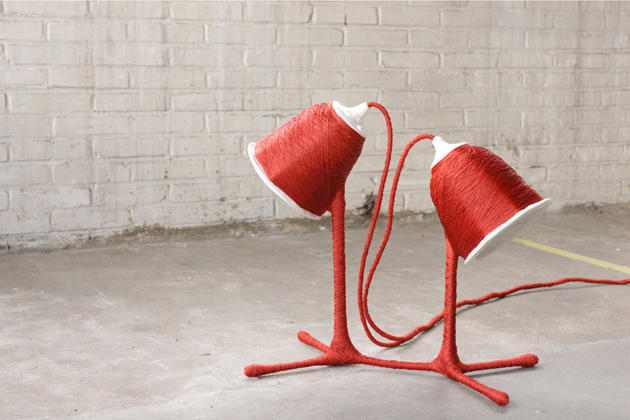
Design Destinations, Italians going Dutch at MAXXI

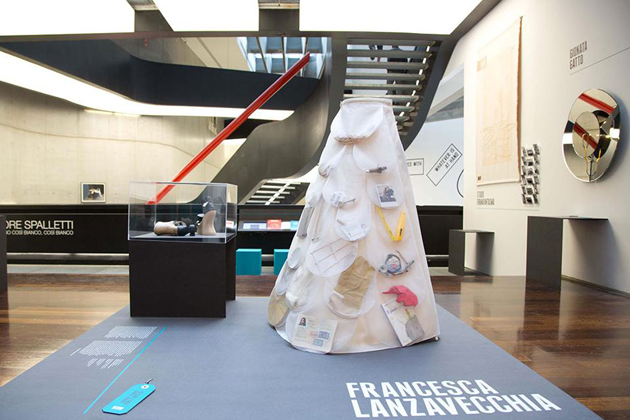
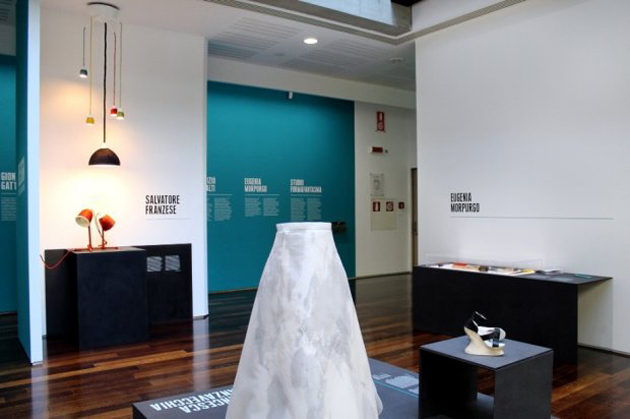
“Design Destinations” is the title of the exhibition dedicated to the new frontiers of contemporary design research by the Roman museum of XXI century arts – MAXXI. The insight developed by curator Domitilla Dardi is curious and fertile: to give voice to a new generation of young Italian designers that studied at Design Academy Eindhoven and then remained to live and work in Holland. Their means of expression: an inedited collection commissioned by MAXXI together with the City of Eindhoven, institutional partner in the project.

The whole show outdoes the value of single pieces and subtends, instead, a few crucial questions on the future of this discipline: how a “made in Holland” education influences the outcome of every personal research? How is Italian design changed by the new phenomenon of cultural migrations? And, above all, does the idea of a “national design” still make sense?

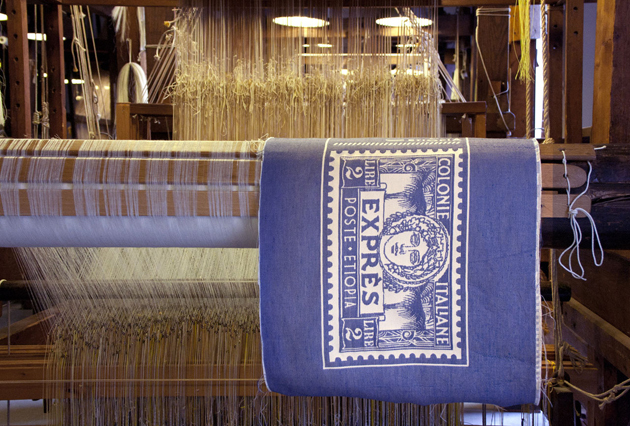
The exhibition does not offer any definitive answers. It’s up to single works to express, each in its own way, an idea of cross-contamination among different cultures. With “Perspectives”, Gionata Gatto gets inspired by Jan Van Eyck’s “Arnolfini Portrait” to design an enlightened mirror that multiplies refractions and points of view. Studio Formafantasma transforms the Bel Paese into a new barycentre between Ethiopia and Holland, updating the cartography of migrations into a new collection of blankets, “Asmara”. On the other hand, “Re-tools” by Eugenia Morpurgo explores the potential of ‘maker’ culture to transform production into a grassroots and transnational opportunity.

Heterogeneous at first sight, the works nevertheless share a common multiple which bypasses single peculiarities that characterize every designer: the predominance of a concept with a biographical or geopolitical background, which remains the very essence of the Dutch approach to project development. Beyond method, however, these “design destinations” seem above all a matter of liberty, which is the freedom to go through a globalized geographical dimension, but also to overstep the role of companies as commissioners and privileged speakers – that’s to say, the very essence of Italian design since the post-war period. That’s what this young generation seems to have unconsciously learnt: not to put aside the great resources of the Italian productive background, but simply to enlarge our host of opportunities, going beyond the problem-solving method proposed by companies and practising design through new forms and content.

Giulia Zappa 
Share: Facebook,  Twitter  
17/03/2014

Ettore Spalletti Multiplied By Three

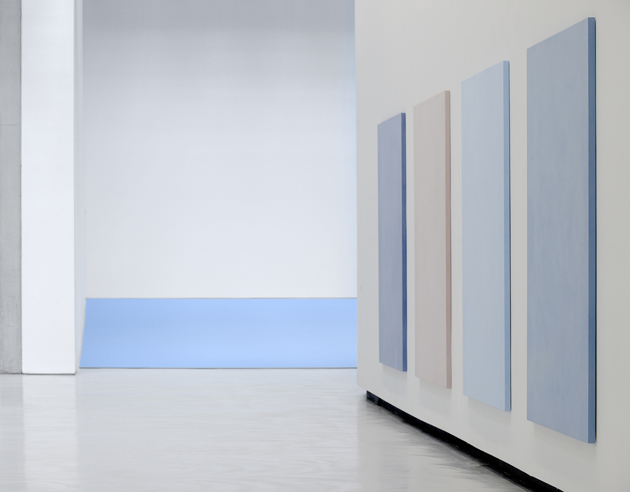
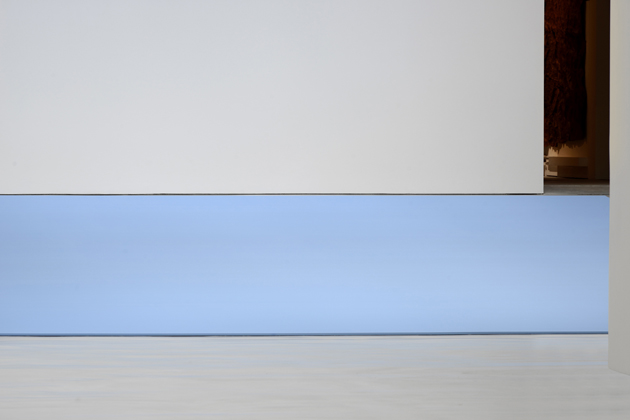
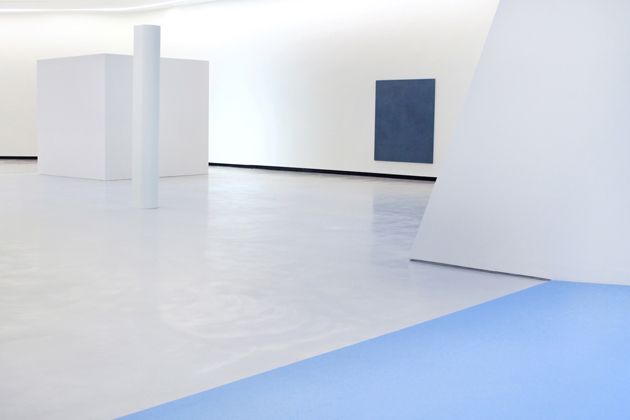
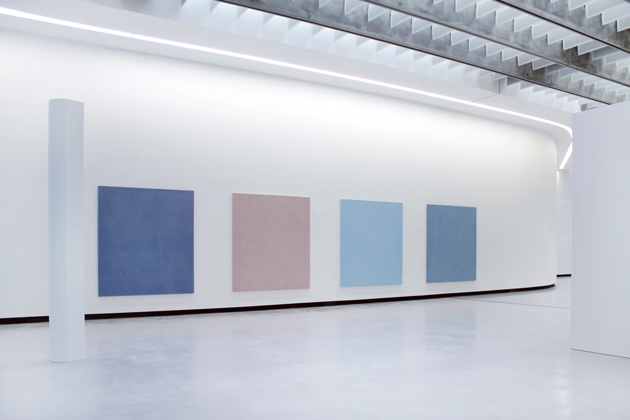
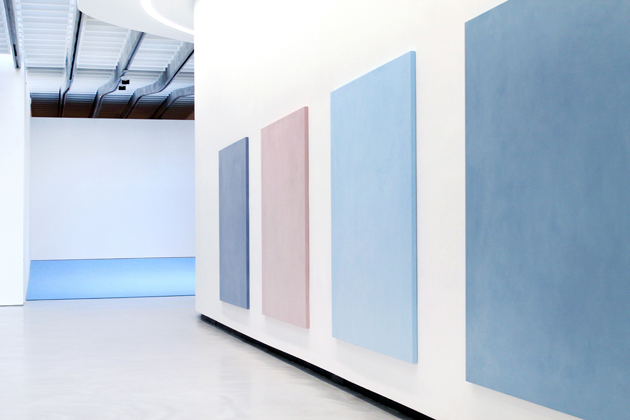
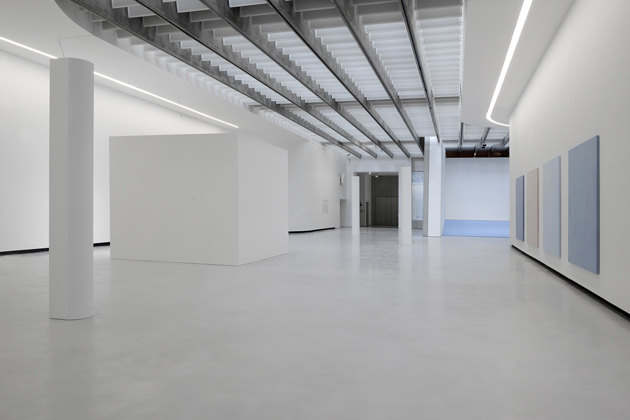
In the next few months, the work of the contemporary art master Ettore Spalletti (b. 1940, Cappelle sul Tavo, Italy) will be celebrated through a series of three exhibitions, all entitled Un giorno così bianco, così bianco (A day so white, so white), hosted by some of the main Italian art institutions.

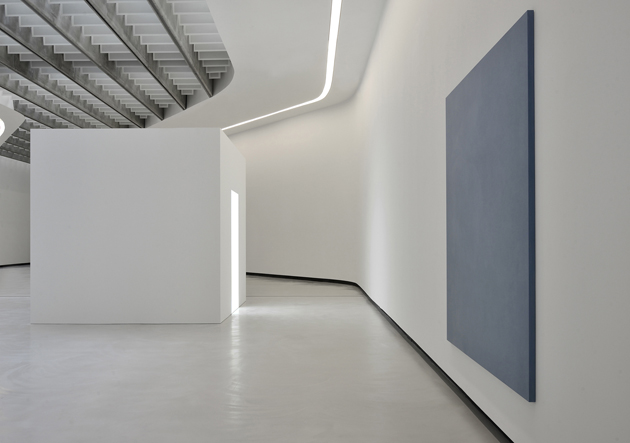
The first scheduled show, curated by Anna Mattirolo, just opened at MAXXI museum in Rome with a huge environmental installation, while the following steps will be the exhibitions at GAM in Turin, curated by Danilo Eccher, which will feature a broad selection of works coming from the artist’ studio and private collections, and the one at MADRE museum in Naples, curated by the young and talented Andrea Villiani and Alessandro Rabottini, that will present a comprehensive retrospective starting at the beginning of the artist’s career.

Without overstating, Ettore Spalletti is one of the most influential art figures of his generation. Over the last forty years, Spalletti has created a personal approach that goes beyond the traditional boundaries of painting and sculpture. Using straight and undulating lines, minimal structures and colours, playing with lights, and materials, the artist has always been able to establish a unique relationship with the spaces, giving them a strong emotional impact, despite the apparent lightness of his pieces.

Each event will contribute in retracing Spalletti’s career through specific paths conceived to dialogue with different architectures, without a chronological order: from the recent works displayed in Rome to the earlier ones showed in Naples – some of them never seen before –, exploring the dialectic between abstraction and figurative art, passing through the selection made in Turin to recreate the atmosphere and energy of the artist’s studio.

The exhibition at MAXXI will run through September 2014. GAM will open on March 27th and close on June 14th, while the show at Madre will inaugurate on April 13th and run through 18th August.

Monica Lombardi – Images courtesy of Cecilia Fiorenza and Matteo Ciavattella 
Share: Facebook,  Twitter  
22/03/2012

ZegnArt – Lucy + Jorge Orta: Fabulae Romanae

ZegnArt – Lucy + Jorge Orta: Fabulae Romanae

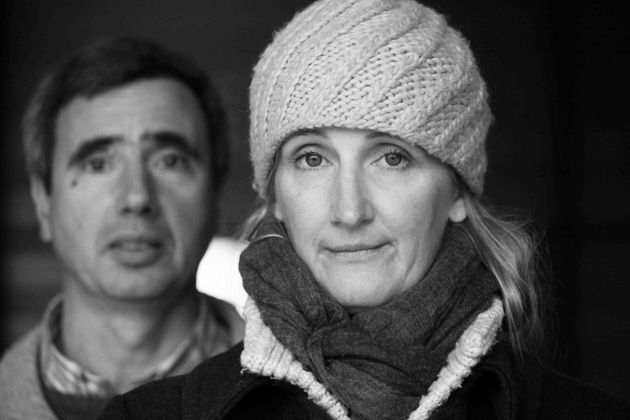
At the intersection of creativity, art once again meets fashion. After the fantastic and fruitful adventures of a number of its countrymen in the fashion system, Zegna has joined the field of contemporary visual art. The first initiative by ZegnArt – a space where interdisciplinary art, fashion, design, architecture and poetry coexist and inform one another – is an exhibition of the international artists Lucy (b. Sutton Coldfield, UK in 1966) & Jorge Orta (b. Rosario, Argentina in 1953) entitled Fabulae Romanae.

The show, curated by Maria Luisa Frisa, and conceived by Ermenegildo Zegna in collaboration with MAXXI, the artists, the company and the support of the Centre for Sustainable Fashion, is devoted to Italy’s fabulous capital city and has emerged from a common code of ethics and principles of sustainability which bind together the people involved.

ZegnArt is a project made up of three main areas: Public, a programme of commissions and residencies for contemporary artists, Special Projects, a container for remarkable artistic events, and Art in Global Store, a project to commission site specific artworks, conceived to be hosted inside Ermenegildo Zegna’s Global Stores, with the aim of driving people towards the languages of art.


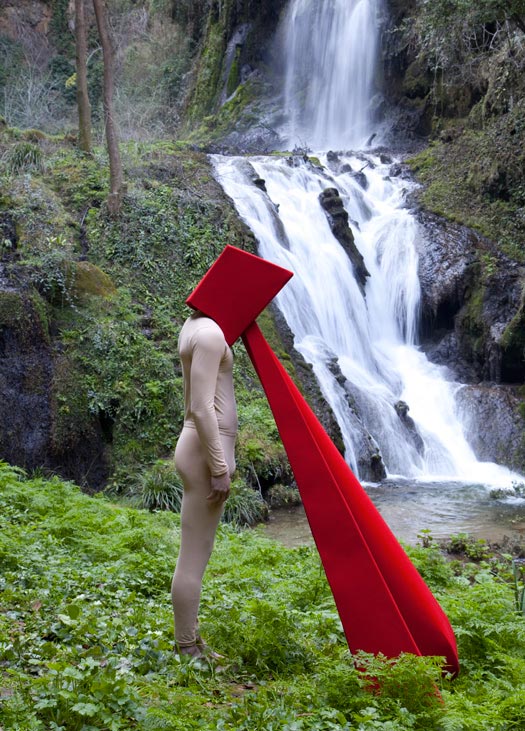
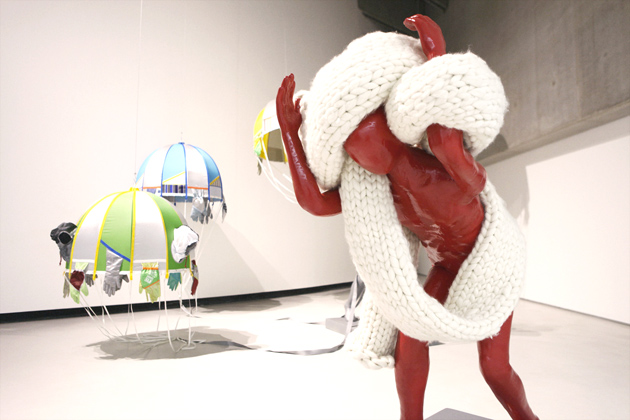
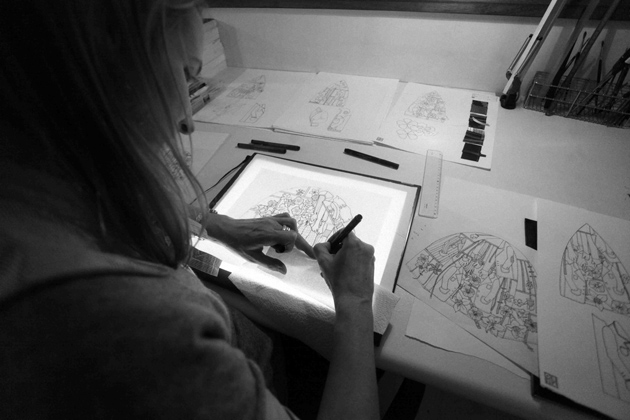
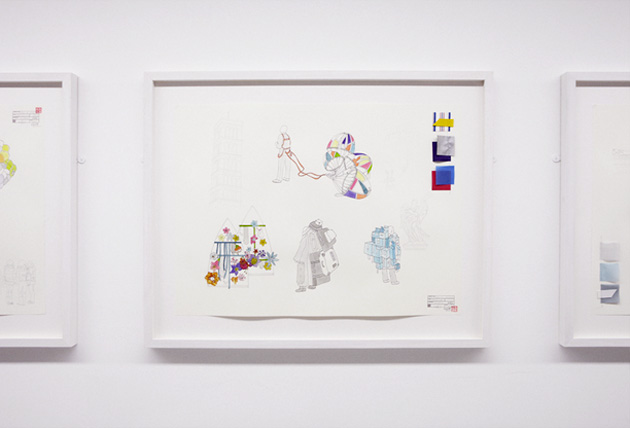
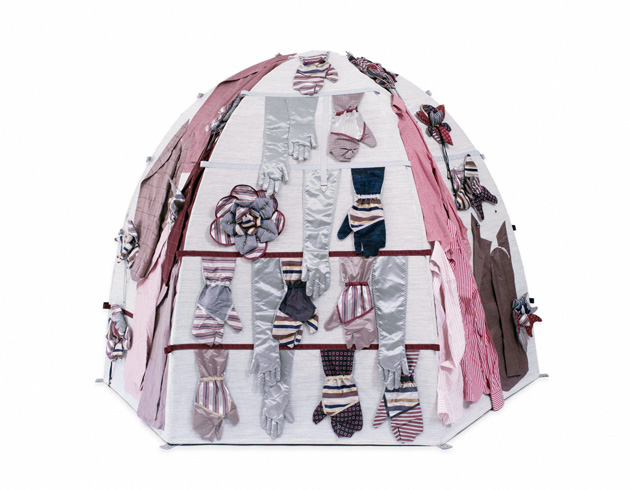
In Rome Lucy + Jorge Orta are presenting their works, which are connected to a number of pressing ecological and social issues of our time. Through drawing, sculpture, installation, video and performance, the couple’s aim is to provoke reaction and reflection on important topics of the contemporary world. Central to the exhibition is the installation of tents (or domes), which represent a fundamental way human beings produce spatial definition and condition and their fragility and precariousness –‘a nomadic form of shelter’ which are here made with signature Zegna textiles. Also prominent is a video performance called Spirits, marked by ethereal characters who interact with the city accompanied by a piece of poetry by Mario Petrucci.

Fabulae Romanae will run until the 23rd of September this year within the larger project Tridimensionale (Three-dimensional), the latest arrangement of the MAXXI Arte collection. We’ll be looking forward to see what comes next from their well-tailored sleeve.

Monica Lombardi – Images Studio Orta, G. Caccamo, Matteo Cherubino 

Share: Facebook,  Twitter