09/01/2014

In a Land Far Far Away

In today’s society the fast pace of technology has minimized distances, however there has also been an increase of information creating a grimmer view of the world which generates a desire in people to experience something lighter. This is similar to the desire of the people in the early 19th century, who rebelled against the Enlightenment, wanting to escape the harsh logical reality and found refuge in fantasizing of exotic places. Then designers such as Paul Poiret came to aid. In 2013 the rebellion started up again, but this time against the Enlightenment 2.0. This can explain the popularity of exotic influences in our wardrobe and jewellery box. Jewellers and designers with exotic tendencies such as Aurélie Bidermann are in the perfect position to fulfil the desire of exoticism.
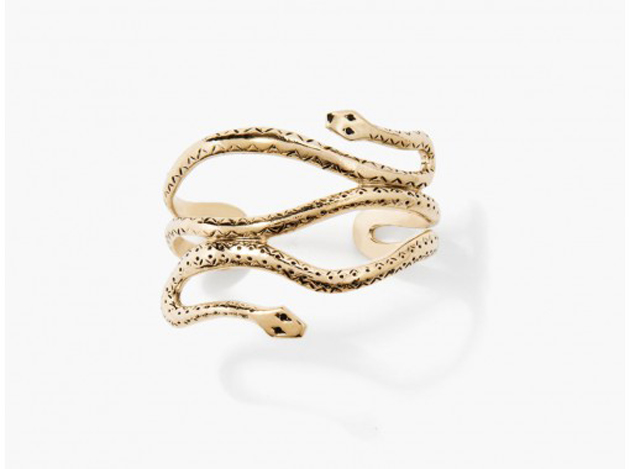
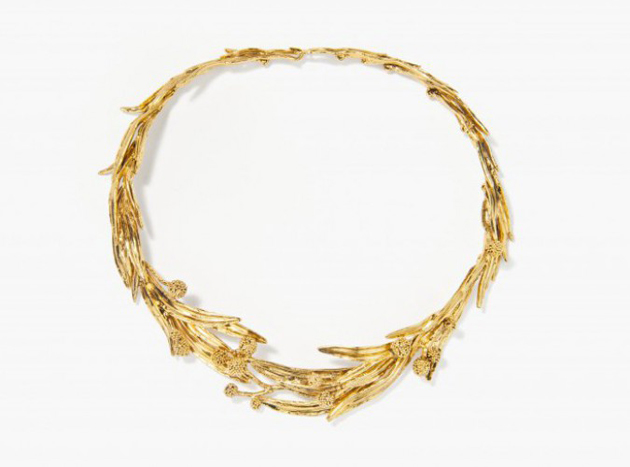
Aurélie Bidermann began her journey as a creator of reminiscent jewellery after acquiring a diploma in Gemology, in Antwerp. For Bidermann it is through dreams, travels and love that her jewellery is created, which can be an explanation to the attraction of her pieces, since they each evoke a state much like the exoticism in the 19th century. In a way Bidermann is reinventing these ideals but by using her own experience of travel adventures, fantasized fairytales and childhood admiration of jewellery. These tools help the jeweller nourish her creativity in a way that keeps the originality at its peak. The imprint of a dream or memory can in many ways be the superb essence of creativity.
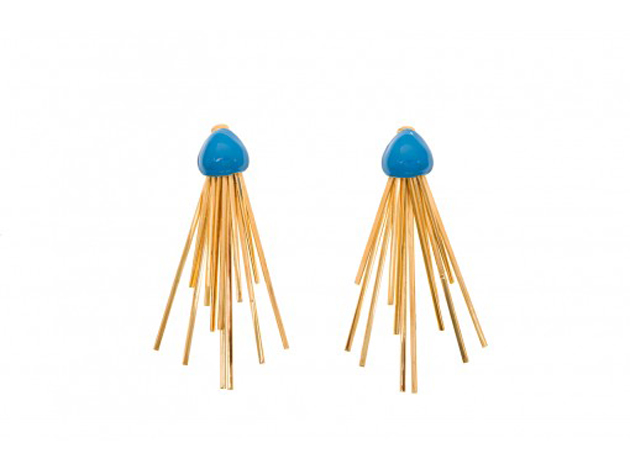
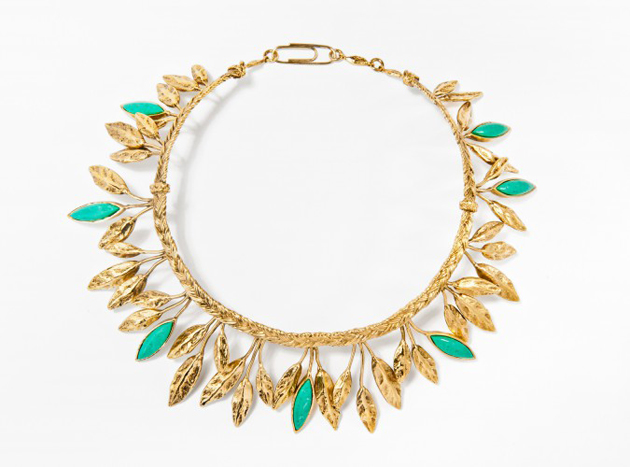
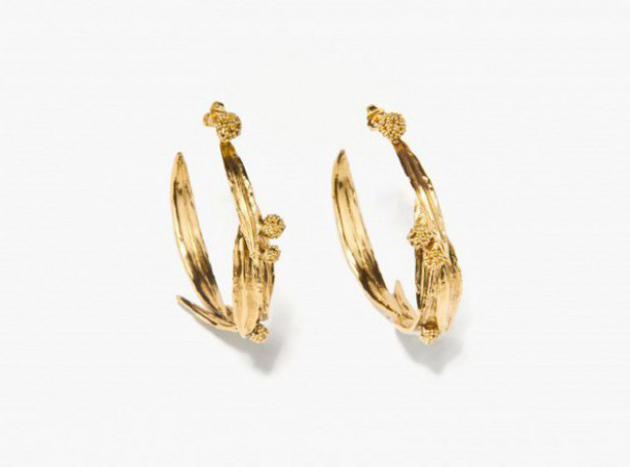
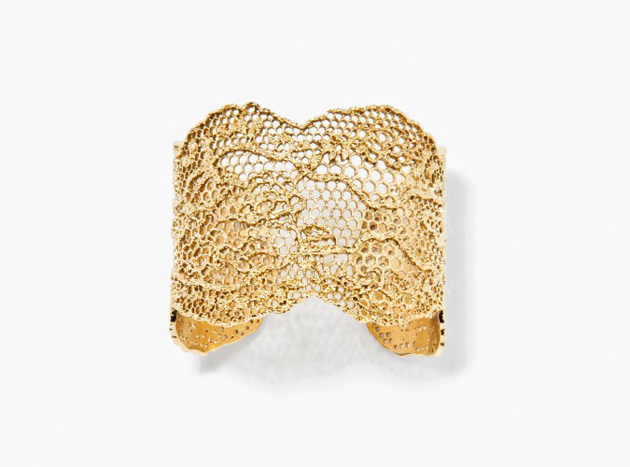
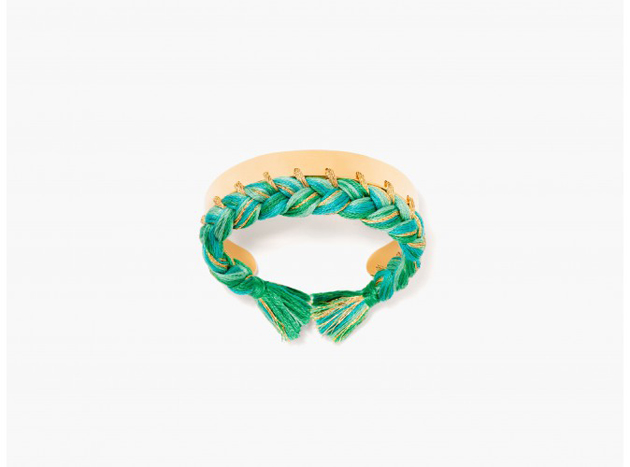
The collections of Aurélie Bidermann includes feathers, insects, laces and snakes – all dipped in gold. They are some of her infamous staples, constantly reinvented through an organic frame of mind. Collaborations with fashionable names such as Proenza Schouler and Jason Wu has put Aurélie Bidermann’s name on the map. Her jewellery is sold and greatly appreciated all over the world as statement pieces or as a bohemian chic reference in minimalistic attire. All with a constant echo of “bon voyage”.
Victoria Edman 
Share: Facebook,  Twitter  
15/05/2012

Torsten and Wanja Söderberg Prize 2012

.

Torsten and Wanja Söderberg Prize 2012

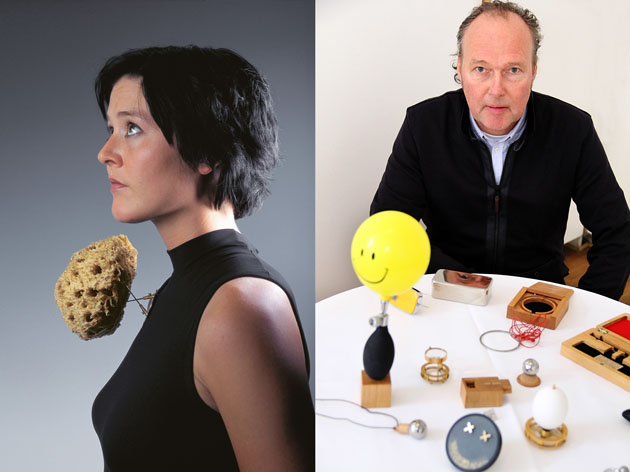
Sigurd Bronger is a Norwegian jewelry engineer working in Oslo, Norway, and today at 11am he was announced as the winner of 2012 Torsten and Wanja Söderberg Prize at Röhsska Museum in Gothenburg, Sweden. The objective of the prize, which was founded in 1992, is to award, promote and encourage Nordic design, fashion and artistic work, as well as strengthen the Nordic values on the field. The prize and its committee also contribute to the work of further deepening the collaborations between the Nordic countries.

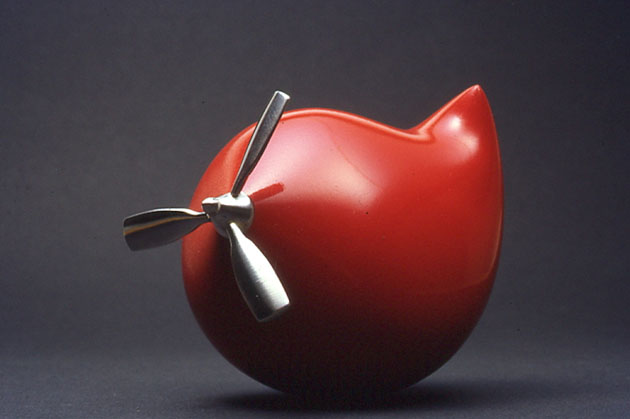
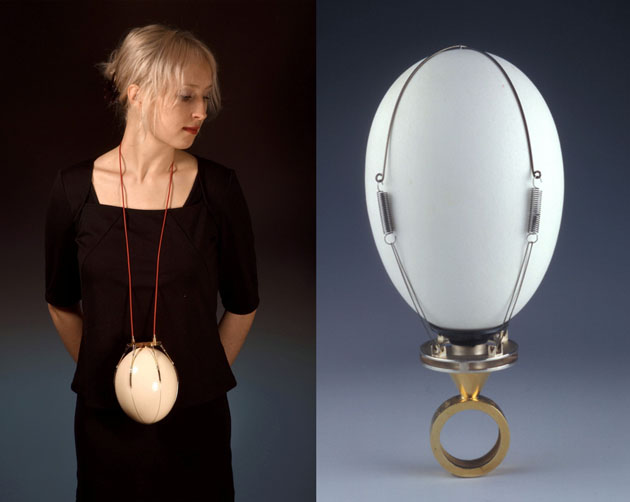
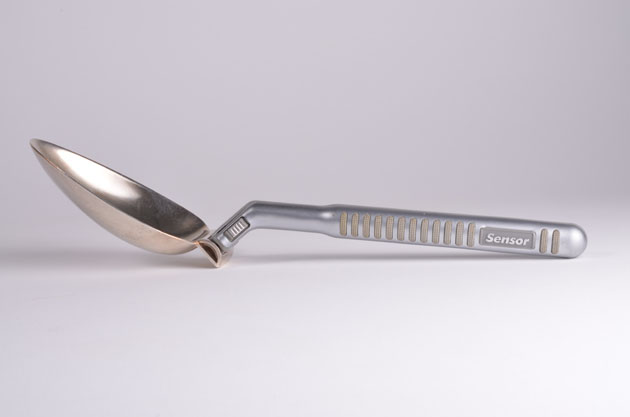
With heaps of solo- and group exhibitions all around the world, several design awards, a long bibliography and by appearances as professor, guest speaker and workshop leader from Stockholm to Tel Aviv, Sigurd Bronger has made name for himself in the jewelry sphere. He is a designer who works with delicate details referencing to the early 20th century’s mechanical industrialism. An era in which the objects revealed their functions -unlike the digital systems of today- and could be stripped down to their bare essentials where every fascinating part of a former machine could be enjoyed. His pieces play with humour and materials, and even though they are an allusion to a ‘boy’s dream’ with gearwheels and precision mechanism, his jewelry is somehow gender crossing.

In Sigurd Bronger’s world, time itself is treated as a material, and he only creates about three or four new pieces a year. The selection of precious metals, brass, diamonds and wood is carefully done, and later genuinely worked over. The designs, which are presented in remarkable hand-made packaging, take the viewer back to an early industrial design language and to the innovations of the Renaissance, without letting go of future visions.

“When I look at and touch Bronger’s jewelry, I feel like a young boy at a funfair or caught up in a wonderful mechanical fairytale world – I forget everything else around me. Sigurd Bronger’s design art changes my perception of what is possible”, says Ted Hesselbom, who is the head of the prize committee.

Sigurd Bronger will, besides an exhibition at the Röhsska Museum, be awarded with SEK 1.000.000 -which at the moment is the highest design prize in the world- decided by a jury consisting of representatives within design and fashion world in the five Nordic countries; Sweden, Norway, Denmark, Finland and Iceland. Previous winners of the Torsten and Wanja Söderberg Prize are, among others, the noted Finnish designer Harri Koskinen (most famous for his Block Lamp, exhibited in MoMA in New York) and Danish fashion designer Henrik Vibskov, a 2001 Central Saint Martin’s graduate.

Lisa Olsson Hjerpe – Image courtesy of Röhsska Museet

Share: Facebook,  Twitter  
13/04/2012

Delfina Delettrez – Metalphysic

Delfina Delettrez – Metalphysic

We’ve seen and fallen for the jewelry work of Delfina Delettrez, the globetrotting fourth-generation Fendi, on The Blogazine before. But as the seasons tick by, her uncommonly intelligent and sophisticated brand of design always manage, however impossibly, to turn up the wow factor. Each collection is boldly, drastically different from its successor, as well as both subversive and beautiful.

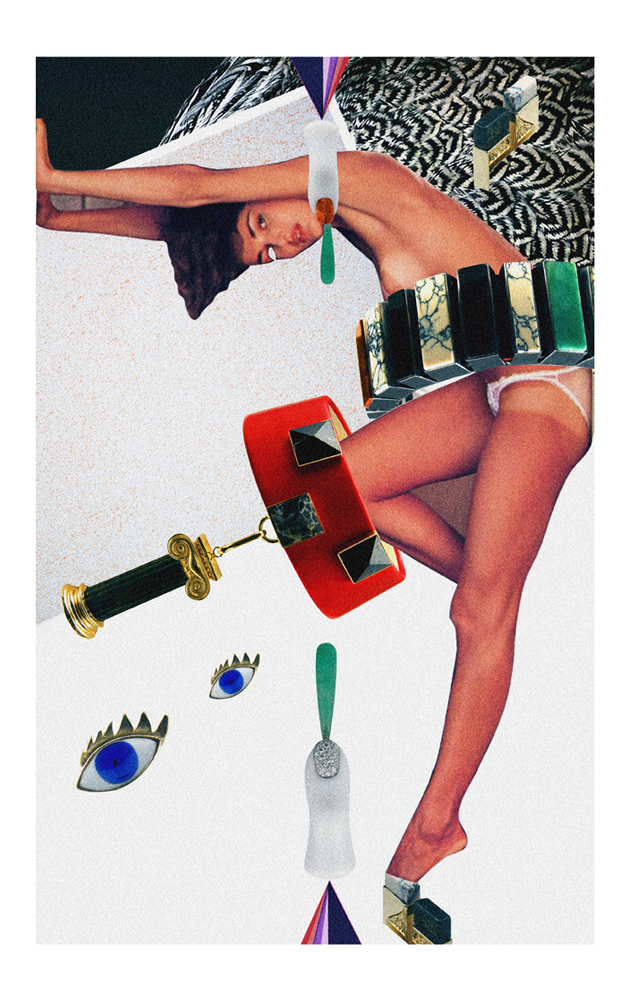
This newest collection, called Metalphysic is Rome in jewel form. “Metalphysic celebrates the miraculous architecture in Rome’s churches and palaces from antiquity and the modern day, blending these two radically different eras. The neoclassicism of Canova and Piranesi combined with the intriguing metaphysics of Giorgio De Chirico.” And in spite of the usual grandiose marketing speak, we really do see it – the pieces not only look say “Rome” through their shapes and compositions, they also make fantastic use of materials not generally used in jewelry to solidify the image. By going back to her Roman roots, Delettrez has mined some powerful inspiration to imagine a collection that we daresay might be her best yet.

For the occasion of the new collection, 2DM’s illustrator Diego Soprana went way Dada for a collaboration with Delfina. Soprana’s trademark style proves a perfect match for Metalphysic, bringing out its Romanesque character while injecting it into a canvas charged with absurdity and decadence: a perfect foil to the collection’s rigorous neoclassical/metaphysical bent.

Excellent job, Delfina and Diego!

Tag Christof – Images Diego Soprana

Share: Facebook,  Twitter