23/01/2013

Pre-Fall, Pre-Fashion Week

Pre-Fall, Pre-Fashion Week

Within a week, and continuously for the rest of the following month, the Internet will explode with street shots of people dressed up to their teeth (even though looking just casually well-dressed), hashtags with the two little letters F & W in combination with a city initial, and for the people behind it: a month of travelling. It is once again time for #fashionweek.

Like for any good movie, there’s an intriguing trailer to watch up until the opening night. In fashion words that would be the pre-fall collections: the ‘trailer’ filling up the space between the fashion weeks as much as between the seasons. The women’s pre-fall 2013 collections have showed a mash-up of upcoming trends.
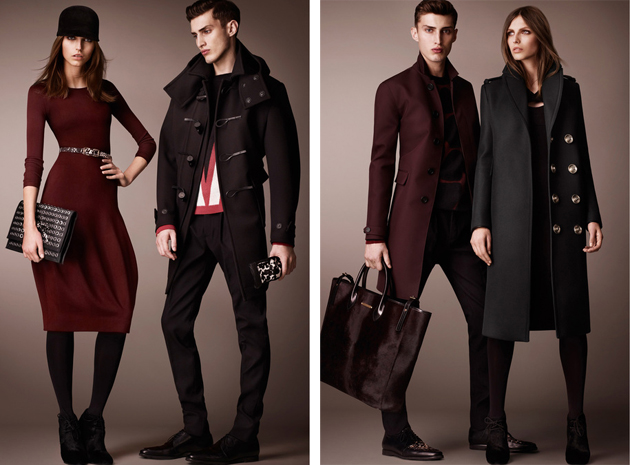
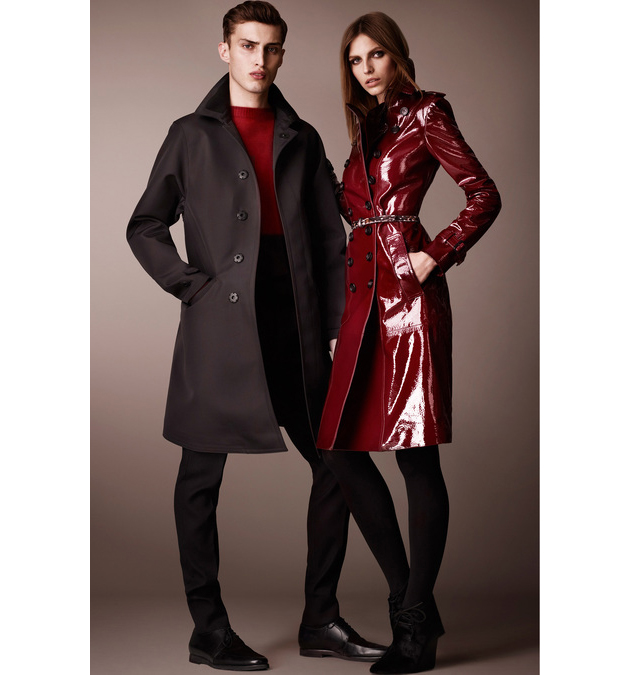
The Pantone key colour of 2013, emerald, has made an appearance, just like rich shades of red: burgundy, oxblood and saturated red wine tones in rich wools and shiny-coated fabrics. The pre-season coats are big, boxy and over-sized while the quilting and padding from the continuous biker trend has been seen to move over to dresses, skirts and sweatshirts. On the illustrative side the presentations have shown geometric patterns, smudged graphics and textured prints as well as a softer side of folkloric florals in heavy brocades.
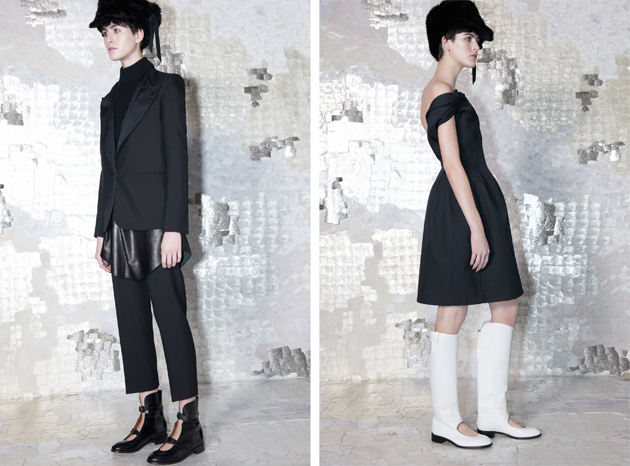
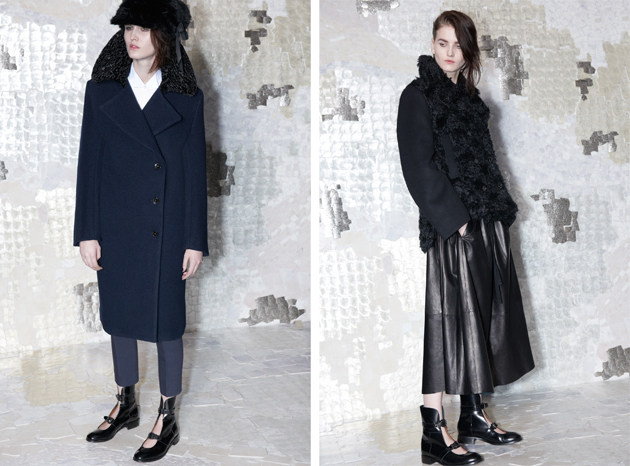
More than colours, shapes and knee-length shorts and skirts we have seen references from other eras. Clare Weight Keller at Chloé mixed French elegance with English heritage, while Acne found inspiration in the famous Swedish artist and playwright August Strindberg, and Max Mara looked to David Bowie’s Hunky Dory album.

The pre-fall collections might not be a true mirror of what we will see on the runway but nonetheless, they’ve intrigued us to see more.
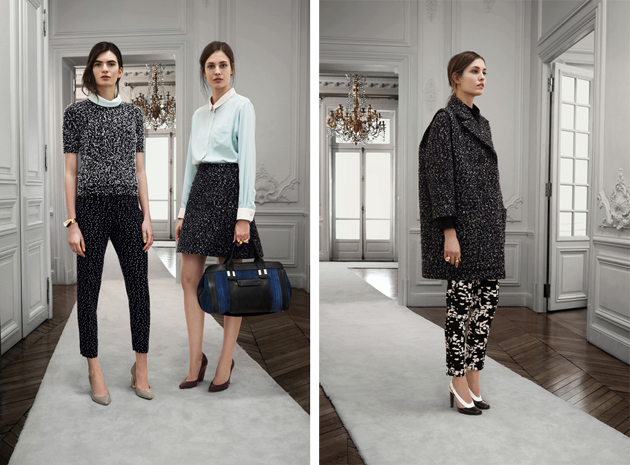
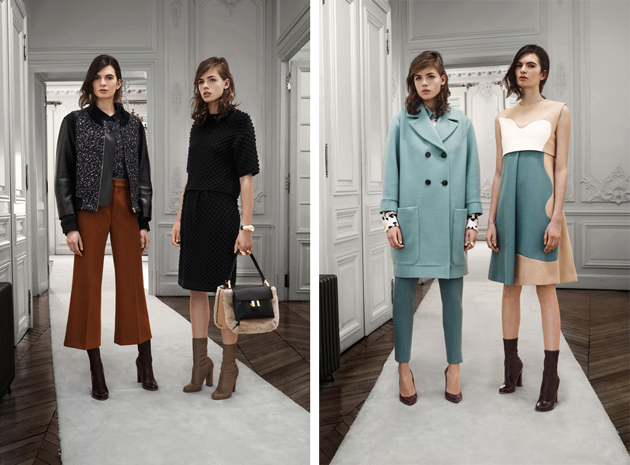
Lisa Olsson Hjerpe, trends by Tamsin Cook – Image courtesy of Acne, Chloé & Burberry Prorsum

22/01/2013

AMO and OMA for Knoll and Prada

AMO and OMA for Knoll and Prada

We knew about the design-architecture-fashion love triangle for quite some time now. It has, by now, taken many different shapes, from Marni’s 100 chairs made by Columbian ex-prisoners, to more than a few no-brainers where a fashion company provided the textiles and a design company thoughtlessly applied them to their furniture. Nevertheless, the collaboration we have witnessed last week could hardly fit in any of the previously imaginable categories.


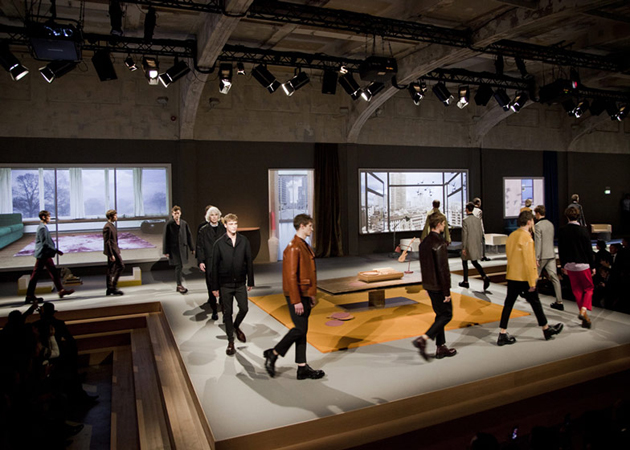
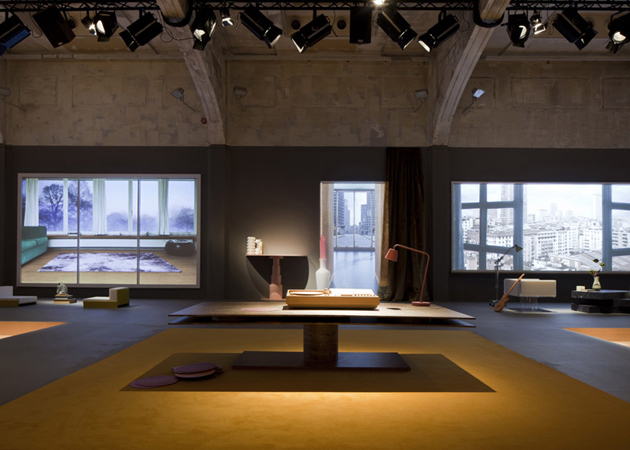
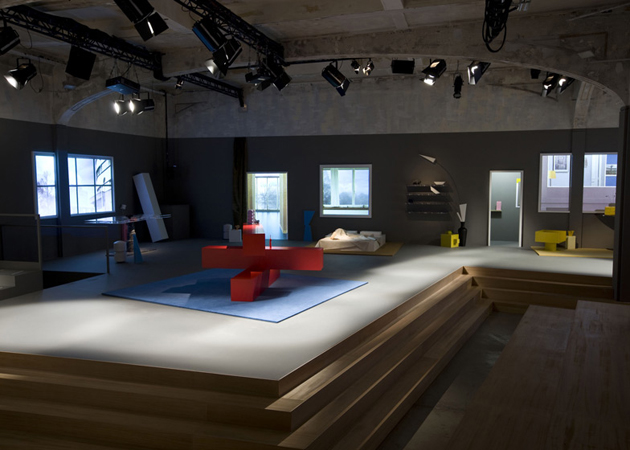
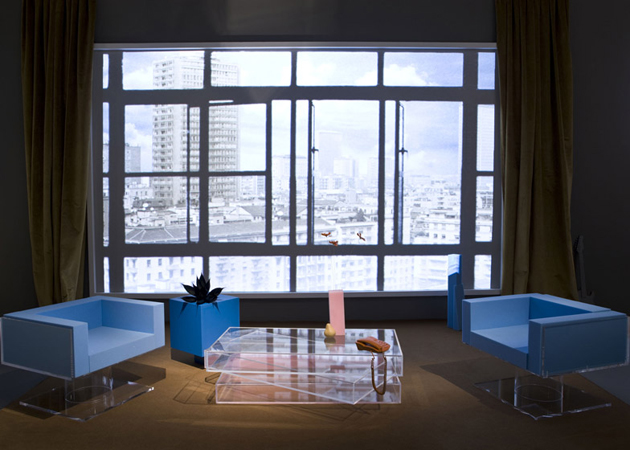
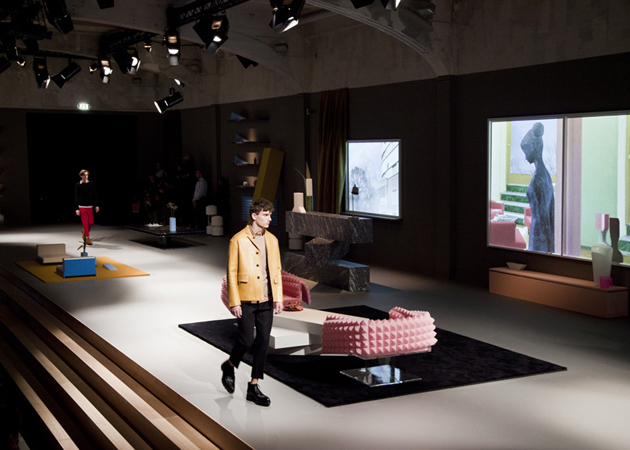
It is the widely appreciated love story between OMA and Prada that has managed to surprise us once again, but maybe this time, not in a very good way. During Milan’s Men’s Fashion Week, Prada presented their new line of clothing on a specially designed runway, arranged around the theme of the ideal home. And even though this might seem quite nice, the best part of this story is yet to come: the fabulously designed runway featured some of the most un-fabulously designed furniture, this time by AMO, the research counterpart of OMA, for the American company Knoll.

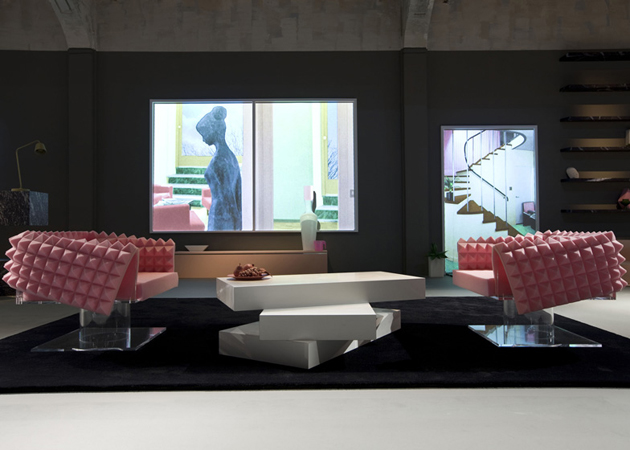
This explicitly post-modernist furniture, if judged strictly in the context of a fashion week, could definitely be appreciated. But, it is the fact that the furniture displayed on Prada’s runway, to be officially presented by Knoll on another high-profile Milanese event, Salone del Mobile, isn’t just a conceptual inquiry into post-modernist design, but an actual line of furniture to be sold and used in our more than un-perfect homes, that leaves a sense of doubt. Made from shiny plexiglas, carefully masked wood and colourful foam, these geometric swivel armchairs and stacked coffee tables aren’t something anyone should aspire of having in their ideal house. The only way this furniture might be understood is in the highly fashionable circles of ‘conceptual’ and ‘radical’ design where it is supposed to be looked, thought about and admired, but not actually used.


Rujana Rebernjak

21/01/2013

Danh Vo – Chung Ga Opla

Danh Vo – Chung Ga Opla

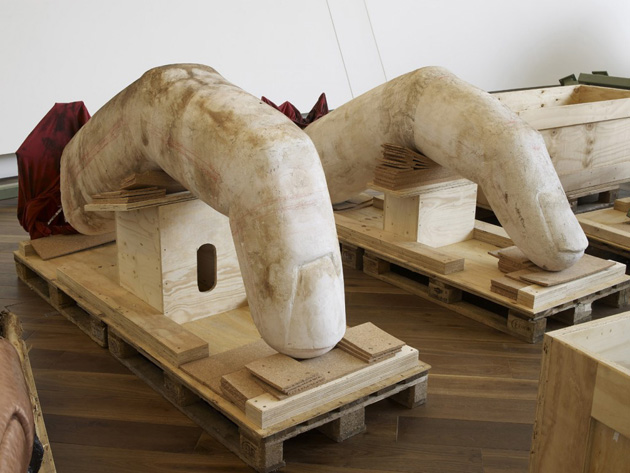
Danh Vo (born in 1975 in Saigon, currently lives and works between Berlin and New York) the recent winner of the prestigious Hugo Boss Prize, is the protagonist of the second show curated by Alessandro Rabottini around the “Accademy” topic in the lavish spaces of Villa Medici in Rome.


Danh Vo is the perfect example of a son of the multicultural society: his family fled South Vietnam in a homemade boat, and was rescued at sea by a Danish ship. For this reason Vo settled in Denmark, the experience influencing his personal imagery, pushing him in creating not just a sort of personal idea of history, but also in “testing” the official Western history.


Like his previous exhibitions, also this show titled Chung Ga Opla – a phonetic translation in Vietnamese from the French “Oeuf au plat” (fried egg) – is similar to a psychological and unconscious journey in the artist’s mind and reflections: each artwork and installation are performance-based pieces, inspired by his life experiences, seeming to materialize real facts, musings, and inventions mingled together in a sort of ready-made gallery of objects.


These historical artifacts create a dialogue with the site and the spaces in which they are displayed, like in Villa Medici, where everything has been created as a “reaction” with the ambient and amplifying this experience of examining how such items are dispersed across borders or how they symbolize transnational movements. 
Danh Vo seems to suggests that official histories and biographies are written, rewritten or completely relative, and the experience of the emigrant offers a unique point of view to make more dense this relationship with some pivotal benchmarks like cultural and ethnic identity.


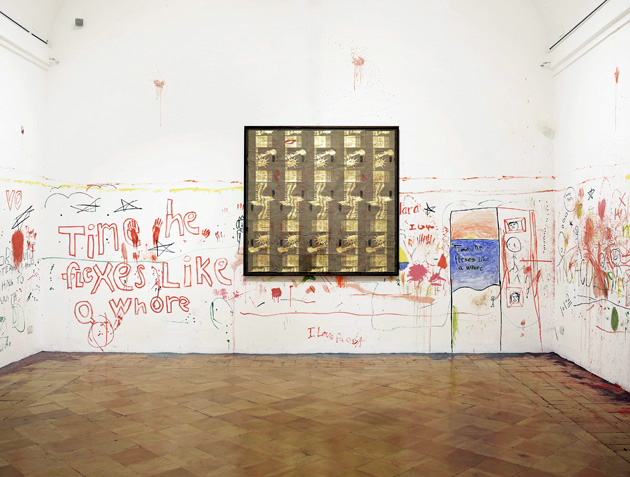
The core of Chung Ga Opla is represented by Fabulous Muscles, a room where the artist has involved his relatives and a group of children, leaving them completely free to paint and draw on the walls. In this naïve-like example of Art Brut Danh Vo has inserted different quotes from authors like Antonin Artaud, Emil Cioran and David Bowie.


More than an exhibition of a visual artist, Chung Ga Opla – along with the other Danh Vo’s shows – is an attempt to use contemporary art as a language to learn and explain new ways to tell stories and histories.

Danh Vo’s exhibition will run until 10 February.

Riccardo Conti

20/01/2013

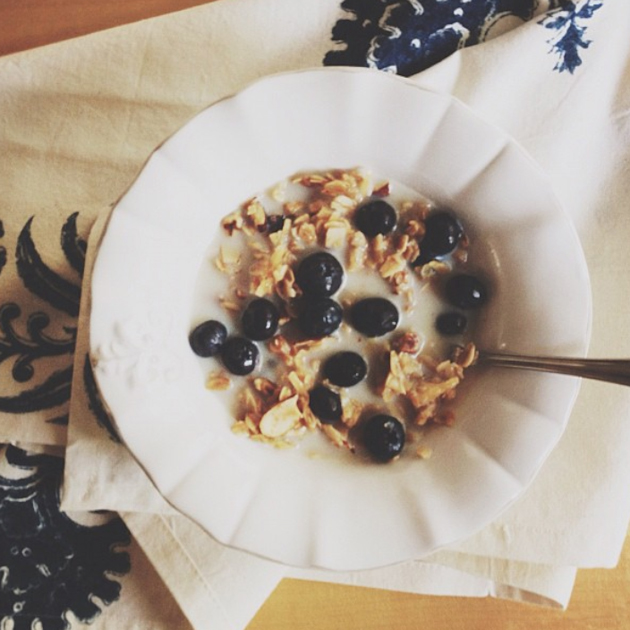
Sunday Breakfast by Love For Breakfast

Sunday Breakfast by Love For Breakfast

Pure white and blue blend perfectly to the visual perception as the sweetness on the palate.

Alessia Bossi from Love For Breakfast

18/01/2013

A Three-step Hidden London

A Three-step Hidden London

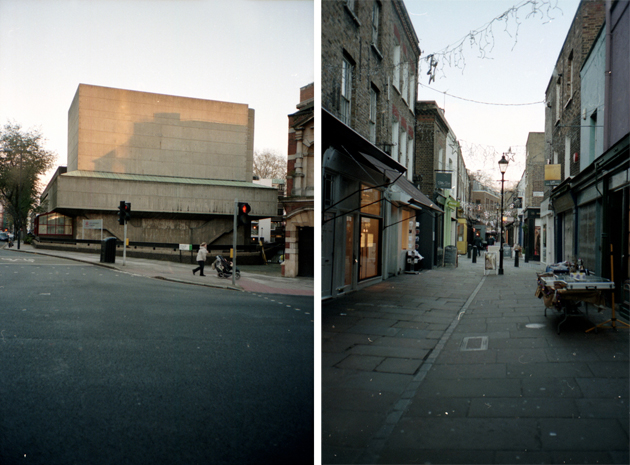
It’s not breaking news, we know, but how could one resist the temptation of speaking, with a pinch of pride of one’s discovering skills, of the hidden places of one of the most interesting cities in the world? Like no place else, London goes along with this game. Its amazing racial and cultural melting pot makes it a perfect home for local street markets, pubs, lovely small parks and essay cinemas that just a few lucky tourists visit. Just walking around Whitechapel, Lower Thames and Oxford St we found out three absolutely delicious places.


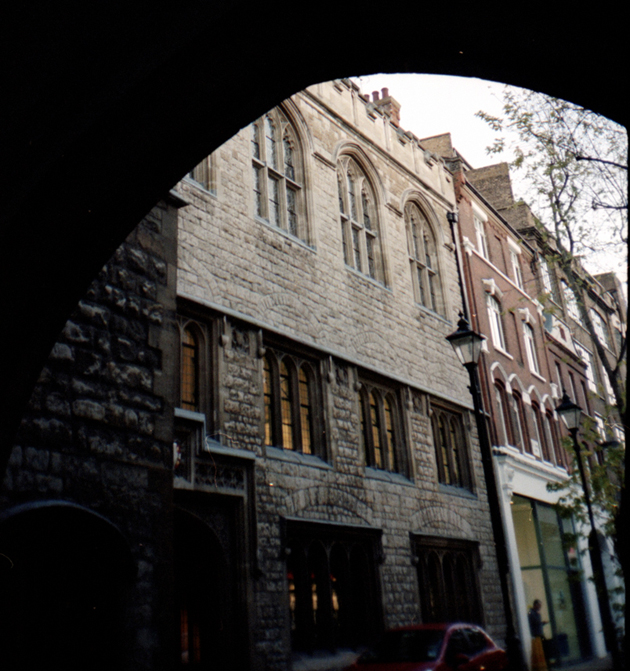
London is one of the most vintage-full cities of the world. We could give you many addresses to visit for your vintage treasure hunt, but instead we have chosen Hanbury Hall Market because, although it’s central (at 22 Brick Lane), you’ll find it cradled in the midst of small alleys that hide it from the hectic city life, especially if you arrive from Whitechapel. The market has been set up inside an old church; now, in place of candelabras and worshipers, you can find cloth hangers and hipsters looking for vintage dresses. Within, between flannel shirts and faded jeans, you’ll find a lovely café corner with patty-cakes, tea and coffee.


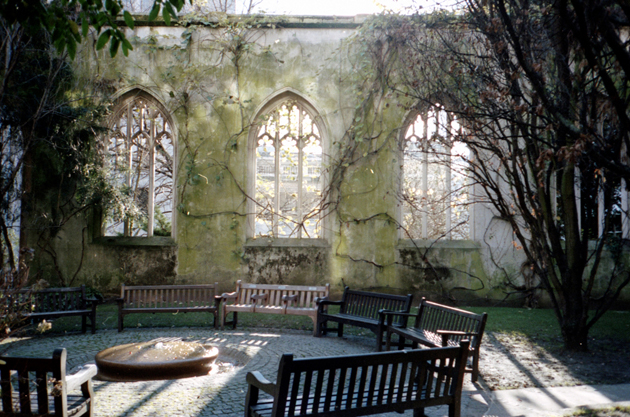
Have you ever heard about the small park of St. Dunstan in the East? You’ll reach it in a half-hour walk from Brick Lane. If you use the tube, step off on Monument; after exiting the station, find Lower Thames St, that will lead you straight to the park. When entering, it will be like finding yourself in the secret gardens that inspire the urban fantasy writers and movie directors. Between the ruins of the church, the beauty destroyed by the bombings of the II World War, it seems like being far away from the city.


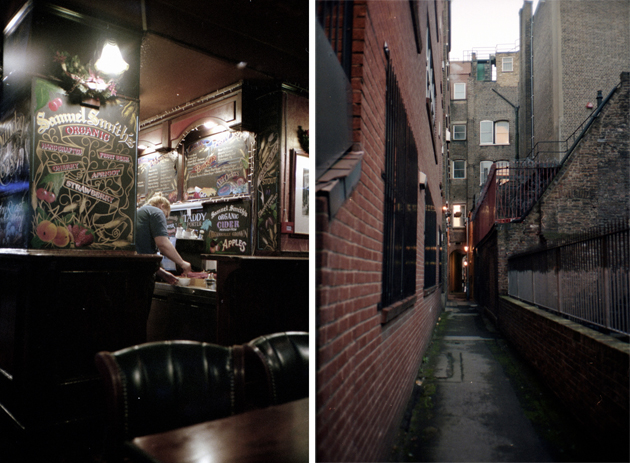
To finish our tour we couldn’t but add a pub. Bourne & Hollingsworth, 28 Rathbone Place, in the artistic neighborhood of Fitzrovia, is so tiny you could miss it if you blink while walking past. It’s a quirky basement bar with a beautiful shabby-chic styling and mouth-watering cocktails. Some of them come in chintzy tea cups with cucumber sandwiches on the side. Londoners love it, do you?


Antonio Leggieri – Images Tag Christof

17/01/2013

Let’s Capsule!

Let’s Capsule!

We often hear about partnerships between brands of the fashion industry. Deals, licenses, special collaborations that are initialed everyday. But what is a partnership? It is a consensual marriage of short duration. The reasons that lead two or more brands to join in the realization of a common creative product can be of different and depend on more than a thousand factors.

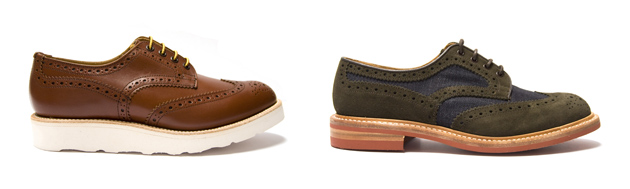
Tricker’s & Roy Roger’s

One brand is more related to sportswear and another one is closer to the luxury business. Other times one of the two has a great product but needs to modernize and improve its image. In some situations the partnership occurs simply for advertising and commercial purposes. And many others are formed to accost two companies, which until then had lived perched in their ivory towers of success. In very simplistic terms, it happens now between two fashion companies what happened not more than 60-70 years ago for some marriages of the European ruling class: a family put his prestigious title of nobility, and the other, generally belonging to the new entrepreneurial bourgeois class, the money.

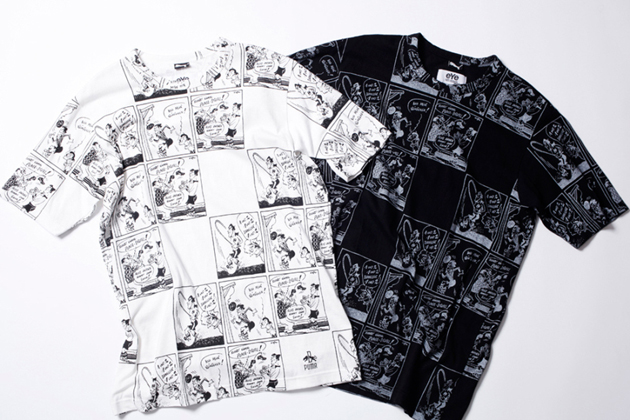
Junya Watanabe & Comme des Garcons & Puma

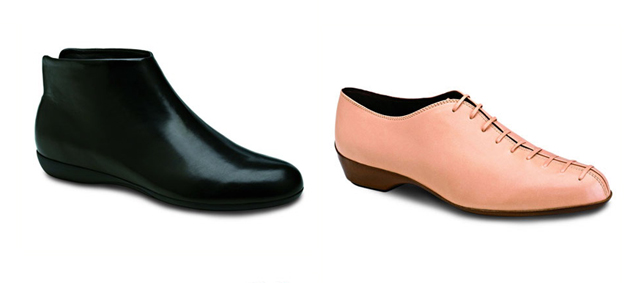
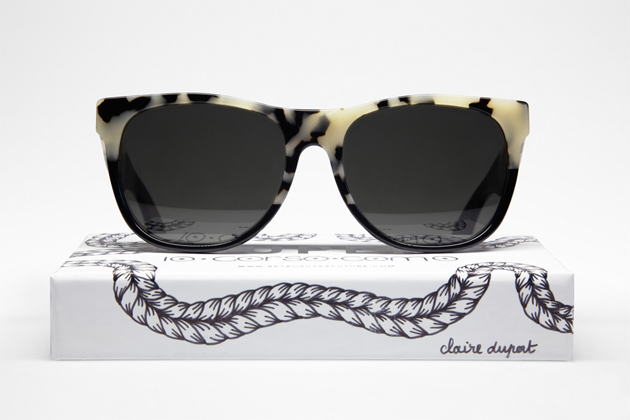
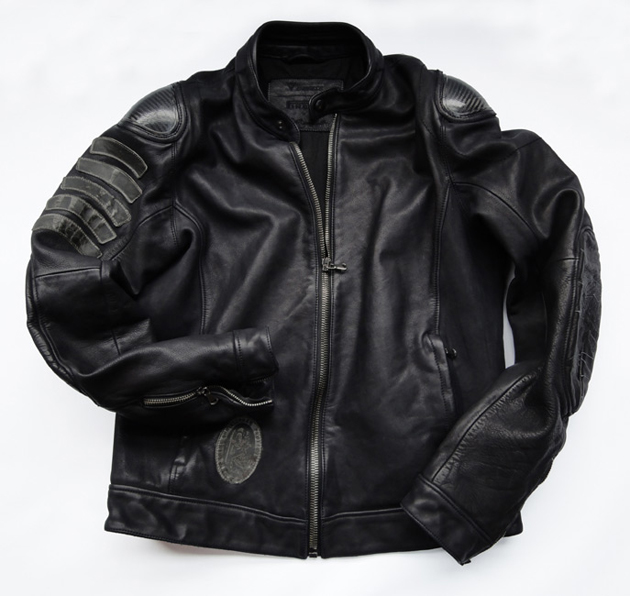
The precious fruit of these partnerships is often contained in collections not larger than ten extra exclusive pieces, called “capsule collections”. Famous examples of understanding the strategic strength of an artistic collaboration in a limited edition are for example the capsule collection created by Junya Watanabe for the capsule-crazed Comme des Garcons and Puma, or the nine models of shoes made by Yohji Yamamoto for Salvatore Ferragamo, tattoo artist Scott Campbell‘s art on Pirelli tires and on the Pzero Dainese leather and carbon jacket, or the highly limited edition of 60 Super sunglasses made together with 10 Corso Como to celebrate their success in Seoul; partnerships concluded between a big fashion brand and a designer that does not belong to the entourage of the House, a celebrity or a personality worthy of note in the contemporary art scene.

Yohji Yamamoto & Salvatore Ferragamo
Super & 10 Corso Como

In partnerships, also happens – rarely, because otherwise it would lose value – that they occur between two brands with a creative imagination accompanied by a great history, with a very similar kind of customer type. As an example Tricker’s and Roy Roger’s, two brands that besides the possessive in the name, share long traditions of craftsmanship, success and high standards of quality and elegance of product, combining the quality and refined image of Tricker’s with the world of denim of Roy Roger’s.In this case, as in only few others, we can speak of “ad hoc” partnership, an union made like from the offspring of equally high ranked families.

Capsule collections are a way to communicate a vision, the direction where the companies intend to move forward. But also for customers is a great honor to buy the rare pieces of their favorite brands, a unique product that sum up two or more ideas as well as prestigious heritages. Secondly, the parallel markets have no interest in copying something that will not be sold on a large scale. In a period in which everything is reproducible in the time of a snap, something so special needs more attention and more resources to be spent on its realization. Hard job for counterfeiters, good sound for consumers and producers.

Scott Campbell & Pirelli PZero
Antonio Moscogiuri Dinoi 

17/01/2013

A Vintage Store With A Twist

A Vintage Store With A Twist

When you think of vintage stores, a whole array of images spring to mind; charity stores with moth-ball cardigans, vintage heritage & denim specialized stores, high-end Parisian designer vintage boutiques, London’s East end favorites, and then there is Jutka & Riska.


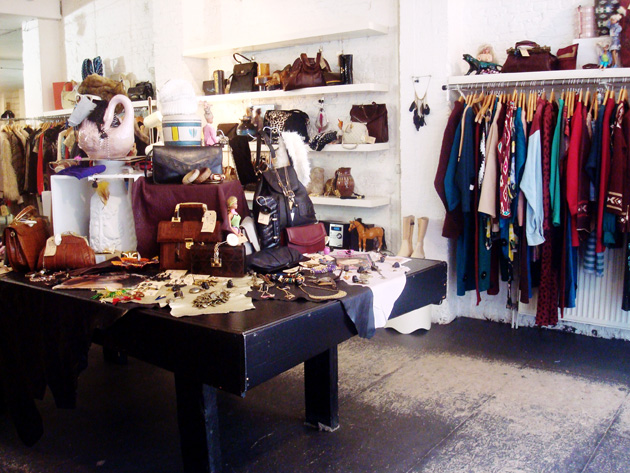
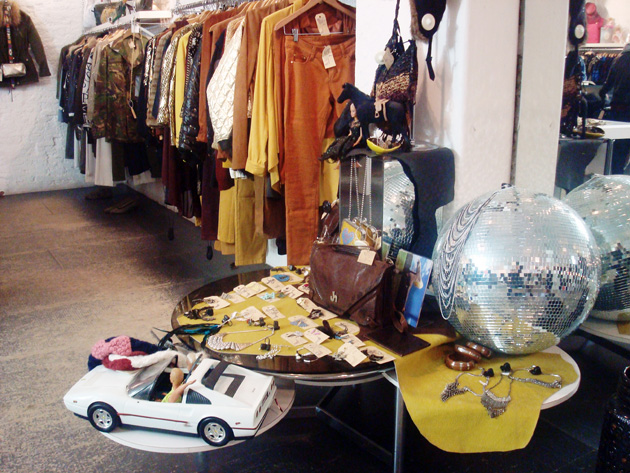
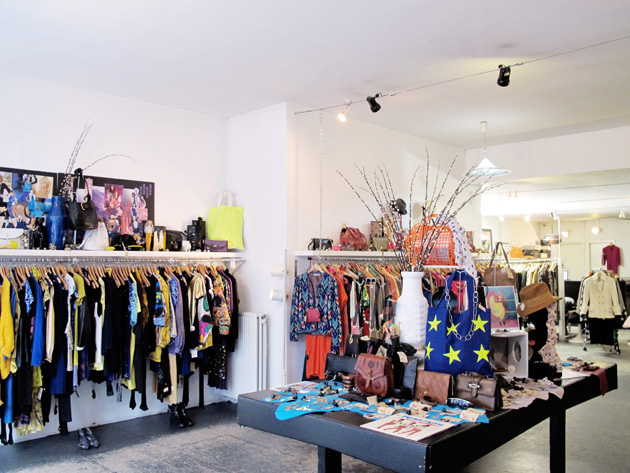
This vintage store in Antwerp seems to stand out from the rest and offers a whole new shopping experience if you’re a vintage fan. When entering the store, you have a very light, clean and well-organized store layout with beautifully merchandised collections.

An eclectic mix of vintage and own design, Jutka & Riska offers a combination of hand-picked high-end original designer pieces from Chanel, YSL, Kenzo, Escada and Mugler among others, which sit next to own design pieces which have been created by young designers.


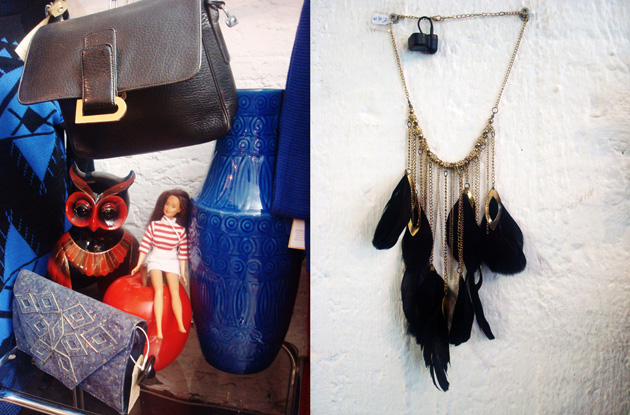
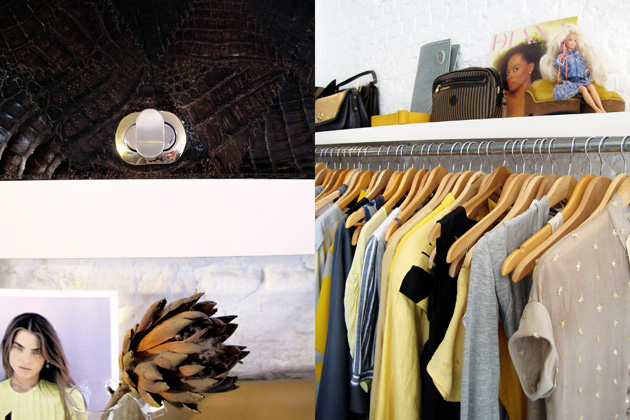
The whole feel of the store has a very strong 70s, 80s and early 90s influence. The colours, patterns and fabrics are rich and vibrant with plenty of shine and sparkle. What also makes the store stand out is that they create inspirational moods around the collections. Fun 80s memorabilia props like Barbie and Ken, 70s pottery, 80s Vogue & Glamour magazines and classic 80s LPs all evoke memories from this era. The wide range of jewellery and accessories on offer compliment the ranges, so you can create the total look.

The store is a firm favorite with stylists and designers as items can also be hired out, and the favorite address in Antwerp for Blogger Susie Bubble, it’s worth a visit if you’re in Antwerp city, if not, they also have stores in Holland; Amsterdam, Haarlem and Heemstede.

Tamsin Cook

16/01/2013

The Quiet Shop at Selfridges

The Quiet Shop at Selfridges

We encounter them constantly, confront them, make quite a lot of our daily choices based on them, yet we usually aren’t that much aware of their existence. We are speaking about brands – those nasty, tricky appearances in our consumerist life. As much as we pretend to ignore them, they still do exist and by their sheer existence, shape our lives. Strangely enough, a clever move by one of the most influential brands itself has pointed out how subtly conscious and aware we are of them even if we constantly try living in denial.


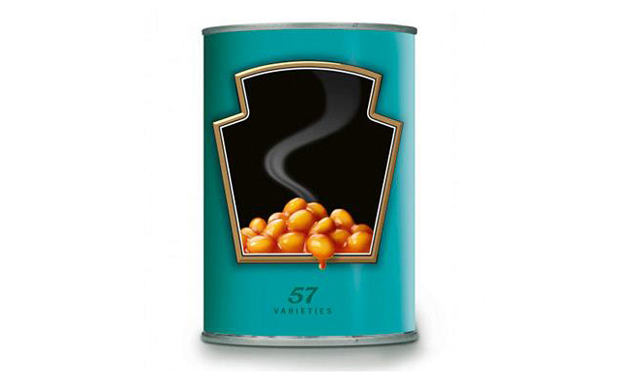
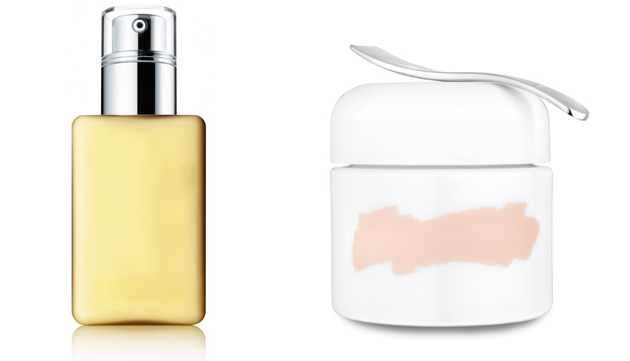
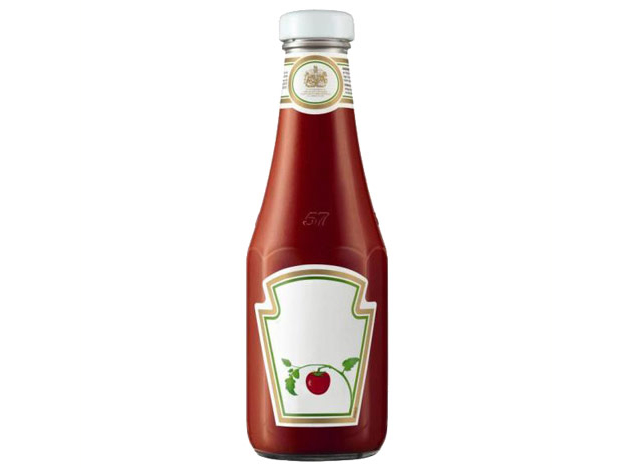
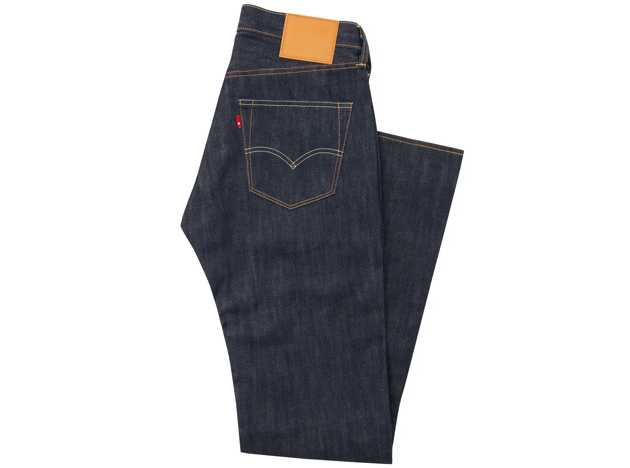
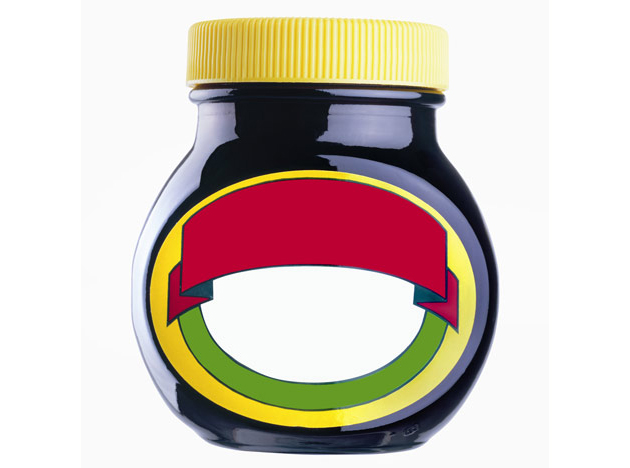
The initiative in question is called “The Quiet Shop” and was put together by Selfridges, a department store so powerful that some of the world’s most significant brands have decided to strip down their products from the thing that distinguishes them the most: the trademark itself. “The Quiet Shop” is a section of Selfridges at Oxford Street that offers an interesting shopping experience: all the products presented in the space are left without the logo or brand name on the packaging of the product itself. Interestingly, this project, born with the idea of offering a more relaxing shopping experience while focussing on the quality and design of the product itself, has somehow managed to put even more emphasis on the power these brands exert on their consumers. Hence, we have no trouble recognising Heinz ketchup, Levi’s jeans or Clinique moisturizing lotion placed on the understated shelves of this no-brand shop.


Even if the glorious years of Mad Men advertising world are undoubtedly over us, the game surely continues, and it has become even more sophisticated. As Metahaven, a graphic design studio based in the Netherlands, have pointed out a few years ago in their book “Uncorporate Identity”, advertising and brand identity can take infinite shapes, all of which contribute to the exertion of power and construction of value through design. And the only point that Selfridges actually manages to pinpoint is that no-advertising is just a new and maybe a smarter way of doing advertising.


Rujana Rebernjak

15/01/2013

Vienna’s Shooting Girls

Vienna’s Shooting Girls

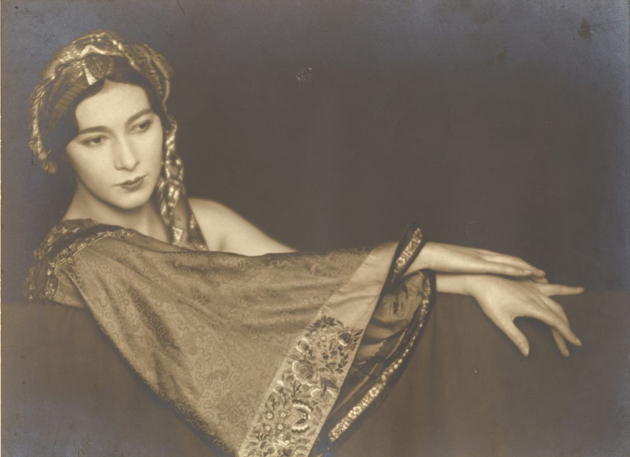
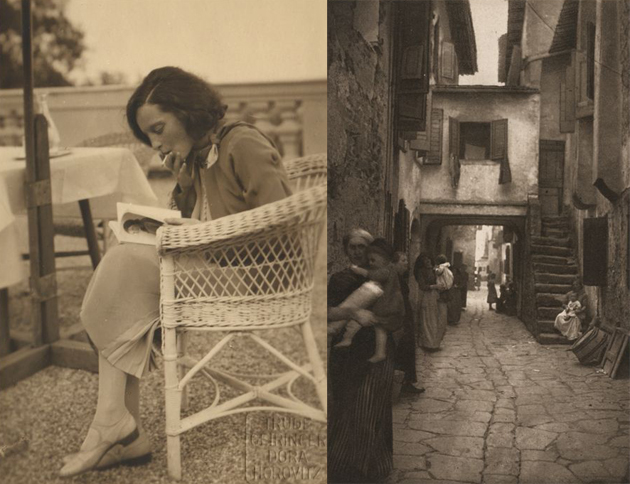
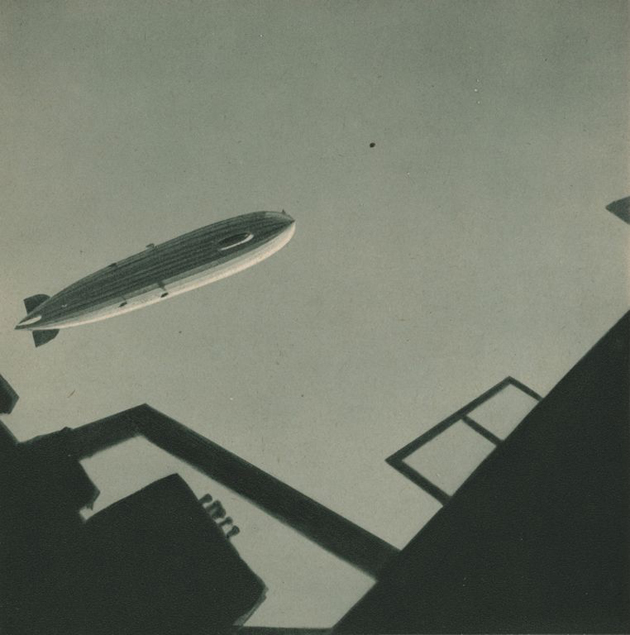
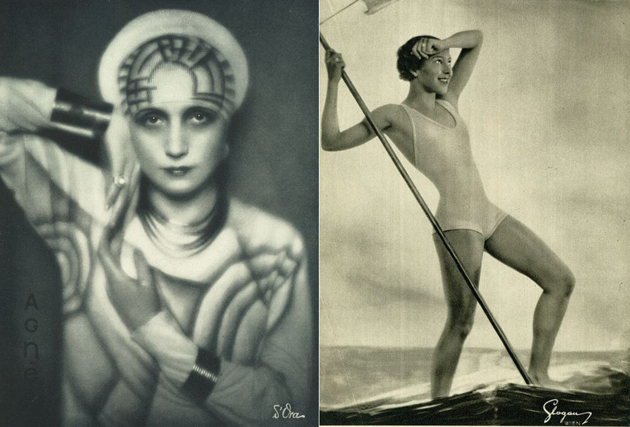
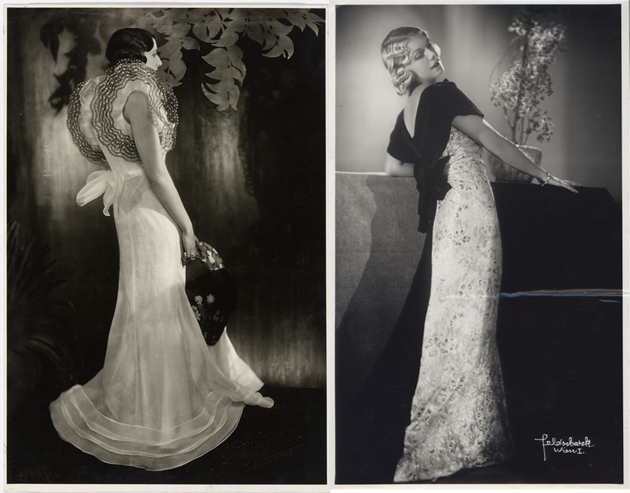
From the turn of the century until the outbreak of WWII, most photographers in Vienna were female and Jewish. The exhibition Vienna’s Shooting Girls makes this history visible, with works by more than 40 photographers.

The most interesting aspect of the exhibition is the way it makes tangible the strong influence that these women had on the cultural life of the city. Born out of the development of printing technology in the early 1920s, newly established illustrated fashion and lifestyle magazines created an image of the city as exuberant, sparkling and glamorous. Every aspect of social and urban life was represented: photo studios created society, artistic, actor and dance portraits as well as fashion, product, architecture, urban and landscape photography. These women produced editorials and tableaux while fan postcards rolled of the presses in endless multiples.


Dance photography established itself as a seperate genre. At this time the mass and flowing movements of trained dancers were a source of fascination, dancers were photographed making characteristic movements in avant garde costumes which were often created by artists. Strong poses and shadows built up a sense of physical extremity. A new sporty body image and sexual freedom bought permitted images of the body which were not necessarily seen as erotic but rather as socially liberated and natural. Both Germaine Krull and Trude Fleishmann simultaneously photographed the gymnast Cilli Pam during a training workout in Fleischmann’s atelier, using the body as an experimental field for light and plasticity.

Other notable photographers included Edith Tudor Hart, Hilde Yipper-Strand and Claire Beck. The most famous however was Dora Kallmus, otherwise known as Madame d’Ora, who – using deliberate blurring and highlights in her work – created a decadent and exotic style influenced by pictorialism, which she exported with great success from Vienna to Paris.

Internationally respected, Viennese portrait and fashion photography was almost completely dominated by women, mostly born to liberal Jewish families. Good education and training were highly valued among these communities, and a career in photography was accessible to women as it did not require years of training. But it was also an urban mentality; the potential of young jewish women to build a career was eight times higher in Vienna than it was in the countryside. Establishing studios in their homes and communities, women established themselves as both artists and professionals.


Unfortunately the wonders of this scene did not easily outlast the Anschluss. Many of the photographers died in camps, others struggled to re-establish their careers in new cities. Some continued to create social reportage or animal photography, while the glamorous Madame d’Ora followed up with a series of dead animals from the butcheries of Paris, an entirely different theme from the decadence of pre-war Vienna.

Vienna Shooting Girls is curated by Andrea Winklbauer and Iris Meder, running until the 3rd March at the Jewish Museum of Vienna in Dorotheergasse 11.

Philippa Nicole Barr

14/01/2013

Death in Venice/Kindertotenlieder at Schaubühne

Death in Venice/Kindertotenlieder at Schaubühne

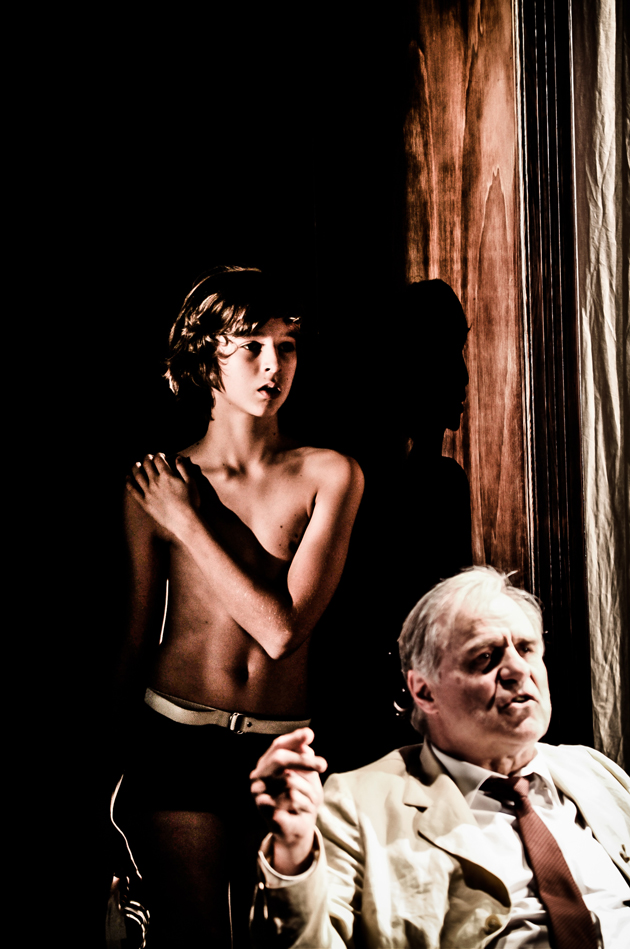
In 1912 Thomas Mann’s novella Death in Venice was first published in German as Der Tod in Venedig. 101 years and several adaptions later, director Thomas Ostermeier and dramaturge Maja Zade’s slightly more contemporary version premiered this weekend at Berlin’s Schaubühne.

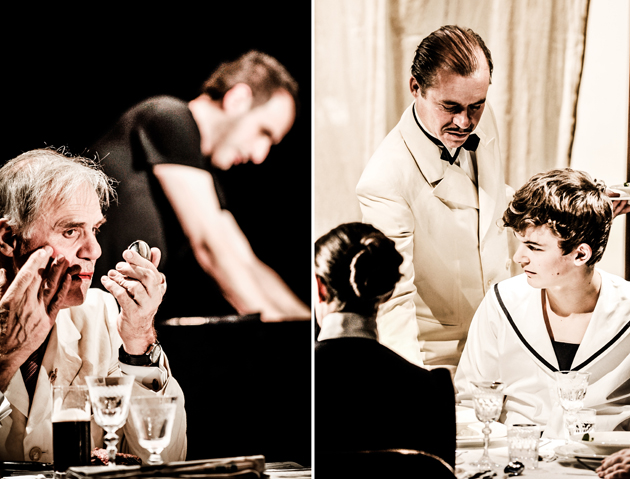
As one of the most renowned theatre houses in Europe, Schaubühne somehow always manages to transform classics into great contemporary theatre. In Ostermeier’s hands Mann’s story about the writer Gustav von Aschenbach, who during a hotel stay in Venice meets the 14-year-old boy Tadzio, becomes an experimental arrangement. A pleasantly mumbling narrator, a versatile pianist, a video artist and a whole group of actors and dancers approach the subjects of beauty, passion, obsession, youth and aging with different methods.

Gustav von Aschenbach, brilliantly played by Josef Bierbichler, sings the tragic Kindertotenlieder by Gustav Mahler (Thomas Mann’s inspiration for the character of Gustav von Aschenbach) all through the play, accompanied by talented Timo Kreuser on a grand piano. Video artist Benjamin Krieg sneaks up on the actors with his camera, live streaming the images as grainy retro film on a large screen. The result is magnifying; tiny actions like the lingering gazes between Aschenbach and Tadzio, become big screen close-ups, almost uncomfortably intimate. Young Maximilian Ostermann as Tadzio is a teenage Greek good, while Bierbechler’s gloomy posture, melancholic singing and resigned gazes become almost unbearably real to watch. Both actors are outstanding, using few words, expressions or movements, instead communicating through small means.


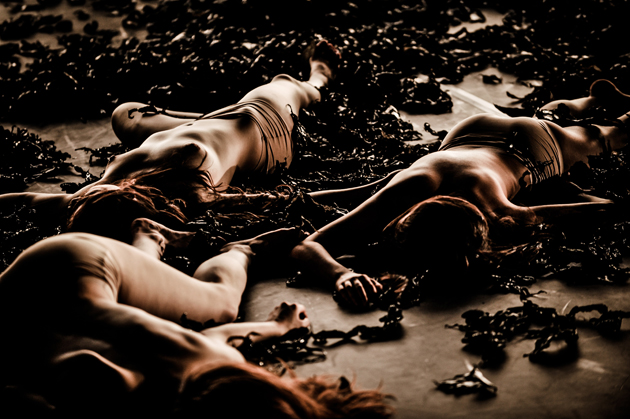
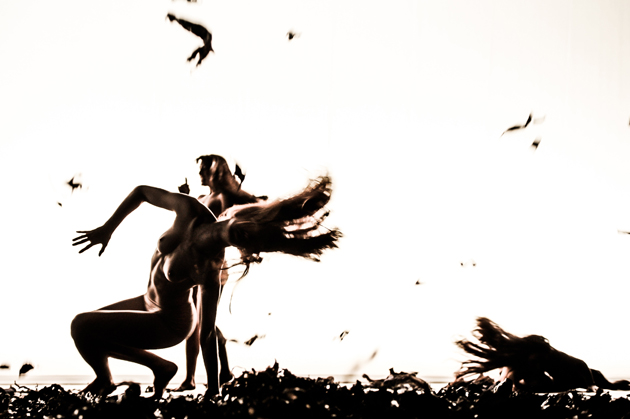
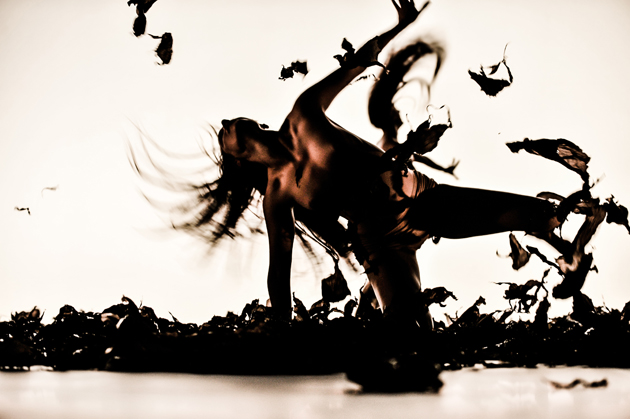
The convincing dancers Martina Borroni, Marcela Giesche and Rosabel Huguet play Tadzio’s sisters; a whirlwind of sailor dresses childishly arguing at the beach, only to be conservatively buttoned up at the dinner table a few moments later. Towards the ending a black, giant ash confetti covers the stage, while the three dancers are let loose in a wild choreography, shoveling the black dust with their bare skin and long hair. It is a strong and strikingly beautiful image of deadly obsession, erotic passion, physicality and transience. A worthy final of a controversial story and a brave piece, 101 years later.


Death in Venice/Kindertotenlieder is performed at Schaübuhne 14-15th January and 23rd-24th February 2013.

Helena Nilsson Strängberg – Images Arno Declair