21/05/2012

Bauhaus: Art as Life

Bauhaus: Art as Life

Hearing there’s a new exhibition about the notorious German school opening its doors might provoke dubious and not at all enthusiastic feelings. We all think we’ve already heard almost everything there is to know about Bauhaus, seen or read massive coffee table books depicting it, we know how its glorious masters look like and maybe even possess some of its heritage.
 When Barbican Art Gallery – in itself a massive brutalist post-war patrimony – announced the first major Bauhaus’ retrospective in Britain after forty years, the zest outside the narrow experts’ circle could have been quite mild.


The history of the revolutionary school, traced from it’s founding in Dessau in 1919 by Walter Gropious until the forced closure in 1933 has already been told from many points of view. 
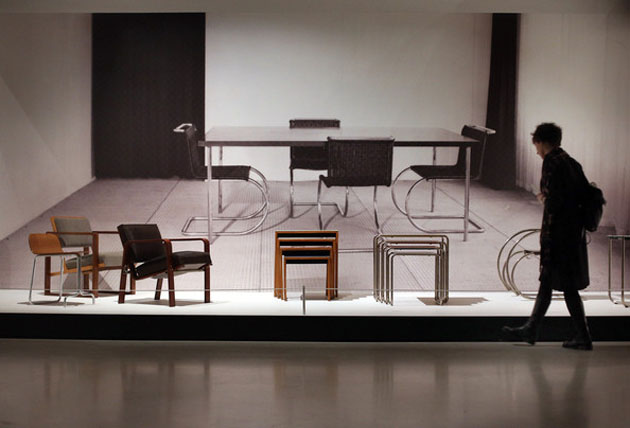
Nevertheless, “Art as Life” exhibition takes a new insight on the school’s artistic production and the undercurrent legacy. While Bauhaus was duelling between classical take applied arts and its new industrial counterpart, what emerged was a collaborative spirit between (almost) all teachers and students.


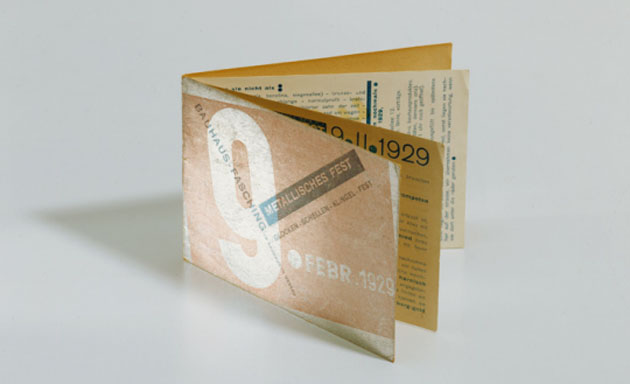
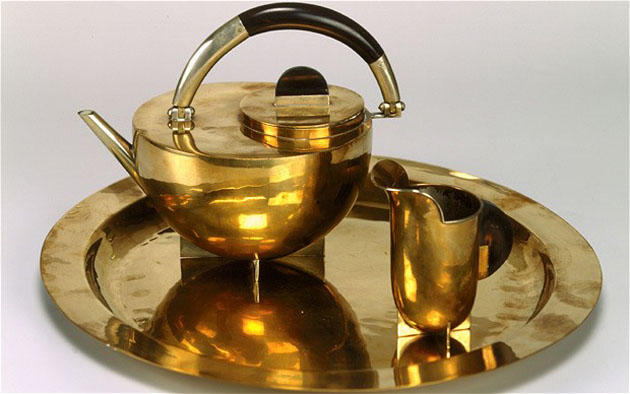
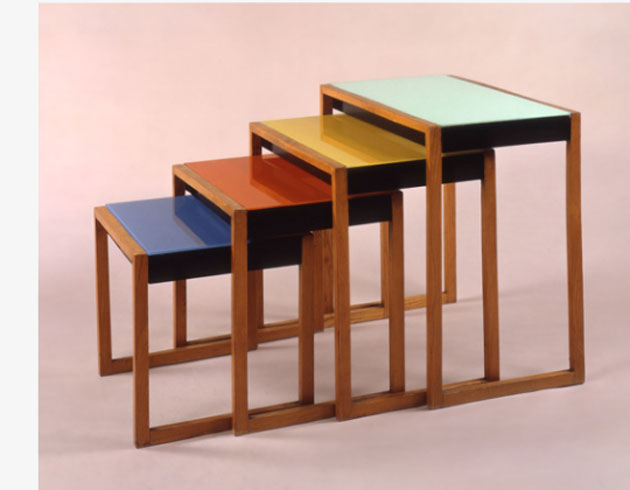
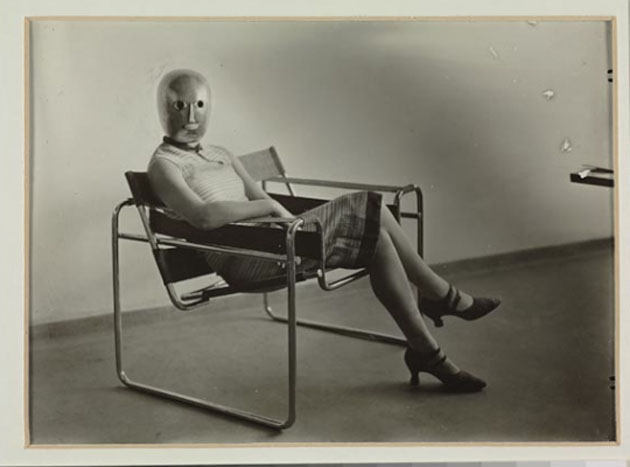
“Art as Life” brings to our attention the playful and yet undiscovered side of the progressive modernist school – the famous Bauhaus parties, the commonly unknown photos of fashionable students, the unseen work where professors’ mastery gets mixed with the young students’ idealism and naivety. Unveiling the diversity of Bauhaus’ production, the works displayed are as disparate as Nivea adds, table lamps and ceramic pots, school party invitations, coffee machines, chess sets and spinning tops designed by characters like Johannes Itten, Josef and Anni Albers, Walter Gropious, Hannes Meyer, Paul Klee, Laslo Moholy-Nagy, Ludwig Mies van der Rohe and August Schlemmer alongside with their students.

Running until the 12th of August, “Art as Life” opens quite a straightforward look on Bauhaus that makes us understand Modernism was much more than plain rigor.

Rujana Rebernjak – Images courtesy of Bauhaus-Archiv Museum

20/05/2012

Sunday Breakfast by Love For Breakfast

Sunday Breakfast by Love For Breakfast

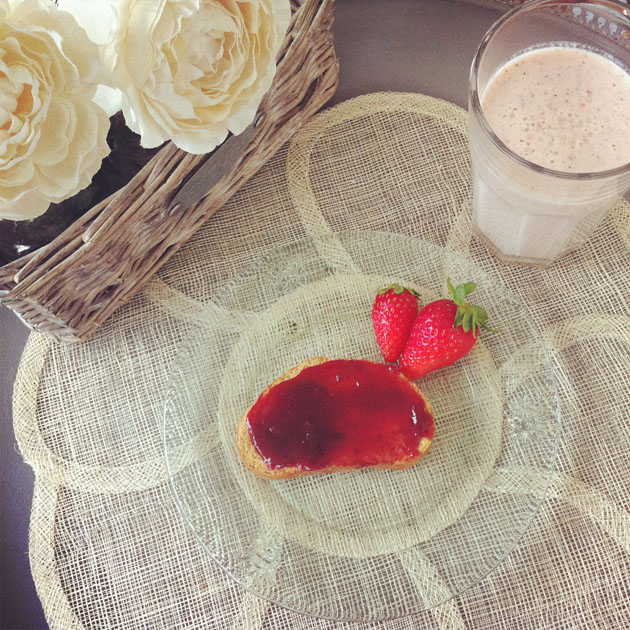
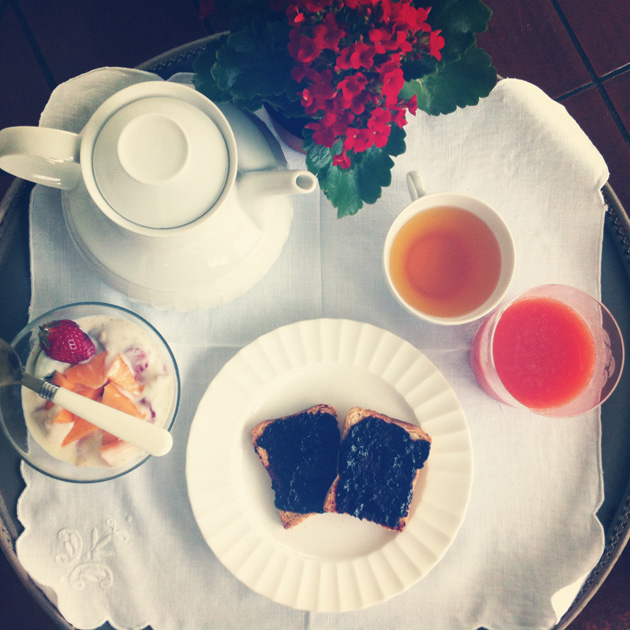
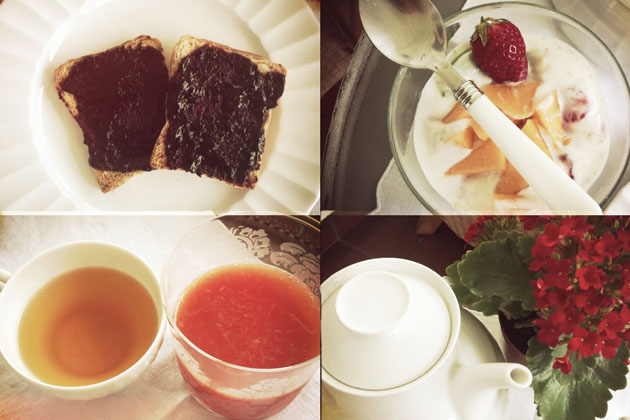
Relaxing pale color and the scent of flowers inebriates the air. Nothing better than an outdoor breakfast overlooking the wide countryside. Taste and breathe.

Alessia Bossi from Love For Breakfast

18/05/2012

A Plus A – Centro Espositivo Sloveno

A Plus A – Centro Espositivo Sloveno

Venice is the world known city of art and culture, where not only you can visit historical sites like Gallerie dell’Accademia or Scuola Grande di San Rocco tracing the history of fine arts, but where every year worldwide visitors rush to see La Biennale di Venezia. Since the buzz around Biennale usually fades out after the opening, the city quickly returns to its natural slow pace. Fortunately enough, the old beauty has still some eager enterpreneurs that try keeping the city alive all year long.


One of those, if not the only truly worth mentioning, is A Plus A, Centro Espositivo Sloveno. The gallery, situated in one of the most beautiful campos in Venice – Campo Santo Stefano – has quite a full schedule all year long. Besides hosting the Slovenian pavilion during the Biennale, following all of their events you might leave you with a full agenda. Dubious as you may be wondering whether quality shouldn’t be confused with quality, A Plus A can guarantee for both.

Not only it organizes successful exhibitions, the space is also committed to promoting culture in all of its faces, thus hosting concerts, 24-hour performances, talks and a course for curators named Corso in Pratiche Curatorial e Arti Contemporanee.

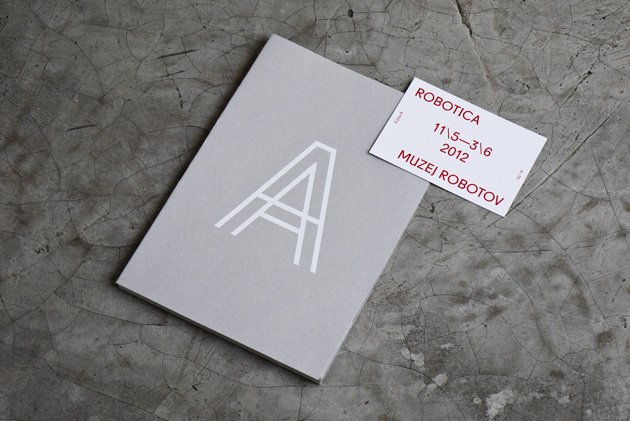
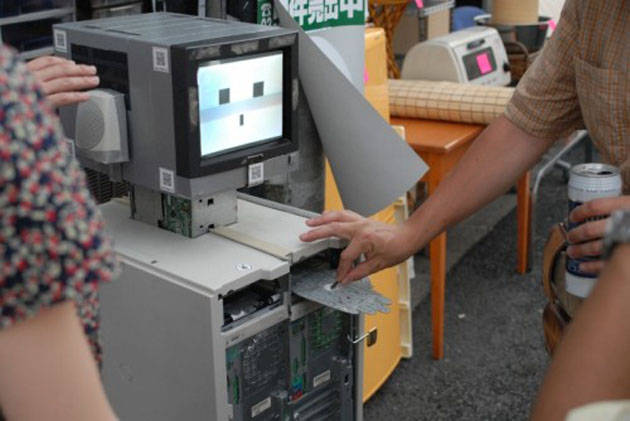
We have had the occasion to visit the gallery last week during the opening of “Robotica” exhibition involving the exploration of robots as holders of innovation and cultural content. The upcoming events, on the other hand, include “No Title Gallery” collective exhibition and a book presentation. The latter one is the product of Ignacio Uriarte‘s collaboration with Automatic Books, a young but productive independent publishing house based in Venice. The book is named Three Hundred Sixty and will be presented during a brief talk with the author next thursday.

If you find yourself in Venice any time of the year and the marble and pietra d’istria aren’t the only things you’re in search for, pop by at A Plus A for a nice chat with its director Aurora Fonda while taking a peak at their first quality projects.

Rujana Rebernjak

17/05/2012

May Reading List – Jürg Lehni & Alex Rich

May Reading List – Jürg Lehni & Alex Rich

Introducing a reading list may be quite a demanding task, as lately it seems to be quite difficult to actually find books that are readable in the conventional sense. “Looking at and understanding the meaning of written or printed matter by interpreting the characters or symbols of which it is composed” isn’t the primary activity to throw ourself in when opening the books listed below. The experience they offer is mostly of a contemplative kind.

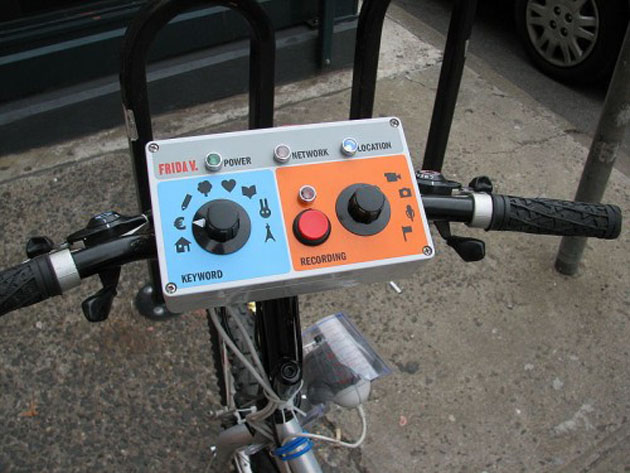
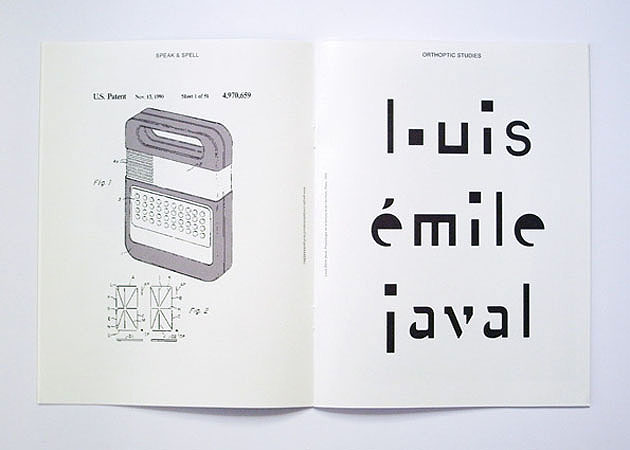
The following four books are part of the archive documenting Jürg Lehni’s and Alex Rich’s collaborative work that started in 2008 with a series of emails. The emails revolved around the issues of communication and technology, the gap between the user and the technologies of communication. The archive itself is named “A Recent History on Writing & Drawing” and it was exhibited at ICA in London involving a series of performances. All of the books have been published by Nieves.

Things to Say

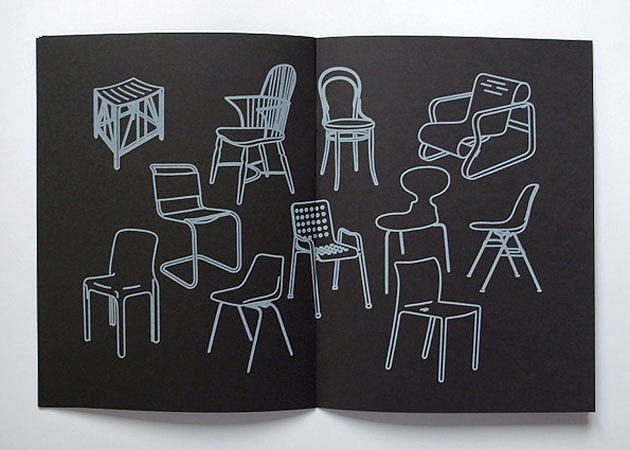
“Things to Say” is a book documenting the drawings made by Victor and Hector. The mechanical brothers are actually relatively simple spray-can output devices driven by two motors. The devices are a collage of other tools, giving them the characteristics of being malleable for interaction and interpretation. 
“Things to Say” brings together the drawings that appear like simple in-line illustrations, thus hiding their origins and confirming the authors’ ideas.

Research Notes

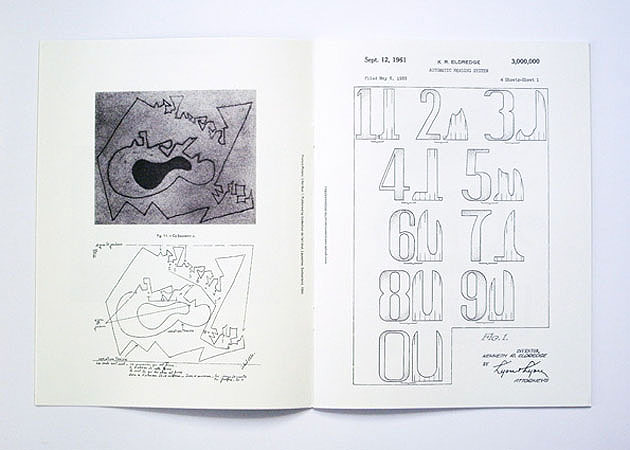
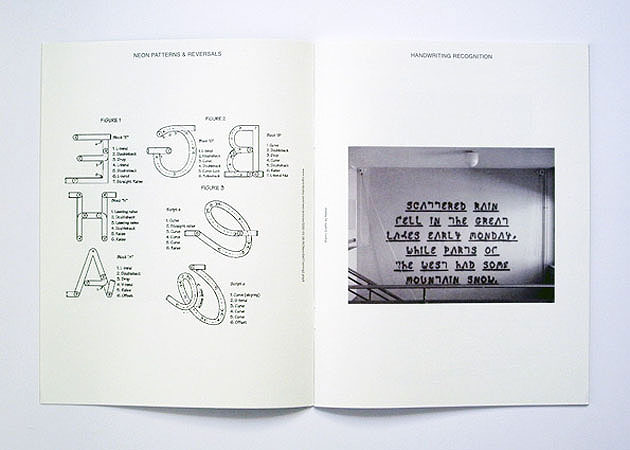
“Research Notes” is a book born with the idea of celebrating “how we find ourselves doodling while on the phone, testing pens in stationery shops, with our belief in folklore, with the need to misuse technology or thinking whose idea it was to fly aeroplanes in formation to write messages across our skies”. The book is an ode to the human necessity of documenting our thoughts and ideas.

News

“News” is a simple title that unveils the content of this clever book. The artwork presented in the book is a series of anonymous phrases taken from the newspaper headlines reproduced with a Speed-i-Jet, a mobile hand printer. While you start doubting the utility of the object itself, the beauty of the book might actually give its existence an actual meaning.

Empty Words

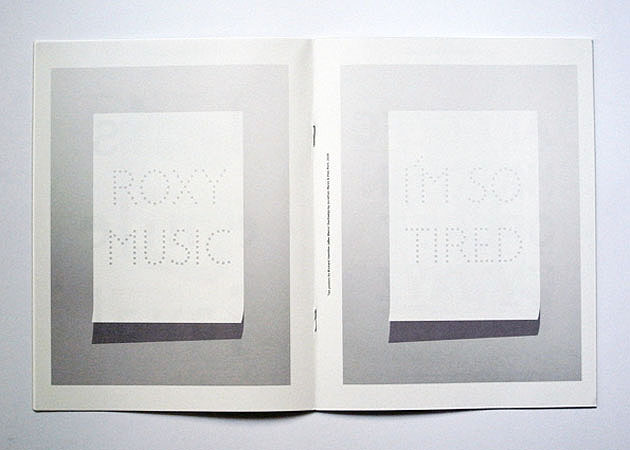
“Empty Words” is another word-play (and also a tech-play) with a series of phrases cut out with another mechanical device. The actual device has been brought to almost industrial perfection making it suitable for mass production of dotted posters and texts, drilled at a controlled speed. According to the authors, it should be almost as solid as a Linotype.

Rujana Rebernjak – Images courtesy of Nieves 

16/05/2012

Kristina Gill: Courgettes

Kristina Gill: Courgettes

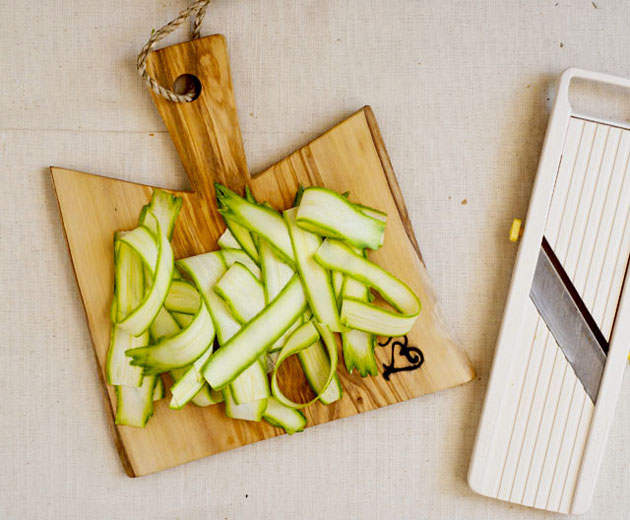
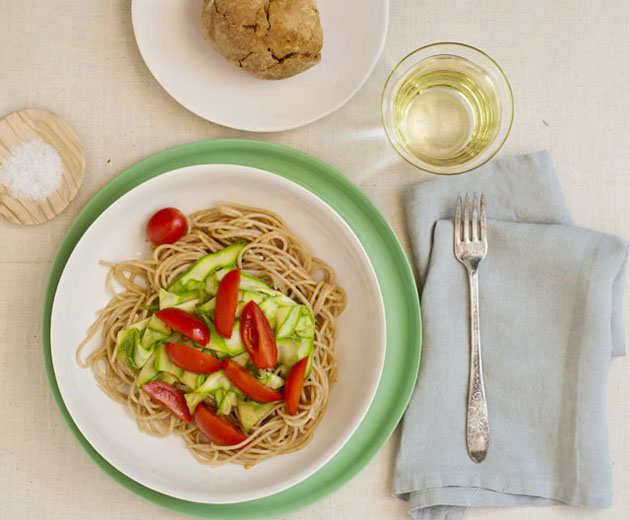
A couple of weeks ago I wrote about tomatoes, one of my favorite summer foods. Courgettes (zucchine in Italian) are tied at the top of my list with tomatoes. I like them so much that I eat them year round. I know eating out of season is so 20th century, but I just can’t get over how much I love them, even when they aren’t at the top of their game. My favorite way to have them is lightly sauteed with garlic and onion, and in summer I add some tomatoes – sometimes sauteed together and sometimes fresh. Sometimes I eat them with pasta, sometimes I slice them paper thin and eat them alone. Today I put it all together and it was an early taste of summer.

Kristina Gill

15/05/2012

Torsten and Wanja Söderberg Prize 2012

.

Torsten and Wanja Söderberg Prize 2012

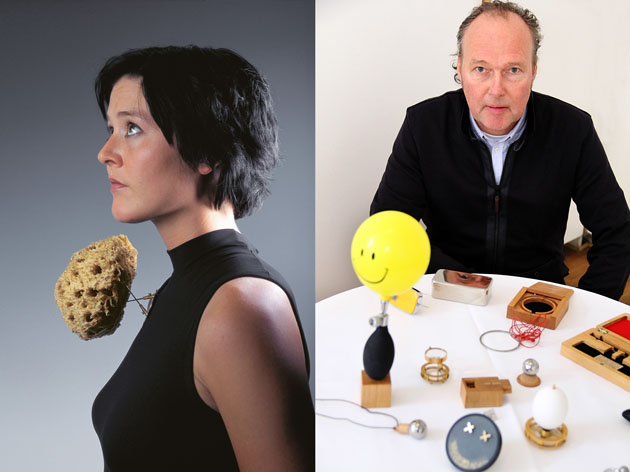
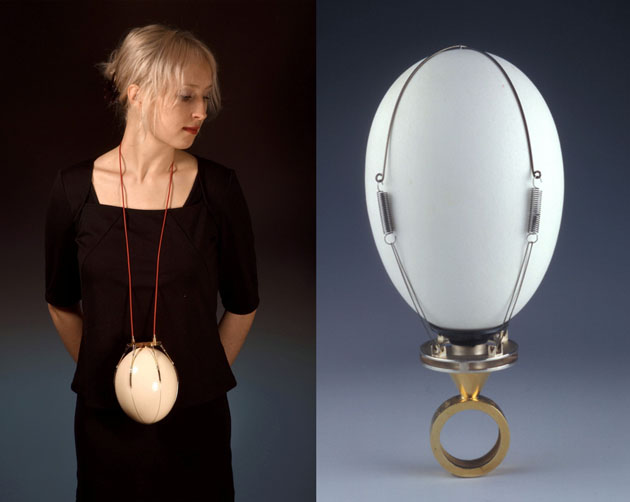
Sigurd Bronger is a Norwegian jewelry engineer working in Oslo, Norway, and today at 11am he was announced as the winner of 2012 Torsten and Wanja Söderberg Prize at Röhsska Museum in Gothenburg, Sweden. The objective of the prize, which was founded in 1992, is to award, promote and encourage Nordic design, fashion and artistic work, as well as strengthen the Nordic values on the field. The prize and its committee also contribute to the work of further deepening the collaborations between the Nordic countries.

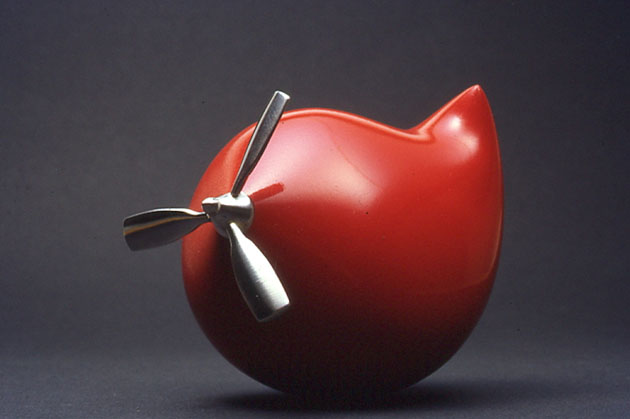
With heaps of solo- and group exhibitions all around the world, several design awards, a long bibliography and by appearances as professor, guest speaker and workshop leader from Stockholm to Tel Aviv, Sigurd Bronger has made name for himself in the jewelry sphere. He is a designer who works with delicate details referencing to the early 20th century’s mechanical industrialism. An era in which the objects revealed their functions -unlike the digital systems of today- and could be stripped down to their bare essentials where every fascinating part of a former machine could be enjoyed. His pieces play with humour and materials, and even though they are an allusion to a ‘boy’s dream’ with gearwheels and precision mechanism, his jewelry is somehow gender crossing.

In Sigurd Bronger’s world, time itself is treated as a material, and he only creates about three or four new pieces a year. The selection of precious metals, brass, diamonds and wood is carefully done, and later genuinely worked over. The designs, which are presented in remarkable hand-made packaging, take the viewer back to an early industrial design language and to the innovations of the Renaissance, without letting go of future visions.

“When I look at and touch Bronger’s jewelry, I feel like a young boy at a funfair or caught up in a wonderful mechanical fairytale world – I forget everything else around me. Sigurd Bronger’s design art changes my perception of what is possible”, says Ted Hesselbom, who is the head of the prize committee.

Sigurd Bronger will, besides an exhibition at the Röhsska Museum, be awarded with SEK 1.000.000 -which at the moment is the highest design prize in the world- decided by a jury consisting of representatives within design and fashion world in the five Nordic countries; Sweden, Norway, Denmark, Finland and Iceland. Previous winners of the Torsten and Wanja Söderberg Prize are, among others, the noted Finnish designer Harri Koskinen (most famous for his Block Lamp, exhibited in MoMA in New York) and Danish fashion designer Henrik Vibskov, a 2001 Central Saint Martin’s graduate.

Lisa Olsson Hjerpe – Image courtesy of Röhsska Museet

15/05/2012

Fotografia Europea 2012

Fotografia Europea 2012

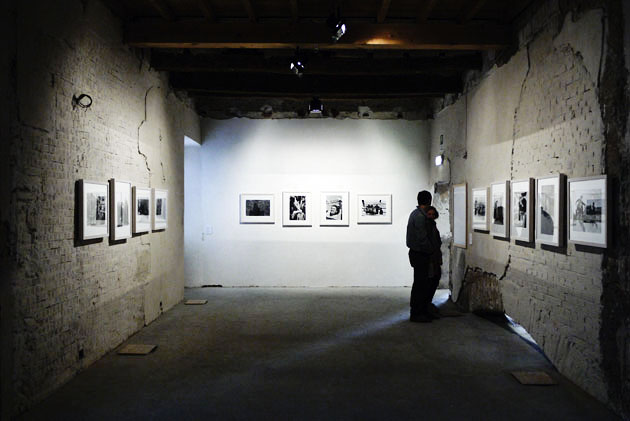
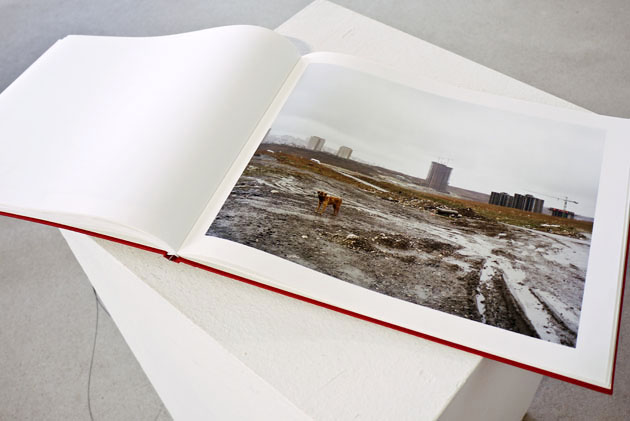
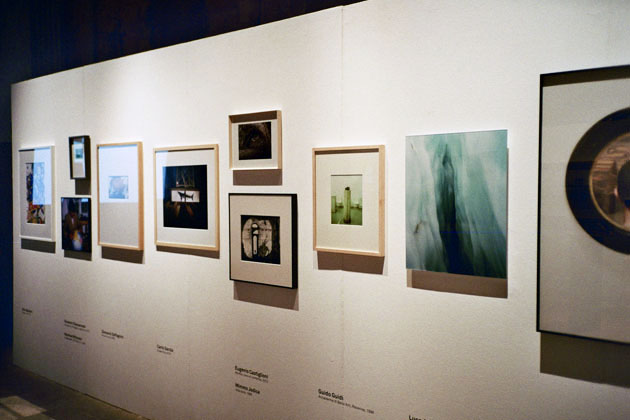
The opening weekend of Fotografia Europea 2012 just closed down. As every year the big festival, thanks to its full program of exhibitions, conferences, talks, workshops and performances, turns Reggio Emilia in a centre for professionals and photography lovers worldwide. The core theme of this 7th edition entitled Vita comune: immagini per la cittadinanza (Common life, images for the community of citizens) tackles the issue of living together, wondering which is the meaning of being a citizen in an era when the boundaries of nations are more and more blurred.


With the photography as common language and fill rouge of all the events scattered around the city, Fotografia Europea 2012 tells stories through the analysis of four different perspectives. Four paths summed up in four key topics: “Change”, “Common places”, “Participation” and “Differences”, which aim at charting the idea of new communities, encompassing a new sense of belonging, born from the encounter of natives and migrants who share and generate a certain culture.

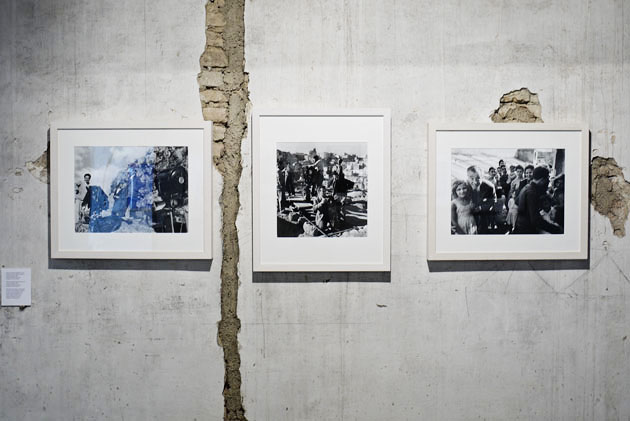
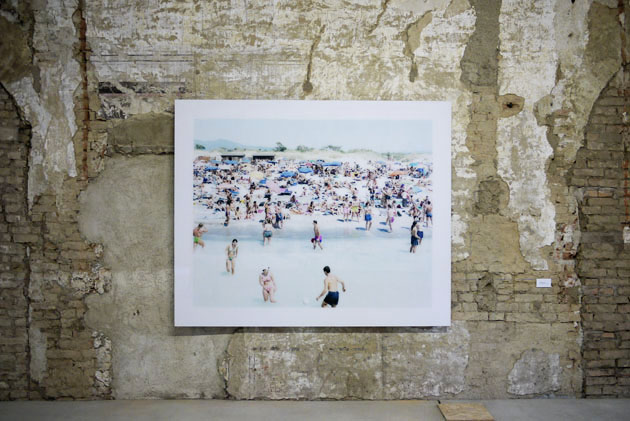
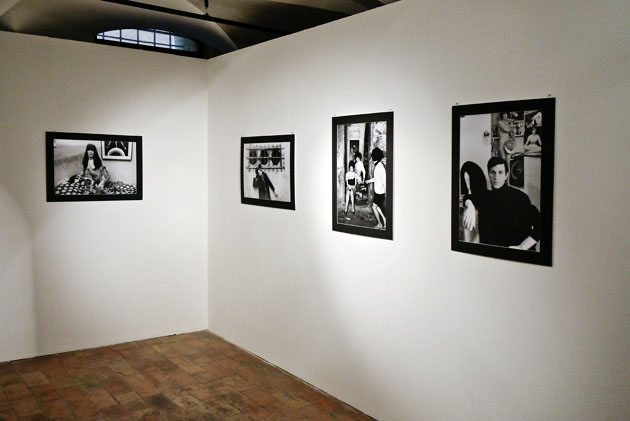
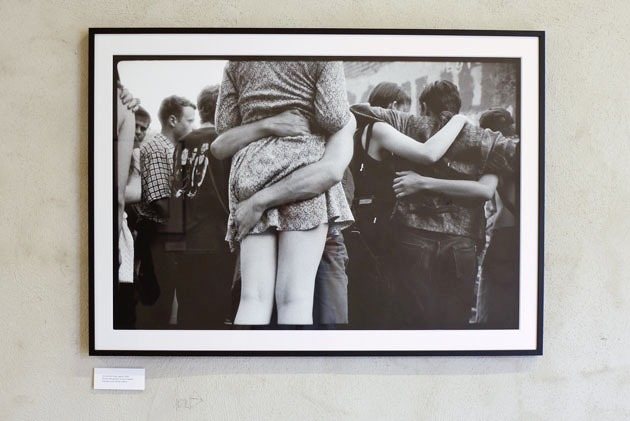
At Chiostri di San Pietro, Igor Mukhin (b. Moscow, 1961) in his show La mia Mosca depicts the Russian youth during the historic turning-point of their country through the use of B/W images; while in the same location, Federico Patellani (“E’ nata la Repubblica”) and Massimo Vitali (“All together”) with different approaches show places where usually people join each other – the schools after the Second World War of the former and the crowded beaches of the latter are examples of cohabitation.


Concerning the concept of participation we cannot avoid naming the exhibition Un’idea e un progetto. Luigi Ghirri e l’attività curatoriale, which retraces the curatorial activity of Luigi Ghirri, displayed in Reggio Emilia also at the show A Luigi e Paola Ghirri. Fin dove può arrivare l’infinito?, where visitors can admire the last – and plenty of poetry – shot by the great Italian master.

To underline the importance of defying convention and celebrating the differences, the festival presents a group exhibition, which conveys works by van der Elsken, Strömholm, Carmi and Petersen and relates to a famous song by Lou Reed entitled Take a walk on the wild side.
In occasion of Fotografia Europea, foundations, museums, public and private collections (as the renowned Collezione Maramotti) open their doors to collateral events and shows which will run until the end of June, while concerts and video projections enlivened the three days of inauguration of one of the most enjoyable festival, that is worthwhile living whole hog.

See you there next year!


From the Bureau

14/05/2012

The Future of Indian Fashion

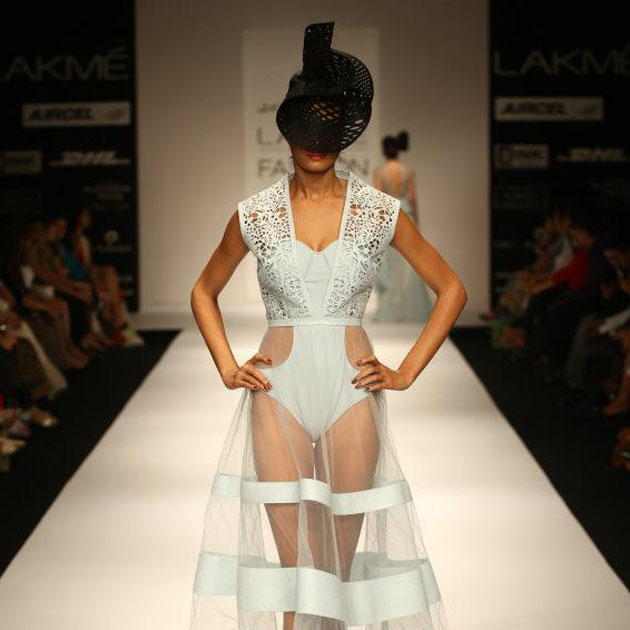
Forecasts talking about Asia as the emerging fashion area and a booming luxury market have had the industry eyes pointed east for quite a while, and over the past years India has become a burning topic in the discussion. It has been a discussion that’s now starting to cool off; the progress isn’t as fast as expected, cultural differences are putting spanners in the works and influential names coming back west are saying that the Indian fashion scene isn’t happening, yet. In New Delhi – the city where opposites collide with an immense energy, the avenues are lined with chauffeur-driven cars, and local star design costs as much as Parisian couture – the Blogazine met with Creative Marketing and PR Consultant Anubhav Jain to talk about the future of Indian fashion.
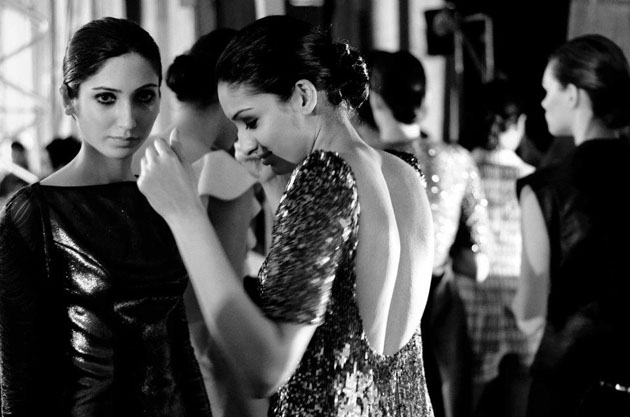
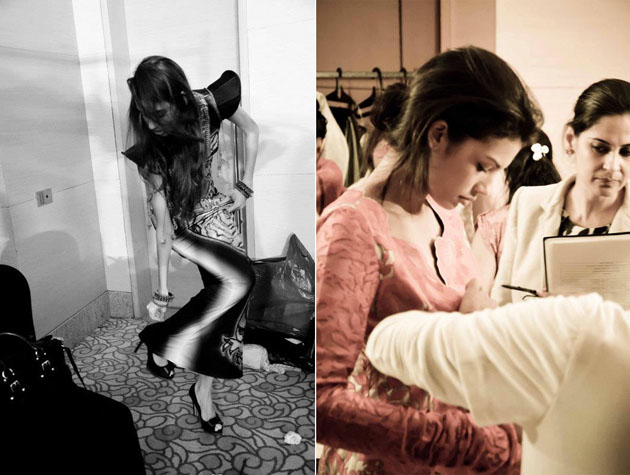
Fashion, beauty and splendour have throughout the history been a crucial part of Indian culture, and for long the high-end products were reserved for a selected few. “The ‘maharajas’ [royalties] started the trend of luxury! We have a history of royals and jewels, that is our roots and it’s foremost where our fashion inspiration comes from,” says Jain. “Though, now the country is a part of the globalized world and we find sources of inspiration also from the Western part, especially in terms of detailing and quality,” he continues.

The main focus for the Indian fashion industry is growth and even though the business has witnessed a steady rise of attention from international stakeholders and fashion voices, the numbers are small when compared to the horde of buyers and brands represented during the major fashion weeks in London, Paris, Milan and New York. “As the Indian customer is becoming more brand conscious, it becomes imperative to further recognize the importance of craftsmanship, its value, and the value of its price to the customers,” Jain comments. He talks about the pricing levels as a big factor affecting the luxury market, where the ‘boom’ of attention for high end companies entering India principally relates to the brand names rather than generating in sales and profits. Taxes and import duties have reduced the saleability of luxury, and even though the ‘local socialite’ can afford the high end products, it’s a question of how these couture garments are worn. Jain means that if the brand doesn’t have a well-known and luxurious image, or if it hasn’t been seen on models, actors, politicians or other socially high ranked personalities, the company will have a much harder time getting through to their target clients in India.
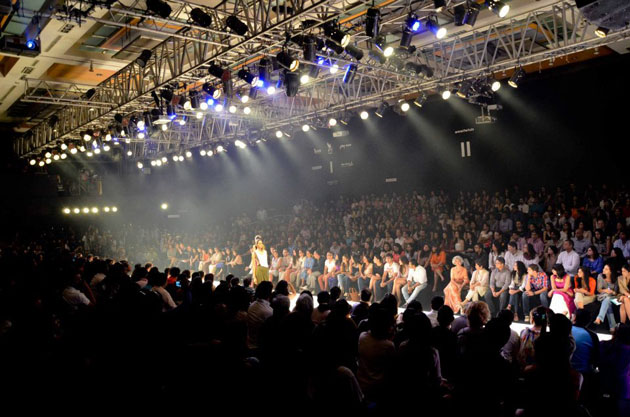
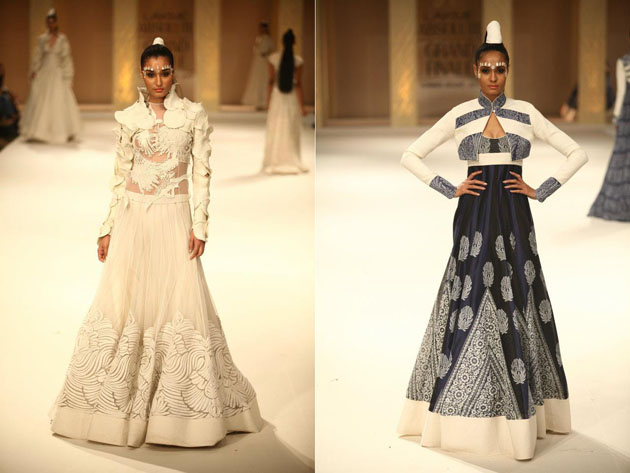
Though, after some years along the line, now the luxury brands are really pushing it hard in India. The industry has been experiencing a great transformation through social media, fashion bloggers and e-commerce. “Yes, e-commerce in retail and on the high end will be the next big thing here,” Anubhav Jain confirms. He talks about fashion communication inspired by the Western ‘model’ as an important point to boost versatility and means that in a country like India, where various cultures and languages have to get along with each other, the fashion industry and its ‘language’ through garments, colours and trends is what binds them all together. Even though the country is becoming more liberal culturally, the ‘crazy fashion outfits’ that you would not only see during fashion weeks but on an everyday street in London, Paris, Milan or New York is not what you would come across even at the most fashionable event in Mumbai or New Delhi. “People are still rather reserved even though the market is opening up for new styles.”
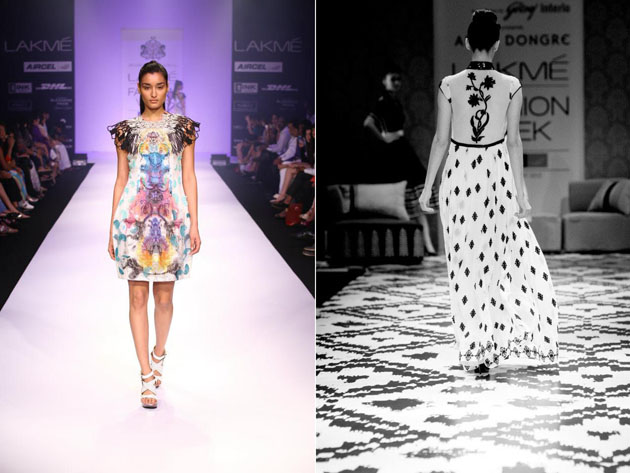
When turning the conversation to a talk about the point where Indian fashion is directed towards the industry around, Jain thinks that it might be these various cultures, traditions and the history that the country holds that fascinates the western world. “They get influenced from our bright colours and textiles. The European preferences are often in the range of black, grey, navy and brown, but we feel there is a big demand of colours in the European market, and we could supply the Indian fashion products.” Even though the increasing number of international buyers who attend the Indian fashion events demonstrates that there are expectations on the country, the number of actual business that is carried out over the boarders are lower than one could hope, when talking about the American and European markets. Buyers are intrigued to take in the collections, and Indian top designers are chasing foreign markets. A big part of the Indian design generates trading with nearby markets such as the Middle East, where the aesthetics and the style preferences are more similar to begin with. Though, young artists come with young minds, and while the markets are slowly moving closer and finding inspiration within each other, many designers are still longing for the shot in the west.

The industry eye might have taken a minor break from the close watch on India, but with e-commerce companies making an effort to enter the market- as well as Indian e-commerce doing the same towards the world and with social media and fashion blogging on the rise- the reasons for going back to India might become additional, sooner than expected.
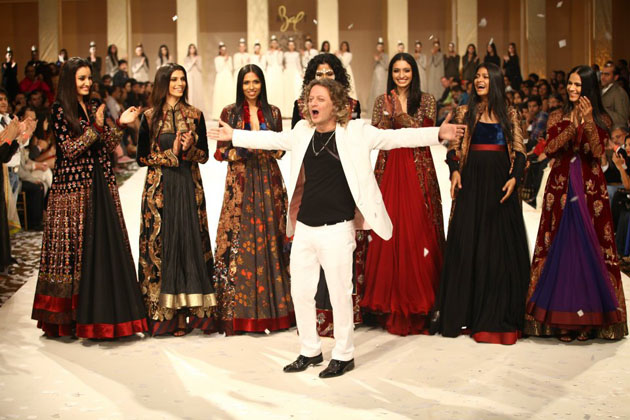
Lisa Olsson Hjerpe – Image courtesy Lakmé Fashion Week 
13/05/2012

Sunday Breakfast by Love For Breakfast

Sunday Breakfast by Love For Breakfast

When the sky is matte, the best choice is to put color on your table. I chose the orange in the hope of getting warmth.

Alessia Bossi from Love For Breakfast

11/05/2012

Remembering Maurice Sendak

Remembering Maurice Sendak

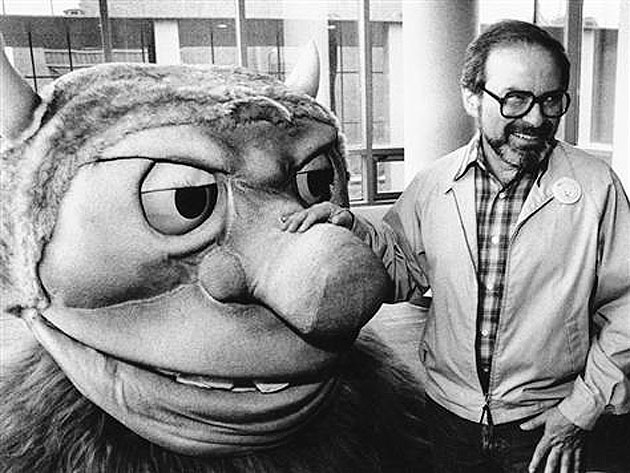
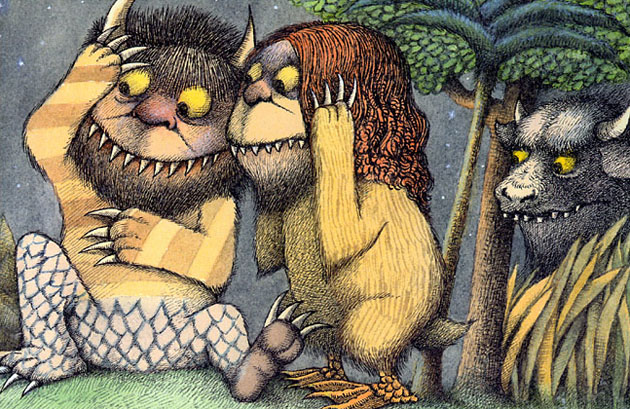
Where the Wild Things Are” taught me how to employ imagination purely as a survival tactic, a refuge from droning schoolwork, nagging parents and brothers and―now that I’m older―droning desk work and eye-rolling social obligations that seem to roll over me on a daily basis. It’s hard to control external forces, but Maurice Sendak helped teach me that it’s your own obligation to control how you deal with what comes your way. Max sails to another world, conquers all, and returns home for a hot supper. No wonder he continues to resonate with the world.

Most of our lives are spent alone in thoughts, wondering where to go next in a world that is largely indifferent. Sendak captured our mind’s spiky cocktail of terror and bewilderment with a fearless intensity, not just in “Where the Wild Things Are” but also “In the Night Kitchen”, “Brundibar”, and dozens of other classics. His work is representative of a group of people who remain too transfixed by their own worries and curiosities to simply run away from them. And it cuts deep: One kid loved his work so much that he decided to eat it.

Born a lower class Jew in 1928 and raised during the Depression and through the Holocaust and World War II, Sendak kept his homosexuality away from his parents out of fear of disappointing them. The Lindbergh baby kidnapping and murder of 1932, Sendak once said, worked as an unintended influence, a real-life nightmare that made him realize the instability and unpredictable nature of life. Likewise, a baby is hauled away by goblins in “Outside Over There.”

Exposed to the realities of life from the get-go, he later single-handedly ripped children’s stories out of the innocent fairytale realm and placed them on a plateau on par with reality, fear be damned. He didn’t do it for shock value (which he sometimes unfairly found himself in hot water for), but out of a profound respect for the courage of young people and their fresh worldviews. Those monsters in Max’s adventure? They were based on his relatives, who would cower over his crib when he fell gravely ill as a child. It’s no small coincidence that Max overpowers and rules them.

It’s scary out there, but his characters never stayed scared―or inside their rooms―for long. Like Max, Mickey from “In the Night Kitchen” was also a fearless explorer of the corners of his own imagination, escaping the noisy confines of his bedroom to embark on an all-night baking adventure throughout New York City. And like Max, Mickey returns home after his surreal travels, glad to be back but all the wiser for exploring his innate curiosity. The same can be said for Sendak, only he left us all the wiser as well. I’d offer my own words here, but it’s hard to imagine a more fitting castoff than the one he once offered to us all as words of encouragement:

And he sailed off through night and day
In and out of weeks
And almost over a year
To where the wild things are

Lane Koivu