Sunday Breakfast by Love For Breakfast
Create an intimate chemistry with the food you love, it will turn into a slow discovery of who you are.

Sunday Breakfast by Love For Breakfast
Create an intimate chemistry with the food you love, it will turn into a slow discovery of who you are.
Paris in Colour
Dramatic and alluring, Paris is the European capital of art and the artistic. After all, it is the birthplace of the Belle Époque, the land of the Impressionists, a playground for literary greats (Hemingway, Stein and Fitzgerald spring to mind) and a city of love and revolution. And then there are the locals. Synonymous with elegance, the Parisian, and their unparalleled sense of ‘no fuss’ style, have an in-built appreciation of all things beautiful.
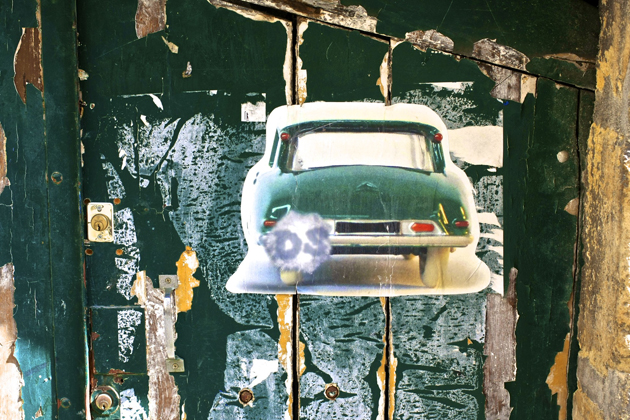
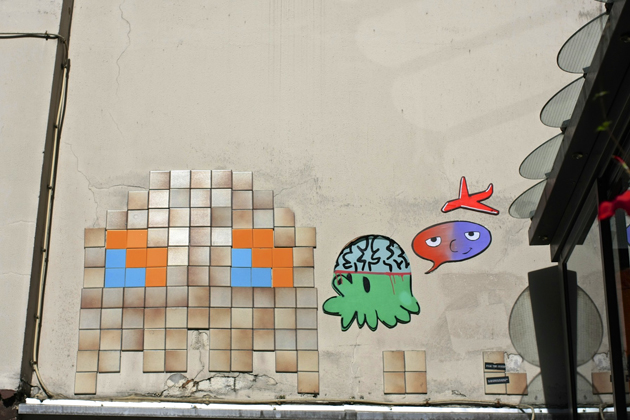
But nowadays there’s more to the artistic scene of this thoroughly modern city. Yes, being exquisite, traditional and passionate are rather wonderful traits to have, but true French contemporary character is found in the lesser-known backstreets. There’s something perfectly charming and just a little bit subversive about Paris’ vibrant street art.
Covering the corners of the Marais and spreading across the city from there, these little works, painted anonymously onto walls in the dead of the night, mix quirk, whimsy and daring. Any work that springs up in the Marais quickly becomes part of a greater collage; plastered, painted or tiled over by the next artist with a creative enough thought in their head. A crepe or a falafel in hand (you’re in the food-loving Marais after all) you can spend hours pondering images of cars, space invaders and monsters in every imaginable shape – and wonder who exactly left them there. No doubt throngs of locals will join you in your ambling.
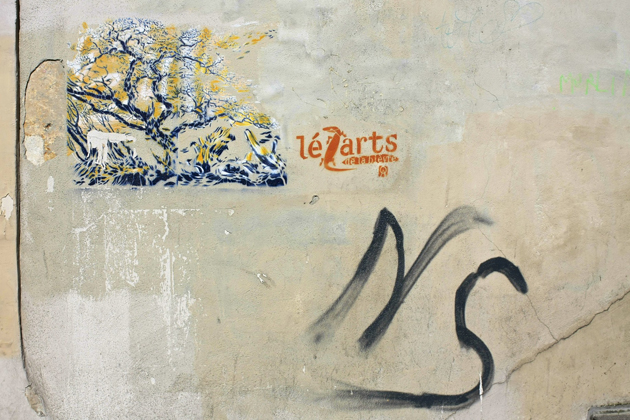
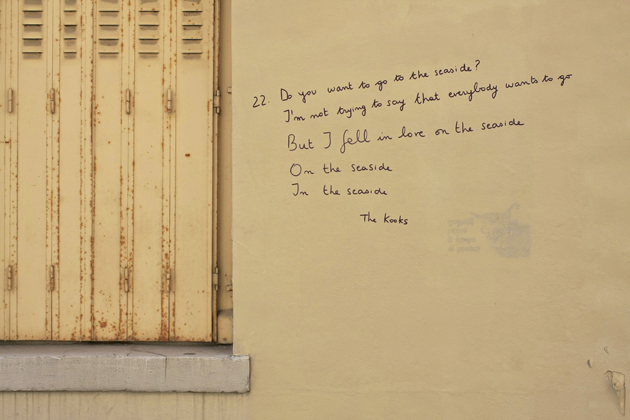
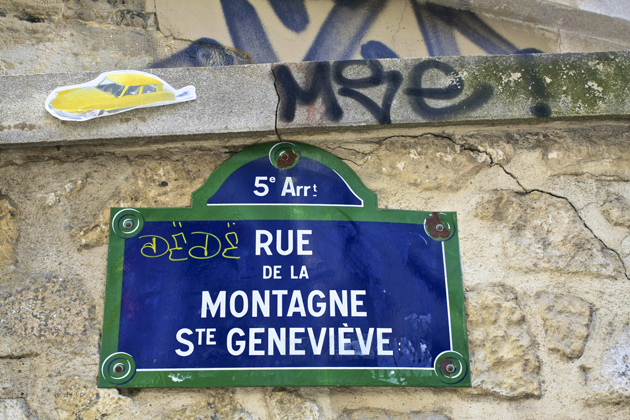
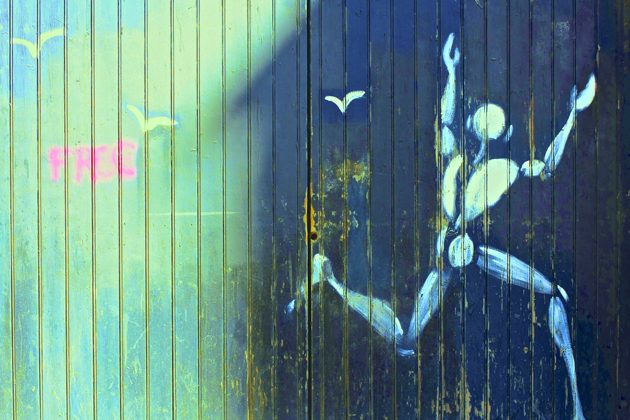
For street art with an intellectual flair head to the Latin Quarter, the centre of Parisian academic life. Packed with libraries, bird-filled squares, cafes and the Sorbonne, the art you find here may not be as chaotic and compact as that of the Marais, but it’s certainly thought-provoking. Adapted quotes, reclaimed street signs and a yearning for freedom; here colour and zeal reign supreme.
Naturally, the Musee d’Orsay, Musee de l’Orangerie and Louvre must be visited – few things are as grand as a roomful of Monet or Grand Masters – but for the newest, most uplifting art you’re going to have to take to the streets.
Pretty in Pink: John Cale at the BAM
John Cale recently returned to New York to perform his landmark 1973 album, Paris 1919, at the Brooklyn Academy of Music. At 70, he remains as captivating a performer as ever, although his hair – always the hair with him – continues to look like a bag of cotton candy caught in a rat’s nest. But hey, this is the guy who co-founded The Velvet Underground with Lou Reed, the guy who ate copious amounts of barbiturates and then wrote songs about getting off on getting whipped, and who once – in a fit of drug-fueled rage – decapitated a chicken onstage and beat its lifeless body into a pancake with a steel meat cleaver. Dude can wear it any way he wants.
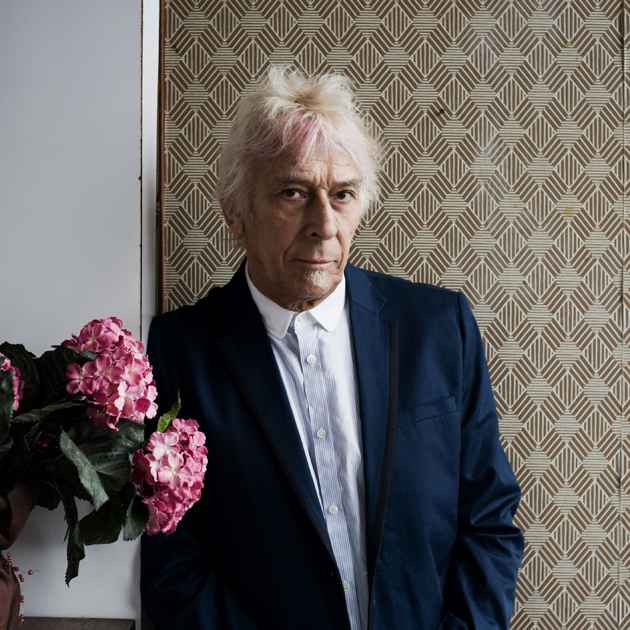
Cale made a name for himself early, abandoning his musicology studies at Goldsmiths’ College in the early 60s to move to the States and study with Yannis Xenakis and La Monte Young. He would spend the next fifty years dabbling in drone, folk, punk, classical, chamber pop, rock and roll, and avant-garde. Along the way he’s produced albums by Nico, The Stooges, Patty Smith, and The Modern Lovers, and collaborated with the likes of Nick Drake, Brian Eno, and LCD Soundsystem. His unpredictably eclectic solo catalog has often been called too weird for pop and too straight for the avant-garde, and he has the distinction of being the only artist ever to play eighteen-hour drone compositions with John Cage and appear on the Shrek soundtrack.
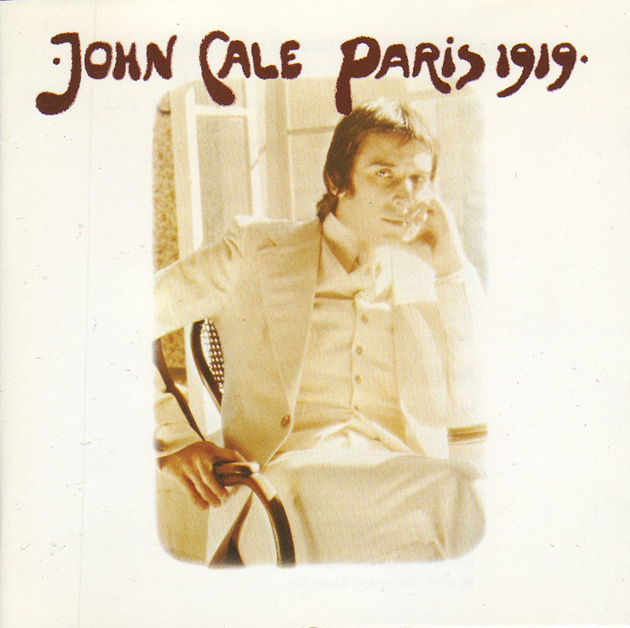
Paris 1919 is an appropriate choice for a BAM retrospective, as it finds Cale in complete control as a songwriter, arranger, and producer. His early contributions to the Velvets gave Lou Reed’s narratives a deliberate and unnerving edge, particularly on tracks like “Venus In Furs”, “Black Angel’s Death Song”, “Heroin”, and “Sister Ray”. By contrast, the songs on Paris 1919 are instantly hummable, intimate vignettes of Cale’s childhood in Wales. Which might explain why Cale’s been keen on revisiting the work in recent years: It’s his most accessible and personal statement. “This is nostalgia, pure and simple,” he said in a recent interview with The New York Times. “I’m writing about the stuff that I miss about Europe.”
His set at the Brooklyn Academy of Music included material from year’s Shifty Adventures in Nookie Wood and his Velvet Underground days. At the end of the night, when he started in on the opening notes of “Venus in Furs”, I half expected Lou himself to walk out and say hello. But it wasn’t meant to be. (They don’t get along, and besides, Lou was across town that night at an Allen Ginsberg poetry event.) This was Cale’s night, anyway, and rightly so.

The Pillars of FW
For many they are an unparalleled economic opportunity, for others just a cliché replaceable with different marketing and communications tools. During those days the drivers whizzing running through the streets in search of the client’s most generous tip. Bars, restaurants and bistros flock to the same rate as the prices for their à la carte menus soar. On the scene, fashion weeks, the most discussed: Paris, Milan, London, New York and the newcomer Berlin.
Every nation is rooting for its own. Because, apart from the fun theater which is celebrated every hour in front of the entrance of the shows, this mechanism called Fashion Industry translates on paper in billions of dollars, thousands of jobs and a good amount of social implications.
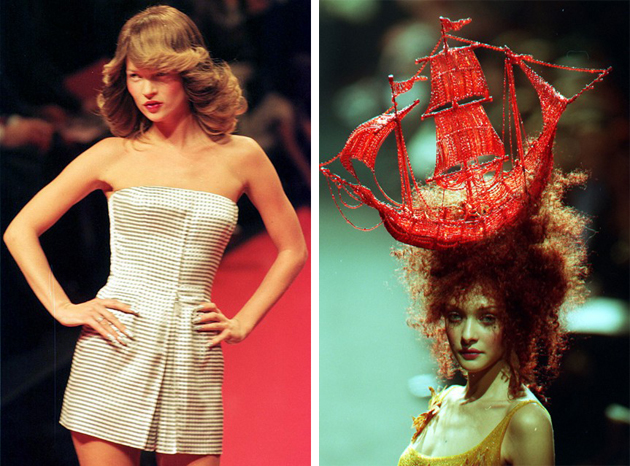
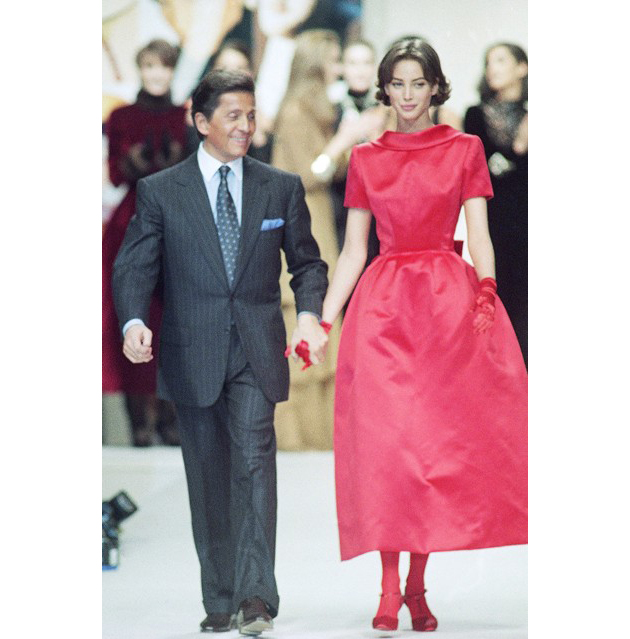
This anxiety often ends up devaluing the real pregnant strength of each. It would be more conscious to take note of what every Fashion Week has good in its DNA. In London we celebrate the feast of Underground. The youth subcultures, the fresher, lively and less affected by the global logics, go up on the catwalk. In Milan it comes to expertise, craftsmanship, excellence of the hand-made, that hallmark all people show reverence; Made in Italy. In Paris slips off creativity. Everything you claim to be above, much closer to dreams and desire. In New York you decide the season’s trends, what you sell, what consumers want and what the market will give them. Cultural inspirations coming from North and miscellaneous agitations that include the british, street, punk and gothic style join together in Berlin, the fashion week that we have just learned to follow, that we foresee to be the next big thing. The deutsche city of contradictions has a little more than for a couple of years stood in front of World Fashion System face.
It’s almost impossible for one of the five face the game for all, because the beauty and the interest of press and buyers from all over the world lies in the diversity that characterizes each fashion week.
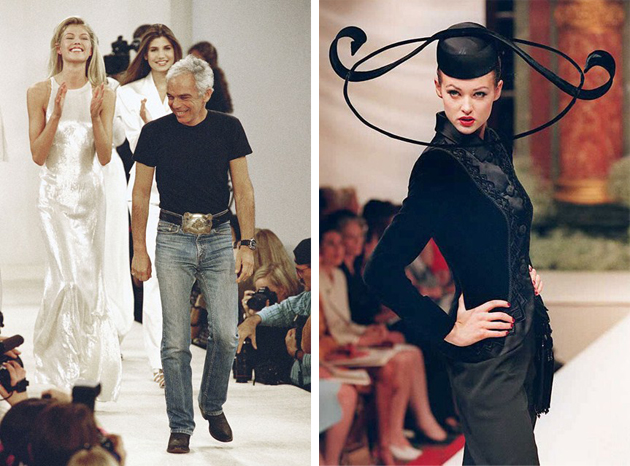
By the way, being sharp, you could do just a note to London and Milan Fashion Weeks, which often become a shapeless conglomeration of shows and presentations concentrated in a few days, to meet the wishes of foreign operators, who do not like being out of the country for too long. Well done instead for Paris and New York that, through a clever interplay of corporation, always manage to put big names at the beginning and in the end of the event, “compelling” gracefully professionals to stay in town for every day of the shows. This mechanism allows the city to take a breath, operators to see with no hurry everything that is proposed to them, and tourism organizators and servicers to have a large catchment area delayed with several days.
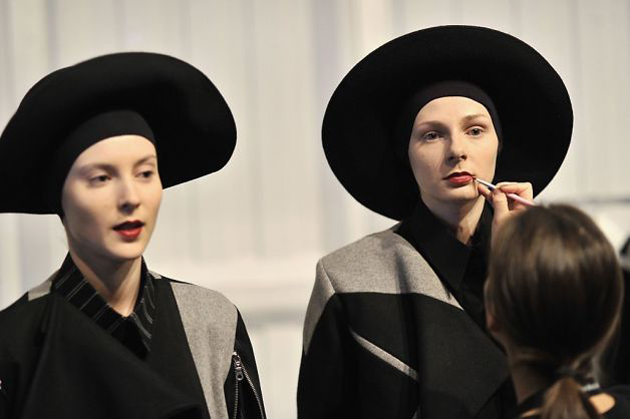
Strengths and weaknesses aside, we like to think that the reason that still drives hundreds and hundreds of people to move from one end of the planet to see “only” clothes, is not the mere and coveted money, but also other factors. Creativity, expression of oneself, research, delight for the eyes? Who knows. Perhaps, in times like these, people have a desperate desire to dream. Or rather, what they want is “the illusion of dream you can dream again”. So that’s okay.
Nostalgia: A Ghost From A Fashion Past
There is a moment, a grievous one, when we start thinking of our lost youth. But since we can’t regain that fresh skin of our green days, we have to try another way to go back and feel younger. No need to go for plastic surgery and hair transplant, we may just need to open the closet. We all have those certain pieces that we haven’t thrown away during years of spring cleanings, because we had the feeling that sooner or later we would have use of them again. Hidden behind the gym stuff, or in the lowest drawer, they are there, ready to be used once more.
Don’t wait until the trend repeats itself, take them out now. Use your creativity, be visionary, improvise a kickass styling, and here we go! Trends always look back, we know, so you must do the same. Forgotten things from the past could become the it-pieces of your tomorrow’s style, if used wisely.

Grandma’s closet
She has always known how to look elegant and refined, doesn’t matter if she was going to a wedding or working in a factory. If you are lucky, she has kept her favourite pieces. No need to go for the jewelry; hair turbans, long gloves and dancing shoes will be enough to give your style some retro allure.
Mum’s closet
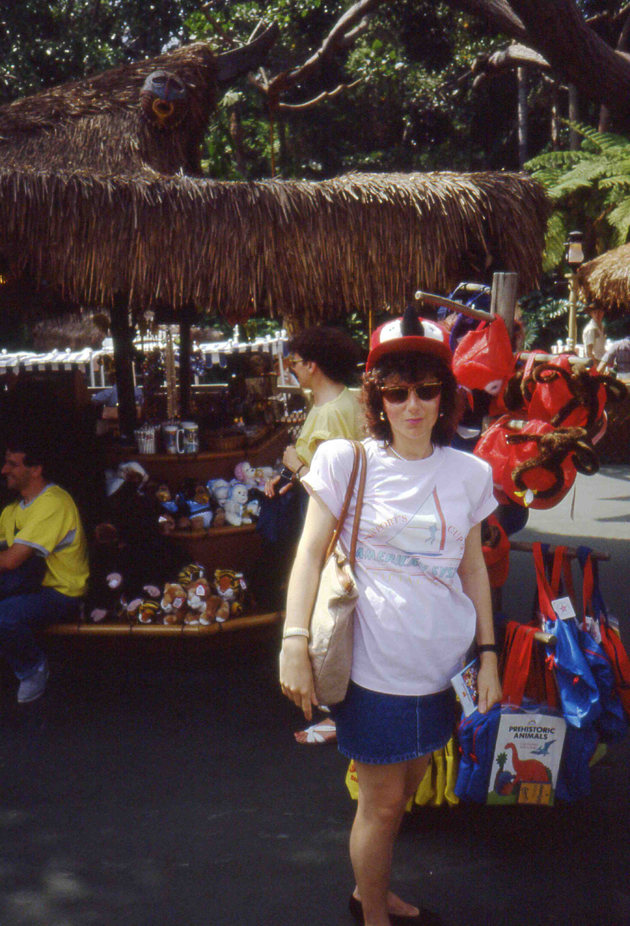
Your mother lived and wore the best and the worst of the 70-80s. This means that in her drawers could be found shoulder pads, colourful fuseaux, XL t-shirts bought during her holidays and at concerts. She could be very ashamed of all that stuff, denying the possession of such. Your task would be to show her that the style has reborn.
Your own closet
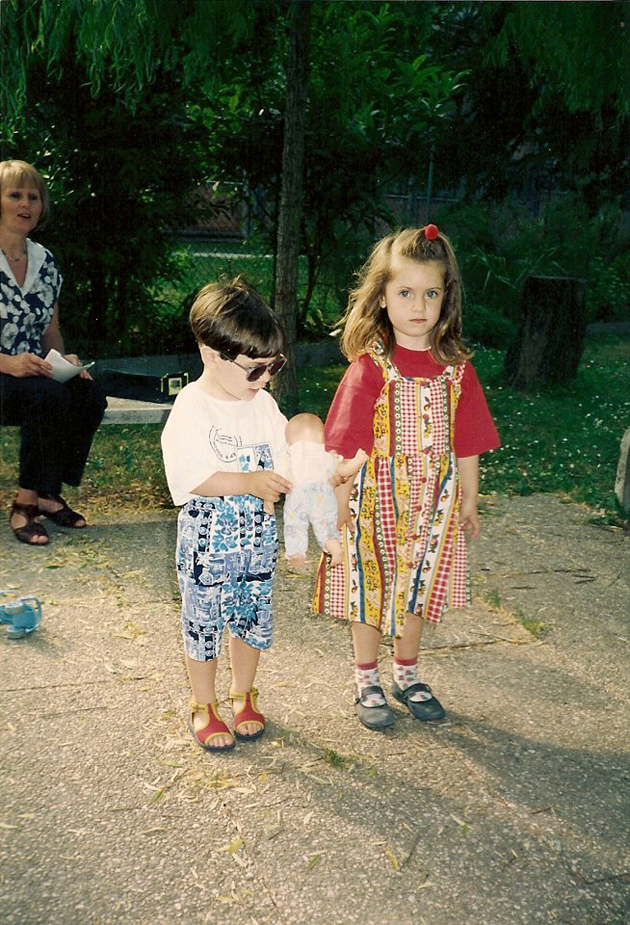
This is where the magic will truly happen. You may have forgotten them, but some clothes from your childhood are still there: eyed-sandals, plastic rucksacks, printed allovers and Peruvian hats. And if you really want to dare: fannypacks and Fornarina shoes. If they don’t fit you anymore, you can always re-buy them in your actual size.
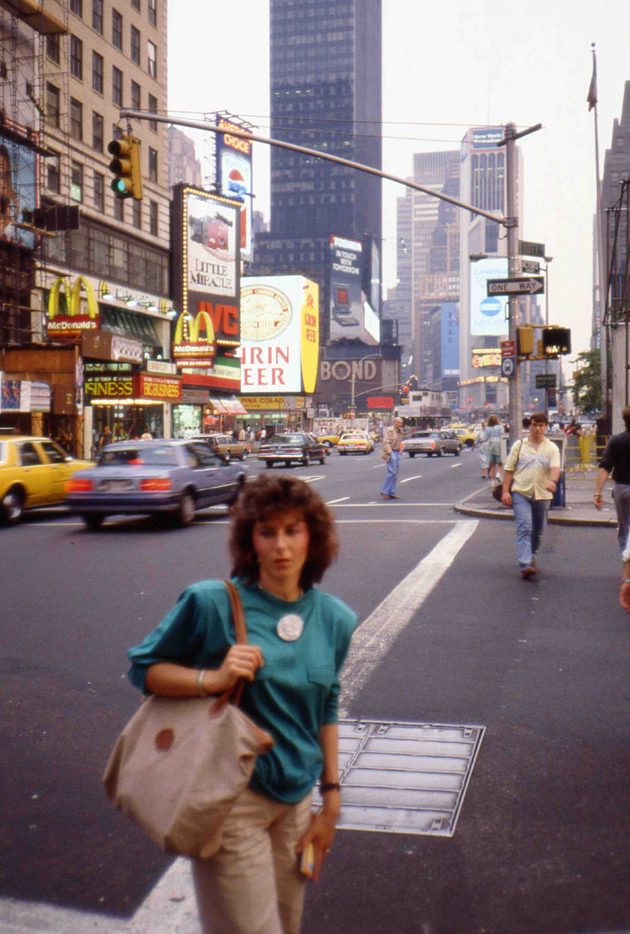
There is only one rule to follow: use irony. You don’t want to look like you’re going to a masquerade party, just having fun with fashion. The last thing you need is not to let yourself be intimidated by the strange looks that other people may give you. Seeing items they haven’t even thought about in decades will take them by surprise at first, before running to their own forgotten closet spaces. Double aim accomplished: feel younger and more stylish with just the aid of an old forgotten item.
Guest Interview n°44: Stine Riis
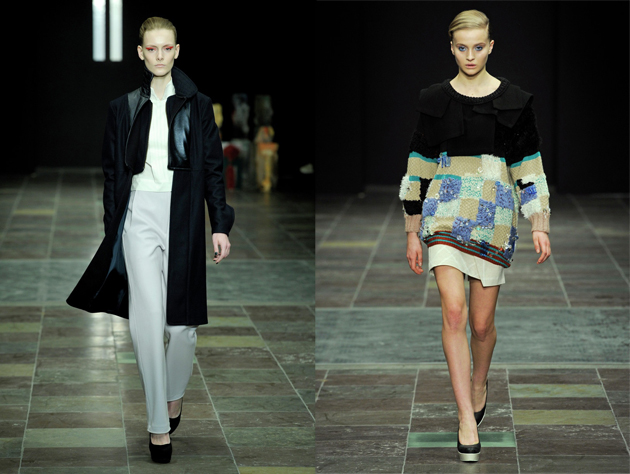
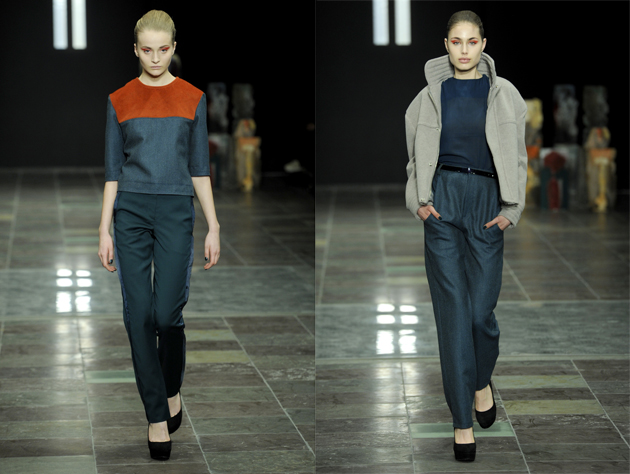
R II S is the brand created by the Danish designer Stine Riis in 2011, the same year as she graduated from London College of Fashion and was chosen as one of The Best Student Worldwide by Vogue Italia. In 2012, she was also the first winner ever of H&M Design Award and did, besides the small collection for the Swedish fast-fashion chain, a collaboration with the Italian luxury store Luisa Via Roma. To say the least, things have been going good for Stine Riis. The Blogazine met with the designer after her A/W13 runway show during Copenhagen Fashion Week to talk about expectations, inspiration and the future.
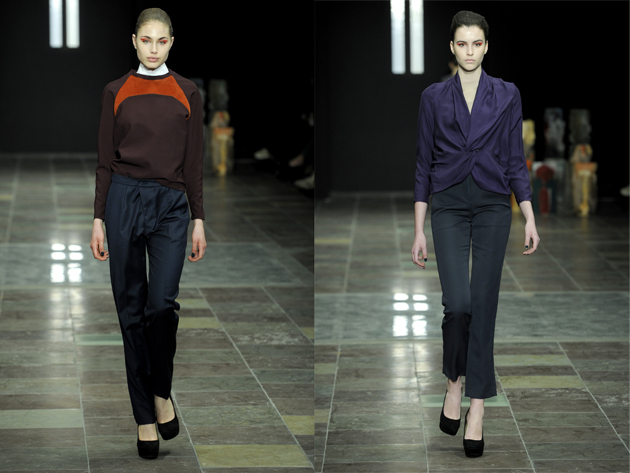
2012 was a big year for you: the H&M Design Award among other things. Did you feel any pressure or anxiety over expectations while creating this collection?
Well, the collection I did right after the H&M Award was definitely a challenge because I thought I had a lot to live up to and as well, I had a lot of projects going on: I did the collaboration with Luisa Via Roma, I did the collection for H&M and then again, my own collection. Simply, there was a lot going on but with this collection I had more time, and more time to work into details, which I think really shows!
So you felt more relaxed about this collection?
The fall/winter season certainly is my comfort zone and last season was my first spring/summer collection ever, so in that way that was a big challenge. Today, with this collection, everything really came together and I am very pleased. I’m…I’m just speechless!
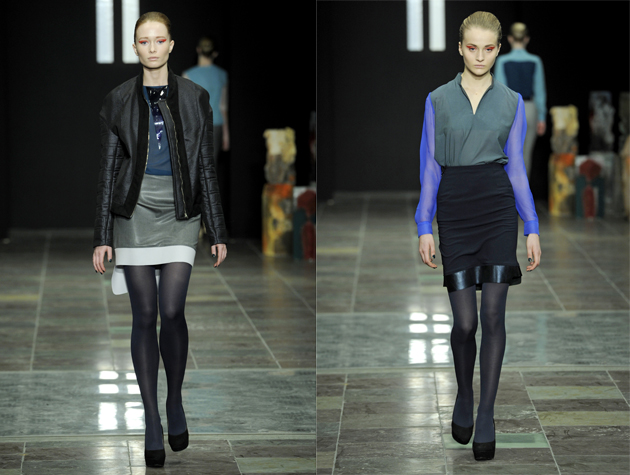
What was the process up to this A/W13 collection like? What was your main inspiration?
I was looking at geological studies of different materials and that is where the inspiration to do colours came from. I was also looking a lot at still life paintings and the symbols often used in them, such as hourglasses and other symbols that reference to the fast pace of life, which also links into fashion for me.
What is your philosophy looking at fashion from this time perspective?
Fashion changes so fast and that’s my constant dilemma as a designer because I’m trying to design these items that you want to wear more than one season, and that’s also why I really look into the materials I use.
And now, what lies ahead for R II S?
I try to make time to sometimes step away from my everyday life to try to see the big picture and plan for the future, I think that is really important.
Can you give us any hints on what the future holds?
Not yet, but definitely going abroad, that’s a plan.
Sasha Waltz’s Matsukaze/Staatsoper im Schiller Theater
The internationally renowned German choreographer Sasha Waltz and her company Sasha Waltz & Guests celebrates their 20th anniversary in 2013, starting off their jubilee season with a bang. Last weekend Sasha Waltz & Guests took over Berlin’s Staatsoper im Schillertheater for three sold out performances of Matsukaze, a choreographic opera based on the eponymous classical Japanese Noh play from the 14th century. It tells the tale of two poor sisters, Matsukaze and Murasame, living in a hut on the beach and both hopelessly in love with the noble man Yukihira. After three years Yukihira dies unexpectedly, leaving the two sisters behind with their love unfulfilled.
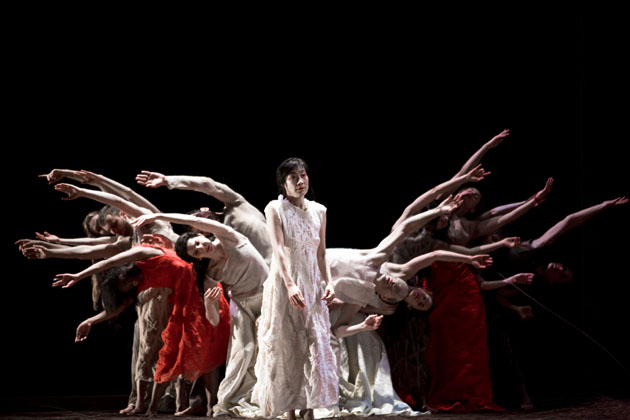
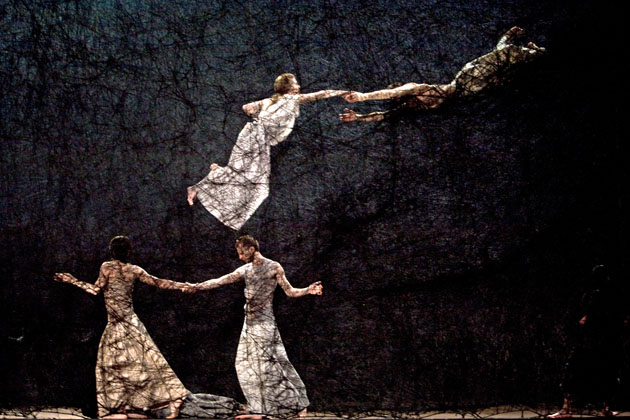
Toshio Hosokawa, the Berlin-based Japanese composer, wrote the music that is performed by the Staatskapelle Berlin, Vocalconsort Berlin and several talented soloists. Far from the classic western opera the European audience might be used to, the Matsukaze score lingers somewhere between western avant-garde and traditional Japanese music culture. In almost a Buddhist cycle; the tones go from silence to powerful noise only to return to silence, perfectly illustrating the balance between life and death, nature and its transience.
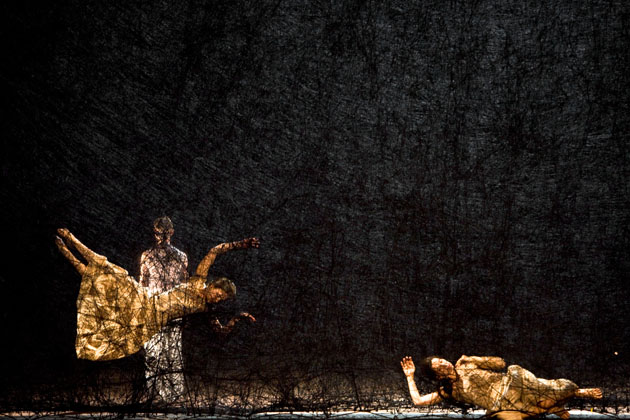
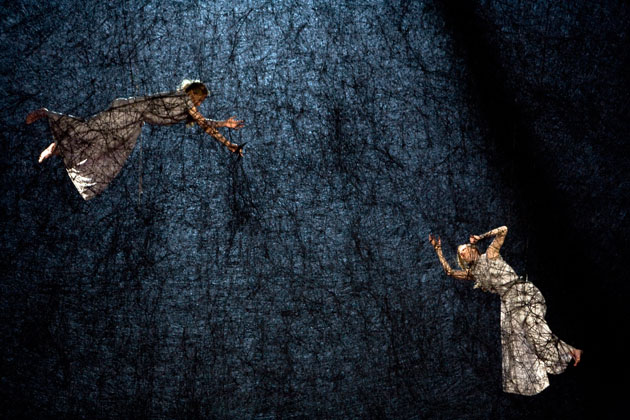
Brilliantly portraying the two sisters, the singers Barbara Hannigan and Charlotte Hellekant enter the stage from above, dangling from ropes inside a black, giant net that was created by Waltz together with the Japanese artist Chiharu Shiota. Spiritually and quite literally, they are caught between worlds. How Hannigan and Hellekant manage to sing with such power and clarity while dangling upside down, that remains a mystery throughout the evening.
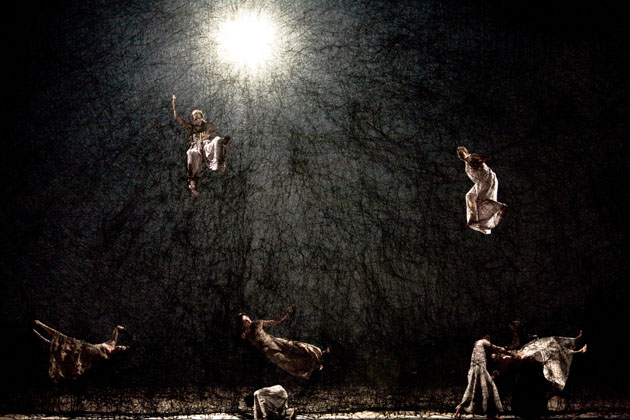
The ensemble and guests dancers carry the music with their floating movements. As in large amoebae of bodies, the beautiful group choreographies go in and out of symmetry. The dancers enter and exit a large, minimalist wood structure by Pia Maier Schriever, wearing delicate costumes by Christine Birkle in dim shades of grey, blue, and white. Along with the sounds of the sea, the dripping water and the blowing wind, they appear as elements of nature more than human beings. The beautiful, impossible love story of Matsukaze deals a lot with the heaving seas, tumbling waves and the human in relation to nature. In Sasha Waltz’s and Toshio Hosokawa’s piece, there is an incredible beauty in the sadness of a life that decays and passes.
Fashion Don’ts Become Fashion Dos
Remember when seeing sandals and socks together was a concept that would make you cringe with embarrassment? Remember when white pants after Labor Day was considered a mortal sin, so in the winter time a white pant was as rare as snow in June. Remember how these were unimaginable things if you wanted to be “in the know” of fashion?

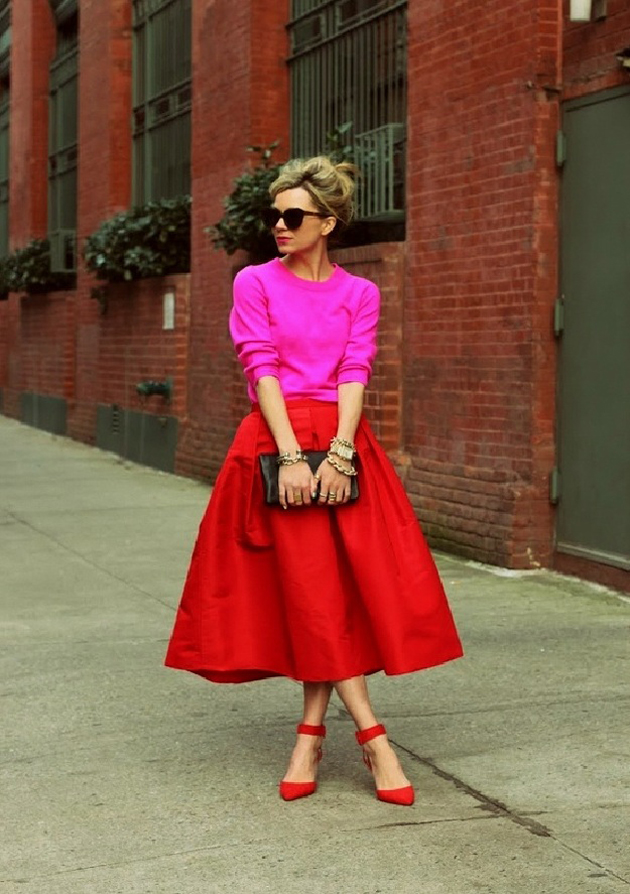
Today it seems as if the only rule for fashion is that there are no rules. A struggling need for an own identity and fashion footprint has forced fashionistas all over the world to create new styles, outfits and even silhouettes. Bringing inspiration even from the so-called fashion faux pas. Red and pink was for long a color combination for kindergartners, but now seen walking around on many streets of fashionable metropolises.
Fashion icons of the 21st century such as MIA, Emmanuelle Alt and Iris Apfel have all cleared the path for celebrating the individual. It’s not about what you wear but how you wear it. Expressing your own unique self with chains and colored feathers, or just donning a clean white t-shirt, have become celebrated in fashion cities all around the world. In each of these cities there will naturally be some styles that are still more accepted and in general more easy to adapt when visiting, context is the key! A strong identity can pull off any style in his/her own way – anywhere, anyplace. Bringing back acid-washed jeans which long were considered “out” is an estimate of adapting to change in the fashion climate.

So the trend of rocking a fashion may not have been done by a fashionista who adapted to another fashionable climate in a try to survive. Still, one needs to keep in mind to do such with a certain finesse. Wearing a pink top and a red skirt in a luxurious material such as silk or chiffon, or pairing a high-heeled strappy sandals with a fine knit sock can be examples of how to change a fashion don’t into a fashion do.

Gianni Berengo Gardin at Casa dei Tre Oci in Venice
If you use the Internet in your everyday life, then you are inevitably and constantly immersed in a world made of images. As thousands of images are poured in front of us day by day, we have somehow forgotten that they aren’t just made of electronic impulses. There are still images that possess a material quality which makes them particularly special. Hence, if you look up on the Internet Gianni Berengo Gardin, hundreds of black and white snapshots will appear, but nothing might impress you as much as seeing them printed and hung on a wall.
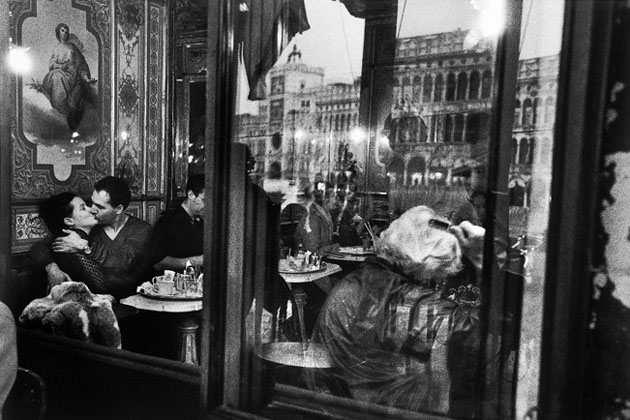
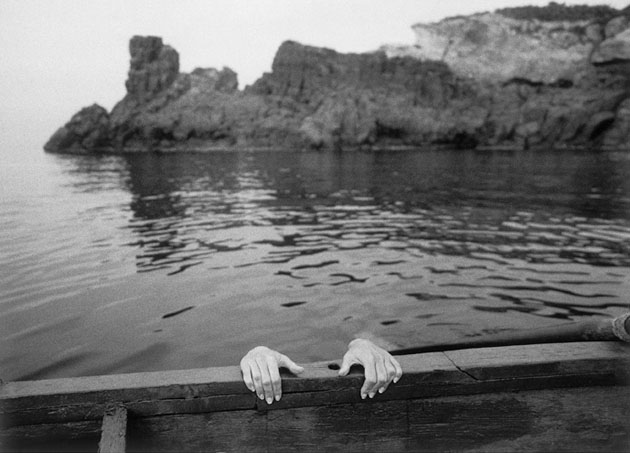
Gianni Berengo Gardin, born in 1930 in Santa Maria Ligure, is one of the most influential Italian photographers. Since he took his first shot in 1954, Berengo Gardin has never left the camera and has also never changed his tool: all of his photographs are rigorously in black and white and never digitally manipulated, maintaning an extremely unpolished and realistic sensibility of a true photojournalist. If you think, though, that he is a formalist, you are completely wrong. For Berengo Gardin using a raw language isn’t an issue of style, but about the process of documentation, capturing the reality, telling the truth.
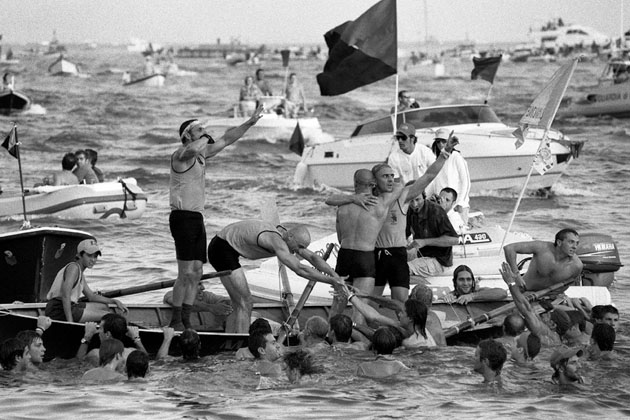
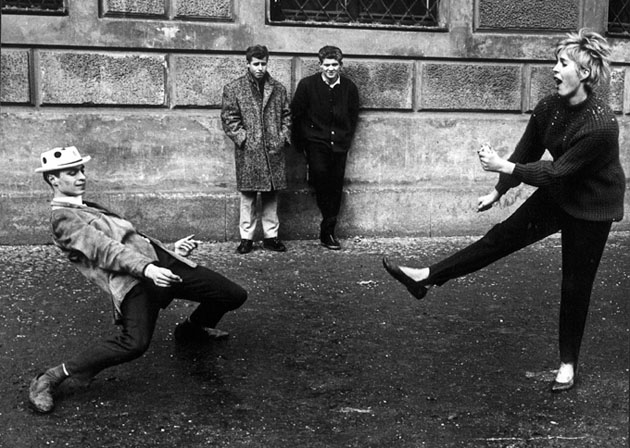
Gianni Berengo Gardin’s truth is currently being told in the most complete anthological exhibition dedicated to his work titled “Stories of a Photographer” and held at Casa dei Tre Oci, in Venice. More than 130 photos were meticulously selected for this show with the idea of telling the story of his journey as a photographer: photos that are as sublime as they are real, as delicate as they are severe. But looking at the photos displayed at Casa dei Tre Oci one may also feel estranged. The beauty and reality of those images make them strangely surreal, as if they were taken on a set of an old movie, depicting the world where time has stopped and the genuine enthusiasm for life has finally emerged.
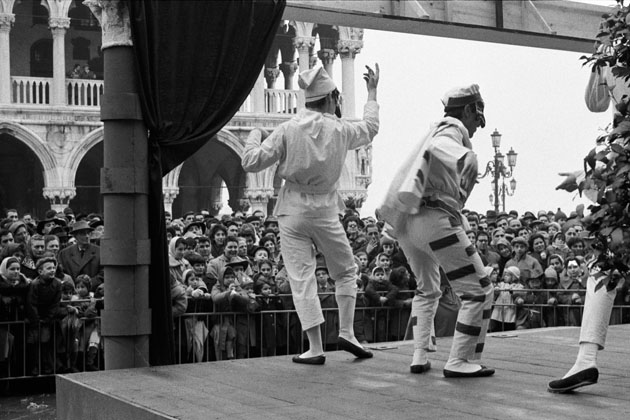
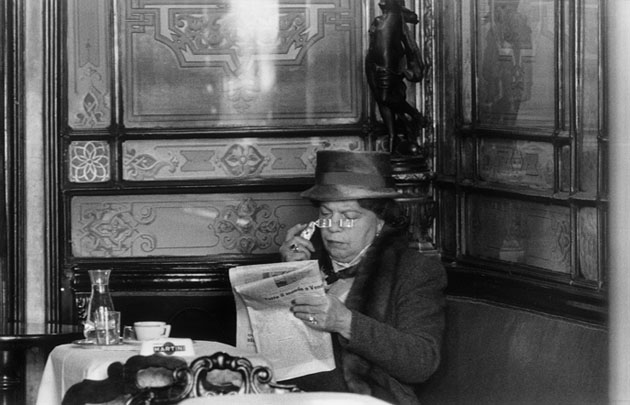
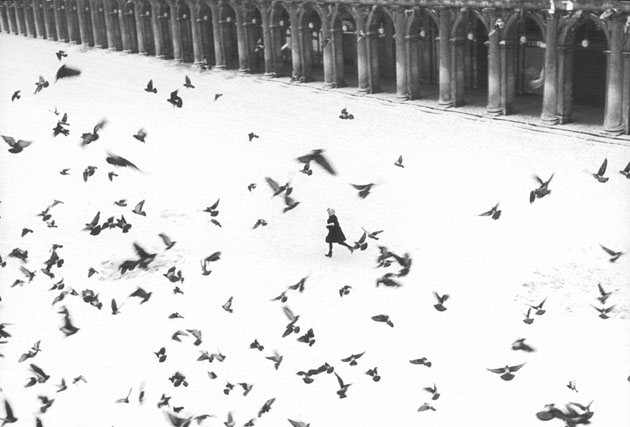
“Gianni Berengo Gardin. Stories of a Photographer” runs until 12th of May at Casa dei Tre Oci, Venice.
Rujana RebernjakCOPENHAGEN FASHION WEEK AW13
Last week’s fashion happenings took place in the north and The Blogazine went from Stockholm to Copenhagen and crowded with the other 60 000 guests dressed to shield from the January cold.
Despite the large differencies in collections and style, there were some trends, from colours to details and techniques, that was shown repeatedly. Just like in the pre-season collections, the emerald felt somewhat like a key colour on the somber palette. Cut-outs, geometric shapes and graphic prints were other apparent elements, defining the simple silhouettes and often very wearable collections.
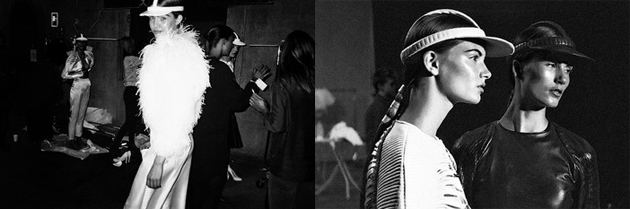
Last year’s opening act, Freya Dalsjø showed another confident collection for Autumn/Winter 2013 and had collaborated with Kopenhagen Fur, unexpectedly mixing this debated material with neoprene. In knits, we watched Gaia’s simple yet statuesque silhouettes, rich colour palette and mix between large and heavy to the finest loops. Vivienne Westwood, old in the game but new among the shows on the CPHFW schedule, was one of the highlights for the Danes with guests.
Another established designer celebrated her 10 years anniversary by throwing a real play: at the Royal Theatre, among crystal chandeliers and champagne, opera glasses and a personal letter from the designer in our hands, the By Marlene Birger show was one big celebration. Starting out rather expected, she ended with a ‘grand final’ of statement pieces.
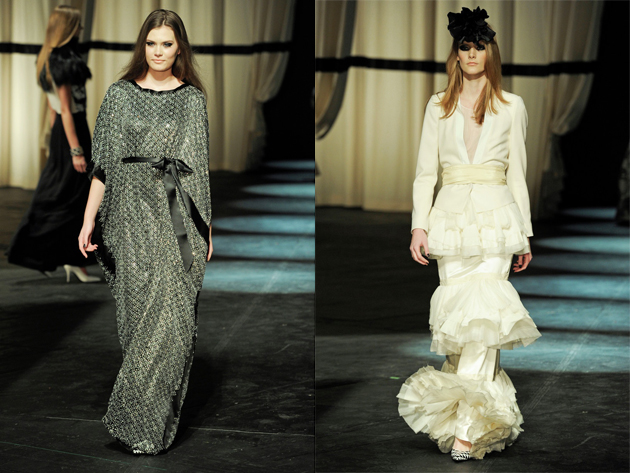
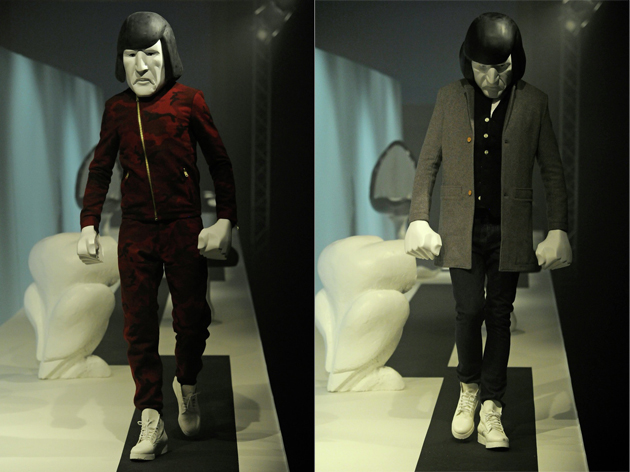
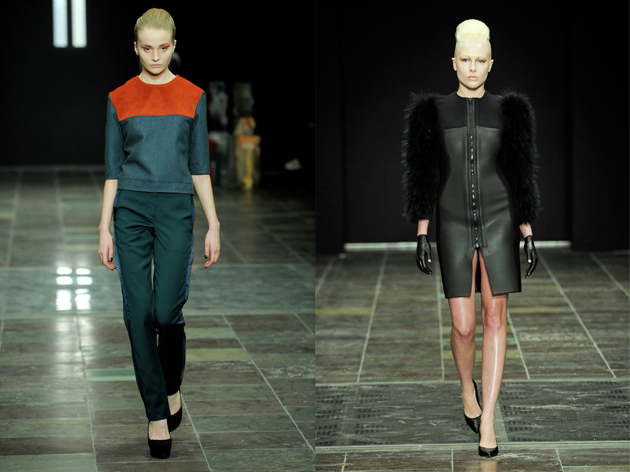
Expectations, even though in another sense, was also the subject for the young designer Stine Riis. Having won the H&M Design Award 2012 as well as collaborating with the Italian high-end store Luisa Via Roma, no one expected less one year later. She delivered a put-together collection with a colour palette in harmony with both the inspiration and the season, confirming the standing point of her brand R II S. “The fall season certainly is my comfort zone and with this collection I feel that it all came together”, the designer told The Blogazine after the show. On the menswear side, Han Kjøbenhavn had gattered every cool kid in town in an old school gym hall and presented a complete men’s wardrobe. The collection managed to stay whole, even though showing a range of outfits from lazy Sunday’s to more dressed up occasions.
During CPH fashion week several buyer’s fairs attract the international audience, and as a growing segment of the business, a whole area was dedicated to that fashion that we don’t always pay much attention to: children’s wear. To widen the views, The Blogazine paid a visit to the kid’s area and attended the Noa Noa Miniature show, where we found ourselves in a fairyworld of smiles and joy.
On a 45-show schedule there are a lot that one could bring up to light: the Desingers’ Nest Award (rewarding especially skillful design students) collaborating with Honest by, the new model regulations and another 2 600 brands attending northern Europe’s largest fashion festival, to name but a few. Scandinavia continues to contribute with an interesting point of view, different from what we might see at the upcoming weeks in London, Paris and Milan.