04/04/2013

Sneakerstory

Sneakerstory

Most of the fashion images from last year to the day on street-style websites portrait sneakers; comfortable, fashionable and contemporary. What else? If you’re thinking about the trend, placing it to the 90s, you are only partially right. It really seems like a sport breeze – if you even can associate the modern day sneakers to sports anymore – is still blowing. But what about the first sneakers ever?
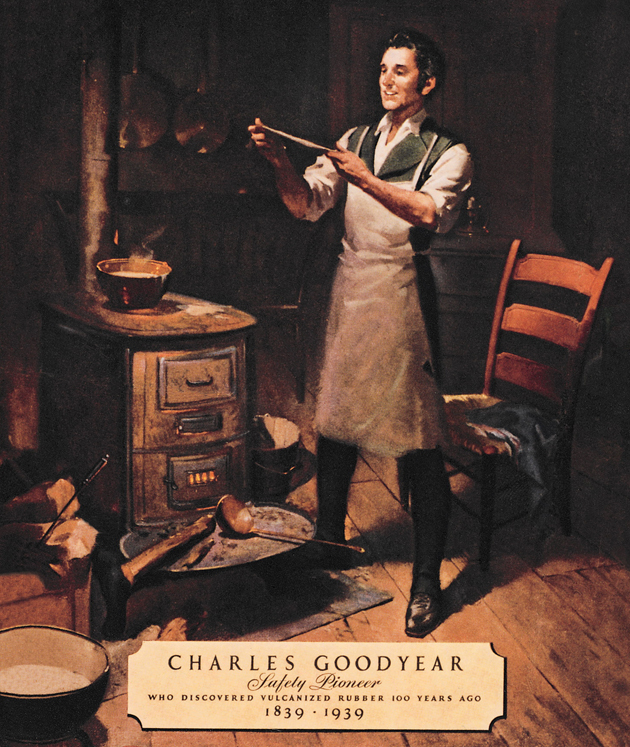
The very first rubber-soled shoes have been created in the late 19th century in US. Their were called plimsolls, and funny enough, there was no difference between the right or left foot shoe. A company from Connecticut was the first to claim the license for a new manufacturing process called vulcanization, discovered by the owner, Charles Goodyear. The process consists of using heat to melt rubber to fabric for a more permanent bond.
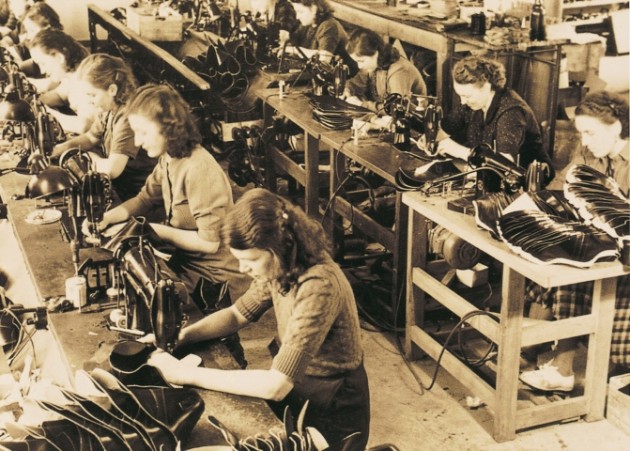
Around 1892 the first canvas sneakers were born, called Keds, being produced by U.S. Rubber Company. In twenty years Keds became very common, and they got the name sneaker from Henry Nelson McKinney, an advertising agent. They were so quiet that a person wearing them could sneak on someone. In 1917 Marquis Converse produced the first pair of shoes created specifically for basketball, the Converse All-Stars. Chuck Taylor, an Indiana hoops star, became their testimonial and made them definitely the best-selling basketball shoes of all time.

1924 was the time when sneakers became international. A man from Germany, named Adolf “Adi” Dassler, made a collection of shoes under a brand called Adidas, and after ten years his brother Rudolf started up another brand, Puma.
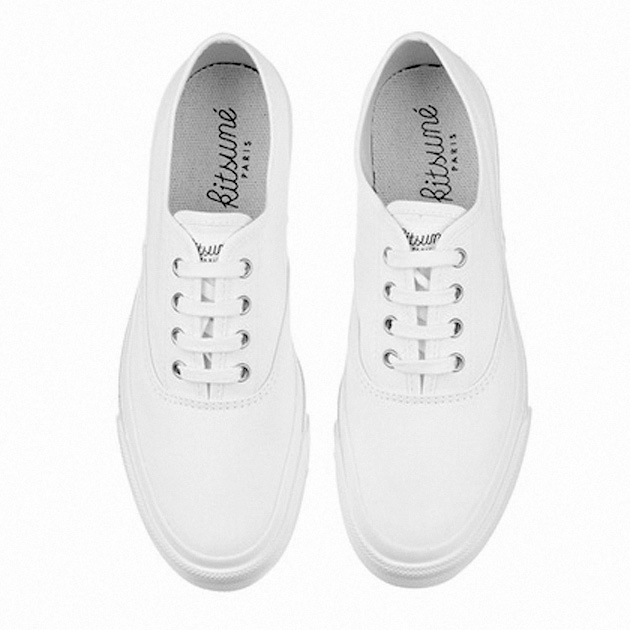
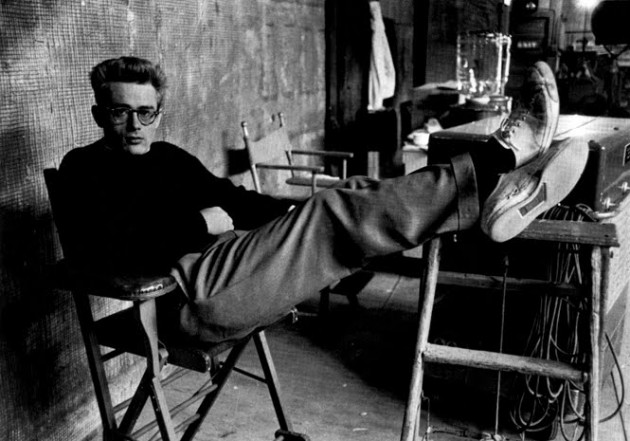
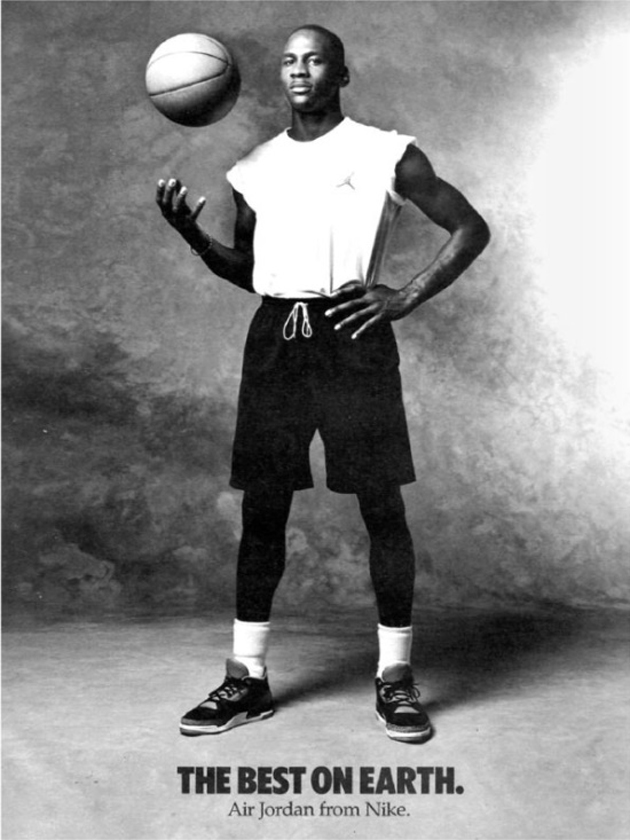
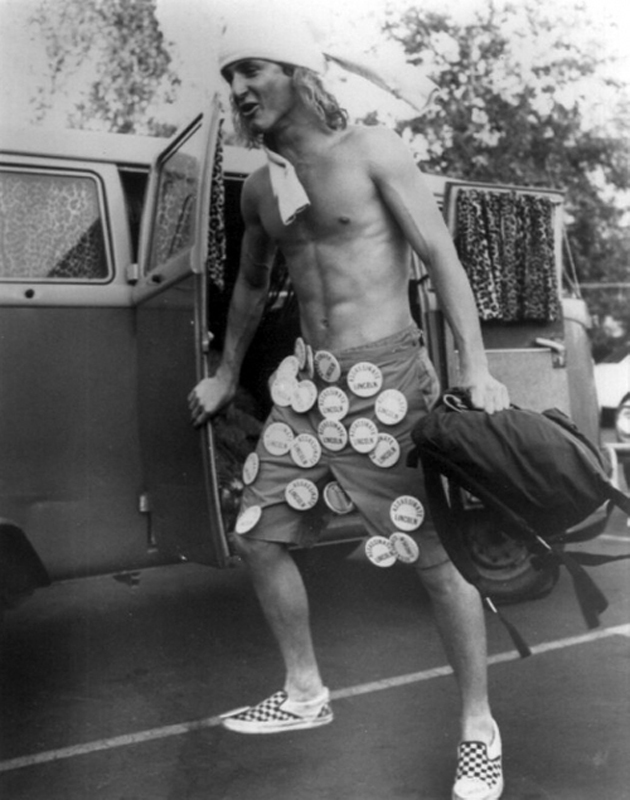
The long love affair between youth culture and sneakers started during the 50s, mainly thanks to the star of Rebel Without a Cause, James Dean who inspired a whole generation with his style. At the beginning of the 80s Sean Penn in Fast Times at Ridgemont High, helped Vans to achieve greater success wearing the famous slip-on model. The peak of all the sneaker history happened in 1984, when Michael Jordan signed a contract with Nike: does Air Jordan sound familiar to you?

And here we are, the 90s arrived and you have witnessed yourself how crucial it was to get a pair of sneakers back then, almost like it still is nowadays.
Francesca Crippa 

03/04/2013

Piedmont, an Italian Slow Pace Weekend

Piedmont, an Italian Slow Pace Weekend

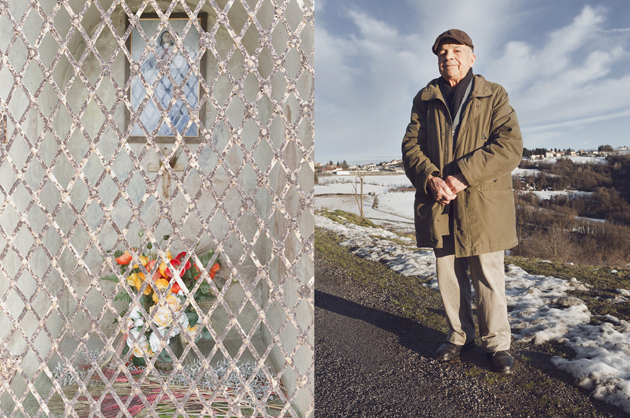
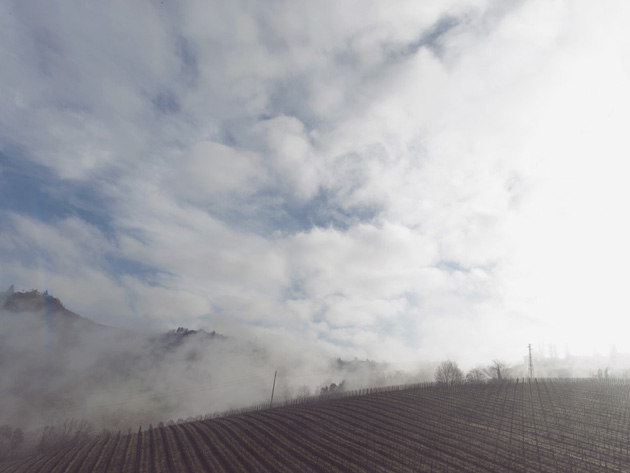
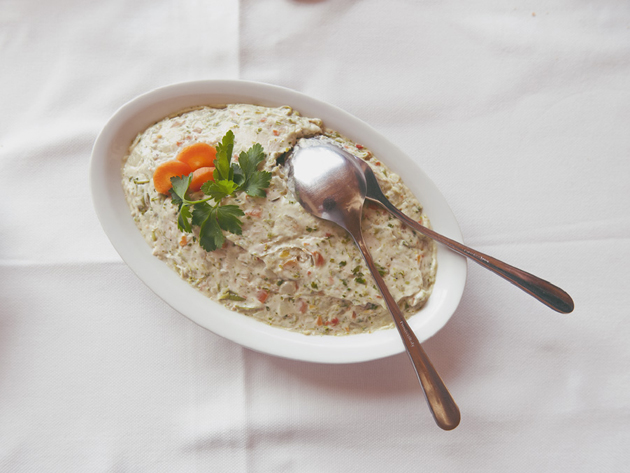
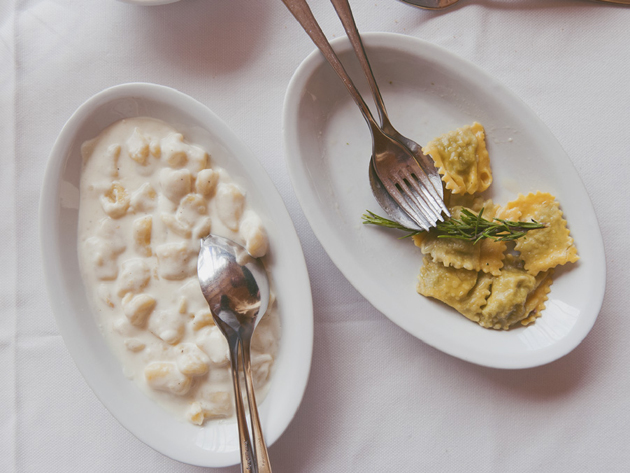
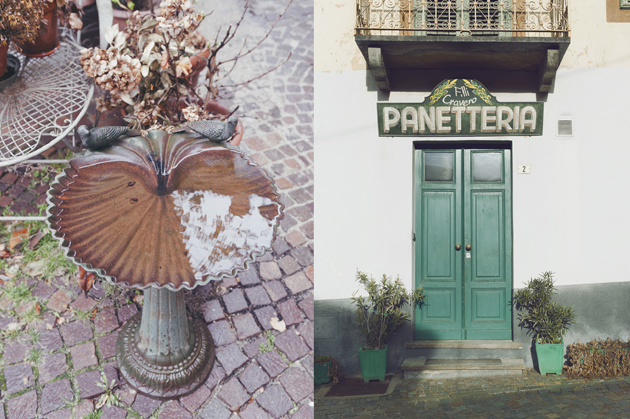
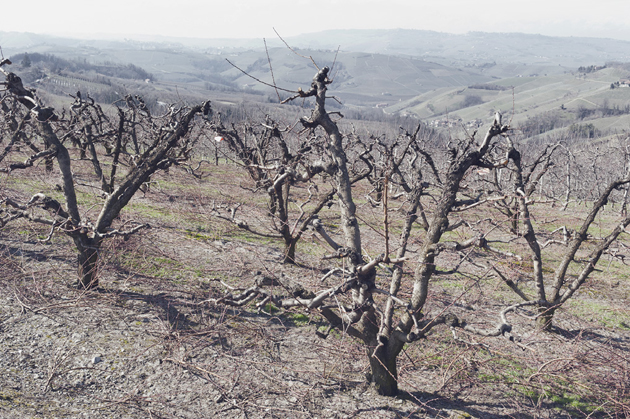
Italy is an adventure. It’s nice to drive around and discover wonderful places where you can eat, take some pictures and drink good wine. We were in Piedmont, in the northwestern Italy. In a weekend you can see lots of places and discover taverns that offer you local products. In San Rocco Seno d’Elvio, near Alba, you can find Osteria Italia, a small inn ran by Renato and Marina. You can get there by asking the locals. San Rocco is nestled in the countryside, where farmers raise rabbits and produce Barbaresco, a red wine into which you can drown all thoughts.
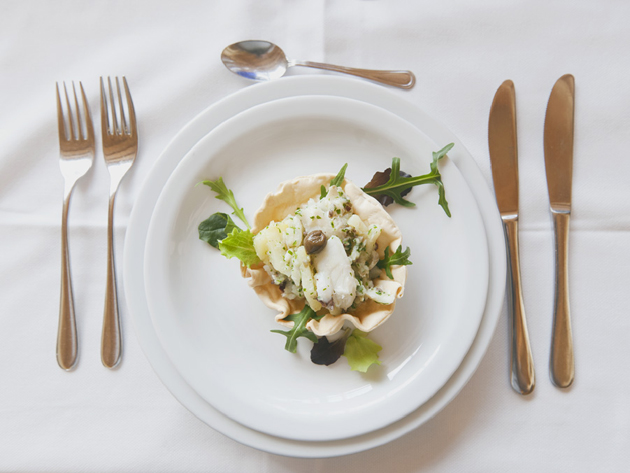
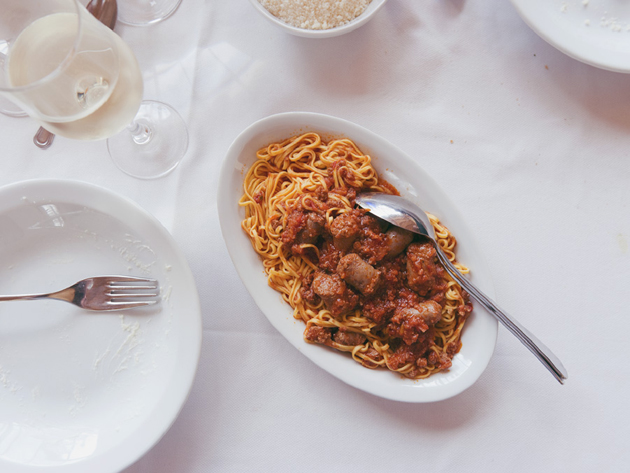
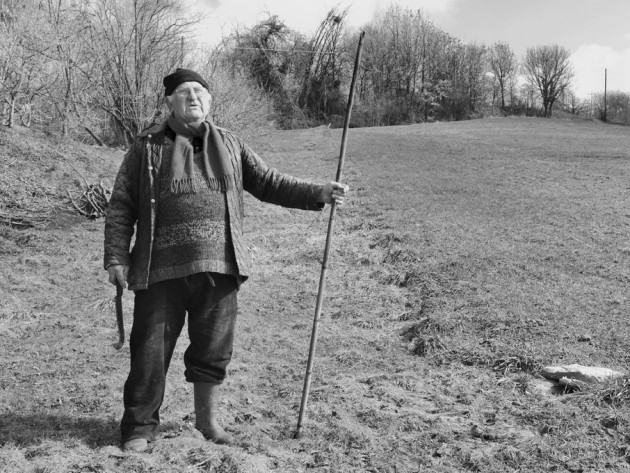
In the hills of Diano d’Alba we discovered a farmhouse. After a long walk in the woods we paused to find something to eat. Francesco, an old peasant we met, fed us veal with tuna sauce, fried bread with spiced lard, maltagliati with tripe and Dolcetto di Diano red wine stew. These places are magical. You can feel the joy when you smell the fresh air after it has snowed, and when the sun is slowly peeking.


Stefano Tripodi

03/04/2013

Taking Hip Hop Back to the Streets

Taking Hip Hop Back to the Streets

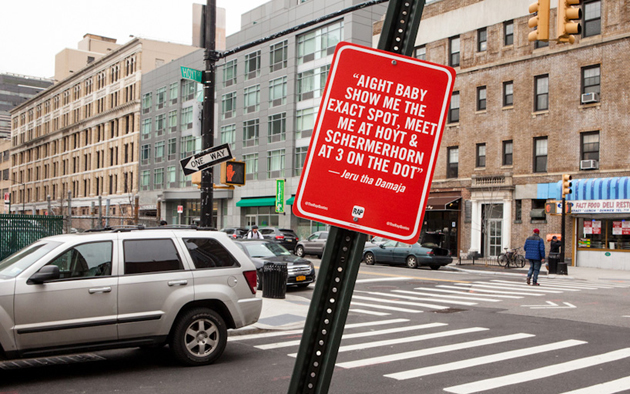
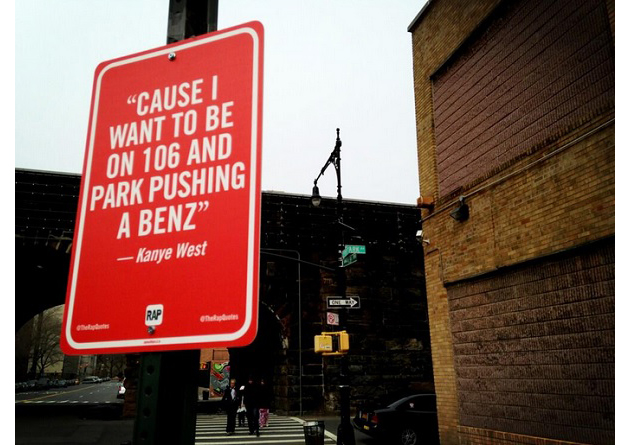
Hip hop has always been site-specific, but Jay Shells is taking things a step further. The New York-based artist is hitting the streets, taking famous rap lyrics and screwing them on street posts at specific locations all over New York City. “Alot of rappers call out their block,” Shells said in the promotional video below. “When you’re on a corner that’s called out in a song, I think it’s cool to know that.”


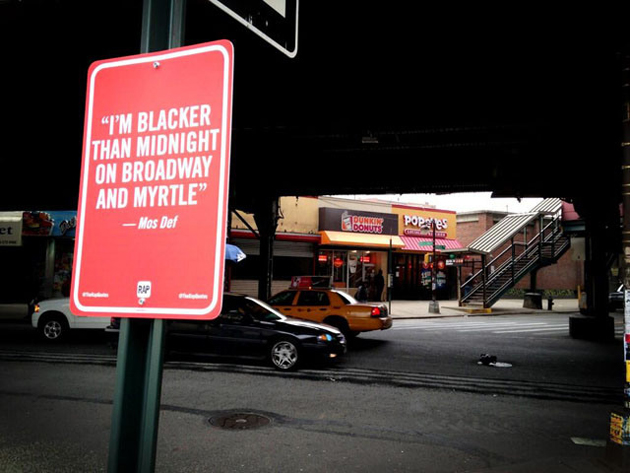
The ongoing project, “Rap Quotes”, consists of homemade but very official-looking bright red street signs. For example, you can find Busta Rhymes’ line “Yes, yes y’all, you know we talkin’ it all, see how we bringin the street corner to Carnegie Hall” outside the entrance to — you guessed it — Carnegie Hall. Mos Def’s boast that he’s “Blacker than midnight at Broadway and Myrtle” can now be found at that exact spot under the JMZ line in Brooklyn. Outside the Marcy Houses, a Jay Z lyric reads, “Cough up a lung where I’m from, Marcy son, ain’t nothin’ nice.”

Shell’s big red street signs sport lyrics from New York legends Nas, Mos Def, Big Daddy Kane, Jim Jones, Big Noyd, Kanye, Kool G Rap, Capital Steez, KRS One, GZA, Redman, Guru, Capital Steez, and many others. You can follow Rap Quotes’s progress on Twitter. “It became sort of a scavenger hunt,” Shells said, before adding, “I think people will steal these. Within a week, they’ll be gone.”

Lane Koivu

02/04/2013

The Greenhouse Effect

The Greenhouse Effect

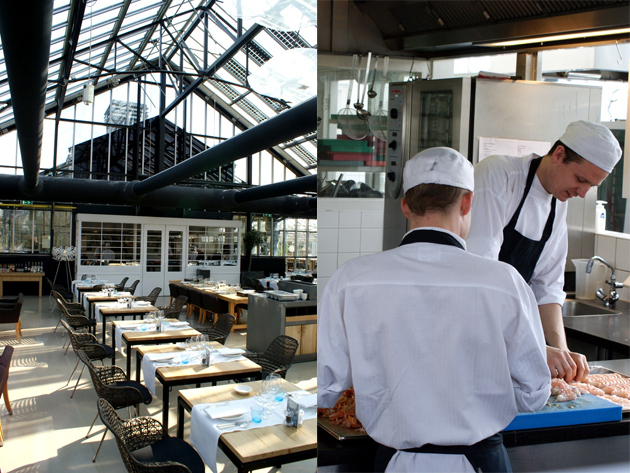
“A kitchen surrounded by fertile soil where vegetables and herbs thrive … Where daylight shines in from all sides and where the chefs are free to express their creativity daily using the best the season has to offer. It seems an obvious concept, but I spent twenty years surrounded by white tiles under fluorescent lighting before I came up with it.”

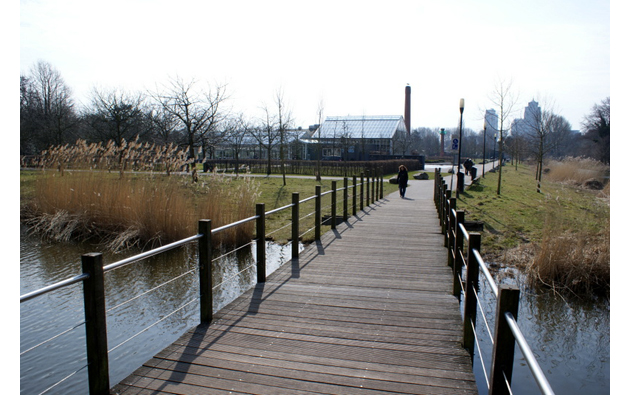
This was the vision of former Michelin star chef Gert Jan Hageman for his restaurant De Kas (The Greenhouse), which is situated in Frankendeal park in the east of Amsterdam. Originally the park was part of landhouse Frankendael, built in the late Golden Age when the city centre of Amsterdam was overflowing as it grew rapidly due to the enormous wealth. The park was restored in 2004, and has some typical curious features of the freestyle English gardens from the Romantic era, such as a fake ruin.


De Kas is situated in a former greenhouse built in 1926 when the park was used as a municipal nursery. After the nursery had shut down the greenhouse was supposed to be demolished, but in the late nineties Hageman took an interest in it. Unfortunately the greenhouse was damaged beyond repair, and it took Hageman several years to come up with the funding to rebuild it. In August 2001 the restaurant finally opened. It was designed by interior architect Piet Boon, and the concept as well as the look have been the same ever since. Because Hageman wanted to make the restaurant something permanent, an instutite, he decided to use durable materials for the interiors, such as hardwood tables.

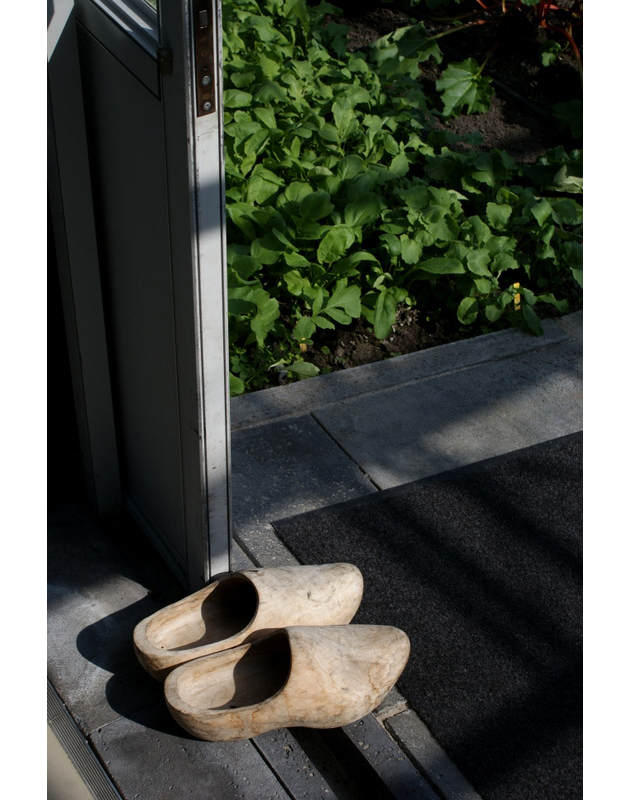
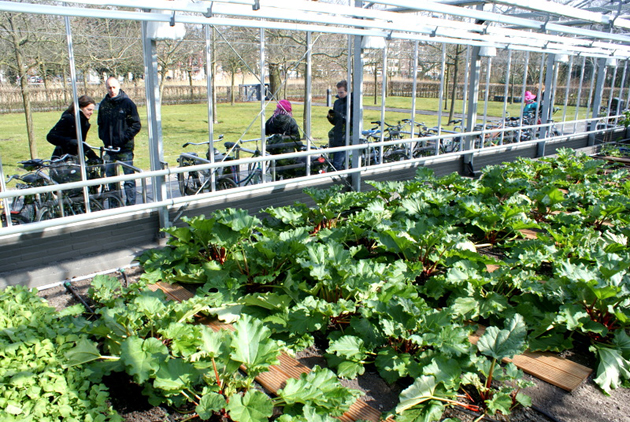
De Kas features an actual vegetable garden, next to the entrance of the restaurant. From the beginning Hageman envisioned the restaurant as a place where seasonal and local products play a distinctive role. Nowadays durability, reducing carbon footprint (the average food item apparently has travelled 33.000 km) and so on might be a trend, but De Kas has been at it since the start.


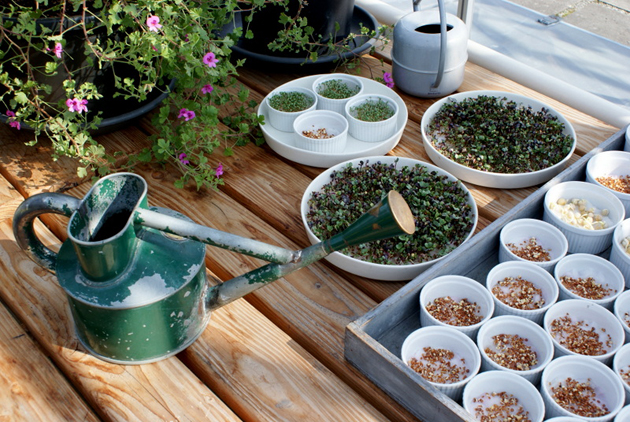
Depending on the season, different fruits, vegetables and herbs are being grown in De Kas’ greenhouse. Just outside of Amsterdam De Kas has a 5000 sq meter field and 2000 sq meter greenhouse, where Hageman, who no longer cooks, is responsible for growing the rest of the vegetables used in the restaurant. Every morning at 7AM fresh products are harvested, and by 10AM they arrive in the semi-open kitchen where they are cleaned and prepared meticulously. Other ingredients that are brought in, usually from local farmers and suppliers, are also cleaned in the kitchen, despite the labour intensity of products like the shellfish. De Kas not only features a semi-open kitchen, but whoever wants to can even book a table in the kitchen.

Anneloes Bakker

02/04/2013

Sneak Peek into Salone del Mobile 2013

Sneak Peek into Salone del Mobile 2013

The craze about this year’s Salone has already started. We are being reminded of events, cocktails and presentations, shown products, ambients, locations, and, most of all, reminded of names, names and names that should present the hottest stuff in the design world this year. Well, we have to admit that we have resisted for quite a while before diving into the event lists of Salone del Mobile 2013, but, finally, have decided to cope with the flux of events and pick what might be the most interesting things to see this year.

This tour needs to start at Ventura Lambrate, a venue that has substituted Zona Tortona in being the most exquisite place where to learn about new and upcoming designers. This prestigious status is being confirmed with the presence of a few big names who have decided to present their work at Lambrate, like Established & Sons and Diesel. Besides rooted design names, we can also look forward to seeing some exciting projects coming from leading European design schools like Design Academy Eindhoven, Aalto University – School Of Arts, Design And Architecture, or Faculty of Design and Art – Free University of Bozen-Bolzano.

Another much expected event is surely Tom Dixon’s second edition of MOST, which will once again occupy Milan’s National Museum of Science and Technology. MOST will present Tom Dixon’s latest collection, a set of objects produced almost exclusively in metal, like solid brass champagne buckets and faceted furniture inspired by gemstones. Brera Design District, on the other hand, will explore traditional crafts and their relationship with the industry, particularly suitable theme for an area countersigned by small shops and big designer showrooms, like that of the Italian company Moroso designed by Patricia Urquiola.

A few other smaller exhibitions must not be skipped this year. The firs one is a show by Swiss-based studio Big-Game at Galleria 70. Titled “Everyday Objects”, the show will present a collection of their recent projects for brands like Alessi, Hay, Karimoku New Standard. Another young designer, Philippe Malouin, will show his work in a solo exhibition at Project B gallery, demonstrating his particular approach that relays on the simplicity of forms associated to a sophisticated design concept.

After taking a glance at the future of design with these two names, please don’t forget to get to know something about the past too, since Flos will be holding a show of the grand master of Italian lighting design, Gino Sarfatti. And if you still have the energy and the will to look at anything else after these shows, Triennale Design Museum and Spazio Rossana Orlandi are two ‘musts’ of every Salone, together with Inventario’s exhibition about books at Museo Poldi Pezzoli.

Every Salone del Mobile appears to be bigger, better and stronger than the one before, leading us to think that there is so much need for posh and spicy design today. Well, even though the sheer quantity of names and events will prevent anyone from remembering anything at all after a day it is all over, we still hope some designers might surprise us with their thoughtfulness, intelligence and wit.

Rujana Rebernjak

01/04/2013

Agota Lukytė: Now’s the only time I know

Agota Lukytė: Now’s the Only Time I Know

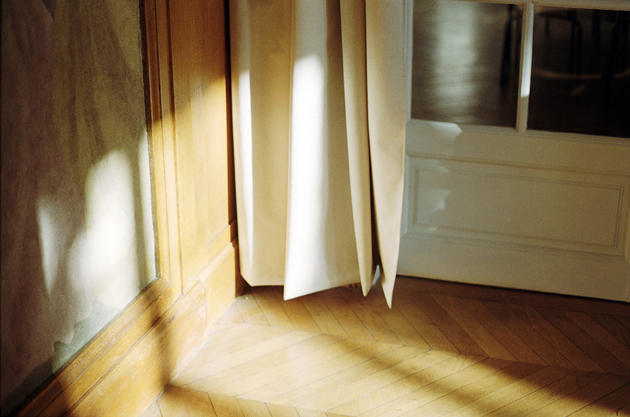
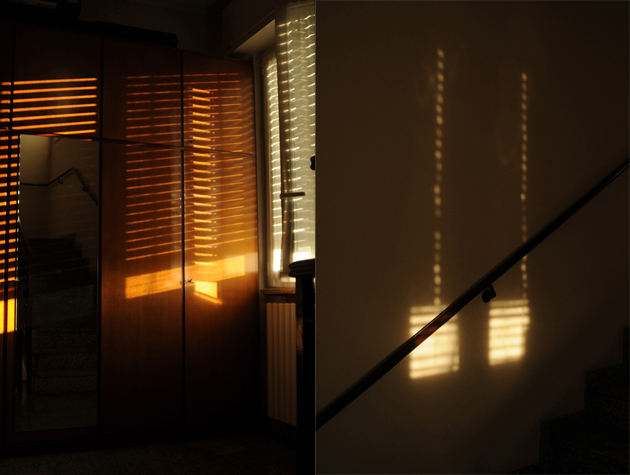
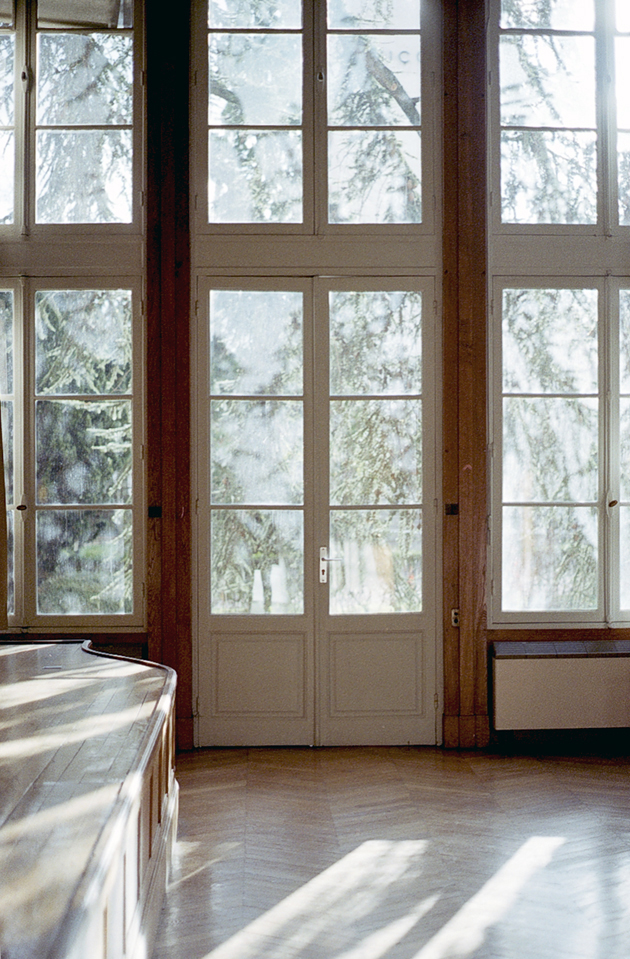
Sunlight could be called a meteorological phenomenon in the country where I grew up. Each time the sun appears and creates light patterns, for me is a moment that could be compared with a sort of epiphany, a manifestation of a supernatural being.


Agota Lukytė

01/04/2013

4 Questions To – Sebastiano Mauri

4 Questions To – Sebastiano Mauri

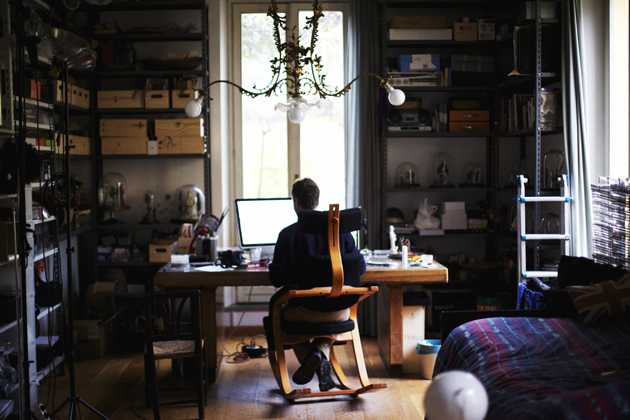
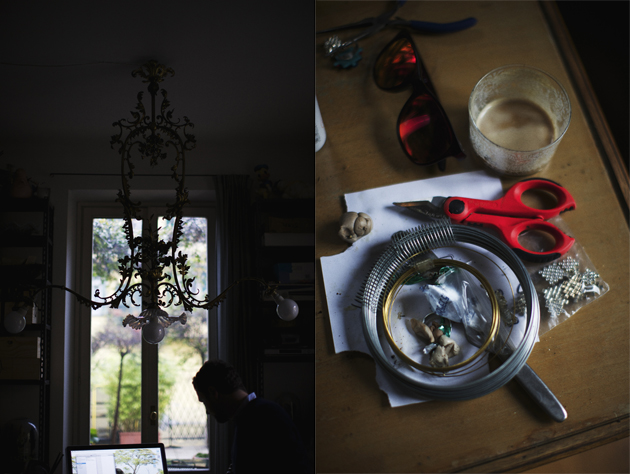
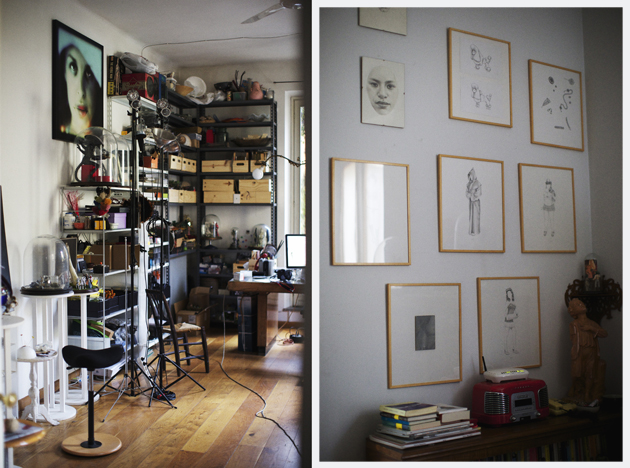
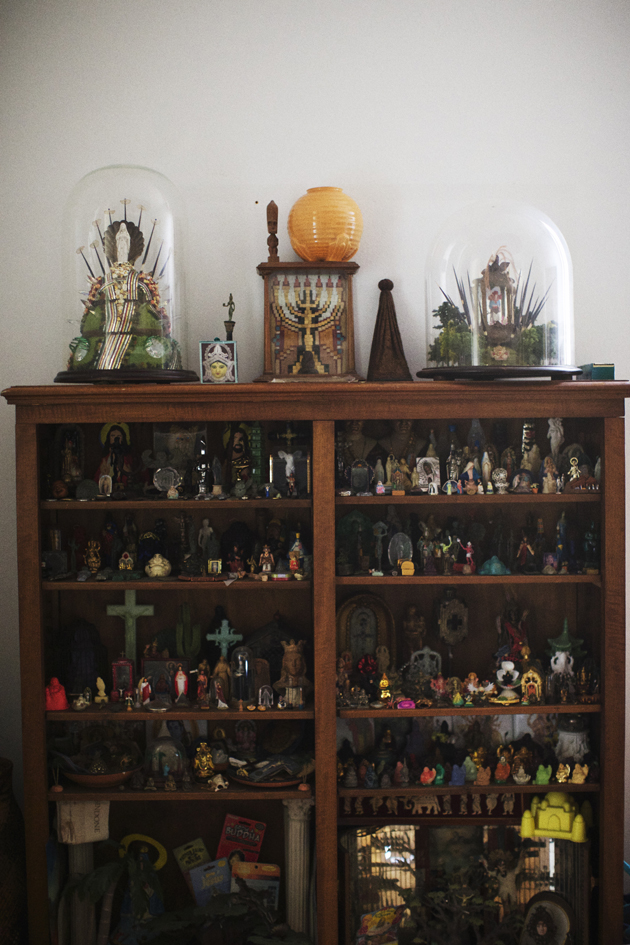
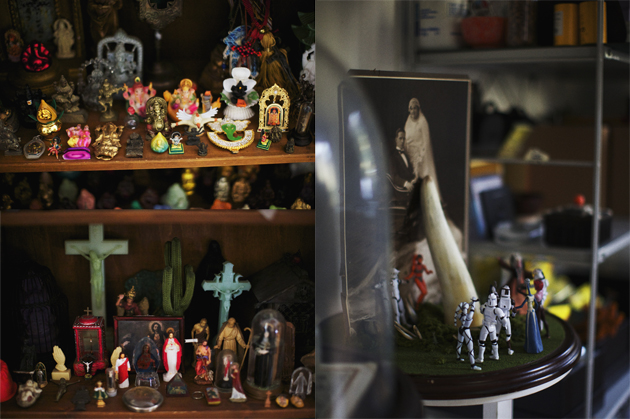
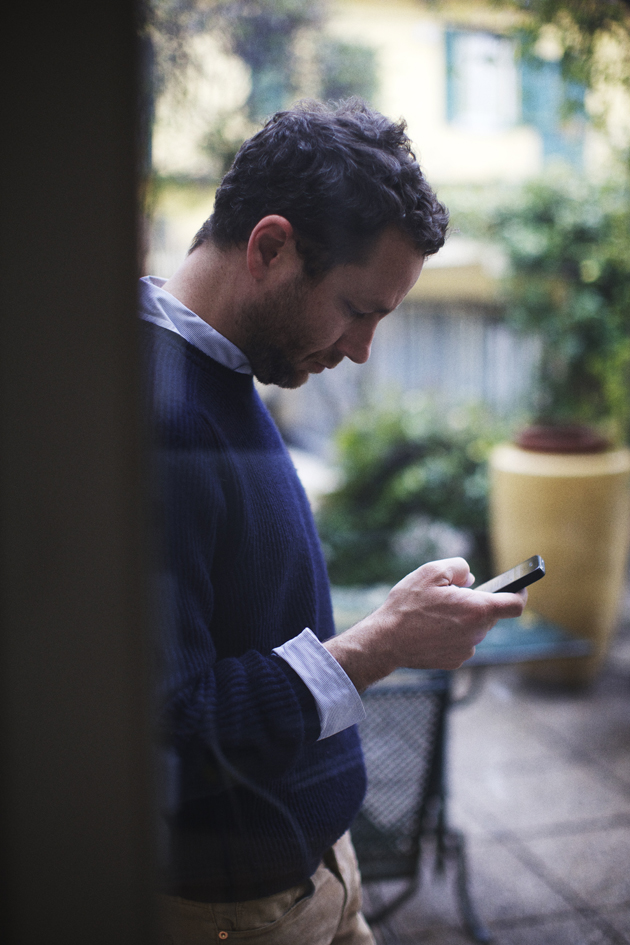
We met Sebastiano Mauri, the Italo-Argentinian versatile and charismatic visual artist, graduated in cinema, who faced less than 1 year ago the literature world issuing his first brilliant and acclaimed book “Goditi il problema” (Enjoy the problem), Rizzoli, 2012. Sebastiano opened the door of his eclectic house to the photographer Paul Barbera‘s photo-documentary project “Where They Create”, telling us about his personal and unique life.


You are a visual artist, but also a writer, and you worked in cinema too, how do you manage all these different roles together?
It depends. Sometimes I dive into a specific project and there’s no room for anything else, it’ll all have to wait. Other times, probably far from any deadline, I manage to work, let’s say, on my screenplay for a couple of hours, structuring, jolting down dialogues, then I might dive into one of my altars, and get lost in painfully slow processes such as composing mosaics or creating flower arrangements made of hundreds of tiny roses, and finally write a few pages of my new novel.

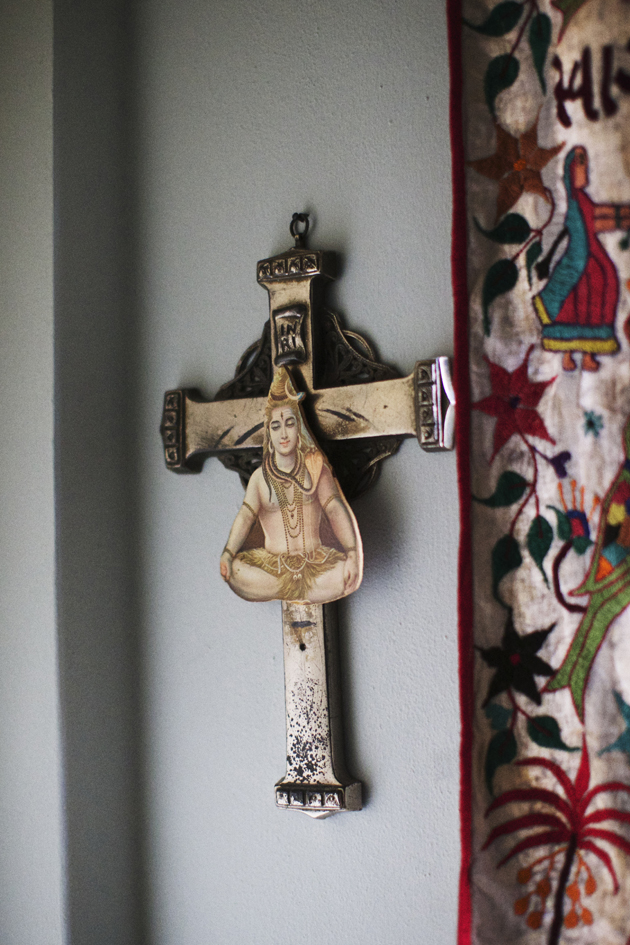
As much as I can, I try not to loose touch with any of these activities, so that I keep alert that part of the brain and/or body. But then reality kicks in, and this productive sounding, eclectic schedule is swept away by being unable to stop applying tiny lilacs to Ganesh’s temple, walking the dog who’d do anything not to return home, or answering emails about matters you thought resolved a year ago. Basically you end managing it day by day, the best you can, hoping nobody will realize you don’t have a master plan.


I’ve noticed that most of your previous interviews dealt with the countries you are more attached to and your multicultural education, along with your interest in spirituality. Is your creativity related to any special places? What’s the role of religion in your works and in contemporary cultures?

I have lived extensively between New York, Milan and Buenos Aires, different languages, very different realities, very far geographically. I wouldn’t say that my creativity relates more to one place than the other, I’d rather think that it is stimulated by the juxtaposition of differences. Change per se is a great tool to put things into perspective, reconsider your habits and even beliefs. Movement, doubt and fluidity have become the greatest influence on my work.

In the past four or so years, religion has been the main subject of my research. I look for similarities between the different credos, a common space where we’re all welcome, and that does not invite judgement, conflict or exclusion. Still today, religion can offer a great deal of comfort in the form of psychological support, social interaction with like-minded people, stress releasing mantra practices, recurring rituals that break our habits, making us concentrate for a moment on something that isn’t our daily schedule, something that might be greater than us. The goal is, like with everything else, to take what is good, positive, life enriching of this experience, and leave out all that separates us, that makes us feel different from one another, that brings judgement and cultural isolation. My (good) God against your (bad) God, the Geroge W. Bush view of the world. Religion can be the opium of the people, but it can also be a caress, a held hand, a shoulder to cry onto, an ear to talk to. Not something to look down onto.


Do you think that human beings still need amulets or icons to believe, or do faith and firm belief stand alone?
In the age of digital reproduction of images and globalized production of goods, amulets and icons are seen, distributed and sold now more than ever. Faith and firm belief need help from the marketing department like anything else.

Do you think that sexuality can still offer original food for thought and research?
Anything that has to do with our daily lives is always going to be original and nurturing food for thought. Our lives are engaged in a daily duel between habit and innovation: our reading of them is forced to constantly adapt. It will never arrive a final word on human nature.

I’d say that the telling of hidden details, as far as I am concerned, has to do with the attempt to share thoughts and facts that one is naturally (and unhealthily I might add) drawn to keep to oneself. I have found that if you dare open up to others, most probably that’s exactly what they will do with you. A liberating act.

Monica Lombardi – Images Paul Barbera

31/03/2013

Sunday Breakfast by Love For Breakfast

Sunday Breakfast by Love For Breakfast

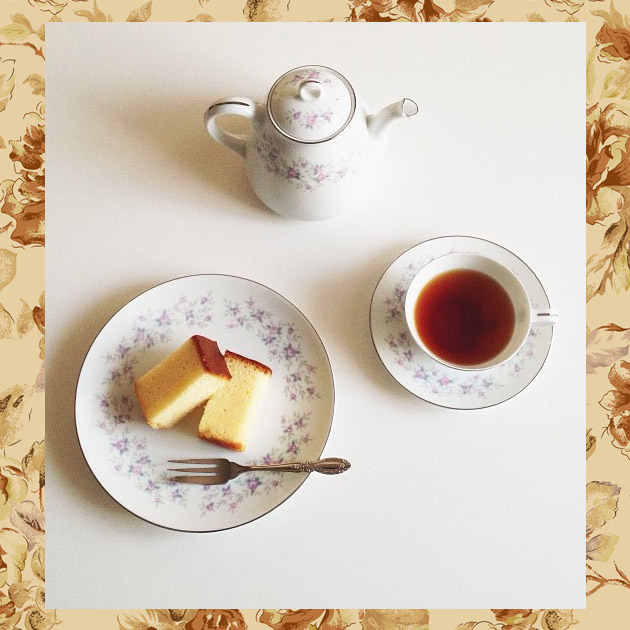
Bright and shine. A ray of light that embraces, and the perfume of the morning to be enjoyed.

Alessia Bossi from Love For Breakfast

29/03/2013

On the Dark Side of Austria

On the Dark Side of Austria

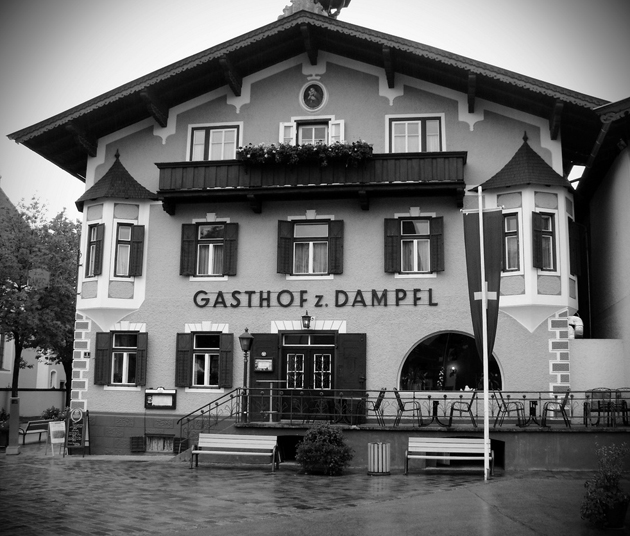
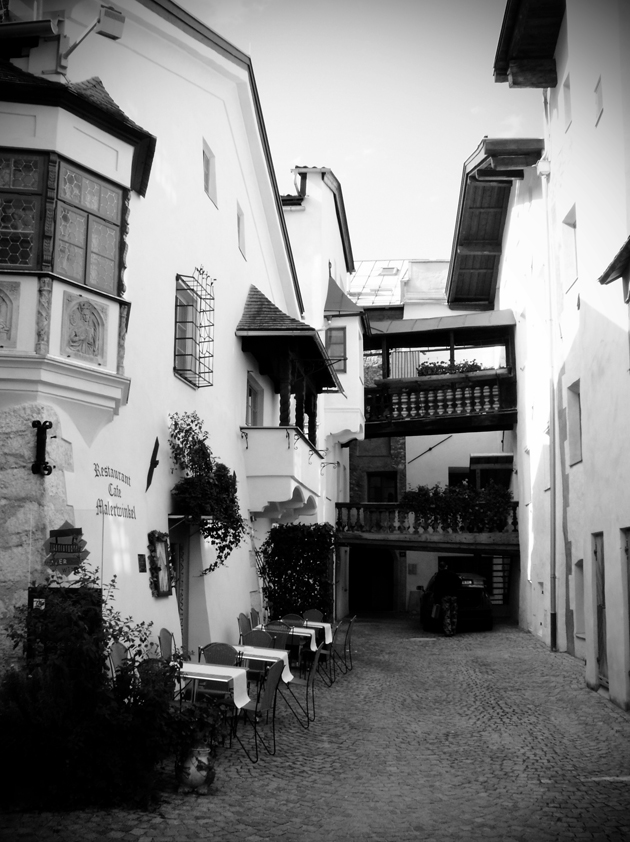
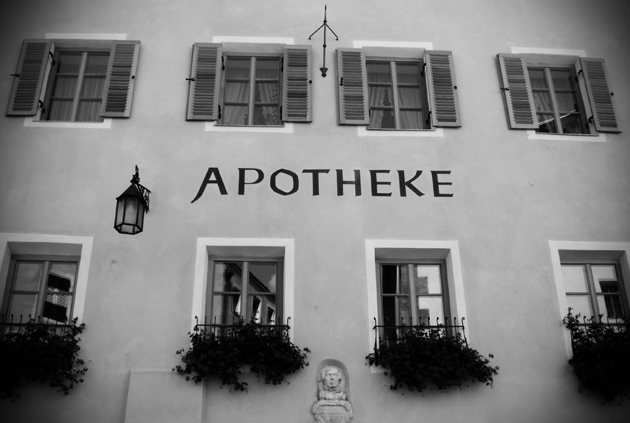
It’s not the first time I hear about a city that for a part of the year stays in the dark, because of its geographical position. Generally, this is not a welcoming detail for the people who would decide to live there, but for a tourist, this represents a motive of fascination. Rattenberg, which with its 440 citizens is the smallest Austrian municipality that can embellish of the name of “a city”, was built in 1393 by Bavarian duke Stefan III in the shade of the mountain of the same name. The mountain defended the city from attacks, but it has always been, and still is, the cause of the almost total darkness that hides Rattenberg for six months in a year. The idea of building rotating mirrors on the rocks to reflect light and direct it towards the city, has never been put to action.


So, especially during winter, Rattenberg becomes a postcard-like venue: it lights up with candles and torches, its shady alleys fill up with snow and make you imagine how the city could have looked like centuries ago, when citizens were in two thousand, the silver mines near were in the whole of their utilization and the hundreds of people were sailing on the river Inn, that runs along the city walls, stopping by and crowding the pubs and brothels of the city.

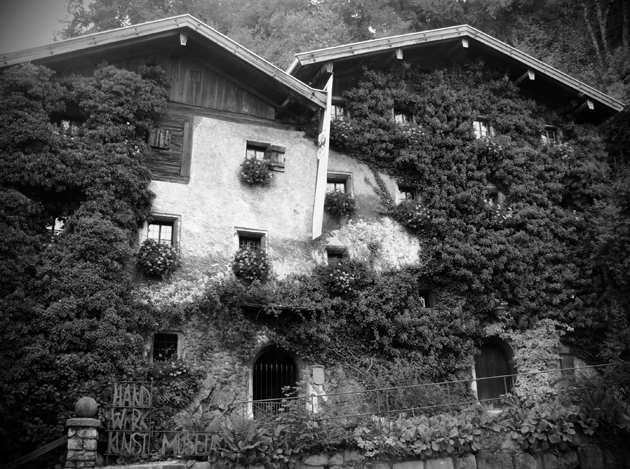
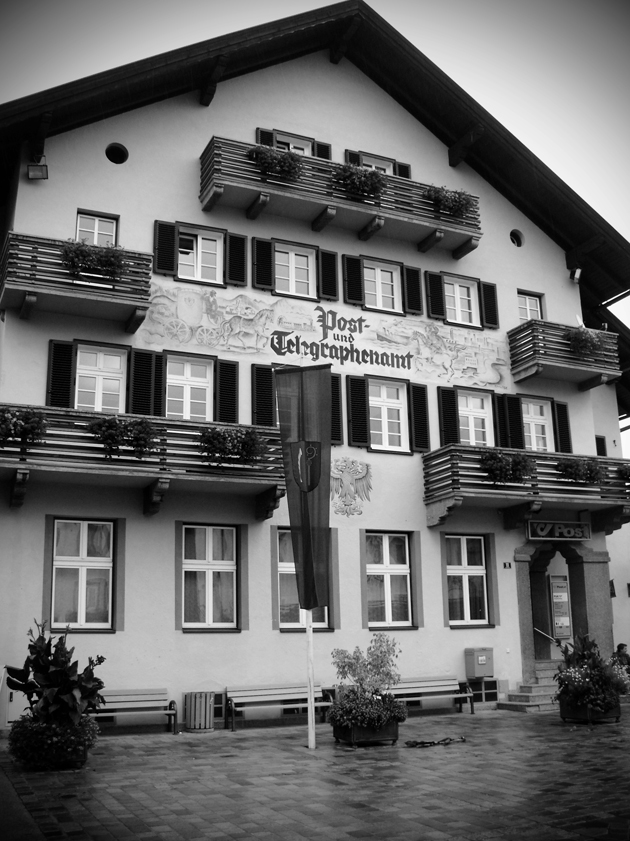
Today Rattenberg is not that alive as it once was, a major part of its 440 citizens are aged but, especially during the summer season they receive groups of tourists who visit the famous small shops in which artisans work glass and walk along the narrow alleys photographing the Inn-Salzach style built houses, that consist of the union of the neighbor houses, creating the appearance of a unique architectural complex. Nagelschmiedhäuser, old private residences transformed today into the Museum of Craftmanship, are the most important evidence of this.


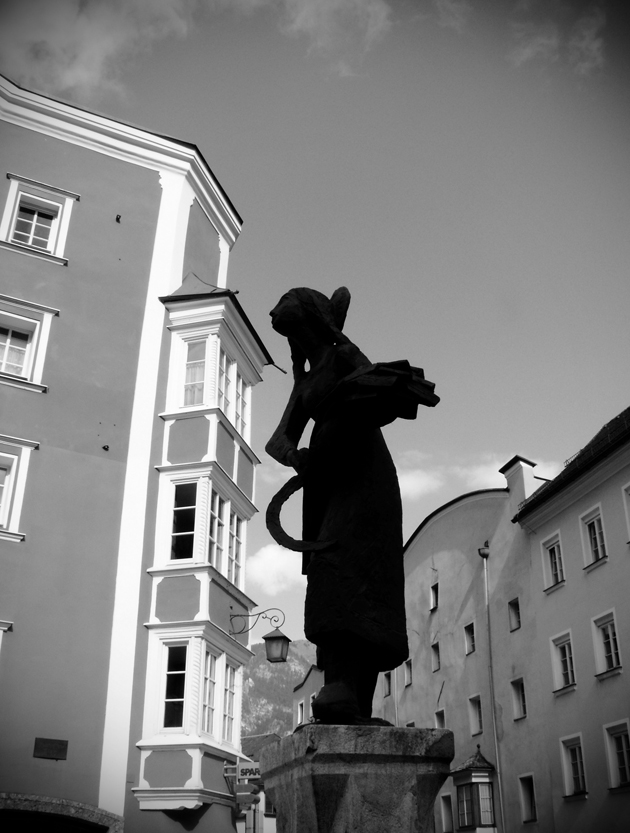
If you want a taste of The Lord of the Rings kind of location, climb on the mount of Schlosseberg Castle (there’s an elevator, if you don’t want to struggle) and enjoy the view, especially the theater used in summertime for outdoors performances. Even if you aren’t that enthusiastic with sacred architecture, enter in the baroque style Church of Saint Virgilio, really large for a small city. I visited it on the eve of the Sunday before Easter, and what attracted my attention, apart from frescoes, was seeing three youngsters who carried in boxes containing music stands that would be used for the concert of the day after. Then, on my way to the hotel, I saw another boy darting on a skateboard under the statue of Saint Notburga, the patron of Rattenberg. Maybe for the contrast between sacred and modern, old and new, I found myself smiling. The boy on the skateboard said hello to me and flied off, while the sun went quickly down in this part of Tirol, and the shutters were pulled down one by one.


Antonio Leggieri – Photos by Anton Raath

29/03/2013

Ruby Anemic: “Please take care of me” at Galerie LackeFarben

Ruby Anemic: “Please take care of me”

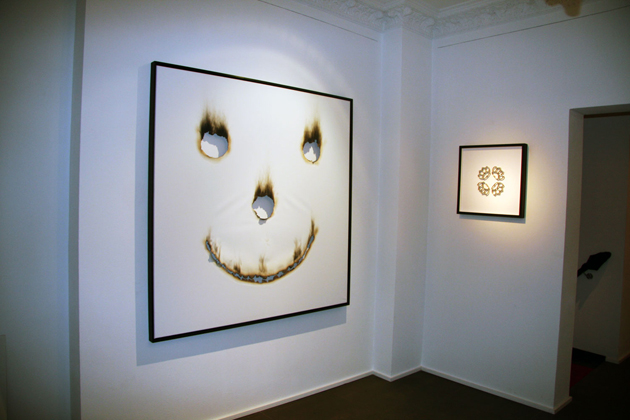
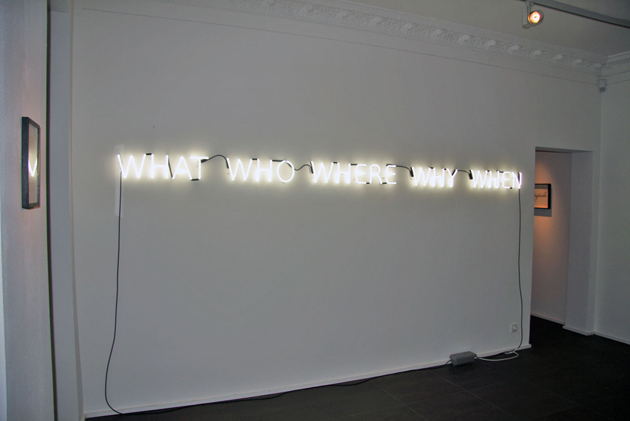
The born and bred Berliner artist Ruby Anemic just opened his long awaited solo exhibition entitled “Please take care of me” at Galerie LackeFarben in Berlin. New works of neon, concrete, video, canvas and mixed media are spread across the four small storeys of the untraditional gallery space, which used to serve as a paint shop back in the 1930’s. Since closing his Pool Gallery in Berlin-Mitte, Ruby Anemic has been focusing solely on his artistic practice, and is finally ready to show his interdisciplinary work, all with an ironic and humorous yet critical view on contemporary culture.


Several of the artworks have been made using fire as a tool – leaving burn marks instead of paint or ink. In Burn for a Smile, a smiley grins at the viewers from a large canvas, burnt holes into the texture as a re-think of Lucio Fontana’s carved canvases. Other works, such as I am a Dreamer consist of Ozzy Osbourne song lyrics burnt onto leather pieces, still smelling of fire and skin.

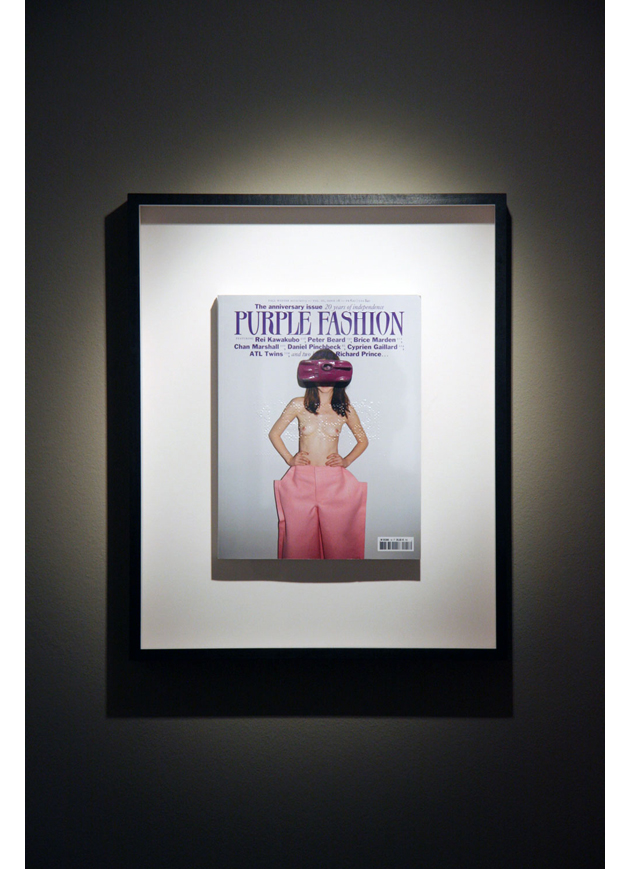
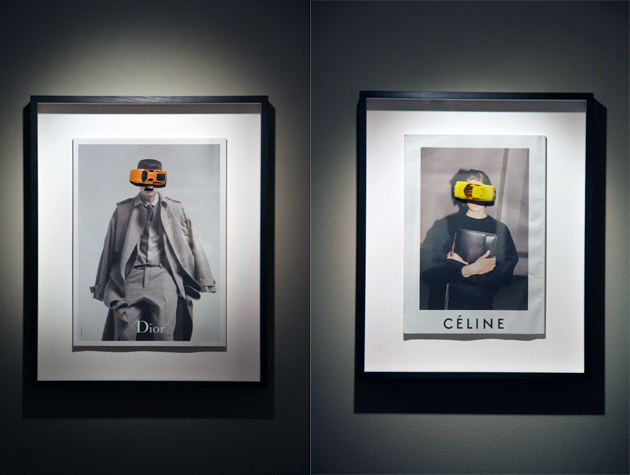
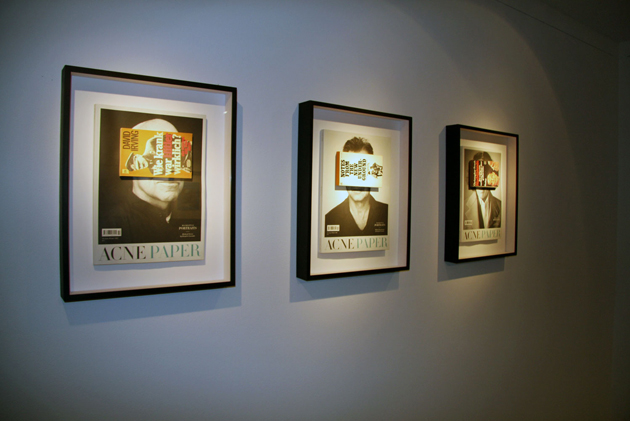
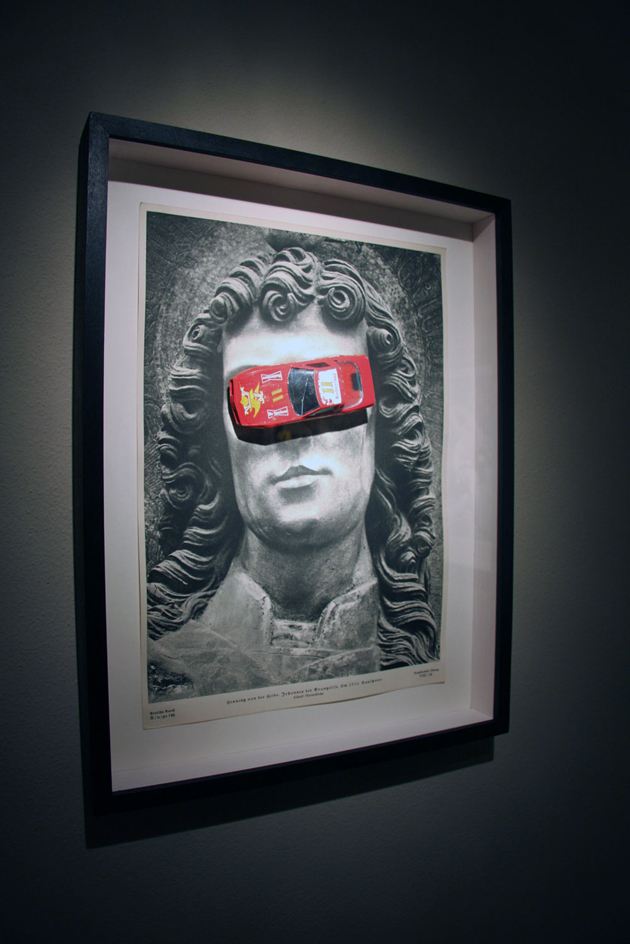
Downstairs, a large silver curtain (Untitled) is moving back and forth; a kinetic art piece driven by tiny, hidden motors, creating an illusion of flowing water or a mirror in a fun house. A large part of the works are entitled Objects on Paper, consisting of mostly fashion magazines where a small toy car or a book has been placed covering the face of the model. These works are all about composition, the beauty and humour of everyday life and objects, something that Ruby Anemic, the champion of pop cultural references, always does incredibly well.


In the dark basement, one single video work, a looped video clip of Brad Pitt (Reiteraction) pretty much summarizes the appreciated show. It is witty, tongue-in-cheek and slightly sarcastic, firmly rooted in pop culture and at the same time just not giving a damn.

“Please take care of me” by Ruby Anemic is on view at Galerie LackeFarben until April 27th 2013.

Helena Nilsson Strängberg