03/09/2013

Monthly reads: Forget All the Rules

Have you ever admired the colours of a poster without noticing the event it was supposed to promote? Have you ever found yourself lusting over a beautiful letter set in an even more wonderful typeface, without noticing the message it spelled? You probably haven’t, because graphic design can never be separated from the message it is supposed to convey. Its ultimate function is communication, as obvious as it might seem.
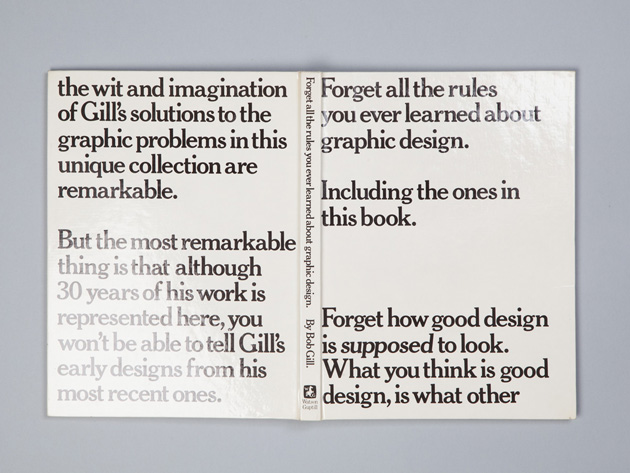
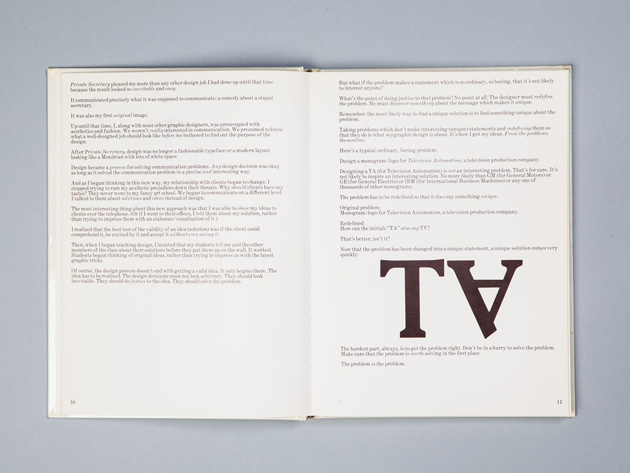
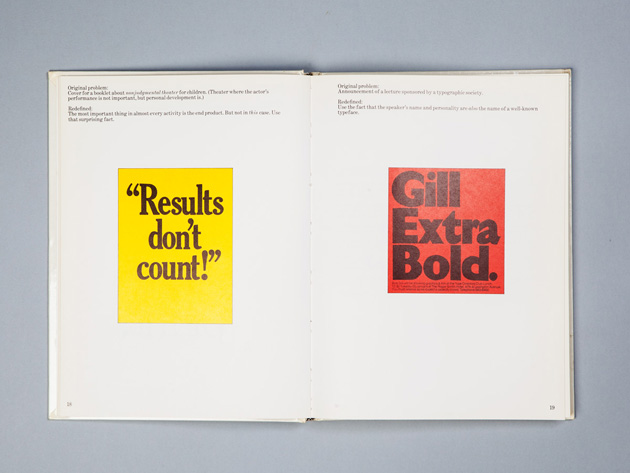
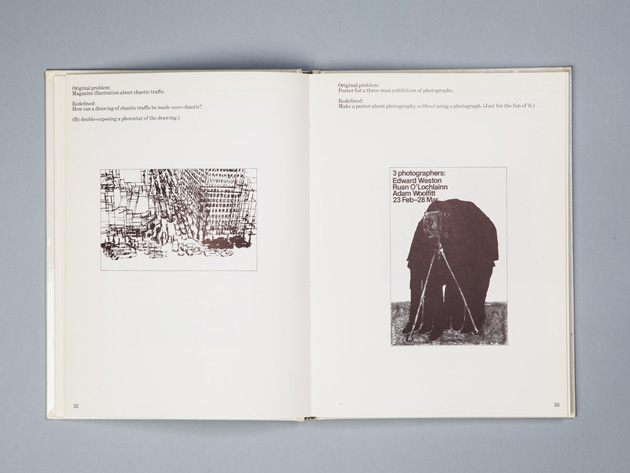
Yet, there are probably thousands of designers right now browsing thousands of other blogs looking for ‘inspiration’ for their new project. Looking for the ‘looks’, the style, the image, and not the solution. And if you may be one of those designers, or spot one sitting right next to you, please note that a design can only be taken so far by an aesthetically driven solution. This apparently blatant phrase comes as a conclusion after reading a tremendously significant (at least, as far as we are concerned) book “Forget All The Rules You Ever Learned About Graphic Design. Including The Ones in This Book.” written by one of the most genius graphic designers of all times – Bob Gill.
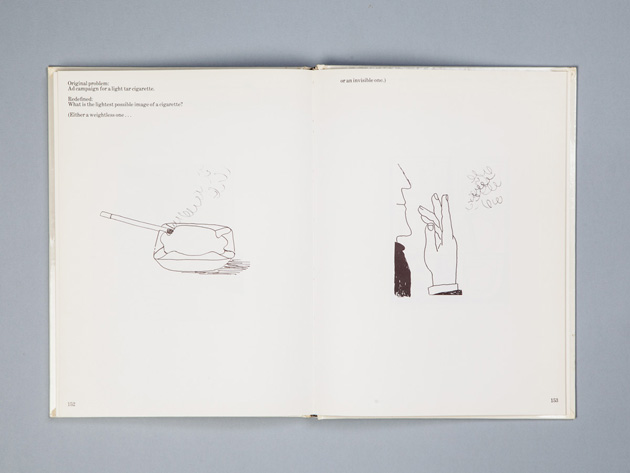
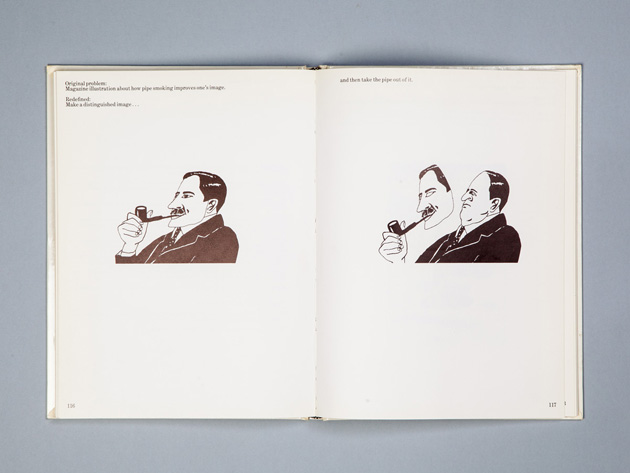
Even though it was published more than thirty years ago, in 1981, its lesson still remains an essential one to learn. In fact, what Bob Gill tries to explain throughout the book departs from a single, simple piece of advice: “Unless you can begin with an interesting problem, it is unlikely you will end up with an interesting solution.” Starting from the problem, trying to turn each task in an interesting problem, is what, in Gill’s words, can make even the most boring brief an interesting one and even the worst client a possibly nice one to work with. And this simple piece of advice (along with its further elaborations and a series of illustrated examples included in the book) is possibly the most important one any designer may ever receive.
Rujana Rebernjak 
Share: Facebook,  Twitter  
09/07/2013

Monthly Reads | Graphic Design: Now In Production

What exactly is graphic design? Who are its most significant contemporary practitioners and why? What kind of activities does it engage with? How does it impact our daily lives? What is the range of human environments it deals with? Is it only a self-absorbed discipline that speaks to a few selected ones or can we all benefit from it? How can it tackle relevant social issues, and using which tools? This is an extremely limited list of questions that might come up thinking about graphic design, and this month’s carefully selected book answers quite a few of them.


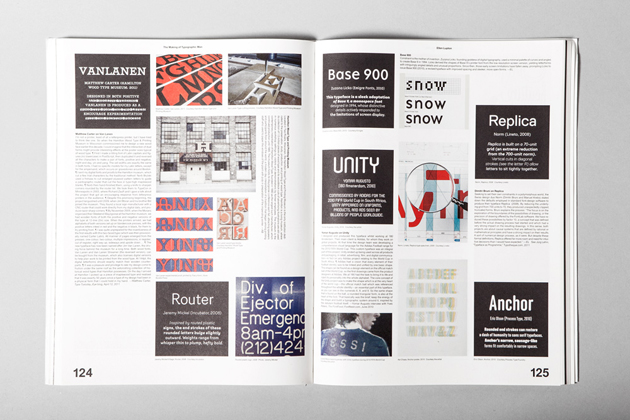
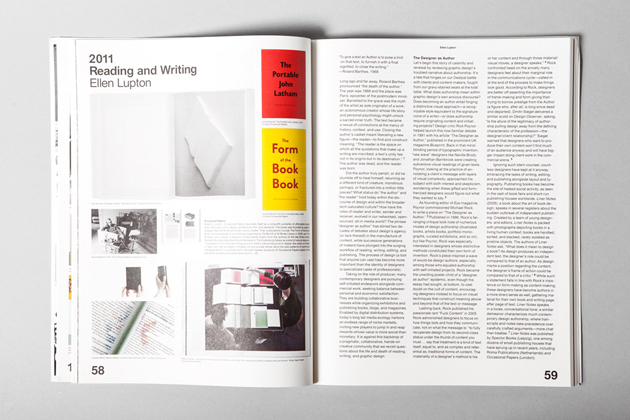
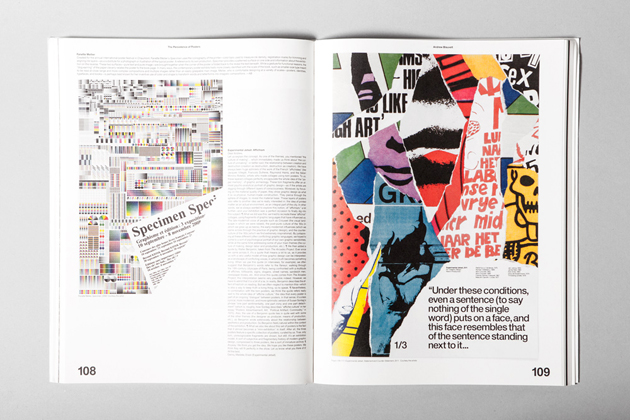
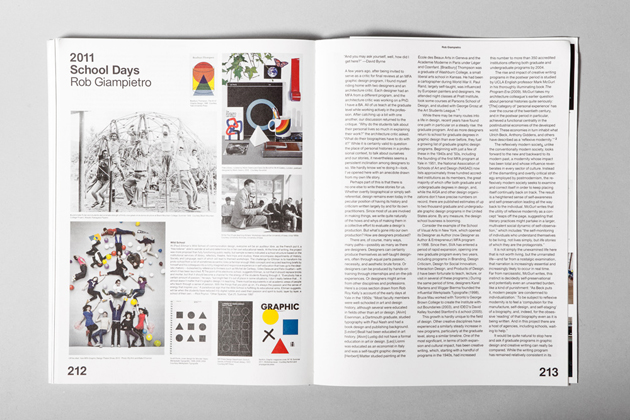
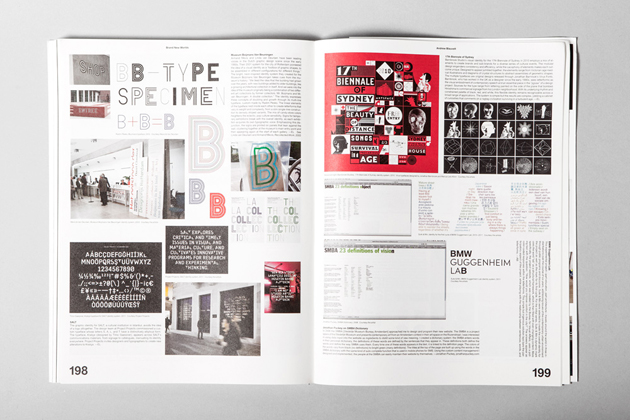
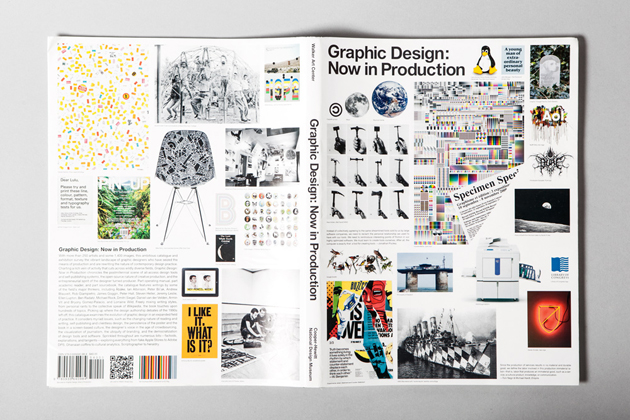
“Graphic Design: Now In Production” is a book born as a catalogue of an exhibition held at Walker Art Center and Cooper Hewitt National Design Museum respectively, back in 2012. Edited by Andrew Blauvelt and Elen Lupton, two of the most prominent design theoreticians and critics, it results quite an appealing compendium of contemporary graphic design practices. Starting with a series of critical articles written by contributors such as Steven Heller, James Goggin, Michael Rock and Daniel van der Velden, it engages in discussion about different, but equally critical, evaluations about contemporary design practice. From the idea of designer as author (or writer), largely debated during the turn of the last century, to the role of research and critical investigation through the graphic design, to the idea of designer as entrepreneur proposed multiple times by aforementioned Heller, these short essays tackle and bring to life how design can become socially, culturally, politically and even economically relevant.


On the other hand, the second part of the book engages in an analysis of different outputs graphic design can be applied to. From the most traditional examples of graphic design excellency such as posters, through magazines, font design, film title sequences, to end with data representation and digital interfaces, it successfully, even though not exhaustively, takes into account the wide range of material artefact graphic design can give shape to. Even though this book might prove as tough summer reads for the not-so-into-design people, it should nevertheless be given a chance, since we might all benefit from a better understanding of what graphic design really is all about.


Rujana Rebernjak 
Share: Facebook,  Twitter  
22/05/2012

Solution Series

Solution Series

Even though graphic designers are keen on thinking that their profession makes a difference and that it’s politically, ethically and culturally relevant in our society, it’s a rather uncommon phenomena seeing this idealistic approach actually at work. Especially when it comes to Italy, graphic design is still considered an ‘artistic’ outtake on the artifacts we encounter on a daily basis. On the other hand, designers themselves generally profess a more politically active attitude but aren’t capable of actually putting it into practice.

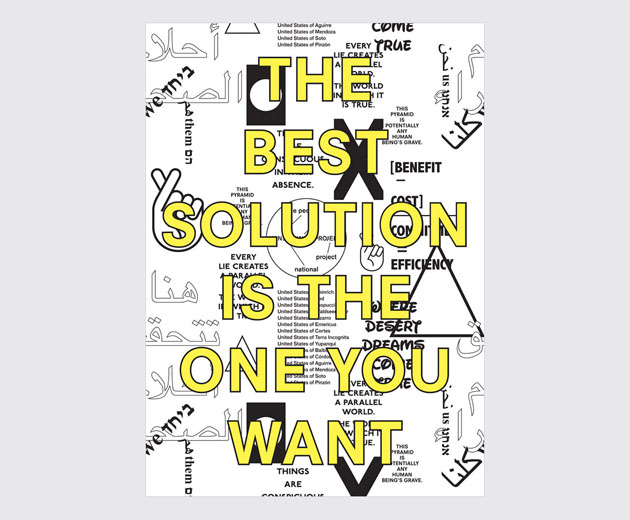
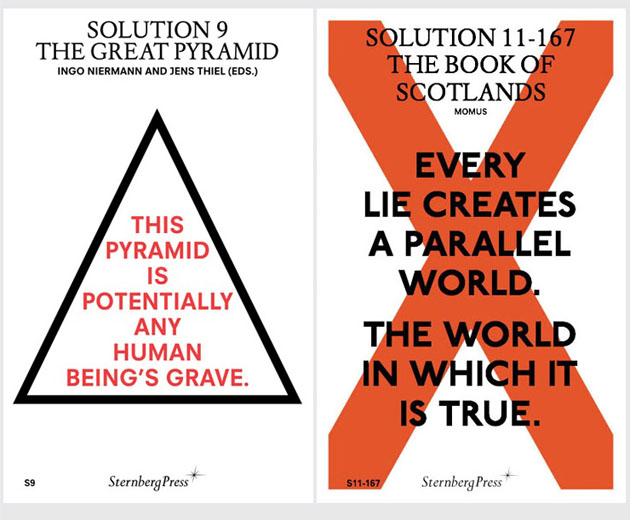
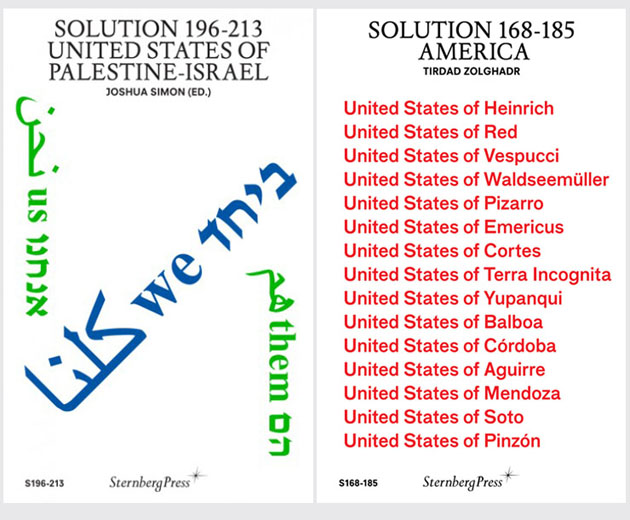
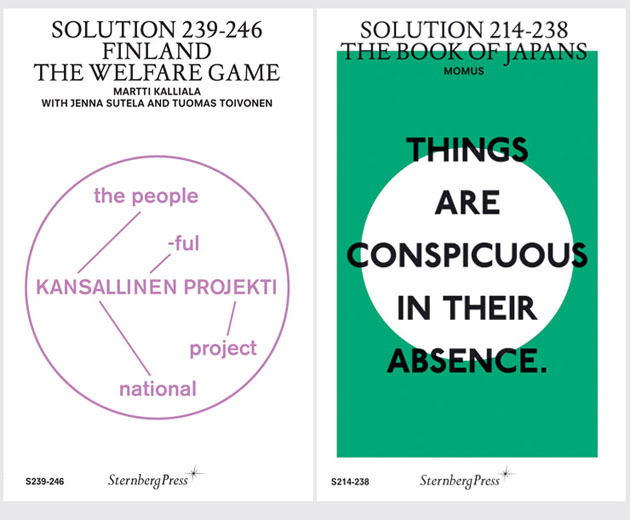
There are, however, a few practitioners that try to take the matter in their own hands. One of the projects that was born from this kind of approach is Solution Series – a series of books published by Sternberg Press and curated by Ingo Niermann with the precious contribution by Zak Kyes (a graphic designer we have already praised in one of our articles).

The Solution Series has quite a definite – and also a bit pretentious – ring to it. What it does is developing highly critical cultural proposals in a tumultuous era of geopolitical instability that should function as stimulus for rethinking some of the urgent problems present in the area the single book refers to. Some of the titles in the series are “Finland: The Welfare Game” by Martti Kalliala with Jenna Sutela and Tuomas Toivonen, “The Book of Japans” by musical artist and writer Momus, “United States of Palestine-Israel” by Joshua Simon, “America” by Tirdad Zolghadr and “The Great Pyramid” edited by Ingo Niermann and Jens Thiel.

Ironically by using the word ‘solutions’ the editor mocks the well-established critical discourse by ‘inviting the authors to develop an abundance of compact and original ideas for countries and regions contradicting the widely held assumption that after the end of socialism human advancement is only possible technologicaly’.

The latest outtake related to the project is “Solution Greece?”, an exhibition of the work developed by Kyes for the Solution Series. Hosted by Ommu, a bookshop and project space situated in Athens, the exhibition tries to demonstrate the power of cultural production and the kind of solution it might offer in a country that is coping with a difficult political and economic crisis. Finally a socially and politically relevant, even though slightly utopian, approach of contemporary graphic design practice towards the problems of our society.

Rujana Rebernjak – Images courtesy of Sternberg Press

Share: Facebook,  Twitter  
14/02/2012

Please Don’t Forget Aldo Novarese

Please Don’t Forget Aldo Novarese

In the early nineties, design historians had re-discovered the long forgotten graphic design history. After this long period of glossy manuals, where design history hasn’t been written, but shown, in the last few years designers have decided to take the matter into their own hands. A new history of revivals began with countless exhibitions on this-or-that, accompanied by myriads of independent publications and, as the latest trend inescapably dictates, hundreds of re-designs of long forgotten fonts.

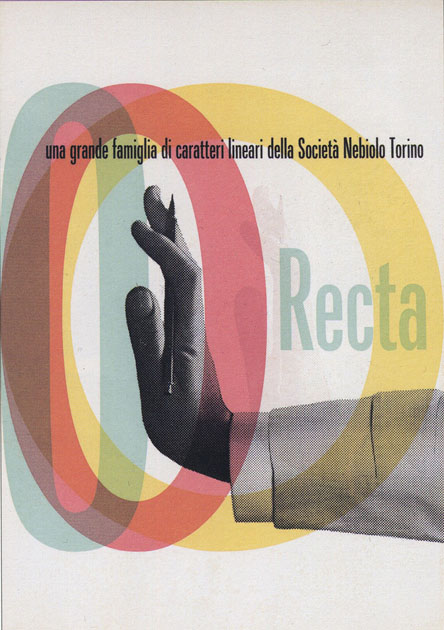
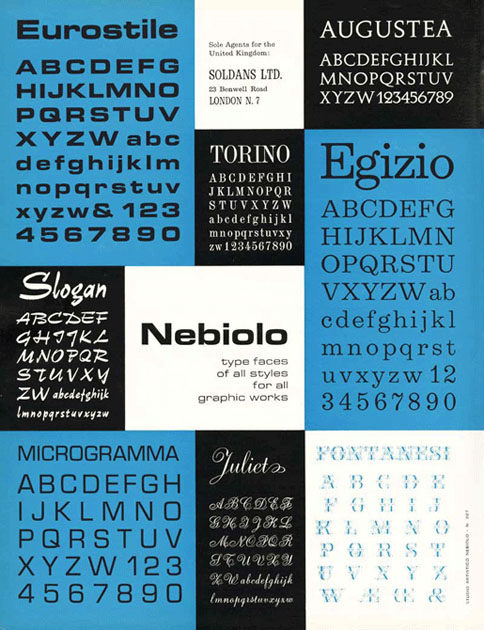
One of the latest musts in the typographers’ field is Recta, a bit goofy Italian contribution to the sans serif families of the sixties. The prolific designer of the above mentioned 1958 font is Aldo Novarese.


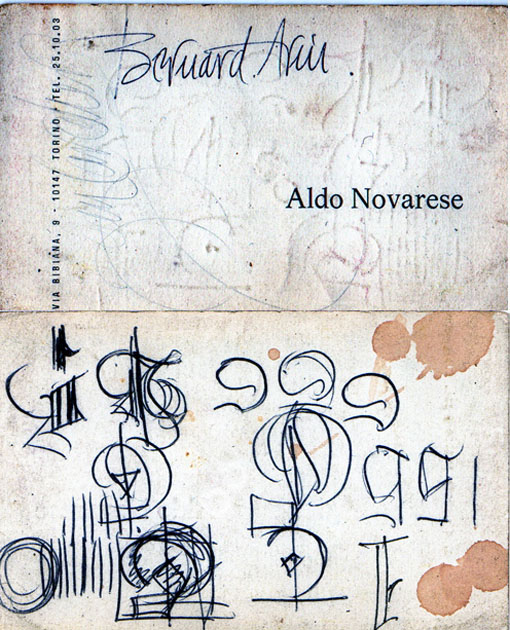
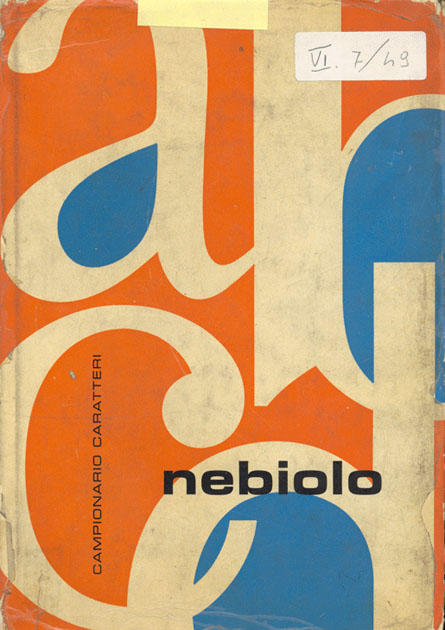
Aldo Novarese has worked for almost all of his life for Nebiolo foundry in Torino. In forty years of passionate dedication he has created more than one hundred fonts, existing not only as sketches, but entire families of characters, alongside of two books and a well known character classification.
In 2011‚ Canada Type foundry digitalized Recta, which immediately became a graphic must, and Aldo Novarese a worshipped hero. In the meanwhile the Italians haven’t yet realized the importance of this master. Not even a single word has recently been heard about him, only a few design students can accidentally see his name while flipping through the old glossy ‘international’ design manuals. Hopefully they’ll soon realize that the grass isn’t always greener on the other side.

Rujana Rebernjak – Images courtesy of Aldo Novarese & Nebiolo

Share: Facebook,  Twitter