09/05/2013

European Fashion Schools: Antwerp Royal Academy

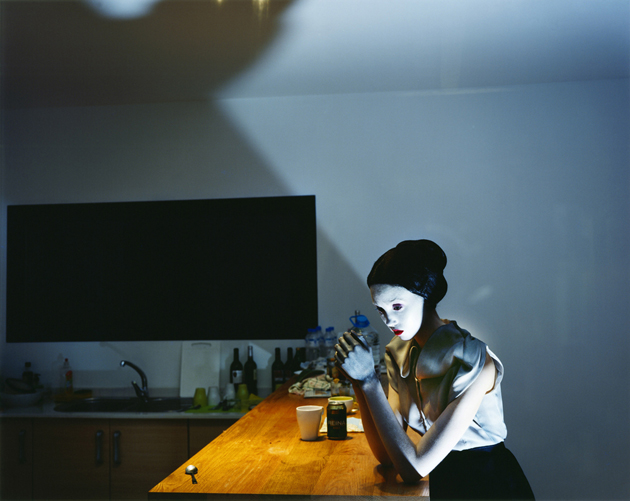
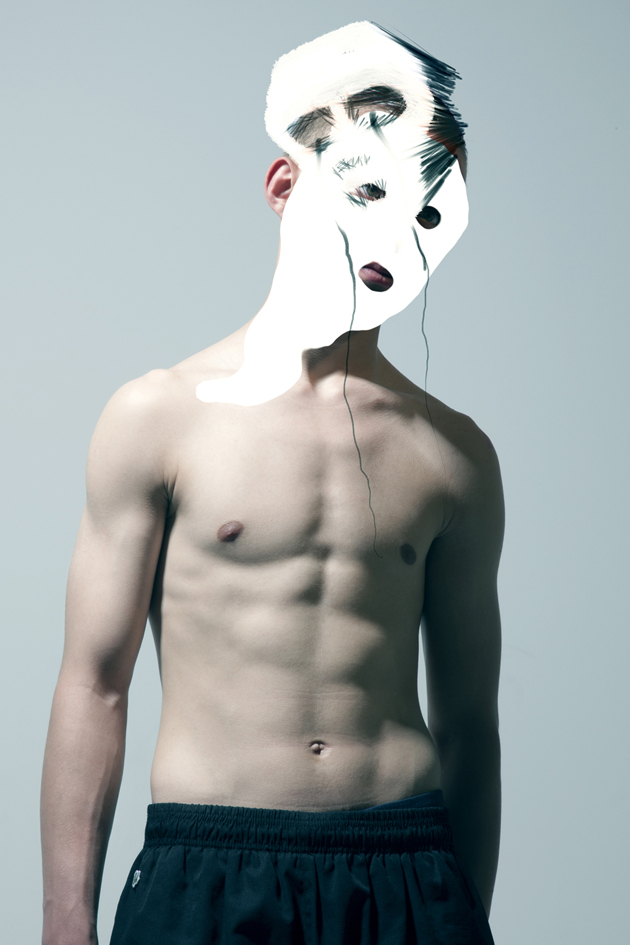
When doing a series on the six most significant European fashion schools, it feels like a given to mention the school that gave birth to The Antwerp Six. Famous for the many creative talents that have left the building, the Antwerp Royal Academy of Fine Arts is evidently not new to the pages of The Blogazine. Despite its many appearances, we figured another review of the Belgian magic couldn’t hurt – for what is it in an education that calls forth a certain number of celebrated and legendary names?
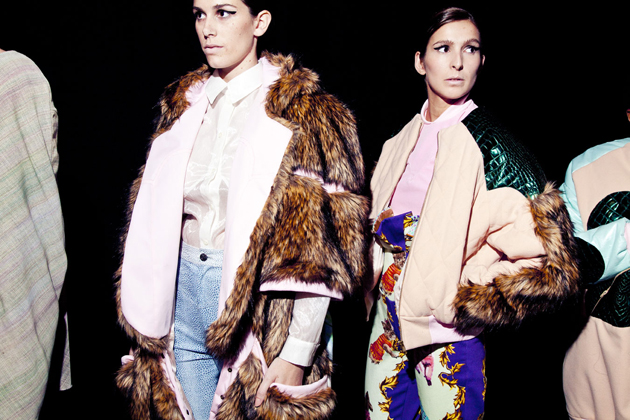
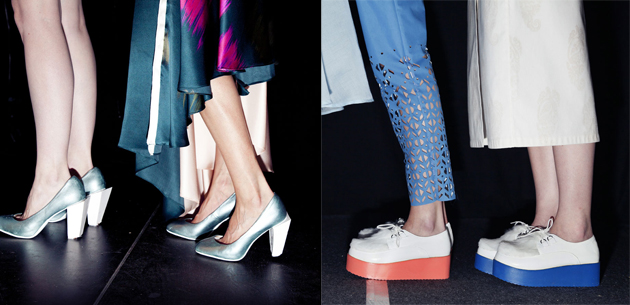
Looking at the history, the school’s (fashion) popularity started in the early 80’s when the fashion department resided under the wings of Mary Prijot, and it was during that time when names like Ann Demeulemeester, Dries Van Noten and Martin Margiela were formed to skilled designers. Today’s Head of the Fashion Department, Walter Van Beirendonck, also attended the school during this hot 80’s period, and by the looks of it, he has carried some of the past into the future.
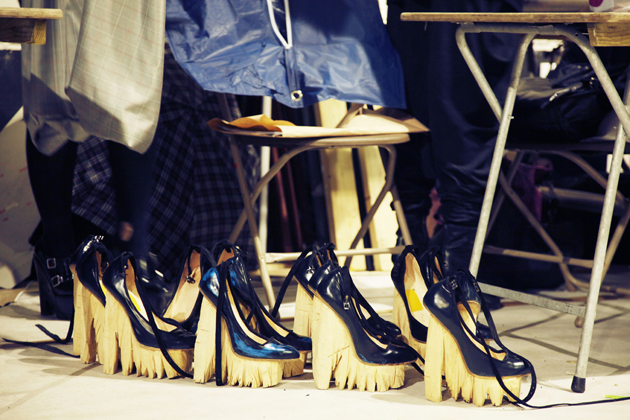
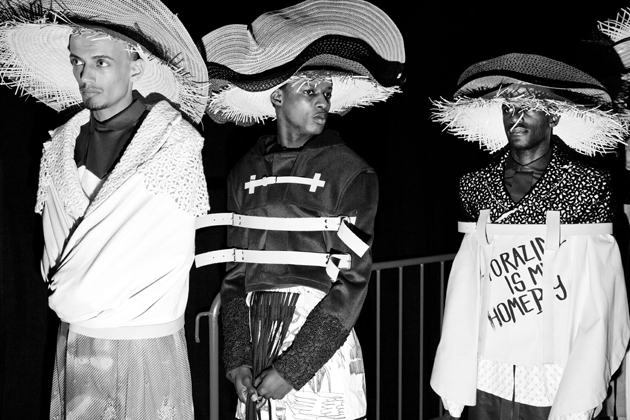
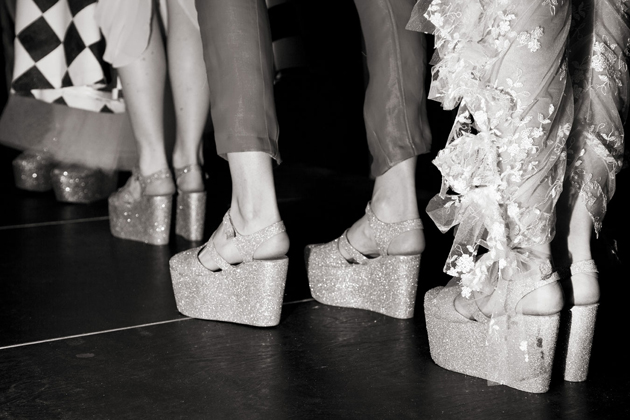
As in most academic educations a subject is looked at from the perspective of the society, and so also in Antwerp. Clothing is not only about the quality of fabrics, cuts and seams but also reflects on where the society is moving, and questions it. Not putting the creative quality aspect aside, The Royal Academy of Fine Arts provides their students with a creative artistic atmosphere: during four years the fashion students also share the halls with painters, sculptors and graphic designers and looking at the outcome they all seem to influence each other. The students at the academy are though always encouraged to find their own voice and not to mimic what their predecessors already did, as innovation and experimentation are two highly valued aspects. Surely many students choose Antwerp Royal Academy of Fine Arts as their destination of education for the fame that lingers in the school halls, just like many probably are attracted by the fact that it’s here that known concepts are being turned 360° and back again. What regards the school’s location, Antwerpen feels near, yet so far from the rest of the industry, that it seems like the set-apart position on the map could entice as well as discourage future applicants. Whether it’s the name of the school, the name of previous graduates, the creative atmosphere or the city, it only seems natural that the younger generation of Antwerpian designers would channel what foregoes them and keep on bringing the academy forth.

Maybe it lies in the strong focus on innovative creativity or maybe Mary Prijot’s 80’s blueprint for the fashion department set the standard – whichever the case, the Artesis Hogeschool Antwerpen has been one to watch over the last 30 years, and an uncrazy guess is that it will remain on the same list for another upcoming 30.
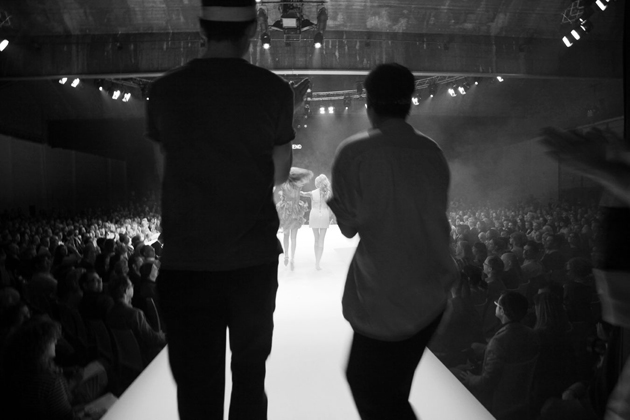
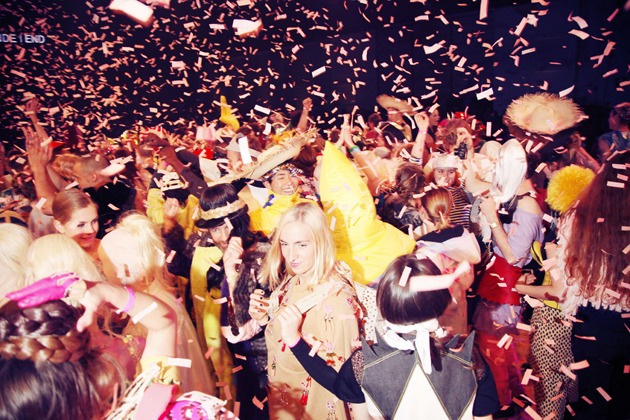
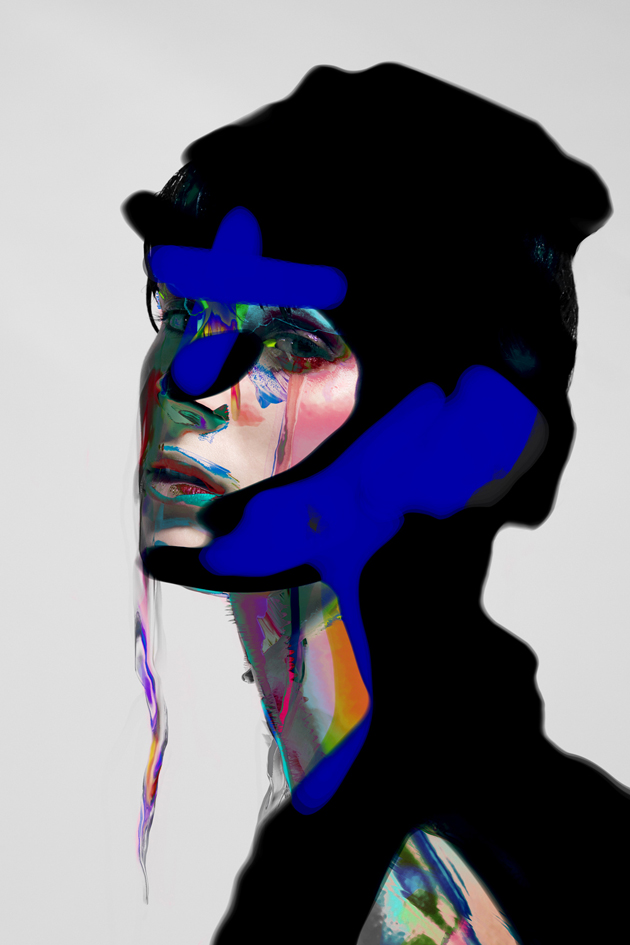
Lisa Olsson Hjerpe – Image courtesy of Boy Kortekaas & The Royal Academy of Fine Arts 
09/05/2013

Remembering Gallery Weekend Berlin

During Gallery Weekend Berlin, 51 galleries opened up their doors to 66 new exhibitions within just a couple of days. Here’s a run through a few of our favourites ones, that we remember with warmth.
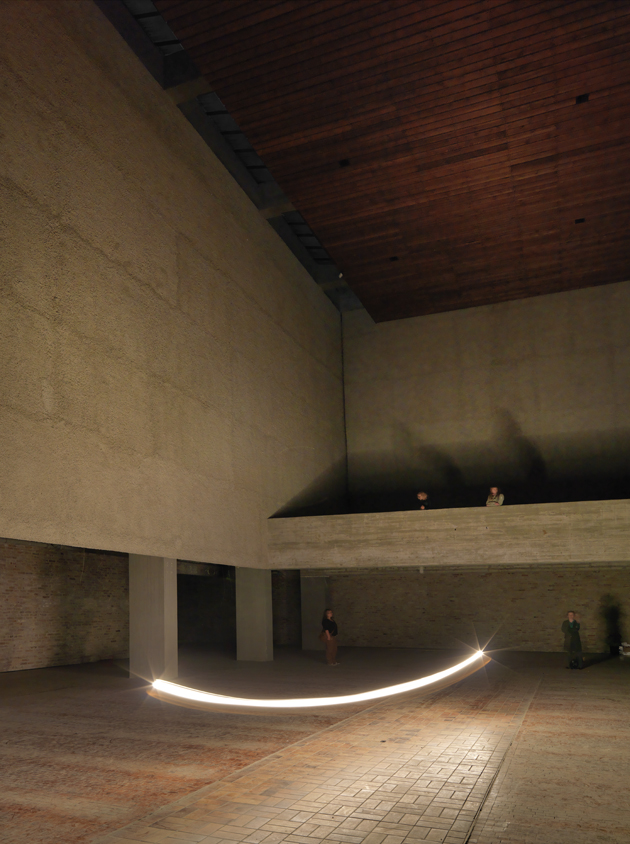
Alicja Kwade at Johann König
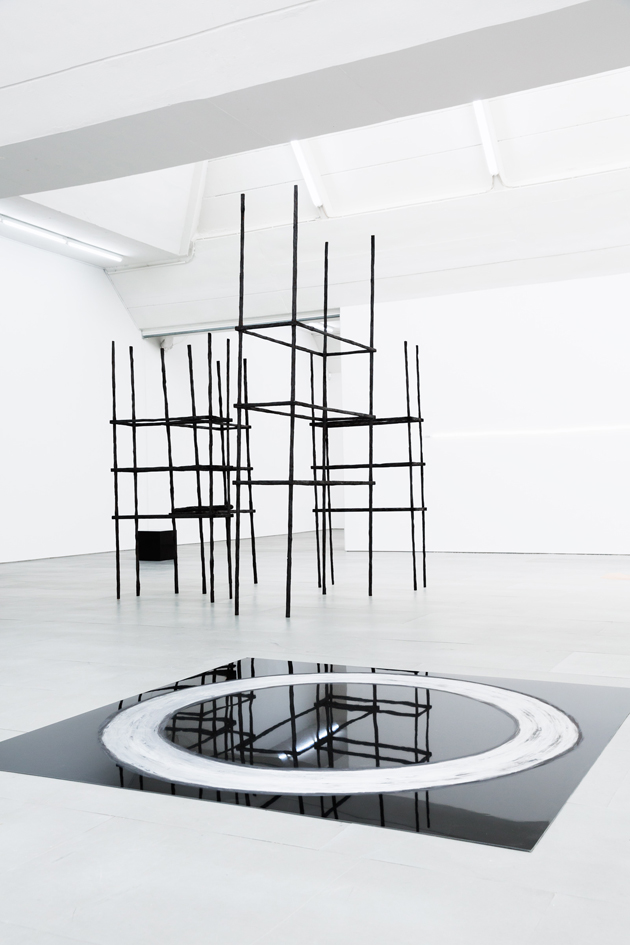
The brutalist former church building of ST. AGNES will re-open this autumn as an arts and culture center with the gallery Johann König as a natural landmark. But already as of Gallery Weekend Berlin, besides the solo show with Monica Bonvincini in their main space, Johann König is showing the Berlin-based artist Alicja Kwade’s light and sound installation Nach Osten (2011), translated “To the East”. Kwade transforms the monumental, archaic church hall via an extensive, electrical version of Focault’s pendulum, using a light bulb instead of a weight to visualize that the earth spins. Among other of the artist’s obsessions, Kwade is fascinated by scientific problems and visual experiments, killing two birds with one stone in her vast and hypnotizing installation. Although, in Kwade’s own words; “the earth doesn’t care, it just turns”. A must see, every weekend until May 26th.

Jerszy Seymour at Galerie Crone
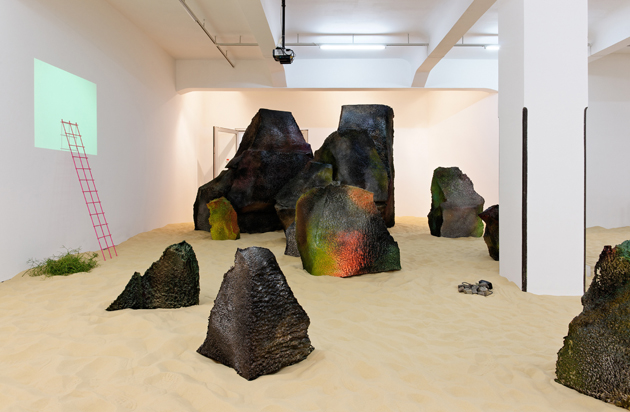
Entering Jerszy Seymour’s installation on the first floor of Galerie Crone feels like taking the elevator to the 7½th floor in the movie Being John Malkovich. His solo show The Universe Wants To Play is a hallucinogenic travel into the brain of the artist and orginally industrial designer Seymour. In the main installation Brain Cave Spaceship, a glittering sandy beach stretches through the gallery, where stones and rocks, bones and animal skulls, painted bricks and branches have been scattered around. Even a live frog is hiding between the plants growing in his Memory Tanks. Seymour has drawn on geometric shapes, like pieces of a puzzle in his brain laboratory, and created a playground where the audience is invited to romp about, with or without shoes, in an anarchic homage to the mind. Do it.

Michel François at carlier | gebauer
For his solo exhibition Pieces of Evidence at carlier | gebauer, the Belgian artist Michel François started off with the photos he took in the basement of Palace of Justice in Brussels, of wrapped, numbered and labeled objects in an evidence room. Interested in the trivial, in the harmless meaning these objects and evidences of crime gets when outside of the court, François’ work can be read as a similar trace of what happens inside and outside the studio. In the gallery, an ice block melts in front of your eyes, a cube of sand has been pushed along the floor, a giant structure of burnt wood is still smelling of ash; all of his works are leaving traces perceptible by touch or smell, in a beautiful and forceful exhibiton.

Markus Bacher and Thomas Kiesewetter at CFA
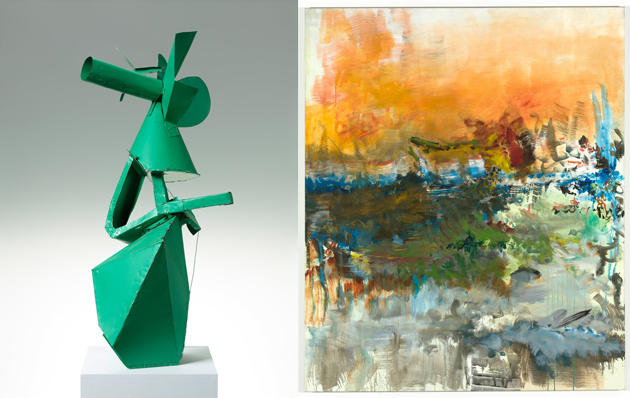
On the second floor of CFA, Contemporary Fine Arts, Thomas Kiesewetter’s series of free-standing and wall sculptures in bright monochromatic colours resemble a playground of sculptural snapshots. Meanwhile on ground floor, Markus Bacher’s solo exhibition After Eight unfolds as an abstract landscape of mountains, lakes and dark forests. Bacher’s new works are made of superimposed juxtapositions and broad horizontal brush strokes in shades ranging from earthy chestnut and brick via strokes of bright yellow to intense sky-blue or cloudy white. Bringing his heimat of the Alps into his works, the young Austrian artist, based between Vienna and Cologne, is definitely someone to look out for.

Eva Kotátková at Meyer Riegger
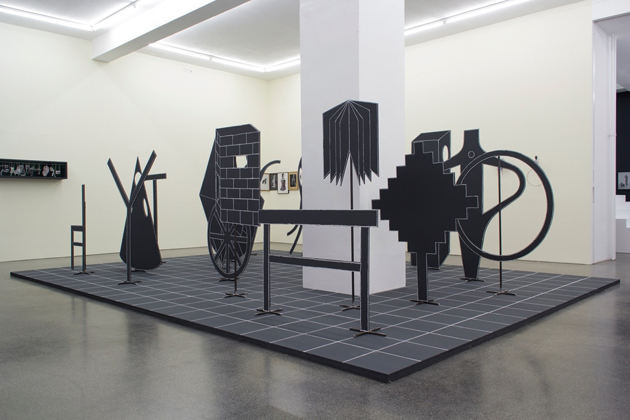
Meyer Riegger’s irresistible They Are Coming by the young Czech shooting star Eva Kotátková revolves around configuration of the human body and our perception of it. Through drawing, photography, collage, objects, installation and even live performance, fragmented body parts occur and disappear, and movements and formulations of the body are marked or suggested by lines as a demarcation between figure and space. In a large installation, objects set up on a chessboard-like area, as props for an action that is yet to come. In a related video piece, made with the classic “black theatre” technique where the performers cover their body with black cloth, so that only parts of their bodies are visible, Kotátková shows precisely those shapes, interacting with the human beings. It is a refreshingly physical yet extremely visual show, on that perhaps basic but oh so important theme of what actually makes us human.

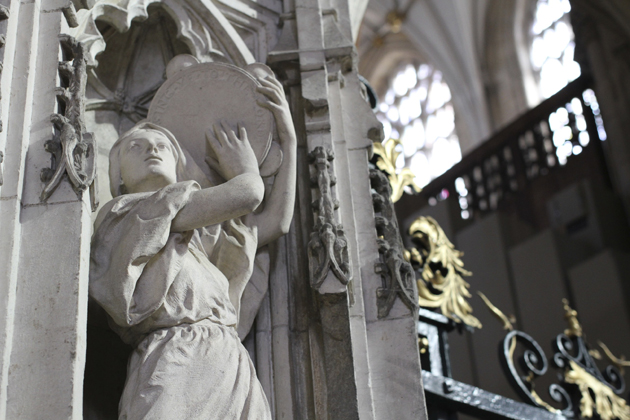
Helena Nilsson Strängberg – Images courtesy of Galerie Crone (Marcus Schneider), Meyer Riegger, carlier| gebauer (Nat Urazmetova), CFA Berlin, Alicja Kwade & Johann König (Roman März) 
08/05/2013

On the Roots of Mozzarella di Bufala

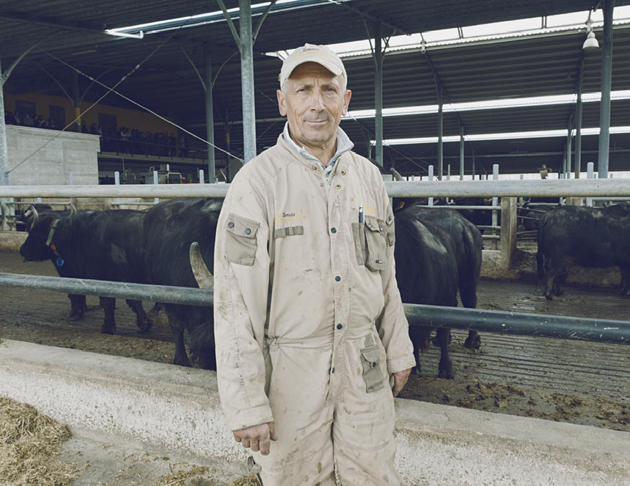
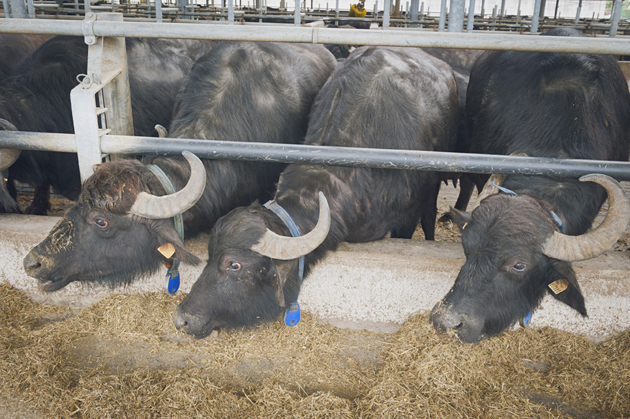
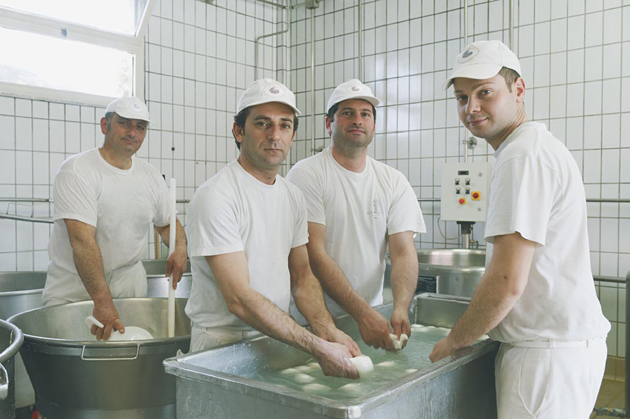
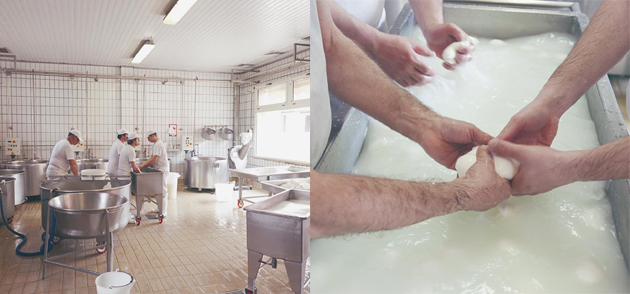
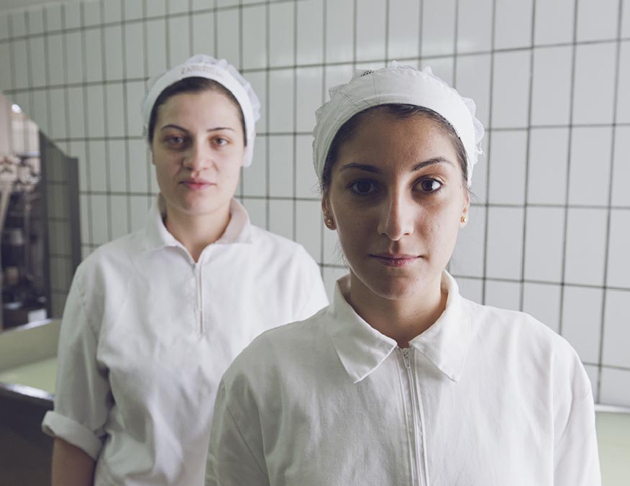
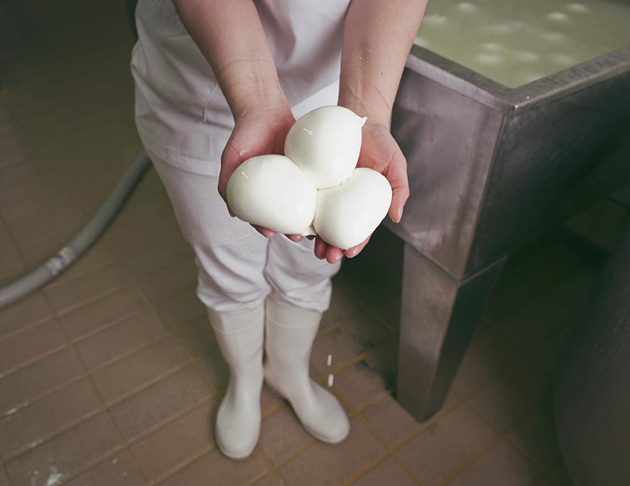
Where does the best mozzarella in the world come from? We have been to Tenuta Vannulo, one of the most important and oldest dairy farms of Italy, located near Salerno, in the south. We witnessed the production of mozzarella made of buffalo milk, the most exclusive product of southern Italy. The buffaloes are in about five hundred, and the animals are massaged and pampered to get the most from them. The processing of the mozzarella starts at 4 AM with milking, and at 10 AM it’s already all sold out.

The particularity of this workshop is that they don’t export their product: if you want some, you have to go get it there! This guarantees an excellent quality and a good relationship with the customer. So if you have planned a trip to Italy, you just have to pay a visit to Tenuta Vannulo and have the opportunity to taste some of the most traditional cheese history of the country.


Stefano Tripodi 
08/05/2013

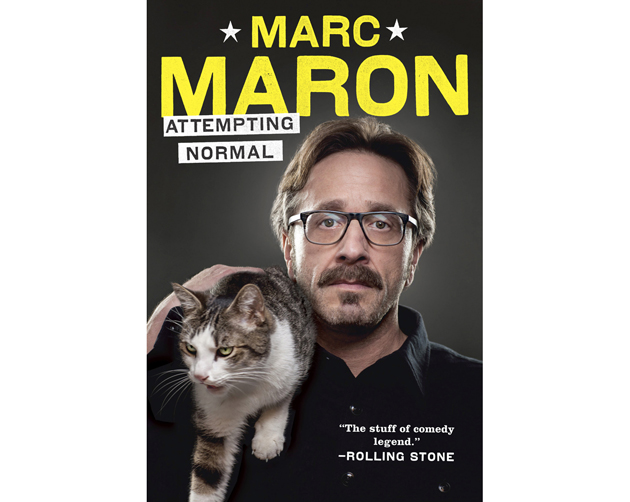
Marc Maron Is Finally Enviable

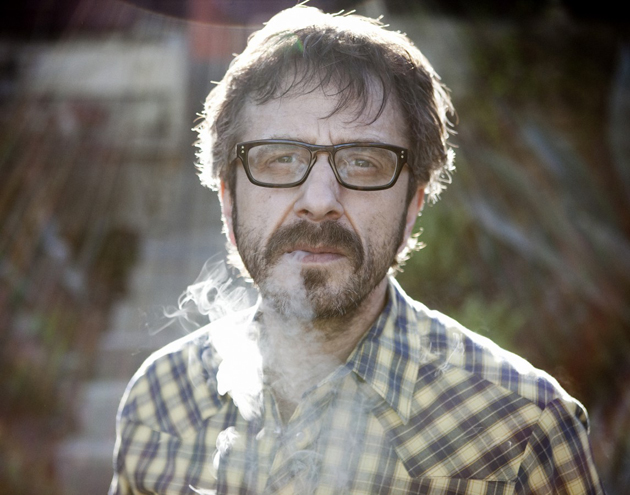
Marc Maron has always been a jealous guy. For years the veteran comedian has watched pals like Louis C.K. and Jon Stewart become household names while he’s struggled to stay afloat — gigging in small clubs, running a largely ignored one-man off-Broadway show, hosting unsuccessful radio and TV shows — while also battling two divorces and a debilitating drug addiction. Over the years he’s begrudgingly come to be known as, for lack of a better term, “the comic’s comic”. Case in point: he’s appeared on Conan O’Brien more than any other comedian, 47 times by his count, but most people couldn’t pick him out of a police lineup. “There’s no such thing as a career in comedy,” he’s famously joked, and, for him at least, that seemed to be the case.

But with a new book, a new show, and a thriving podcast now in its fifth year, it’s safe to say that Marc Maron is finally having his moment. A personal memoir, “Attempting Normal“, came out earlier this month, and his new show, IFC’s “Maron“, debuted last week. In it Maron plays a dramatized version of himself as he navigates past missteps, relationships, and newfound success. Like Louie C.K.’s show “Louie“, Maron finds the comic examining real-life failures through the lens (shield?) of meta-comedy. In the show Maron is selfish and cowardly, but he’s also very insightful and charming. After watching a few scenes one begins to wonder if he even had to write anything that resembled a script before the cameras started rolling.

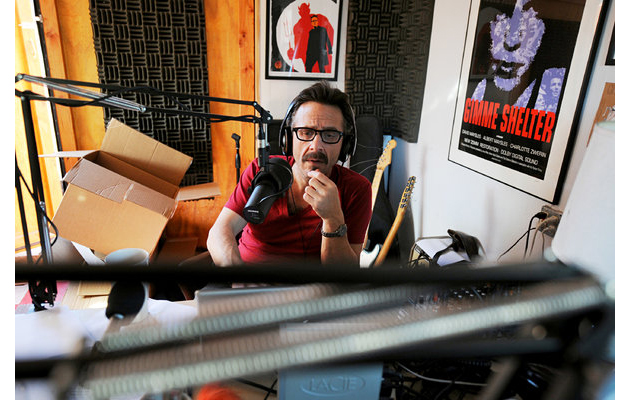
Such unfiltered honesty lies at the heart of Maron’s charm. WTF With Marc Maron, his homespun twice-a-week podcast, has more than 2.5 million listeners each month and ranks second in iTunes top comedy podcasts. He goes back and forth with comics, celebrities, and musicians such as Amy Poehler, Ben Stiller, Jon Hamm, Mel Brooks, and Dick Van Dyke about everything from failed relationships (mostly his own) to the entertainment industry to past drug and alcohol addictions. He is revered for being able to catch his subjects with their guard down. One episode finds Maron and Louis C.K. having a frank talk about why their friendship fell apart; another has him talking about alcoholism with Robin Williams. If his show is even half as genius and insightful, he should be just fine. “People say stuff to him that you can’t imagine them saying to anyone else,” Ira Glass, host of This American Life, told The New York Times in 2011. “And they offer it. They want to give it to him. Because he is so bare, he calls it forward.”

Lane Koivu – Middle Image from NY Times 
07/05/2013

A Season of Blossom

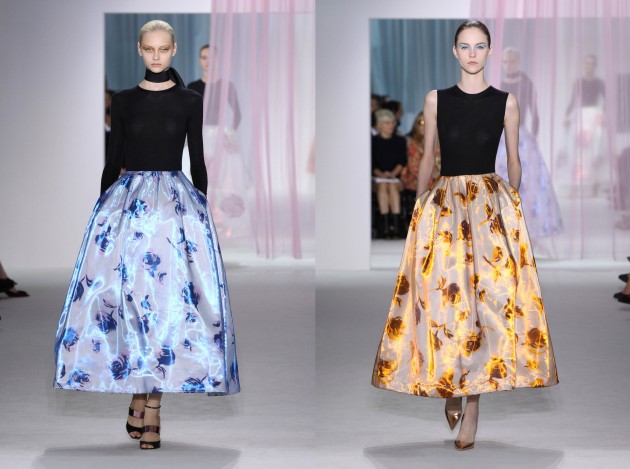
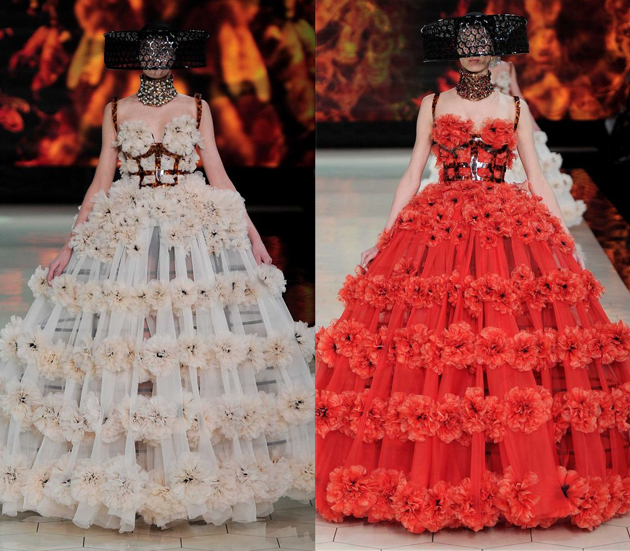
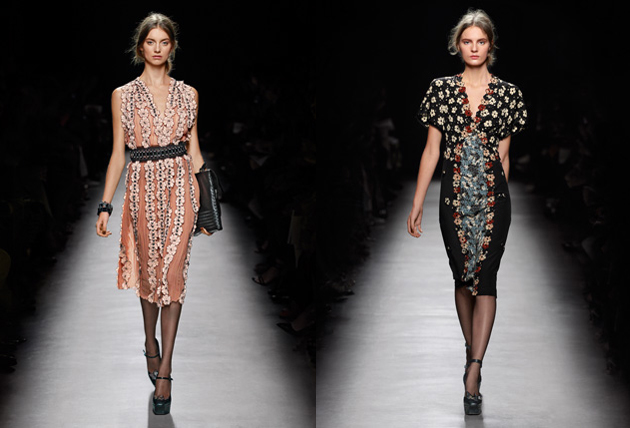
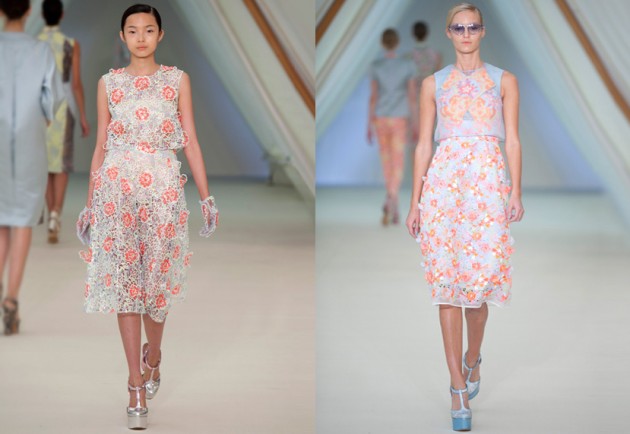
Each spring season there are at least two things to be expected on the runway. Pastels and floral print seem to be two components essential for the time of the year. In the spring of 2013 nature’s influence in fashion and style are still immense.

At Alexander McQueen for example the crossfire of bees and floral came together in dramatic creations reminding of the theatrical fashion of the 16th century. Big dramatic gowns with a peek-a-boo crinoline and big floral appliqués in sheer fabric were spotted. At Bottega Veneta a flirtation with the fashion of the 1930s and 40s was made by using the silhouettes of these years with just a few tweaks here and there to update them to the 2013. Appliqués of flowers were however used in a smaller scale making the impression less theatrical but still elegant, a mindset of less is more was implied, still letting the print make a statement. Erdem’s appliqué can be said to be an excellent example of letting the two elements of spring melt together, light pastel colors and floral prints were presented in a simplistic and classical silhouette making it accessible for any fashionista to mold into her own.


Raf Simons for Christian Dior brought forward the thought of what the floral print might look like in the future. Presenting almost luminescent fabrics, the diverse colored flowers were literally highlighted becoming the focal point of the creation bearing a powerful resemblance in shape to “the new-look” first presented by the founder Christian Dior.

Whether looking back at the era of Queen Elisabeth I or gazing into the future with a new kind of fabric, the flower print is still very much present in the spring of 2013. It can be argued that flowers are the essence of natural beauty and are therefore something transcending time, which might explain the constant comeback each spring season.

Victoria Edman 
07/05/2013

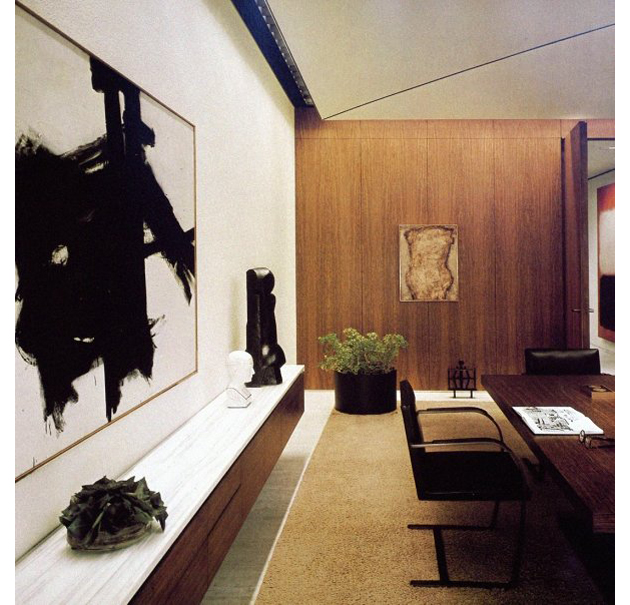
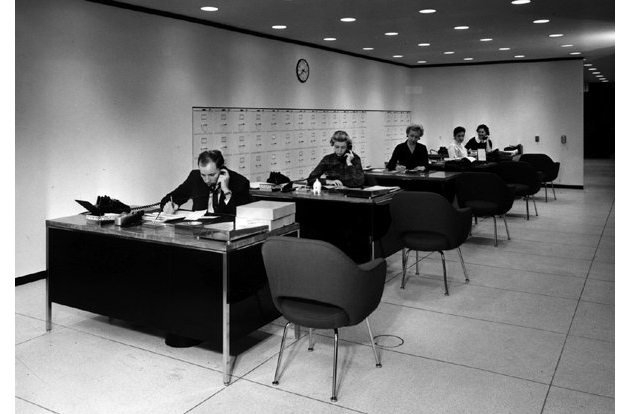
Florence Knoll Bassett’s Modern Design

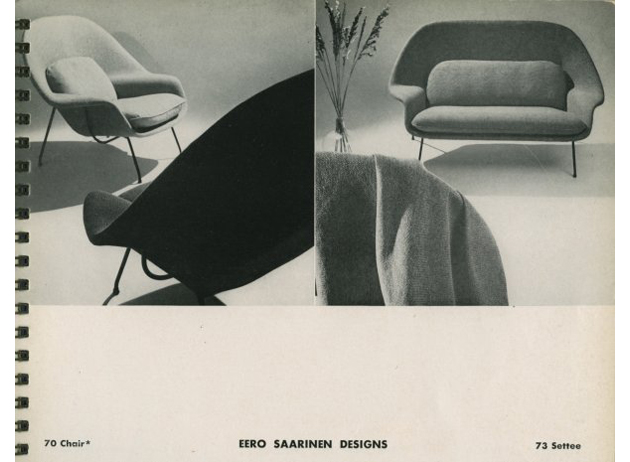
If you think about Modernist designers, there probably won’t be any women among the names that pop in your mind. We might think about Mies van der Rohe, Charles Eames or Eero Saarinen, but, as Alice Rawsthorne stated in a recent article published by the New York Times, history rarely remembers female protagonists of the Bauhaus or designers like Eileen Gray, Charlotte Perriand or Florence Knoll Bassett.


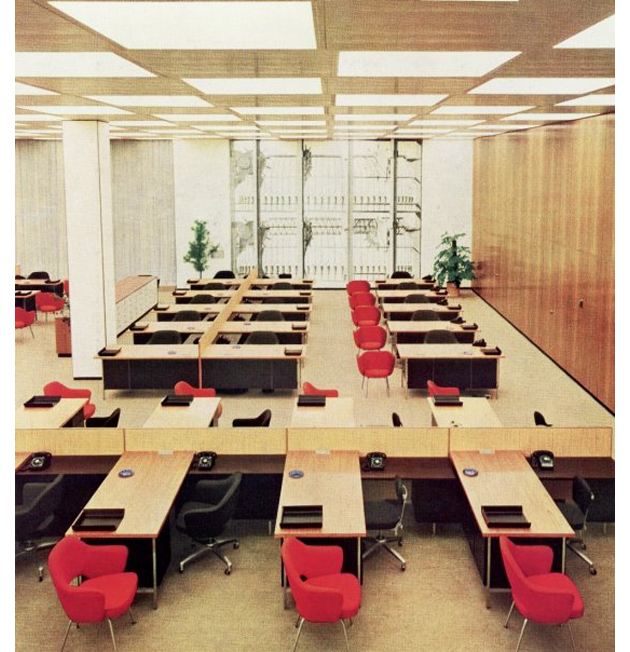
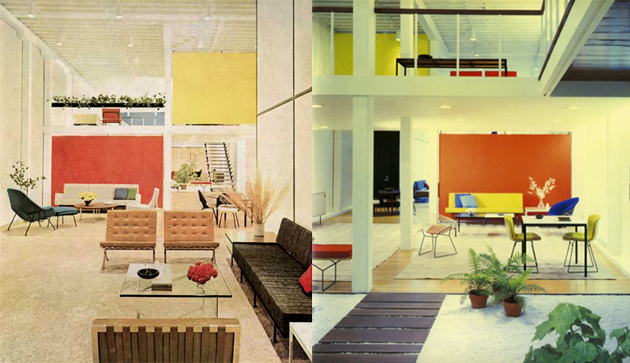
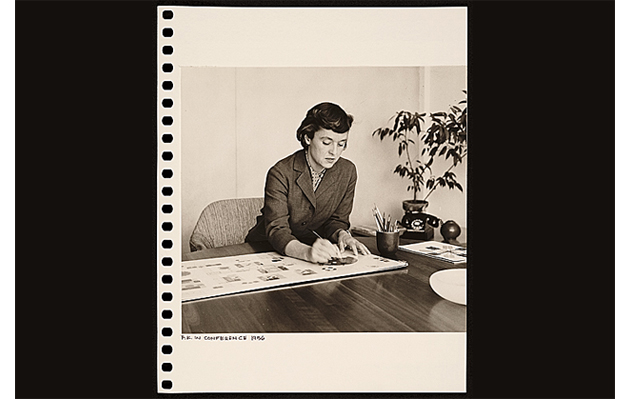
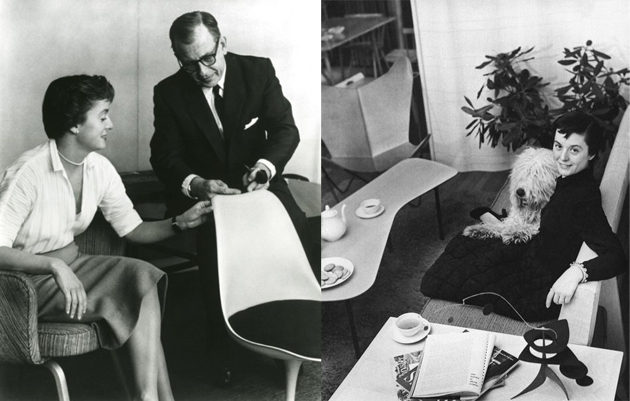
The latter, who in less than a month will be turning 96, has silently influenced both the company that carries her name as well as what we regard as modern office design. Florence Knoll Bassett was born on the 24th of May 1917 and has studied to become an architect under Mies van der Rohe and Eliel Saarinen, two protagonist of Modernist design whom she would later refer to as her masters. In 1943 she met Hans Knoll, who would become her husband, and started working at his furniture company creating the Knoll Planning Unit, a sort of in-house design office that would develop specific projects for a long list of international clients.


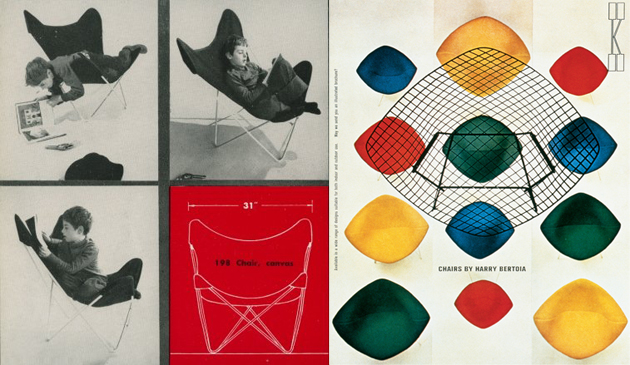
Even though her work is highly influential for the contemporary design of the office space (where we pass much of our time every single day), she stated “I never considered myself a furniture designer, and still don’t. I designed furniture because it was needed for a specific plan. It was really people like Saarinen and Bertoia who created very sculptural pieces. Mine were architectural”. In fact, it was she who convinced a long list of Modernist designers to work with Knoll, like Mies van der Rohe, who surrendered after her promise that his furniture would never be produced in outrageous colours or materials.

Even though Florence Knoll Bassett left the professional design sphere in 1965, her approach to design as a practice still remains highly significant of a particular historical climate and should be reconsidered in the complex contemporary corporate design work. In fact, speaking about her work, Mrs. Knoll Bassett says: “I was fortunate to have good clients. The success of a good project depends upon the compatibility of client and designer”. Nevertheless, if you look back at her career you understand that it would have never happened without her dedication, profound knowledge and wit.


Rujana Rebernjak 
06/05/2013

Agota Lukytė: When a Phantasy Object Enters Reality

There is something terrible about the reality, and I don’t know what, nobody tells me.


Agota Lukytė 
05/05/2013

Sunday Breakfast by Love For Breakfast

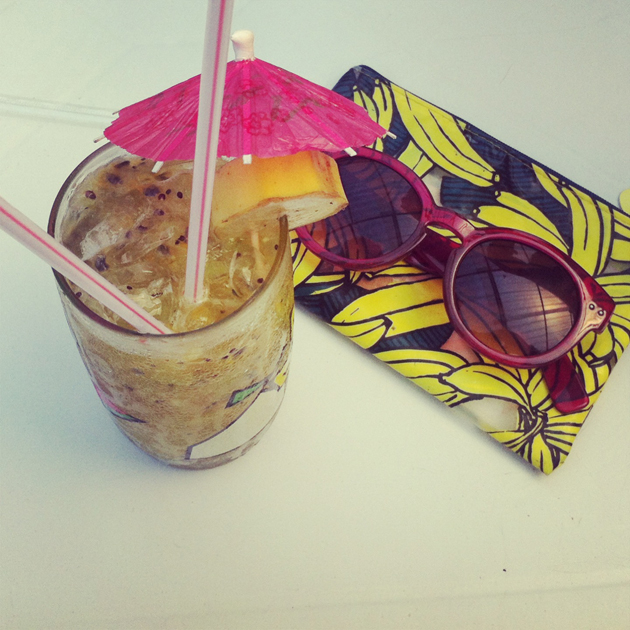
Sunglasses and a fresh passion fruit juice: essentials for an easy and happy moment.

Alessia Bossi from Love For Breakfast 
03/05/2013

Hyères Festival 2013

The International Festival of Fashion and Photography, that takes place every year in the South of France, precisely located in the city of Noailles, has just ended, after presenting us some of the most talented and fresh fashion designers and photographers around the globe.

The Hyères Festival caught up its 28th edition and claims successful personalities as past participants, like Viktor & Rolf, Romain Kremer, Anthony Vaccarello and noted names from fashion universe who joined the festival as members of the jury such as Martin Margiela, Dries Van Noten, Raf Simons and Felipe Oliviera Baptista, the the 2002 edition winner and this year’s president.

Only ten young fashion photographers and designers have had the opportunity to show their work to the public, having been carefully selected during last February among 1000 submissions. The aim of the festival, invented by Jean-Pierre Blanc, is to support young talents giving them the much needed space and logistical sustain at the beginning of their career. After four days of festival, Villa Noailles – a 1920 cubist villa, built by Mallet Stevens for viscount Charles de Noailles and his wife Marie-Laure Bischoffsheim – hosts several exhibitions that show a combination of art, photography and fashion through the eye of different artists.


As a part of this year’s exhibit there will be Novembre, a bi-annual Swiss magazine; Pierre Debusschere, the online artistic director of Raf Simons and visual artist who works both as a photographer and a video-maker; A screen to the brain, a series of fragments that a viewer does not normally see in fashion, created by Felipe Oliviera Baptista; Rough Roof, a look at the earliest work of Guy Bourdin; Jean-François Lepage, a photographer and a painter, and many others.

During each edition few photographers, among with the previous year’s finalists, are chosen for taking a series of photos based on one of the two themes given, one focusing on the creations of the designers in the competition, and the other on the city of Hyères or a carte blanche.


The exhibition will be open till Sunday May 27, every day except Monday and Tuesday and the admission is free.

Francesca Crippa 
03/05/2013

Northern Character

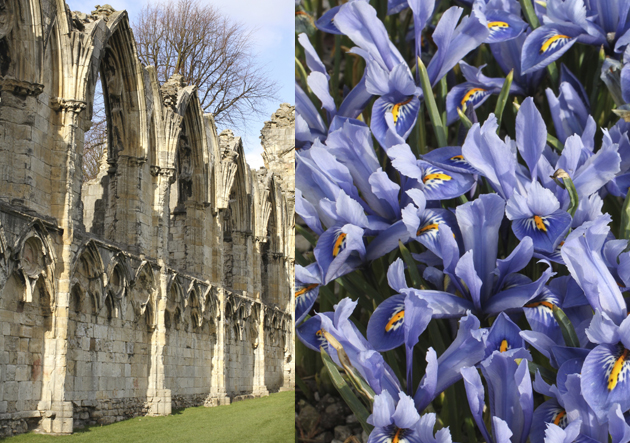
A historical jumble, York mixes Georgian homes with Medieval wonders and Victorian train stations. In the shadow of an ancient castle you’ll find the chicest restaurant and a stone’s throw from a debtors prison turned museum is the most adorable, 60’s-focused vintage store around. There are ghost-harbouring snickleways and cobbles that hail from the days when York bore the name Eboracam, and Romans roamed the streets. It’s the birthplace of Judi Dench and Rowntree’s and boasts a teahouse with a rather mysterious name.

Yet York’s most beguiling feature is its rather northern character. Beautiful and thoroughly British, York is also, quite possible, one of the friendliest cities around. After all, Yorkshire is where you head for eye contact, smiles and to be called ‘pet’, ‘duck’, or ‘love’ by absolutely everybody.


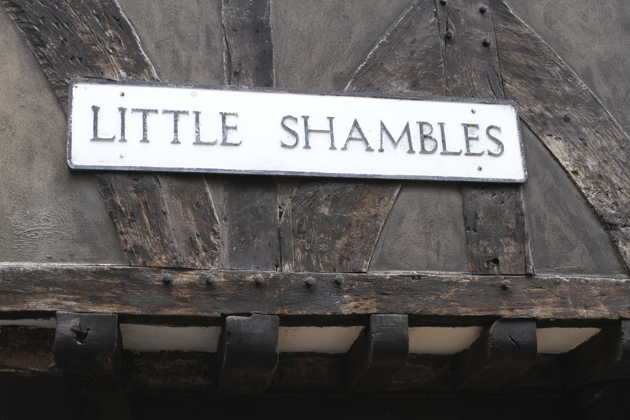
While lost wandering York’s ancient walls a friendly local spotted my camera, picked me for a tourist and began to impart her local knowledge. I learnt that ‘The Shambles’ is the oldest shopping street in Europe and warranted a mention in the Domesday Book of 1086, York has been officially labeled the most haunted city in Europe and that the city has the only Japanese Bullet train outside Japan. Coming from London, where talking on the tube is somewhat unusual, chatting with a knowledgable stranger felt enjoyable.

In my B&B, the quaintly delightful Bloomsbury Guesthouse, which has rooms named after local flowers, I learnt about all the historical gems leading into town (such as Guy Fawkes’ school), was given tea aplenty and got lost in conversation with almost every other guest I encountered.


Friendliness also reigns supreme of the food front. Pig and Pastry, a packed café/restaurant/bakery, is designed for conversation with large communal tables and no Wi-Fi. It’s about enjoying food and company rather than checking emails. At J Baker’s Bistro Moderne you quickly learn that most of the customers are locals who visit on a weekly basis. Chef Jeff Baker also displays the menus of restaurants he admires. Who needs to be competitive anyway! Similarly, at Lime House Restaurant, chatty staff and a quaint interior give the dishes extra flavor. For whimsy and old-world elegance there’s Betty’s. Here you can dine on delicate tea and fat-rascals (a cross between rock cakes and scones) while pondering just who ‘Betty’ actually was. One of the original British coffee house, conversation and charm flows here as easily as it did in more refined days gone by.

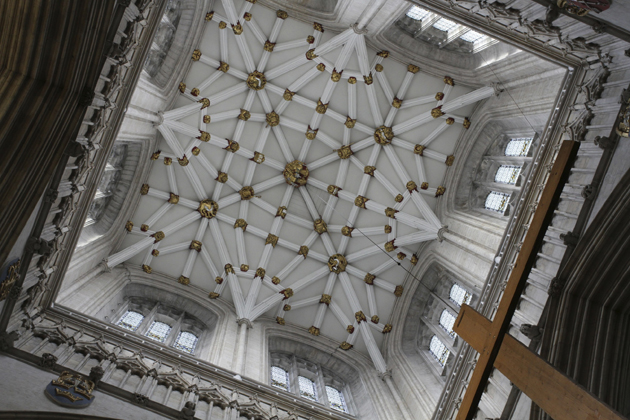
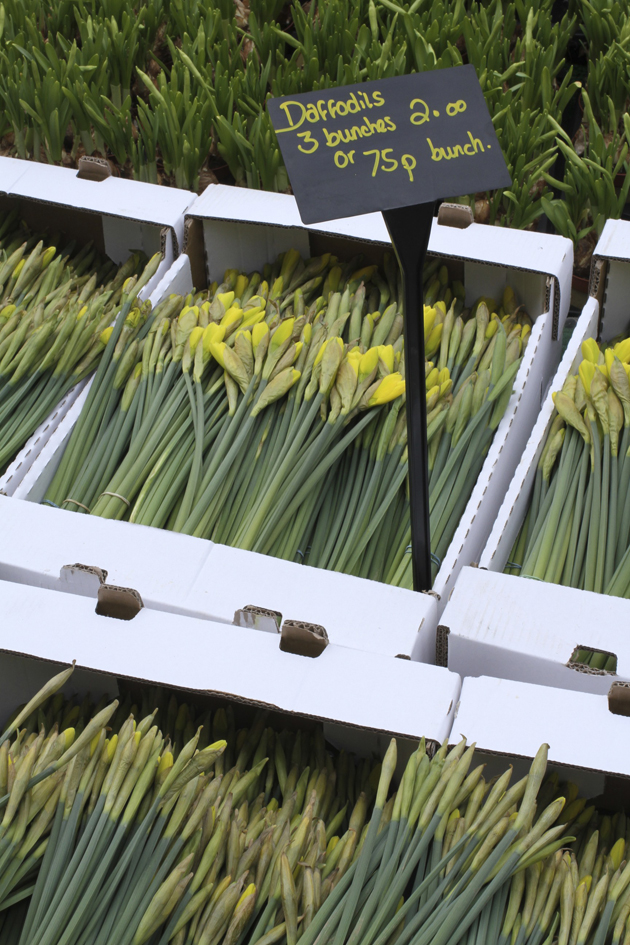
Polished, elegant and utterly magical, few things are as moving as evensong in York Minster or a wander through York’s gardens as Spring takes hold. Go to York for the architecture, food and history but stay for its character.


Liz Schaffer