03/07/2013

De Keersmaeker & Charmatz: Partita 2 / Foreign Affairs

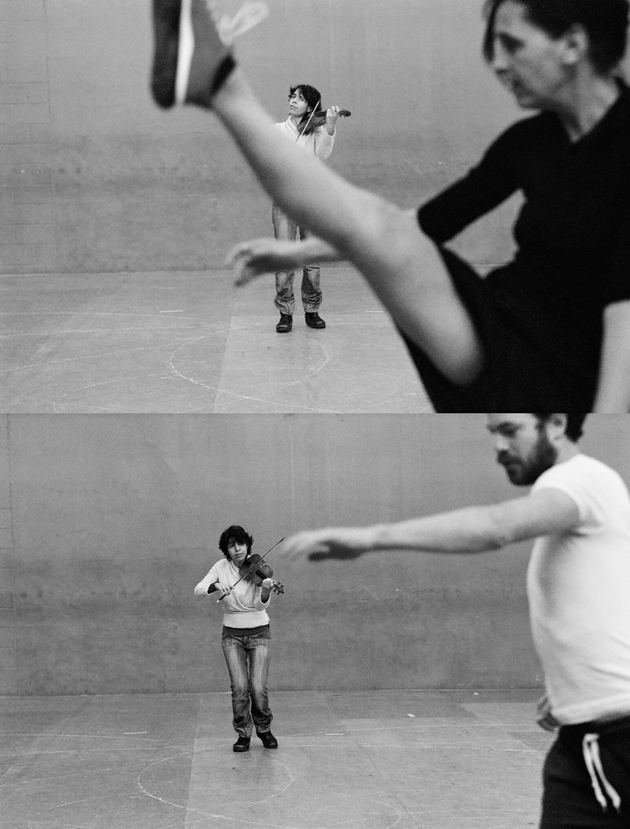
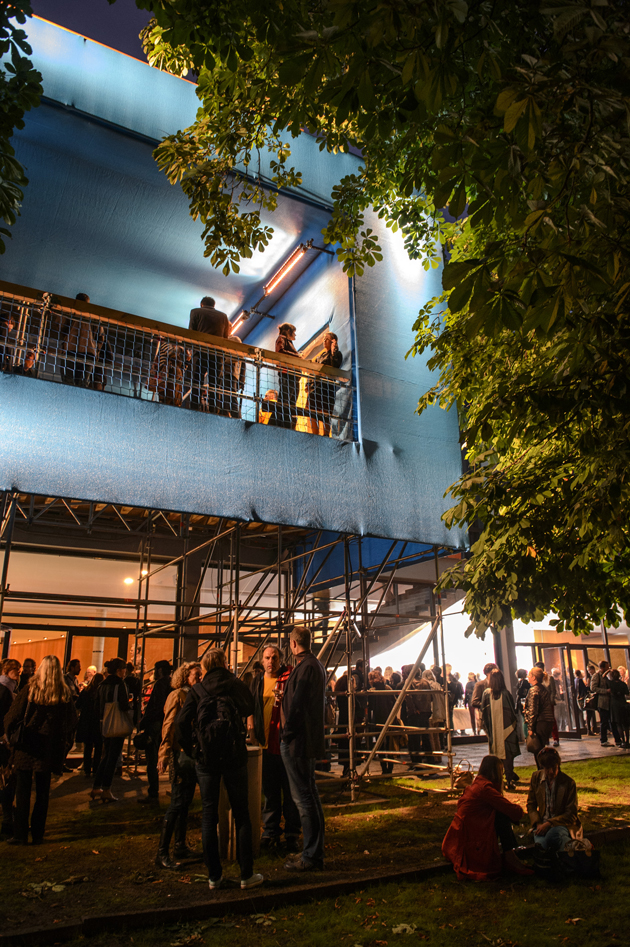
This weekend the second edition of Foreign Affairs, the international festival for theatre and performing arts, kicked off at Haus der Berliner Festspiele in Berlin. Prior to the big opening party on stage in the beautifully light-flooded theatre building by Fritz Bornemann, Partita 2, a dance performance by Anne Teresa de Keersmaeker and Boris Charmatz turned out to be one of the highlights of the opening weekend, competing with other big names such as William Forsythe and Nature Theater of Oklahoma.

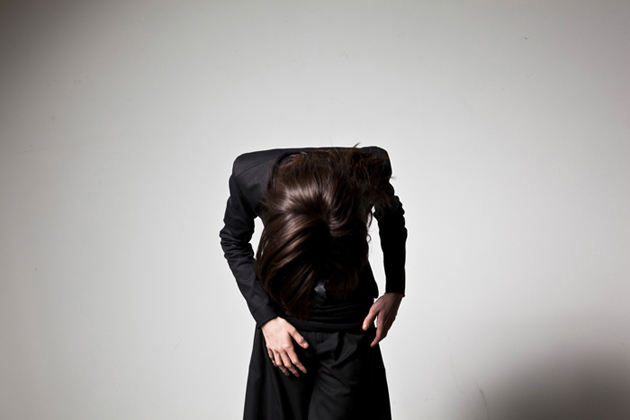
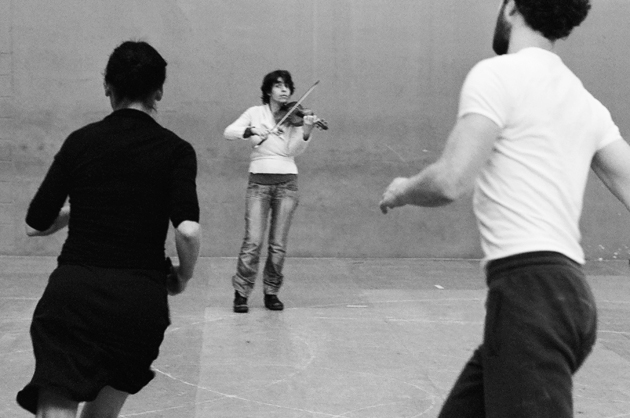
De Keersmaeker, the Belgian choreographer who founded ROSAS and has inspired a whole generation of dancers since her debut with the 1982 production Fase, four movements to the music of Steve Reich, is still considered one of the most influential contemporary dance makers. In “Partita 2”, she meets Boris Charmatz from a younger generation of dancers who work between dance and choreography, visual arts and literature, in a duet to Bach’s well-known Partita Nr. 2 performed live on stage by the leading Belgian violinist Amandine Beyer, surrounded by a minimal set design by artist Michel François (whom The Blogazine wrote about here).

Before any of the dancers enters the stage, Beyer plays the score for 15 minutes in total darkness, a powerful introduction that sharps the senses before the dancers enter the naked stage. Running, jumping, skipping and turning, their dance is playful, spontaneous and improvisational yet strictly structured – a follow-the-leader of everyday movements. After an hour and 15 minutes of a three-way constellation of music, movement and space, the ray of light that has been accompanying the dancers in a slowly moving roundabout over the stage, finally flicks and sharply moves across the stage. A small stroke of set design genius by François, to finish off a beautiful and interesting piece.

Partita 2 was performed from 27th to 29th June as part of Foreign Affairs, which is running from 27th June to 14th July in several venues.

Helena Nilsson Strängberg – Image courtesy: Anne Teresa de Keersmaeker & Boris Charmatz: Anne van Aerschot, opening of Foreign Affairs: Piero Chiussi, William Forsythe: Dominik Mentzos. 
03/07/2013

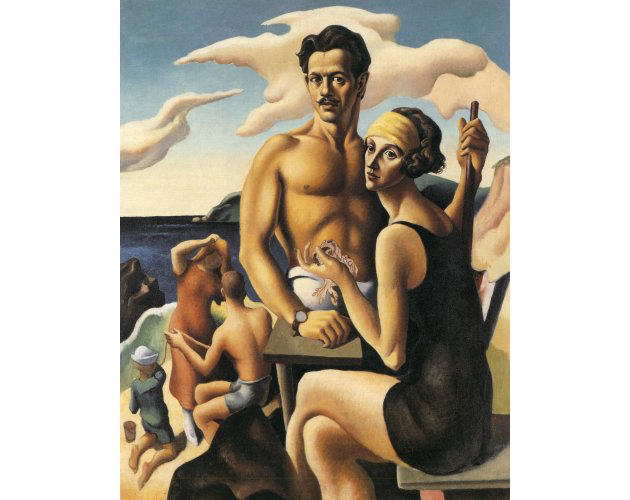
Thomas Hart Benton’s Return to the American Psyche

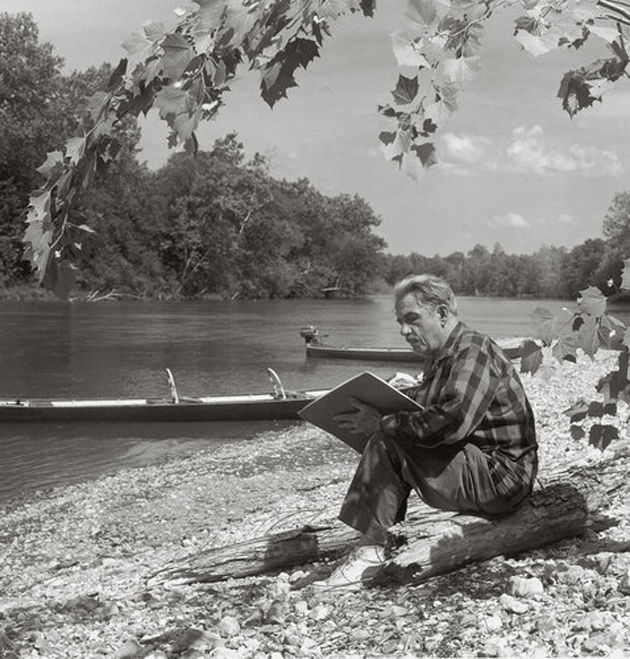
Thomas Hart Benton may have been the hero painter of his time — he was one of the first artists to grace the cover of Time, in 1934 — but he had become a microcosm on the American scene by the time his old student/friend/enemy Jackson Pollack blew up in the late 1940s. His fame was brief, his legacy faint. “The particular audience he painted for is long gone,” went a recent New York Times review. “The one that has replaced it knows nothing about him.”

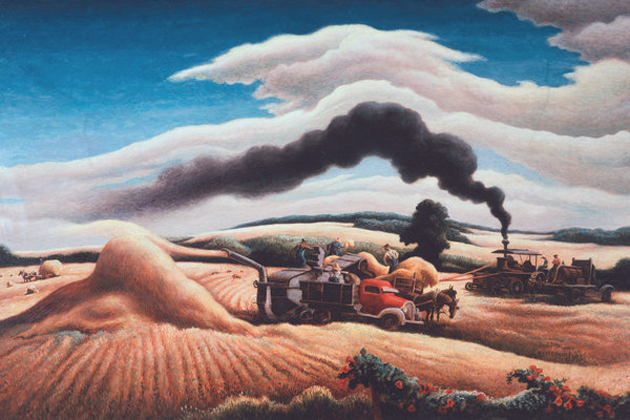
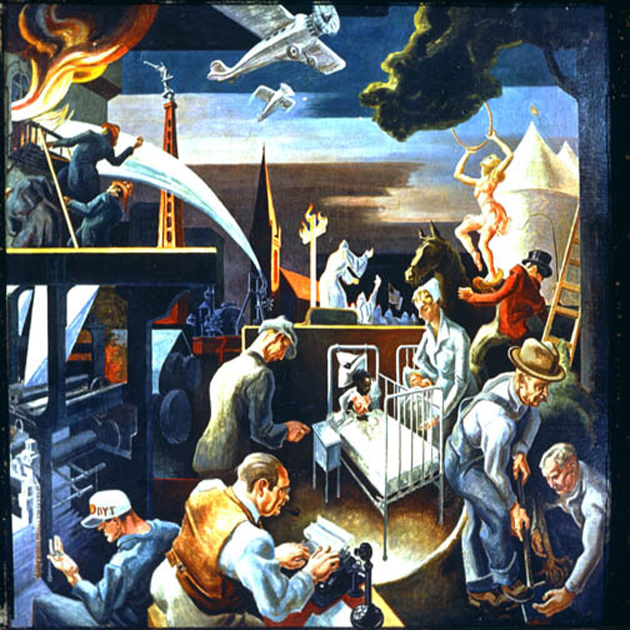
Part of Benton’s dilemma was his stubborn commitment to American workers and everyday American life, a scene that forever links him to the Great Depression. His best-known work comes from the era, most notably America Today, a nine-wall mural conceived in 1931 that has just been bought by the Met. America Today portrays Americans across the continent doing ordinary things: riding subways, going to the movies, dancing, pounding iron, working the field. The fact that it so distinctly defines American life in the 30s is likely why Benton remains tied to it.


Benton was a product of the dustbowl: his favorite drink was whiskey, his place rural Missouri. He reflected the culture in that he was often blunt, hardworking, outspoken and stubborn. He was an outsider who preferred saloons and rotary clubs to salons and art galleries. He hated critics, which may be one reason he’s been out of view for so long. The Met’s acquisition of America Today — as well as a long-overdue biography by Justin Wolff — will no doubt stir interest in those who have never had the chance to hear about him.


Lane Koivu 
02/07/2013

Visiting Franco Albini

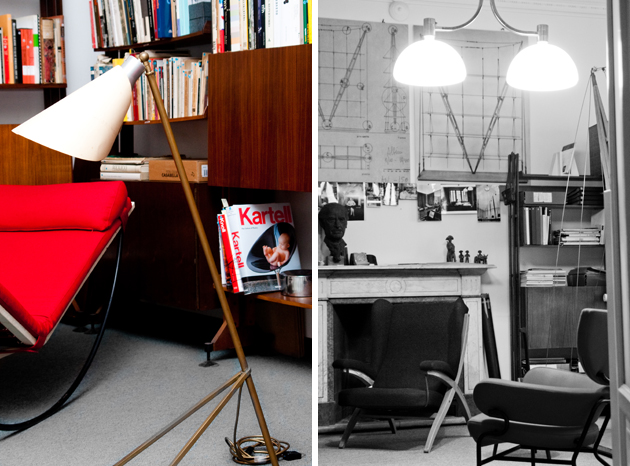
The building stands in the district called centro storico, the old center of Milan. As we arrive on spot ten minutes before the appointment, we still have some time to appreciate the surrounding buildings from the last century. Ringing the bell with the name Albini on it, a female voice tells us to continue to the corridor, straight, until the door with the big windows and then take right. In this exact place, since 1970, Franco Albini, one of the most important architects and designers of Italian rationalism had established his studio.

The studio is kept as it used to be, and now since few months it has been open for the public audience to experience the atmosphere and learn about the working methods used by this brilliant architect. We are kindly welcomed by his son Marco Albini and granddaughter Paola Albini, who are guiding the visit themselves. While introducing the ideas and the historical facts, their talk imperceptibly melts with their personal stories, creating a warm atmosphere.

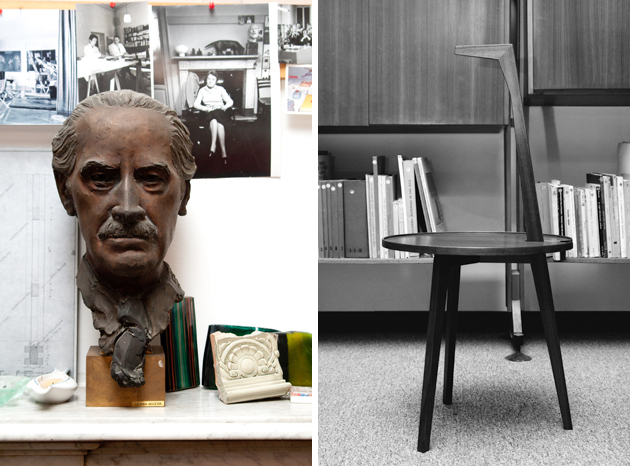
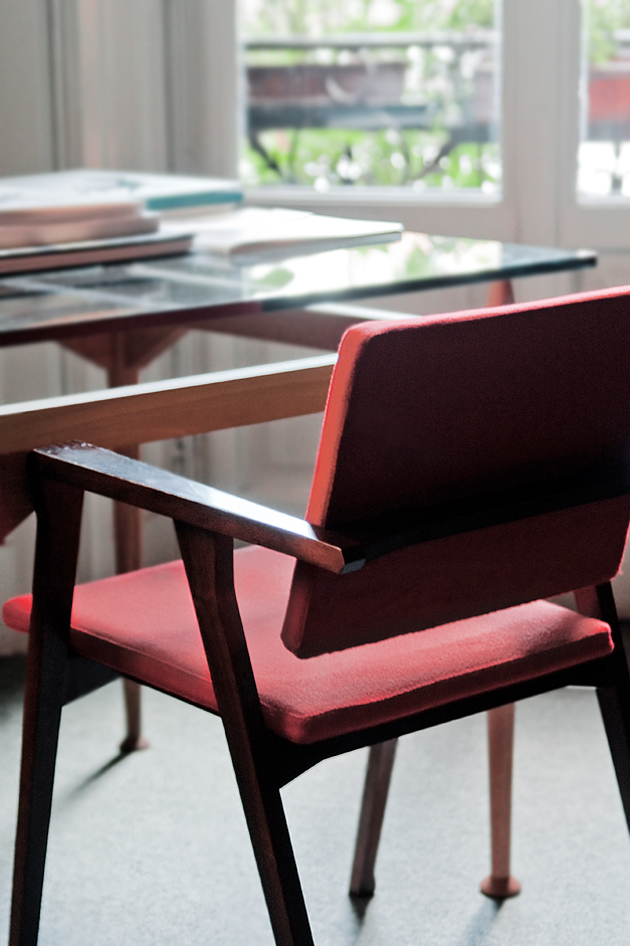
Trying to better understand each piece of design or architecture, it’s inevitable to discover the creative process as well. Especially in the work of Albini, who continued to improve his design objects according to the needs in the context of their times: the very idea of rationalism itself. For example, if a coffee table or a lamp can stand on three legs, why put a fourth one? “To question each little detail”, tells the architect’s son Marco Albini, “was my father’s working method – a belief that the good result is achieved only after a long and patient work.”

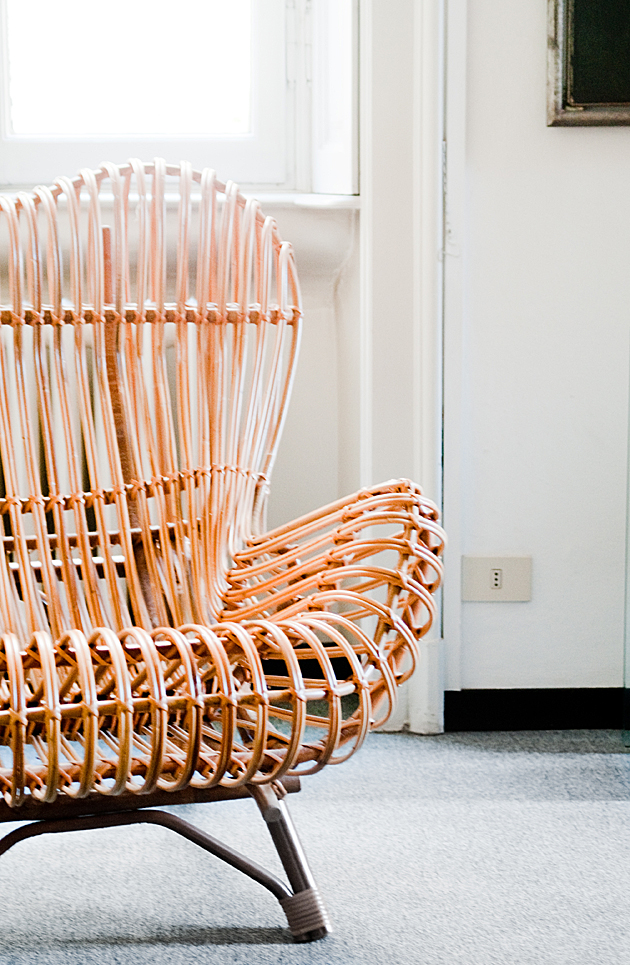
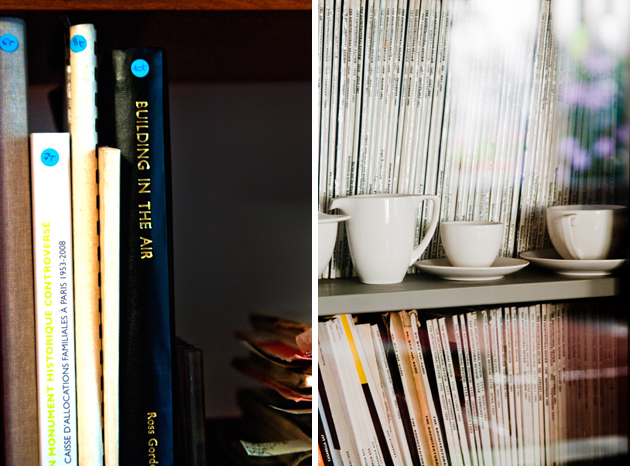
After exiting the place we feel like leaving behind a space where all the furniture, objects, tables and chairs are almost like levitating. One of the main approach of the work of Franco Albini was indeed to give every piece as much lightness as possible, leaving only the essential, the soul of each object. A good example is a famous bookshelf created for his home, in which he lets the books to almost float in the air and become more important than the design object itself.

Fondazione Franco Albini is open on weekdays, by appointment.

Agota Lukytė 
02/07/2013

What’s For Breakfast?

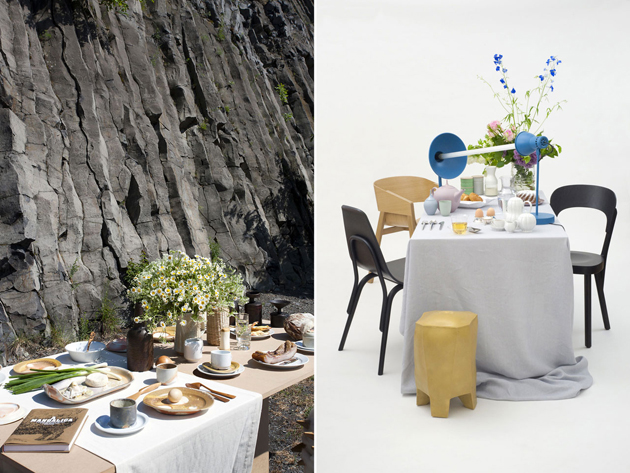
Design has the incredible ability to inquire nearly any aspect of human life. From communications to transportation, from health to sports, from housing to everyday life and its habits. Yet, when it is shown to the public in museums and galleries it somehow remains abstract and disconnected from its daily functions. A show on display in Tbilisi, Georgia, eloquently integrates design and its material artefacts in a broader narrative about our everyday life, our national identities and the symbolic meaning each object carries.


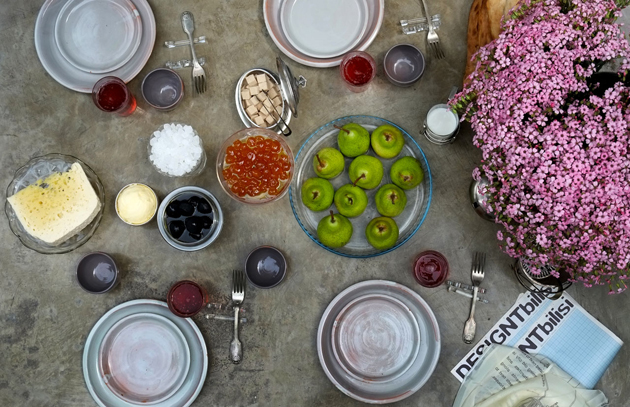
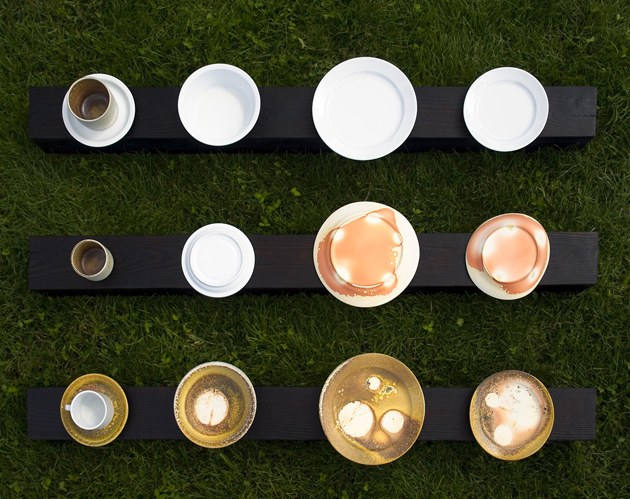
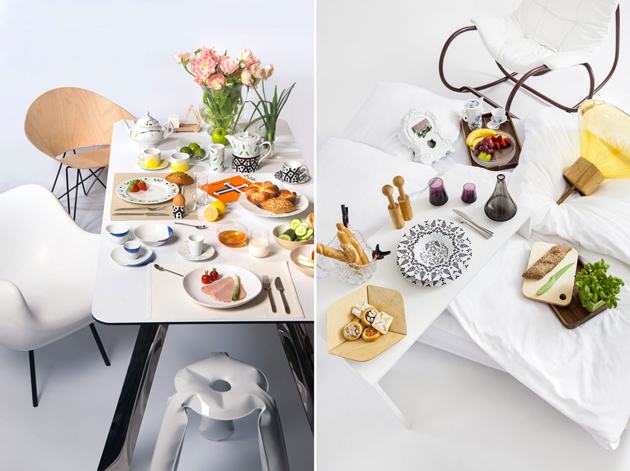
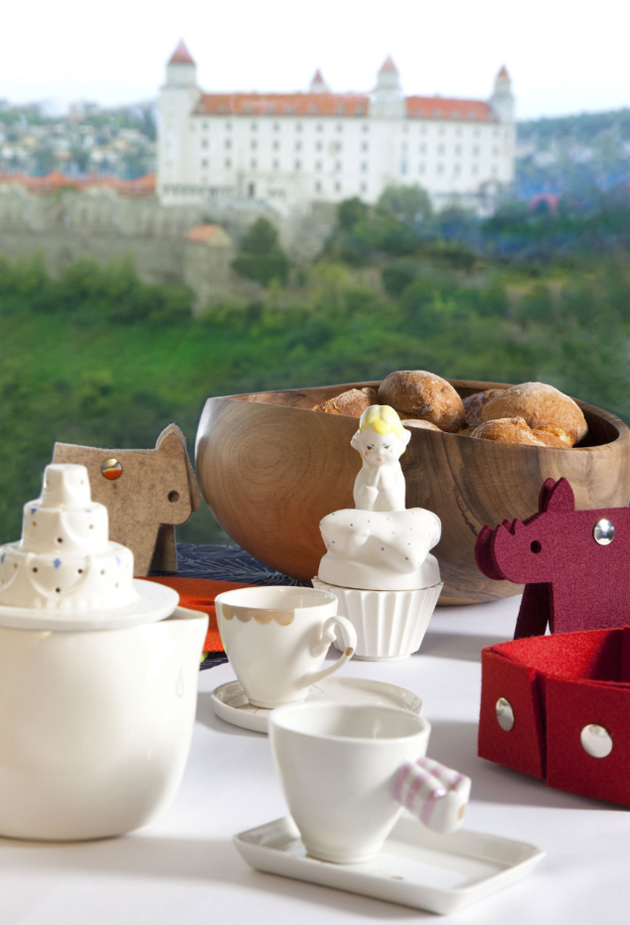
Titled “What’s for breakfast?”, this show intends to inquire into eastern-European habits and way of life through the lens of design. The idea that guided the creation of this exhibition was to create a global discussion about the ways of life in different countries by merging design objects with their precise function. Hence, the question that forms the title has also guided the creation of different settings: each table represents a country through a meticulous display of its morning habits. “What’s for breakfast?”, presents a starting point from which the representatives of each country involved (namely Austria, Czech Republic, Slovakia, Poland, Hungary and Georgia), responded with a selection of objects, materials, settings, dishes and, ultimately, habits, that subtly speak about their national identities, qualities, affinities and preferences.


From the severe Austrian breakfast to the open Georgian feast, each table not only pinpoints the different customs, but also demonstrates how design can effectively penetrate each aspect of our lives, form the most simple and trivial ones, like a breakfast, to complex and articulate issues of national identity and shared culture.

Curated by Anna Pietrzyk-Simone, Kasia Jeżowska, and Miśka Miller-Lovegrove, “What’s for breakfast?” is on display until the 3rd of July at Writers’ House of Georgia in Tbilisi, Georgia.

Rujana Rebernjak 
01/07/2013

Don’t Worry, Let Your Imagination Run Wild

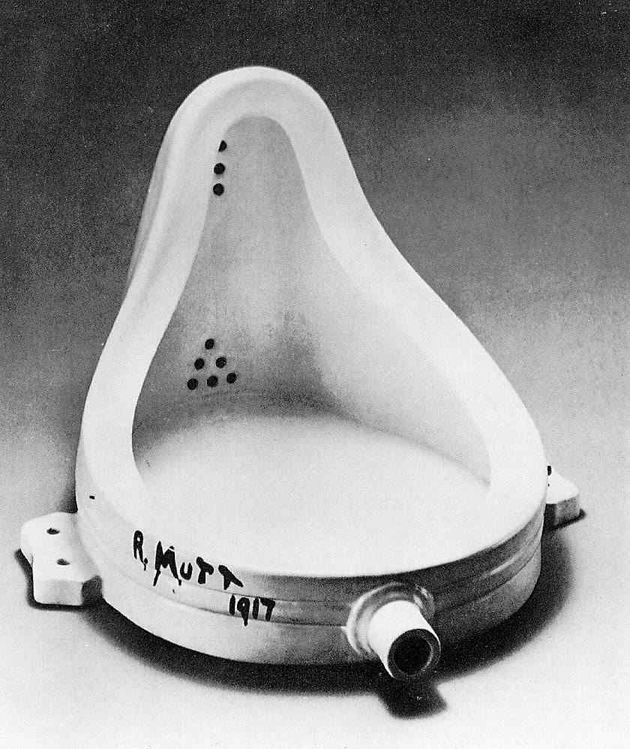
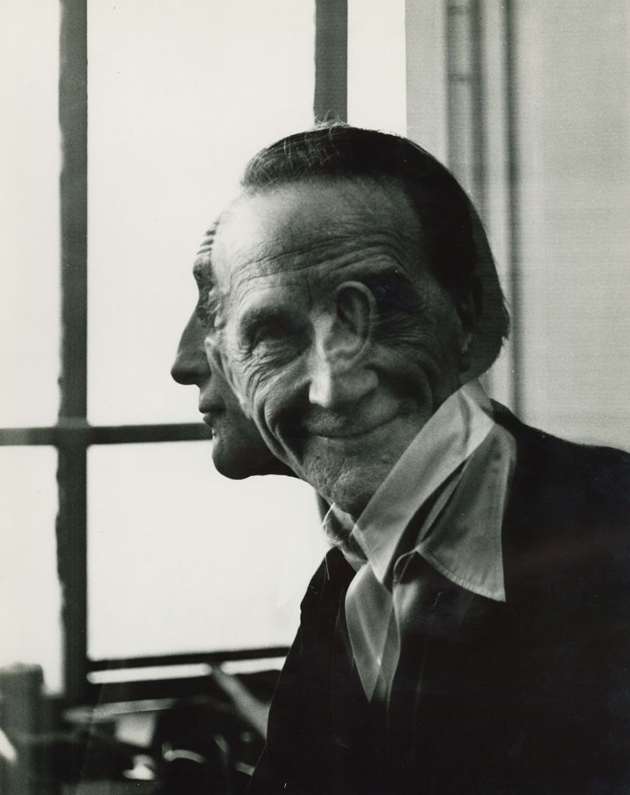
You may think you already know everything about the emblematic work entitled Fountain by the versatile genius Marcel Duchamp (Blainville-Crevon, 1887 – Neuilly-sur-Seine, 1968), who is considered to be one of the most important artists of the 20th century. Many of you may have studied the artistic path of this extraordinary painter, sculptor, writer and chess player, whose works had and still have an extraordinary impact on the art world. But our play of the weekend was to try to distance ourselves from the common knowledge, listening what a group of neophytes would say about this controversial work. Our “guinea pigs” were children from 3 to 5 years old, but they could as well be 90 to 100, because it’s never too soon, or too late to enjoy art.

Alessia: “Duchamp was a joker, maybe he produces washbowls because he wasn’t able to draw.”

Emma Giulia: “I think this work is for males only. Males always design males’ things.”

Alice: “What’s this big bowl for? Does it serve to wash feet? Is the tube in the front supposed to be connected to anything?”

Tommaso: “No, it isn’t Alice. This is a potty-chair for grown children. It must be comfortable. You can look around while pissing.”

Rodrigo: “Is Mr. Mutt R the name of the owner of this artwork? Yes, because it is an artwork right? It doesn’t seem to me, but it looks like a thing that is worth collecting and keeping at home. I’ve seen so many strange things, that if Mr. Mutt wants to treasure it, I agree.”

Lorenzo: “It is a musical instrument, a strange hydro… How do you say it? Hydrophone? (Ed. Note) Yes, that one. When the drops fall down one after the other they make a concert.”

Emma: “To my mind, it looks like a cradle for a small dog, which rolls into a ball and dreams about a flying meatball.”

Matteo: “I think that it’s a strange armchair. My grandma would say “one invents basically everything”. Anyway, I like it! There is the artist’s signature too. Is he famous?”

Giovanni: ”Sometimes artists are funny! Guys, this is a mini toilet bowl, how can it be considered as an artwork? Our teacher says that we should go beyond and use imagination, so I’m trying to understand how we can turn a toilet bowl into an artwork. I need to think about it, It’s not so easy. I’ll let you know my point tomorrow, ok?”

Michelangelo: “I think that it’s something to produce an echo, like a machine to produce words through the tube”.

Margherita: “I don’t like this work, it looks like a cradle, but it’s white, maybe I would paint it.”

Federico: “How can you pee into an artwork? For sure someone would yell at you!”

Monica Lombardi – Many thanks to Emanuela Torri for her precious support 
30/06/2013

Sunday Breakfast by Love For Breakfast

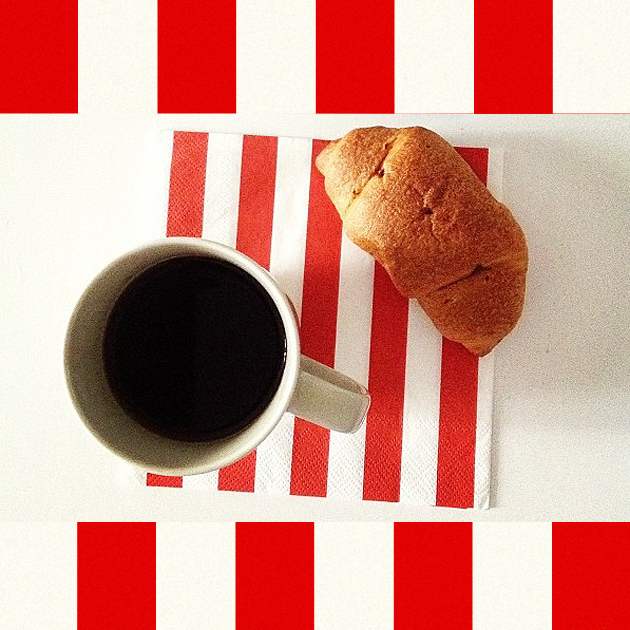
The simplicity of a casual classic Sunday breakfast, that looks like a Monday one.

Alessia Bossi from Love For Breakfast 
28/06/2013

Mecca for Modern Art

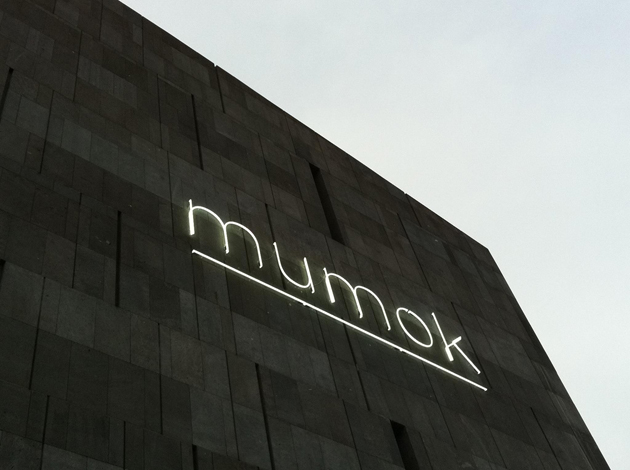
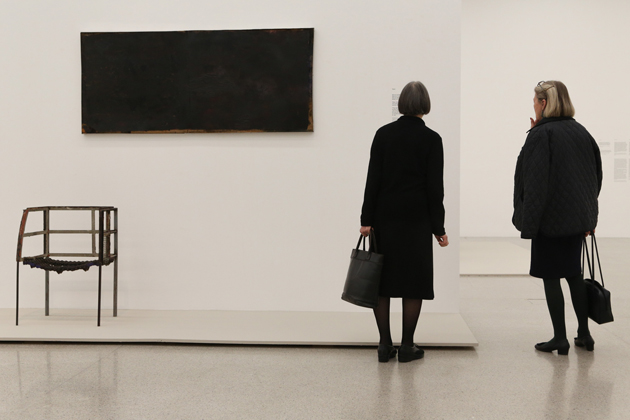
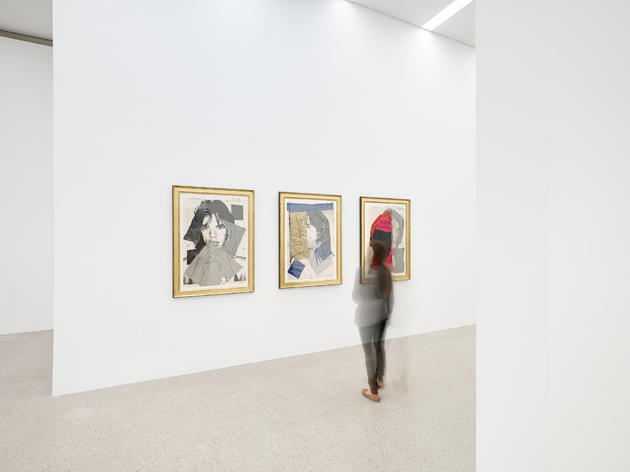
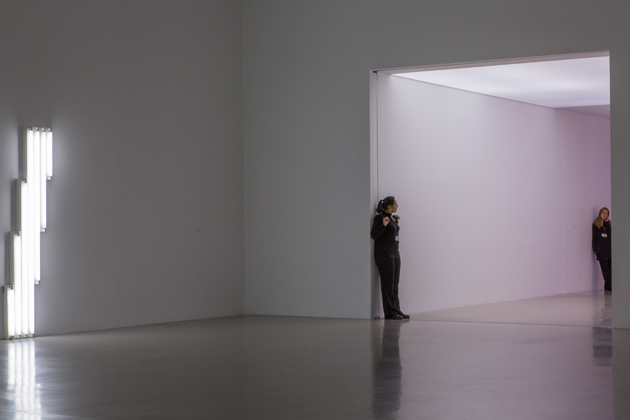
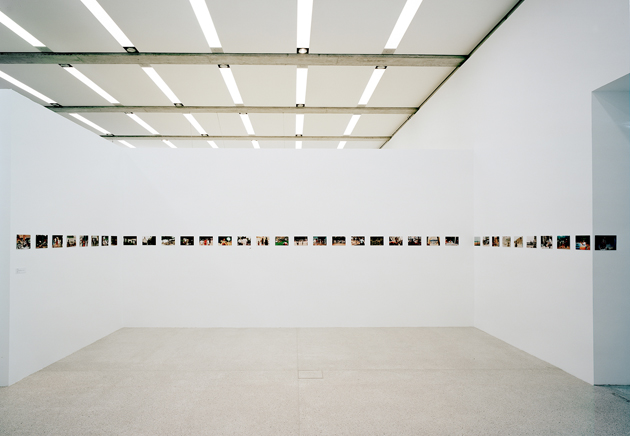
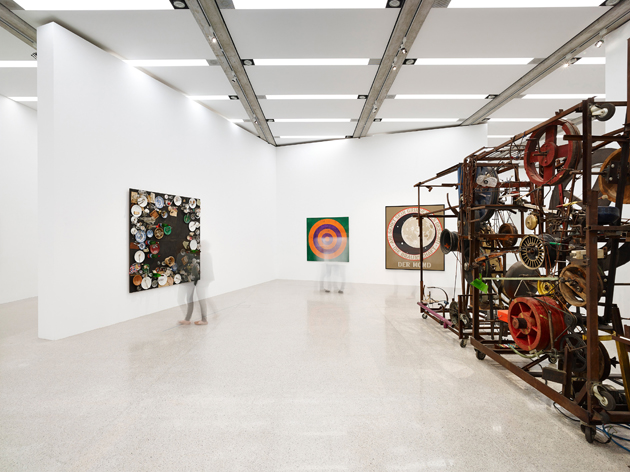
Gazing upon the building of Mumok, the Museum of Modern Art of Vienna, you have the impression of staring at a futuristic prison: a grey monolith with splits as windows, covered of molten rock, erected with cement, glass and marble. Once inside the main hall you’ll discover that there’s no lack of light, even if it is largely just a matter of an optical illusion due to the big, pure white walls. An elevator made of iron and glass, fast and silent, moves from three underground levels to two aboveground ones. Noise, here, doesn’t exists, if you exclude museum staff’s whispering words saying you can’t use flash when taking photos, or some child’s ride on the gangplanks that conduct from the elevators to the exhibition rooms. In Mumok reigns an almost sacred silence. Modern art, maybe more than classic art, requests concentration and introspection. Even devotion. Coming here is like setting your foot on a modern church, with portraits of Mick Jagger instead of saints and white walls instead of tapestries and paintings.


Walking through the wide, squared chambers of the museum you may feel in awe. Like when you find just in front of you the colorful, above mentioned portrait by Andy Warhol. Not far, you can find a bronze casting with human aspect: The Grande Femme Debout III by Alberto Giacometti. You can pass from one ambiance to another in such a fluid way, that it seems almost like walking without moving your feet. You stop, inevitably, when you find yourself in front of La voix du Sang, the beautiful, enigmatic painting by René Magritte. Staring at it, you could ask yourself: “what are a house and a sphere doing in the log of a tree?” Query to which nobody can answer. “What did the master want to represent with it?” Asking for the meaning of Picasso‘s women, of disquieting Man in Blue IV by Bacon, of Hahns Abendmahl by Daniel Spoerri, a table set up attached to the wall, is the job and the privilege for only a few. Tourists reason with the gut feeling. They love, or they stay emotionless.


Surely one gets alarmed, when a weird steampunk movie machine suddenly becomes alive and starts blowing and squeaking. It’s Jean Tinguely‘s Méta Harmonie, a creative expression of Flexus, an artistic movement that represents transition, the existing flow between art and life. Together with Viennese actionism and Nouveau Réalisme, avantguard movements that use objects taken from everyday human life for creating masterpieces, Flexus is the artistic current that, more than others, gives the imprint to this museum. Visit it, if you are in Vienna and you have a half day free. Entering the monolith covered by lava is an experience you will love to tell forward.


Antonio Leggieri – Image courtesy Mumok and Lorenz Seider 
27/06/2013

4 Questions To – Anton Grahnström

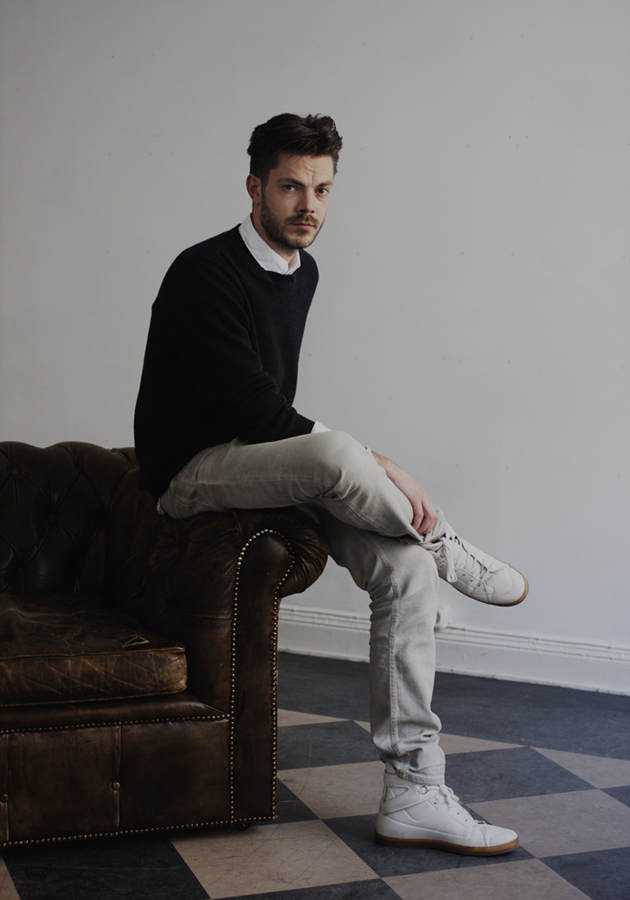
Talking to creative and art directors from different parts of the world, The Blogazine took a moment to speak with Anton Grahnström, one of the founding partners of the Stockholm-based studio Unestablished. Before settling down in Sweden, Anton worked with some of London’s finest studios and his list of clients carries more than a few high-profile names. For The Blogazine, Anton Grahnström talks about not wanting to feel established, the importance of working with inspiring people and the ups and downs of being located in a city like Stockholm.
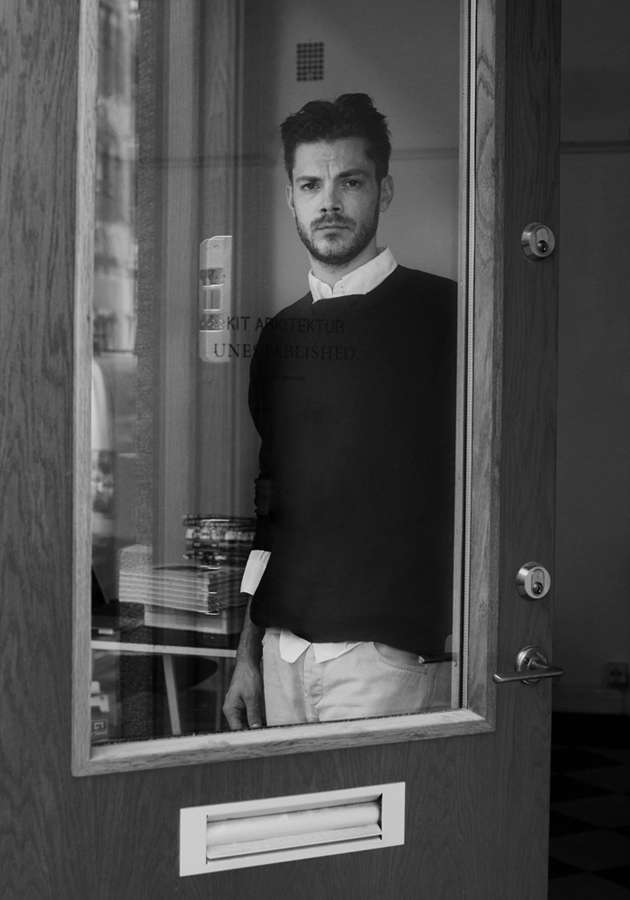
London to Stockholm, Burberry to Absolut Vodka, fashion to books to exhibitions to being a lecturer at Beckmans – your resumé has some width, to say the least. What type of projects do you enjoy the most?
I wouldn’t say that it’s as wide as it may seem. The process and the aesthetics in my projects have tended to be pretty stringent, although they have resulted in different kinds of output for different kinds of brands. For me, it’s usually not the projects themselves – the brand, media or the output – I enjoy the most. It’s the people I work with. Getting to collaborate with inspiring people is at the core of every good project I’ve been involved in. When I started out I think I had a clearer idea of what kind of end result I wanted, but as time went by I discovered that the result turned out to be less important, while the process and the people involved became increasingly interesting. The context, and the exchange between people, is always the core. My work is definitely not about being the lonely artist. It’s more about creating a context where good work can be done. Doing a great shoot, or whatever the actual job is, is such a small part of the challenge. When everything is in place, the result doesn’t seem “good”. It just seems natural.
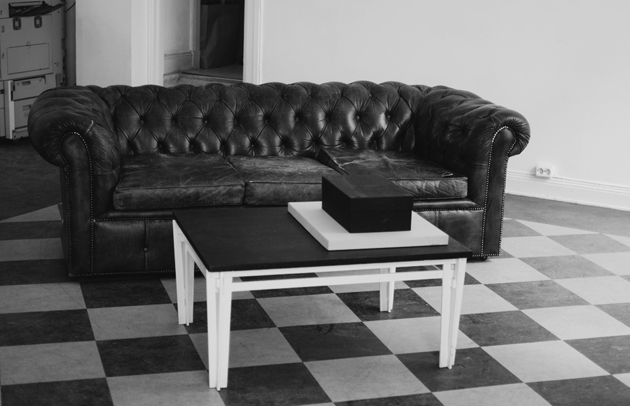
You started Unestablished in 2010 – how has these first three years been? Do you feel established yet?
The name came from an idea of working with very established clients, but doing that from an underdog perspective. There’s a certain kind of energy in that. So in that sense, I don’t think I ever want to feel established. I want to stay with one foot on the outside, moving on to the next thing.

I think successfully starting a company requires you to be at a sort of tipping point – naïve enough to think you always know best, and experienced enough to actually deliver on the projects you take on. I think I was in that place when I started Unestablished. In one sense, I feel like we’ve come a long way in the last three years, and in another way, I feel like things could have moved a lot faster. In my mind, I’m way ahead of where we actually are right now. But when looking at the projects we’ve done in the last three years, I realize that it would have been impossible to do all that in a year and still do good work.
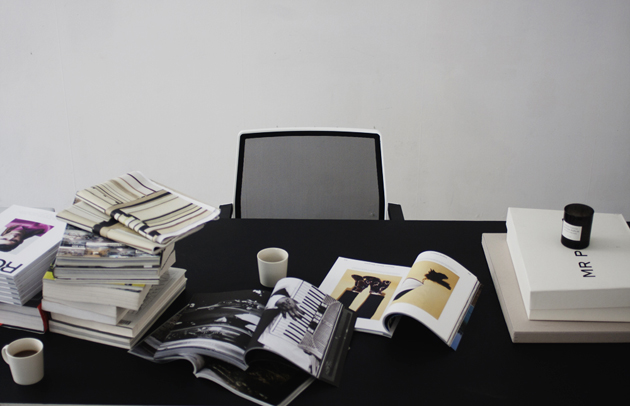
Unestablished is based in Stockholm and you have experience from working with Swedish companies, designers and magazine. How do you look on Swedish fashion and Stockholm’s position in the fashion industry?
Stockholm will always be a small town in northern Europe that nobody really cares about, and that’s a good thing. It turns this place into a play house, where everyone’s open to experiments. If it doesn’t work out, it’s not the end of the world. On the downside, as with all small towns, there’s a streamlining of expressions and ideas. There’s simply not room for as many different influences as there is in a larger city, like London.

Another positive aspect of Stockholm is the accessibility. There’s lot of talent here, and everyone knows everyone. If you want to work with someone, you simply call them up and they will be in your office an hour later, having coffee. That means creating the right context with inspiring people, as a mentioned earlier, a lot easier.
Do you believe that the location from where one works, Stockholm in your case, affects and influences one’s work in any way? How?
I think we are a lot more affected by our physical surroundings than we might think. Most of our influences come from our immediate surroundings – our upbringing, family, friends, the walk to work. I’m constantly surrounded by things that I don’t even think of as Swedish, or Scandinavian, but naturally, it’s not a coincidence that there is a Scandinavian aesthetic. It doesn’t come from nothing. At the same time, we become increasingly globalized. Everyone, all over the world, is browsing the same blogs. You would think that with the access everyone has to everything now, we would see greater variation in expressions, but usually it’s quite the opposite. We all see the same things at the same time. So we end up back in the process. The people you work with, that’s what makes the difference.
Lisa Olsson Hjerpe – Photos Evelina Nylander 
27/06/2013

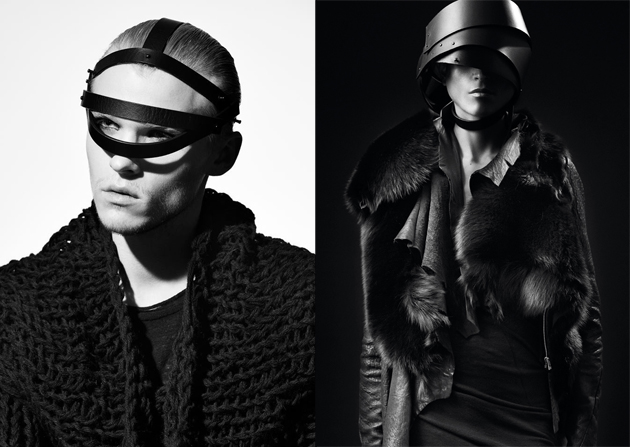
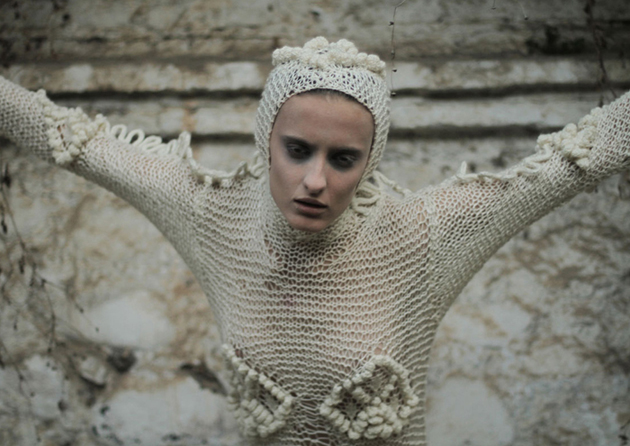
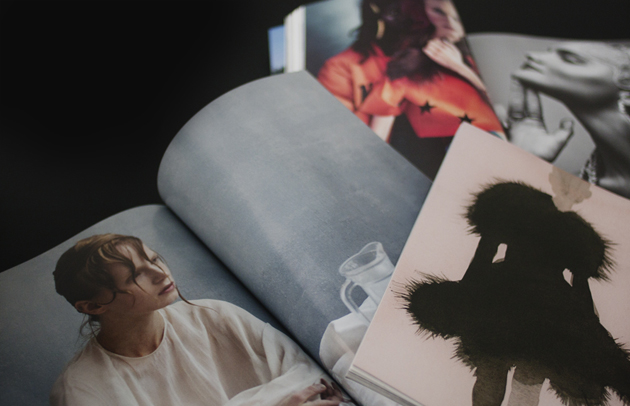
Outer Dark: Continuing After Fashion

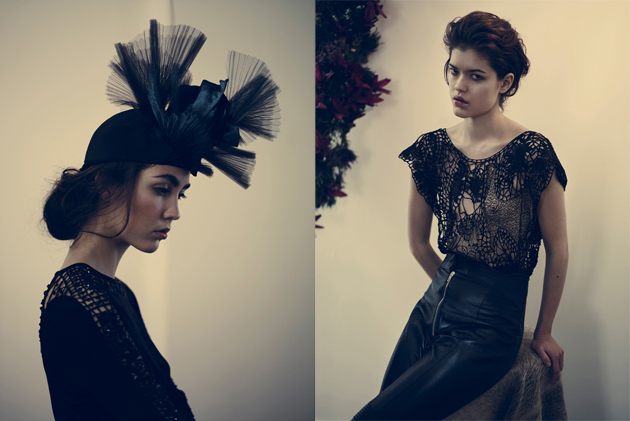
During the 90s a group of emerging designers conferred a different shape and value to the fashion of that time. After a decade of excesses, bright and shiny colors – and opulence – there was a need of simplicity and a less superficial approach. It was during that time that names like Ann Demeulemeester, Martin Margiela, Alexander McQueen, Helmut Lang, Yohji Yamamoto and Rei Kawakubo, just to name a few, changed the common rules by creating something amply defined as anti-fashion. 
The term is also synonym of fashion after fashion and they both indicate an uncertain age when the ideals of beauty were called into question. 
These designers started investigating deeper their own realities by meditating on what occurred along their personal path and trying to turn it into clothes; in doing so they went beyond an aesthetic that was overseen and saturated.


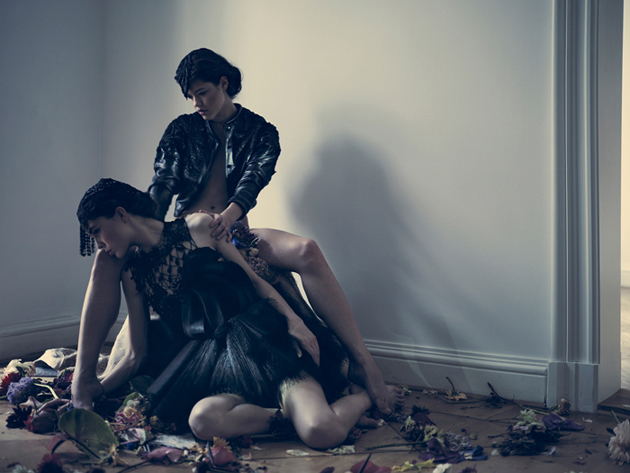
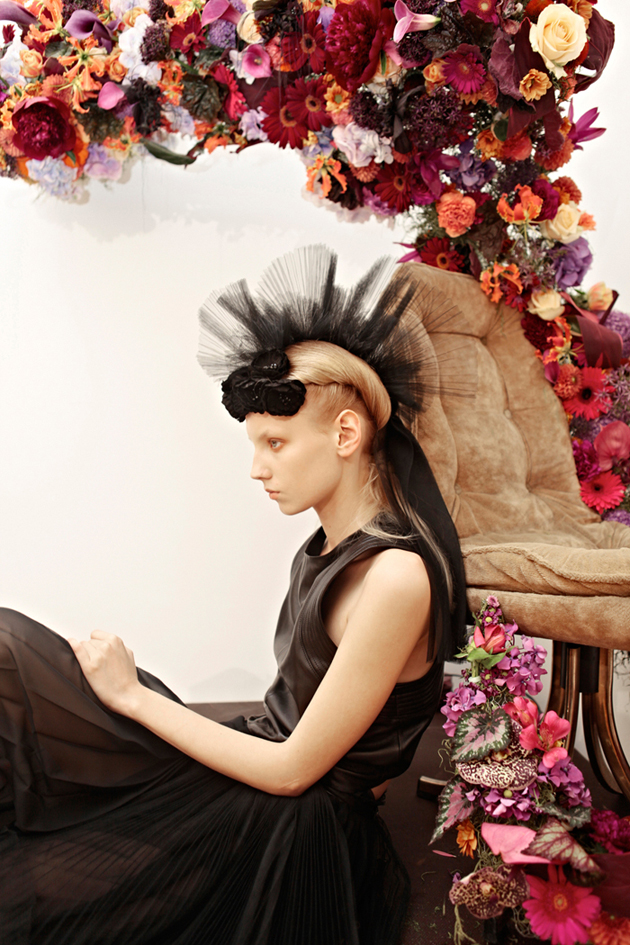
MAK – Museum Angewandte Kunst of Frankfurt has organized Outer Dark: Continuing After Fashion, an exhibition that displays several costumes of anti-fashion designers along with installations, videos, photos and artworks that better describe the universe around them. 
There will be for example two Super-8 films by Erik Madigan Heck that show Ann Demeulemeester’s creations and the documentary “This is my Dream” by Yohji Yamamoto.


The main aim of the exhibit, curated by Mahret Kupka and Matthias Wagner K, is to bring the visitors on the dark side of fashion, a path that ends with light and beautiful creatures; the show gives space to both the memorable avant-garde names and some of new local talents. Erik Madigan Heck, Barbara í Gongini, Maison Martin Margiela, Garland Coo, Leandro Cano, Augustin Teboul, JULIAHEUSE and Alexander McQueen are some of the present designers.


The exhibition is up until September 15th 2013.
Francesca Crippa 
26/06/2013

Sighs of Love

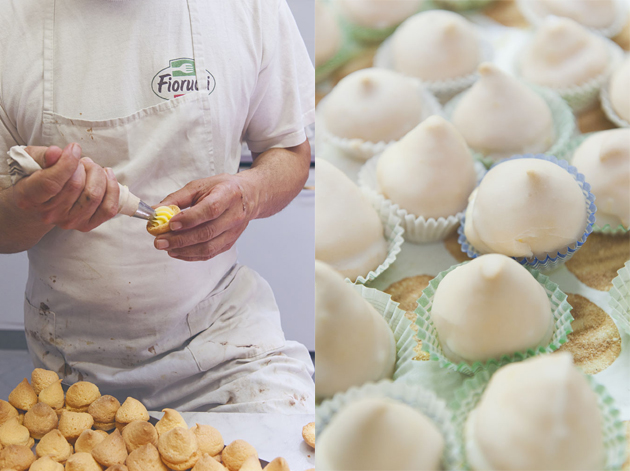
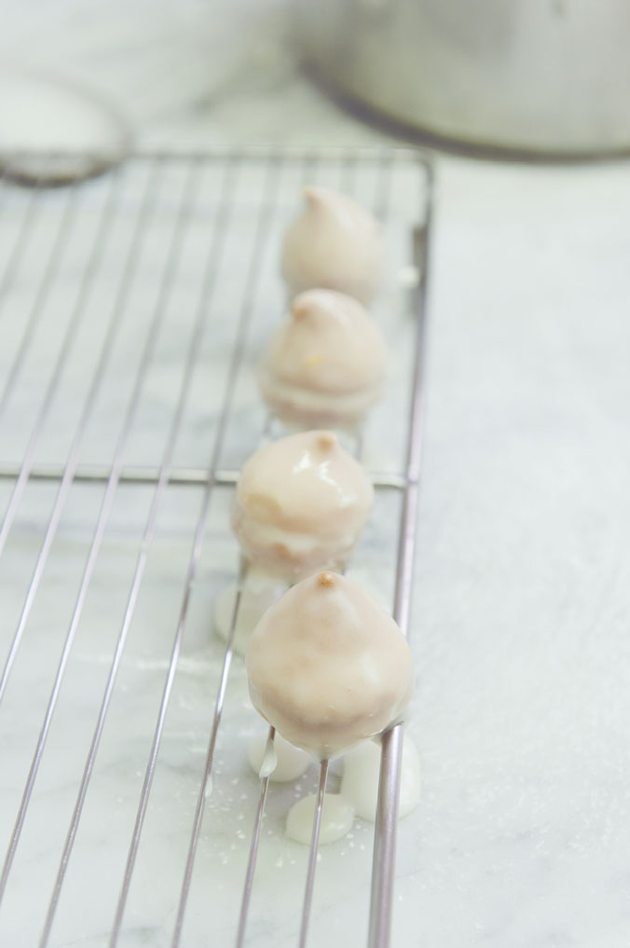
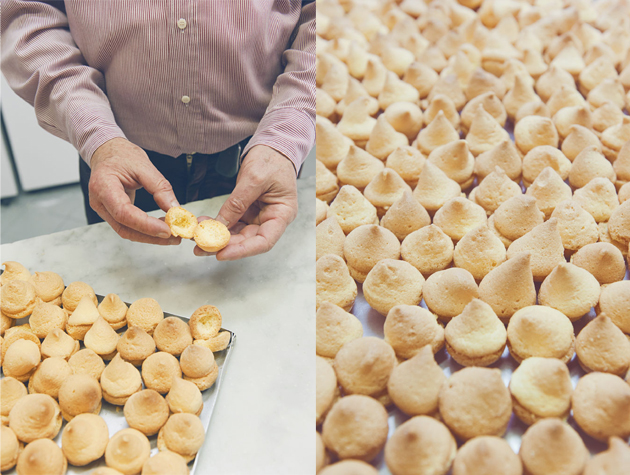
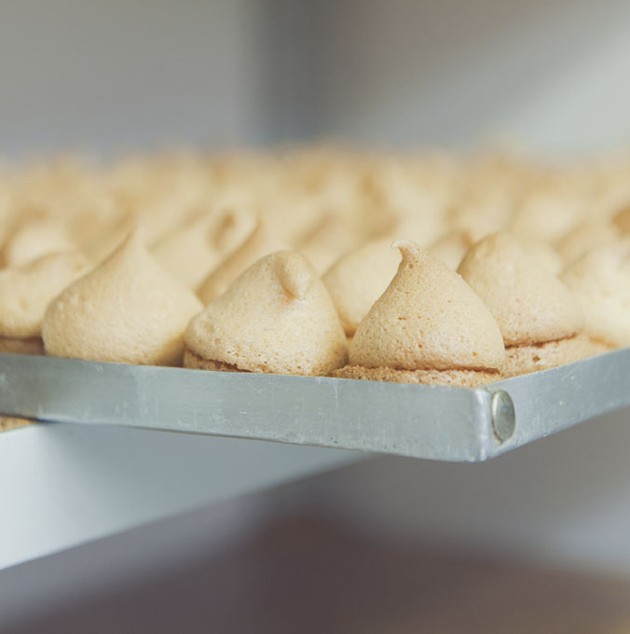
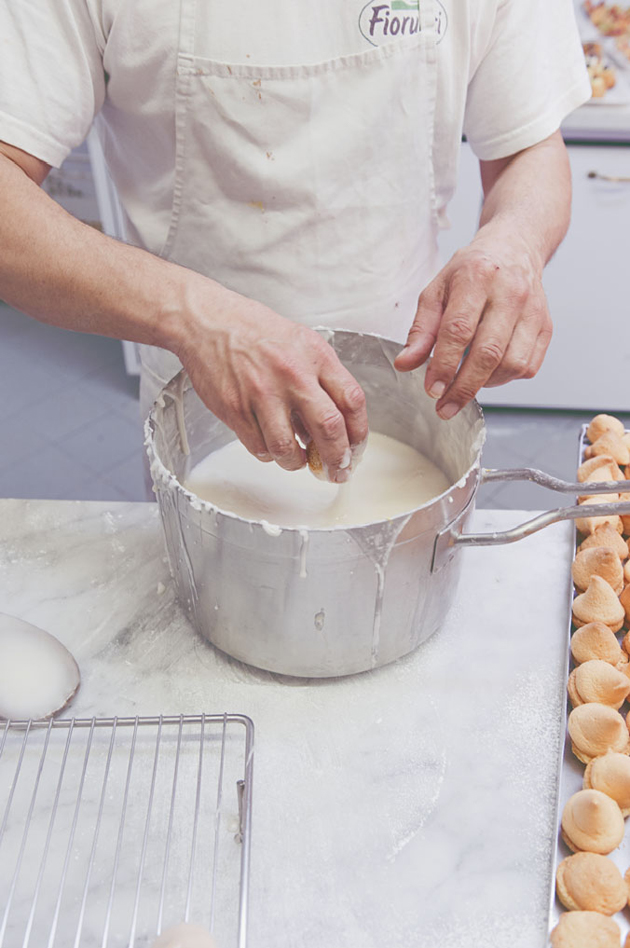
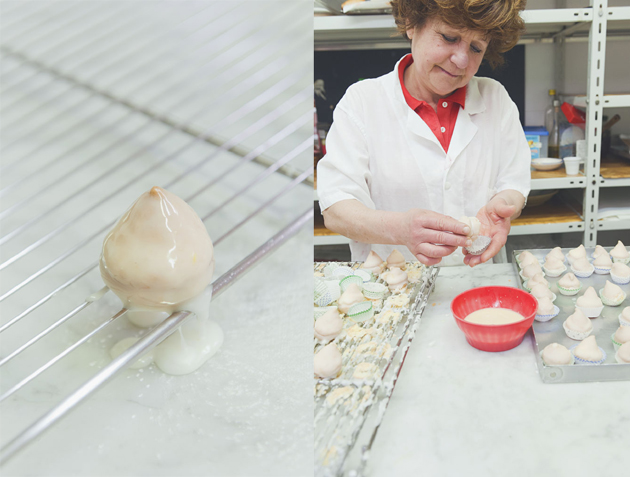
In the Amalfitana Coast, in southern Italy, there is a small pastry boutique with a hundred years of history. A century ago the owner of the place invented the Sigh, a little dessert to eat all in one bite. In a Sigh there are all the flavors of the sun and the sea, the beautiful coastline and its inhabitants. If you want to make a declaration of love to a woman, you have to give her a Sigh and you will be certain to have her love. It takes twenty minutes to prepare a single Sigh. Once cooked, the dough must then be manually filled with lemon cream, then soaked in lemon liqueur to finally be coated with frosting. But once ready, if you have the fortune to try one, you will experience that wonderful burst of flavor explode in your mouth. Pure love! For this reason it is called Sigh: this is what happens every time you eat one, like when you sigh thinking of the person you love.


Stefano Tripodi