18/04/2011

The Editorial: Barbapapa / Propaganda

.

The Editorial: Barbapapa / Propaganda
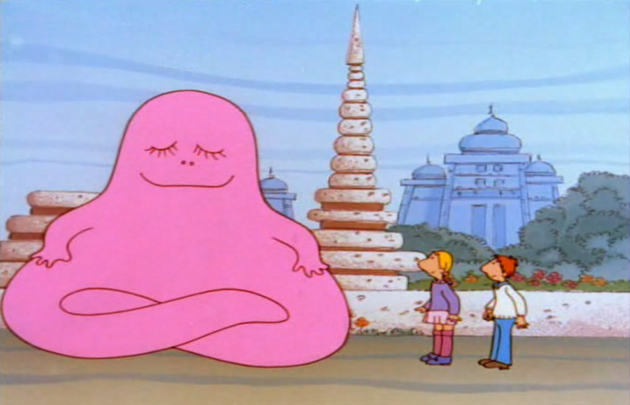
The drug fuelled 1970s was a time of discovery. Western cities dealt with swelling populations, skyrocketing crime and rampant pollution. Oil crises choked infrastructures and caused tension between nations. Recession after recession increased the gap between the richest and the poorest. Fashion rid itself of previous limitations and veered off on never before seen tangents; artistic conventions crumbled. And exactly like today – a decade of unprecedented complexity and extreme uncertainty – the 1970s was a time of discovery and reevaluation. It was and is once again a time in which we must take long, hard looks at ourselves and evaluate our systems, our values, ourselves. Barbapapa, the gorgeously kitcshy, cheaply animated 1970s cartoon did it for us forty years ago.
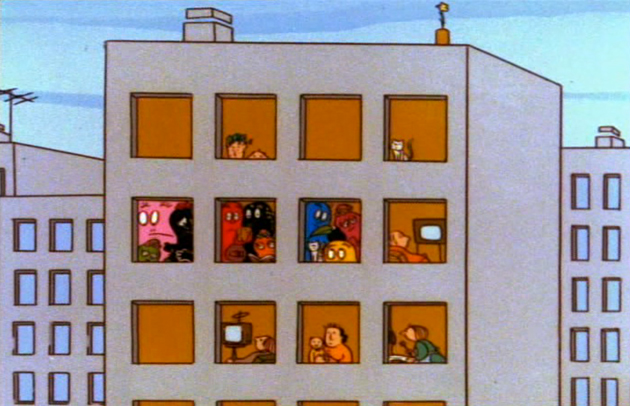
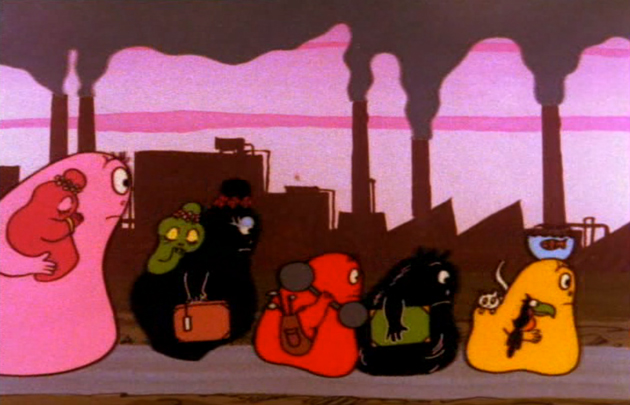
The amorphous pink blob, grown like a magical potato, is the manifestation of the modern human condition. He has supportive and nurturing friends, Claudine and François, but finds himself fundamentally alone, forced to seek meaning, as so many of us do, in a voyage around the world. Barbapapa is the commensurate self-aware individual, caught between his environment and himself: his awkward shape, size and colour set him apart, but his utility and benevolence endear him to those he is able to help. And although he uses literal and impossible solutions for immediate problems (such as transforming himself into a submarine, staircase or hot-air balloon), he serves as a magical metaphor for the wildly transformative power of imagination.
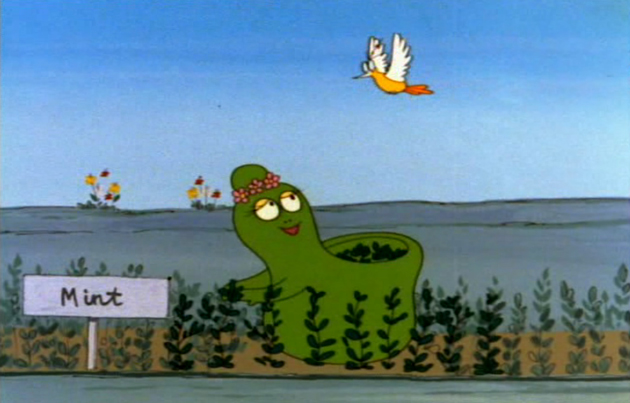
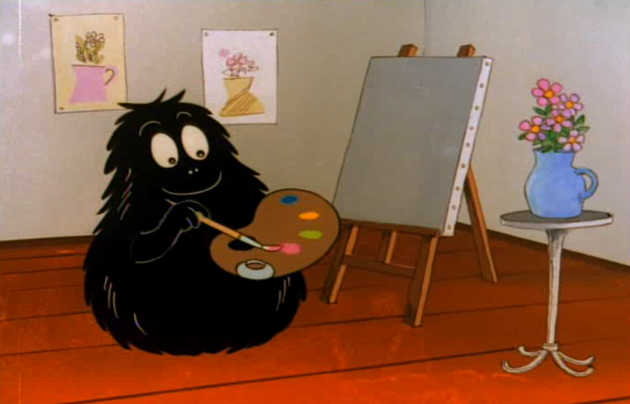
But forty years later, Barbapapa is as relevant as ever. The cartoon dealt openly with issues of depression, racism, displacement and inequality. And in a roundabout way with issues of homosexuality, gender identity, drug use and marital strife. The show dealt frequently with issues of pollution, environmentalism and animal rights. Barbapapa even tackled the dehumanisation, isolation and misery of anonymous midcentury public housing! Barbouille, the artist offspring, fights for creative freedom. And he and his family (while perhaps a bit unrealistically fond of one another) celebrate their differences, each helping the group along with their talents and sensibilities.
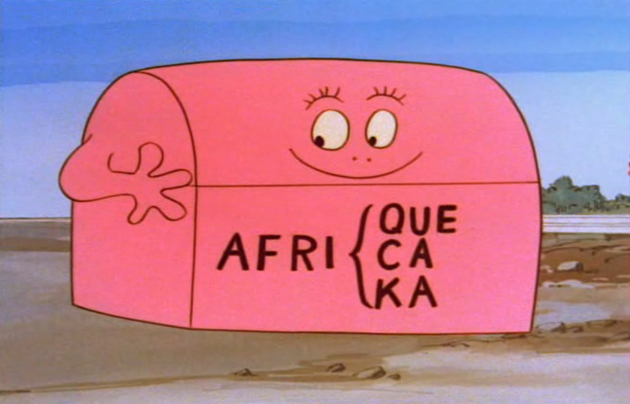
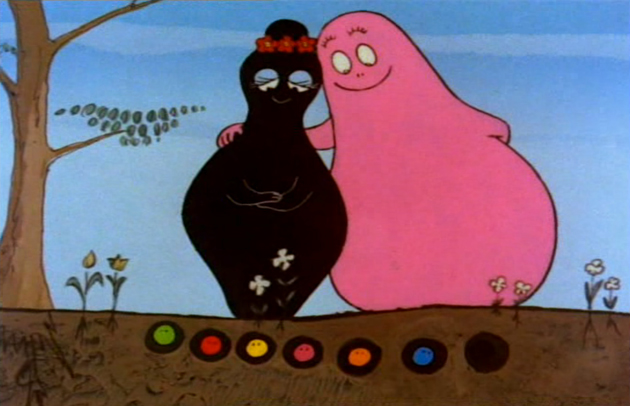
Generations of kids across the world have grown up listening to Barbapapa in a smattering of languages. And mostly none of them realised they were being schooled in tolerance and imagination. Perhaps Barbapapa is progressive propaganda. But the progressive, human values he represents are all too often overlooked in times of uncertainty. And with a future that looks more uncertain than ever, I think exactly what we all need is a little more gorgeously kitschy, cheaply animated 1970s good nature and humanity.
Tag Christof

16/04/2011

Essen: Eat Love / Marjie Vogelzang

.

Essen: Eat Love / Marjie Vogelzang

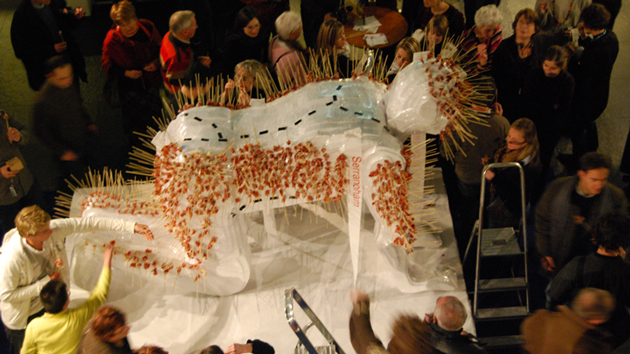
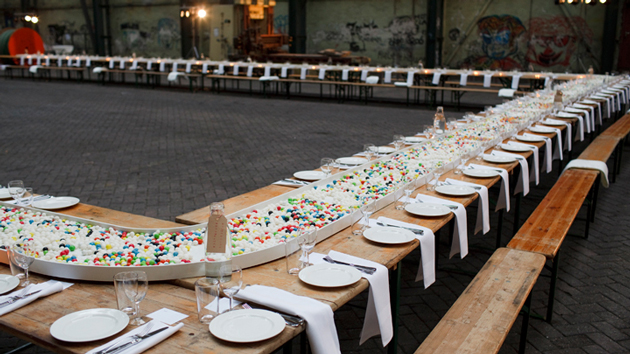
Marjie Vogelzang does not like to give plates only a beautiful shape. For the Dutch food maven Marjie, the great hoax of our times is food design. Food has a perfect shape by nature – so what matters for the Amsterdam “eating designer” is “to think of food in different cultures, food history, the realisation of food, transportation, agriculture, the ‘industrialization of food, psychology of eating.”

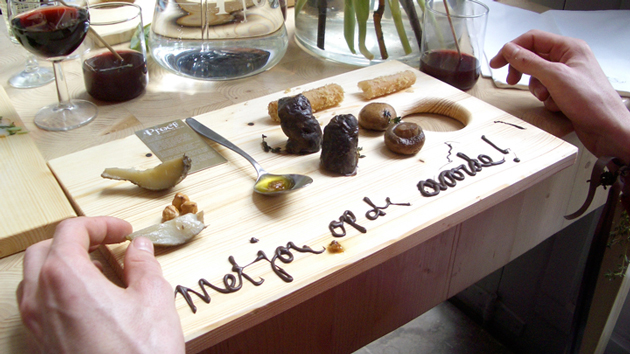
Marje believed it so much that within the span of a few years, she has founded two restaurants called Proef (one in Rotterdam, the other in Amsterdam), organized a studio, participated in exhibitions throughout the world, written two books (Love to Eat and Lunch Box) and had two babies (!). One of these babies is still (for just a tiny bit longer!) in Marjie’s womb, but just before her maternity stop, she graciously talked with us about her projects, her thoughts and love.

The uninitiated widely know you as a creative and innovative food designer. But you’re not. Since food is perfectly designed by nature, you consider yourself as an “eating designer,” who is investigating the content background. It’s a fascinating thought. What if a food designer became an eating one? What would he or she have to do?
In order to answer, could you tell us about the sort of Decalouge a food designer must follow to become an eating designer?

That’s an interesting question. Well it’s all about giving things a name and I thought the name food design didn’t fit me. But sometimes I’m not sure about eating designer either.

What I think an eating designer should explore is the full potential and meaning of the subject of food and eating. I think an eating designer should look beyond only the obvious visual aspects and taste aspects of food. These obvious choises are making designers to make something that looks nice, tastes good etc. But I think the world of food is so much larger and touches everybody’s life and therefore is far more interesting to explore. Think about food in different cultures, food in history, the making of food, the transportation of food, agriculture, the industrialization of food, the psychology of eating. These are just a few examples of inspiring subjects that can be explored and used. Also the meaning of the word design can be discussed. I think the word should be used to mean “creative thinking” when it comes to eating design instead of just giving something a nice shape.

Design as a shaping device is a tool. Not the final goal. The final goal is creative thinking and to communicate the creative idea you need esthetics as a tool.

Following this idea of “what if”, if you were the rector of an Eating Design Faculty what will be the main subject?
I think we could make a program according to my 7 points of inspiration:
- Senses
- Psychology
- Culture
- Nature/education
- Science
- Technique/ material
- Society

It’s been less than a year that you’ve founded your second Proef in Amsterdam. This project seems more linked with your Philosophy of food with more plants and organic food than a design approach. What is changing in your work?
I founded Proef Amsterdam 5 years ago. At the moment it’s a restaurant in it’s own and the design studio moved out to somewhere else.
I wanted it to be a relaxed place how I personally would like a restaurant to be. I got a bit bored by formal dinners but also by overdesigned dinners! I wanted things to be fun and easy drinking coffe from empty jars. That’s what works for a restaurant. It’s almost impossible to run a highly conceptual idea as a restaurant and I would also find it boring.

Speaking about organic, there’s a lot of “buzz” about it and lot of speculation. According to you what is missing in oursociety to reach a good level of organic approach?
I think we’ll get there but it need time. The government should lower taxes on organic produce and give more support. Eventually things shouldn’t be labeled ‘organic’ anymore but ‘non-organic’ should be labeled and be the odd choice.

You stated that “Food goes to the stomach, but it can also activate the brain and can rouse strong memories and emotions” and you experiment food memory world serving World War II recipes to people who survived the Rotterdam Hunger Winter during the war stimulating their memories from more than 60 years ago. What are your very first taste memories? Is there any food or dishes that immediately recall your past?
I was speaking to a young journalist about taste memories not so long ago and she said that you remember everything you have put in your mouth as a young child. That doesn’t have to be food. The way of getting to know the world and materials is to put things in your mouth. That happens before you use language and is a very intruiging fase. When she said that she challenged me to imagine the taste of wood in my mouth. Of plastic, hard and soft, of textile and sand. When you think about a material, many times you can recall how this material feels in your mouth. I was very fascinated by her story and since I’m very much aware of materials and before I touch or even see them I know how they feel in my mouth. Wire, a plastic phone, rib-velvet (I’m a 70’b baby).
Food memories are very closely linked to smell. Sometime they surprise you. Going into someones house and suddely you catch the smell of grandma’s bedroom. I have food memories on these frozen lollypops that you can suck the taste out of. They were just lemomade packed in plastic sticks to freeze yourself.

What’s next for you? Any upcoming projects?
My first upcoming project is giving birth in about 4 weeks. (Actually this interview is the last thing I’m doing before plugging out!)
Giving birth and having children is very inspiring to me and very close to my philosophy as an eating designer. Food and love are linked together. They are the first to things that a mother gives her child.Then in autumn I will be back with some big plans.I’m being the guest editor of design indaba Magazine’s food edition and I’ll go to south Africa to promote and do some lectures. We are doing a food event in Hong KongI’m working on an exhibition in TaiwanWe’ll do some events in Moskou and Hungaria.I have plans for at least 2 new books so I have to find some time to do that too!

And last up is a recipe from Marjie:
-1 banana
Take a pen, draw a mobile phone on your childs banana. Give it to them to take to school.

Visit Essen for more fantastic insight into the world of food.

Cristina Zaga

15/04/2011

Guest Interview n°27: Hanna Albrektson

.

Guest Interview n°27: Hanna Albrektson

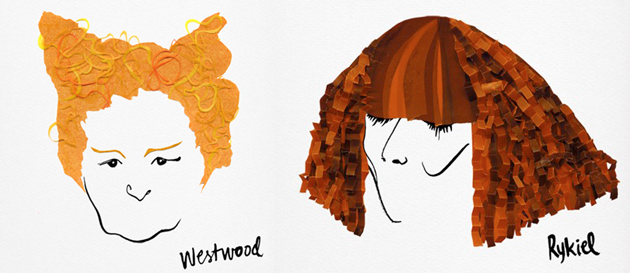
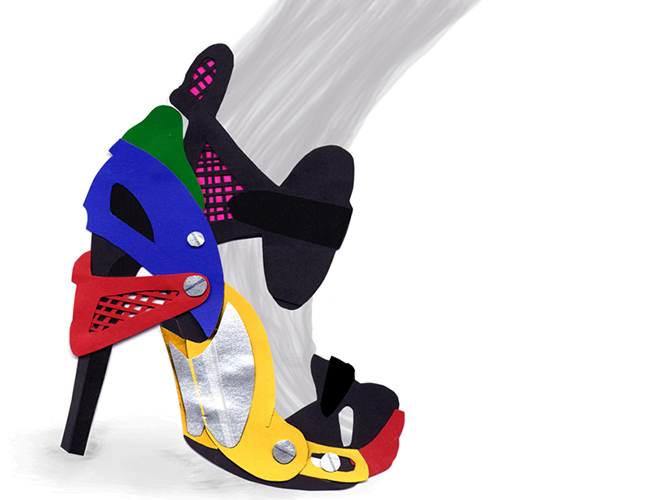
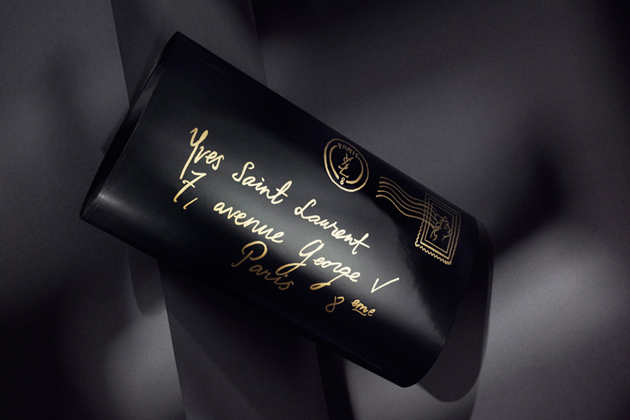
“I’m the kind of person who was born with a pen and a pair of scissors in hand,” says illustrator Hanna Albrektson – aka Weekendform. “My mum used to go crazy when the fruits in our kitchen became a victims of my markers…” The illustrator from the south of Sweden talks to us about her love for paper and how she made Chanel, Yves Saint Laurent and Hermès bags into something super recyclable.

She loves the feeling of complete freedom, and considers her work to be just that, free. With studies in graphic art and different printing techniques, she likes the fact that she doesn’t have to be limited by a specific method. And that she has the ability to mix paper collages with gouache and markers. Her studio is in Malmö, the Swedish city known for being the most artistic and inspiring. Below her sky-high ceiling and surrounded the humming from the pedestrian street just outside her window, she is content.

When starting new projects, she always begins by hand. To Hanna, it’s important that you understand the work that lies behind each drawing, and the fact that it’s made by an actual person, not just a computer. “I want my drawing to express honesty and direct, she says.”


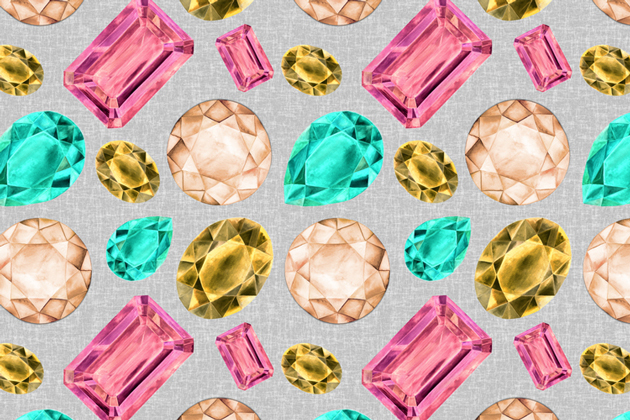
She’s inspired by simplicity and optical illusions. She prefers a “less is more” style while also having a huge passion for patterns: they are endless and can go on forever.

What’s the most entertaining project you’ve done so far?
Hmm… Difficult to say! I enjoy the variations in my job! However, I did a super fun fashion story for the magazine Gravure. I illustrated clothes in watercolour, then I pasted it on top of a nude model. Time consuming and intricate but fun! I was so pleased with the feeling of the images! Emma Dysell, the photographer did an amazing job with the photos.

Tell us about the project of your dreams!
There are many of projects I would love to do. I want to illustrate porcelain, create wallpapers, textiles, book covers, you name it! I think I want to do as many different kinds of works as possible.


Your paper bags are fascinating! What’s the story behind the project?
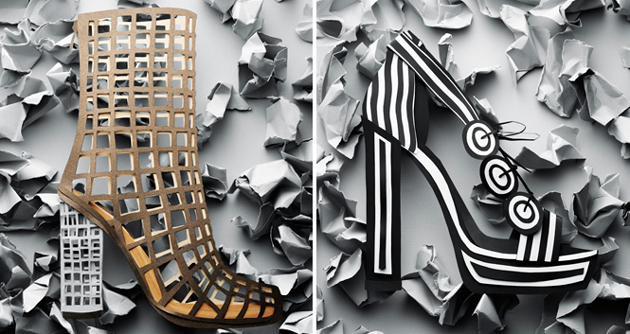
The story of the paper bags is simple. I got a request to create a fashion relation job for The Block magazine. I liked the idea of building classic, expensive designer bags in a material as simple as paper. The bags were photographed by Emil Larsson. I’m amused by paraphrases. To create my own interpretation of already exiting pieces of art or other objects is a part of my artistry.

When not working, what do you prefer to draw?
When not working, I draw from my mind. Like possible new projects. Anything from new wallpapers to research of new kinds of papers.

Who are your personal favourite illustrators or designers?
That would be Jane Bark. David Shirgley. Toni Lewenhaupt. Stig Lindberg. Lovisa Burfitt. Poul Ströyer And probably another 100 people…

If you could have coffee with any one person, dead or alive, who would it be?
I would have my coffee with the DJ Larry Levan, but it would just be for an quick espresso since he is about to have a gig at “Paradis Garage.” So we knock back our coffees and hit the club! He DJs and I dance, drinking cocktails all night long! The year is 1982…

Thanks, Hanna!

Emelly Blomqvist
15/04/2011

apartamento #07

.

apartamento #07

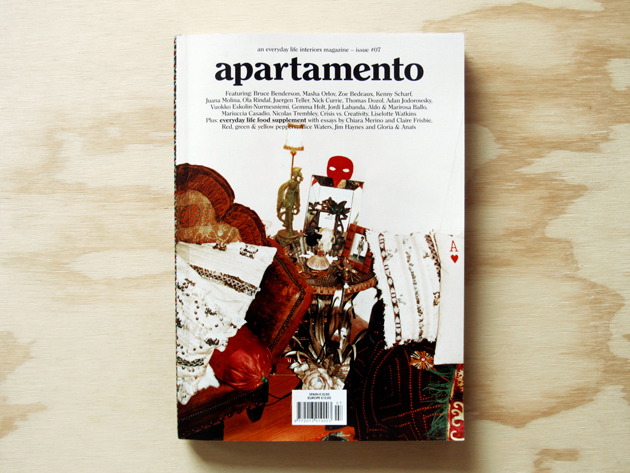
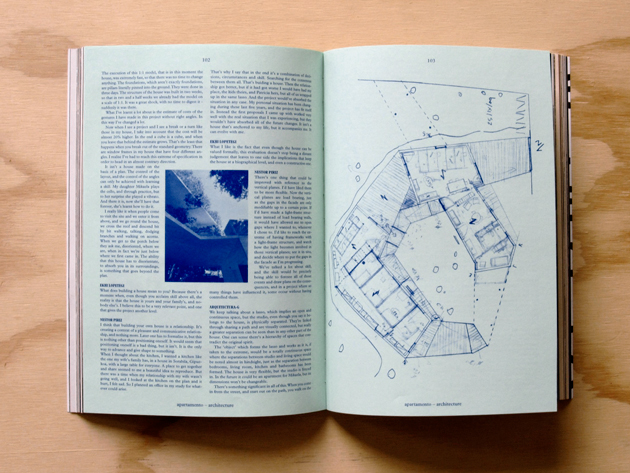
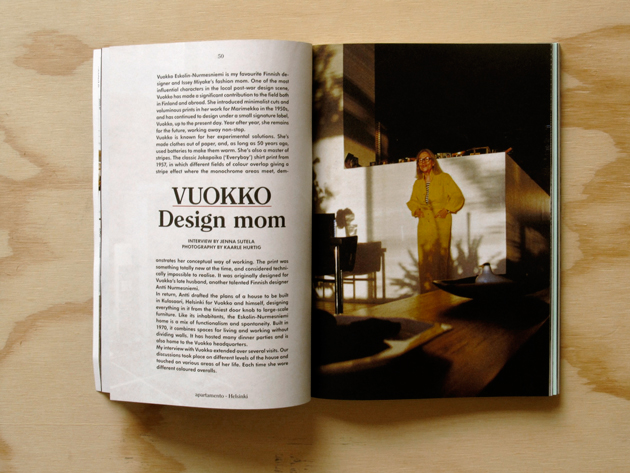
Issue 07 of apartamento is out! Featuring a cover by Juergen Teller, the compact little digest is choc-full of excellent writing, warm photos and tactile paper that makes it nice to touch. It’s perfect, as always, to curl up with for a long read.


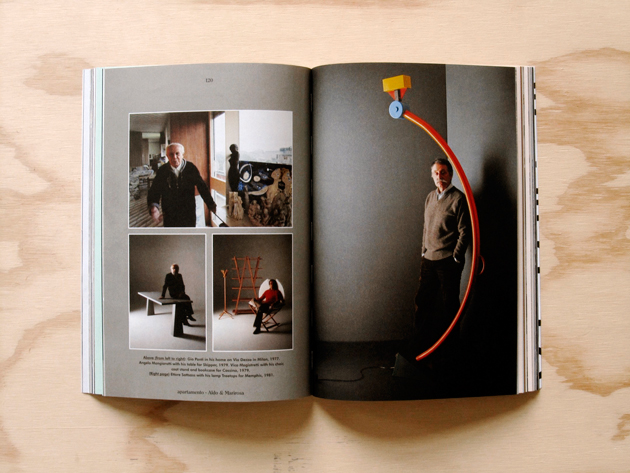
There are interviews with Alice Waters of Chez Panisse fame, Vuokko, Juana Molina, Bruce Benderson, illustrator Liselotte Watkins (who we interviewed a couple weeks ago ourselves), and design photography great Marirosa Toscani Ballo, in addition to others. There’s a snappy piece on fast-food burgers and other food features.


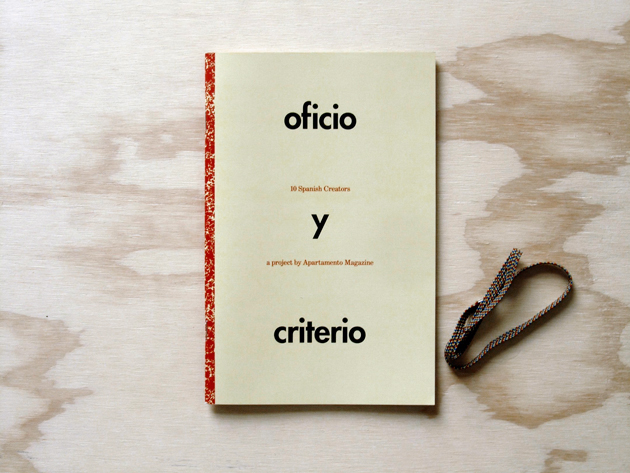
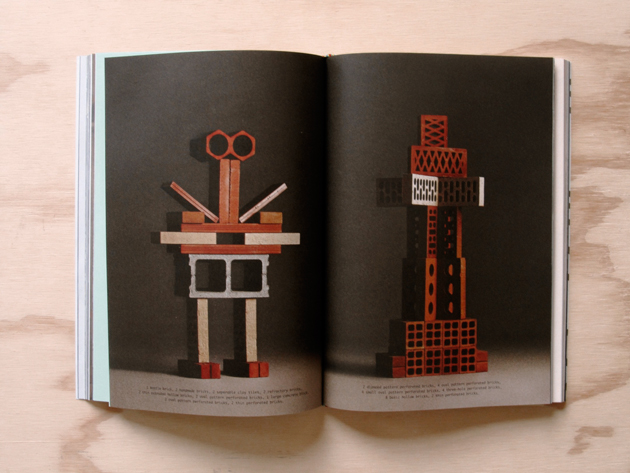
Tucked neatly inside is a neat supplement called “oficio y criterio” which explores the lives and roles of 10 Spanish maker-shakers. And of course, there’s a wealth of imagery by apartamento co-director and 2DM photographer Nacho Alegre. His brick still-lives are especially gorgeous.

Tag Christof

14/04/2011

10A Suspender Trousers Company / The New Black

.

10A Suspender Trousers Company / The New Black

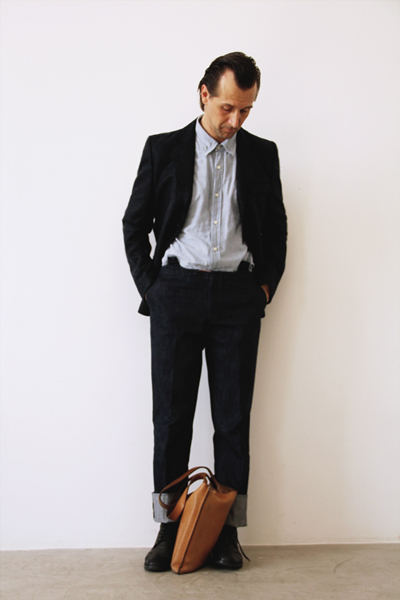
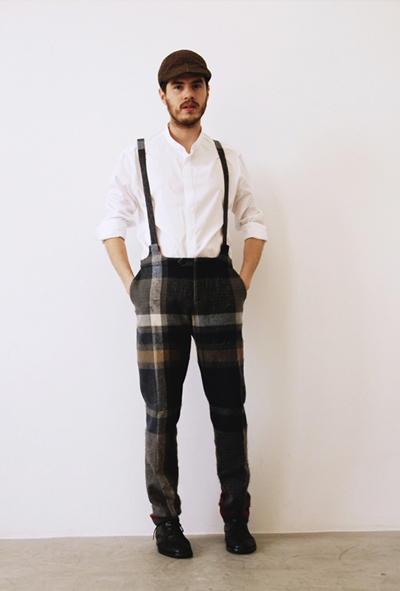
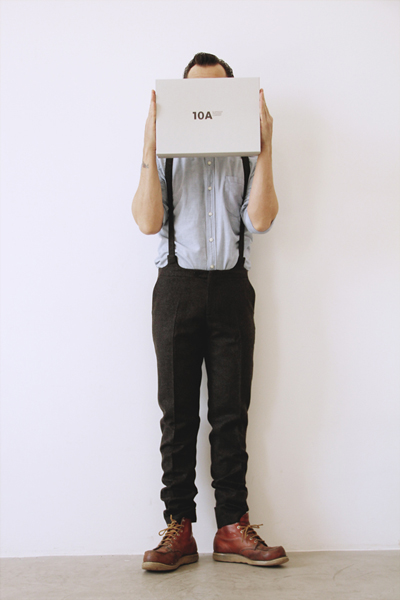
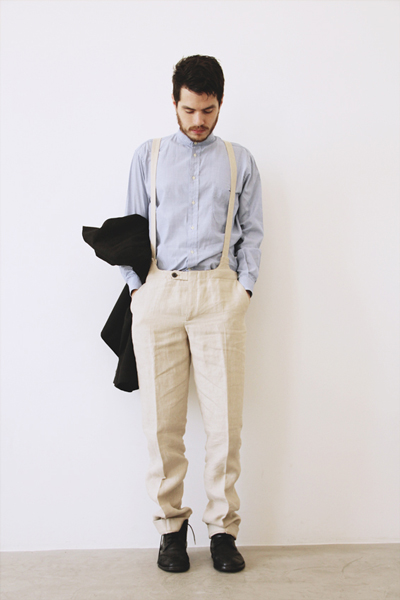
From the fertile minds of designers Daria Dazzan and Matteo Cibic was born 10A Suspender Trousers Company. The line’s raison d’être is straightforward: gorgeously tailored, high quality trousers. And through rigorous research and highly evolved design, 10A manages to make garments that are beautiful, versatile and exceptionally durable.

Dazzan hails from the tailor-centric fashion world around Belgium, having studied at the Royal Antwerp Academy and cutting her teeth at Véronique Branquinho before moving on to Hussein Chalayan. Cibic is a product designer whose experience in materials such as ceramic informs his work in textile; he’s nothing short of a master of imaginative practicality. Their synergy is evident from the crisp craftsmanship right down to the very finest details of the line.
The brand is an outgrowth of the duo’s atelier AAAAAAAAAA, which makes a limited edition of ten bespoke trousers per month. 10A is a larger-scale progression of their original tenets: research, European fashion, and function. And while the collection has traditionally been reserved for men, they’ve released one women’s model with more to follow.

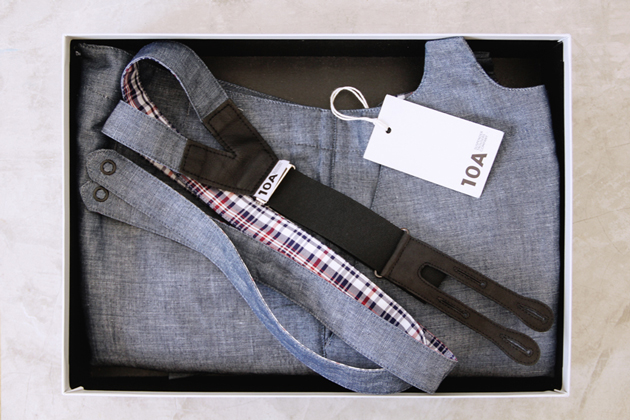
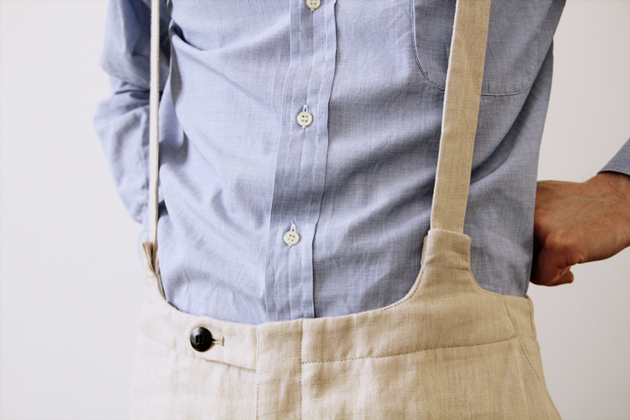
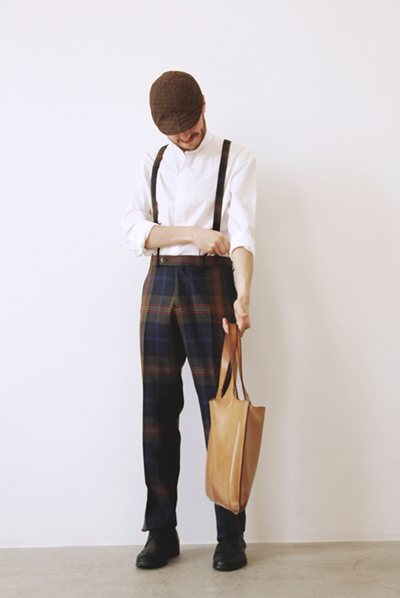
The trademark suspenders are integral and add an unexpected touch of refinement and timelessness. The collection comes in a delicious mix of fabrics – from raw denims to fine linens to radical wools – with a range of cuts (clochard, standard, slim). The line also includes handsome essential leather bags. Made of durable, lightly tanned leather, they age brilliantly (Matteo carries his everywhere) and are big enough to fit a big laptop. And lots of other things.

As a sweet, sweet cherry on top the sundae, 10A’s garments are produced in a factory in Northeastern Italy that operates on 100% solar energy. That’s sustainability we can get behind.

This season, the masterminds behind The Blogazine teamed up with 10A for an exclusive lookbook. With 2DM’s sharp, incisive photographer Vicky Trombetta both behind and in front of the camera alongside editor-in-chief Tag Christof, we got intimately acquainted with the label.


10A is a positive manifestation of modern Made in Italy: classy, well-informed, responsibly produced. In an age of transition, temporariness and fleeting fashion 10A’s values are a beautiful thing. 10A is both fresh and enduring. 10A is style. And as far as we’re concerned, 10A is The New Black.

See the line’s display at Verger on Via Varese this week during Salone del Mobile.

From The Bureau – Very special thanks to 10A

13/04/2011

Salone del Mobile: The Fair

.

Salone del Mobile: The Fair

With light at the end of our economic tunnel for the first time in years, the design world should be alive with audacity and imagination. But when it comes to the world’s biggest furniture fair, we didn’t see much to capture the imagination this time out.

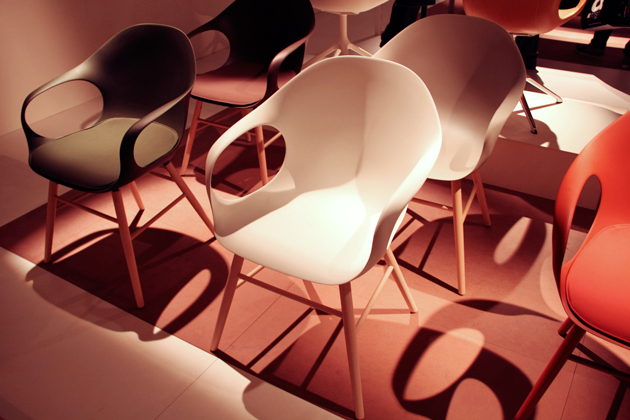
We saw a decisive shift towards plastic chairs with metal frames: they were everywhere, from Swedese to wood pioneer Thonet. And speaking of wood, the was a conspicuous lack of it, as well as leathers and other natural materials despite the fact that quite a bit of brand literature was dedicated to proclaiming “sustainability.” Colour palates this year are generally sober and solid, with muted 1970s-esque shades of green, blue and pinks, while patterns are few and far between.


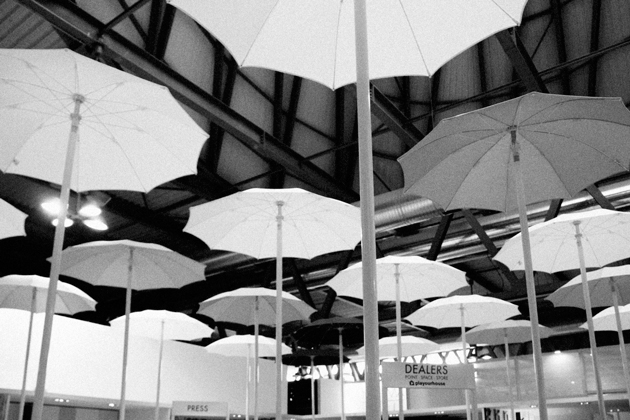
Arper’s whimsical umbrella canopy.

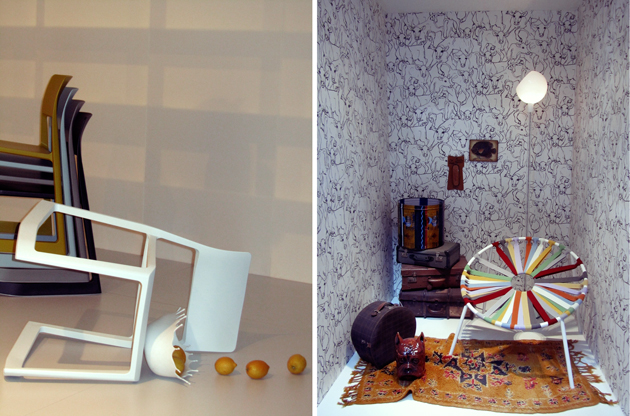
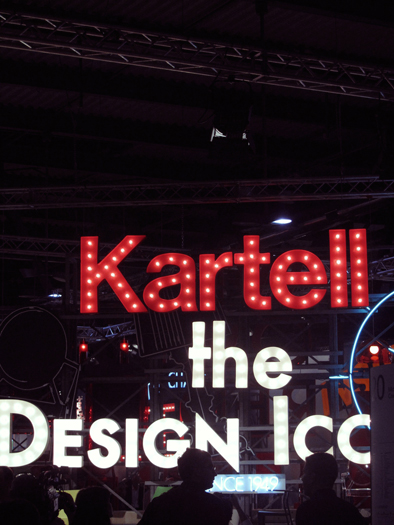
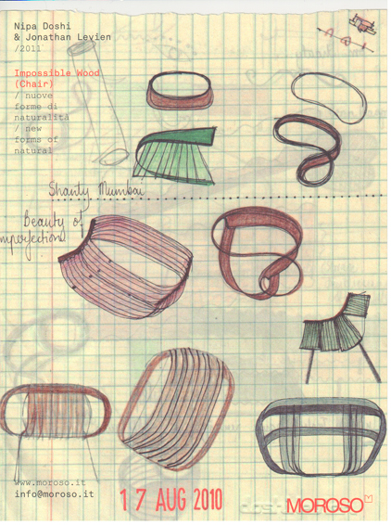
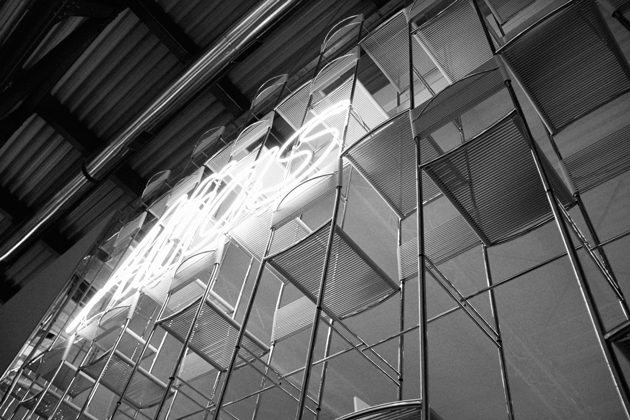
Plastic king Kartell was the star of the stands, with massive Broadway neon signs and colourful, well-organised sections – it was probably the best integration of product and display, too. Vitra’s stand, complete with crackling raw parquet and neatly-decorated cubbies was also pretty nifty, although it looked a bit too much like a child’s playroom. Other standouts included the umbrella ceiling and gravel floored mini-world of Elena Xausa and the walls made of metal chairs at Alias. We also loved the “tear-off” pads of sketches from Doshi Levien, Patricia Urquiola and others on the walls at Moroso.


Vitra, including the Tip-Ton, left.


Kartell’s Broadway lights.

Still, any good design nerd knows that chairs are the heart of Salone. But sadly, on the chair front it seems that very little forward progress was made this year. Edward Barber and Jay Osgerby’s “Tip-Ton” is typical Vitra – it’s well made and should age gracefully – but nothing from the usually innovative company truly stood out. Piero Lissoni’s Audrey chair for Kartell, which does a fantastic plastic impression of the typical rattan dining chair has finally made it to production (very cool!). But our favourite chair so far was the “Gaulino”, by Oscar Tusquets Blanca for Barcelona Design. Called “a cross between Gaudí and Mollino,” it’s wooden, sensual and suggestive. Hot stuff.


Doshi Levien sketches from Moroso.

Far and away the most fun part of the show was Satellite – the student’s realm – where genuine creativity is transformed into handmade prototype projects and the designers of tomorrow get their first chance to show their stuff. (But more on that from us towards the end of the week).


Alias’ wall of chairs.

Now for the rest of the week: Fuorisalone! Fun!

Tag Christof – Photos Emelly Blomqvist & Tag Christof

13/04/2011

Elena Xausa / 2DM For Salone Del Mobile & Ottagono

.

Elena Xausa / 2DM For Salone Del Mobile & Ottagono

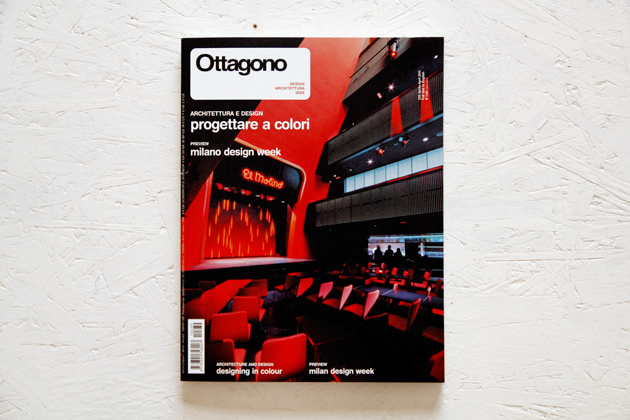
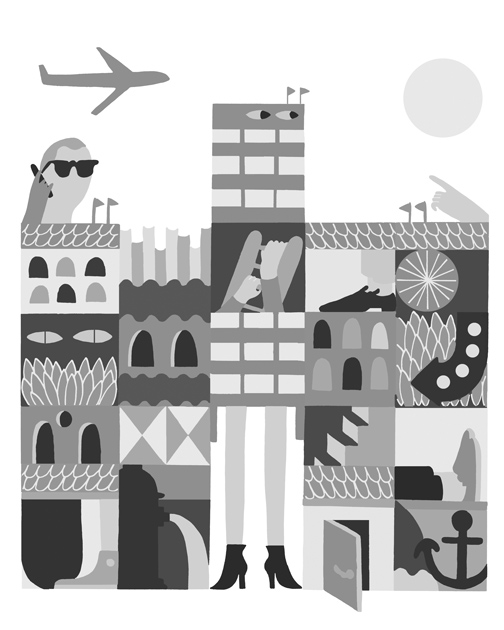
2DM’s Über-creative illustrator Elena Xausa’s got her hands full this design week. Her large-scale works are on display for Gas as part of Fuorisalone, and she’s participating in events all around Milan. The newest issue of Ottagono – freshly on newsstands (we picked up our copy yesterday at the fair) – features an illustration by her, surrounding an intriguing story about the famous Unité d’Habitation building in Marseille.

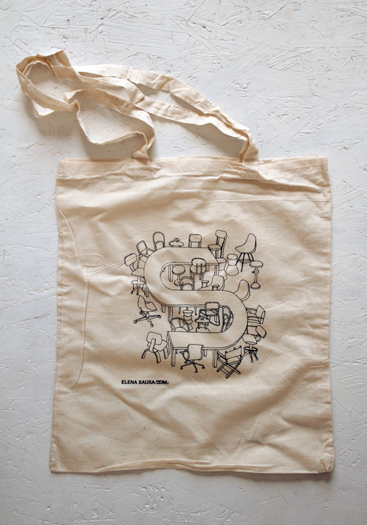
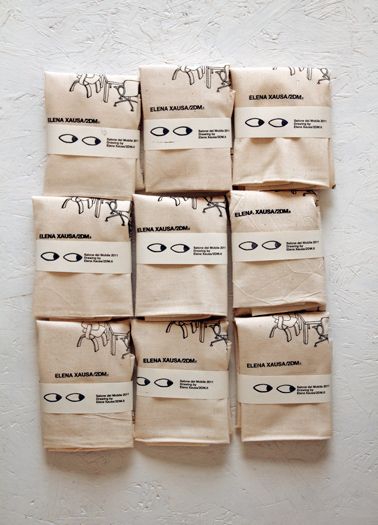
And as a rad bonus, 2DM teamed up with her for a nifty limited edition canvas bag that the coolest people will be toting this week. S for Salone, flanked by an impressive array of designer chairs. Get yours while it’s hot!


Tag Christof

12/04/2011

Guest Interview n°26: Lucas Kalda

.

Guest Interview n°26: Lucas Kalda

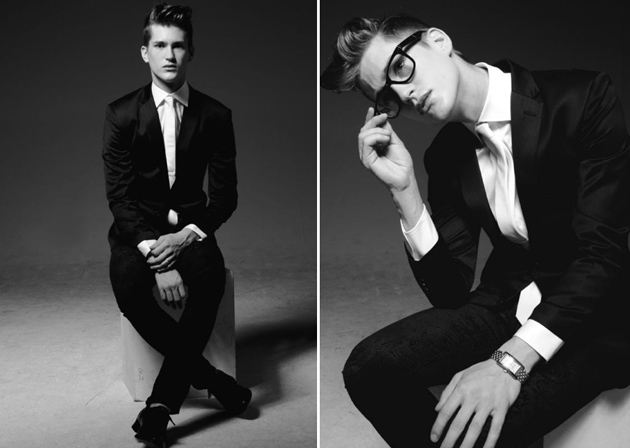
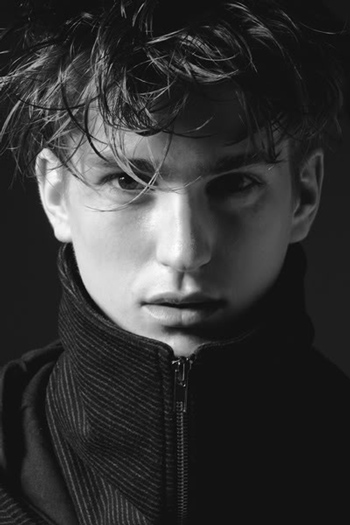
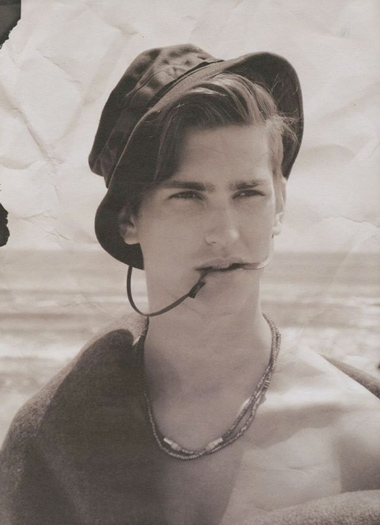
With clients like Valentino, Vogue, Galliano and Acne under his belt, the Swedish model Lucas Kalda is on the verge of becoming a model with a capital M. Born in Stockholm, he’d prefer to live out an American dream in New York City. Maybe someday with his own billboard in Times Square…
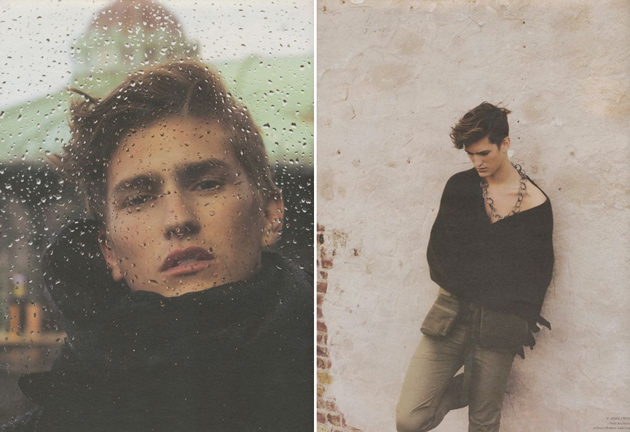
So… who is Lucas Kalda?
I’m a 21 year old model from Stockholm, Sweden. I have been modelling since I was 15, so I’ve been in the business for a while. I would say that now’s s the best time in my career. For the moment I live in Stockholm with my girlfriend Louise and my little dog Prince, working at the Swedish brand Tiger Of Sweden. I see myself as a very down to earth guy who is very easy to be around.

How did you get your start as a model?
I started off because a booker at the Swedish modelling agency Stockholmsgruppen approached me in a shopping mall in Stockholm. And the rest is history…

Did you ever have thoughts of modelling before being approached?
Yeah, I had. A lot of people around me, as my friends… and even my parents told me I should send some pictures to agencies, but I never made it before Stockholmsgruppen scouted me.

What was your first job?
It was a show for a couple of small boutiques in an area called SoFo, which is the trendy and fashionable area in Stockholm.

Which myth about being a male model would you like to kill?
That it’s a very glamorous life and a lot of money. As an example, before doing fashion shows there’s a lot of work! You do different castings for four days, and you have maybe around 6-10 castings per day. If you do both Milan and Paris Fashion Week, you have around 50-80 castings in eight days. Then, maybe, you get one show! When getting a show, your agency takes between 50-70% of your proceeds. But the thing with fashion weeks is that it’s the best place to show your face! So it’s important if you want to do the big campaigns. There’s the glamour and money, but getting there isn’t easy.
When it comes to your own sense of style, who is your favourite designer and why?
My favourite designer is Rick Owens. I don’t exactly know why but every time I look at his shows or his collections, I love it. There’s something mysterious about his design…

Try to describe the biggest moment in your career so far?
I think it has to be when I did the Galliano show in Paris. I had the chance to meet John Galliano in person.  I only had the chance to say hi! He just told me to walk boldly and quickly. But there was something special about him, for sure…

How do you prevent yourself from being dragged into the dirty side of the industry?
I have never personally experienced the “dirty side” but I’ve heard strange stories about it. Maybe I will in the future but I think that the industry is better now than before. I also think the female models have it much harder than male models. They get asked to do things they shouldn’t, and so on…

And when you’re not working, what do you do?
I love football so a lot of my time goes towards playing and watch games. And of course hanging out with my friends. And my wonderful girlfriend and dog!

Has modelling helped you find yourself as a person?
It has made me much more aware of who I am. I have learned so much from modelling and I’m really happy I’ve had the chance to do it. To get around all by yourself and managing situations you never would have if you didn’t model. That part is great. Before I was a bit shy but after the years as a model I’ve changed. Now I don’t have any problems with that.

Who’s the coolest person you’ve met?
If not John Galliano, I’d have to say Nicola Formichetti. He’s the main stylist and editor of Vogue Japan, but is probably more known as Lady Gaga’s stylist. The master behind the “meat-dress” and all the other crazy stuff she wears. I did a shoot for Vogue Japan and he was styling. He was very funny and easy to hang out with. One funny thing was that when I told him that I came from Sweden, he replied with ”I hate Sweden and it’s fucking cold there!”

What’s the weirdest thing you’ve done as a model?
I haven’t done anything too weird. However, when I did a presentation for Valentino, I had to stand still in the same position for four hours. We were six models who were placed in a room, wearing Valentino suits while people were watching us. I literally felt like a tailor’s dummy!

You’ve always been very interested in fashion, so what is your next step?
As a model, it’s to do my very best and develop my network! I see myself as a fashion buyer after my modelling career, so it’s a great opportunity for me to get to know people in the fashion business. My plan is to maybe study in Paris or in Sweden. But I don’t know when, time (and work) will tell!

Tell us about your dream job, modelling wise.
My dream would be to do one of the really big campaigns. If I hade to pick one it would be CK Jeans. Only me on a big billboard at Time Square in NYC!

Interview Swedish-English Translation Emelly Blomqvist – Images Courtesy DNA Models
11/04/2011

The Editorial: iFatigue, iFuture

.

The Editorial: iFatigue, iFuture

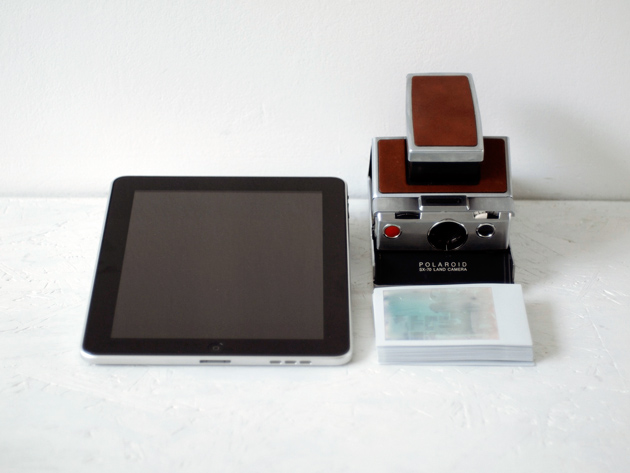
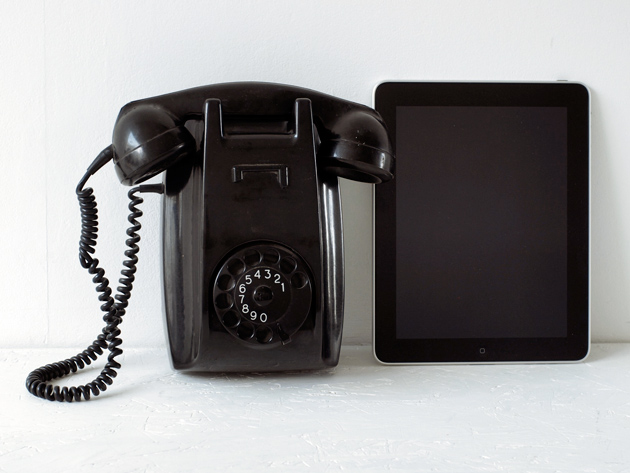
The iPad and its more diminutive sibling, the iPhone, are without argument our generation’s defining objects. And they are turning out to be something entirely more revolutionary than any shortwave radio, Polaroid, electric typewriter or Walkman. They are eminently portable. They combine an astounding number of functions on a flexible platform whose functionalities will be multiplied and enriched to the limits of its users imaginations.

Armed with our iDevices, we are the Bionic Man. And Einstein, armed with endless information at the swipe of a finger and the click of a graphic button. And critics. And publishers. And activists. And photographers. A fourth dimension has been opened – full of insight and information – that we access through our magic portals. The illustrious future 2011 once promised from afar is here. We travel through time and space by the use of sleek, smart technology.


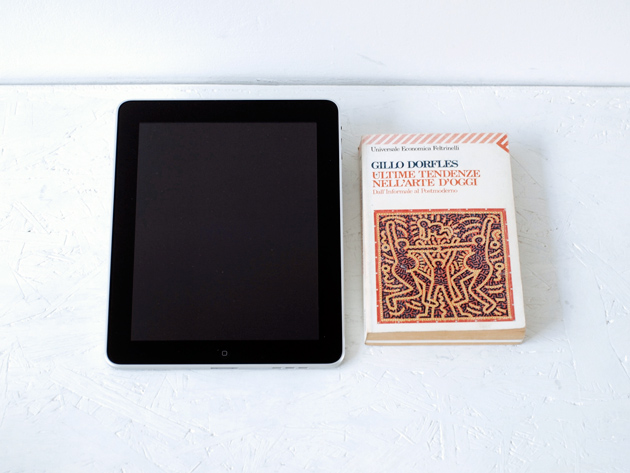
But the fact remains that there is something deeply unsatisfying about the supposedly enriched experience these new gadgets bring. While not many would argue with the unprecedented convenience of a phone-camera-library-radio-map-everything, something crucial is missing. Form. Substance. This tablet-shaped enigma’s structure is neither an indicator nor a result of its function. And it’s hard to fall in love with a nondescript, rectangular brick.

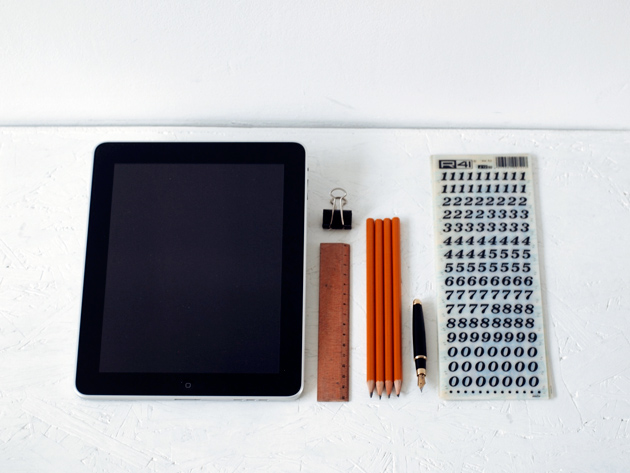
The relationships we have built as human beings with our most essential objects is something profound. Hammers. Forks and spoons. Cups. Furniture. Books. And more recently, cameras, telephones, typewriters and other writing devices. These things have forms which remain semiotic constants (the iPhone uses a old-style telephone handset to represent its ‘phone,’ for instance). And when these objects are made with materials each possessing their own smells, weights and textures, they are transformed into something special. But with the iPad, objects are seamlessly subsumed into it and subverted entirely.

So, are we witnessing the death of separate functional objects? How will design grapple with this 4D universe? Is there a middle ground to be found?

With this in mind, and on the eve of 2011’s most important design event, we are thrilled to see what the minds of today’s best designers will astonish us with. As the lines continue to blur between the interfacial and the built worlds, we hope tactility and a real connection between form and function remains intact in some form or another. While we love our iPads and iPhones, we hope for a designed future in which we interact, learn, play and live through something more visceral than a tablet of metal, glass and electrons. Perhaps even our own eyes, ears, noses, hands and feet.

Tag Christof

11/04/2011

Tung Walsh / Hercules & Arena Homme +

.

Tung Walsh / Hercules & Arena Homme +

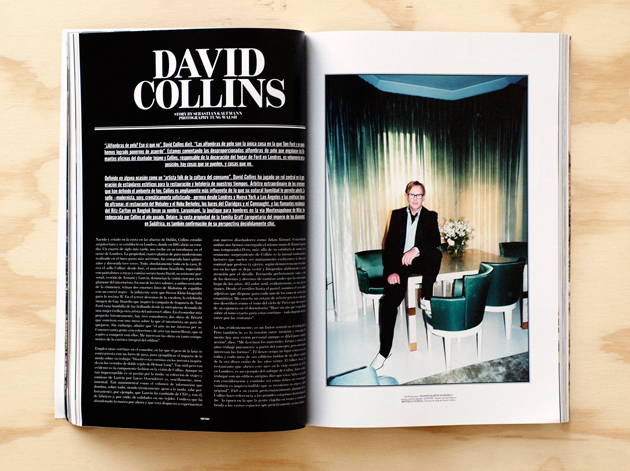
2DM’s rising star photographer Tung Walsh paid us a much welcome visit this morning while in Milan on for a top-secret shoot. (It’s going to be good, kids!) Meanwhile, we got to enjoy his newest published works in Hercules and Arena Homme +.


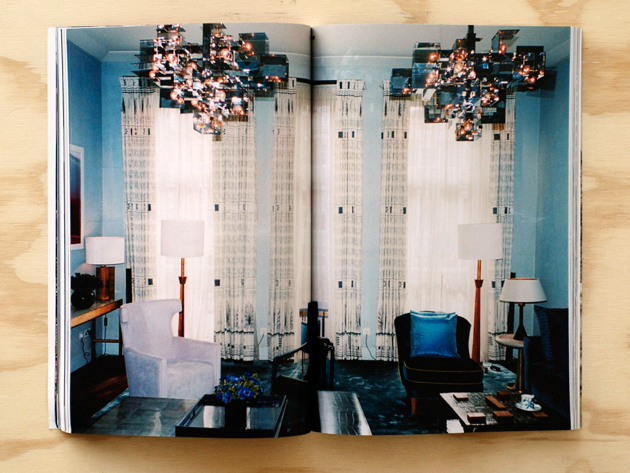
First up for Hercules, the most “Mediterranean” of men’s fashion mags, he captured interior design magnate David Collins

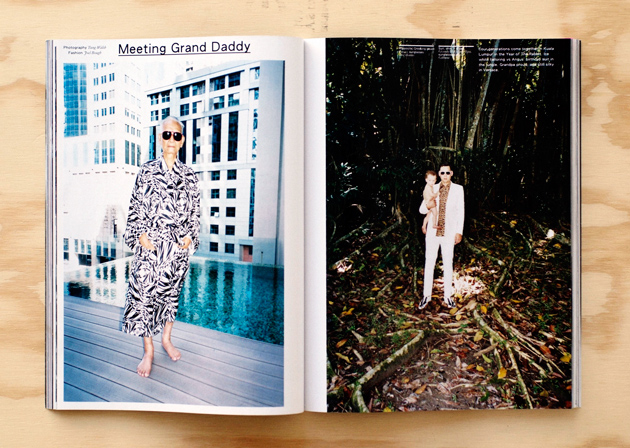
Next up for Arena Homme +, Tung went way outside the box. For this very lucky Year of the Rabbit, Tung made a series of brilliant portraits / self-portraits with his family in Kuala Lampur – notably his grandfather and son Angus. And the family is looking particularly fashionable, dressed in everything from Versace, Dior Homme, Ricardo Tisci, Vivienne Westwood, to Ray Ban and Palladium. Oh, Malaysia!

Until next time, Tung!

Tag Christof