08/11/2012

The Classic Affair

The Classic Affair

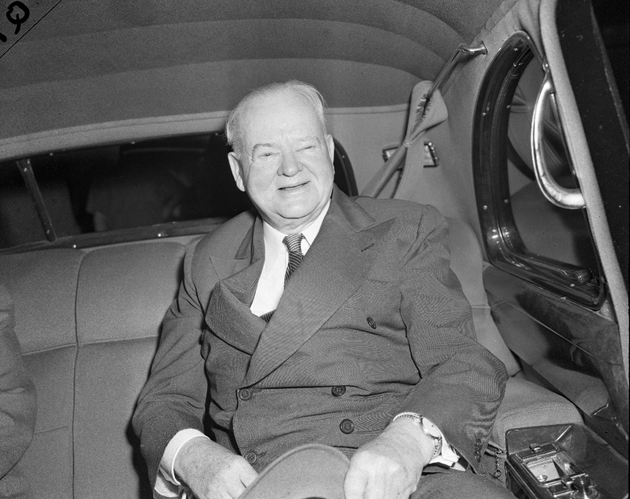
If you would ask someone to sum up in a single word his way of dressing, most likely he would never say “Classic”. Nevertheless, despite the foolish prejudices of ordinary hipsters and bungled fashion victims, in the end it’s always the Old School Style to influence customs and behaviors, especially in terms of male aesthetics. During the last five years there’s been a considerable return to the formal male elegance.

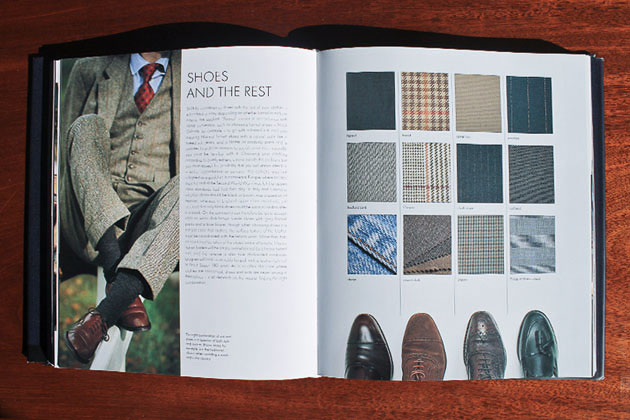
Jackets, vests, double-breasted suits, trousers with front pleats, button-down shirts and worth braces: a twister of shapes and colors in which shoes – especially dominated by the British style – remain a good safe haven to which fall back if lost in the vast sea of styling proposals. Good rule says every gentleman has to own at least two pairs of shoes, classic and high bill, to be alternated during the week, and one more casual pair, for weekends and less formal occasions.
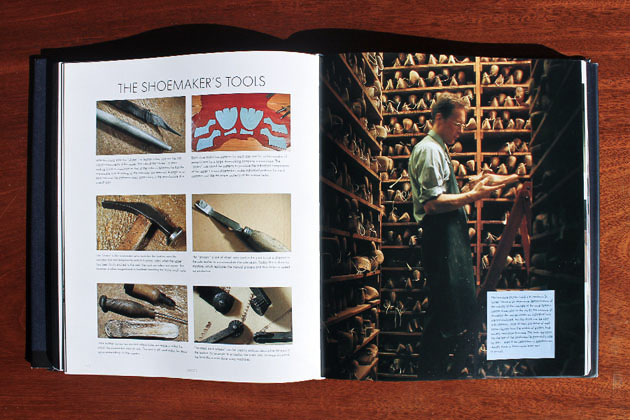
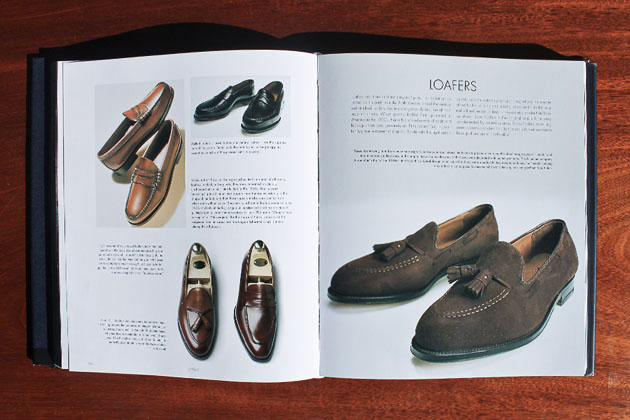
Church’s, Alden, Tricker’s, Allen-Edmonds, Crockett & Jones, Ludwig Reiter, Cheaney and few, strictly few, other houses have transformed an ancient craft into a fine art. Secrets of artisan families are interwoven with those of royal dynasties and famous names that have shaped the history of cinema, fashion, art and science.

It all starts with the custom-made shoe: not only a garment for a very small clientele, but a symbol of power and absolute elegance. A choice linked to the need for individual comfort and beauty, pitted by long processing times. Material testing, color choices and interminable waiting lists become a certain type of a rite. But times change, and the ability to devote full days, resources and production costs to a single customer gradually disappears. Market moves quickly, and to meet the growing demand for tailored pieces, the big manufacturers alter their production by defining sizes, shapes and standard color palettes that the customers would have to comply with.
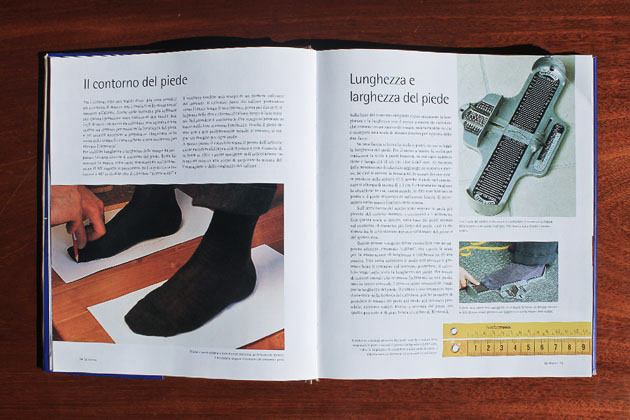
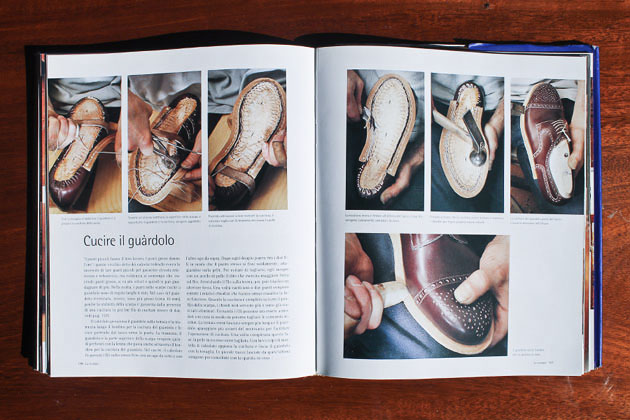
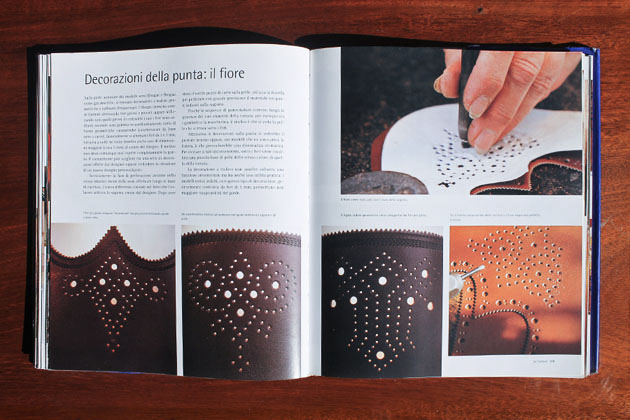
The leathers used for the inner sole are only vegetal tanned hides, and calfskin is always the standard material adopted to clothe the skeleton. Customers can personalize their own dream shoes with the help of a talented shoemaker. You can find a famous example of it at Number 9 St. James’s Street in London, home of one of the most popular custom shoemaker in the world, John Lobb. There, the Master Last-Maker initiates the manufacturing process by taking a series of foot measurements, while client chooses the model, shape and type of leather, as well as the height of the heel, the sole and any other particular details. In addition to John Lobb’s, this practice is adopted by many other custom-made shoe houses, such as Berluti, László Vass and Gatto.

Wearing quality shoes means communicating an intention. They are a status symbol intelligible by a few but clearly visible to all. The fact that the fast fashion industry and small European ready-to-wear manufacturers have also turned to this type of production means that this kind of demand by the market is not merely a niche anymore. This change communicates a sense of rediscovered antique elegance that, hand in hand with the uncontrollable demand after anything vintage, has the ambition to make men’s fashion more suitable to the the needs of this new type of male.
Antonio Moscogiuri Dinoi

07/11/2012

The Editorial: O

The Editorial: O

No gloating. No jubilation in the streets. (This isn’t 2008.) But, man… what a load off! It felt there for a while like we were this close to retreating into some trenches of a draconian, wild-wild-West world. So, death to the robber barons and grief to the Gordon Gekkos of the world! Human decency and pragmatism have won!

There’s now light at the end of the tunnel for marriage equality in one of the largest democracies on earth. (Civil rights issue of our generation, kids. This cannot be understated.) The planet will be on path towards more responsible international relationships. Corporate excesses will at the very least continue to be curbed. And the absurd discussion about rape, abortion, reproduction (didn’t we do this in the 1970s?) will shift back towards the realm of reason.

I think Debbie Millman summed it up best on on her Facebook feed this morning: “Reproductive Freedom? CHECK. Marriage Equality? CHECK. Supreme Court? UH HUH. A message that democracy rules? HELL YES.”


There is so much to say about what a second Obama term means for the nature of the world this decade and beyond. Nobody is naïve enough this time around to believe that the election of one man could change everything: his first term wasn’t all roses. But despite an obstructionist and politically extreme legislature, Obama’s proven a remarkably effective leader. And the hope he inspires in people – American or otherwise – is something to feel very, very optimistic about. His very presence changes the nature of the discussion.

Now, the giant slap-in-the-face to those neocon crazies – the ones who stood behind terrifying candidates like the slithering Newt Gingrich, imbecilic Rick Perry, extremist Rick Santorum or homophobic misogynist Michelle Bachmann, and then went on to support ol’ Mittens – feels pretty great. These “patriots,” the self-proclaimed liberty lovers must now stop, once-and-for-all, with their claim that a warped, neo-1950s world of “order” (read: exclusion, corporate dominance, sexism, homophobia) is what the people want. My only hope is that they come out of their holes and get to terms with a new world in which the social and economic dynamic they espouse is entirely untenable. And that the whole world thinks they’re morons. But I digress…

It’s a new day.


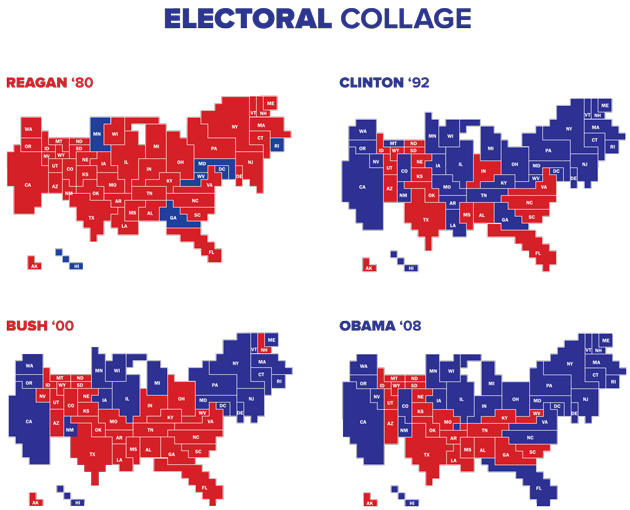
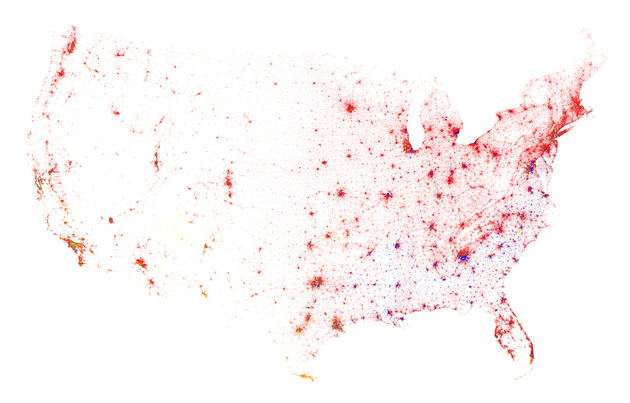
We spent last night hopping around London’s various election-themed evenings. Most notable was the opening of the compelling “Mapping America,” which attempted to demonstrate through dozens of excellent infographics the complexities and contradictions of the American electorate. What seems an opaque, straightforward red/blue dichotomy has much, much more boiling under the surface than we normally consider… Racial distribution, income, popular culture, guns, education, geography, businesses: America is a stunningly complex nation.

Catch it while it’s on at KKOutlet in London’s Hoxton Square until the 24th of November.

Tag Christof – Image courtesy of KK Outlet

06/11/2012

Penguin – The Beauty Of The Book

Penguin – The Beauty Of The Book

A few days ago a big news has come up in book publishing. Two major publishers, Penguin and Random House, are merging to form one of the biggest contemporary publishing houses. Besides the economical and market outcomes (they might control one fifth of the UK book market), the operation might have an implication even on design.

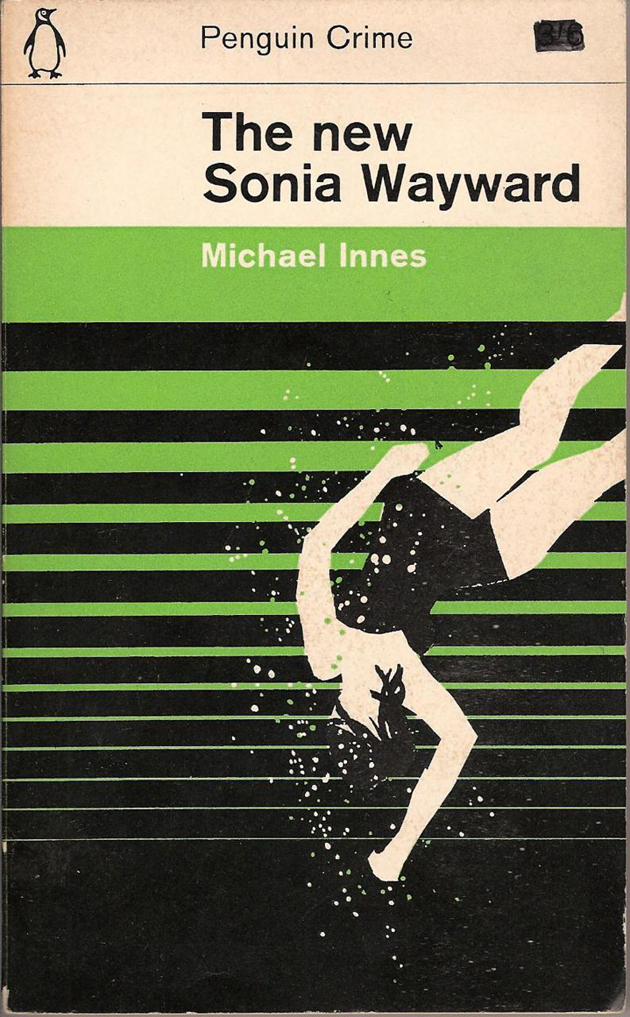
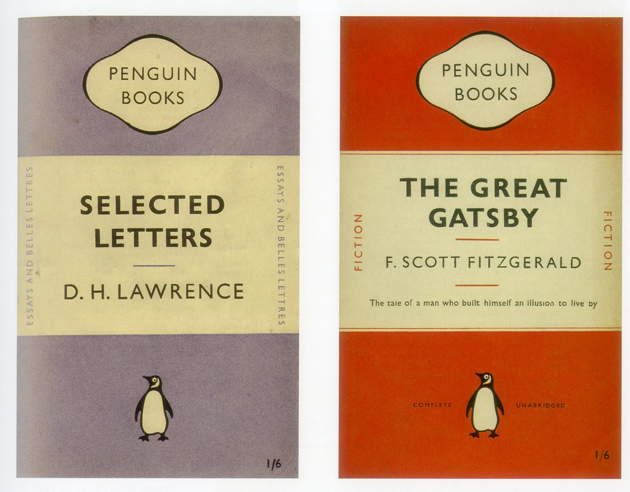
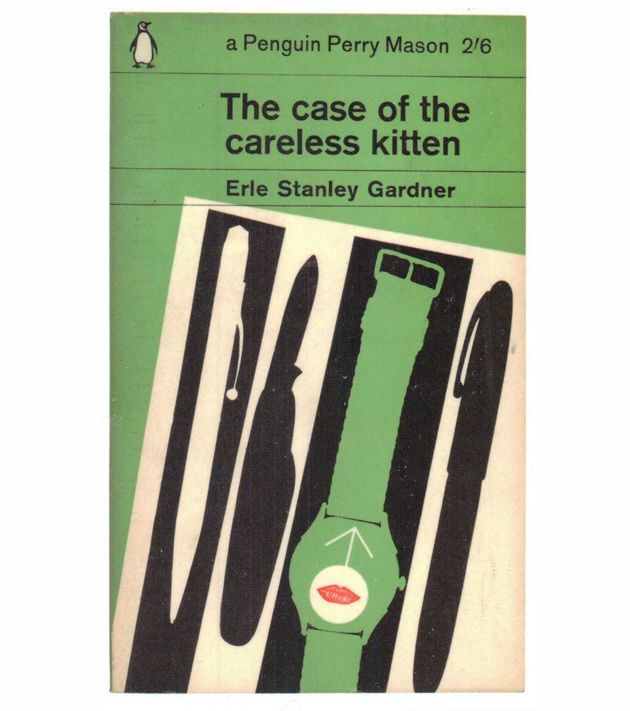
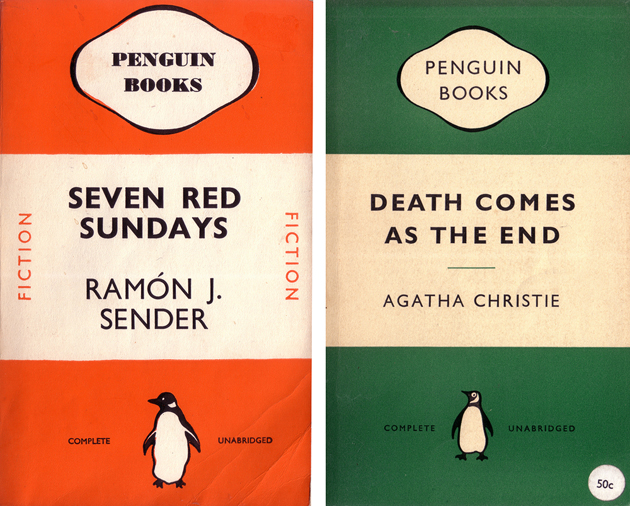
Penguin Books has made its name in timid history of design for its subversive book covers. Guided by the illuminated impresario Allen Lane, the founder of Penguin, the first book covers designed for Agatha Christie’s novels have immediately become a classic. Following the idea that “Good design is no more expensive than bad”, Mr. Lane has created not only a publishing empire, but even a design one.


While it all began with Mr. Lane, the person who gave unity to Penguin’s visual expression was Jan Tschichold, a Swiss designer born in Germany. Tschichold is widely known for his revolutionary manifesto-book “The New Typography” published in 1927, which anticipated Swiss modern design by nearly two decades with its idea of ‘universal’ typography, rigid grid structure and almost no decorative elements. After the second World War, Mr. Tschichold retreated himself in the UK, where he turned back to his origins as traditional typographer and set the iconic corporate image for Penguin. As well as the impeccable composition guidelines.

Besides Tschichold, a long series of world class designers has offered their services and wit in designing one of the most beautiful and intriguing book covers ever. Among them you can find Alan Fletcher, Colin Forbes, Derek Birdsall and Germano Facetti, all notorious design figures. As the last accords between Penguin and Random House are being signed, we all hope the new publishing house might treasure their and our design history.

Rujana Rebernjak

05/11/2012

Cyprien Gaillard | Urban Failures And Renewals

Cyprien Gaillard | Urban Failures And Renewals

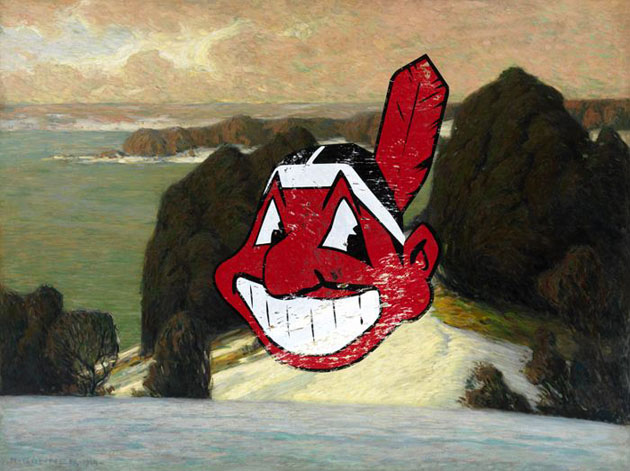
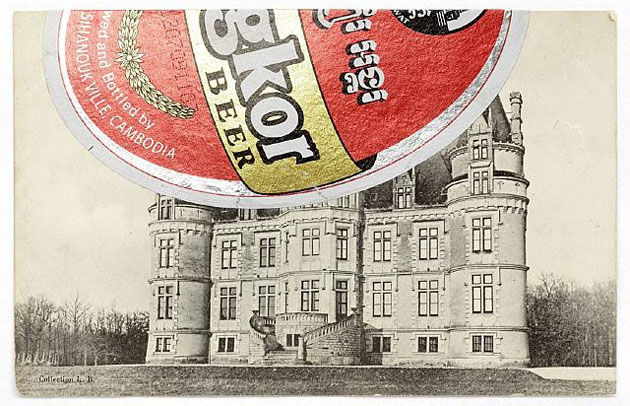
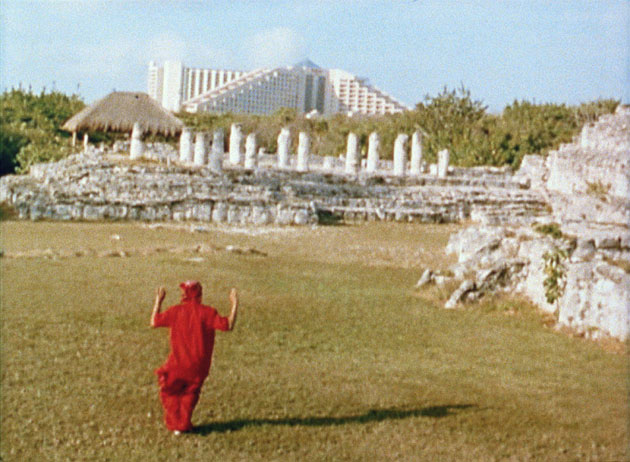
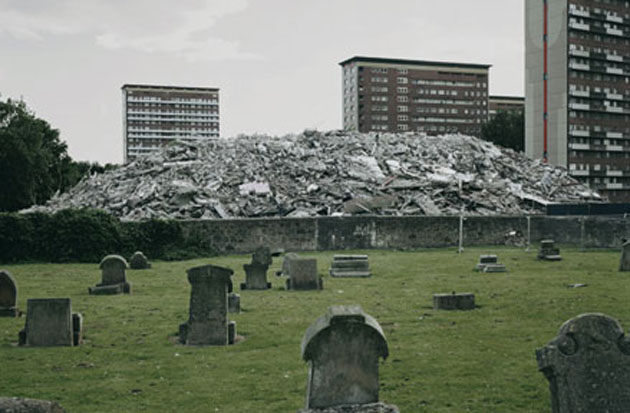
Video, pictures, installations, but also engravings and collage, these are all tools at the service of Cyprien Gaillard (b. 1980, Paris) to depict his personal view of a history of destruction and revival. In the works by the French artist virgin and anthropized nature coexist in landscapes, which plays with past and present days and emerges from smoke, upsetting codified representations. Thick white clouds, ejected from extinguishers, loom over panoramas and encompass them, leaving the viewers destabilized for their lack of common spatiotemporal references.

It could be a fire, the first thing coming to mind while looking at the series of five 35 mm videos entitled Real Remnants of Fictive Wars, or smoke bombs as in the case of the red-blue gangs – hooligans in a Russian suburb – battling in the triptych Desnianky Raion. Land and performative art join together and meet, in a sort of elective affinity, the dramatic and touching music produced by the long-time friend of Gaillard, the celebrated French composer Koudlam.


Focusing on the acts of vandalism that scar the condition of things, and using derelict architecture as both subject and metaphor of his poetic, Cyprien Gaillard shows the transience that surrounds and permeates human beings’ existence and their choices. This way the message turns to a sort of documentary intent, which connects different ages through the concept of transformation. Our time is a time that tends to a progressive atrophy. It is a time of “broken dreams and frustrated expectations”, a period of disenchantment dominated by an ancestral disorder that nevertheless doesn’t necessarily bring contemporary society to an end. According to the pessimistic vision of Max Weber – one of the founders of modern sociology – ideas and beliefs cause social change along with an inescapable failing of tradition due to an ever-increasing rationality. Maybe we are just atomistic, alienated individuals bent to the mass culture industry that determines what we are, or maybe we live in a system governed by an entropic chaos, experiencing it while lingering over the “big moment” to come.


After exhibiting in many of the most important domes of contemporary art such as Centre Georges Pompidou in Paris (2011, 2008); Turbine Hall at Tate Modern in London (2009); MoMA in New York (2010); the KW Institute for Contemporary Art in Berlin (2011), Cyprien Gaillard lands in Italy. Fondazione Trussardi arranged his first solo show at the military bakery of Caserma XXIV Maggio in Milano, entitled Rubble and Revelation – once again the Foundation has been able to seek out a lost treasure of the city and opens its door to a wider audience –, hosting the works of a young artist who shows the traces of the strong relationship between modern cultures and their environment, constraints and chances.


Monica Lombardi

04/11/2012

Sunday Breakfast by Love For Breakfast

Sunday Breakfast by Love For Breakfast

In a distant spicy hint I find the recollection of a not too far memory. An exotic consolation of a lack hard to fill.

Alessia Bossi from Love For Breakfast

02/11/2012

Rosarito Beach: A One Night Stand

Rosarito Beach: A One Night Stand

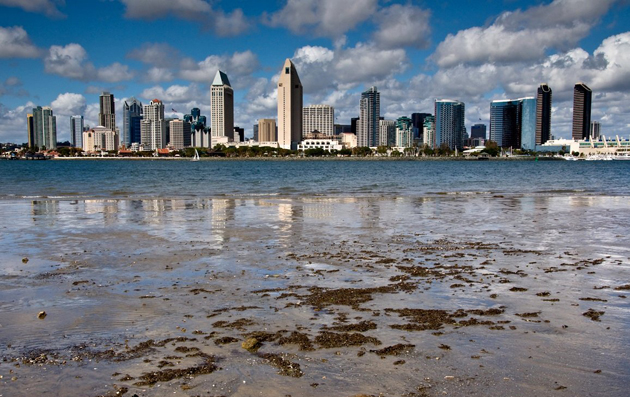
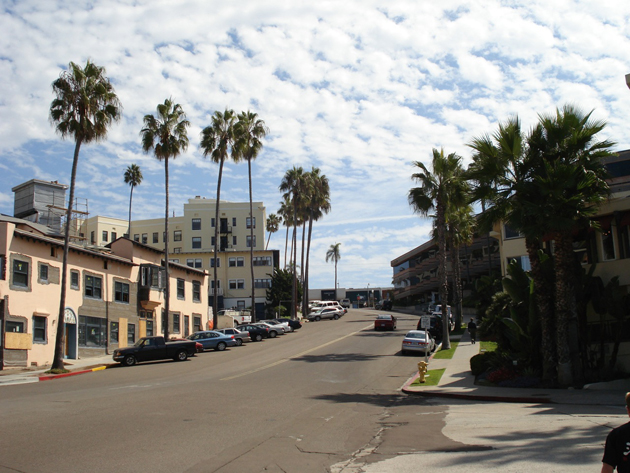
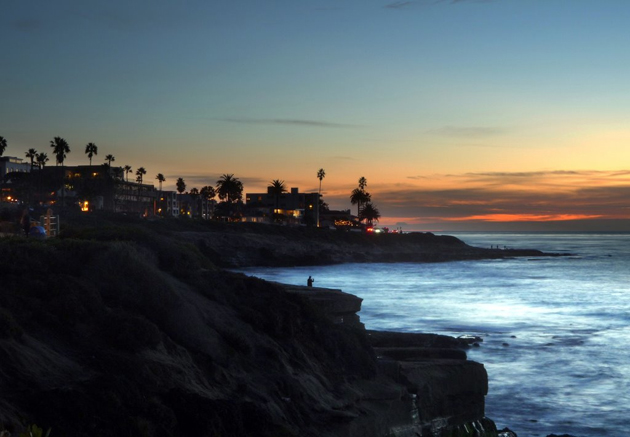
You have to visit San Diego at least once in your life. A lot of people who visit California can’t resist the charm of Los Angeles, Las Vegas and San Francisco, maybe thinking that down there – between the south-western projections of the rocky views of the States, where huge pick-ups zip along highways almost as large as soccer fields – the American Dream is less visible. Surely, San Diego doesn’t possess the arrogance of Los Angeles and the hip style of San Francisco, but to the eager tourists hunting the Californian landscapes this city will offer beaches crowded with surfers, lovely shops on the seaside and a perfect climate all year long. And it is exactly in this American portrait, shining like a line of fire, that you will discover also another feature: The border of Mexico.

Within a few miles you can pass from the glitzy luxury of La Jolla, the seaside resort in the North of San Diego, 40 miles away from Orange County, to the provocateur transgression of Tijuana. Landscape changes like by a curse: big colonial houses turn into hovels and Cadillacs into wrecked cars. Big supermarkets, little by little, become family owned businesses. Beyond border – the most crossed one in the whole world – groups of young people looking for fun make a rush for old taxicabs, anxious to get to the party. Tijuana, described by Manu Chao as the city of tequila, sexo y marihuana is not the only destination for the tourists and Californians. Rosarito Beach, one hour drive from San Diego, is commonly less known, but competes with Tijuana for the wand of Mexican Mecca of transgression.


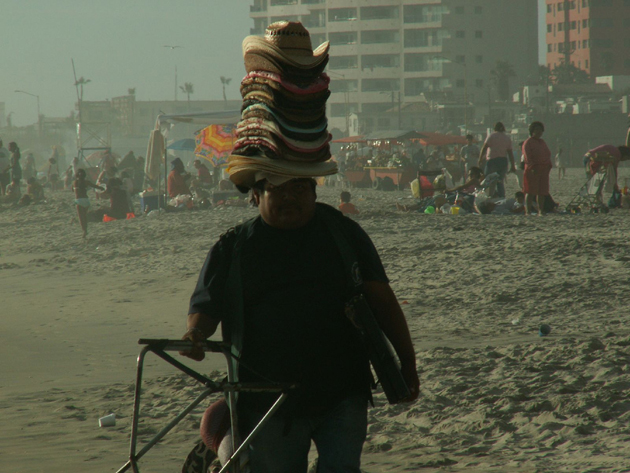
In summertime, nights in Rosarito Beach are long and sweltering. Groups move from one disco to another, while on the streets some people seem like coming out from a Tarantino movie, offering discount entries to clubs. Liquor stores are filled up with young boys and girls. Music gets louder on the dancefloor and the night starts burning to the sound of commercial rap and the screams of the party people. When the dawn glisters in the horizon, walking between boxes in which some homeless and foundlings live, the people of the night come back, moving towards the customs. Under the rising sun, between turnstiles and gates, caravans of dazed young boys and girls are heading for home, leaving Mexico after the one night stand of fun.


Antonio Leggieri – Photos from Javier Velazquez, Miles Gehm, Kris Robinson, Nick Hall, Nick Chill.

01/11/2012

A (Fashion) Tale of Truth

A (Fashion) Tale of Truth

Unless you’ve resided under a rock for the past decade, it is manifestly clear that green, biosphere conscious fashions have become an all-pervading phenomenon in today’s fashion landscape. After a deserved flood of awareness that has been raised about the horrors of what goes on behind the fashion industry’s curtain, eco fashion has as such gradually evolved from an haute-nouveauté buzzword, into the new normalcy. By virtue of this, eco-responsibility is exploited as a vital marketing strategy for a growing group of fashion labels.

A number of these businesses, particularly some ‘old’ and established ones, have attempted to jump on the green bandwagon by disingenuously spinning their apparel as environmentally beneficial. This deceptive use of green PR, also termed as greenwashing, denotes to a diverse array of counterfeiting practices. 
Conspicuous labelling, through the iniquitous endorsement and certification of third parties, is one such thing. For instance, fabric with a mere 5% organically grown cotton is qualified for acquiring the virtuous stamp of Textile Exchange; a non-profit organization focussed on the responsible expansion of textile sustainability.

On a similar note, the Better Cotton Initiative – a multi-stakeholder’s initiative founded by Adidas, Gap inc. and H&M, among others – is deemed a reputed, eco-responsible organization and thus credible hallmark, while de facto, it has established minimum environmental requirements for growing cotton. 
Under meticulous examination, the green gloss of some of these companies is flaking in the heat. As such, the ethical alignments of fashion labels are increasingly watched with a critical eye.

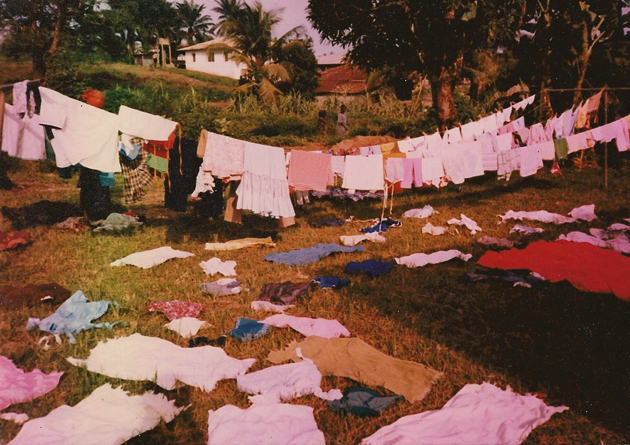
Yet, in spite of these unjust ecological credentials made by some, the biggest environmental impact of the manufacture of clothing happens on the consumer end of the spectrum, after the production phase. In fact, a sweeping sixty percent of the consumed energy is directly correlated to the way we wash and dry our garments. 
The carbon footprint of a load of laundry is not to be underestimated: washing and drying every two days creates around 440kg of CO2e each year. Tons of energy can be saved there, by line-drying and washing our garbs in cold water. 
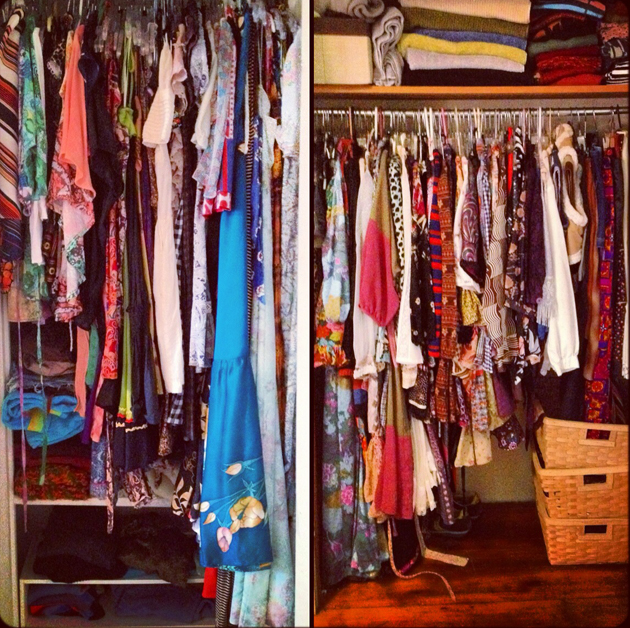
All in all however, the utmost smartest and greenest thing one can do is, radically but simply, cut down on shopping sprees. It’ll surely help reduce the clutter in one’s wardrobe.

Claire van den Berg

31/10/2012

The Editorial: Oh, Sandy!

The Editorial: Oh, Sandy!

At least fifty people have died. Thousands have lost homes and millions remain without power. Yet another catastrophic storm has pummelled a world metropolis– and while minor when compared to the havoc wrought on Japan by last year’s tsunami, for instance, it’s no coincidence that this type of devastation has almost become commonplace, an annual event. There is no more tangible sign that the past dozen decades of carbon-methane-dirty-dirty-black-smoke-belching has resulted in some pretty major climate change.

It is a great coincidence, however, that a crucial presidential election is being held next week in the Western country most touched by climate-related disasters in the recent past: the USA has endured the levelling of Joplin, Missouri by tornadoes, the apocalyptic destruction of Louisiana and the Gulf Coast by Hurricane Katrina, the drowning of Miami by Hurricane Andrew and several other major events.


So in the midst of the current havoc of a drowned New Jersey and a crippled New York, the American candidates’ differing views on climate change could not be more important: Romney, the Republican, downplays its very existence and would pursue policy that would allow for more (not less) carbon accountability, while Obama, the Democrat, has made green energy a major pillar in his platform.

And while it’s still somewhat of a stretch to blame weather directly on politics, the importance of world leadership who will at least acknowledge the almost unequivocal existence of human-caused climate change cannot, cannot, cannot be overstated. Greener policy now could very well mean less devastating climate change in the future, and admission is the first step towards recovery, after all. That Romney and seemingly every party-line Republican stooge continues a three-ring circus of denial in the name of religious conservatism, corporate interests, stubbornness and sheer, unabashed stupidity is flatly inexcusable. And beyond a litany of absurd social and fiscal policies Republicans continue to stand behind (all also inexcusable in the second decade of the 21st century), there is simply no more room for their anachronistic, ill-informed, self-interested agenda on the world stage.

Romney is a man who would, because of his slavish belief in the dubious powers of the “private sector,” abolish the very organisation charged with large scale disaster relief in the USA. Of course, he realises there is a need for such services, but like every Republican who dreams of a corporate world where access to anything is based on ability to pay, he would hand the scraps to the private sector. Disaster relief for a profit.

Of course we’ll save your life! That’ll be $199.99 plus tax, please. All major credit cards accepted. Oh, your wallet was blown away? Well, come visit us when you find it. Have a nice day!

Obama may be far from perfect. (Where’s the fiery, polemic, contrarian the world rejoiced in 2008?) But it’s clear in any case that he’s a good, pragmatic man willing to listen to good advice and act decisively in the best interests of the most people. In a dynamic, deeply uncertain world, that’s a damn good start.

Please get your American friends out to vote. This election is way, way to close for comfort.


Tag Christof – Photos courtesy of These Americans

30/10/2012

30 Designed Reasons to Vote Obama

30 Designed Reasons to Vote Obama

As the USA presidential elections get closer and closer, we can all witness an almost frightening hustle and bustle going on around us. Every minute of each day, hundreds of web posts, articles, statistical analysis and other types of information are being poured in our heads with the one and only intention – to gain some precious votes. It is reasonable to believe that this information overload is surely confusing and that we might appreciate it much more if it was handed out in a different way.


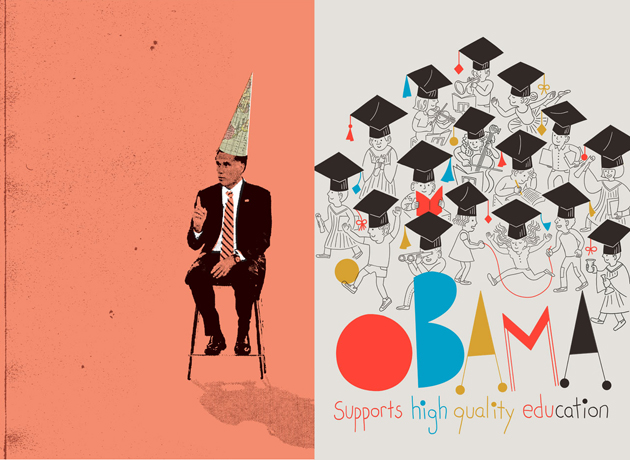
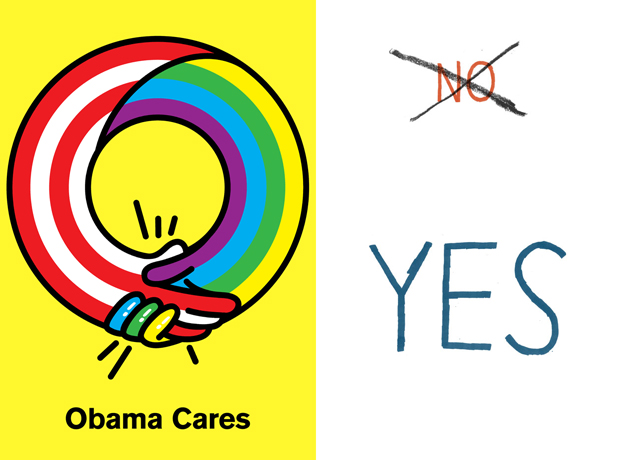
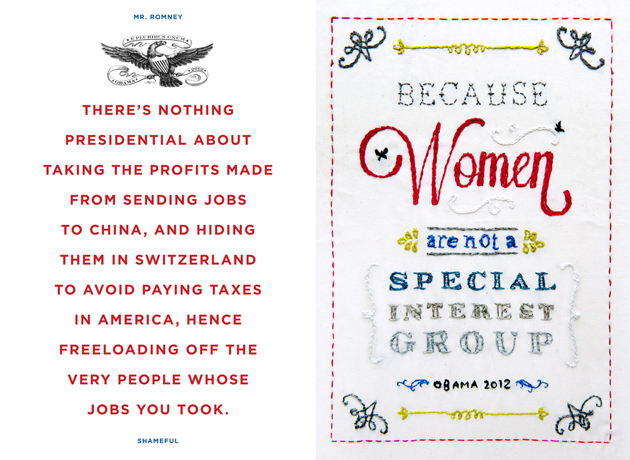
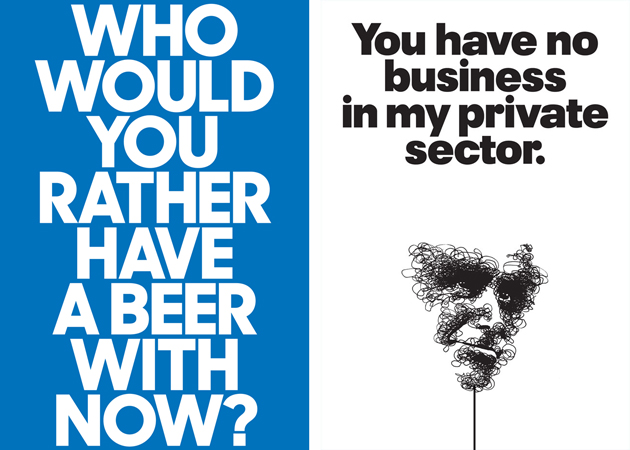
This is where designers step in, reunited under the initiative called 30 reasons – an email and internet poster campaign due to last 30 days (with more or less 10 days left to go). The campaign isn’t an un-biased source of information, but gives an intimate interpretation of why we all hope the Americans might re-elect Mr. Obama. It is well known that, by the very nature of the profession they serve, graphic designers are left-wing oriented. A socio-democratic political orientation stands at the very foundation of their work, coherently based on Modernist ideals of democracy and equal distribution of means and resources.

30 posters shown on the initiative’s website don’t try to make a rational political evaluation of pros and cons for voting a candidate, but let us peak inside an intimate designer’s world. More importantly it also shows how this profession, often seen as extremely frivolous, might actually serve quite urgent causes in our society. Hence, the works promote Obama’s attention for women and gay rights, social service and health care, education and social equality. While we aren’t going to judge graphic quality of these works, we completely agree with the founders of the project who believe that “designers have the duty to stand up, speak out and help promote social justice”.


Rujana Rebernjak – Images courtesy of 30 Reasons and respective authors

29/10/2012

Castles in the Air

Castles in the Air

There is always a good reason to move from the centre to the suburbs of Milan to visit Hangar Bicocca, one of the few urban realities seriously involved in furthering contemporary languages.

Entering the huge post-industrial cathedral and crossing the nave, which offers a glimpse on the unique setting created by Carsten Nicolai and Anselm Kiefer’s installations, neatly in a line, you come near to the close space that hosts the latest Tomás Saraceno’s installation.

The Argentine, Saraceno – class 1973, coming from San Miguel of Tucumán – undoubtedly knows about the concept of space. Actually he perfectly knows how to create and order it, how to challenge and match it according to its unexpected forms and evolutions. Being maybe more an architect than an artist, he learned from a mentor such as Peter Cook the necessities of architecture to tend to more radical and utopian shapes and dialogue with the living part of art, and not only with its tradition. For this reason, Saraceno’s artistic alphabet is structured on primary terms that he revisits through a stubborn and scientific study of concepts like shape, space and emptiness.

On Space Time Foam is the latest of these both super complex and simultaneously minimalist constructions, which seems to face off buildings and spaces that host them: going up the scaffold stairs, the visitor gets to an altitude of 20 meters, and once there, he/she can “plunge in” a see-through membrane, suspended in mid-air. A jump, an emotion, an euphoric feeling of lapsing unconsciously into the gravity, but also the bizarre emotion of swimming in a mysterious swimming pool whose surface is influenced by presence, weight and movements of other visitors. Certainly experiencing On Space Time Foam allows you to enjoy the surrounding space in a different way, while on an unconscious level, it helps you to feel tensions and the limits of our body.

An invisible city, a hang structure (made of 99% air) apparently simple, but actually elaborate and stratify, not only from a technical point of view: the three layers that compose the work cover a wide area – almost 1200 square meters – and it has been commissioned to the same firm that works with ESA (European Spatial Agency); but also from a formal/”sculptural” side, along with the conceptual one. Saraceno’s installation is the result of an intense planning work (at the moment 20 people is working at his studio in Berlin), which updates the thousand-year relation between art and science, adding and placing side-by-side the importance of science fictional imagination as a critical element for the Tomás Saraceno’s creations.

Riccardo Conti, Editor’s thanks to Monica Lombardi