19/11/2012

La Photo à Paris

La Photo à Paris

From 1996, each year, mid-November, for four days, Paris turns into the world centre of historical and contemporary photography, gathering together the most important international galleries that work with this artistic language, expert and lovers, hosting them in the outstanding building of the Grand Palais. That’s Paris Photo, the heart of photography, where everybody can feel the thrill of making a journey through the history of this medium, moving from past to present and enjoying its masters and emerging talents.
 A load of visitors, many red stickers (synonym for good sales, and consequently good spirit); the atmosphere is sparkling. Maybe the only sore point – at least for our nationalist side – is the almost total default of Italian galleries (not being here it’s a bit like being on the bench of “photography games”.)
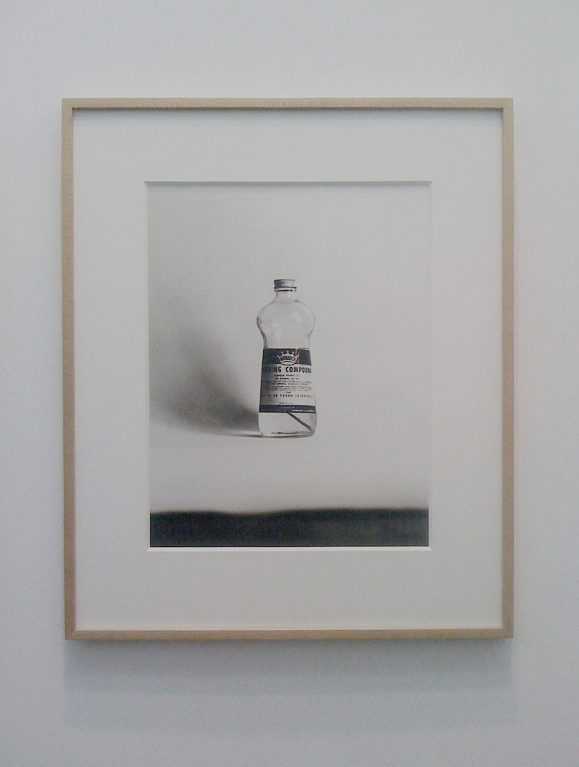
Our tour starts at Lumier de Roses that shows anonymous pictures from 19th and 20th century, whose value is not influenced by the name of the photographers, but is entirely due to their evocative power. Anonymous photography is also presented at the exhibition Private Collection, arranged thanks to the Archive of Modern Conflict, which counts 4 million different images created by both famous artists such as Boris Mikhailov and first-class unknowns.
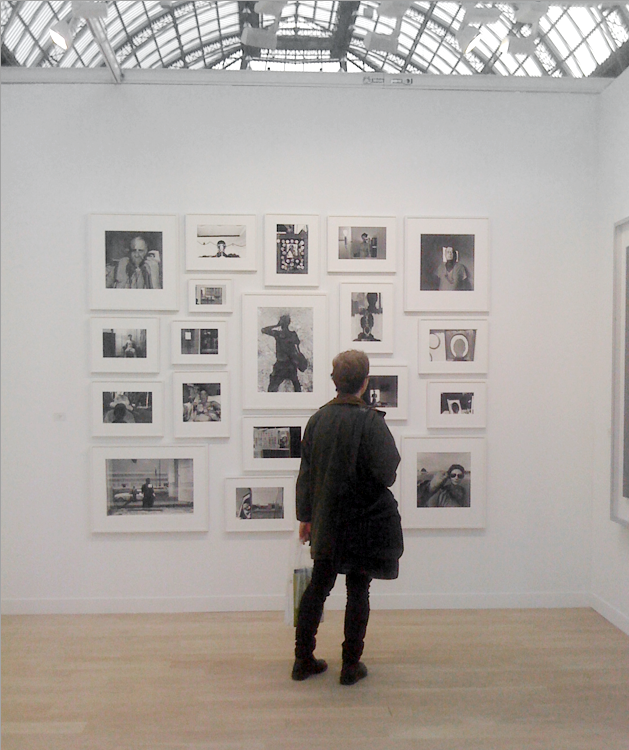
 At Fraenkel‘s stand, a self portrait picture gallery by the renowned artist Lee Friedlander catches our attention, and it is another picture gallery, some stands after, at Weinstein Gallery to intrigue us: it is the work by internationally celebrated Alec Soth, who plumbs and interprets women’s intricacy.
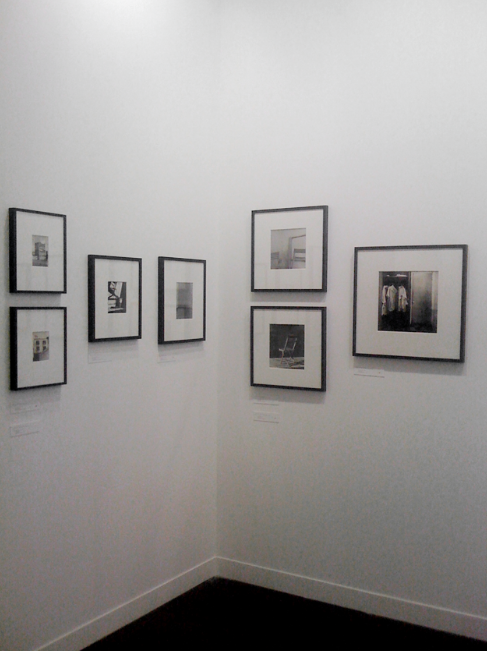
We meet again Boris Mikhailov at Guido Costa Projects, while Paradise Row presents Adam Broomberg & Olivier Chamarin’s images from the new series “To photograph the details of a dark horse in low light”. Poker of aces at David Zwirner and Gagosian‘s respectively with names of the like of Philip-Lorca di Corcia, Gordon Matta-Clark and Thomas Ruff, Gregory Crewdson, William Eggleston, Douglas Gordon, Andreas Gursky and Hiroshi Sugimoto, just to mention a few.

A voice out of the choir for Westlicht, which exhibits the works of the Viennese Actionism – Günter Brus, Otto Muehl, Hermann Nitsch, Rudolf Schwarzkogler (who committed suicide in 1969) – characterized by a stark, sadomasochistic aesthetic.


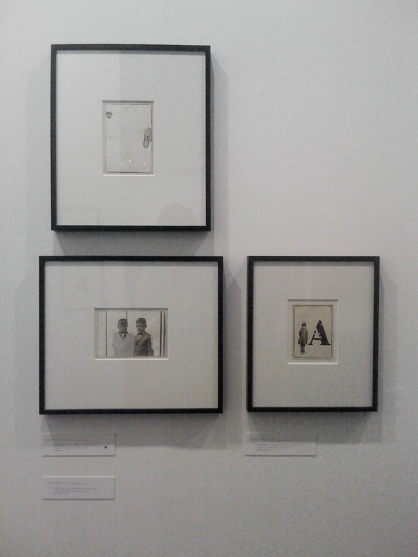
We close our review mentioning one more space: Pace/MacGill Gallery with its four André Kertész’s small and intimate pictures that go under our favorite theme among the three main ones of the fair: “Small is beautiful”, “Le réel enchanté” (Enchanted Reality) and “La photographie française et francophone de 1955 à nos jours” (French and francophone photography from 1955 to the present day). 
For the new Paris Photo event that will be held at the Paramount Pictures Studios in Los Angeles – at the end of April 2013 – we just hope to see more young talents like Dwarfs standing on the shoulders of giants.
Monica Lombardi

18/11/2012

Sunday Breakfast Goes Kaleidoscopic

Sunday Breakfast Goes Kaleidoscopic

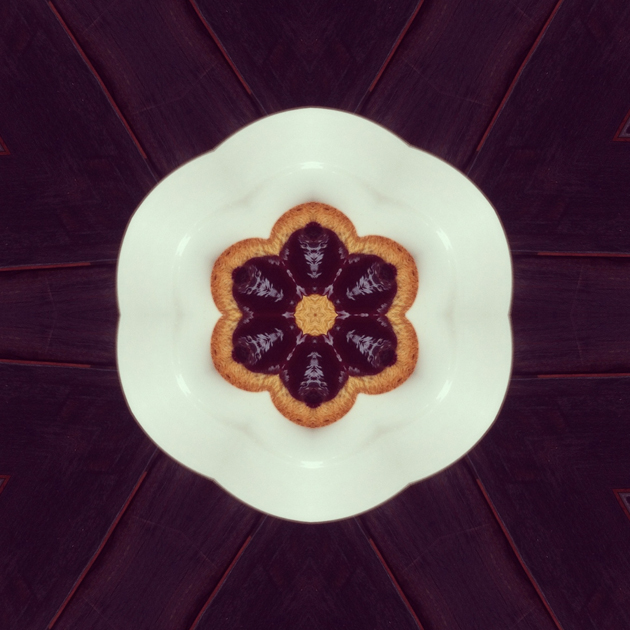
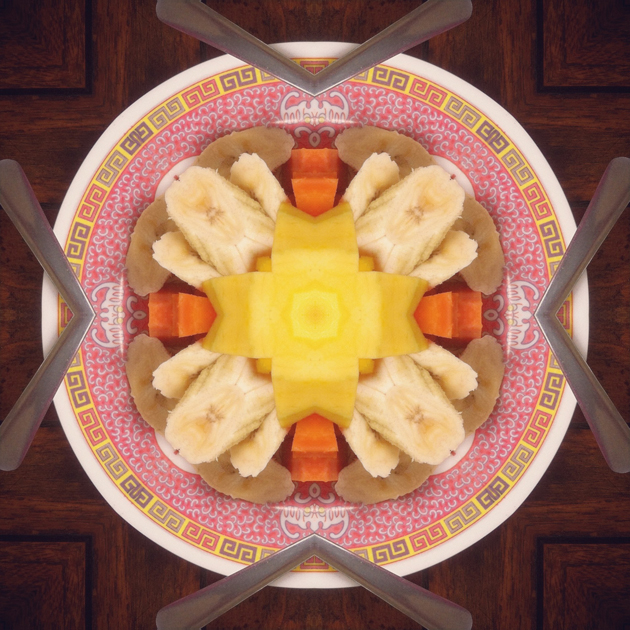
Where the dream merges with reality. Coherence and abstraction come together to create an abstract moment which tastes known.

Alessia Bossi from Love For Breakfast

16/11/2012

From Heritage to Today

From Heritage to Today

The last few seasons have seen a strong lean back towards heritage brands and classic workwear. Trusted, original, authentic and functional, brands such as Redwing, Woolrich, Pendleton, Filson, Gloverall and Levi’s among many others are associated with the rugged outdoor life and real hard work.

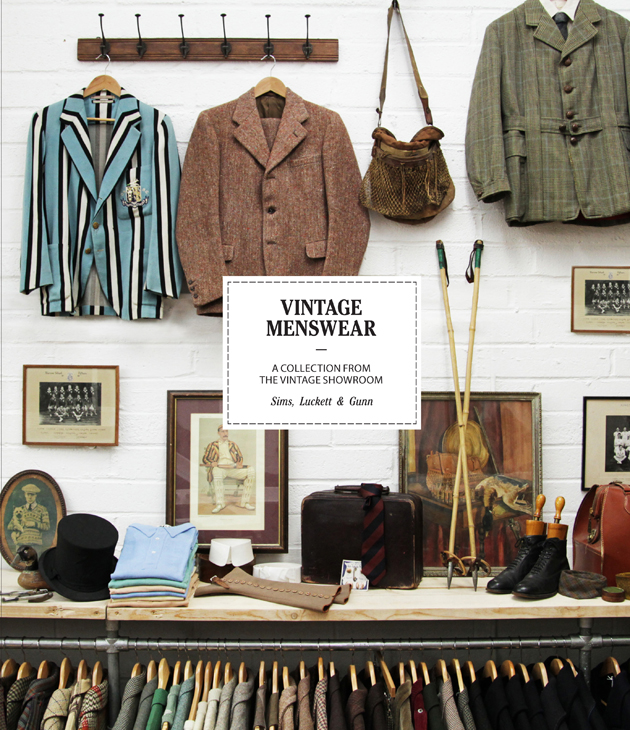
We’ve taken a look at some original vintage items featured in the “Vintage Menswear” book, which is a beautiful collection of archive pieces from the Vintage Showroom in London, collated together in one book, which boasts original sportswear, military and workwear items which still inspire today’s brands and designers.

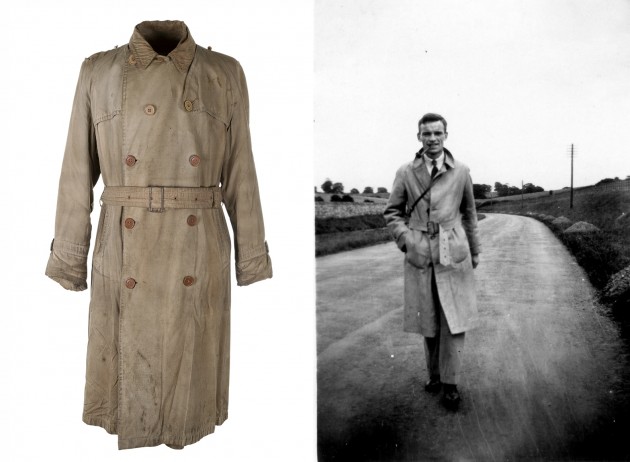
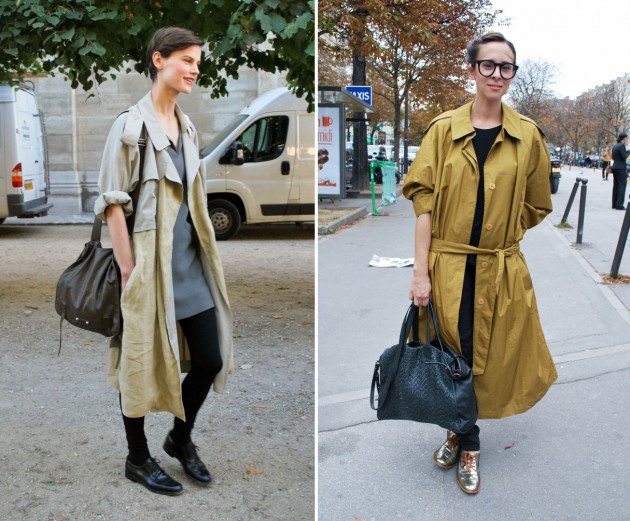
Let’s start with the trench coat, originally a civilian item but later used for military use. Key features are double breasted, wide lapels, storm flap, shoulder straps and belted waist and cuffs. An iconic piece which might conjure up images of Dick Tracey or Inspector Clouseau. One thing is for sure, it’s timeless, stylish and it means business. Fast forward to 2012 and a key fashion trend seen on the streets for women is the oversized trench coat, worn layered and relaxed with the sleeves rolled up.


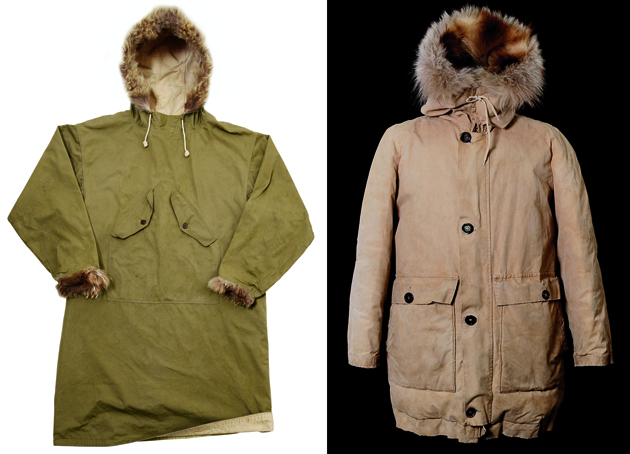
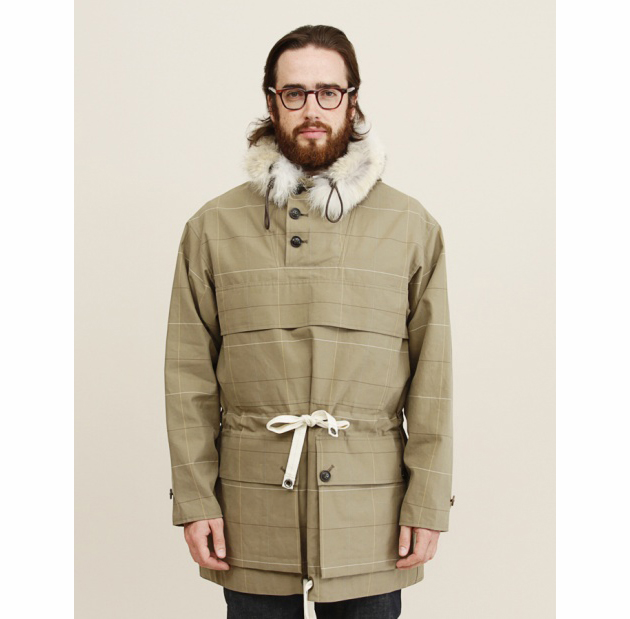
The Parka jacket; a functional heavy, hooded and fur-lined jacket, – originally invented by the Caribou Inuit (Eskimo) of the Arctic region to protect themselves from the extreme wind and freezing temperatures whilst hunting and kayaking – is still a key trend in young urban street fashion. Here, featured from the Vintage menswear book, are an U.S. Army 1942 snow parka, a 1950s Hunting parka and a 1960s expedition parka. If we take a look at designer menswear of today, we see how Nigel Cabourn has translated these original features and details into a contemporary “Antarctic Smock” as it is named, using modern fabrics and styling, the item takes on a whole new modern and fresh look.


So why the nostalgic obsession with all things heritage right now? It seems people have a need to re-connect with a time when these clothing items represented labour, hard work, outdoors and getting your hands dirty. With many of us sitting in an office in front of a computer screen for a big part of the day, perhaps we feel more in connection with nature and our ancestors if we are sporting a pair of red wing boots, artificially aged and worn-in jeans with a fur-lined parka on the back of the chair, ready to be put on at the end of the day to brave the commute home.

Tamsin Cook – Images courtesy of the “Vintage Menswear” book of The Vintage Showroom, Nigel Cabourn

15/11/2012

Give it a New York Minute

Give it a New York Minute

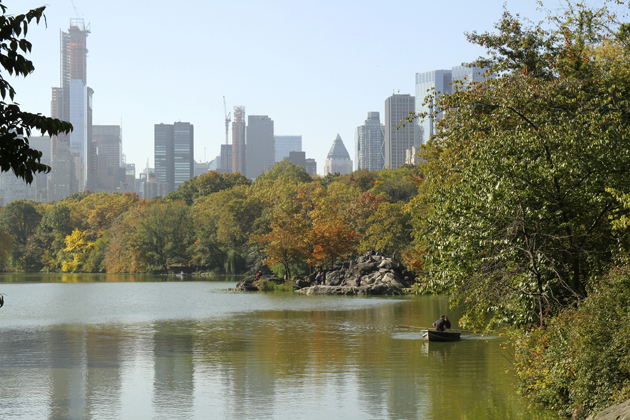
Those with a passion for theatre, art, architecture, food and urban adventure find it impossible to ignore the allure of New
 York. But be warned: while tourists arrive in their droves expecting big
 things from the city, they’re occasionally left, after their first day or 
two, feelingly heartbreakingly overwhelmed.

New York is like nowhere else. Easily romanticized, largely thanks to the
 dizzying glitter of Sex and the City, this is a place where the whole “give
 me your tired, your poor, your huddled masses yearning to breathe free” 
still rings true. It draws in travellers, wide-eyed creatives, those 
desperate to change the world, and it gives them the opportunity to do 
exactly what they love. But this is why it becomes so busy. It’s a city
 that never sleeps precisely because it’s always on, always inspiring, 
always driving forward and easily intimidating. Basically, it will welcome 
you with open arms, but in return you really have to want to be there.


So, from one traveller to another: persevere. Look past the speed, noise 
and the bizarre feeling that you’re hopelessly lost somewhere in an untamed 
concrete jungle, and you’ll find the true New York beauty.

Spend an entire day in the MET, dazed in room after room filled with Degas
and his impressionist friends, be awed by the visible storage space and 
encounter one of the most brilliantly curated collections of American art 
around. Snake your way through the Guggenheim and quickly discover that it 
is every bit the architectural feat it’s made out to be. Visit MOMA and
 gaze at the Kandinskys that spent years forgotten in a post war attic. Climb to
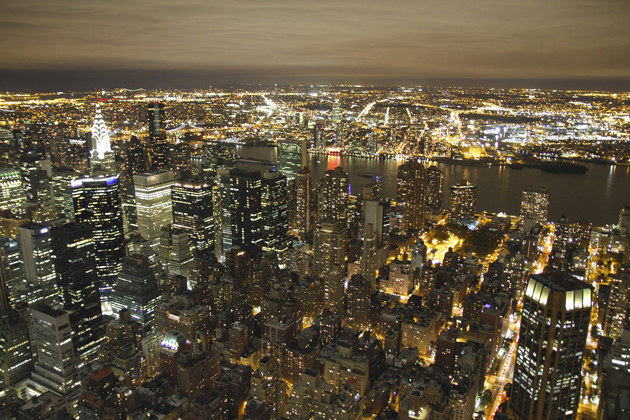
 the peak of the Empire State Building at midnight and see the geometric
 city roar in an illuminated haze below you, or simply watch as the leaves fall 
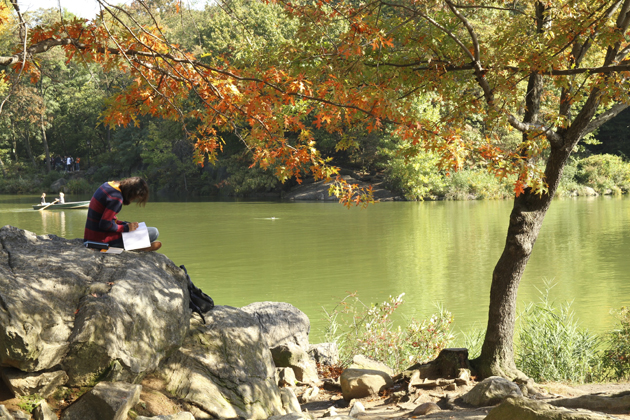
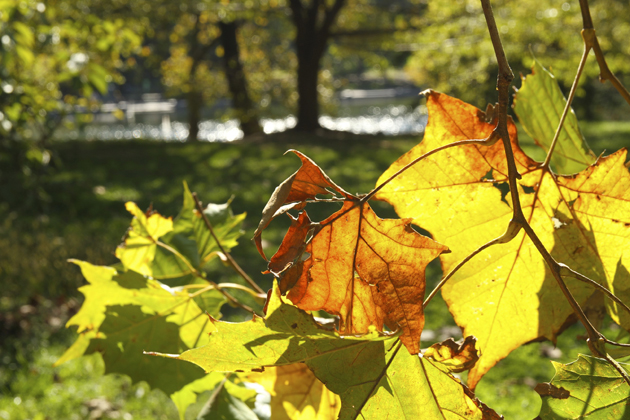
and the children chase bubbles in Central Park. Reconnect with your inner five
-year-old by searching for Eloise at the Plaza, or just enjoy a drink Truman
 Capote style before having at least one Audrey moment in Tiffany’s. Chat with 
the artists in Williamsburg cafes, stare at the constellations in Grand 
Central, hunt down every Magnolia bakery and have what she’s having at
 Katz’s – that’s one for the Meg Ryan fans.


You’ll find New York’s magic by engaging with the city, accepting its pace
 as your own and understanding that a solid night’s sleep probably isn’t an 
option. Don’t be afraid to feel intimidated. As with all good 
relationships, if you want something truly delightful, you have to go out
 on a limb and give it everything you’ve got.

Liz Schaffer

14/11/2012

The Editorial: The Ballad is Back

The Editorial: The Ballad is Back

Before Flickr, before the unnavigable mess that is Tumblr, we saw fine art photos primarily in three ways: in galleries, in magazines, and in monographs. Dusty old volumes on messily stacked shelves in art school libraries, lone hardbound bricks proudly displayed on coffee tables. You knew someone with a Mapplethorpe or Ruscha book had style, just like you knew someone with Robert Frank or Ed Weston had taste. Dentists’ offices and old people always had an Ansel Adams lying about, and every shutterbug ever had some bound collection of the same iconic Cartier-Bresson snaps. They were precious commodities, not lest because they normally cost a small fortune, but because they were published in relatively limited quantities and were objects their owners pored over.


And while legions of small publishers, as well as the most culturally savvy big players like Phaidon and Taschen have succeeded in keeping the genre very much alive in the Instagram age, the newer crop of monographs simply cannot escape their time. They are all inevitably web-influenced, sleek, hyper literate collections that lack the clarity, the humble naïveté of their forbears. And while not to disparage the web’s amplification and democratisation of fine photography (we may have never known Vivian Maier without it!), there is something else in those pre-web books that hasn’t been recaptured in recent years.

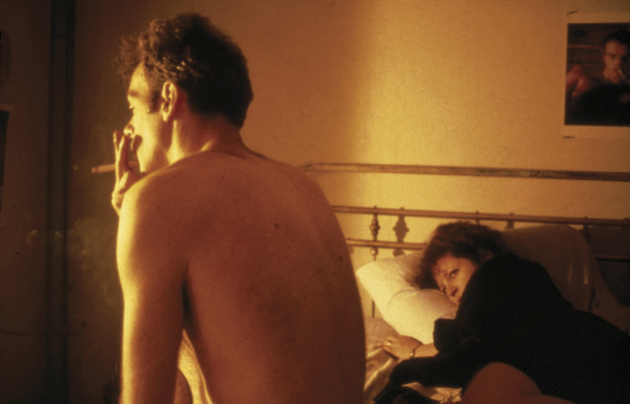
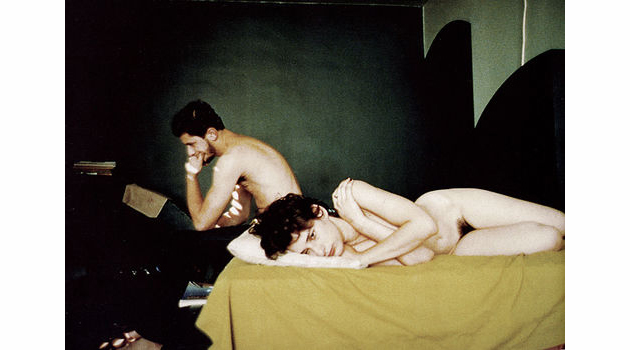
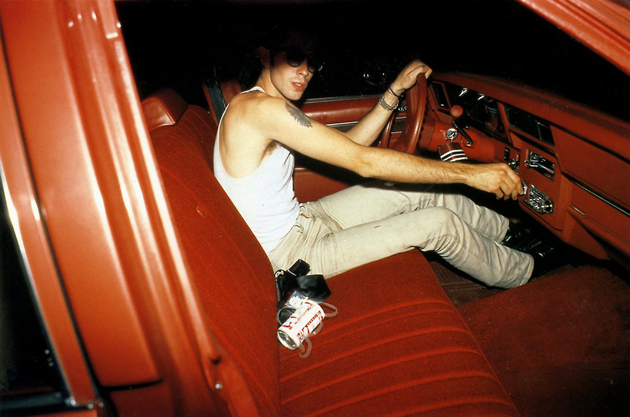
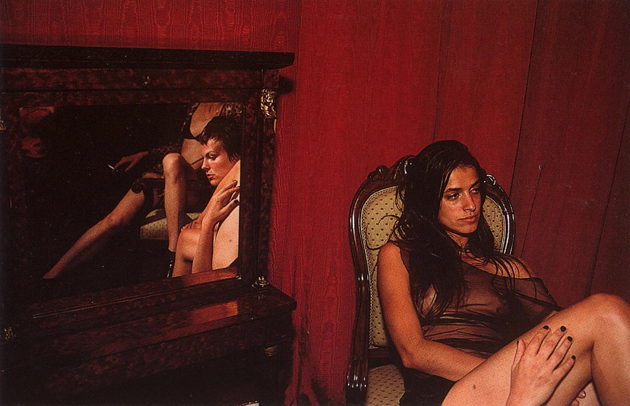
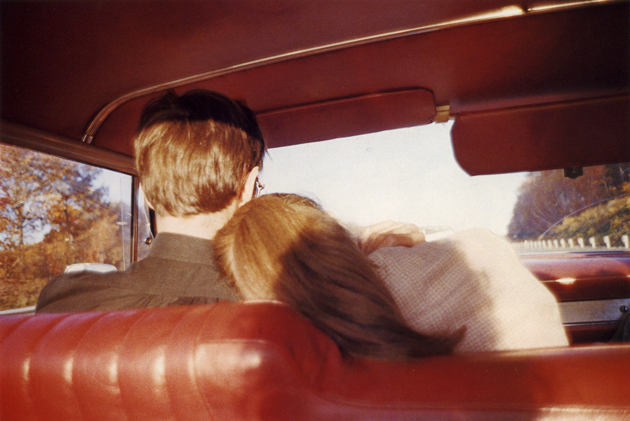
So in a nod to those heady days of yore, it’s with great happiness that we learned of Aperture Foundation’s re-release of Nan Goldin’s Ballad of Sexual Dependency, a fantastic collection of photos if there ever was one. In the short year or so, since I’ve been taking photographs seriously, no other collection has been more useful for inspiration. But my relationship to Ballad – and certainly that of many photographers – is much more complicated than that.


Once upon a time, as a misfit teenager in rural America, I indulged in strange transgressions. Not drugs or … , but rather in a collection of cultural artefacts: I bought and hid designer clothes and art books in my bedroom as if they were contraband. The photo books were the most important: Garry Winogrand, Minor White, Jakob Holdt, Diane Arbus… and, most importantly, Nan Goldin. Her work, most saliently in Ballad was a revelation: its images were the first time I saw the camera’s potential to dig uncomfortably under the skin. Past social mores, through put-on artifice down to a soft, compromised, imperfect humanity. It wasn’t the deer-in-the-headlights I’m doing this because I know it’s provocative discomfort of Diane Arbus, but a far more honest, far less pretentious “other-ness.” I identified with these photos. And feel better about being human when I see them.

As a footnote, 2DM’s Skye Parrott was once Goldin’s protégée – check out her work for a more youthful, yet still very Goldin-esque eye.


Tag Christof

13/11/2012

Seller / Publisher / Artist with Franco Vaccari

Seller / Publisher / Artist with Franco Vaccari

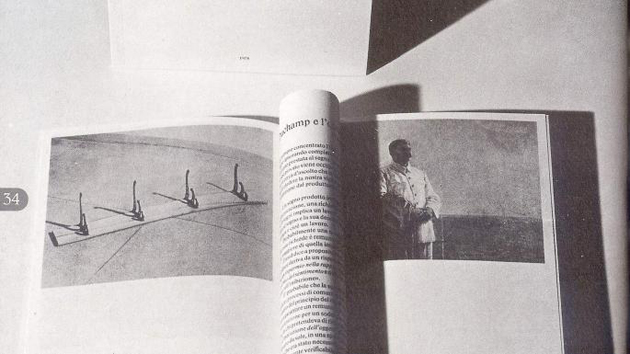
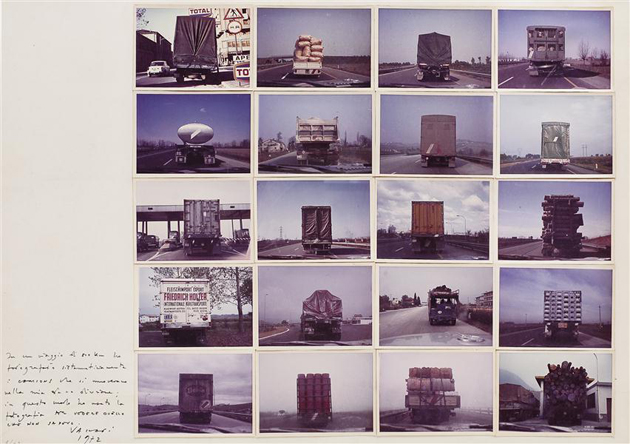
One of our favourite exhibition spaces in Venice, A Plus A gallery, and one of our favourite publishing houses, Automatic Books, have joined their forces in organizing a series of conferences about artists’ books. The cycle of encounters, titled “The seller, the publisher and the artist”, inaugurated a few weeks ago with a conference by Cornelia Lauf, one of the founders Three Star Books publishing house, while this weekend we have had the chance to assist to a talk by Franco Vaccari.


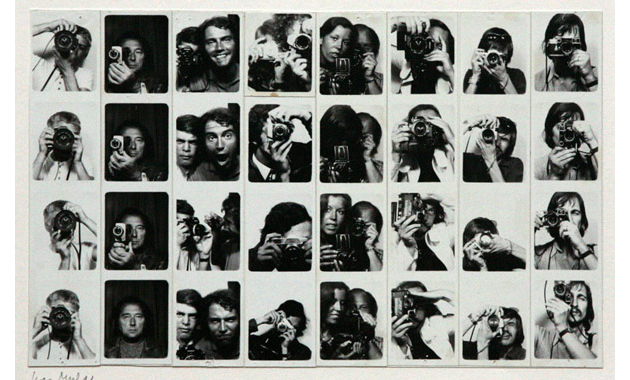
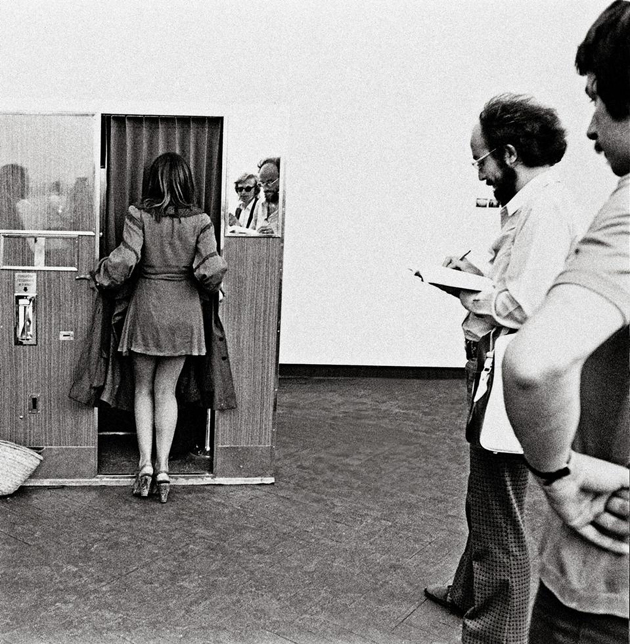
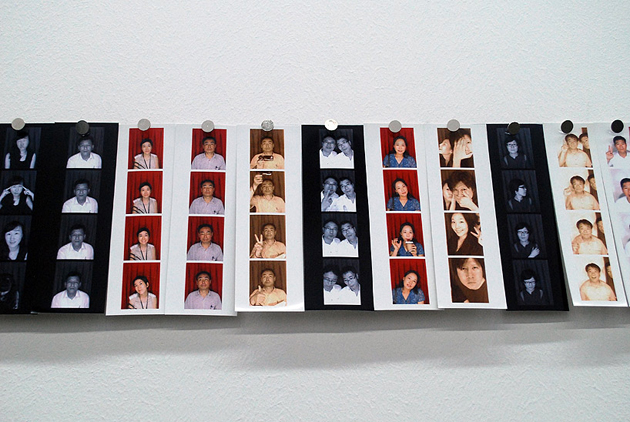
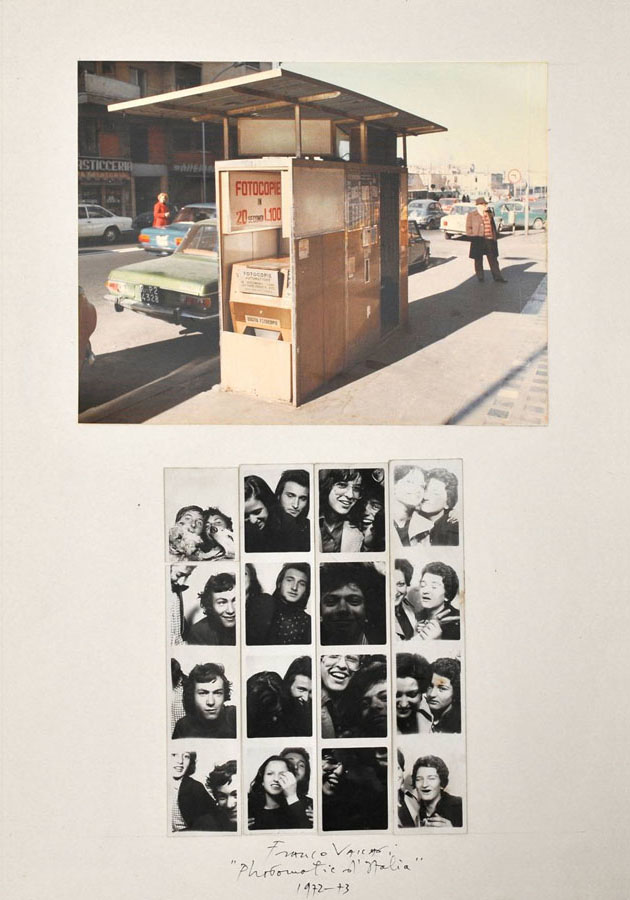
Franco Vaccari, born in Modena in 1936, is an Italian conceptual artist mostly known by his Photomatic “Esposizioni in tempo reale” installation at Venice Biennale in 1972. Mostly working with photography, Mr. Vaccari has made numerous artists’ books during his life and has kindly introduced them to us this saturday. After his studies in physics, Mr. Vaccari has entered the world of art in the mid-sixties, a period when pop art was starting to explode internationally. Hence, the first book he made was called “Pop esie”, collecting a series of casual short poems composed from journal clippings. He gradually started working with photography, building his opus through the idea of breaking down any mental preconceptions he might have. From there on Vaccari has continued constructing situations that put the viewer in an active position, involving their actions, reactions and reflections through the installations he created. That is how Photomatic “Esposizioni in tempo reale” came about, putting a photographic machine inside the show where every visitor could take a personal snapshot. The shots were collected in a book, titled, again, “Esposizione in tempo reale”, becoming an absolute rarity nowadays.


Mr. Vaccari, a kind gentleman and still a passionate artist, was extremely moved by the fact that his talk was attended by a full room of young creatives interested in artists’ books, saying that he can usually count the attendants on the fingers of one hand. Well, we must admit, so were we. Hopefully, this event is another demonstration that both books as well as art will never go out of style.


Rujana Rebernjak

12/11/2012

Artissima Part 2. Inside the Fair

Artissima Part 2. Inside the Fair

As a fixed element of Artissima, heavy rain accompanies also the 19th edition of the Turinese event that has established itself as the most important Italian fair devoted to contemporary art. Divided in five segments – Main Section, New Entries, Present Future, Back to the future and Art editions – the fair hosts 172 stands between Italian and foreign galleries, exploiting strengthened formulas and introducing some news. The atmosphere seems to be relaxed inside the Lingotto building, there is no crowd, we walk around the corridors casting a glance to the presented artworks, the quality is as usual high and many pieces catch our attention, but being thrilled is another kettle of fish. Since homogeneity makes it hard to pinpoint outstanding works, we focus on galleries, which have been able to display interesting proposals both in terms of set up and their roster of artists.

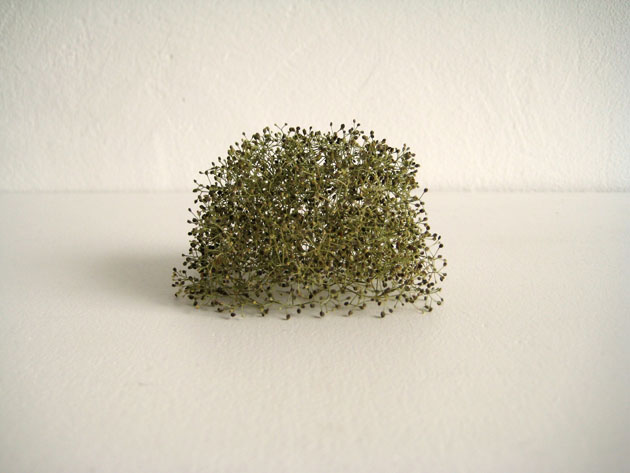
Among them we mention Raffaella Cortese Gallery that presents works by Kiki Smith, Ana Mendieta, Marcello Maloberti, Anna Maria Maiolino – we look forward to seeing a solo exhibition by her after the success of Documenta – and the striking pictures by Zoe Leonard; Lisson Gallery with six small lovely collages by Jonathan Monk and a deserving, minimal glass series/installation by Florian Pumhösl; and Oredaria, whose stand hosts beautiful works (stars and earth) by the representative of Arte Povera, Gilberto Zorio and the delicate sculptures by the German artist Christiane Löhr, who plays with natural elements such as seeds, stems, horsehair and small plants to create charming compositions influenced by geometrical forms.

Despite the presence of some of the most important galleries of the worldwide contemporary art panorama, maybe the most well-made section is Back To The Future, the part dedicated to artists active on the international scene during the 60’s and 70’s. Even if we are all conscious of the appeal and importance of the artists that went down in history as Valie Export, we find odd that so many young artists get inspiration from an art of 40/50 years ago relating to such a breaking time, without having full awareness of it and without being able – or having the same power – to go against a social system.
We keep looking into the future since, after all, It’s Not The End Of The World… perhaps.


Monica Lombardi – Many thanks to Paola C. Manfredi Studio

12/11/2012

Artissima Part 1. Strolling Around The Streets

Artissima Part 1. Strolling Around The Streets

Just arrived in Torino, and before going to visit and report from the fair, we opted for discovering the streets and monuments profiting by the numerous events arranged by Artissima in collaboration with institutions, scattered around the regal city.


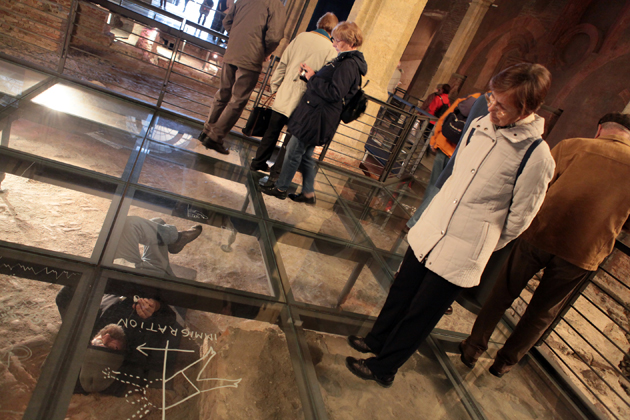
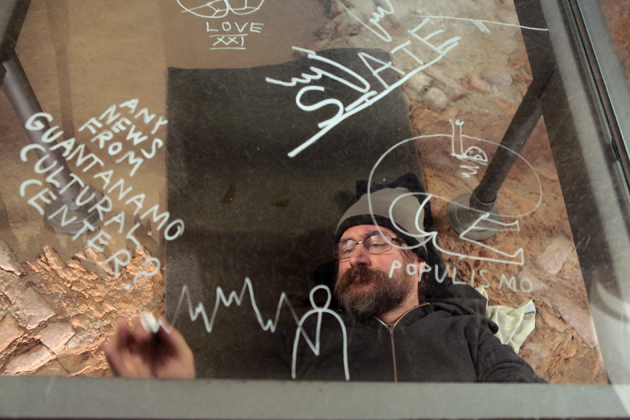
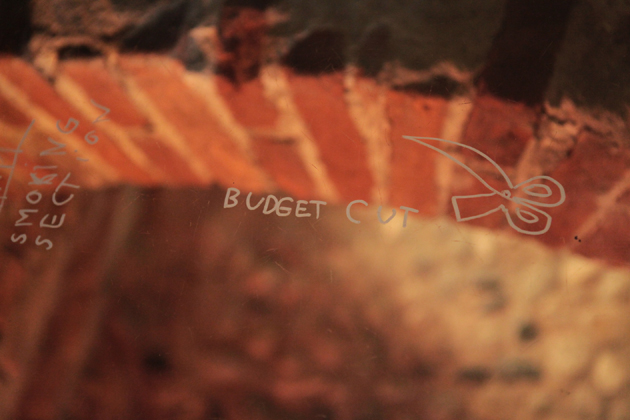
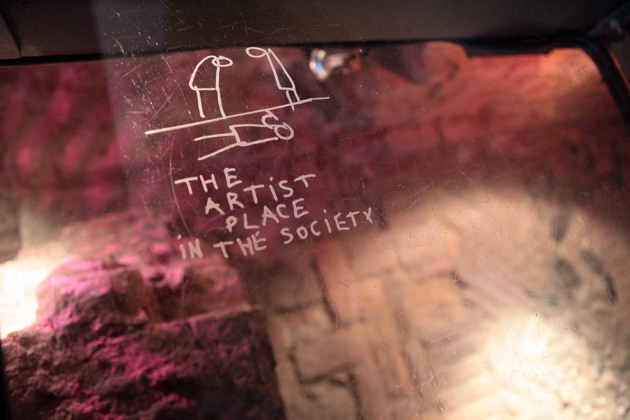
The first stage, after tasting the typical, irresistible sweet chestnuts while walking along the river Po turning towards the centre, is Palazzo Madama, venue of the Museum of Ancient Art, where we meet again Dan Perjovschi – it was less than two months ago when we first encountered and were affected by the incisive work by the Romanian artist. Ruin – Politics is the title of his latest show strongly influenced by the see-through floor structure, which opens the view over the remains of the Roman age. Once again Perjovschi’s drawings, which remind “cartoonish” images connoted by simplified marks and accompanied by sharp and ironic short texts, analyze social issues, from the global to the more local ones, and interpret conflicts, paradoxes and hopes of contemporary human beings. Crawling under the visitors’ feet, the artist performed his site-specific work, using the ruins as the background of a message that needs people to take it up. “Who did these foolish vignettes?” says a lady while entering the room. At first blush and without stopping at least for an instant to look at them, they could seem ordinary or even stupid sketches, but a small effort turns them into penetrating works, endowed with an amazing ability to synthesize, able to translate the complexity of our world into easy and ironic situations that make reflect.

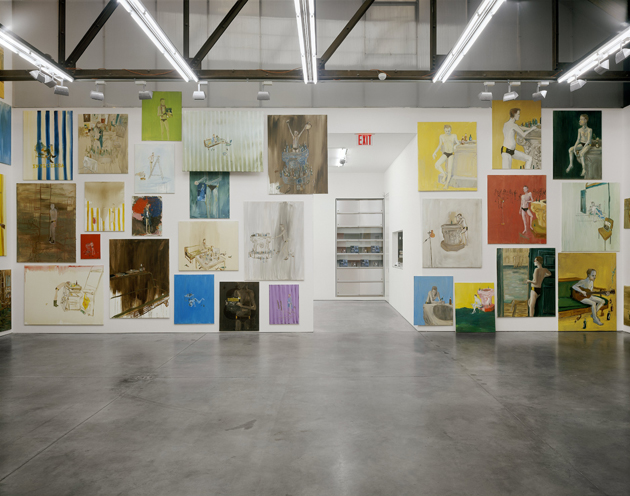
From Palazzo Madama to Fondazione Sandretto Re Rebaudengo – after going around the city, taking wrong trams that lead us to wrong directions and getting lost twice in the pouring rain. Note: next time remember the map! – to see the exhibition by Ragnar Kjartansson, The End – Venezia. 114 canvases set up in a picture gallery that covers almost all the walls of the room from the ceiling to the floor. The protagonist is a sort of contemporary romantic hero, a pose, a modern Bohémien conceived for the 53rd Biennale of Venice and played by Kjartansson’s friend and fellow artist Páll Haukur Björnsson. Living the studio as both a rocker and a lagoon mermaid, who spends his time smoking cigarettes and drinking beer, dressed only in a micro Speedo swimsuit, he expresses all his loneliness and decadence conveying and emphasizing the cliché around the figure of the artist. The same subject repeated by Kjartansson in an obsessive way brings you back to the melancholic atmosphere of the studio where the canvases were painted and where the performance took place in 2009.

Before leaving the museum we cannot avoid taking a look at the show For President, curated by Mario Calabresi and Francesco Bonami, that delves into the spectacular world of American propaganda. Presenting gadgets, photographs shot by both professionals and the anonymous during the speeches of white house wannabes, but also video and installations, which retrace the history of USA presidential elections from the early beginning.


The first part of our report from Artissima is almost finished. We drop in at Cripta 747 to see the project Where is Your God now? by Kianoosh Motallebi, in the midway between art and science, and just before starving we move to Da Michele, a renowned restaurant in the city centre where art spectators lose their aplomb to turn into noisy, carefree wine lovers. Cheers!

Monica Lombardi

11/11/2012

Sunday Breakfast Goes Kaleidoscopic

Sunday Breakfast Goes Kaleidoscopic

Distorted vision of a same simple morning. Kaleido porcelain, shaded bread will give my day a different, brand new taste.

Alessia Bossi from Love For Breakfast

09/11/2012

Dubrovnik – Sun, Stars And Silence

Dubrovnik – Sun, Stars And Silence

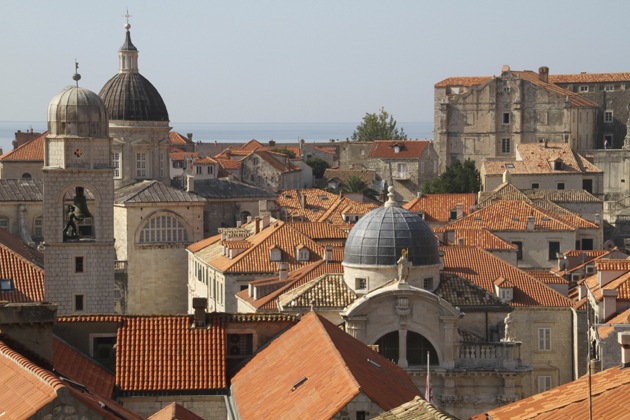
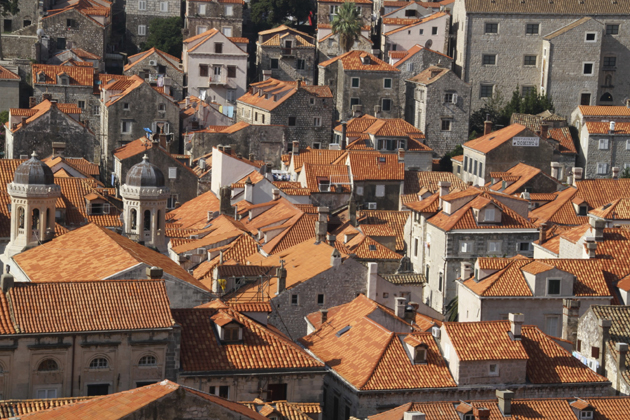
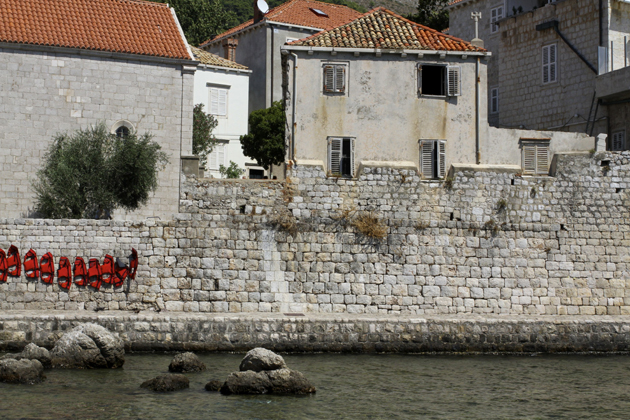
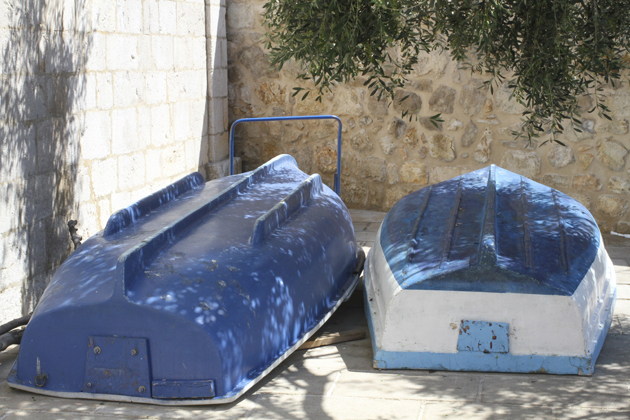
Falling in love with Dubrovnik is inevitable. It’s a soul-lifting jumble of red rooftops, steep passageways, hidden monasteries, piazzas, rocky coves and Italian-feeling cafes. Steeped in European history, it’s perfectly contained within ancient city walls, which span almost two kilometers, and hugged by the salty Adriatic Sea.

Less than an hour here – spent devouring gelato while celebrity spotting along the Strada, overwhelmed in the Modern Art Museum or passed out on the peacock covered beaches of Lokrum – and the worries of the modern world simply slip away.


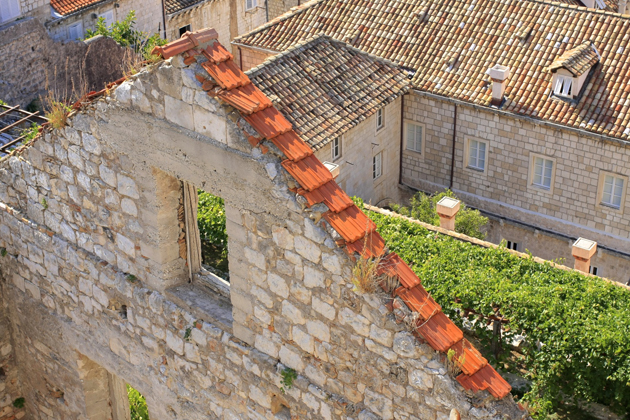
But therein lies the irony. Dubrovnik’s modern history is anything but peaceful. Despite joining the UNESCO list of World Heritage Sites and demilitarizing itself in the 70’s, the city was besieged by Serb-Montenegrin forces, for seven months, during the Croatian War of Independence. Damaging 56% of Dubrovnik’s buildings the war left the city and its residents utterly transformed.

Every guidebook will warn you against discussing the war with locals. And this is completely understandable; the history is so recent. It only took me one slip up to realize this. During a friendly morning chat with a waiter I asked about an abandoned hotel overlooking the water just outside the city that I’d spied en route to Lokrum. He admitted that it had closed during the war, sustained structural damage and was never reopened. He then politely shut down the conversation.

What’s odd however, is the minute you turn your head away from the ‘stars’ (the marks shells have left on the massive stones lining the street that you might at first attribute to age), and face the water, you’re right back in paradise. And it’s a paradise loved by those who call it home. Most of the post-war repairs were made possible through the private donations of Croatians living overseas. Their motivation: merely seeing the city returned to its former glory. History, beauty and passionate nationals – this is a destination like no other.


Liz Schaffer – Photos Liz Schaffer & Angela Terrell