21/04/2015

Daily Tips: Kartell Produces Sottsass’ Vases

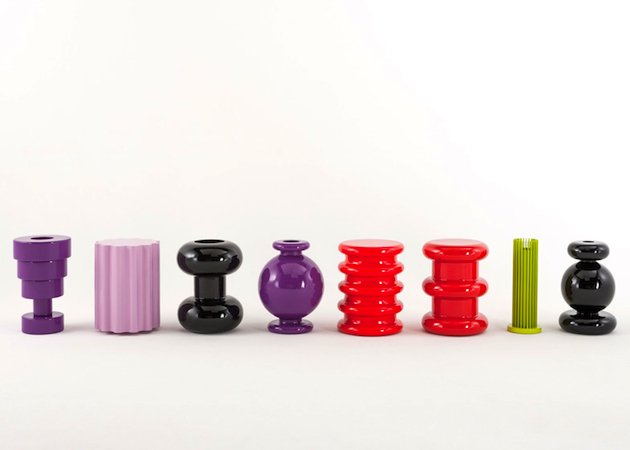
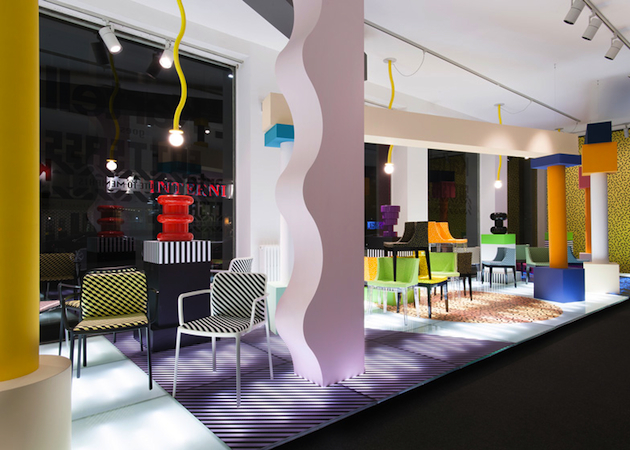
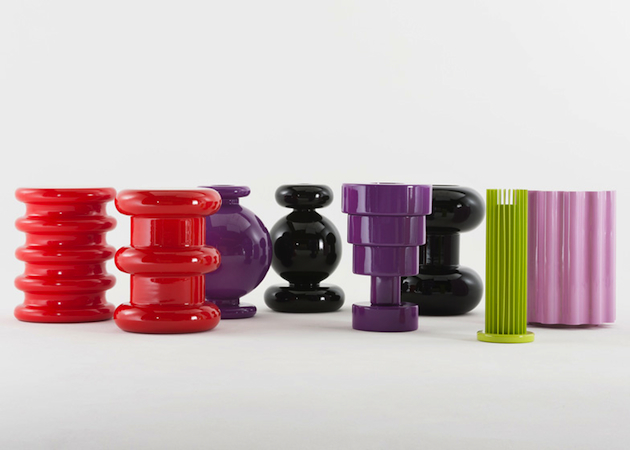
There are certain individuals in the history of design, that always prove to be ahead of their time. One of them is the great Italian master, Ettore Sottsass. During this year’s Salone del Mobile, the Kartell company has presented a series of nine pieces designed by Sottsass in 2004. At the time, though, the pieces did not go into production due to limits in technology. Ten years later, Kartell has produced the six vases, two stools and a lamp, characterized by Sottsass’ peculiar visual language, evocative of his unique design process. Exuberant colours and rounded forms translate Sottsass’ timeless references into shiny, three-dimensional pieces.

“Technology enables us to realise Sottsass‘ designs with a quality and sophistication that would have been impossible ten years ago,” said the president of Kartell, Claudio Luti. “I am convinced that the maestro would have been enthusiastic as to how we have given life to his objects, that are one of a kind, unmistakeable, some of which will be projected towards a totally industrial and international future.”

The Blogazine 
Share: Facebook,  Twitter  
29/08/2014

The Radical World of Ettore Sottsass

Of many great Italian designers of the past century, Ettore Sottsass is the most difficult one to grasp. Initially trained as an architect, throughout his life Sottsass has produced work that spanned many disciplines, media and types of production. From critical design developed with radical group Memphis to industrial design projects – among which stands out the timeless Olivetti portable typewriter ValentineSottsass has marked the discipline’s course and his work is still reflected in projects developed by contemporary young professionals.

Nevertheless, until recently, a comprehensive reading of Sottsass’ life and work appeared to lack. Bits and pieces of his work and thought were scattered around in different volumes, such as Barbara Radice’s “Memphis. Research, Experiences, Results, Failures and Successes of New Design”, which offers a critical reflection on the Memphis period, rather than Sottsass’ autobiography “Scritto di notte”, revealing his youth years and an unconventionally free approach to life. For this reason, Phaidon’s monograph on Ettore Sottsass was a highly anticipated and much needed work.

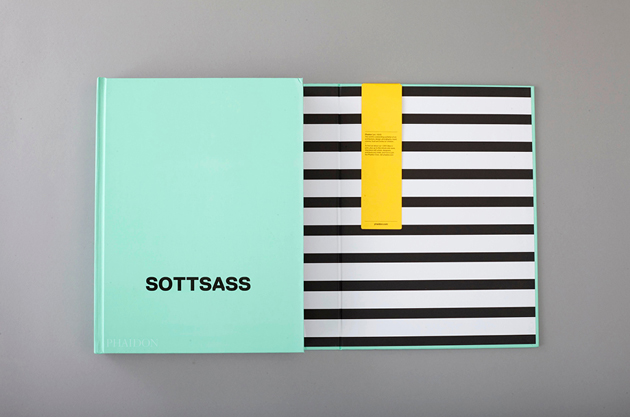
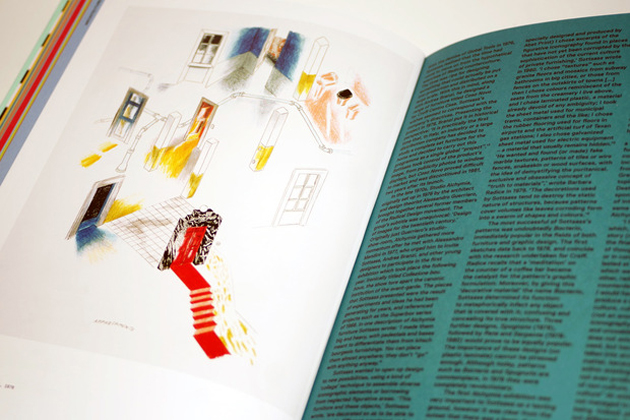
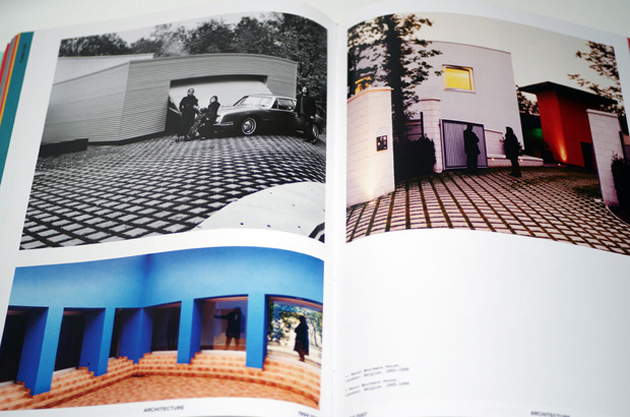
Edited by Philippe Thomé, this monumental volume aims at revealing the complexity and eclecticism of the designer’s work by dividing the book both chronologically and thematically. Therefore, each subsection of the book – whose complex and at times too bold graphic design reflects perhaps the density of its subject – is divided into different chapters based on the type of production – ceramics/glass, furniture, sculpture/painting, architecture, jewellery, etc. – offering a comprehensive and clear vision of the evolution of Sottsass’ thought. Thomé, a Swiss scholar who wrote his doctoral theses on Sottsass, complemented the meticulous research work with essays by Francesca Picchi, Emily King, Andrea Branzi or Deyan Sudjic, as well as with precious and utterly exciting inserts of Sottsass’ characteristic sketches. With more than 500 pages and 800 illustrations, the book’s sheer volume stands as a reminder of the depth of Sottsass’ achievement.

Rujana Rebernjak 
Share: Facebook,  Twitter  
27/04/2011

The Typewriter Lives / Rand, Sottsass & Pintori

.

The Typewriter Lives / Rand, Sottsass & Pintori

The typewriter is officially dead. Well, not really. It was widely reported to have died in 2009 when, ostensibly, the last company to produce them, Godrej & Boyce from Mumbai, discontinued production. But the world this week was quick to lament its symbolic and final passing, as Godrej sells its final stock. But as several respectable sources report, such as Canada’s National Post, several producers remain. Because, after all, prisoners and the Amish will always need something to write letters with.
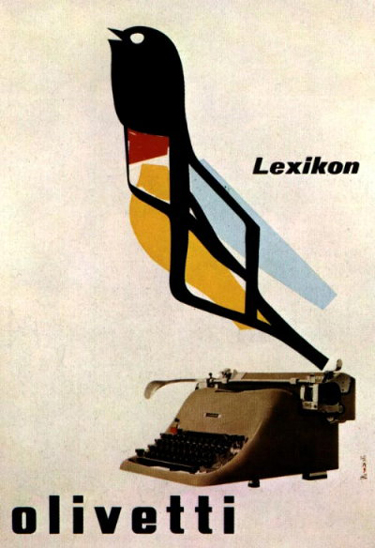
Today, we’re far from the days of the gorgeous Olivetti Valentine and rock-solid, anvil-heavy Smith Corona. It’s not rocket science to understand the lack of demand for the old workhorses over the past several years (or, y’know, decades). But the typewriter is is such a potent archetype that, even though it’s faded almost entirely from use, its complete abandonment is difficult to swallow.

We watched its form merge with that of the computer over the seventies and eighties. And today inside almost anything with a typing interface – mobile phones, computers, car navigation systems – the typewriter’s QWERTY archetype (or AZERTY for you crazy Frenchies) lives on. But as we’ve explored before, the loss of tactility in our new, predominately digital environments isn’t always easy to deal with. Not to mention the exponentially increasing complexity of the objects themselves. The typewriter’s death – real or exaggerated – signals a further uncomfortable detachment from the past.
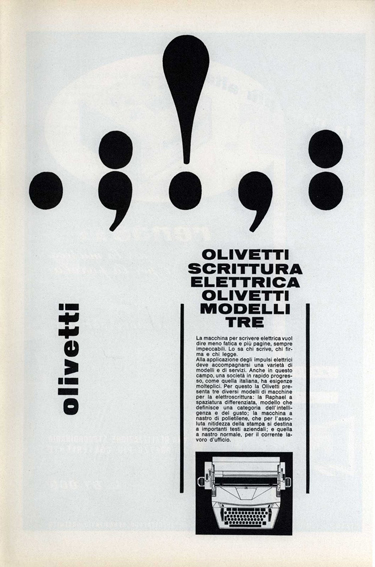
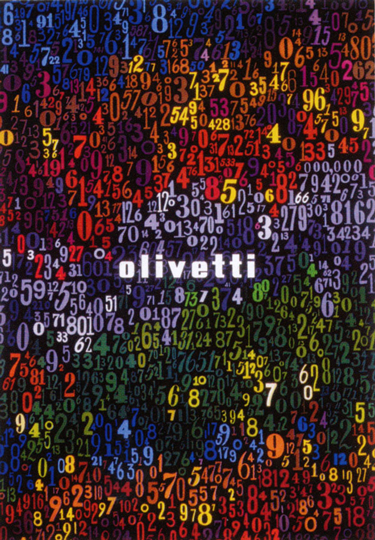
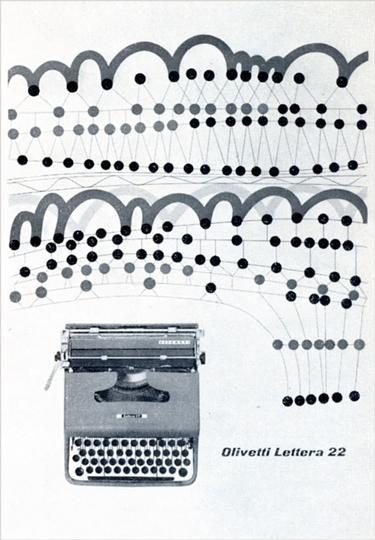
And although we’re most certainly not technophobic Luddites, the culture of the typewriter deserves its due. Its sheer brilliance was capped off by its 1960s and 1970s pinnacle as Ettore Sotsass, Mario Bellini and George Sowden turned them into functional high art. The typewriter was inextricably a part of the creative and visual cultures that made some corporations bastions of good design: think of Paul Rand, Giovanni Pintori and even Sotsass’ gorgeous and imaginative graphic works for the likes of Olivetti and IBM.
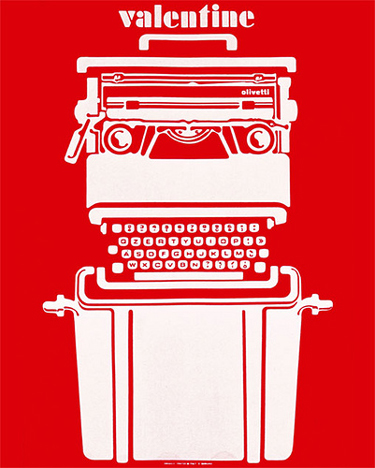
Typewriters were sources of great innovation in ergonomics and the relationships between object and user. They brought women into more dignified jobs and paved the way for equal workplaces the world over. The personal computer, in a design sense, can be thought of as an evolution of the typewriter…

Without the typewriter’s influence, it’s impossible to imagine the form the objects we use today might have taken on. Or if they’d even exist. And while not completely dead yet, it’s death is imminent, indeed. Should we fight for it, like Impossible did for Polaroid? Something tells me that wouldn’t amount to a typewriter revival…
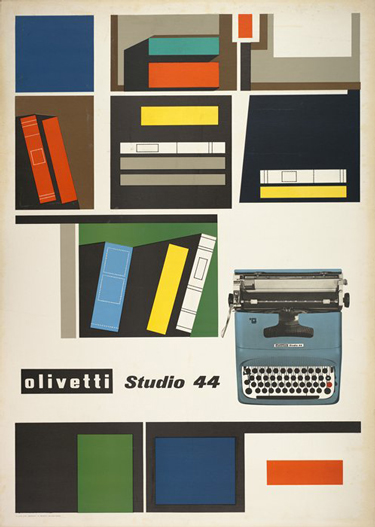
Tag Christof – Images courtesy Olivetti, by George Rand, Ettore Sottsass and Giovanni Pintori

Share: Facebook,  Twitter